filter_list Showing 4 results for "human condition" close Clear
search
dashboard All 34 museum exhibitions 26rate_review review 4article local 2article news 2
date_range Range Today This Week This Month All
Subscribe

I’ve Got the Post-Duchamp Blues

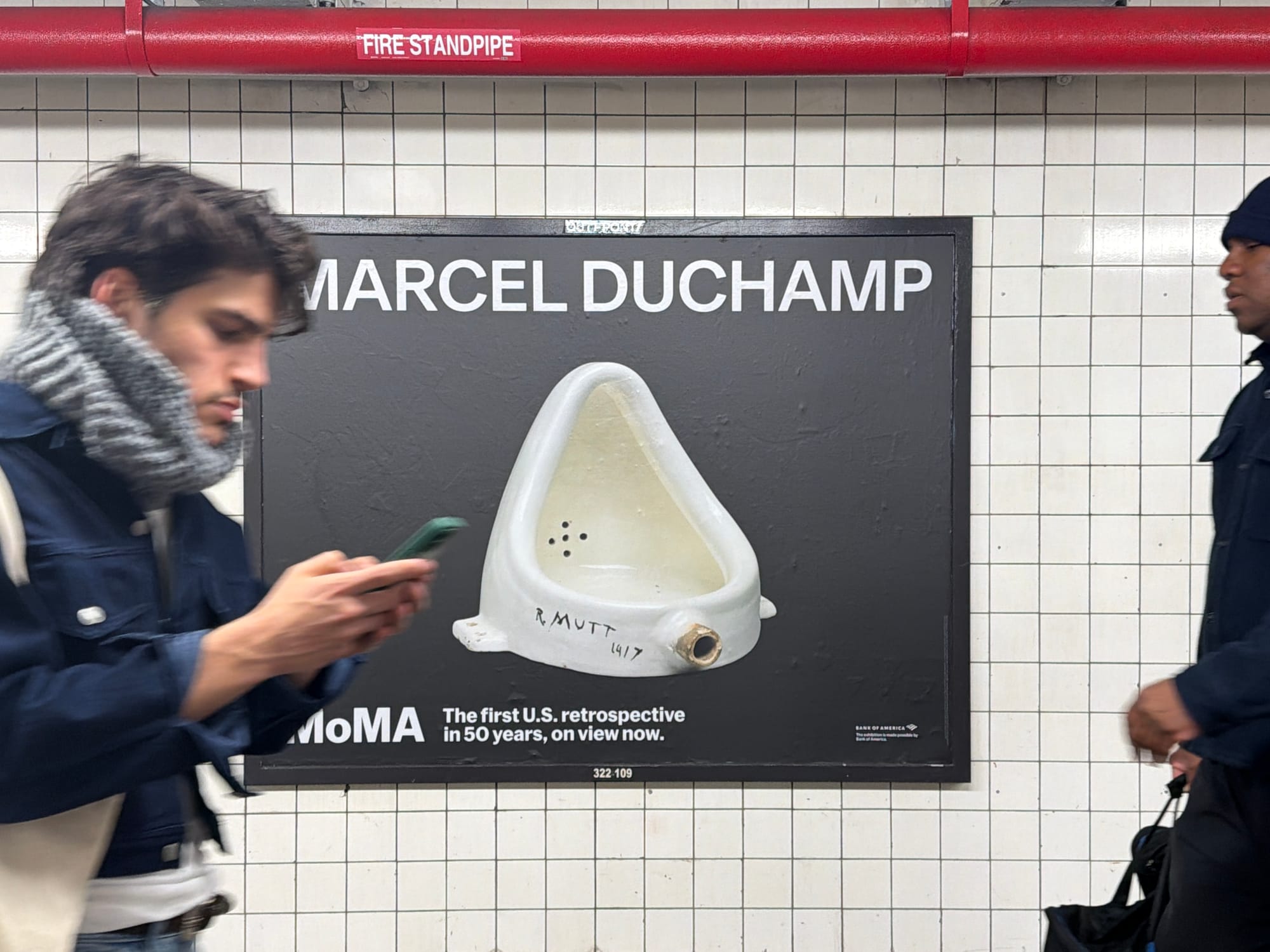
The article is a review of the Marcel Duchamp retrospective at the Museum of Modern Art (MoMA) in New York, the first such show since 1973. Featuring around 300 works from Duchamp's six-decade career, the exhibition includes his iconic readymades like "Fountain" (1917) and early paintings such as "Nude Descending a Staircase, No. 2" (1912). Co-curated by MoMA's Ann Temkin and Michelle Kuo along with Matthew Affron of the Philadelphia Museum of Art, the show runs through August 22, 2026, before traveling to Philadelphia.
« Caïn » de Fernand Cormon : aux origines de la conscience humaine ?

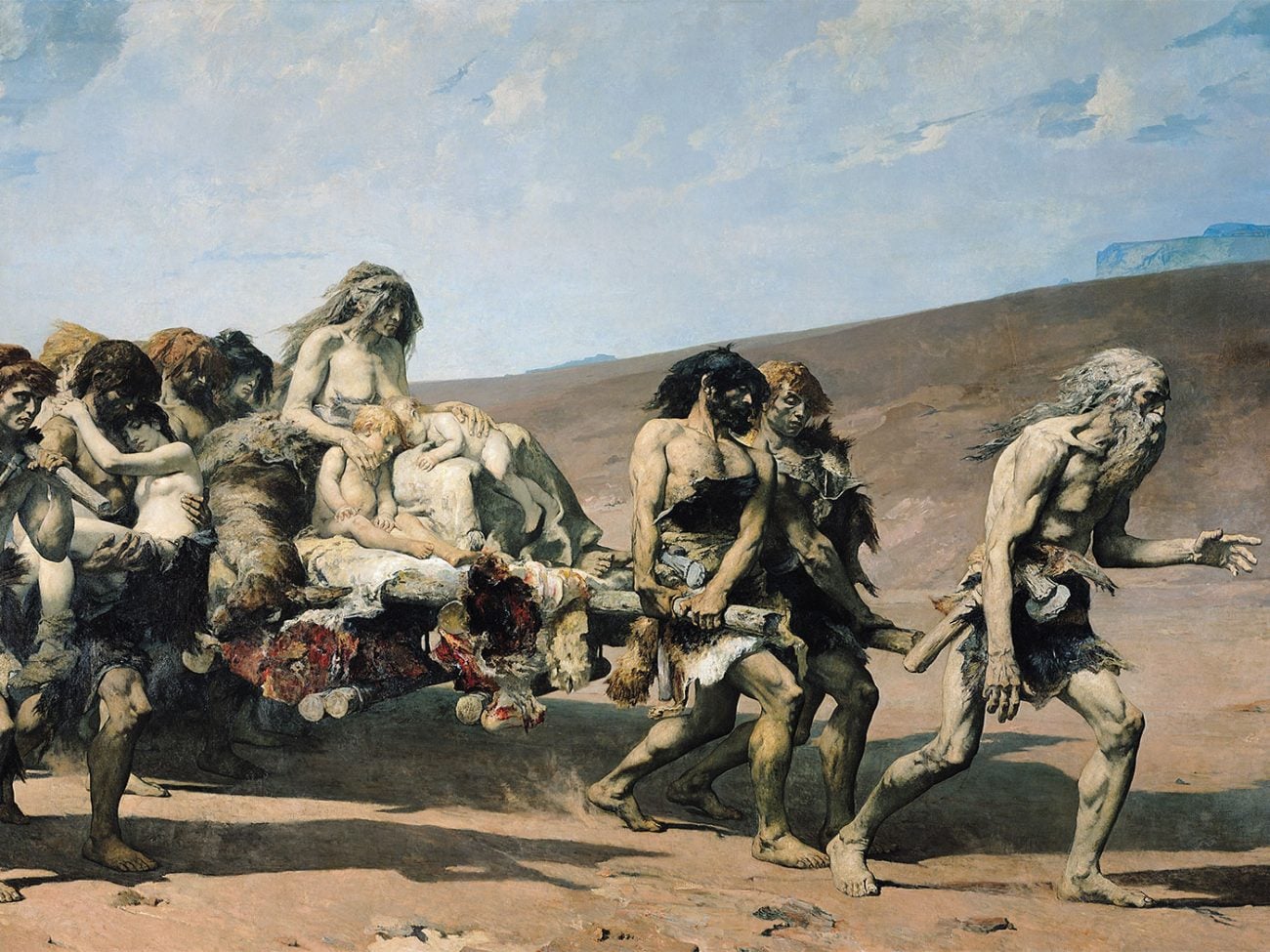
Beaux Arts Magazine analyzes Fernand Cormon's monumental 1880 painting "Caïn," currently held at the Musée d'Orsay. The article describes the scene: a prehistoric, weary clan trudges through a desert, led by a haggard patriarch, with a tired mother on a litter and hunters carrying game. Cormon's work is presented as the antithesis of classical triumph, evoking a melancholic, post-traumatic atmosphere. The painting is linked to the biblical story of Cain, who killed his brother Abel and was condemned to exile, and is accompanied by verses from Victor Hugo's poem "Conscience."

Anki King’s Nordic Noir

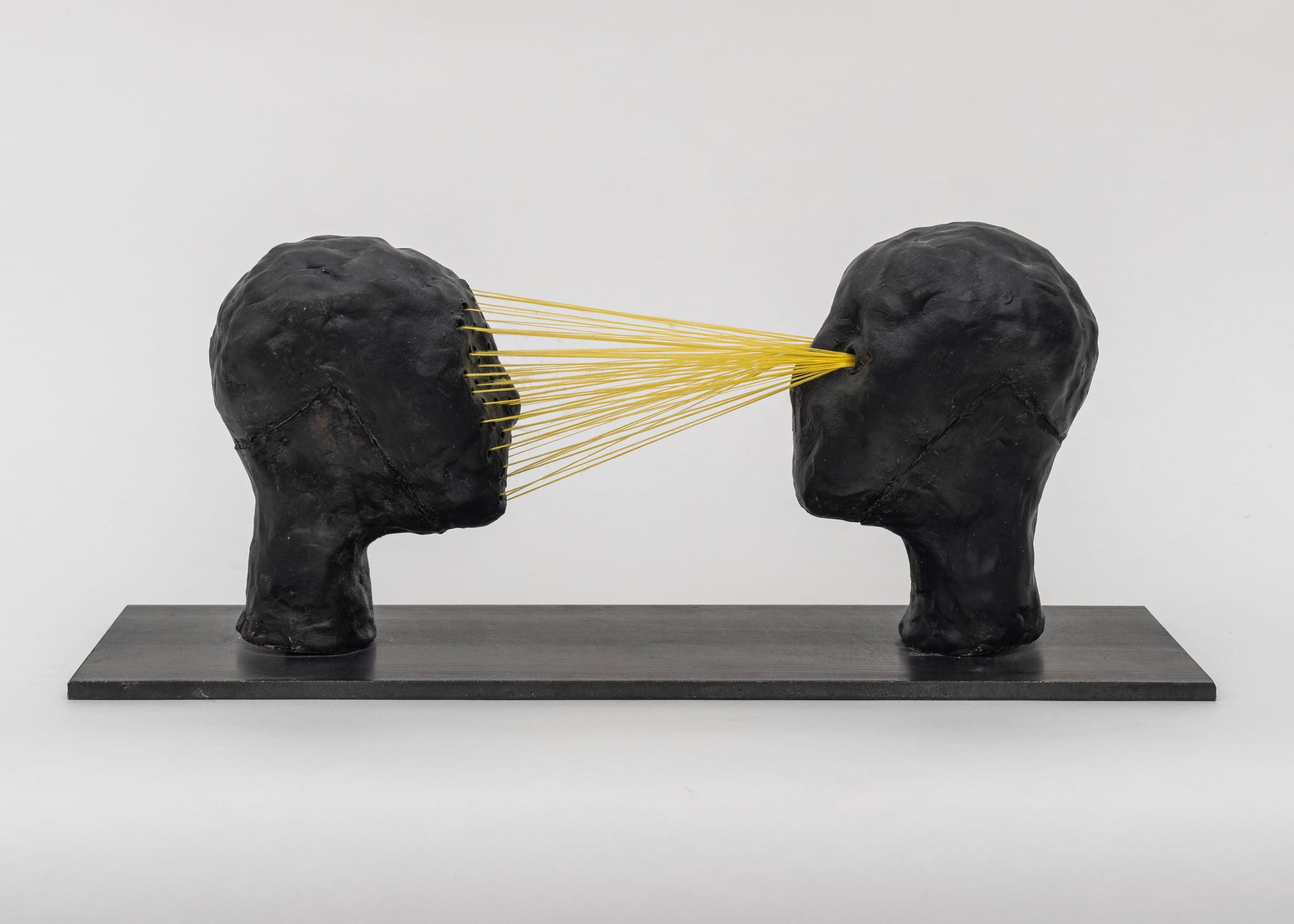
Anki King's solo exhibition at the Lace Mill in Kingston, New York, presents 40 works from 2015-2026 that explore themes of isolation and miscommunication through a moody, Nordic-inspired palette. The Norwegian-born, New York-based artist employs a distinctive visual language of featureless, long-limbed figures and recurring motifs like threaded ceramic heads and figures with leafless branches.

REVIEW: Now is not forever, when art mimics reality

Theresa-Anne Mackintosh’s solo exhibition, "Now is not Forever," recently debuted at the Wits Art Museum (WAM), featuring a provocative blend of older paintings and new sculptures. The show centers on anthropomorphic figures and the erasure of senses, notably in the "hear no evil, see no evil, do no evil" series, where body parts are painted over to symbolize the avoidance of moral decay. These works, alongside vivid sculptures representing the artist's alter egos, challenge viewers to look past aesthetic surfaces to confront the inherent chaos and dysfunction of contemporary society.