filter_list Showing 72 results for "Purpose" close Clear
search
dashboard All 72 museum exhibitions 29article local 21article culture 9article news 7article policy 2rate_review review 2trending_up market 1person people 1
date_range Range Today This Week This Month All
Subscribe

Why London’s Whitechapel Gallery Hired an Economist

London's Whitechapel Gallery has appointed economist Mariana Mazzucato as its first economist-in-residence, a three-year role aimed at rethinking how museums generate revenue and demonstrate social value. The gallery faces a £880,458 deficit, a 325% increase from the previous year, due to declining exhibition income, reduced trust and foundation funding, and cuts in Arts Council England grants. Mazzucato, a professor at University College London and director of the Institute for Innovation & Public Purpose, will advocate for treating culture as a strategic public investment.
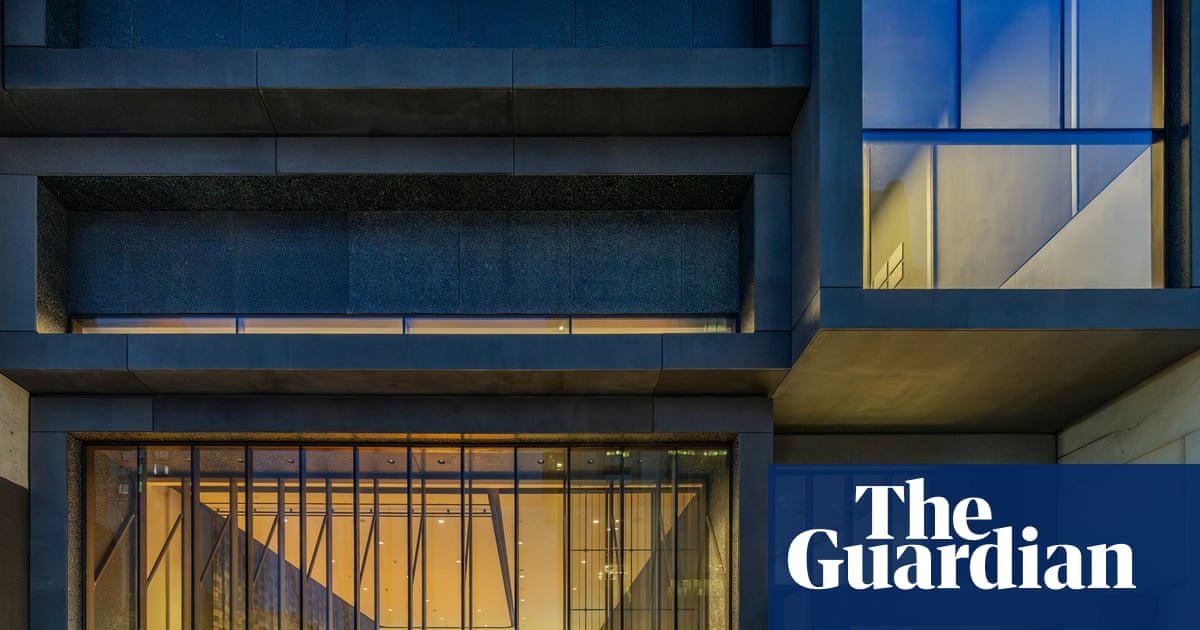
‘Harlem has always been evolving’: inside the Studio Museum’s $160m new home

The Studio Museum in Harlem is set to inaugurate its new $160 million, purpose-built home on Manhattan’s 125th Street. Designed by Adjaye Associates in collaboration with Cooper Robertson, the 82,000-square-foot facility nearly doubles the museum's previous exhibition space and replaces a repurposed 1914 bank building that lacked essential infrastructure like loading docks and large elevators. This milestone marks the first time in the institution's history that it will operate out of a structure specifically designed to support its mission of championing artists of African descent.

5 lieux d’art à visiter absolument à Rennes

Beaux Arts Magazine highlights five must-visit art venues in Rennes, France, a city known for its youthful energy and cultural heritage. The featured locations include the Musée des Beaux-Arts de Rennes, which houses masterpieces like Georges de La Tour's *Le Nouveau-né* (c. 1645) and recently opened a free satellite space in the Maurepas neighborhood in 2025; Les Champs Libres, a multi-purpose cultural center with a library, museum of Brittany, and science space; and La Criée, a contemporary art center located in a covered market. Other notable spots include the Oniris gallery and the Couvent des Jacobins, which hosts exhibitions from the Pinault Collection.

James McNeill Whistler review – a luscious, seductive blockbuster for the painter who scandalised Britain

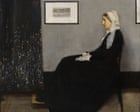
Tate Britain has opened a major retrospective dedicated to James McNeill Whistler, the American painter who scandalized Victorian Britain. The exhibition centers on his iconic work *Arrangement in Grey and Black No. 1* (commonly known as *Whistler's Mother*), lent by the Musée d'Orsay, and traces his evolution from raw realist scenes of London's docks to radical, abstract celebrations of color and pattern. It includes a reconstruction of *The Peacock Room* and highlights his rivalry with critic John Ruskin, who accused him of 'flinging a pot of paint in the public's face.'

Getting Messy in the Archive at LA’s Art Book Fair

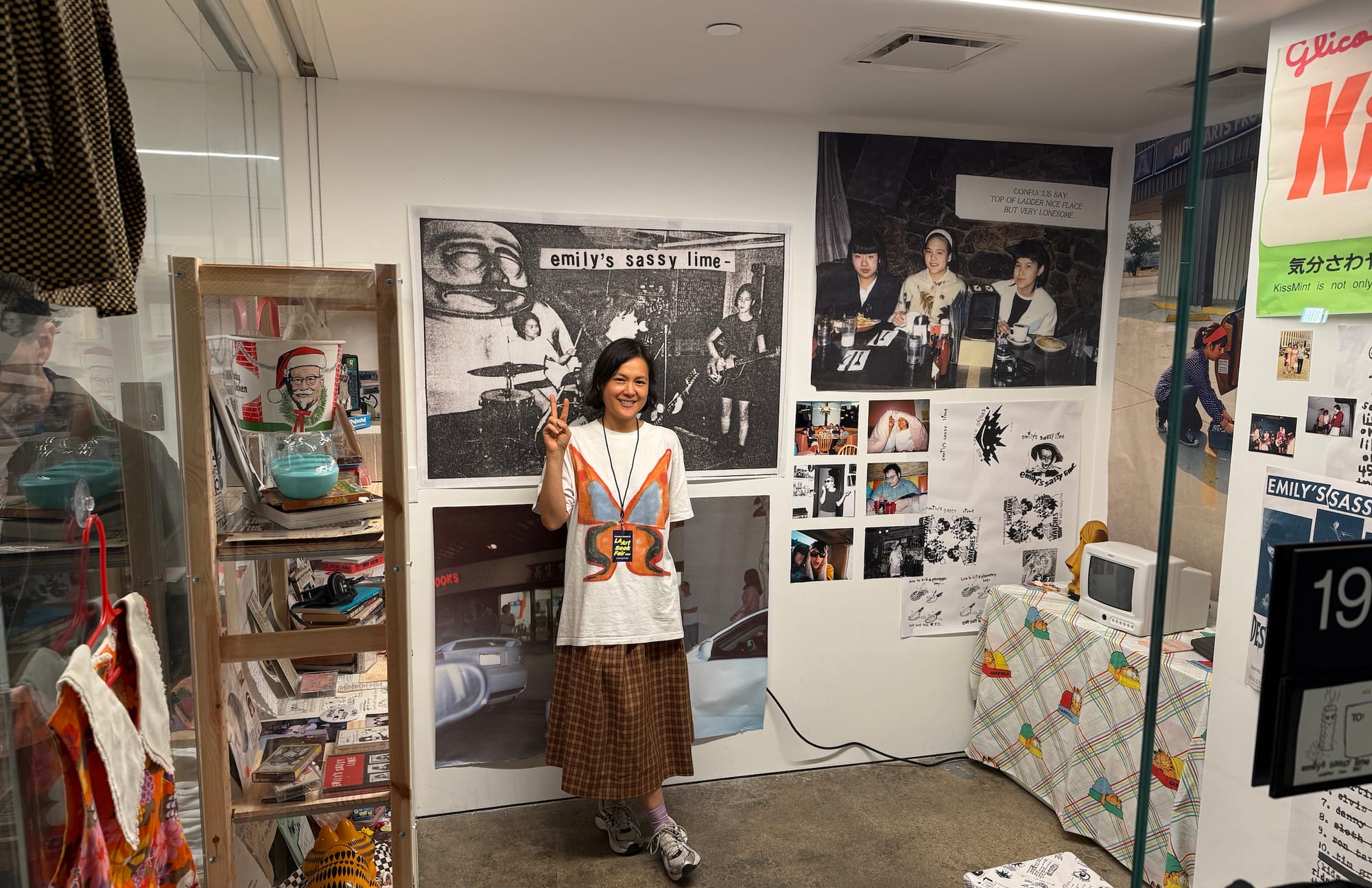
Printed Matter's Los Angeles Art Book Fair returned to the Art Center College of Design in Pasadena for its 13th edition, featuring over 250 exhibitors—slightly fewer than last year—with about a fifth participating for the first time. A common thread across the fair was the archive: publications that excavate, remix, and repurpose historical media, from a book chronicling a 1960s hoax about animal nudity to a compendium of vintage photographs that subvert male subjectivity, and a collection of found photos from abandoned houses in rural Maine. The fair also highlighted diasporic and personal archives, including a Palestinian-American artist's cassette mixtape tracing music from the Middle East and an artist-run press focusing on translation as cultural resistance.

In Vancouver, artists imagine life after climate change

The Vancouver Art Gallery (VAG) has opened 'Future Geographies: Art in the Century of Climate Change,' an exhibition curated by Eva Respini that brings together artists from British Columbia, Canada, and beyond to imagine futures shaped by the climate crisis. The show features dozens of works created within the last 25 years, including large sculptures from repurposed waste like Liz Larner's 'Meerschaum Drift' and Brian Jungen's whale skeleton 'Cetology' made from plastic patio chairs, as well as John Akomfrah's three-channel film 'Vertigo Sea.' The exhibition runs at the VAG until January 10 before traveling to the Art Gallery of Ontario in March.

Discover the quietly affecting artworks of Poppy Jones, a fashion-world favourite

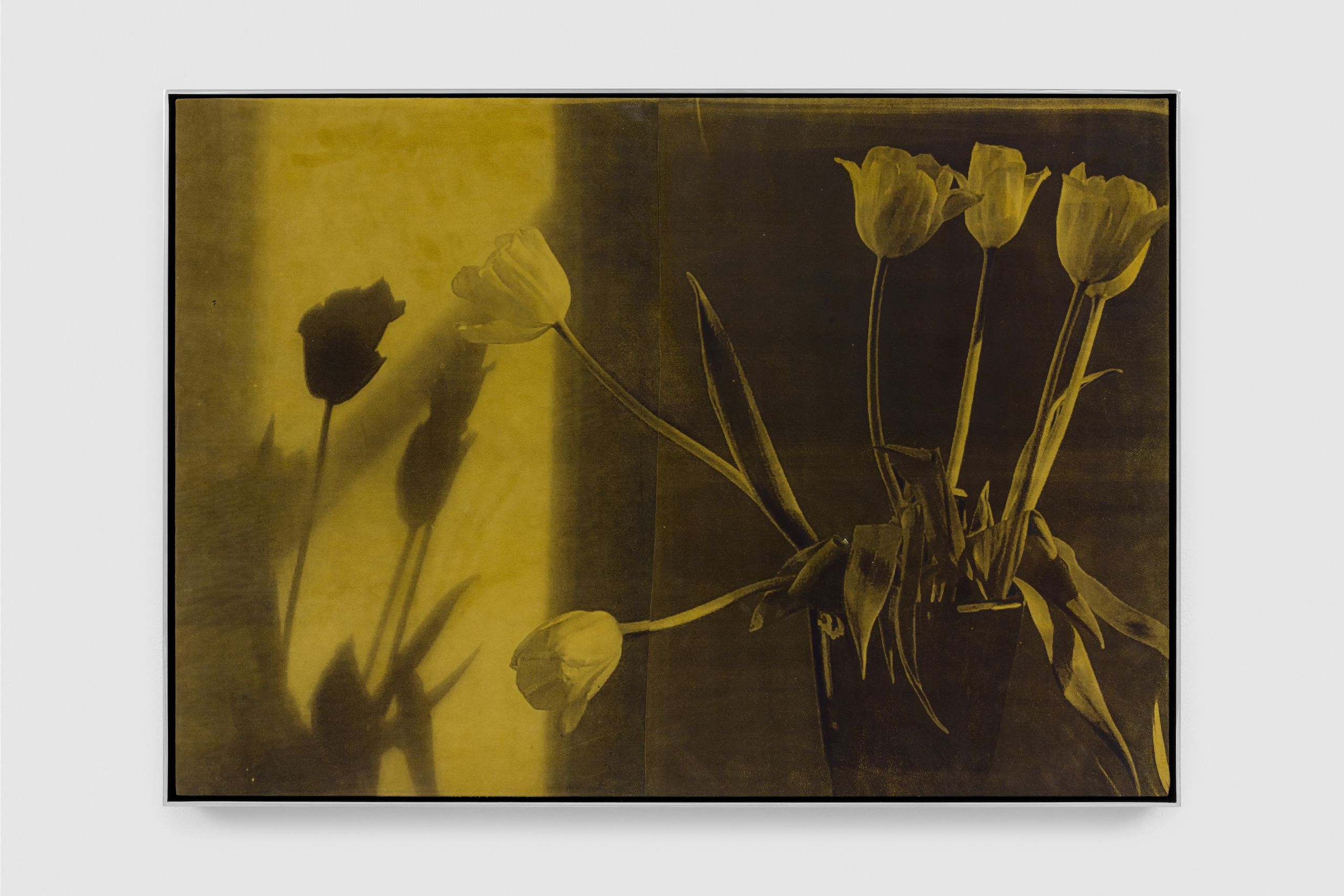
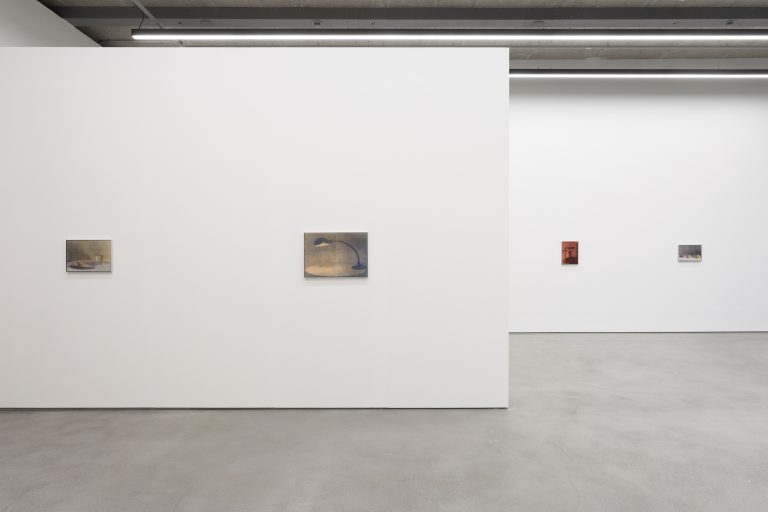
Poppy Jones, a British artist known for her quietly affecting works on textiles like suede and silk, has opened her first institutional solo exhibition, 'Frozen Sun', at Towner Eastbourne (until 31 May 2026). The show follows her 2024 presentation 'Solid Objects' at Herald St gallery in London and a sold-out monograph with Zolo Press in 2025. Jones, who was commissioned by Bottega Veneta's Louise Trotter for two works that became the house's A/W 2026 show invitation, creates intimate pieces featuring eggs, flowers, glasses of water, and vintage apparel details, often framed in sleek aluminium. Her practice, which blends photography, lithography, and watercolour, was shaped by the birth of her first child in 2019 and the Covid-19 lockdowns, leading her to focus on domestic subjects and small-scale works.

Maia Chao Performs the Museum

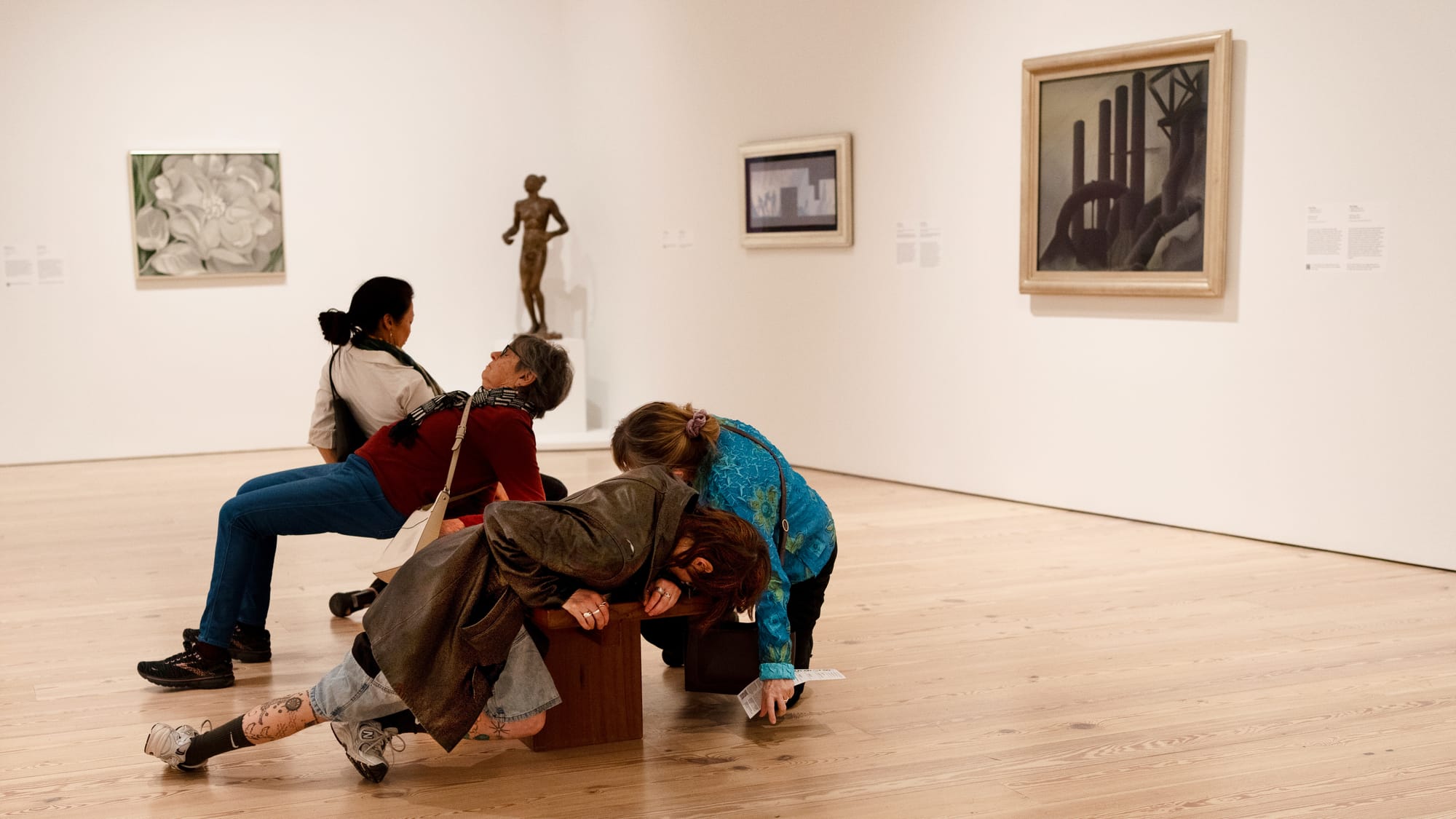
Artist Maia Chao will activate the seventh-floor galleries of the Whitney Museum of American Art with her performance "Being Moved" as part of the 2026 Whitney Biennial programming. The work explores the theatricality and choreography of a museum visit, examining the gap between the fantasy of profound encounter and the ambivalence of spectatorship. Chao, who studied cultural anthropology at Brown University and grew up with artist parents in Providence, Rhode Island, approaches the museum as a structure that quietly trains behavior and participation. Her earlier projects include "My Business (Cards)" (2017), which invokes Adrian Piper's work, and "Look at Art, Get Paid" (2015–20), which paid non-museum-goers to serve as guest critics.

An Unlikely Friendship Between Artist and Forger

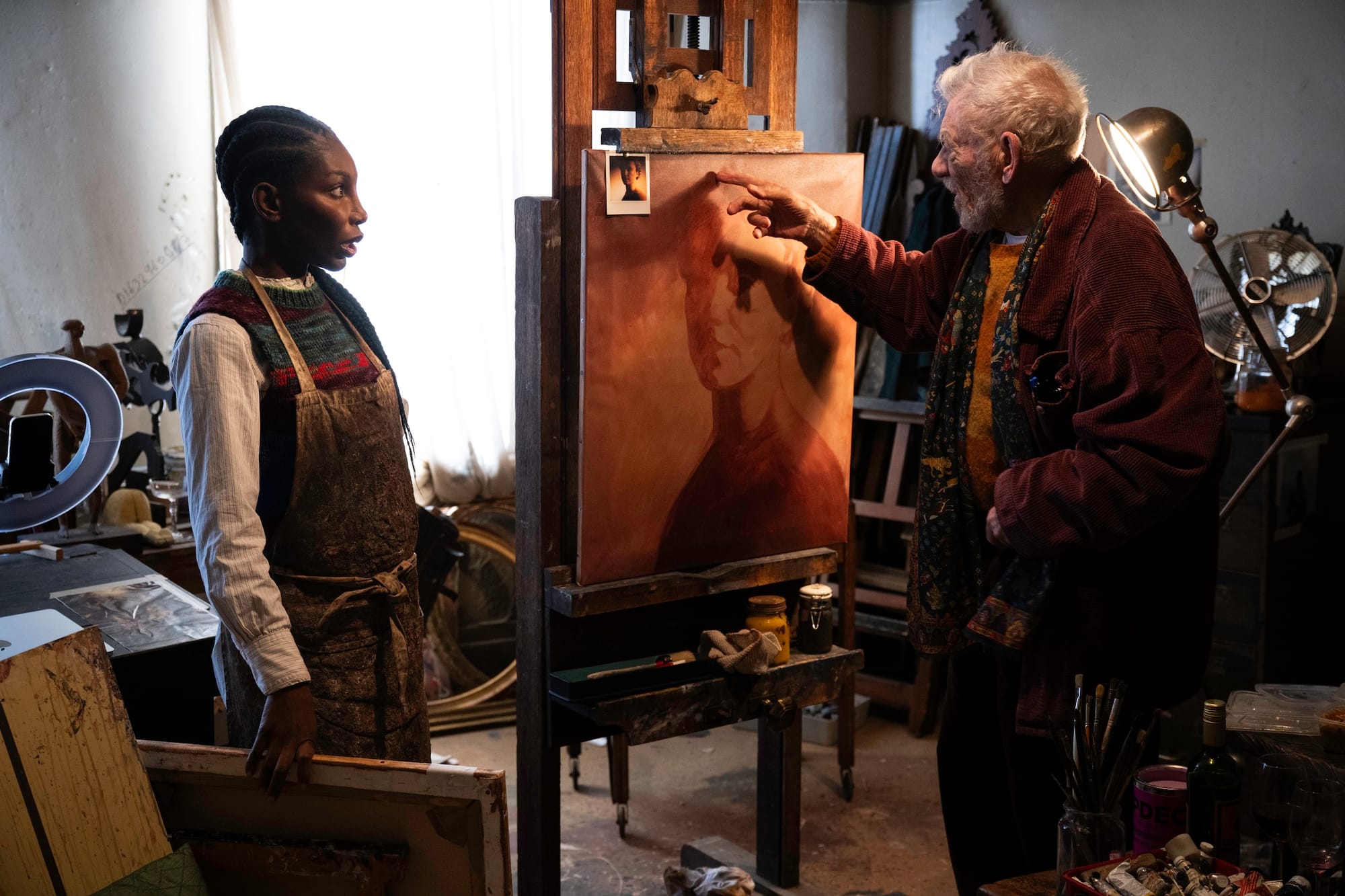
The article reviews Steven Soderbergh's 2026 film "The Christophers," which follows an unlikely friendship between two painters in London: Julian Sklar (Ian McKellen), an older artist facing cancellation, and Lori Butler (Michaela Coel), a young painter who restores and forges artworks. The film explores themes of attention, artistic legacy, and the purpose of art, contrasting with darker narratives like "Tár" by offering a comedic yet profound take on these issues.

Schloss Bellevue wird temporär Ausstellungshaus

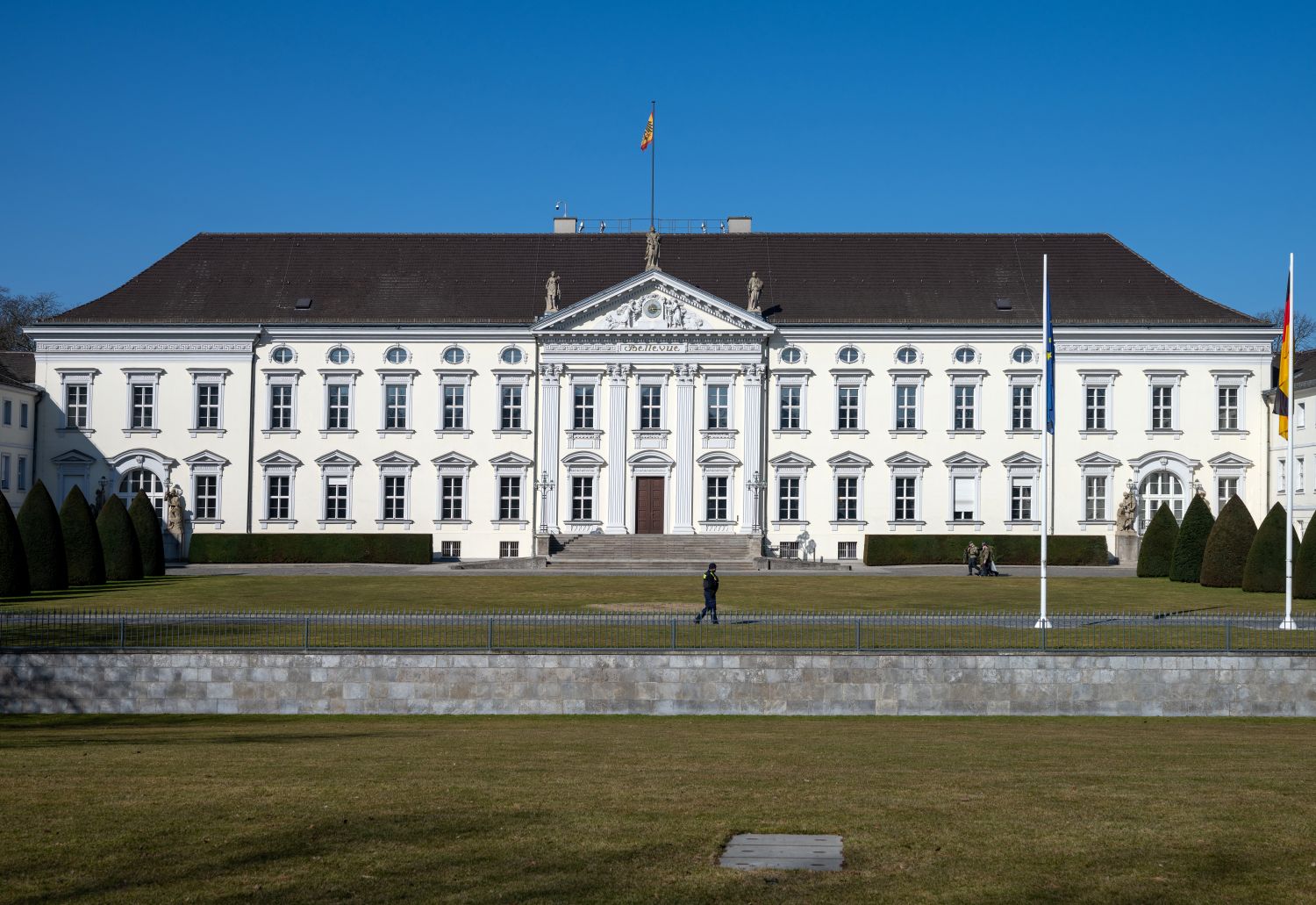
Schloss Bellevue, the official residence of German President Frank-Walter Steinmeier in Berlin, will be transformed into a temporary pop-up gallery for two weeks from June 13 to 28, before undergoing a major renovation expected to last around eight years. The exhibition, organized in cooperation with the Akademie der Künste, will feature works by artists including Katharina Grosse, Wolfgang Tillmans, and Monica Bonvicini, taking advantage of the emptied rooms ahead of the president's move-out before the summer break. Free timed-entry tickets will be available from May 18 via the Akademie's website.

“Grammars of Light” at Astrup Fearnley Museet, Oslo

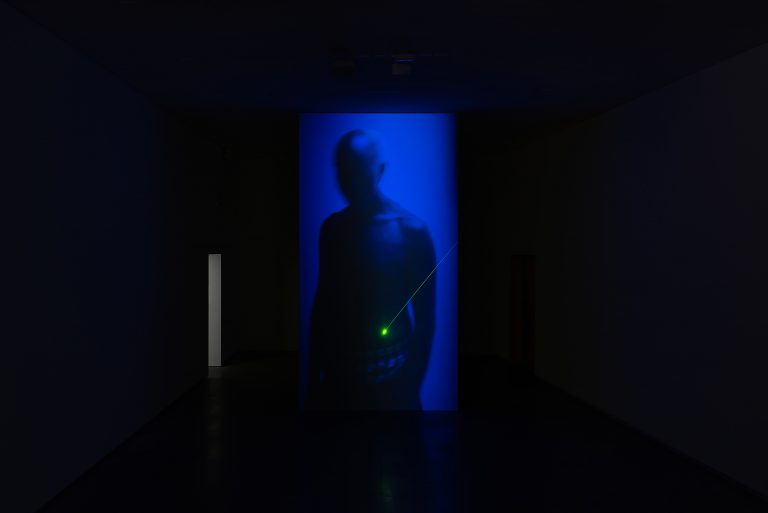
Astrup Fearnley Museet in Oslo presents "Grammars of Light," a major exhibition featuring immersive works by Cerith Wyn Evans, Ann Lislegaard, and P. Staff. The show includes architecturally scaled video projections and luminous sculptures made from repurposed consumer, medical, and industrial lighting, transforming the museum's galleries into sensory environments that challenge perception.

Comment | We must avoid amputating art in the name of preservation

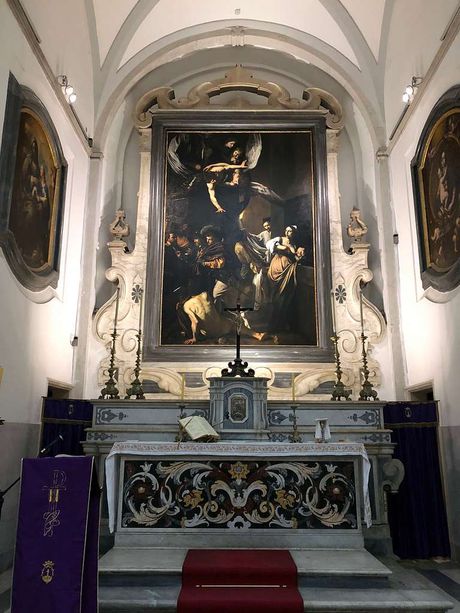
The article recounts the author's experience viewing Caravaggio's *Seven Acts of Mercy* (1607) in its original chapel in Naples, where the painting's crowded, dramatic composition directly mirrors the chaotic streets of the city, revealing its sacred meaning through context. In contrast, the author describes Caravaggio's *Flagellation of Christ* (1607), moved from the church of San Domenico Maggiore to the Museo di Capodimonte for security reasons, as a painting "marooned"—its spiritual purpose broken, reduced to a mere object for aesthetic appreciation.

Selfie-Friendly Pedro Reyes Sculpture Sparks Controversy at LACMA

Nearly eighty Mexican cultural figures have signed an open letter condemning the installation of Pedro Reyes's sculpture 'Tlali' (2026) in the plaza of LACMA's new David Geffen Galleries. The work, described as a selfie-friendly monolithic face inspired by Olmec art, closely resembles a 2021 proposal for a Mexico City sculpture titled 'Tlalli' that was abandoned after protests from hundreds of cultural workers. Critics argue that Reyes, a male artist who does not identify as Indigenous, should not represent Indigenous womanhood, and that the new work perpetuates colonial stereotypes and nationalistic aesthetics. LACMA has defended the piece, claiming it is entirely different in purpose and meaning, while Reyes has not commented.

The Guardian view on the legacy of the Festival of Britain: look to the future | Editorial

The Guardian editorial reflects on the 75th anniversary of the Festival of Britain, launched by King George VI on 3 May 1951 as a "tonic" for a war-weary nation. It highlights the festival's most enduring legacy: the construction of the South Bank, including the Royal Festival Hall, which later became the Southbank Centre—the UK's largest arts complex. This summer, commemorations include poems from London schoolchildren projected onto its walls and a mobile poetry library visiting coastal towns, recreating the journey of the repurposed naval ship Campania. The festival, a triumph for the Labour government, faced critics like Evelyn Waugh and Noël Coward, and much of its physical infrastructure was demolished by the incoming Conservative government, save for the Royal Festival Hall.

Poppy Jones “Frozen Sun” at Towner Eastbourne

Poppy Jones presents "Frozen Sun," a solo exhibition at Towner Eastbourne featuring her signature still lifes on repurposed textiles. The show includes a concise selection of her aluminum-framed works that blur the line between painting and object, alongside several new, larger pieces she has been developing in her studio.

Artists turn to textiles as they excavate history at Nada New York

At the New Art Dealers Alliance (Nada) New York fair, running until 17 May, multiple artists are presenting works that heavily incorporate textiles to explore themes of culture, belonging, and history. Artists such as Keith Lafuente (with SoMad), Polina Osipova (with JO-HS), and Griselda Rosas (with Luis De Jesus Los Angeles) use fabric and sewing techniques to examine histories of inequality, migration, and labor. Rosas embroiders over painted paper using imagery from Mexican codices, Osipova prints family photos onto traditional Chuvash fabric, and Lafuente repurposes scraps from Oscar de la Renta to comment on global labor inequalities. Other participants like Ruth Owens (with Voltz Clarke Gallery) use textiles in lightbox works to tell personal stories of migration and abduction.

An Art-Lover’s Guide to Tunis’ Ground-Up Contemporary Scene

The article profiles Selma Feriani, a Tunisian gallerist who opened a new purpose-built gallery in the industrial El Kram district of Tunis in January 2024. Designed with architect Chacha Atallah, the three-story space features a concrete exterior referencing traditional Tunisian hand-application techniques and a garden of olive, palm, and orange trees. Feriani, who previously ran a gallery in London's Mayfair, returned to Tunisia after the Revolution to contribute to the country's cultural renaissance. The gallery currently hosts simultaneous exhibitions: Nadia Ayari's paintings of menacing plants and Nidhal Chamekh's "Frictions," part of his broader historical project "Et si Carthage…" exploring Mediterranean power dynamics.

Latino community organisation opens $33m arts centre in Boston

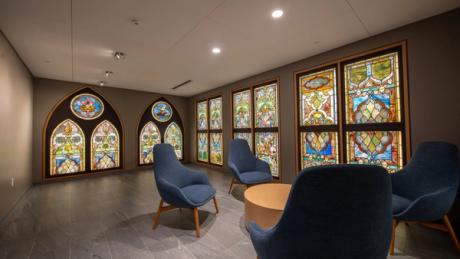
On 15 May, Inquilinos Boricuas en Acción (IBA), a Latino-founded nonprofit community development corporation, will open La Casa, a $33 million, 26,000-square-foot cultural center in Boston's South End. The largest Latino cultural center in New England, La Casa is designed by local firms Studio Enée and Annum Architects and features a terracotta-colored facade, energy-efficient design, and flexible spaces for civic engagement, education, and artistic expression. Initial programming includes artist residencies, workshops, and a mural by local artist Alvin “Acóma” Colon honoring Boston’s Puerto Rican residents. The building incorporates salvaged elements from the original turn-of-the-century Lutheran church that IBA repurposed in the 1960s.

When Shells Become Weapons

Wenn Muscheln zu Waffen werden

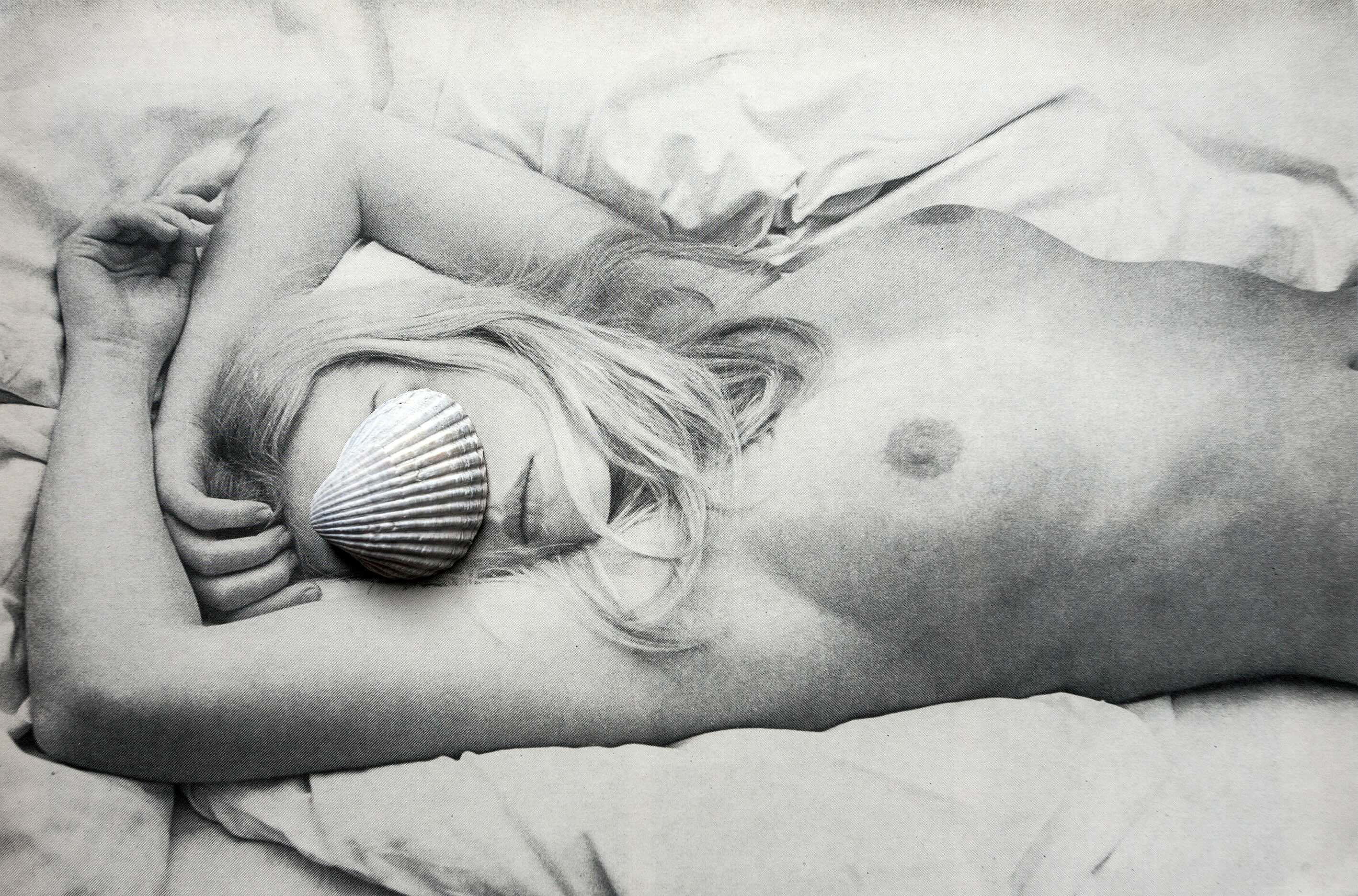
Swedish artist Lotta Antonsson, born in 1963, presents her exhibition "I am Everything" at Fotografiska in Stockholm, featuring around 50 works that repurpose found black-and-white photographs from 1960s and 1970s fashion and lifestyle magazines. She overlays these images of women in objectifying poses with shells, stones, and crystals, creating assemblages that obscure faces or add threatening details like crystal vampire teeth on actresses Ali MacGraw and Jane Fonda. The show opened during the Stockholm Art Fair and draws on Antonsson's extensive archive, including East German erotic magazines sourced from Berlin flea markets.

How the adoption of canvas in Venice changed the way artists painted

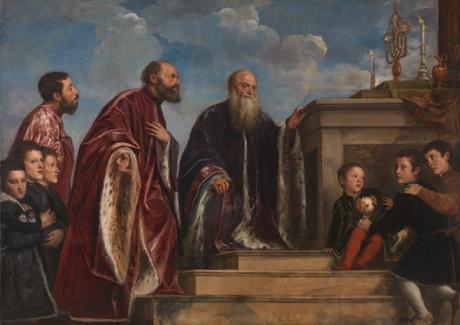
Art historian Cleo Nisse has published a new book, *Venetian Canvas and the Transformation of Painting*, examining how 16th-century Venetian painters such as Titian, Veronese, and Tintoretto pioneered the use of canvas as a painting support. Nisse reveals that canvas was not a uniform material—artists experimented with different weaves, including tabby and herringbone patterns, and even repurposed sailcloth and tablecloth-quality fabrics to achieve specific visual effects. The book argues that canvas was already familiar in the late Middle Ages for banners and alternatives to tapestry, and that Vittore Carpaccio was the first master of the medium, varying canvas types for expressive purposes in his *Legend of St Ursula* series.

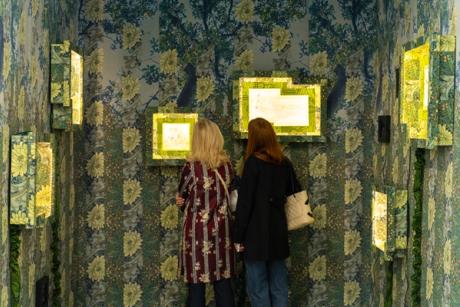
Nymphs, mermaids and rosy cherubs: mansion filled with hidden wall paintings makes Victorian Society’s endangered buildings list

A derelict mansion called Parndon Hall, located within the grounds of Princess Alexandra Hospital in Harlow, Essex, has been named to the Victorian Society’s annual list of the top ten at-risk buildings in England and Wales. The house, built in 1867, contains a hidden trove of wall paintings by the almost-forgotten Victorian artist Elizabeth Arkwright, who covered walls, ceilings, and doors with nymphs, mermaids, and cherubs—many still concealed under Edwardian whitewash. The building has been used for storage and has sat unoccupied since flood repairs in 2024.

‘Drift’ Invites Reverie at the Parrish

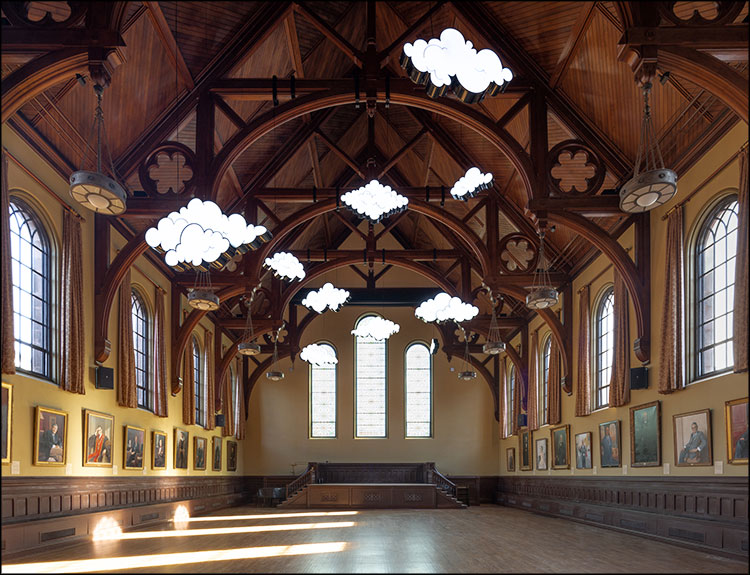
Sanford Biggers's first major solo exhibition on the East End, "Drift," opens at the Parrish Art Museum on Sunday and runs through September 13. The show features new works and site-responsive installations, including the monumental "Unsui (Cloud Forest)" (2025), a series of illuminated cloud sculptures suspended from the museum's arched ceiling. Co-curated by Corinne Erni and Scout Hutchinson, the exhibition spans Biggers's multidisciplinary practice—painting, sculpture, video, performance, and textile works—drawing on influences from Buddhism to graffiti culture and Gee's Bend quilts. Highlights include examples from his "Codex" series, made from repurposed antique quilts with spray-painted cloud forms, and a new sand installation inspired by prayer rugs and Japanese Buddhist mandalas.

Kengo Kuma & Associates to expand campus of Pennsylvania’s Brandywine Conservancy & Museum of Art

Kengo Kuma & Associates has been selected to design an expansion of the Brandywine Conservancy & Museum of Art in Pennsylvania. The project will add new gallery spaces, educational facilities, and improved visitor amenities to the institution, which is known for its collection of American art and its conservation work along the Brandywine River.

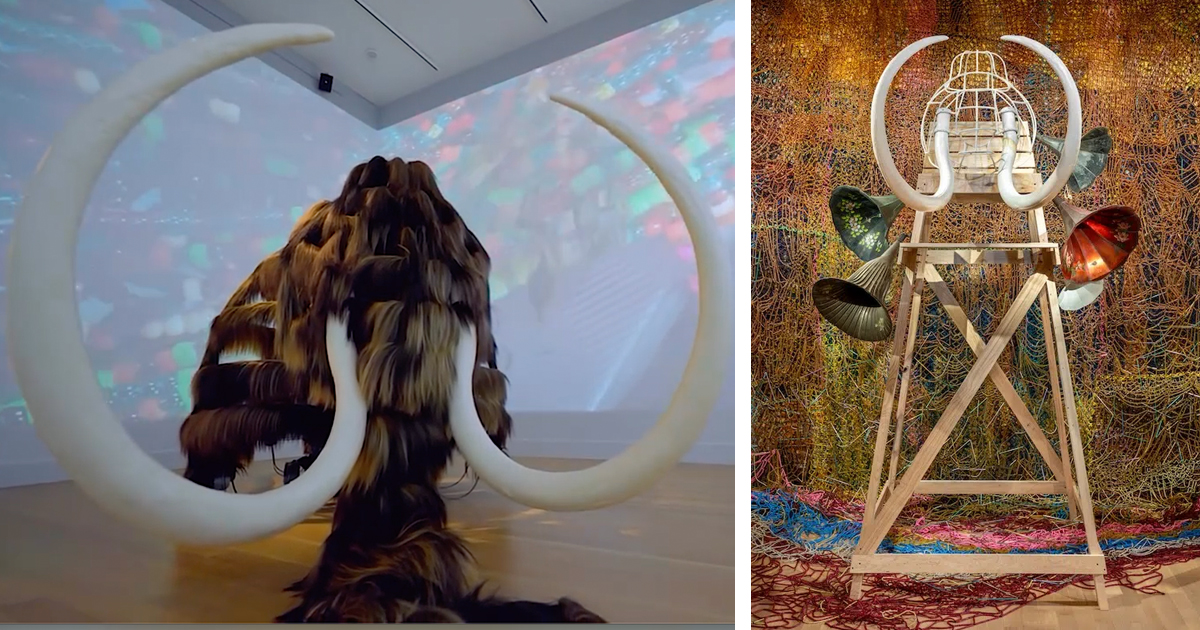
Nick Cave’s “Mammoth” Collection of Objects Is a Public Deep Dive Into Personal History

Nick Cave's immersive solo exhibition "Mammoth" is on view at the Smithsonian American Art Museum through January 3, 2027. The show features a vast, illuminated table covered with hundreds of everyday objects—faux fruits, bejeweled vegetables, wooden canes, glass fish, toy trucks, and leather slippers—arranged with deliberate purpose. Alongside these collected items, Cave has constructed mammoth hides and bones, and a video projection brings the ancient creatures to life. The exhibition draws deeply on Cave's personal history growing up in Missouri, with memories of his grandparents' farm and his family's traditions of making, quilting, and craftsmanship informing the assemblage.

First Comprehensive Museum Retrospective For Detroit Artist And ‘Bead Man’ Olayami Dabls

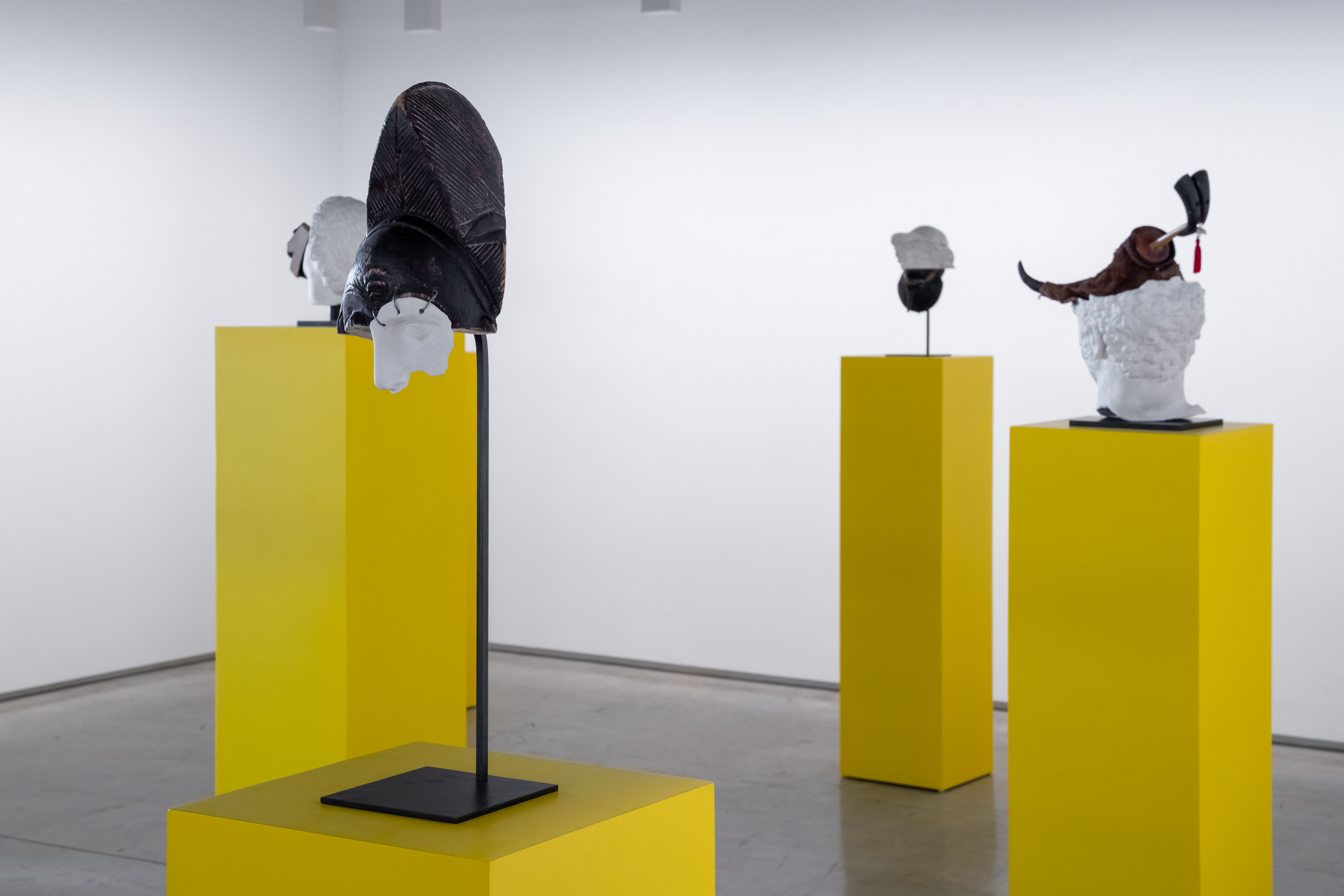
The Museum of Contemporary Art Detroit (MOCAD) will present "Olayami Dabls: Detroit Cosmologies," the first comprehensive museum retrospective for Detroit artist Olayami Dabls, running from April 25 to July 12, 2026. Dabls, who began his career as a curator at the Afro-American Museum in Detroit (now the Charles H. Wright Museum of African American History), traces his artistic journey to a transformative moment in the 1970s when he opened a box of African masks that his colleagues feared to handle. This experience led him to investigate how Hollywood and popular culture had demonized African material culture, associating it with horror movies and voodoo, and inspired decades of work as an artist, storyteller, cultural historian, and civic champion.

Victorien Bornéat : « De l’échec de la démocratisation culturelle est né un sentiment d’exclusion »

Victorien Bornéat has published a manifesto arguing that French cultural democratization policy, rooted in André Malraux's vision of making masterworks accessible to all, has failed. He cites budget cuts by regional presidents Laurent Wauquiez and Christelle Morançais, police raids on bookshops like Violette and Co, and statistical studies showing that working-class audiences still do not spontaneously attend theaters, museums, or opera. Bornéat contends that the policy's emphasis on direct confrontation with canonical works ignored the need for cultural codes and institutional literacy, creating an exclusion that politicians now exploit for electoral gain.

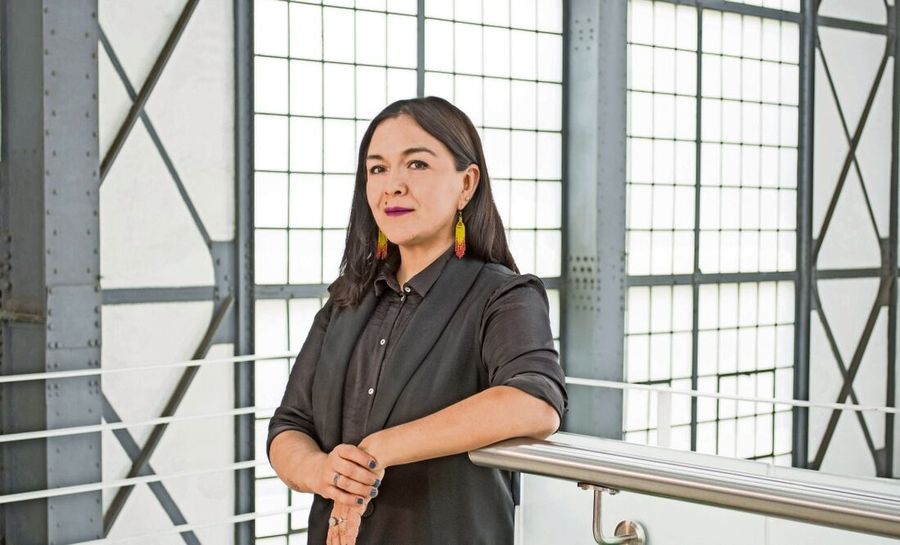
SOL HENARO: “BAJAR LA VELOCIDAD ES POLÍTICO Y, AUNQUE CUESTA MUCHO, HAY QUE SEGUIR INTENTÁNDOLO”

Sol Henaro, director of the Museo Universitario del Chopo in Mexico City, argues in an interview for Artishock Revista that museums must resist neoliberal pressures to accelerate production, spectacularize content, and convert cultural experience into immediate consumption. She advocates for the museum as a space of plurality, deceleration, and critical thought, emphasizing the need for horizontal, careful practices that allow for dissent and coexistence. The interview is part of a series on International Museum Day featuring directors from Latin American and Ibero-American institutions.

Taking a Deep Dive into a Connecticut Ranch House

Artist couple Janis Provisor and Brad Davis transformed an indoor swimming pool in their Connecticut ranch house into a studio, prioritizing their creative work over leisure. The article explores how they adapted the unconventional space to suit their artistic practices.

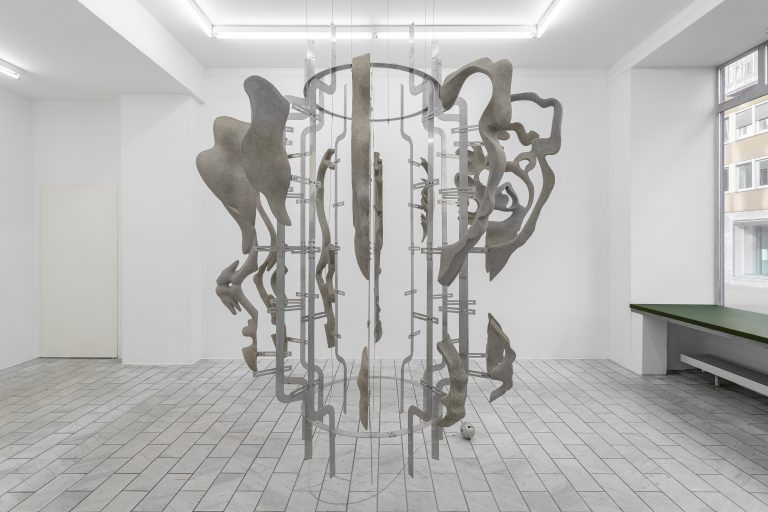
Paola Siri Renard “Double Star” at nouveaux deuxdeux, München

Paola Siri Renard presents "Double Star" at nouveaux deuxdeux in Munich, featuring sculptures assembled from fragments of architectural ornaments, equestrian monuments, industrial display systems, and skeletal forms. Her work extracts elements from historical structures—spanning Gothic, Greco-Roman, and Art Nouveau styles—and reconfigures them into unstable, evocative constellations.

Go big or go home: how The Lost Giants revived the ancient art of goliath-making

The Lost Giants (TLG), an art collective based in Lostwithiel, Cornwall, is reviving the British tradition of making processional giants—large, community-built figures made from wood, cloth, and papier-mâché. Founded three years ago by theatre designer Ruth Webb and her sister-in-law Amy Webb, the group has created giants for events ranging from local lantern parades to a harvest procession at Hauser & Wirth’s Somerset gallery. This New Year’s Eve, environmentalist Lisa Schneidau joined a massive procession of these giants in Lostwithiel, describing it as an extraordinary experience. The collective recently issued a public callout for an environmental group to collaborate on making a new beastie.