filter_list Showing 1018 results for "Biennale" close Clear
search
dashboard All 1018 museum exhibitions 580article news 208trending_up market 57article culture 47person people 36candle obituary 35rate_review review 33article policy 14article local 5gavel restitution 2article events 1
date_range Range Today This Week This Month All
Subscribe

New York Art Week Will Test the Market’s Momentum

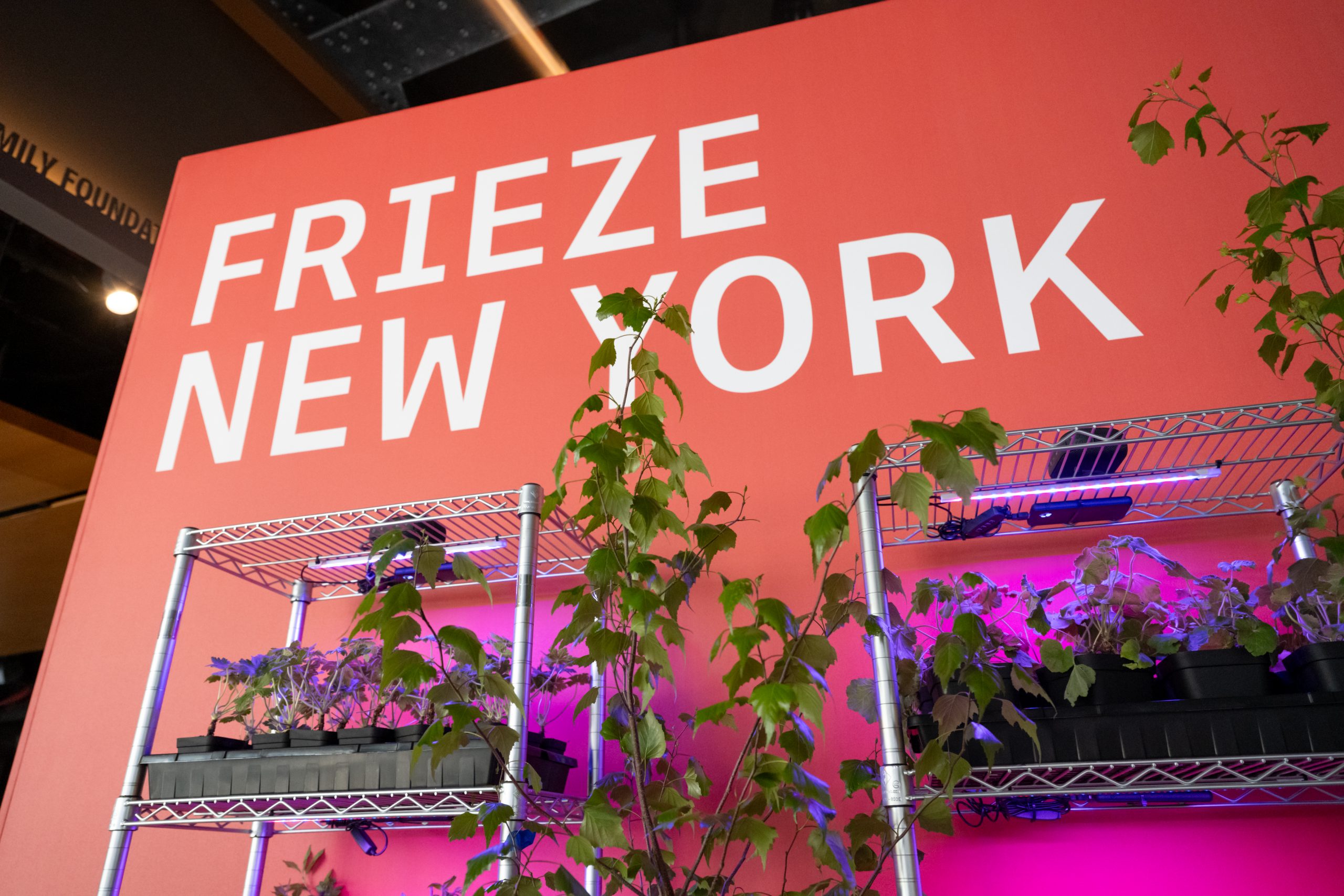
New York Art Week is set to test the art market's momentum with half a dozen fairs and major auctions. Frieze New York opens at the Shed on May 13 with 68 galleries, while Sotheby's leads auction sales starting May 14, featuring a Mark Rothko painting estimated at $70–$100 million from Robert Mnuchin's collection. The total low estimate for Sotheby's week is $690.4 million, roughly 70% higher than last year's hammer total. Alternative fair Esther, co-founded by Margot Samel and Olga Temnikova, kicks off May 12 at the Estonian House for its third and final edition, emphasizing intentionality and community over scale.
Artist Kader Attia Will Organize 2027 Edition of India’s Top Biennial

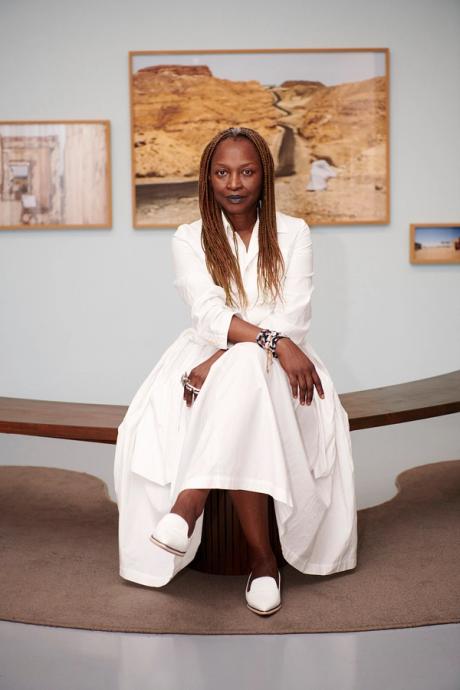
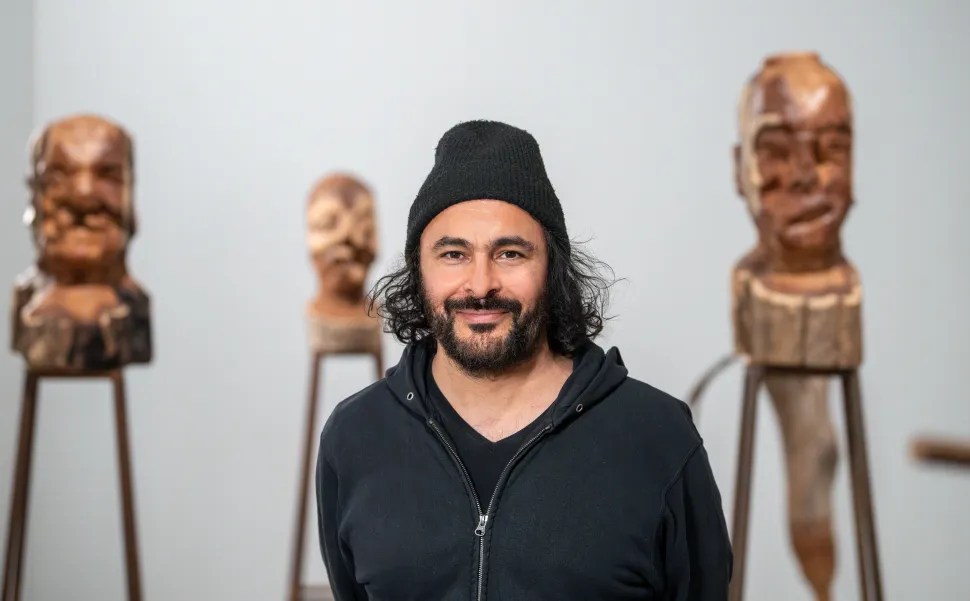
Artist Kader Attia, known for his work addressing colonial violence and a winner of France's Prix Marcel Duchamp, has been selected to curate the 2027 edition of the Kochi-Muziris Biennale, India's premier biennial. Attia, who previously curated the 2022 Berlin Biennale, was chosen by a committee led by prominent Indian artist Jitish Kallat. His appointment continues the biennial's tradition of artist-curators, following Nikhil Chopra (2024) and Anita Dube (2018).

The Kyrgyzstan Pavilion at the Venice Biennale Builds a Bridge Between Two Cultures

Il Padiglione del Kirghizistan alla Biennale di Venezia getta un ponte tra due culture

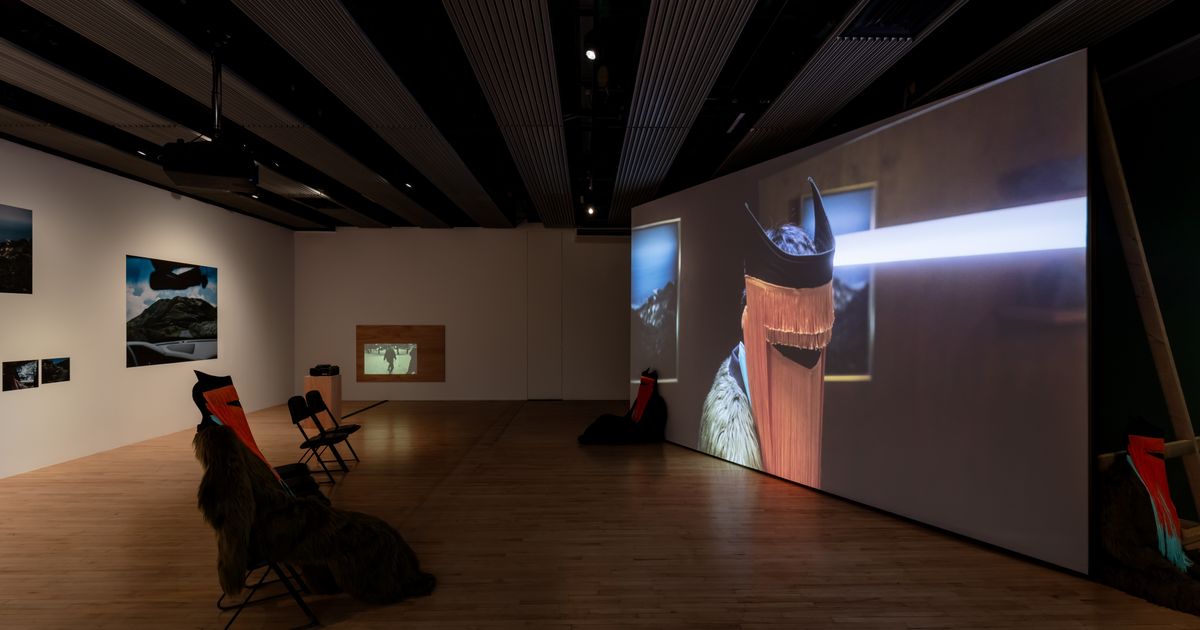
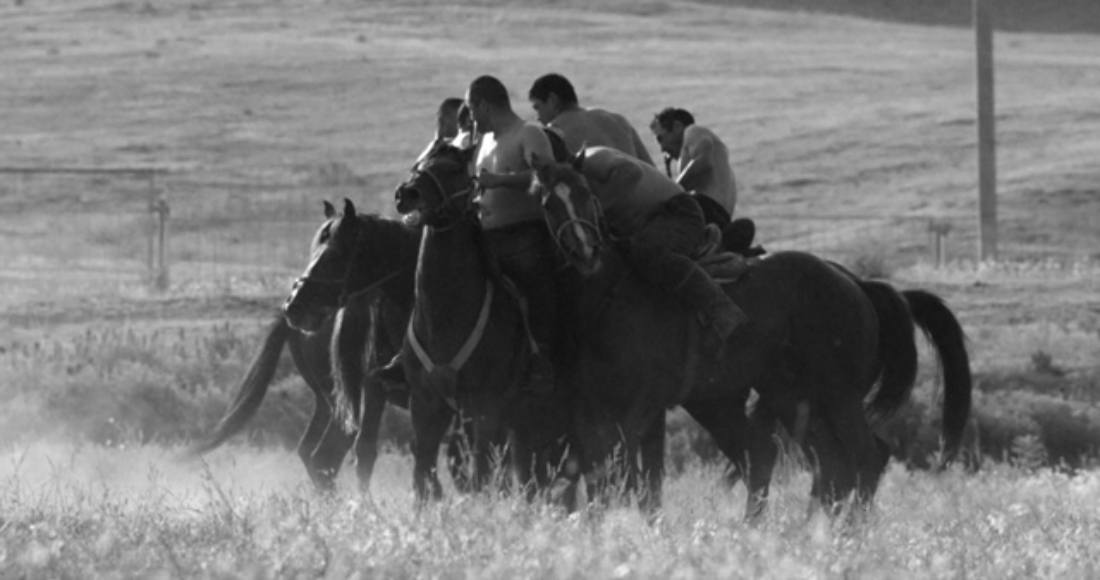
Alexey Morosov presents "BELEK" at the Kyrgyzstan Pavilion of the 61st Venice Biennale, a project inspired by the mountainous landscapes, glaciers, and brutalist dams of Kyrgyzstan. Combining video, sculpture, painting, and sound, Morosov explores water as a key resource for the future and a deep cultural memory of Central Asia, linking the region's hydro-engineering transformations with the nomadic heritage of the Kyrgyz people. The project centers on the traditional equestrian game Kok-Börü, which Morosov describes as constitutive of Kyrgyz identity, and features centaur-like figures made from raw earth used in local dwellings.

Pussy Riot Storms Russia Pavilion at Venice Biennale

Pussy Riot staged a dramatic protest at the Russia Pavilion during the Venice Biennale, releasing pink smoke and waving Ukrainian flags while chanting slogans like 'Blood is Russia’s art.' Around 50 protesters, including members of Femen, occupied the area. Pussy Riot founder Nadya Tolokonnikova called for the pavilion to be closed and given to oppressed peoples, challenging Biennale president Pietrangelo Buttafuoco to meet her. The protest lasted about 20 minutes, with performers climbing the pavilion and exposing political slogans on their chests.

Pussy Riot and FEMEN Join Forces in Punk Protest in Venice: ‘Russia Kills! Biennale Exhibits!’

On Wednesday morning, Pussy Riot and FEMEN led a protest outside the Russian Pavilion at the 2026 Venice Biennale, chanting slogans like “Russia kills! Biennale exhibits!” and “Blood is Russia’s art!” Dozens of protesters, some in pink balaclavas and others bare-chested with floral crowns, gathered in the Giardini under light rain, carrying guitars and blasting punk rock and hip-hop. The action was organized by Nadya Tolokonnikova and other Pussy Riot members alongside FEMEN, a Ukrainian-founded women’s movement. They released pink, yellow, and blue smoke, and Tolokonnikova criticized the Biennale for allowing Russian participation while artists who oppose the war in Ukraine are imprisoned. She proposed an alternative exhibition, “Resistance Imprisoned,” currently on view in Strasbourg, featuring incarcerated artists.

The Carnegie International Makes Its Mark

The 59th Carnegie International opens in Pittsburgh, featuring 61 artists from around the world in the oldest survey of its kind in the United States. Critic Ed Simon reviews the exhibition, noting it captures the excitement of earlier editions while providing vital commentary on authoritarianism and militarism. In other news, activists protested Jeff Bezos's co-chair role at the Met Gala with a costumed action and guerrilla projections on his penthouse; Iran withdrew from its national pavilion at the Venice Biennale; MoMA PS1 announced the first US survey of Mexican artist Teresa Margolles; and Hakim Bishara reflects on MoMA's Marcel Duchamp exhibition.

In Minor Keys: how Venice's international exhibition was brought to life after the death of artistic director Koyo Kouoh

The 61st Venice Biennale's international exhibition, titled "In Minor Keys," was realized after the sudden death of its artistic director, Koyo Kouoh, in May 2025. A team of five of Kouoh's collaborators, known as "la squadra di Koyo Kouoh," worked with her before her death and finalized the exhibition's themes, artist list, and scenography. The exhibition features 111 invited artists, duos, collectives, and artist-led organizations, with the team emphasizing that this remains Kouoh's vision rather than a replacement.

The Carnegie International Looks Back at Itself

The 58th Carnegie International at the Carnegie Museum of Art in Pittsburgh looks back at its own 130-year history, featuring a gallery dedicated to past iterations. The exhibition includes Chris Ofili's "The Adoration of Captain Shit and the Legend of the Black Stars" (1998), which was originally shown in the 53rd International in 1999, the same year Ofili's more notorious "The Holy Virgin Mary" sparked controversy at the Brooklyn Museum. The article reviews how the current iteration captures the excitement of earlier exhibitions while providing commentary on authoritarianism and militarism.

First US Survey of Mexican Artist Teresa Margolles Coming This Fall

MoMA PS1 in New York City will host the first United States survey of Mexican artist Teresa Margolles this fall. Trained as a forensic pathologist, Margolles creates works using organic and bodily materials from homicide victims, morgues, and crime scenes. The exhibition will feature pieces confronting murder and violence along the US-Mexico border, including a 2026 evolution of her ongoing series "Air" (2003–), where a gallery will be humidified with water carrying degradable material from homicide sites. The Museum of Modern Art will also present a new experiential installation, "Aproximación al lugar de los hechos (Approaching the Scene)" (2026), starting September 17, which drips water carrying evidence of violent death onto heated steel plates.

Artists, Read the Fine Print

Artist Damien Davis writes a critical piece on how so-called 'standard' contracts in the art world systematically undermine artists' power, citing long consignment periods, moral rights waivers, and opaque terms that favor institutions. Separately, the Venice Biennale has scrapped its traditional Golden Lion awards after the awards jury resigned; instead, ticket holders will vote on 'Visitor Lions,' with results announced in November, and notably Israel and Russia remain eligible despite the jury's earlier ban. Other news includes damage to a 1,000-year-old Native American archaeological site by construction crews building President Trump's border wall.

May You Live in Less Interesting Times

The international jury for the Venice Biennale has collectively resigned just before the press preview, following their announcement that countries accused of crimes against humanity—specifically Israel and Russia—would be excluded from award consideration. The jurors did not provide an explicit reason for their resignation. Meanwhile, Russia's return to the 61st Venice Biennale will involve workarounds to comply with international sanctions, including restricted pavilion access. The article also highlights a widely-read essay by Hakan Topal on the financialization and 'administrification' of American art schools and academia.

Tania Bruguera on Why Today’s Art Must Be Political

Cuban artist and activist Tania Bruguera will stage her performance "Tatlin’s Whisper #6" in Times Square on May 1, International Workers' Day. Originally created for the 2009 Havana Biennial, the work invites participants to speak freely on a platform for one minute, highlighting the conditional nature of free expression under authoritarian rule. Bruguera discusses the performance's relevance amid rising authoritarianism in both Cuba and the United States, noting that when she attempted to restage the work in Havana, she and other participants were arrested.

​​​​Art Movements: Curators Named for El Museo's Latine Art Survey

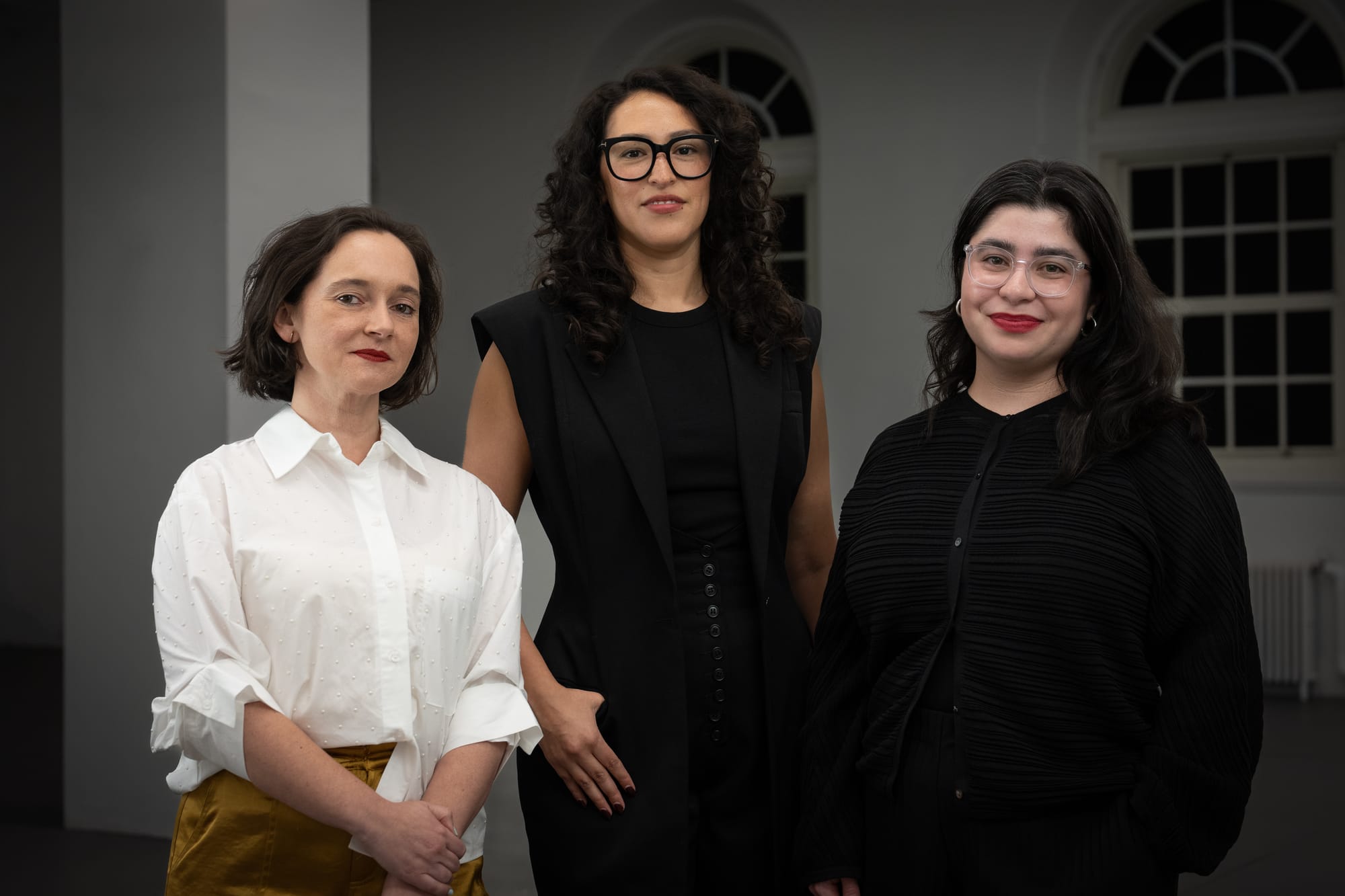
El Museo del Barrio has announced the curatorial team for the 2027 edition of La Trienal, its landmark survey of Latine contemporary art. The show will be organized by Susanna V. Temkin, interim chief curator at the museum; Zuna Maza, assistant curator; and guest curator Kaitlin Garcia-Maestas, formerly of Socrates Sculpture Park. In other biennial news, Amanda Carneiro and Raphael Fonseca were named chief curators of the 37th Bienal de São Paulo, the jury of the 61st Venice Biennale resigned after omitting Russia and Israel from awards consideration, and Marcello Dantas was appointed senior curator of the Vancouver Biennale. Hedwig Fijen will step down as director of Manifesta, with Emilia van Lynden and Catherine Nichols taking over in a new co-leadership model. Janne Sirén will resign as director of the Buffalo AKG Art Museum, Kate Kraczon was named chief curator at the Montclair Art Museum, and Charlie White was appointed dean of WashU’s Sam Fox School of Design & Visual Arts. Marina Abramović has designed wine labels for the Ornellaia estate, with limited-edition bottles to be auctioned by Bonhams to benefit the Guggenheim Pop exhibition.

Venice, Here We Come

Hyperallergic's newsletter previews the upcoming 61st Venice Biennale, noting the charged political climate that may overshadow the art. It highlights the main exhibition "In Minor Keys" conceived by the late Koyo Kouoh, and includes a guide to national pavilions, collateral events, and notable exhibitions in Venice. The edition also features a studio visit with 93-year-old artist Joan Semmel, an interview with Lebanese artist Tania El Khoury about her "revenge art," and news about Barbara Chase-Riboud declining to represent the US at the Biennale, a $116M gift to the National Gallery of Art, and the death of Argentine painter Ides Kihlen at 108.

Gearing Up for Venice

The 2026 Venice Biennale's awards jury has announced it will not consider artists from countries whose leaders are charged with crimes against humanity by the International Criminal Court, specifically naming Israel and Russia. In other news, satellite imagery confirms Azerbaijan demolished an Armenian church in Artsakh, the World Press Photo of the Year was awarded to Carol Guzy for an image of ICE detaining a father, and Argentine abstract painter Ides Kihlen died at age 108. Hyperallergic also published a guide to the Biennale by Hrag Vartanian and reported on Lynda Roscoe Hartigan's appointment as director of the Smithsonian American Art Museum.

Roses and Thorns of Greater New York

The article is a digest of recent art news, with a primary focus on critical reviews of the 2026 "Greater New York" exhibition at MoMA PS1. Hyperallergic's editorial team provides mixed assessments of the works in the massive quinquennial survey of local artists. The piece also covers American-French sculptor Barbara Chase-Riboud's decision to decline an invitation to represent the United States at the 61st Venice Biennale, citing the problematic nature of the pavilion's commissioning entity.

Sarah Lucas Unveils VENUS VICTORIA at the New Museum’s Bowery Plaza

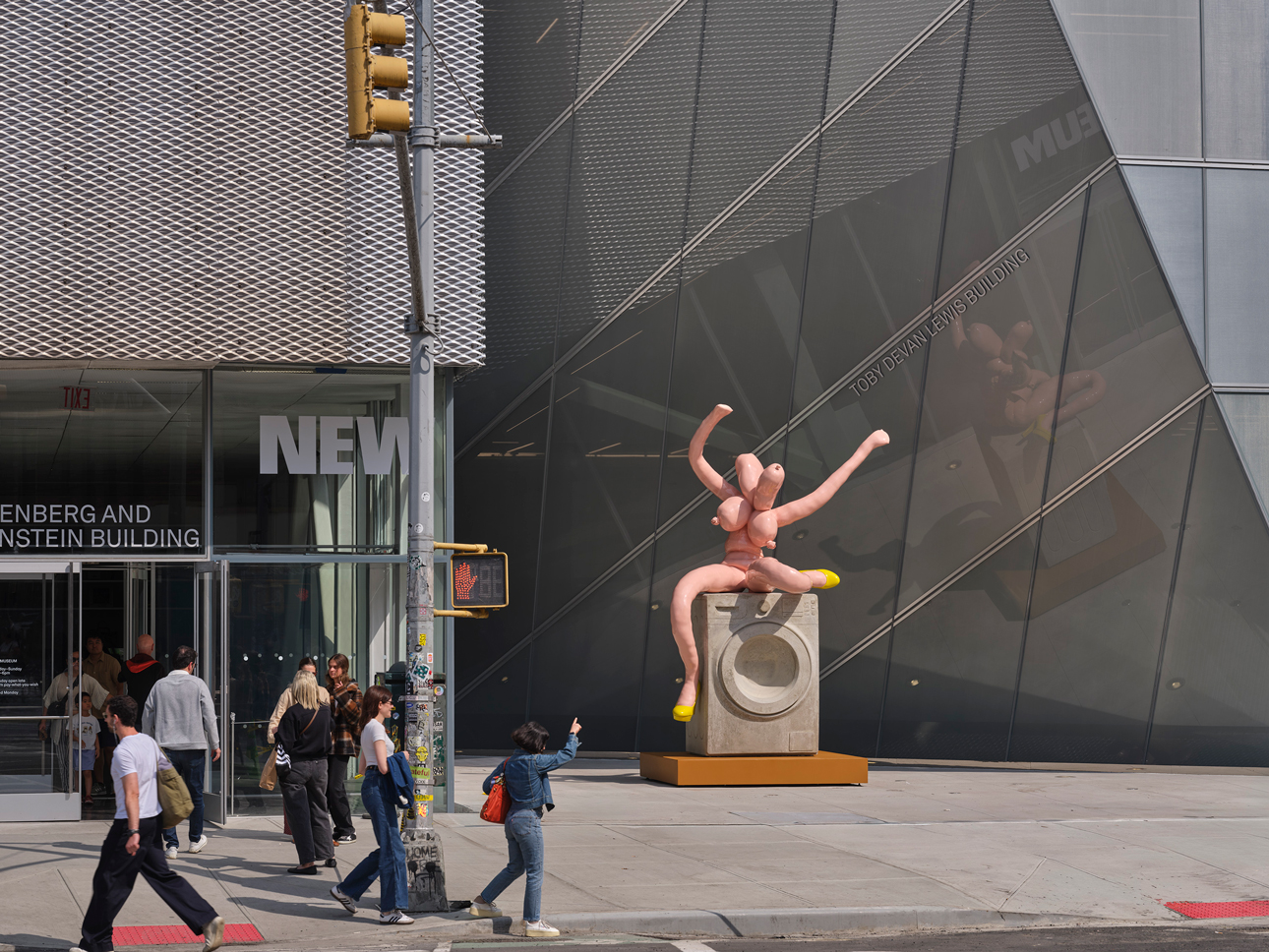
The New Museum has unveiled "VENUS VICTORIA," a new public sculpture by British artist Sarah Lucas, inaugurating the museum's outdoor plaza at the junction of Bowery and Prince Street in downtown Manhattan. The sculpture, which features Lucas's signature Bunny figure seated atop a giant washing machine, was selected by an all-artist jury including Teresita Fernández, Joan Jonas, Julie Mehretu, Cindy Sherman, and Kiki Smith. It opens on May 12, 2026, and will remain on view for two years as the first of five commissions dedicated to public sculpture by women artists.

Lubaina Himid has been busy ‘Predicting History: Testing Translation’

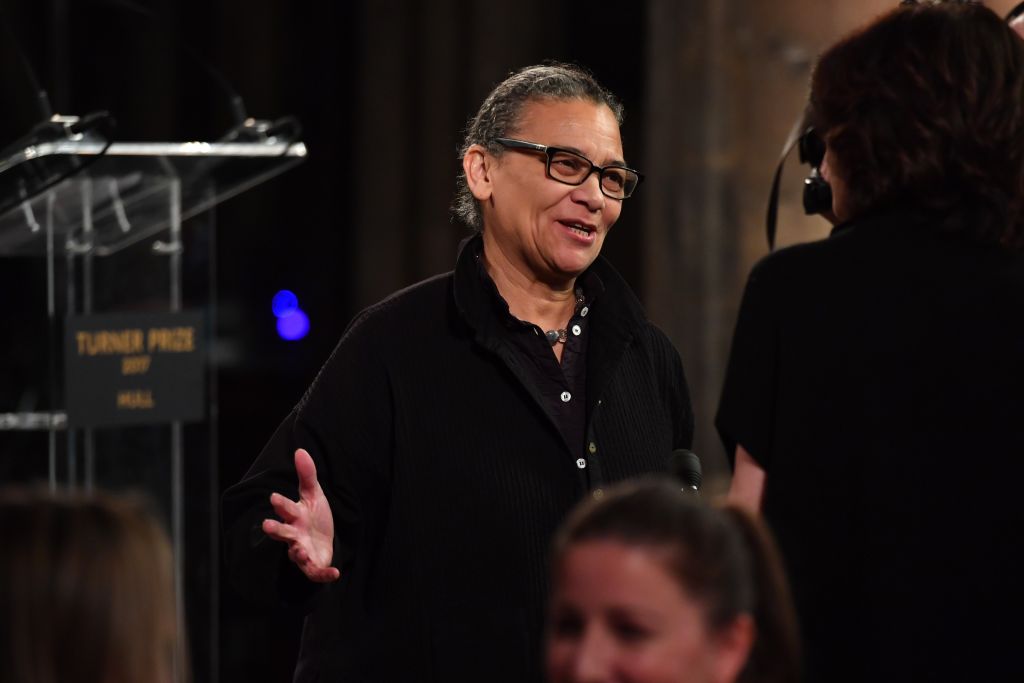
Lubaina Himid has been selected to represent the United Kingdom at the 61st International Art Exhibition of La Biennale di Venezia in 2026 with a major solo installation titled 'Predicting History: Testing Translation' at the British Pavilion. The exhibition, running from May 9 to November 2026, features a new series of large, multipaneled paintings in dazzling colors, surreal settings, and a soundscape created in collaboration with artist Magda Stawarska. Himid, a Turner Prize-winning pioneer of the Black British Art Movement and Emeritus Professor at the University of Central Lancashire, explores themes of belonging, migration, and making a home in a new place.

RC Foundation Project Space Exhibition Series 2025–27

The Hayward Gallery in London, in partnership with the RC Foundation in Taiwan, has announced a new exhibition series for its HENI Project Space running from October 2025 to March 2027. The series features five solo exhibitions by artists Val Lee, Samuel Laurence Cunnane, Kulpreet Singh, Musquiqui Chihying, and Andrius Arutiunian, each exploring themes ranging from political violence and surveillance to climate change, ritual, and alternative cosmologies. The exhibitions are curated by a team including Yung Ma, Rachel Thomas, and others.

Faces of Russian Art

Gesichter der russischen Kunst

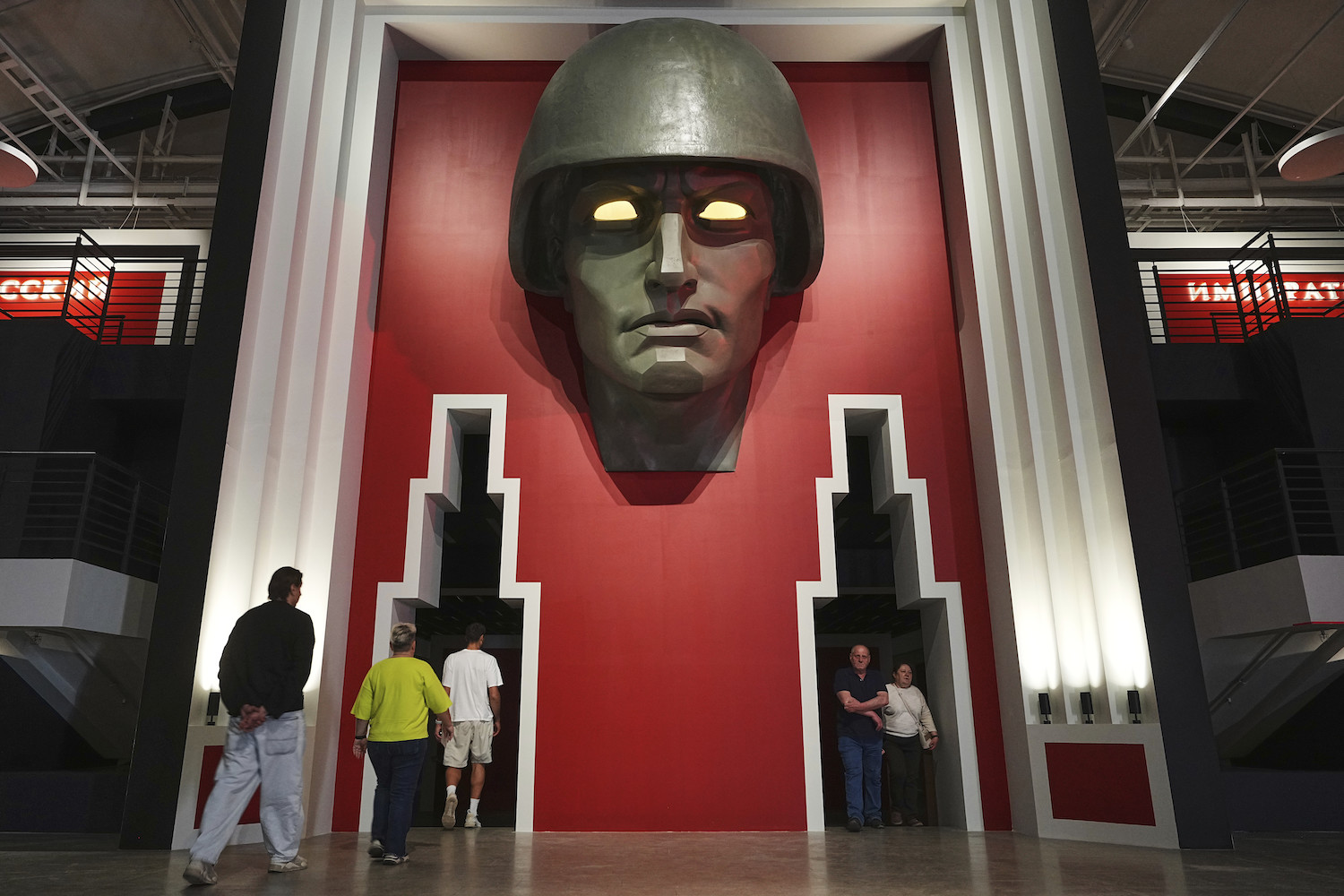
On the Venice Biennale, the Russian Pavilion presents itself as a space for dialogue, while simultaneously a major exhibition in St. Petersburg titled "Russischer Imperativ" (Russian Imperative) opened on May 8 at the Manezh exhibition hall, glorifying war as a historical imperative of Russian identity. Curated by Anton Belikov, a Moscow artist and former Russian soldier who fought in Ukraine, the show features works from state museums like the Tretyakov Gallery, blending historical battles with the current war in Ukraine, and includes a monumental, fascistoid design with a ten-meter-tall installation of a soldier's head. The exhibition has sparked outrage on social media and in Russian exile media for its militaristic propaganda.

Künstler Harald Metzkes ist tot

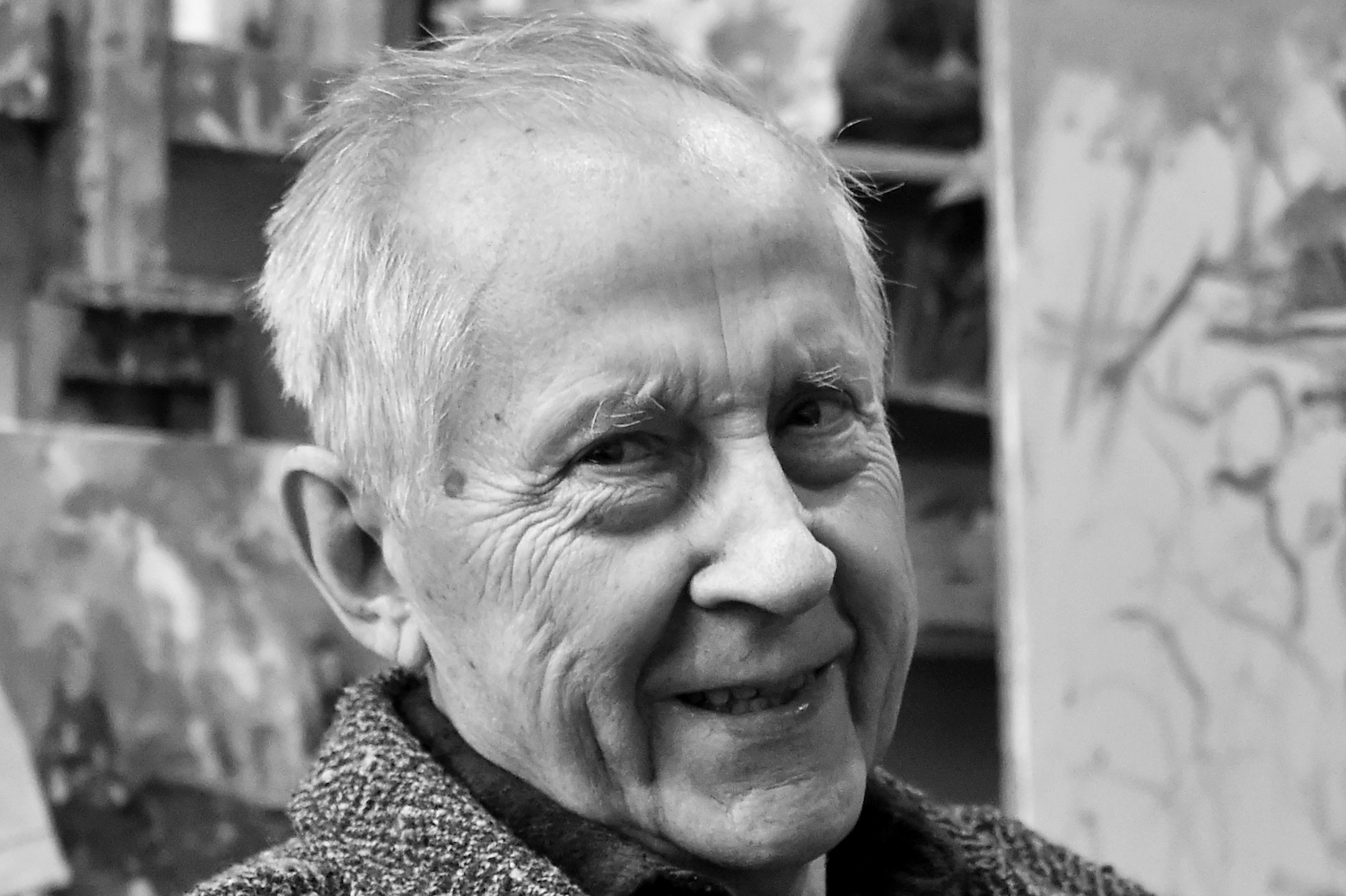
German painter Harald Metzkes has died at the age of 97 in Wegendorf, Brandenburg, surrounded by his family. His son, sculptor Robert Metzkes, confirmed the news to the German Press Agency. Metzkes, who grew up in East Germany, was a leading figure of the Berlin School of painting and resisted the official doctrine of socialist realism, instead creating a personal "world theatre" of harlequins, circus scenes, and theatrical figures inspired by Rembrandt, Velázquez, and Paul Cézanne. His best-known work includes "Der Abtransport der sechsarmigen Göttin." After training as a stonemason and studying at the Dresden Academy of Fine Arts, he worked as a freelance artist in Berlin, supporting himself with book illustrations. His work gained international attention when one of his paintings was sent to the Venice Biennale in 1984, and after the fall of the Berlin Wall he built connections with Western collectors.

Some cry censorship, others cry antisemitism

"Die einen schreien Zensur, die anderen Antisemitismus"

A constitutional law scholar, Christoph Möllers, warns in an interview with Die Zeit about the dangerous escalation of cultural policy conflicts, sparked by Documenta 15, where accusations of censorship and antisemitism collide. In Poland, Adam Budak was removed as director of MOCAK in Krakow after just a few months, facing 79 allegations including mobbing and problematic leadership. Meanwhile, the New York spring auctions have launched, and Jason Farago's review of the Venice Biennale in the New York Times criticizes the shift from aesthetic innovation toward identity-driven art. Robin Pogrebin also reports on the merger of the Met and the Neue Galerie, described as a rare convergence of two museum models.

Valie Export ist tot

Valie Export, the pioneering Austrian media and performance artist, has died at age 85 in Vienna. Born Waltraud Lehner in Linz in 1940, she adopted the name Valie Export in the late 1960s, derived from a cigarette brand, and became internationally known for provocative works such as "Tapp- und Tastkino" (1968) and "Aktionshose: Genitalpanik." Her practice critically examined gender roles, power structures, and the representation of the female body through film, video, photography, and performance. She participated in major exhibitions including Documenta, the Centre Pompidou, and the Museum of Modern Art, and represented Austria at the Venice Biennale in 1980 alongside Maria Lassnig. She also taught as a professor of media and performance art in Berlin and Cologne, and the VALIE EXPORT Center opened in Linz in 2017.

Überraschende Begegnungen

The ninth edition of the "Various Others" festival in Munich brings together institutions, off-spaces, and galleries for a city-wide series of exhibitions in May. Highlights include Walter Storms Galerie presenting Anselm Reyle's first Munich solo show with Istanbul's Dirimart; Kraupa-Tuskany Zeidler collaborating with Rome's T293 to show Simon Denny's tech-critical works; Max Goelitz pairing Lukas Heerich and Rindon Johnson with Eva Hesse in dialogue with Hauser & Wirth; Lohaus Sominsky and Paris's Mennour featuring Ilit Azoulay and Alicja Kwade; and Rüdiger Schöttle hosting Milena Muzquiz and Elif Saydam. A new parcours exhibition, "Vectors," inspired by Jan Hoet's "Chambres d'Amis," places contemporary art in tech company offices across Munich.

"Man besitzt Kunst nicht, man ist nur ihr Verwalter"

The 61st Venice Biennale opened on Saturday without ceremony or an opening celebration, amid political turmoil over the participation of Russia and Israel. Italy's Culture Minister Alessandro Giuli criticized Biennale director Pietrangelo Buttafuoco for not informing the government about Russia's participation request, suggesting it could have been used as leverage for a ceasefire in Ukraine. The entire jury resigned after attempting to exclude both Russia and Israel from prize awards, leading to the cancellation of the traditional jury decision in favor of a public vote, which over 70 participating artists have protested by withdrawing from this year's prizes. Separately, a rare photograph from the early 1940s has surfaced showing Lucas Cranach the Elder's painting "Venus with Cupid as Honey Thief" in Adolf Hitler's Munich apartment, raising unresolved questions about whether the work was looted from Jewish owners before 1935.

10 Highlights You Shouldn't Miss in Venice

10 Highlights, die Sie in Venedig nicht verpassen sollten

The article presents ten must-see highlights of the 61st Venice Biennale, curated by the editors of Monopol magazine. It covers the main exhibition at the Arsenale, national pavilions, and collateral events, including Sandra Knecht's beehouse installation, Isabel Nolan's Irish Pavilion exploring dreams and late medieval humanism, Chiara Camoni's Italian Pavilion blending ceramics and found materials, and Asim Waqif's bamboo construction in the Indian Pavilion. Other featured works include a church filled with surveillance cameras and the new Fondazione Dries Van Noten.

How Tech Billionaires Turn Couture into Content

Wie Tech-Milliardäre Couture zu Content machen

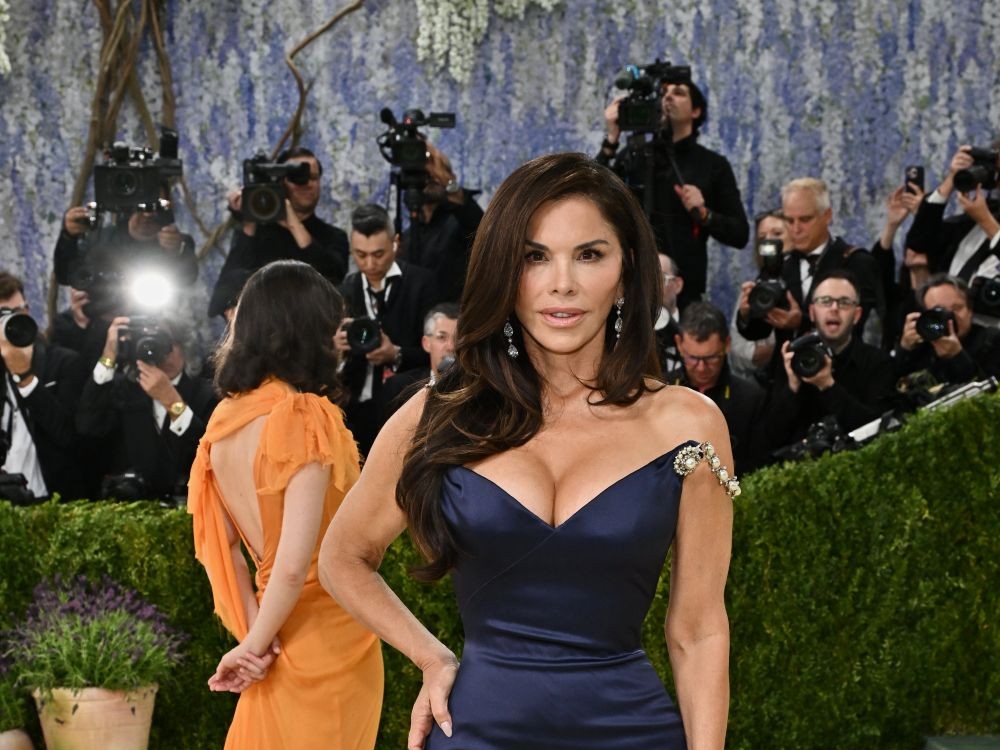
The Met Gala, long considered the premier event for fashion and cultural influence, has become increasingly dominated by tech billionaires. This year, Jeff Bezos and Lauren Sánchez Bezos purchased their role as co-hosts, sparking protests in New York and raising questions about whether money alone now buys entry into the highest echelons of fashion. Individual tickets cost $10,000 and a table $350,000, with sponsors including OpenAI, Snapchat, and Meta. The event, organized by Anna Wintour to raise funds for the Costume Institute at the Metropolitan Museum of Art, raised $31 million last year but has transformed from a benefit into a spectacle optimized for viral moments and algorithmic appeal.

"Etwas zaghaft, etwas ängstlich, etwas sicher"

The article surveys recent art-world commentary, focusing on a critical review of the Turner Prize shortlist in The Guardian, where Eddy Frankel calls the selection "timid, anxious, safe" and laments a self-perpetuating, elitist system. It also covers a Hyperallergic essay by Lisa Siraganian questioning whether artworks can possess personhood, sparked by Pierre Huyghe's Venice exhibition. Additionally, it reports on controversy at the Venice Biennale, where the jury preemptively excluded countries whose leaders are sought by the International Criminal Court—namely Russia and Israel—drawing sharp criticism from Die Welt's Marcus Woeller. A podcast interview with US sculptor Alma Allen, selected for the US Pavilion, rounds out the coverage.

"Du bist nun in die ewigen Jagdgründe der Kunst entschwunden"

This week's art news roundup covers several stories: Jonathan Meese publishes an obituary for his mother Brigitte Meese in Der Spiegel, describing her as a central figure in his life and work. Pussy Riot seeks to take over the Russian Pavilion at the Venice Biennale. The European Media Art Festival (EMAF) in Osnabrück faces controversy over antisemitism allegations linked to Palestinian-American filmmaker Basma al-Sharif, leading the city and state government to distance themselves from the festival. In the NZZ, Christian Wildhagen reports on conflicts over official political portraits, citing examples like Swiss councilor Martin Neukom rejecting paintings and Donald Trump criticizing his portrait. Art historian Horst Bredekamp pays tribute to Italian philosopher Federico Vercellone (1955–2026) in the FAZ, highlighting his theory of the 'self-activity of form.'

1,1 milliard de dollars

The Journal des Arts' issue No. 677, dated May 15, 2026, leads with the opening of the Venice Biennale amid a tense climate. Other top stories include the final adoption of a French law on the restitution of cultural property looted during colonization, the V&A East museum's strategy to attract younger audiences, a report on how Monet's legacy in Giverny does not benefit everyone locally, and an analysis of the structuring market for the Nabis artists.