filter_list Showing 1001 results for "TAB" close Clear
search
dashboard All 1001 museum exhibitions 499article local 157article news 101trending_up market 87article culture 47article policy 46person people 30rate_review review 14candle obituary 11gavel restitution 9
date_range Range Today This Week This Month All
Subscribe

Where to go in May?

Wohin im Mai?

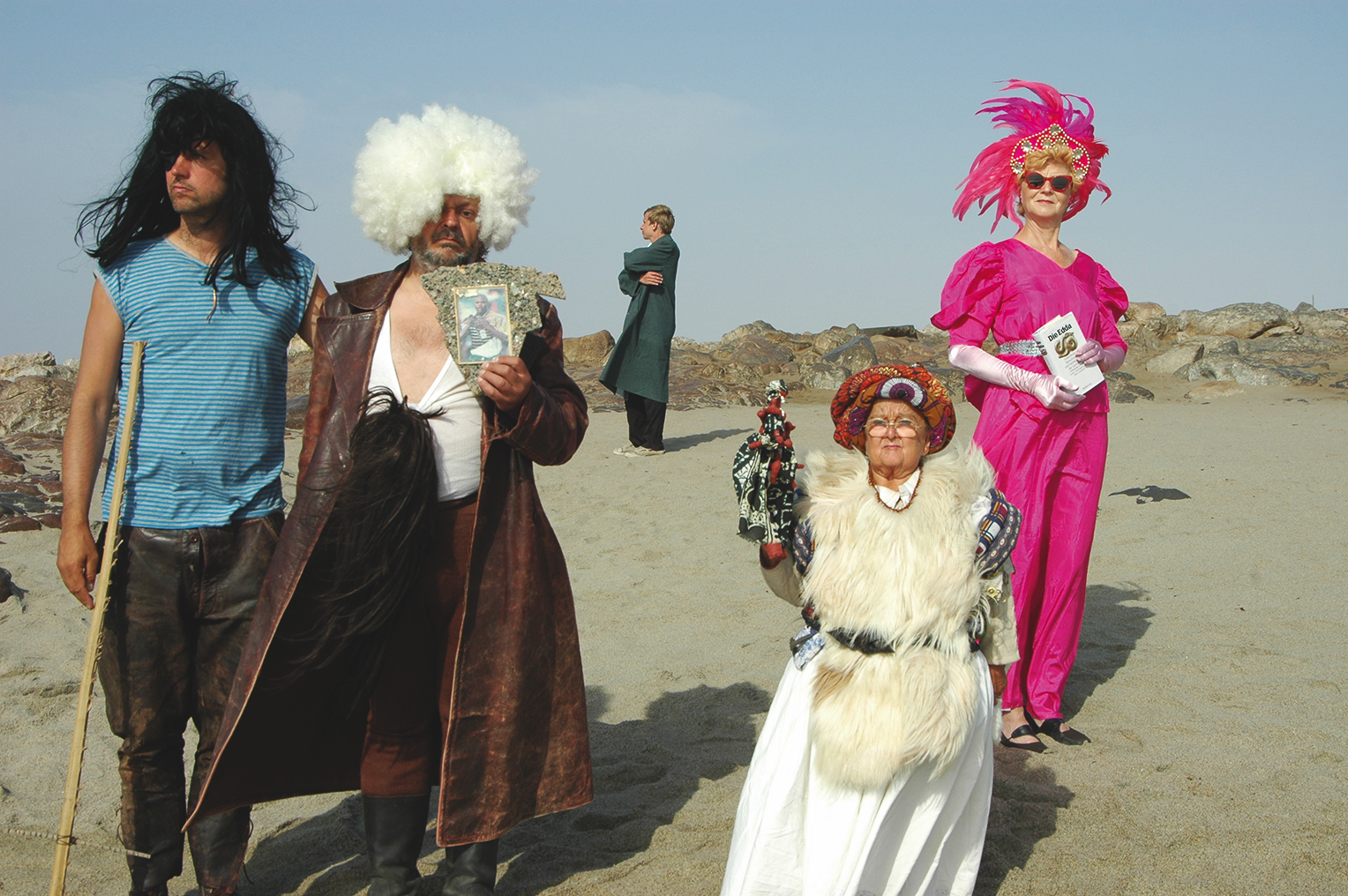
The article, published by Monopol magazine, previews a selection of art exhibitions and biennials opening in May. Highlights include the 61st Venice Biennale, a solo show by Lina Lapelytė at Hamburger Bahnhof in Berlin (part of the CHANEL COMMISSION series), a group exhibition titled "Lebt und arbeitet in Wien. Contemporary Art from Vienna" at Kunsthalle Wien, and a presentation of Christoph Schlingensief's work "The African Twin Towers" (2005) at MAK Wien. Also featured is Maximiliane Baumgärtner's exhibition at Kunstverein für die Rheinlande und Westfalen in Düsseldorf.
An Iranian museum holds a rare exhibit of American art, reflecting on war

The Tehran Museum of Contemporary Art is hosting a rare exhibition of American art, featuring works from its collection that were acquired before the 1979 Islamic Revolution. The show includes pieces by artists such as Andy Warhol, Jackson Pollock, and Mark Rothko, and is presented as a reflection on the complex history of U.S.-Iran relations, including themes of war and cultural exchange.

Israeli Pavilion artist issued legal warnings before Biennale jury resignation

Belu-Simion Fainaru, the artist representing Israel at the 2026 Venice Biennale, issued legal warnings to the Biennale, the Italian Ministry of Culture, and the Italian Prime Minister’s office after the Golden Lion jury announced it would not consider pavilions from countries whose leaders are charged with crimes against humanity by the International Criminal Court, including Israel and Russia. Fainaru’s legal threats cited alleged antisemitism and nationality-based discrimination. Shortly after, the Biennale jury resigned, prompting organizers to postpone the awards ceremony to the closing day and replace the Golden and Silver Lions with two 'Visitors’ Lions' voted on by attendees, with all national participations eligible.

À Nîmes, la peinture sans entrave de Tursic & Mille envahit le Carré d’art

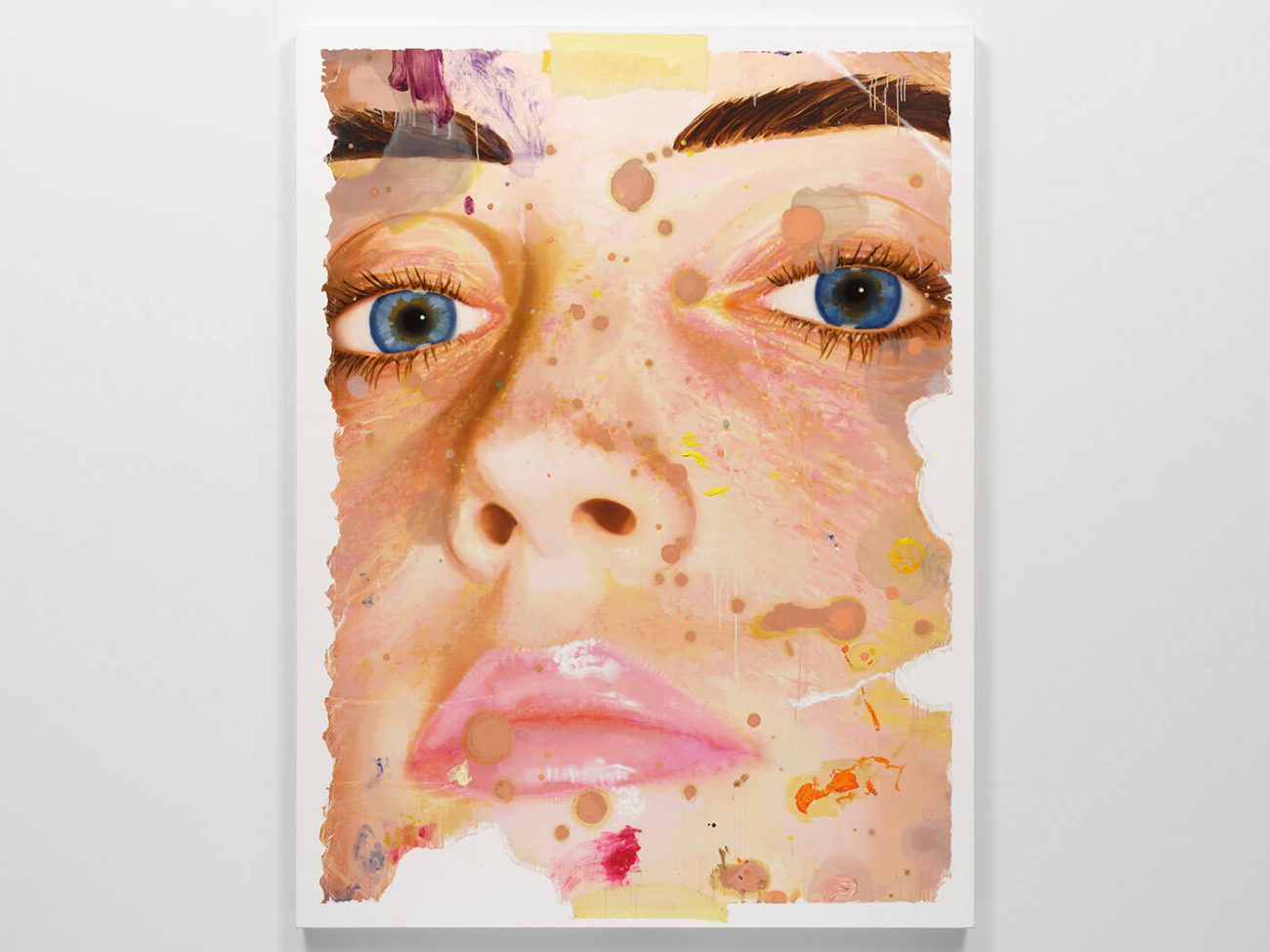
The article covers the retrospective exhibition of French artist duo Ida Tursic and Wilfried Mille at the Carré d'art in Nîmes. Titled "Dissonances à géométries variables," the show traces their career from student works at the École nationale supérieure d'art de Dijon to recent paintings, featuring a critical, humorous, and materially rich approach to figurative painting. The duo draws from press images, internet sources, art history, and archives, disrupting reproductions with paint splatters and odd details, and the exhibition is organized thematically from "happiness" to "melancholy."

Décès de Jacques Gairard

Jacques Gairard, a figure in the French art world, has died. The announcement appears in Le Journal des Arts, which also covers the opening of the Venice Biennale amid controversy, the final adoption of a law on the restitution of cultural property looted during colonization, the V&A East's focus on young audiences, the uneven economic impact of Monet's legacy in Giverny, and the structuring of the Nabis art market.

Martin Schongauer en toute majesté

The Louvre Museum in Paris has opened a major retrospective dedicated to Martin Schongauer (c. 1445–1491), the German engraver and painter from Colmar, bringing together a large portion of his known works. The exhibition features around one hundred pieces, including fifty engravings, five of his rare drawings, and nearly all of his attributed paintings—such as the "Virgin and Child at the Window" (c. 1480) from the Getty Museum and the "Orlier Altarpiece" (c. 1470–1475) from the Musée Unterlinden. The centerpiece is Schongauer's "Virgin of the Rose Bush" (1473), displayed at low height to reveal its botanical precision. Co-curated by Pantxika Béguerie De Paepe and Hélène Grollemund, the show also highlights Schongauer's influence on contemporaries and later artists through comparative works by Rogier van der Weyden and others.

Au Louvre, des directeurs de département entre responsabilités internes et rôle national

Maximilien Durand has been reappointed as head of the Department of Byzantine and Eastern Christian Arts at the Louvre Museum, a role that carries both internal museum responsibilities and national duties on behalf of the French state. Two decrees signed by Culture Minister Catherine Pégard formalize his renewal: one as head of the museum department, and another as head of the corresponding major heritage department, a status held by only nine of the Louvre's departments.

Ittai Gradel, Whistleblower in British Museum Gem Theft, Dies at 61

Ittai Gradel, the Israel-born Danish gem expert who alerted the British Museum to the theft of thousands of antiquities from its collection after discovering them for sale on eBay, died on April 28 of renal cancer at age 61. Days before his death, British Museum officials visited him in hospice and presented him with a rarely awarded medal for his service. Gradel first warned deputy director Jonathan Williams in 2021 that artifacts were being sold online, identified veteran curator Peter Higgs as the culprit, and provided detailed evidence. After the museum failed to act, Gradel contacted then-director Hartwig Fischer; two years later, Higgs was fired, and Fischer and Williams left the institution amid the scandal.

Final proposals for Billie Holiday monument in New York City revealed

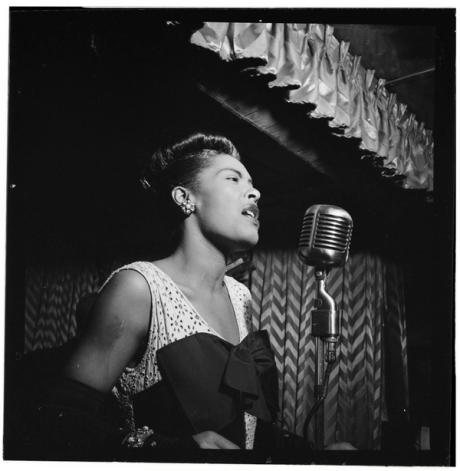
The New York City Department of Cultural Affairs has selected six finalist proposals for a monument to jazz singer Billie Holiday in Queens, where she once lived and performed. The finalists—all Black artists from around the world—include Tavares Strachan, La Vaughn Belle, Tanda Francis, Nikesha Breeze, Thomas J Price, and Nekisha Durrett. Their designs range from realistic to abstract, with some focusing on Holiday's expressive face, her signature gardenia, or symbolic forms. The winning project will be announced this summer and installed near the Jamaica Performing Arts Center (JPAC).

A woman with a bull costume exuding masculine energy: Marisol Mendez’s best photograph

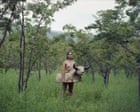
Marisol Mendez, a Bolivian photographer based in Paris, describes the creation of her striking 2019 photograph featuring Marta Salinas, a theatre actor, holding a bull costume in a field. The image is part of Mendez's series "Madre," which explores womanhood and challenges traditional feminine depictions in Bolivia. Mendez explains that the bull costume, inspired by the Bolivian dance waka tokori, symbolizes masculinity, and the photograph aims to portray a woman comfortable with her masculine energy. The work was inspired by a dream and executed with the help of Mendez's mother, who scouted the location. Mendez is the winner of this year's Saltzman-Leibovitz prize, and her work is featured at Photo London.

Clothing Brand Hurley Is Collaborating with Keith Haring Estate on Capsule Collection

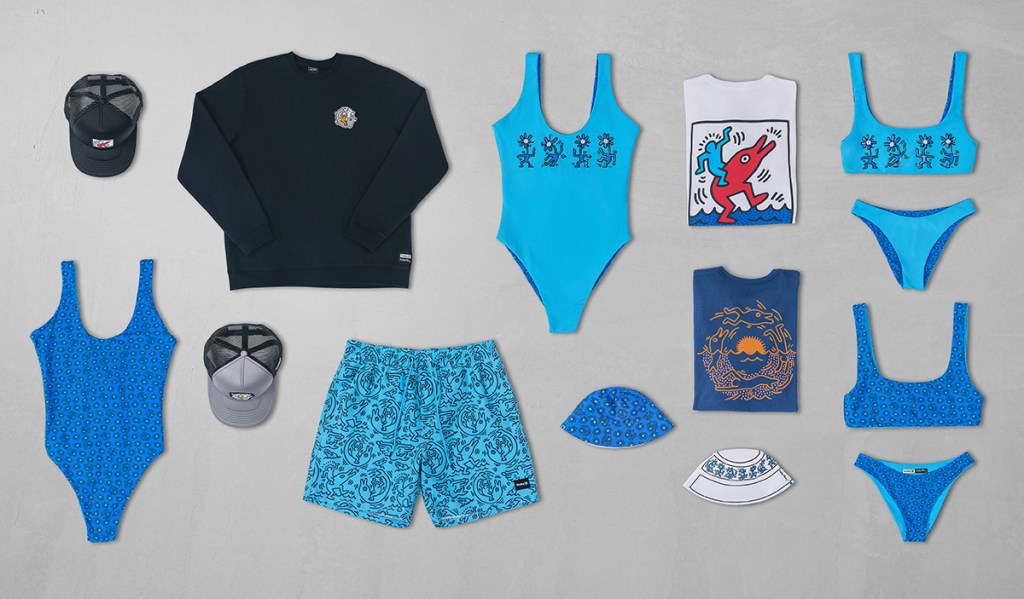
Streetwear brand Hurley, known for surf and swim apparel, has released a capsule collection inspired by the late artist Keith Haring. The collection includes T-shirts, board shirts, hats, bathing suits, and sweatshirts for men and women, with prices ranging from $28 to $100. Haring, who died of AIDS-related causes in 1990 at age 31, was internationally known for his graffiti-inspired artworks and recurring motifs like radiant babies and dancing figures.

Basquiat’s Former Dealer on the Making of an Art World Icon

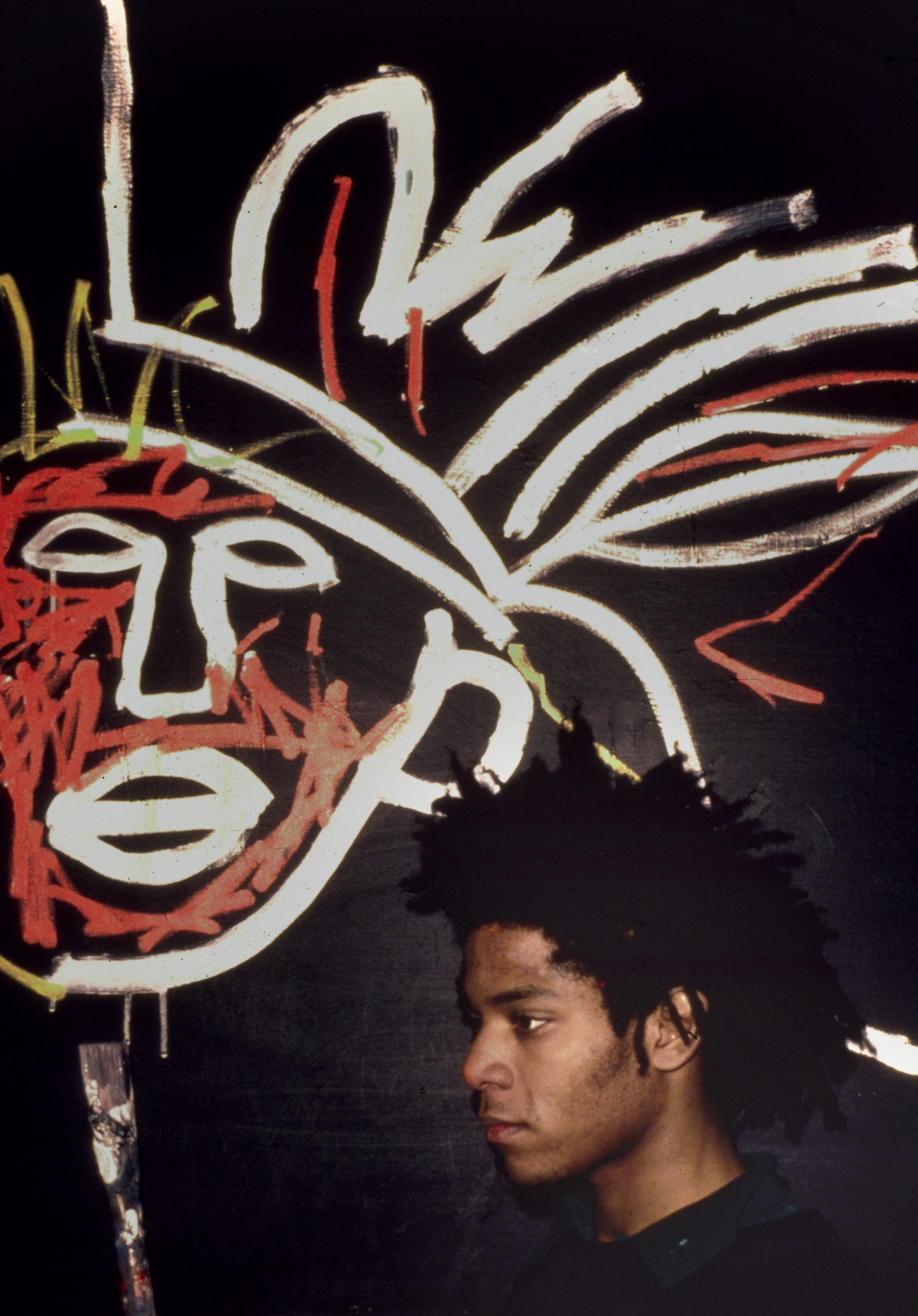
Bruno Bischofberger, who served as Jean-Michel Basquiat's exclusive worldwide dealer from 1982 until the artist's death in 1988, reflects on Basquiat's life and legacy in an excerpt from the forthcoming book *Basquiat: The World of Jean-Michel*, published by Assouline. Bischofberger contrasts Basquiat's raw, politically charged approach with Andy Warhol's detached, commercial style, and recounts personal memories of Basquiat's visits to Switzerland, where he absorbed everything from visual art to folk art and design.

Putin ‘Won’ the Venice Biennale, Quips Italian Culture Minister

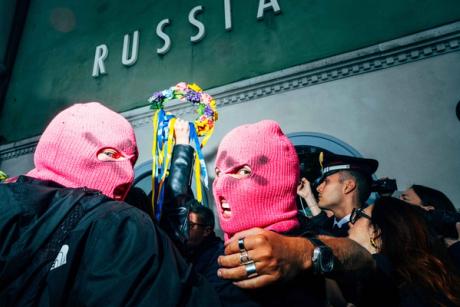
Italian Culture Minister Alessandro Giuli stated that Russian President Vladimir Putin "won" the 2024 Venice Biennale, criticizing Russia's controversial return to the event. Giuli, who repeatedly denounced Russia's presence, told Corriere della Sera that Russian artists in the pavilion cannot express dissent against their regime. The Biennale faced widespread calls to remove Russia, with the EU threatening to withhold a €2 million grant, but organizers argued they lacked legal authority to exclude the country. Protests by Pussy Riot and FEMEN marked the pavilion's opening, while the Biennale's jury resigned en masse after announcing that nations charged with crimes against humanity would be ineligible for Golden Lions.

Several Venice Biennale pavilions shut in protest over inclusion of Israel

Several national pavilions at the 2026 Venice Biennale shut down during the final preview day in a strike organized by the Art Not Genocide Alliance (Anga) protesting Israel's inclusion due to its war in Gaza. Pavilions from Belgium, the Netherlands, Austria, Japan, Macedonia, and Korea closed entirely, while others like Britain, Spain, France, Egypt, Finland, and Luxembourg partially closed or reopened later. Artists in the main exhibition added Palestinian flags and posters reading "Palestine is the future of the world." The Israeli pavilion was closed for a private event, and earlier in the week Pussy Riot staged a protest at the Russian pavilion.

Drained, Drowning, and Decay: The Best National Pavilions at the Venice Biennale

The 2026 Venice Biennale is defined by themes of ruin and decay, with standout national pavilions exploring bodily, infrastructural, and archaeological collapse. The Slovenian Pavilion features the Nonument Group repurposing materials from past Biennales into a ruin of a mosque for Bosnian Muslim soldiers from World War I. Syria presents its first national pavilion since the Civil War, with Sara Shamma invoking Palmyra, destroyed by ISIS. Germany's pavilion, titled "Ruin," features works by Henrike Naumann (who died in February) and Sung Tieu, questioning the pavilion's fascist architecture and nationalist residue. The Austrian Pavilion, curated by Florentina Holzinger, offers a visceral performance titled "Sea World." The Biennale is also marked by the abrupt resignation of its five-member jury, who refused to consider nations charged with crimes against humanity, leading to awards being chosen by public vote. Additionally, the main exhibition "In Minor Keys" was affected by the death of its curator, Koyo Kouoh.

Keith Haring Before the End of the World

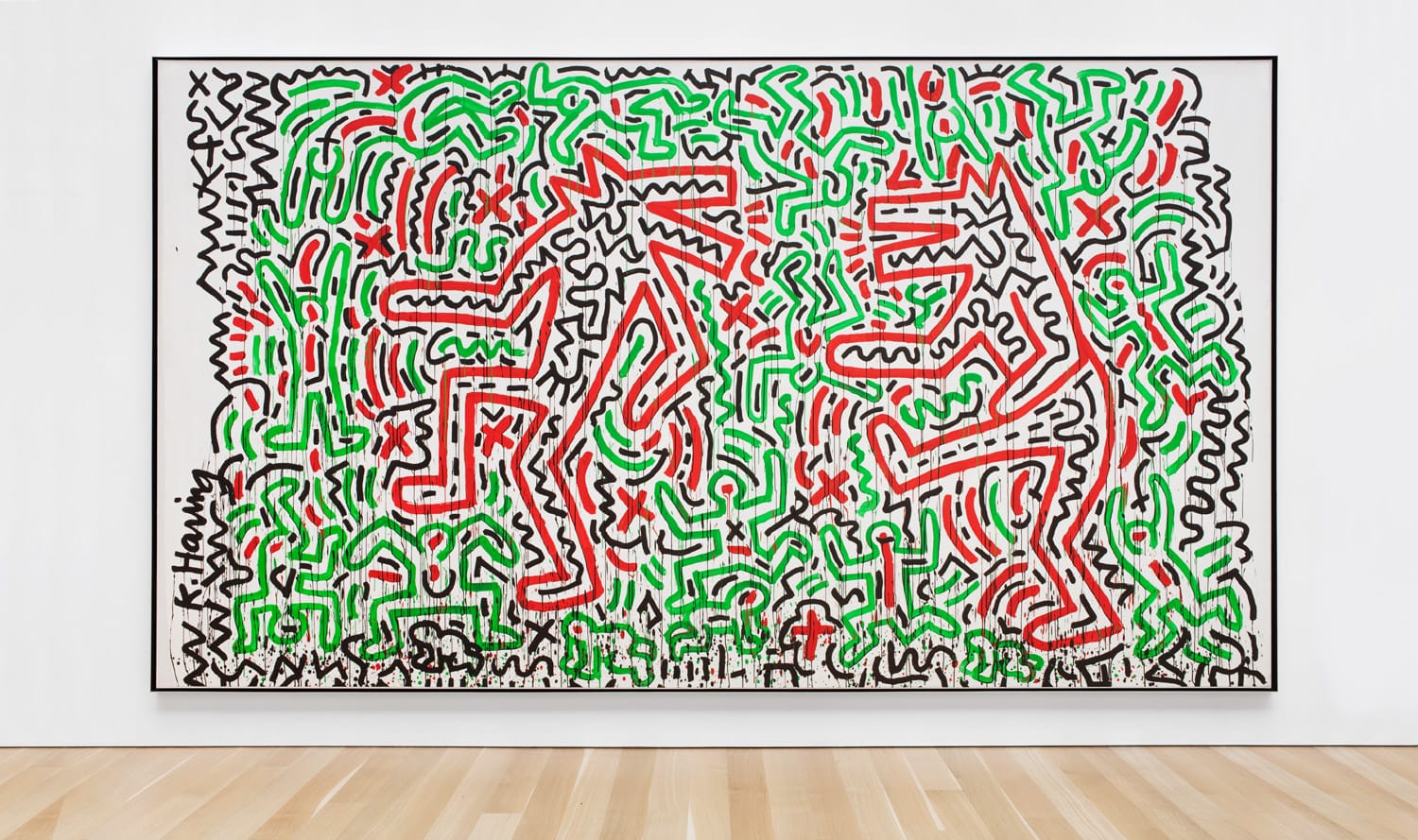
The article reviews Keith Haring's early work from 1980 to 1983, currently on view at the Brant Foundation in New York. The author reflects on initially dismissing Haring's graffiti-inspired style as trite and playful, but now sees darker, prophetic themes in pieces featuring apocalyptic imagery, UFOs, nuclear power, and mindless obedience to higher powers. The exhibition, curated by Dieter Buchhart and Anna Karina Hofbauer, runs through May 31.

Fondazione Sandretto Re Rebaudengo’s New Art Island Made a Sunny Splash in a Rainy Venice Vernissage Week

Patrizia Sandretto Re Rebaudengo, an ARTnews Top 200 collector, inaugurated a new art site on the island of San Giacomo in Venice’s Northern Lagoon during the rainy preview week of the Biennale. The island, purchased in 2018, features two Napoleonic-era powder magazines transformed into exhibition spaces: one hosting the group show “Don’t have hope, be hope!” from the Sandretto Re Rebaudengo Collection, and the other presenting “Fanfare/Lament,” a solo exhibition by Matt Copson curated by Hans Ulrich Obrist. The site also includes permanent installations by artists such as Claire Fontaine, Mario Garcia Torres, Hugh Hayden, Goshka Macuga, Pamela Rosenkranz, and Thomas Schütte, and will serve as a venue for exhibitions, performances, and residencies.

‘Exclusion can only satisfy the ego’: Venice Biennale president hits out at critics amid Russia and Israel controversy

Venice Biennale president Pietrangelo Buttafuoco defended the institution against critics at a conference on May 6, three days before the public opening, amid controversy over Russia's return to the event for the first time since its 2022 invasion of Ukraine and ongoing disputes over Israel's participation. He accused critics of “narcissism” and “censorship,” while Italian culture minister Alessandro Giuli sent inspectors to investigate whether Russia's involvement breached sanctions; a report was submitted to Prime Minister Giorgia Meloni's office. Meanwhile, the Biennale faces legal threats from the artist representing Israel over alleged discrimination, and protests have erupted, including a demonstration by Art Not Genocide Alliance and a Pussy Riot action at the Russia pavilion.

The Biennale Isn’t a Court. Tell That to the Protesters.

Pietrangelo Buttafuoco, president of the Venice Biennale, defended the decision to allow Russia to reopen its pavilion for the first time since its 2022 invasion of Ukraine, stating that the Biennale is "not a court; it is a garden of peace." The move has sparked widespread backlash, including threats to pull €2.3 million in EU funding. Protests have erupted on the ground, with Pussy Riot and FEMEN staging a theatrical demonstration outside the Russian Pavilion, setting off smoke flares and chanting slogans. Separately, around 60 artists performed a "Solidarity Drone Chorus" to protest Israel's participation, and the Art Not Genocide Alliance has called for a 24-hour strike and rallies across Venice. The Russian Pavilion will be open only during press preview days due to EU sanctions, with video projections visible from outside for the rest of the Biennale's run.

Major protests take place at Venice Biennale previews

Major protests erupted during the preview days of the Venice Biennale, with multiple demonstrations targeting the Israeli and Russian pavilions. On Wednesday, the Art Not Genocide Alliance (ANGA) held a large protest outside the temporary Israeli pavilion in the Arsenale, attended by over 200 people calling for its closure. Separately, the Solidarity Drone Chorus performed a sound composition by Gazan artist Ahmed Muin, with 60 artists wearing T-shirts bearing names of artists from Gaza. Meanwhile, Pussy Riot and FEMEN protested Russian participation, forcing the Russian pavilion to shut its doors. These actions follow the resignation of the entire Golden Lion jury days before the opening, after they stated they would not consider pavilions from countries whose leaders are charged with crimes against humanity by the ICC—widely seen as a reference to Russia and Israel.

The Price Points Powering the Art Market

The article, part of the Artnet Intelligence Report: Year Ahead 2026, analyzes art market performance by price bracket in 2025. The $1 million-to-$10 million range was the strongest segment, with sales totaling $3.5 billion—a 20.8% increase from 2024. Sales above $10 million rose 36.1% to $2.3 billion, boosted by high-priced masterpieces at New York's November auctions. The $100,000-to-$1 million bracket saw $3.2 billion in sales, up 6%. Meanwhile, works under $10,000 and in the $10,000-to-$100,000 range grew less than 1%, indicating cautious buyer behavior.

How the adoption of canvas in Venice changed the way artists painted

Art historian Cleo Nisse has published a new book, *Venetian Canvas and the Transformation of Painting*, examining how 16th-century Venetian painters such as Titian, Veronese, and Tintoretto pioneered the use of canvas as a painting support. Nisse reveals that canvas was not a uniform material—artists experimented with different weaves, including tabby and herringbone patterns, and even repurposed sailcloth and tablecloth-quality fabrics to achieve specific visual effects. The book argues that canvas was already familiar in the late Middle Ages for banners and alternatives to tapestry, and that Vittore Carpaccio was the first master of the medium, varying canvas types for expressive purposes in his *Legend of St Ursula* series.

Anish Kapoor says US’s ‘politics of hate’ should exclude it from Venice Biennale

Anish Kapoor has called for the United States to be excluded from the Venice Biennale, citing the country's "abhorrent politics of hate" and "incessant warmongering." His comments follow the resignation of the five-member international jury, who stepped down in protest over the inclusion of Israel and Russia. Kapoor praised the jury's decision as "courageous" but argued they should have also targeted the US. The US pavilion, featuring artist Alma Allen and his exhibition "Call Me the Breeze," has faced scrutiny over perceived Trump administration interference and a delayed selection process. Meanwhile, the Israeli and Russian pavilions remain flashpoints, with over 200 participants signing a letter demanding the cancellation of the Israeli pavilion, and the Russian pavilion closed to the public but viewable through windows.

Venice Bound? Here’s All the News You Need to Know About This Year’s Biennale

The 61st Venice Biennale is embroiled in geopolitical controversy over Russia's return to the event in 2026, which has sparked widespread backlash. Nearly 10,000 artists and cultural leaders signed an open letter opposing Russia's participation, and the European Union withdrew €2 million in funding for the 2028 edition. Leaked emails reveal Biennale officials worked with Russian pavilion commissioner Anastasia Karneeva to circumvent EU sanctions, while Italy's culture minister Alessandro Giuli plans to boycott the opening week. Meanwhile, activists continue to push for Israel's removal from the Biennale, though Israel will be accommodated in the Arsenale this year.

Wildenstein dispute over Monet work highlights art market opacity

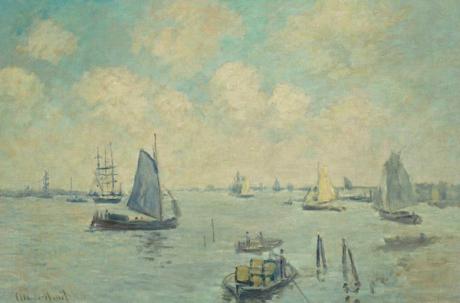
A long-running dispute involving the Wildenstein art dynasty has resurfaced over a 2004 transaction for Claude Monet's *Adolphe Monet Reading in a Garden* (1867). The painting was acquired by Guy Wildenstein through a €4.5m deal that included works by Pierre Bonnard and Alfred Sisley, among them Monet's *Marine, Amsterdam* (1874). That work was later resold via Christie's, but a 2020 sale attempt revealed that the original canvas had been lost during a transfer process, significantly reducing its value. Court-appointed specialists concluded in 2024 that the alteration predated the transaction and that the gallery likely knew of the damage. The sellers have filed a claim alleging "vitiated consent" under French law, with a court date set for 7 May in Rouen. The disputed Monet now reportedly belongs to billionaire Larry Ellison.

Inside the Inaugural Edition of Art Cologne Palma Mallorca

The inaugural edition of Art Cologne Palma Mallorca took place from April 9–12, 2026, attracting 88 galleries from 20 countries and over 10,000 visitors to the Mediterranean island. The fair, held at the Palau de Congressos Convention Centre, reported strong sales and sold-out weekend days, with Artistic Director Daniel Hug praising the high level of engagement and positive response from both exhibitors and attendees. A second edition has already been scheduled for April 1–4, 2027.

Who Were the Best-Selling Old Masters at Auction in 2025?

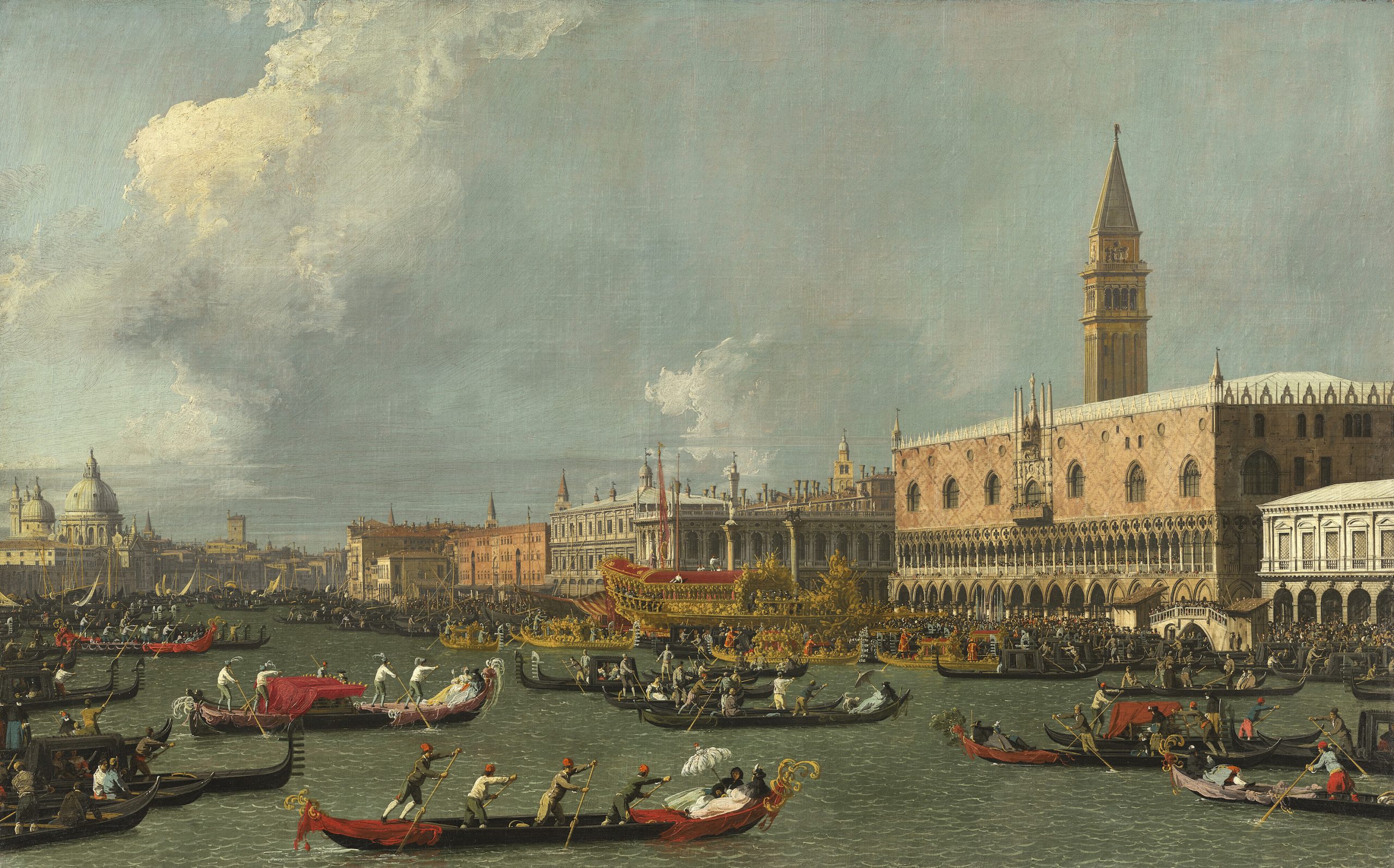
The article reports on the best-selling Old Master paintings at auction in 2025, highlighting Canaletto's *Venice, the Return of the Bucintoro on Ascension Day*, which sold for $43.8 million at Christie's—three times the next-highest Old Master price. Other notable sales include a $7.55 million triptych of Jesus performing miracles by an unknown 15th-century artist, noted for its exceptional condition and quality.

Collector Julia Stoschek Closes Down Berlin Exhibition Venue After 10 Years In Favor of International Projects

Julia Stoschek, a leading art collector and ARTnews Top 200 figure, is closing her Berlin exhibition venue after a decade of operation. The 3,000-square-meter space in the former Czech Cultural Center, which opened in 2016, will shut at the end of October 2026, having hosted 22 exhibitions and attracted 450,000 visitors. The Stoschek Foundation will maintain its Düsseldorf venue, while Stoschek shifts focus to international projects, such as the recent Los Angeles exhibition “What a Wonderful World: An Audiovisual Poem,” curated by Udo Kittelmann.

Venice Biennale’s Prize Ban on Israel and Russia Falls Short for Critics

The jury of the 2026 Venice Biennale has ruled that Israel and Russia will be ineligible for the Golden and Silver Lion prizes, citing International Criminal Court charges of crimes against humanity against their leaders. The decision follows years of activism and political pressure, with the European Union withdrawing €2 million in funding from the event in protest of Russia's participation. While groups like Art Not Genocide Alliance praised the move as an unprecedented step, critics argue it falls short of a full ban on participation. Israel's artist representative, Belu-Simion Fainaru, condemned the policy as discriminatory, and an open letter signed by 70 artists and curators called for excluding all regimes committing war crimes, including the United States.

The Tabloids Are Fouling Mayor Mamdani Over His Knicks Art. Here’s the Story

Artist Tom Sanford loaned his hand-painted wooden "Knicks Cutout" portraits of legendary New York Knicks players to New York City Hall at the invitation of Mayor Zohran Mamdani, intended to celebrate the team's playoff run. Tabloid media, including the New York Post and New York Times, framed the gesture as a "curse" on the team, suggesting fans blamed the mayor for the Knicks' losses. Sanford defends the artwork as a sincere, community-driven tribute rooted in New York street-corner cutout traditions, not a cheap stunt.