filter_list Showing 1281 results for "US" close Clear
dashboard All 1281 museum exhibitions 707article local 177article news 139article culture 109trending_up market 48rate_review review 39person people 21article policy 17candle obituary 14gavel restitution 10
date_range Range Today This Week This Month All
Subscribe

Former Korean Prosecutor Convicted in Alleged Lee Ufan Painting Bribery Scheme

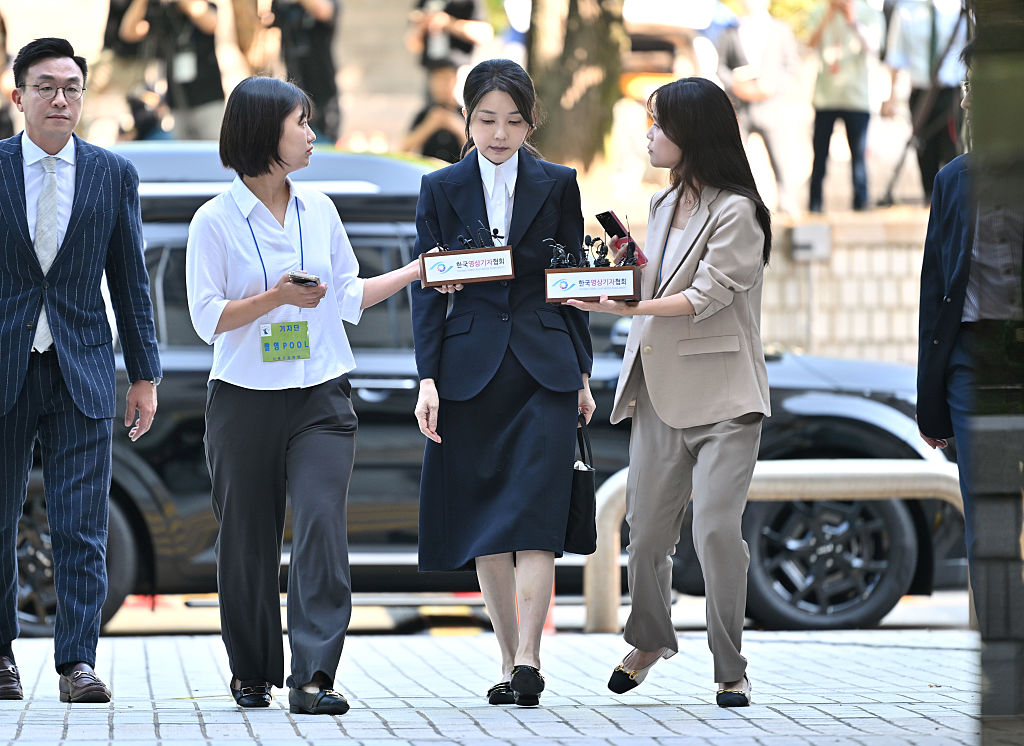
A former senior South Korean prosecutor, Kim Sang-min, has been convicted on appeal for allegedly gifting a painting by renowned artist Lee Ufan to former first lady Kim Keon Hee in exchange for political support ahead of the 2024 parliamentary elections. The Seoul High Court overturned an earlier acquittal, sentencing Kim to two years in prison (suspended for three years) for bribery, plus a separate suspended sentence for illegal political donations. The case took a strange turn when Kim's defense argued the artwork, titled *From Dots (No. 800298)* and valued at 140 million won ($95,500), was a forgery worth less than $700—a claim the court rejected after physically examining the piece and consulting experts.

Drained, Drowning, and Decay: The Best National Pavilions at the Venice Biennale

The 2026 Venice Biennale is defined by themes of ruin and decay, with standout national pavilions exploring bodily, infrastructural, and archaeological collapse. The Slovenian Pavilion features the Nonument Group repurposing materials from past Biennales into a ruin of a mosque for Bosnian Muslim soldiers from World War I. Syria presents its first national pavilion since the Civil War, with Sara Shamma invoking Palmyra, destroyed by ISIS. Germany's pavilion, titled "Ruin," features works by Henrike Naumann (who died in February) and Sung Tieu, questioning the pavilion's fascist architecture and nationalist residue. The Austrian Pavilion, curated by Florentina Holzinger, offers a visceral performance titled "Sea World." The Biennale is also marked by the abrupt resignation of its five-member jury, who refused to consider nations charged with crimes against humanity, leading to awards being chosen by public vote. Additionally, the main exhibition "In Minor Keys" was affected by the death of its curator, Koyo Kouoh.

Fondazione Sandretto Re Rebaudengo’s New Art Island Made a Sunny Splash in a Rainy Venice Vernissage Week

Patrizia Sandretto Re Rebaudengo, an ARTnews Top 200 collector, inaugurated a new art site on the island of San Giacomo in Venice’s Northern Lagoon during the rainy preview week of the Biennale. The island, purchased in 2018, features two Napoleonic-era powder magazines transformed into exhibition spaces: one hosting the group show “Don’t have hope, be hope!” from the Sandretto Re Rebaudengo Collection, and the other presenting “Fanfare/Lament,” a solo exhibition by Matt Copson curated by Hans Ulrich Obrist. The site also includes permanent installations by artists such as Claire Fontaine, Mario Garcia Torres, Hugh Hayden, Goshka Macuga, Pamela Rosenkranz, and Thomas Schütte, and will serve as a venue for exhibitions, performances, and residencies.

Venice Diary Day 2: “In Minor Keys” Is a Major Statement on Perseverance and Play

The article is a diary entry from the 2026 Venice Biennale, focusing on the exhibition "In Minor Keys" curated by the late Koyo Kouoh. The author describes an emotional experience, beginning with a poem by Refaat Alareer on the Arsenale wall, and highlights works by Guadalupe Maravilla, Alexa Kumiko Hatanaka, and others that address themes of perseverance, healing, and survival. Maravilla's sculptures reference a child kidnapped by ICE, while Hatanaka's linocuts explore bipolar disorder as an adaptive trait. The show also features artist-led collectives like Denniston Hill and fierce pussy, emphasizing institution-building and world-making.

Malaysia Showcases Recovered 1MDB Artworks, From Picasso to Miró

Four artworks recovered from the 1MDB scandal—by Picasso, Miró, Balthus, and Maurice Utrillo—have gone on public display for the first time at the Malaysian Anti-Corruption Commission headquarters in Putrajaya. The paintings were repatriated from New York after being traced through Sotheby’s and shipped back to Malaysia on April 14. They are part of a broader art trail linked to the massive financial fraud, with Malaysian officials framing the display as an act of restitution rather than an art event.

In Protest of Israeli Pavilion, Activists and Unions Plan Strike on Venice Biennale’s Opening Day

The Art Not Genocide Alliance (ANGA) has announced a 24-hour strike and rally on May 8, the day before the 2026 Venice Biennale opens to the public, in protest of the Israeli Pavilion. ANGA, formed in opposition to Israel's inclusion in the 2024 Biennale, refers to the current Israeli presentation—featuring Haifa-based artist Belu-Simion Fainaru—as the "Genocide Pavilion." Over 200 artists, curators, and culture workers have signed an open letter demanding Israel's exclusion, and a separate action called Solidarity Drone Chorus involved 60 artists. ANGA is collaborating with local labor and culture organizations including Biennalocene, Vogliamo Tutt'altro, S.a.L.E. Docks, and Mi Riconosci.

Nahmad Seeks to Reopen Modigliani Restitution Case With New Witnesses

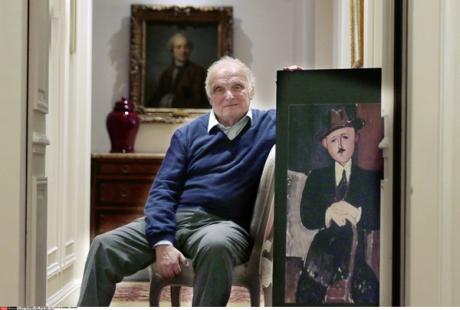
David Nahmad's lawyers are asking a New York court to reconsider its April 3 decision in the restitution case over Amedeo Modigliani's *Seated Man with a Cane* (1918), which awarded the painting to the estate of dealer Oscar Stettiner. They cite new eyewitness testimony from Frédéric Allain, who recalls a different Modigliani—smaller, darker, and without a seated man or cane—hidden by the Van der Klip family in Paris during World War II, suggesting the wrong painting may have been the focus of the case. The filing also references a 1946 report describing the missing work as a self-portrait and a new catalogue raisonné by Marc Restellini that finds no link between the painting and Stettiner. Mondex, representing Stettiner's heirs, rejects the claims, asserting that *Seated Man with a Cane* bears Stettiner's name and was in the family's possession from 1944 to 1996.

Venice Biennale’s fierce pussy Group Says City Censored Posters About Queer and Trans People

The lesbian artist collective fierce pussy, comprising Nancy Brooks Brody, Joy Episalla, Zoe Leonard, and Carrie Yamaoka, claims that the city of Venice censored their posters for the Venice Biennale. The posters, which feature phrases like "Welcome queers and trans people" and "we are queers and trans people" alongside a list of occupations, were intended to be pasted across the city. After the city blocked the full-scale posting, the group created stickers and placed them on walls, windows, and advertising spaces. As a concession, La Biennale installed the original posters inside the Arsenale entrance.

BBC ‘Buried’ Footage of Banksy at NYC Mural Site, Former Reporter Claims

Former BBC New York correspondent Nick Bryant claims the BBC suppressed footage he captured of Banksy at a mural site in New York City in March 2018. In a Substack post, Bryant recounts being tipped off by Banksy's PR team about a new artwork at the Houston Bowery Wall, where he and his cameraman filmed the artist—described as a middle-aged man in a black beanie and grey coat—fleeing the scene with fresh paint on his fingers. Despite believing he had a world exclusive, Bryant says BBC editors in London decided not to air the footage, citing concerns about unmasking the artist and preserving the mystery for audiences, including a senior colleague's daughter who compared revealing Banksy's identity to telling children there is no Santa Claus.

What It Takes to Build the Venice Biennale

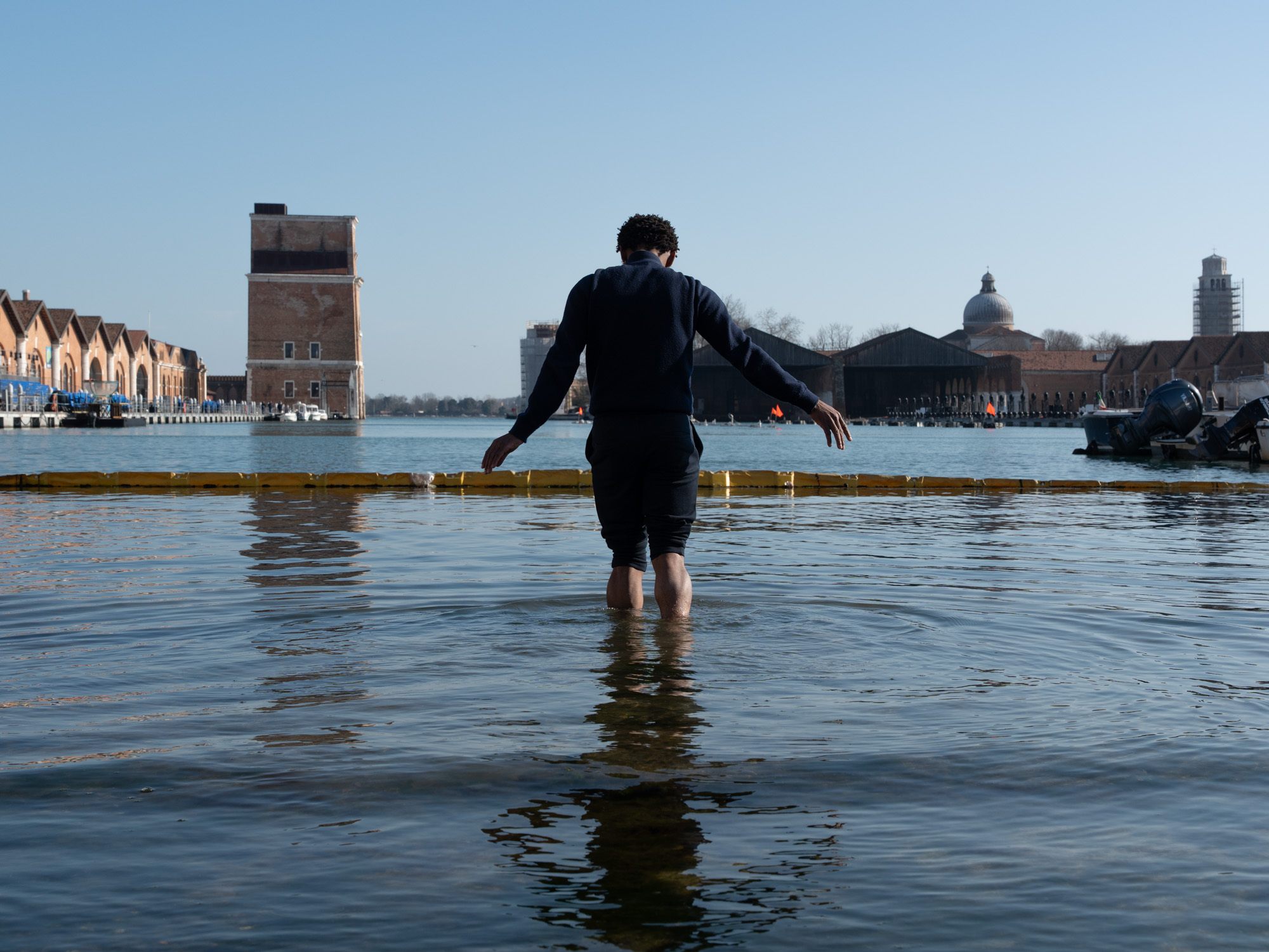
Three weeks before the Venice Biennale opens on May 5, the city remains a construction site, with the Giardini closed and parts of the Arsenale requiring special access. Artist Faustin Linyekula rehearses his performance *The Galeazze Project* in a 16th-century roofless complex, working with the existing gravel, natural light, and lagoon acoustics rather than imposing a structure. Geopolitical conflicts, supply chain disruptions, and the sudden resignation of the Biennale’s international jury via Instagram add pressure to the already challenging logistics of mounting the global exhibition.

At the Venice Biennale, Ukraine’s Pinchuk Art Centre finds fragile moments of joy amid loss

The Pinchuk Art Centre in Kyiv has transformed its Venice Biennale presentation from a glamorous celebration of young artists into a somber exhibition responding to the Russian invasion of Ukraine. This year's show, titled "Still Joy — From Ukraine into the World" (9 May-1 August) at the Palazzo Contarini-Polignac, features works by international artists like Tacita Dean and Julian Charriere alongside Ukrainian artists, as well as testimonials from soldiers collected by former marine Hlib Stryzhko. The exhibition explores how joy can persist amid trauma, with installations including pink scrolls bearing survivors' quotes, light box photographs of bombed interiors with rescued pot plants, and a sculpture of bells with displaced women's fingerprints.

Parasol Unit returns with a showcase of women from Central Asia and beyond

Parasol Unit, the London non-profit exhibition space that closed in 2020 after 16 years, has relaunched with a new exhibition titled "Turandot: To the Daughters of the East" as an official collateral event of the Venice Biennale. Held at the historic Palazzo Franchetti, the show features 11 female artists from Central Asia and surrounding regions, curated by founder Ziba Ardalan. The exhibition spans video, installation, sculpture, painting, textile, and sound works by artists including Lida Abdul, Huma Bhabha, Mona Hatoum, and Tala Madani, and runs from 9 May to 31 October.

Pleasure, parody and propaganda: rethinking the art of illustration in a new history of the genre

D.B. Dowd's new book "Reading Pictures" offers a sweeping 400-page history of illustration, tracing the genre from the Diamond Sutra frontispiece in Tang China (AD868) to Molly Crabapple's Gaza reports in 2015. The book examines key works such as Jules Chéret's 1891 poster for the Alcazar d'Été Club, Stuart Davis's caustic covers for The Masses, and Duong Ngoc Canh's Vietnamese propaganda poster, arguing that illustrations are meant to be "read" rather than admired like museum paintings.

May Book Bag: from a guide on entering the art world to a publication about artists influenced by Ovid’s Metamorphoses

The May Book Bag article from The Art Newspaper reviews four new art-related publications. It covers "Metamorphoses: Ovid and the Arts," edited by Francesca Cappelletti and Frits Scholten, which examines Ovid's influence on Western art through works by artists like Titian, Caravaggio, and Louise Bourgeois. Other featured books include Hettie Judah's "How to Enter the Art World," a practical guide for emerging artists; "Derrick Adams: Prints," showcasing the artist's printmaking from 2019-2025; and "Whistler's Legacy" by Daniel Sutherland, which explores the legacy of James Abbott McNeill Whistler through his close associates.

David Nahmad maintains that his Modigliani was not looted by the Nazis

David Nahmad is continuing his legal battle to prove that his Modigliani painting, *Seated Man with a Cane* (1918), was not looted by the Nazis from the Jewish dealer Oscar Stettiner. Despite a recent New York ruling against him, Nahmad’s lawyers have filed a motion to review the case based on new eyewitness testimony. Two witnesses claim the painting they saw in the Van der Klip family—which bought the Nazi-looted work in 1944—is completely different from Nahmad’s painting, lacking a seated man or a cane. Nahmad’s legal team also cites a 1946 French bailiff report and a recent catalogue raisonné by Marc Restellini to argue that Mondex, the restitution firm working for Stettiner’s heirs, misidentified the work.

‘She had a fresh, informed eye’: mural depicting late Venice Biennale curator Koyo Kouoh displayed in lagoon city

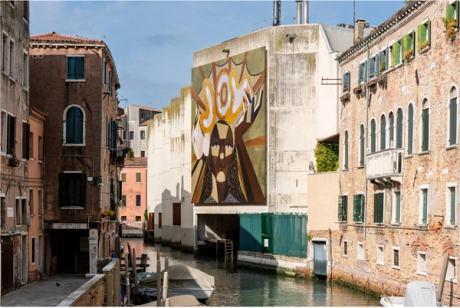
A mural honoring Koyo Kouoh, the late curator of the 2025 Venice Biennale, has been unveiled in Venice. Created by US artist Derrick Adams, the collage titled "Heavy is the head that wears the crown" adorns the facade of the Palazzetto dello sport Giobatta Gianquinto near the Arsenale. Kouoh died on 10 May 2025 at age 57 after a cancer diagnosis. The tribute was organized by curator Francesco Bonami, who had invited Kouoh to join the jury for the 50th Venice Biennale in 2003.

‘We are complicit’: Austrian artist Florentina Holzinger’s immersive Venice Biennale pavilion brings apocalypse to the city

Austrian artist Florentina Holzinger has created 'Seaworld Venice,' an immersive and confrontational installation for the Austrian Pavilion at the 2024 Venice Biennale. The work explores climate change, technology, and a dystopian flooded future, drawing comparisons to the 1995 film 'Waterworld'—though neither Holzinger nor curator Nora-Swantje Almes had seen it. Known for extreme performance art involving nudity, blood, live piercing, and heavy machinery, Holzinger's previous works have caused audience members to faint or require medical treatment. The pavilion marks a significant platform for her radical, hybrid practice that blends theatre, dance, opera, and performance art.

Who’s The Next Obsession? 12 European Collectors Reveal How They Discover New Talent

Cultured magazine asked 12 European collectors how they discover new talent, timed to the 61st Venice Biennale. Collectors like Nicole Saikalis Bay, Amélie du Chalard, Belma Gaudio, and Laurent Asscher share their personal approaches—ranging from emotional resonance and dialogue with existing works to long-term obsession with an artist before acquiring a piece. The responses reveal a diversity of methods, from instinct-driven buying to conceptual and technical evaluation.

Venice’s Chicest Invite This Week? A Pizza Party Where the Artists Chose the Ingredients

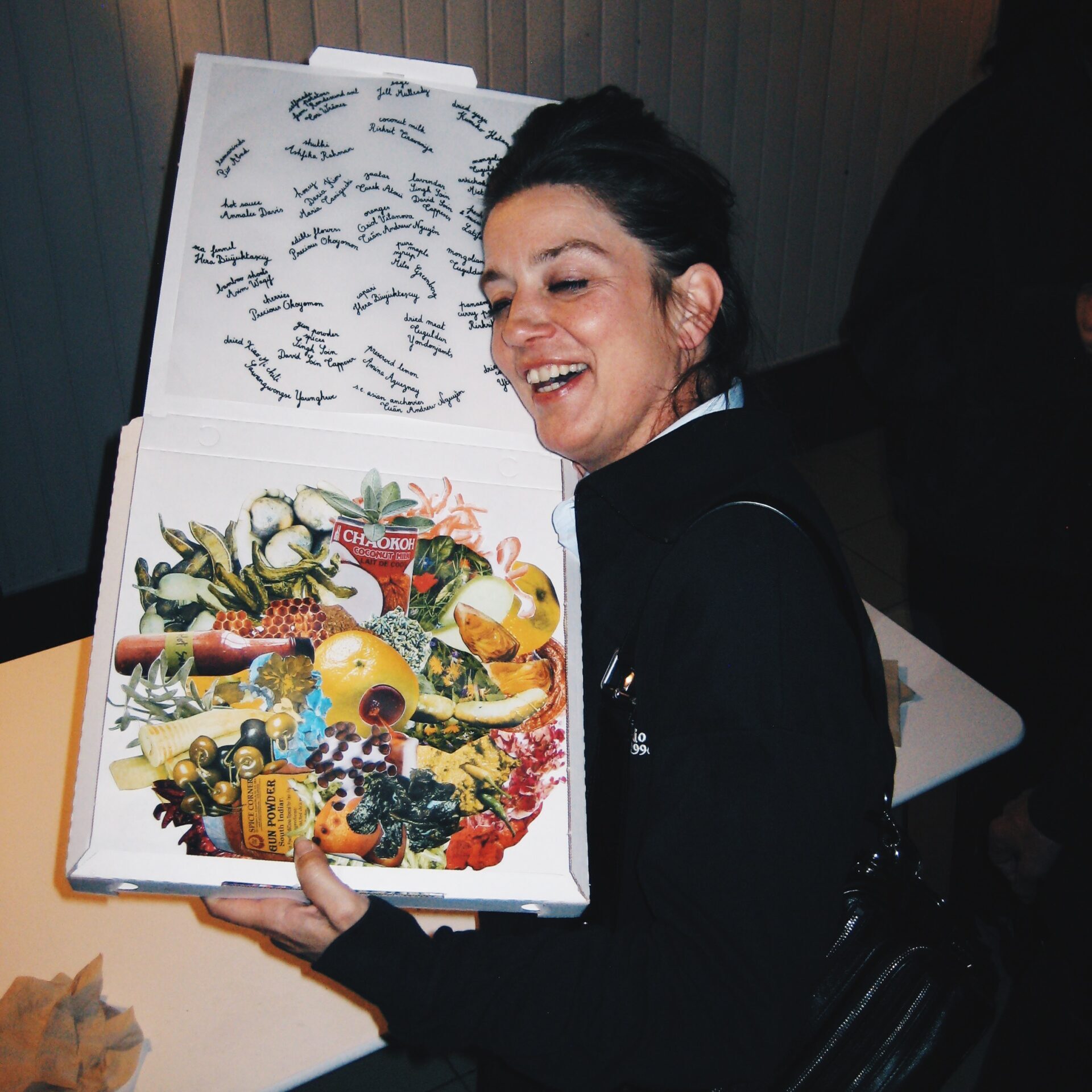
Diana Campbell, Chomwan Weeraworawit, and Paris-based art advisors Samy Ghiyati and Nicolas Nahab of NG Partners organized a pizza party called Pizzalo Mundo during the Venice Biennale. Each artist contributed an ingredient from home: Rirkrit Tiravanija brought a Penang coconut base, Precious Okoyomon added flowers, Daria Kim wild honey, Tarek Atoui za'atar on hummus, Miet Warlop artichoke hearts, Tori Wrånes self-grown potatoes, and Alexa Kumiko Hatanaka fig leaf oil with yuzu salt. The event drew a crowd of curators, directors, and collectors from institutions including Tate, Musée d'Orsay, Guggenheim Abu Dhabi, MoMA, and Centre Pompidou.

The Good, the Bad, and the Fugly From the 2026 Met Gala

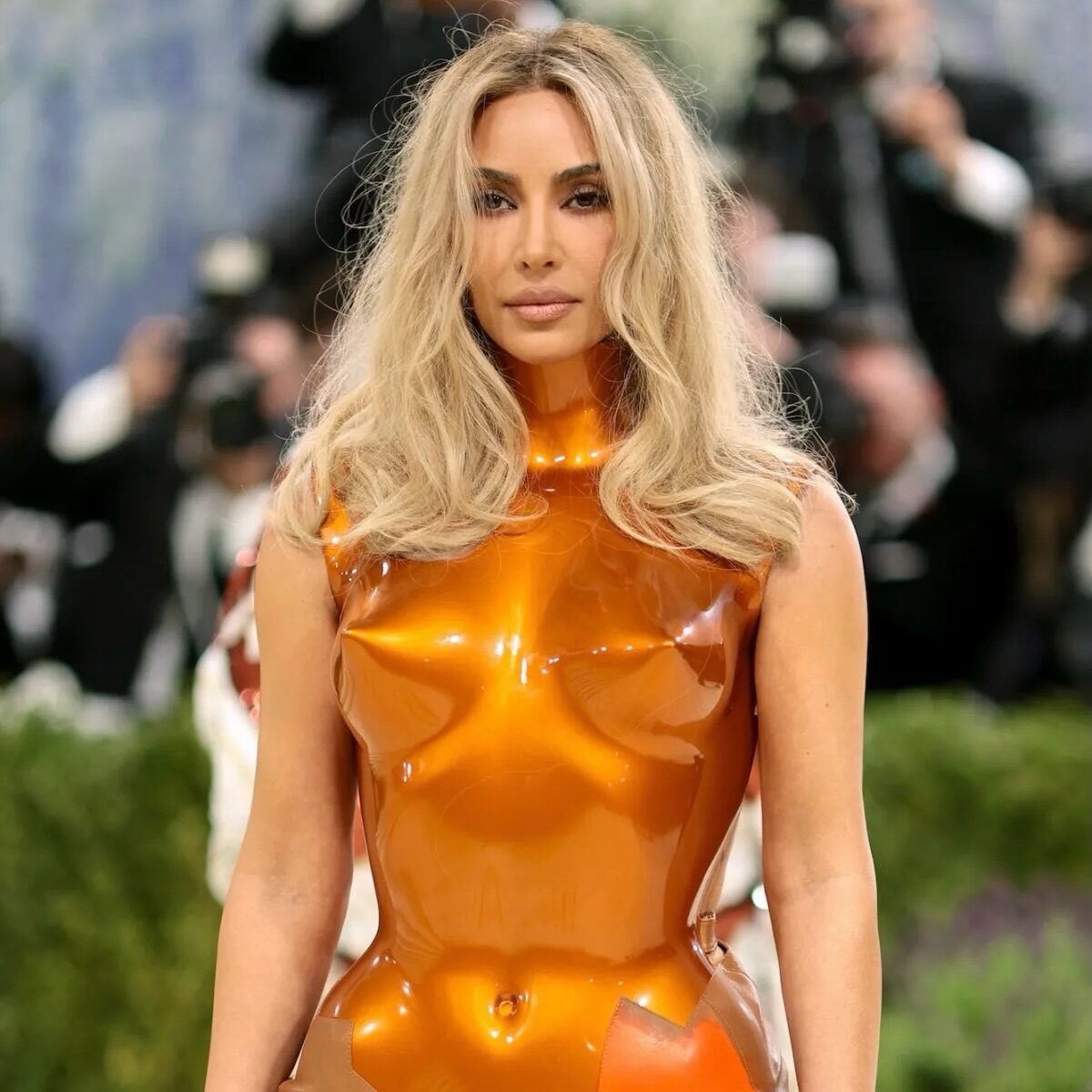
Cultured magazine's 2026 Met Gala coverage features a roundtable of critics and writers offering candid, often humorous takes on celebrity looks from the red carpet. Emma Chamberlain's hand-painted Mugler gown is widely praised as the most on-theme, while Troye Sivan's Prada homage to Robert Mapplethorpe and Chase Infiniti's Thom Browne trompe-l'œil dress also earn acclaim. Gabrielle Richardson calls for more color, noting the theme is about art, and criticizes the monochromatic trend. Mackenzie Thomas pans Alysa Liu's look as "prom" and "quinceañera," while others celebrate Naomi Osaka's Robert Wun Couture and Connor Storrie's Saint Laurent ensemble. The article is structured as a series of short, punchy quotes from multiple contributors, each focusing on specific attendees' fashion choices.

The Strange Coincidence Behind Ivy Getty’s Ludovic de Saint Sernin Met Gala Dress

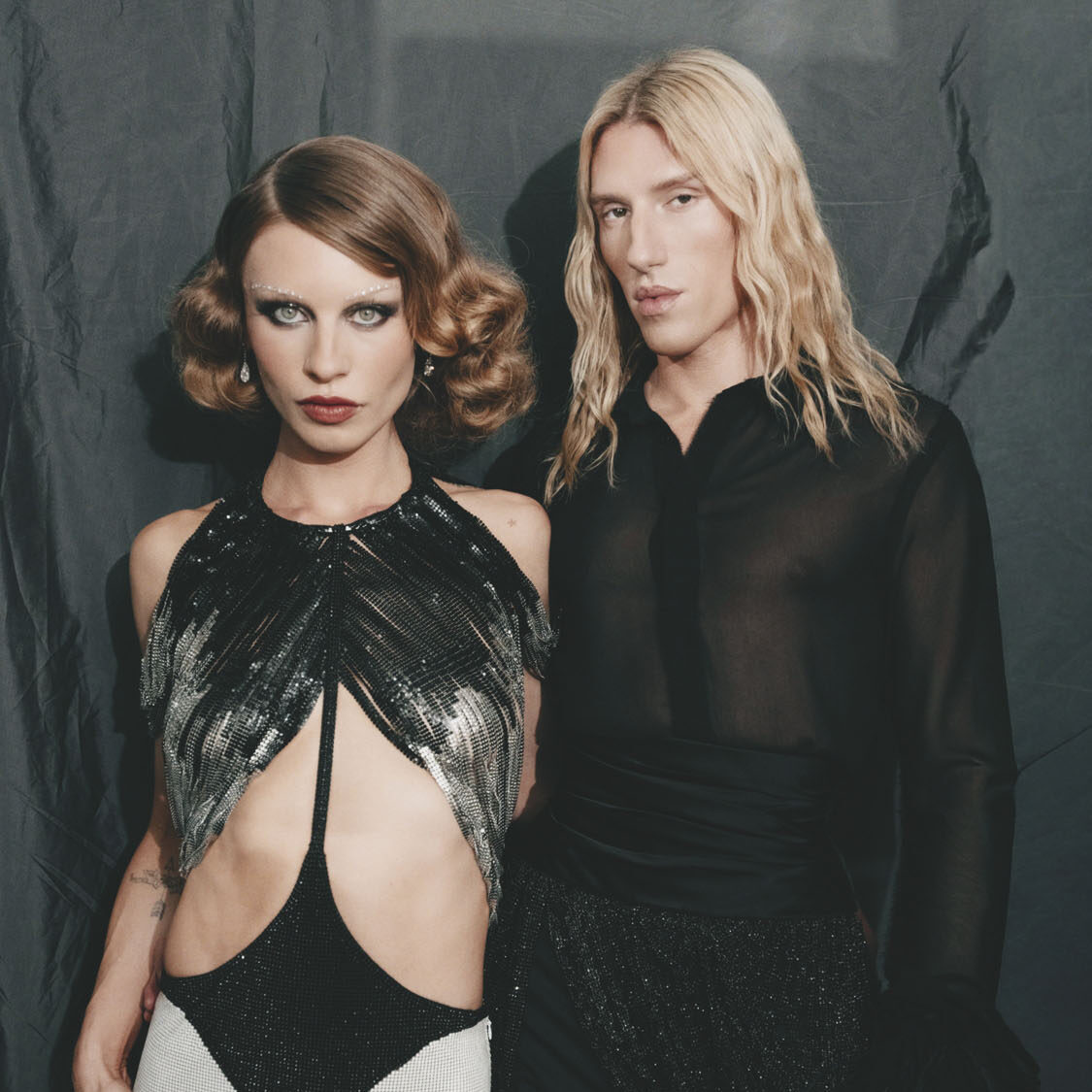
Ivy Getty, an American model and philanthropist, collaborated with Parisian designer Ludovic de Saint Sernin to create her Met Gala dress, inspired by the 1926 illustration *L’Eclat de l’Or* by Russian artist Erté. The sketch, originally for the show *The Golden Fables*, was chosen from Getty’s mood board; the pair later discovered it is held in the Metropolitan Museum of Art’s archive, coinciding with its 100th anniversary. The final fringed gown debuted on the Met Gala red carpet, and the duo discussed the creative process in an interview.

An Abandoned Shipyard in Venice Is Getting a New Life Thanks to This Congolese Choreographer

Congolese choreographer Faustin Linyekula is staging "The Galeazze Project," a performance in a 16th-century shipyard complex in Venice that has been inaccessible since World War II and never open to the public. Commissioned by the nonprofit Scuola Piccola Zattere, the work will bring up to 500 people into the 32,291-square-foot open-air ruin for two nights during the 2026 Venice Biennale preview week. The rental fee from the performance will help stabilize and restore the floors of the historic Galeazze site.

Keith Haring Before the End of the World

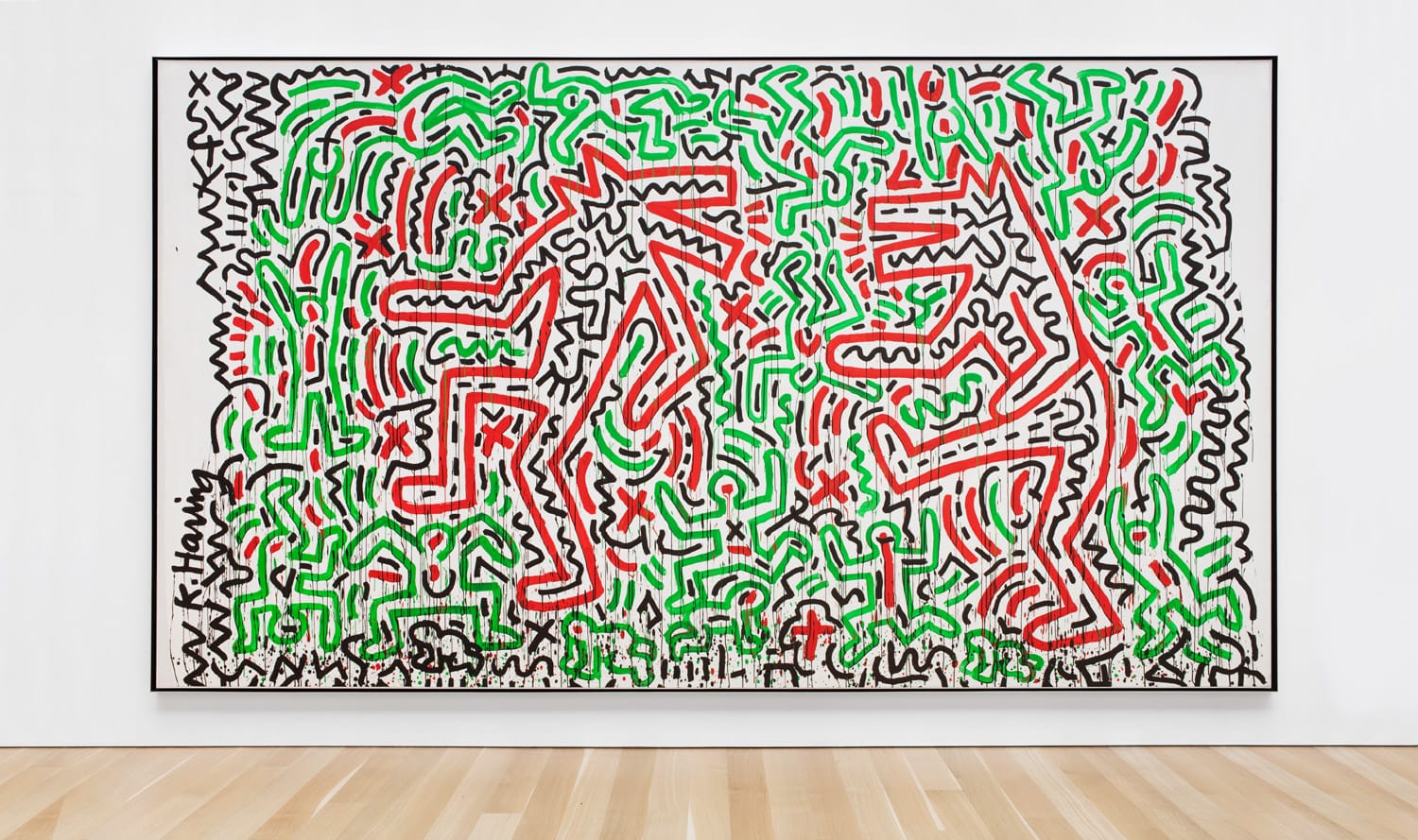
The article reviews Keith Haring's early work from 1980 to 1983, currently on view at the Brant Foundation in New York. The author reflects on initially dismissing Haring's graffiti-inspired style as trite and playful, but now sees darker, prophetic themes in pieces featuring apocalyptic imagery, UFOs, nuclear power, and mindless obedience to higher powers. The exhibition, curated by Dieter Buchhart and Anna Karina Hofbauer, runs through May 31.

Arch Hades Turns a Venetian Palazzo Into an Emotional Landscape

British artist Arch Hades has transformed the Scoletta Battioro e Tiraoro di Venezia, a historic palazzo on Venice's Grand Canal, into an immersive solo exhibition titled “Arch Hades: Return | Ritorno,” timed to the 61st Venice Biennale. The show features site-specific paintings, sculptures, and a soundscape, anchored by the monumental 22-panel painting *Return* (2025), which draws on Greco-Roman sculpture, Symbolism, Surrealism, and Romanticism, and echoes Gustav Klimt's lost “Faculty Paintings.” New works from Hades's “Confessions” series and the mirrored chrome piece *Sphinx* (2026) further explore themes of memory, connection, and existentialism.

First Impressions of a Venice Biennale Torn Apart by the Present

The 61st Venice Biennale, titled "In Minor Keys," opens amid turmoil: its curator Koyo Kouoh died of cancer during planning, and the festival jury resigned after a controversial statement about excluding Israel and Russia from prizes, replaced by a Eurovision-style people's choice award. The main exhibition, completed by a team of five collaborators using Kouoh's plans, features over 110 artists and collectives, with highlights including works by Big Chief Demond Melanchon, Tammy Nguyen, Guadalupe Maravilla, Ayrson Heráclito, and a section focused on Michael Armitage's Nairobi Contemporary Art Institute.

A Pavilion of Ruins: Germany Reconsiders Its Past in Venice

The German Pavilion at the 61st Venice Biennale features a dual presentation exploring the country's layered political history. Artist Sung Tieu has cloaked the pavilion's fascist-era facade with a mosaic reconstruction of a GDR housing estate for Vietnamese contract workers, where she lived as a child. Inside, the late Henrike Naumann's immersive installation 'The Home Front' uses furniture and design to stage a confrontation between East and West German domestic and political ideologies. Naumann died in February 2025 at age 41, but her fully realized concept was completed collaboratively by her partner and curator Kathleen Reinhardt.

The Price Points Powering the Art Market

The article, part of the Artnet Intelligence Report: Year Ahead 2026, analyzes art market performance by price bracket in 2025. The $1 million-to-$10 million range was the strongest segment, with sales totaling $3.5 billion—a 20.8% increase from 2024. Sales above $10 million rose 36.1% to $2.3 billion, boosted by high-priced masterpieces at New York's November auctions. The $100,000-to-$1 million bracket saw $3.2 billion in sales, up 6%. Meanwhile, works under $10,000 and in the $10,000-to-$100,000 range grew less than 1%, indicating cautious buyer behavior.

Treasures From Matthew Perry’s Estate Head to Auction for a Good Cause

Heritage Auctions will sell a trove of artifacts from Matthew Perry's estate starting June 5, including scripts and memorabilia from the sitcom *Friends*, artworks by Banksy and Mel Bochner, and personal items like a 3D portrait of his invented superhero "Mattman." Proceeds benefit the Matthew Perry Foundation, a nonprofit focused on ending addiction stigma and expanding access to evidence-based care, founded after the actor's death in 2023.

The glories of Francisco de Zurbarán’s paintings | Letters

Two letters to the editor respond to Charlotte Higgins's article on Francisco de Zurbarán. Paul McGilchrist critiques the physical inaccuracy of crucifixion depictions, including Zurbarán's *The Crucified Christ*, noting that most paintings fail to convey the true weight and distortion of a body suspended by nails. Jean Wilson highlights Zurbarán's series *Jacob and his 12 Sons* at Auckland Palace in Bishop Auckland, describing its history since 1756 and its connection to Bishop Trevor's support for Jewish rights.

‘A daring flash of pubic hair’: the extraordinary, monumental nudes of Sylvia Sleigh

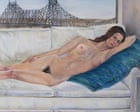
A small London gallery, Malarkey, is exhibiting eight paintings by Welsh-born artist Sylvia Sleigh (1916–2010), including her monumental 1963 work *The Bridge*, which is now for sale. The show, curated by Daniel Malarkey, features Sleigh's earliest-known self-portrait and her first commission, alongside other nudes that challenge traditional objectification by portraying both sexes with dignity. Sleigh, who studied at Brighton School of Art and moved to New York with her second husband, critic Lawrence Alloway, reimagined classical poses like Giorgione's *Sleeping Venus* in modern settings, notably including a daring flash of pubic hair in *The Bridge*.