filter_list Showing 1666 results for "Paint" close Clear
search
dashboard All 1666 museum exhibitions 952article local 283trending_up market 144article culture 84article news 55rate_review review 49candle obituary 46person people 31gavel restitution 15article policy 7
date_range Range Today This Week This Month All
Subscribe

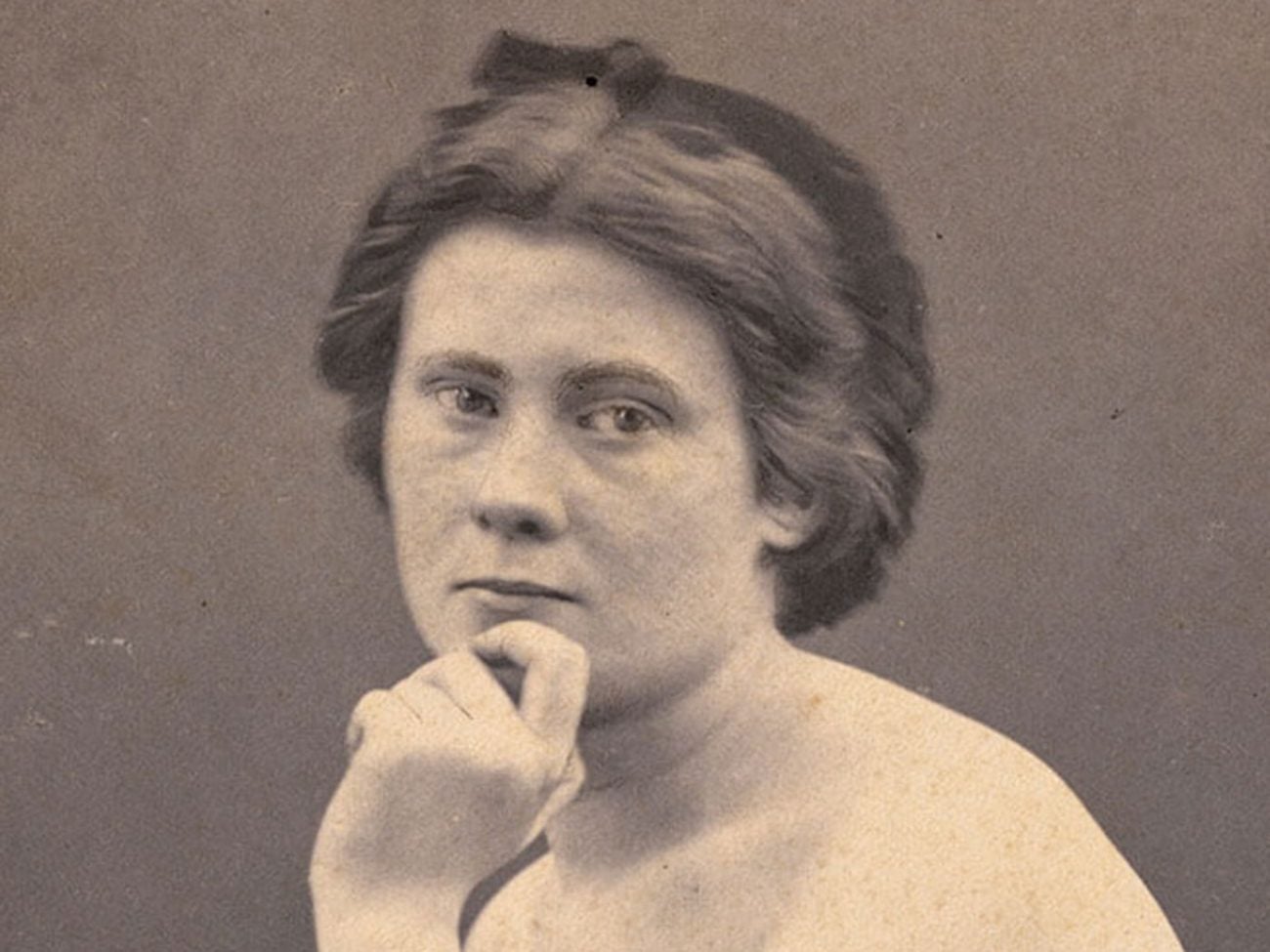
Photographs of Victorine Meurent who posed for 'Le Déjeuner sur l'herbe' discovered by chance in Grenoble

Les photos de Victorine Meurent qui ont servi de modèle au « Déjeuner sur l’herbe » retrouvées par hasard à Grenoble

A chance discovery at the Musée de Grenoble has unearthed two previously unknown photographs of Victorine Meurent, the favorite model of Édouard Manet, taken by Gaudenzio Marconi in 1863. Art historian Laure Boyer, while researching a different subject, recognized Meurent in the images and realized they directly served as studies for Manet's iconic paintings *Le Déjeuner sur l'herbe* and *Olympia*. The photographs show Meurent in poses nearly identical to the figures in both works, with only the orientation reversed in one case and facial expressions swapped between the two paintings.

Au musée Marmottan Monet, la peinture de Giovanni Segantini hisse la modernité au sommet des Alpes

The Musée Marmottan Monet in Paris is hosting the first retrospective in France of Giovanni Segantini (1858–1899), a major but little-known figure of Symbolism. The exhibition traces his career through the lens of his geographical ascent into the Alps, from his early success with "Ave Maria à la traversée" (1886–1888) to his final triptych "La Vie, La Nature, La Mort," which he was working on when he died at age 41. Segantini's divisionist technique, which Vassily Kandinsky considered a precursor to abstraction, is highlighted as a means of expressing a dematerialized vision of the world.

« À qui appartiennent ces œuvres ? » : le destin des biens culturels spoliés par les nazis au cœur d’un nouvel espace au musée d’Orsay

On May 5, the Musée d'Orsay in Paris inaugurated a new dedicated space in the Pavillon Amont for artworks looted during World War II that remain unclaimed by their owners or heirs. The room, titled "À qui appartiennent ces œuvres ?" ("Who owns these works?"), features thirteen pieces including sculptures by Auguste Rodin and paintings by Auguste Renoir, Edgar Degas, and Eugène Boudin. These represent a fraction of the museum's 225 MNR (Musées nationaux récupération) holdings, part of a national legacy of approximately 2,000 looted works still held in French museums.

The invisible worlds of Hilma af Klint, pioneer of abstraction, finally revealed at the Grand Palais

Les mondes invisibles d’Hilma af Klint, pionnière de l’abstraction, enfin révélés au Grand Palais

The article reveals the long-overlooked story of Hilma af Klint (1862–1944), the Swedish artist who created abstract paintings years before Kandinsky, Mondrian, and Malevich, yet kept her work secret until 20 years after her death. Her monumental output—1,600 abstract paintings and 124 notebooks—was first publicly shown in 1986 at the Los Angeles exhibition 'The Spiritual in Art, Abstract Painting, 1890–1985'. A 2019 retrospective at the Guggenheim Museum in New York drew 600,000 visitors, a museum record. Now, the Grand Palais in Paris presents the first-ever French exhibition of her work, focusing on her 'Paintings for the Temple' cycle (1906–1915), a series of 193 works that synthesize her spiritual quest.

From the beaches of Valencia to the gardens of Andalusia, the virtuoso Joaquín Sorolla celebrated by a luminous exhibition in Toulouse

Des plages de Valence aux jardins andalous, le virtuose Joaquín Sorolla célébré par une exposition lumineuse à Toulouse

The article announces a luminous exhibition in Toulouse celebrating the Spanish painter Joaquín Sorolla (1863–1923), known for his radiant beach scenes and masterful use of light. Co-curated by Ana Debenedetti of the Bemberg collection and Enrique Varela Agüí, director of the Museo Sorolla in Madrid, the show features iconic works such as *Contre-jour, Maria à Biarritz* (1906) and *Sur le sable, plage de Zarautz* (1910), alongside a reconstruction of Sorolla’s studio. The exhibition highlights his unique style blending realism, impressionism, and luminism, with energetic brushwork, bold compositions, and photographic framing.

Georg Baselitz, grande figure de l’art allemand, est mort à l’âge de 88 ans : retour sur sa vie et son œuvre

Georg Baselitz, one of Germany's most significant post-war artists, has died at age 88. Born Hans-Georg Kern in 1938, he grew up in Nazi-era Saxony and later rejected his father's ideology, fleeing to West Berlin in 1957. Known for his provocative, expressionist works and signature upside-down paintings, Baselitz challenged artistic conventions with brutalist techniques—attacking wood with chainsaws and axes—and created scandalous pieces like "Die große Nacht im Eimer" (1962–1963), which was banned from exhibition. His career included major retrospectives at the Musée d'Art Moderne de la Ville de Paris (2011) and Centre Pompidou (2021), and commissions for the Reichstag.

Immersive exhibitions and visits not to miss from spring to summer in France

Les expos et visites immersives à ne pas rater du printemps à l’été en France

The article from Beaux Arts Magazine highlights a selection of immersive art exhibitions and experiences across France for spring and summer 2026. Featured attractions include "Passion Japon" at Parc de la Villette in Paris, a journey through Japanese culture with Hokusai and Hiroshige projections; "L'Odyssée Céleste" at Église Saint-Eustache, a 3D light spectacle with live choral music; "Frissons" at the Musée d'Orsay, an interactive light installation by artist Adrien M responding to visitors' movements; and a Picasso immersive experience at Les Baux-de-Provence.

Martin Schongauer in 2 Minutes

Martin Schongauer en 2 minutes

Martin Schongauer (c. 1445–1491), the Alsatian painter, draftsman, and engraver, is celebrated as the greatest German copperplate engraver before Albrecht Dürer and one of the first artists to achieve pan-European fame in his lifetime. The article outlines his life and career, from his early training in his father's goldsmith workshop in Colmar to his studies at the University of Leipzig and travels through Flanders, where he absorbed the influence of Rogier van der Weyden and Dirk Bouts. It highlights his 116 copper engravings, signed with the monogram 'M+S', which elevated engraving to a high art and circulated from Spain to Bohemia, inspiring Dürer and the young Michelangelo. Key works discussed include the painting 'La Vierge au buisson de roses' (1473) and the engraving 'La Tentation de saint Antoine' (c. 1470–1475).

Ces 5 créatrices « inoubliables » à découvrir absolument à Gand

The Museum of Fine Arts (MSK) in Ghent is hosting the exhibition "Inoubliables" (Unforgettables), on view until May 31, which highlights the work of women artists from the 17th and 18th centuries in the former Netherlands region. The show features about 40 female creators active between 1600 and 1750, including painters like Michaelina Wautier, Judith Leyster, and Rachel Ruysch, working in genres from portraiture and still life to engraving, lacemaking, and paper cutting. The exhibition aims to restore these women to their rightful place in art history.

Aboriginal art unfurls its colors and coded messages in a major exhibition in Lodève

L’art aborigène déploie ses couleurs et ses messages codés dans une grande expo à Lodève

A major exhibition of Aboriginal art has opened at the Musée de Lodève in France, featuring over one hundred works primarily from the collection of Alison and Peter Klein. The show presents paintings, painted totems, and trunks, showcasing the rich colors, hypnotic dot painting techniques, and coded symbolism characteristic of this art form.

« L’Angélus » de Millet : une notification à l’humanité hors sol ?

Beaux Arts Magazine publishes a detailed visual analysis of Jean-François Millet's painting "L'Angélus" (1857–1859), housed at the Musée d'Orsay in Paris. The article describes the scene of two peasants pausing their potato harvest to pray at dusk, examining the composition, color, and spiritual resonance of the work. It also traces Millet's biography—from his peasant origins in the Cotentin region to his training under Langlois and Paul Delaroche, and his early career painting portraits and nudes before turning to rural subjects.

Rothko Sells for $85.8 Million, Almost Surpasses Auction Record

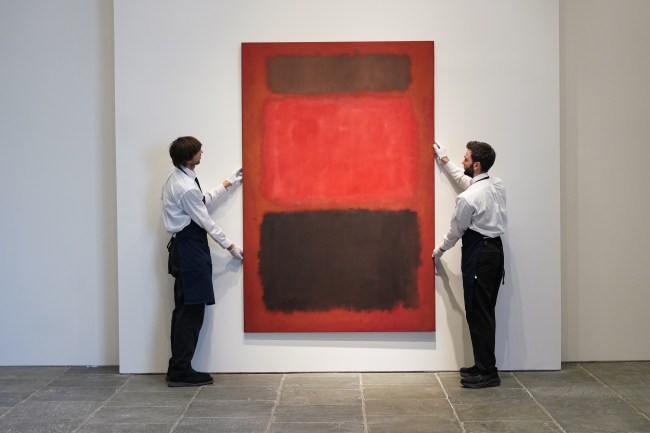
Sotheby’s New York sold Mark Rothko’s painting *Brown and Blacks in Reds* (1957) for $85.8 million on Thursday, making it the second-highest price ever achieved for the artist at auction. The work, part of Rothko’s postwar Color Field series, was offered from the private collection of the late art dealer Robert Mnuchin, whose estate also included works by Willem de Kooning. The Mnuchin sale totaled $166.3 million, with de Kooning’s *Untitled* (1970) fetching $8.8 million and *Untitled XLII* (1983) reaching $10.2 million. Bidding lasted about four minutes, with the winning bid placed via phone with Helena Newman, chairman of Sotheby’s Europe.

Eric N. Mack “A Whole New Thing” at Wexner Center for the Arts, Columbus

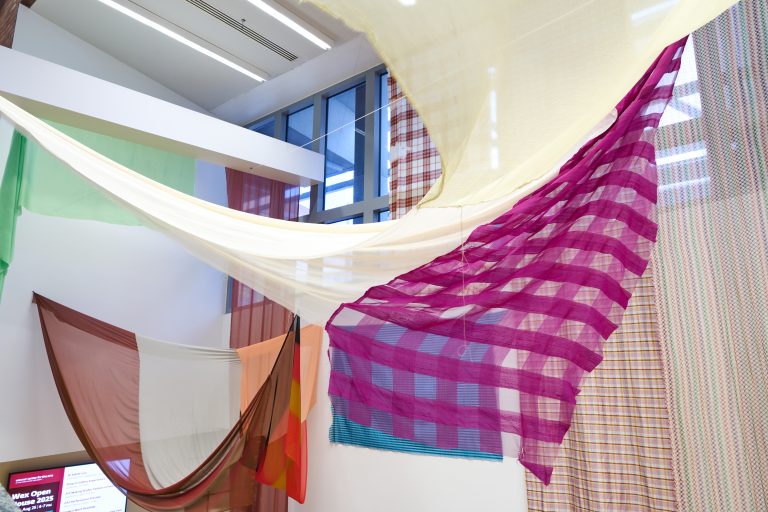
Eric N. Mack has created a site-responsive installation titled "A Whole New Thing" for the lobby commission at the Wexner Center for the Arts in Columbus. The work continues his exploration of abstraction, foregrounding fabric as an expressive, atmospheric, structural, and social medium that reveals a painterly sensibility.

Beatriz González at Barbican Art Gallery, London

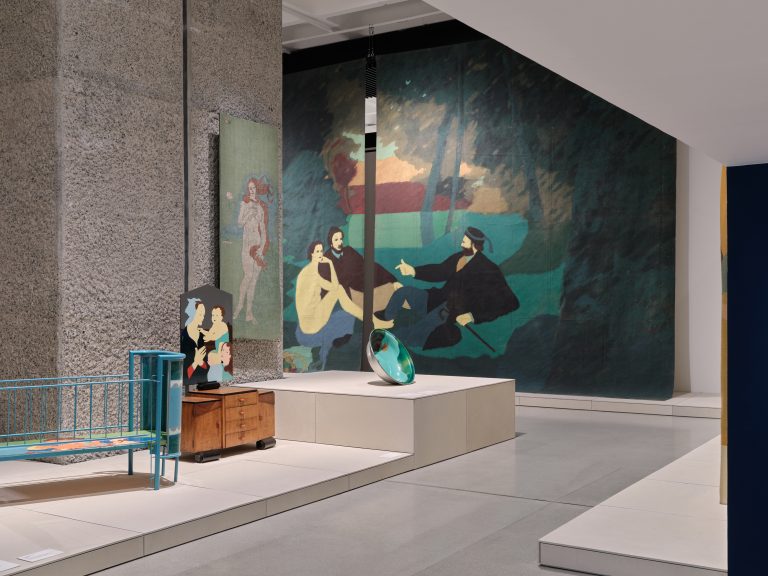
The Barbican Art Gallery in London is presenting a major retrospective of Colombian artist Beatriz González, marking her first solo show in the UK and her largest-ever exhibition in Europe. The exhibition spans six decades of her work, from the 1960s to the present, showcasing her roles as an artist, curator, art historian, and educator.

KOO JEONG A “KANGSE X” at Hauser & Wirth, Zurich

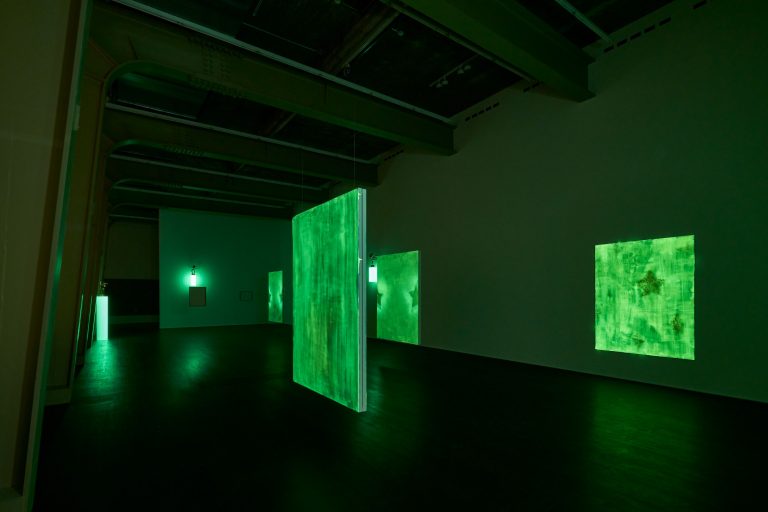
Koo Jeong A presents "KANGSE X" at Hauser & Wirth in Zurich, an exhibition that extends from her previous show "ODORAMA CITIES" at the Korean Pavilion of the 60th Venice Biennale. The title derives from the Korean term "KANGSE," meaning spatial strength, and the show encompasses her multifaceted practice across drawing, painting, sculpture, installation, film, and animation, including her earlier work "MYSTERIOUSSS" (2017).

Inside Burger Collection: Tadanori Yokoo: A Visionary Renegade

The article profiles Tadanori Yokoo, the 89-year-old Japanese artist and graphic designer, who remains active despite a recent bout of Covid-19. It details his early life in Nishiwaki, his failed attempts to enter art school and the postal service, and his eventual career in commercial printing, which shaped his innovative approach to graphic design and painting. The piece highlights his ongoing exhibition at Tokyo's Setagaya Art Museum and his enduring influence in Japan's cultural world, including the Yokoo Tadanori Museum of Contemporary Art in Kobe.

Venice show brings together two leading figures from the Polish avant-garde

A collateral exhibition at the 2024 Venice Biennale, titled "Tadeusz Kantor (1915-1990) Emballage Cricotage and Madame Jarema," brings together two towering figures of the Polish avant-garde: Tadeusz Kantor and Maria Jarema. Organized by the Starak Family Foundation at the Procuratie Vecchie, the show features over 60 works spanning paintings, monotypes, sculptures, theatre props, and costumes, culminating in a room dedicated to Kantor's seminal theatre piece "The Dead Class" (1975). Jarema's work was shown at the 1958 Venice Biennale, and Kantor exhibited in the Polish pavilion in 1960; the exhibition highlights their intertwined, interdisciplinary practice and their foundational role in post-war Polish avant-garde art.

Malo Chapuy Reimagines Medieval Art on the Cover of our New Talent Issue

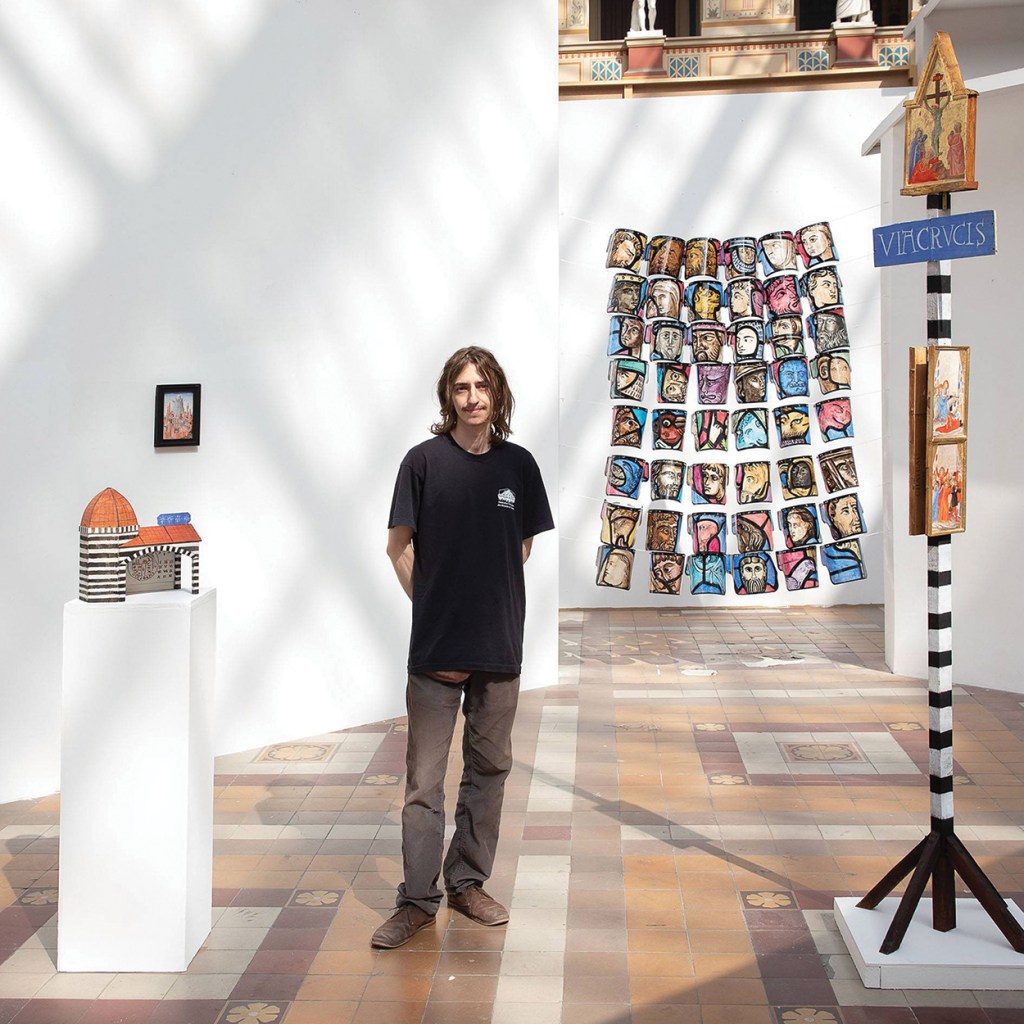
Malo Chapuy's painting *Virgin with Codex* (2025) appears on the cover of Art in America's new talent issue. In an interview from his Paris studio, Chapuy explains how he reinterprets medieval and early Renaissance Flemish painting by mixing its motifs with contemporary and sci-fi elements, such as gothic cathedral spaceships and QR codes designed to function like medieval manuscripts for future postapocalyptic monks. He describes his process as making "forgeries," using traditional techniques like oil on wood panels, homemade lead white, and self-carved frames to mimic aged Old Master works while addressing themes of ecological collapse, apocalyptic anxiety, and planetary exile.

Sotheby’s Launches Museum Partnership Series, Starting with Exhibition by New York’s Hispanic Society Museum & Library

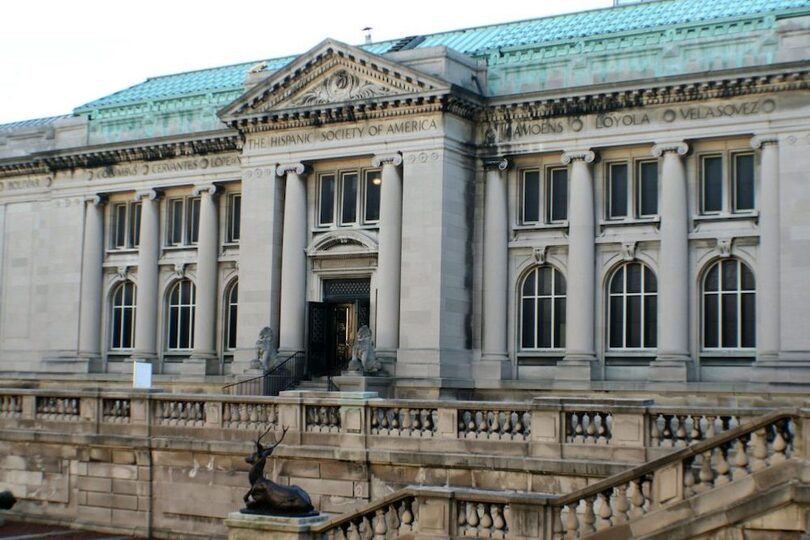
Sotheby's has launched a new exhibition initiative called 'In Residence' at its Breuer building on Madison Avenue, starting with a presentation of three paintings by Spanish master Joaquín Sorolla from the collection of the Hispanic Society Museum & Library. The inaugural show, titled 'In Residence: The Hispanic Society Sorollas,' opened Monday and runs through June 1, featuring works including 'Sea Idyll' (1909), 'Louis Comfort Tiffany' (1911), and 'Señora de Sorolla in a Spanish Mantilla' (1902). This marks the first partnership between Sotheby's and the Hispanic Society, and the first edition of a broader program inviting museums to stage focused exhibitions inside the Breuer building, which previously housed the Whitney Museum and the Met Breuer.

Is This a JMW Turner Self-Portrait? One Scholar Has Doubts

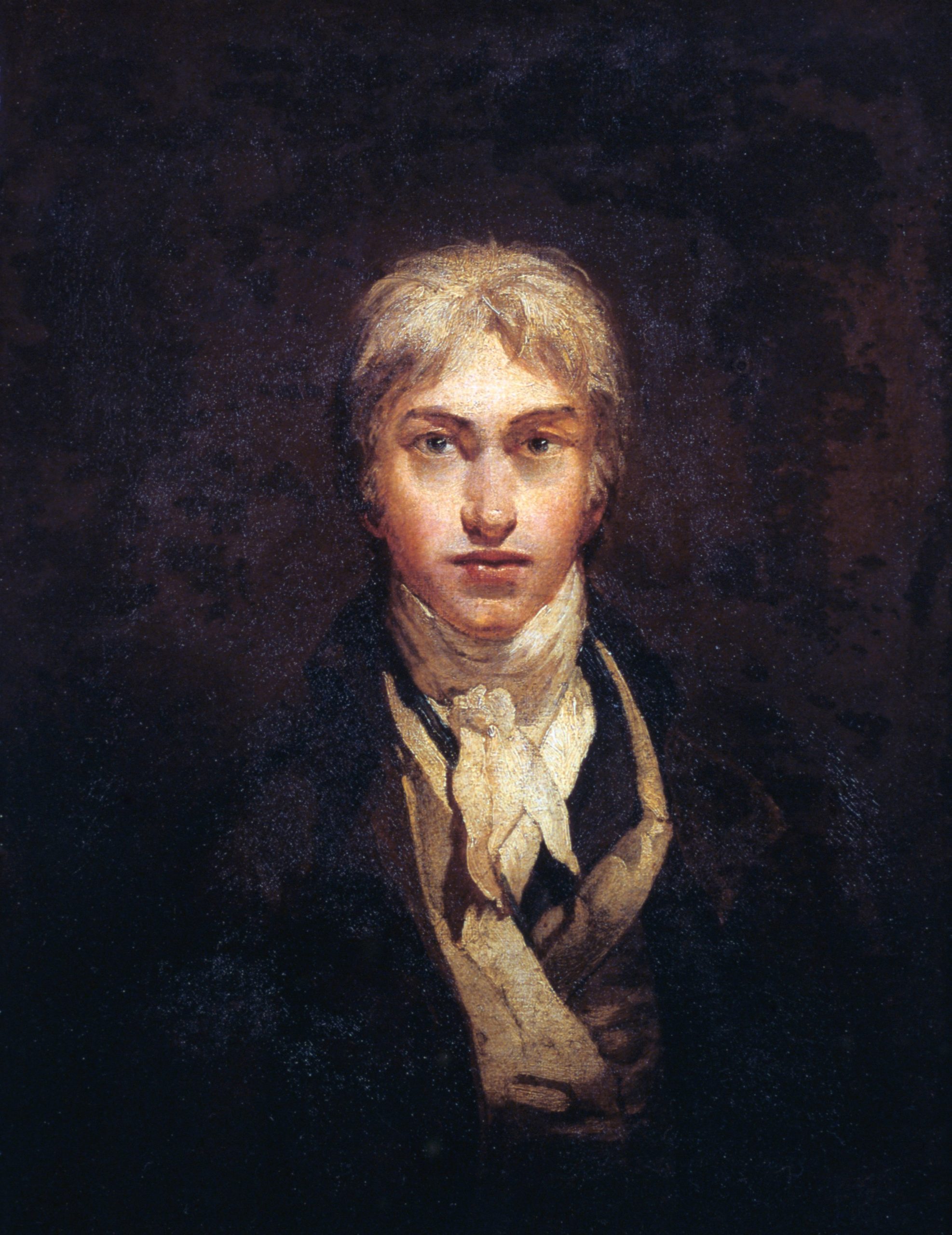
Art historian James Hamilton has published a paper in the JMW Turner Society’s magazine arguing that a famous portrait long believed to be a self-portrait by JMW Turner was actually painted by John Opie, a British portrait artist 14 years Turner’s senior. Hamilton notes that the work is an anomaly in Turner’s oeuvre, which is dominated by landscapes and seascapes, and that its dramatic lighting closely resembles Opie’s style. He suggests Opie may have given the painting to Turner, and that its authorship became misattributed after Turner’s death when his vast bequest of artworks was transferred to the nation and eventually housed at the Tate.

The Best Booths at 1-54 Contemporary African Art Fair, From Surrealist Fantasias to Afro-Brazilian Imaginings

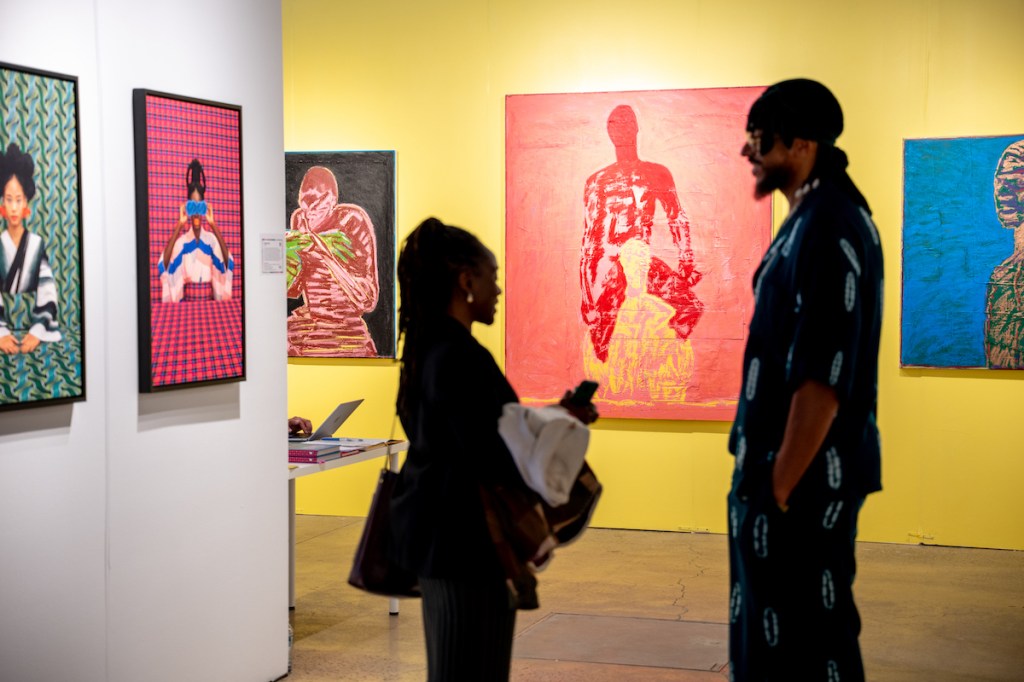
The 1-54 Contemporary African Art Fair has returned to the Starrett-Lehigh Building in Chelsea, New York, featuring over 20 galleries from Africa and the diaspora, with a special focus on Brazil and Afro-Brazilian perspectives. The fair, running through Sunday, includes first-time participants from Lagos, São Paulo, Nassau, and New York, and highlights five standout booths: Sulette van der Merwe's surrealist paintings at Blond Contemporary, Modou Dieng Yacine's Senegalese wrestler-inspired works at 193 Gallery, Ekene Ijeoma's Black Forest Library community project, Rommulo Vieira Conceição's aluminum works at Aura, and the curated section "Brazil Beyond Brazil" featuring 10 artists selected by Igor Simões.

Frick Inks Three-Year Partnership with Louis Vuitton, with Support for Exhibitions and Free Fridays

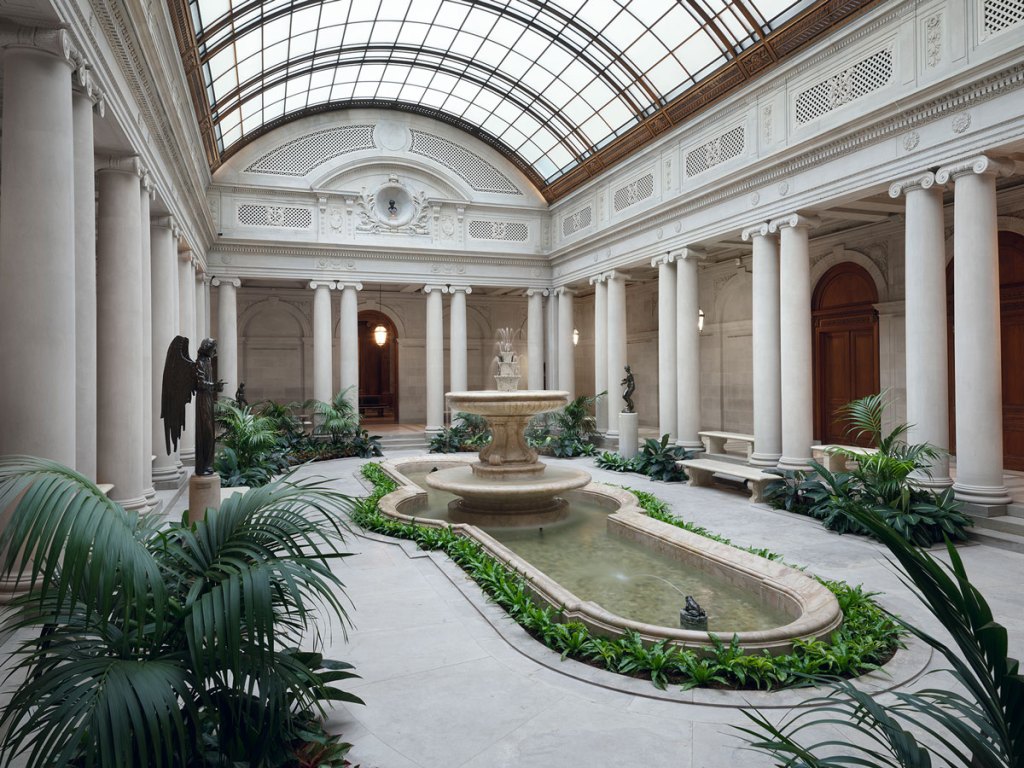
The Frick Collection in New York has announced a three-year partnership with Louis Vuitton, under which the fashion house will sponsor three upcoming exhibitions, a curatorial research associate position, and a year of the museum's free First Fridays program. The partnership launches with Louis Vuitton's Cruise 2027 collection show, designed by Nicolas Ghesquière, held in the Frick's first-floor galleries on May 20. The sponsored exhibitions include “Siena: The Art of Bronze, 1450–1500” (fall 2025), “Painting with Fire: Susanne de Court and the Art of Enamel” (spring 2027), and a third exhibition on 19th-century paintings (late 2027). The Louis Vuitton Curatorial Research Associate will be Yifu Liu, currently a curatorial fellow at the Frick, who will research Asian porcelain and cross-cultural exchange between Europe and China.

Most famous image of JMW Turner not a self-portrait, says expert

Dr James Hamilton, a leading Turner expert, has claimed that the most famous portrait of JMW Turner—long believed to be a self-portrait and featured on the UK £20 banknote—is actually by the painter John Opie. Hamilton argues that the work, dated around 1799, was mistakenly included in the Turner Bequest after the artist's death in 1851, when his studio was in disarray and the attribution was never properly verified. He points to stylistic evidence, including Opie's characteristic use of dramatic light and shadow, and calls on Tate Britain to reattribute the painting.

A Lucas Cranach the Elder Masterpiece Once Hung in Hitler’s Munich Apartment

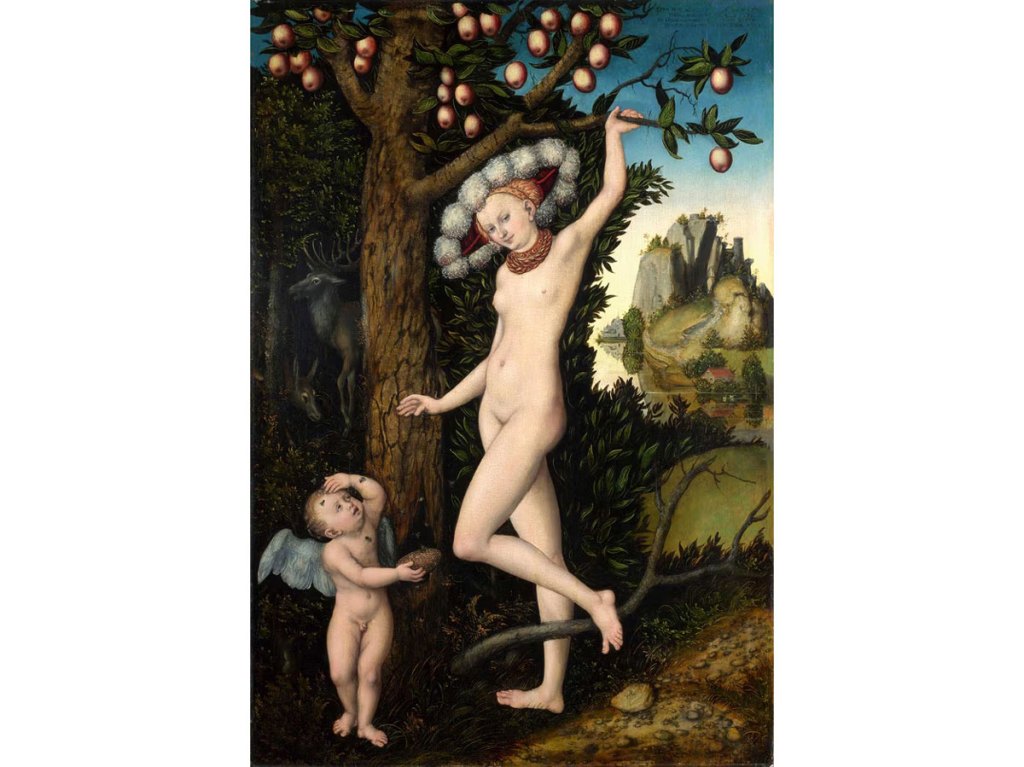
A Lucas Cranach the Elder painting, *Cupid complaining to Venus* (1526–27), once hung in Adolf Hitler's Munich apartment, according to a report by the Art Newspaper. The work was identified in a 1940s photograph published in a 1978 furniture catalog and later in a 2023 article by art historian Birgit Schwarz, who confirmed Hitler's ownership via a 2006 discovery of an album at the Library of Congress. After World War II, American journalist Patricia Lochridge took the painting from a warehouse in Berchtesgaden and smuggled it to the US. The National Gallery in London acquired it in 1963 from A. Silberman Galleries, which falsely claimed it came from the 1909 auction buyer's heir; it had actually been purchased from Lochridge.

Famous Cranach painting spotted in rare photograph of Hitler’s apartment

A rare photograph from the early 1940s reveals that Lucas Cranach the Elder's painting *Cupid complaining to Venus* (1526-27), now a masterpiece in the National Gallery, London, once hung in Adolf Hitler's private Munich apartment. The image, previously published in Germany by provenance expert Birgit Schwarz, appears for the first time in an English-language publication. The painting was acquired by the National Gallery in 1963 from E. and A. Silberman Galleries in New York, which provided a false provenance. It had been taken from a warehouse of recovered art in 1945 by American journalist Patricia Lochridge, who smuggled it into the United States.

Portrait looted by Nazis found in home of Dutch SS leader’s family

An artwork looted by the Nazis from the renowned Goudstikker collection has resurfaced in the home of descendants of Hendrik Seyffardt, a notorious Dutch SS collaborator. The painting, *Portrait of a Young Girl* by Toon Kelder, was discovered by art detective Arthur Brand after a family member contacted him, revealing that the piece had hung for decades in the home of Seyffardt’s granddaughter. Brand traced the painting to a 1940 auction where part of the looted Goudstikker collection was sold, and lawyers for the Goudstikker heirs have confirmed the work was stolen and called for its return.

Archibald prize 2026: Richard Lewer’s portrait of artist Iluwanti Ken wins $100,000

Richard Lewer has won the 2026 Archibald Prize, Australia's most prestigious portraiture award, for his portrait of Pitjantjatjara elder, traditional healer, and senior artist Iluwanti Ken. The $100,000 prize was announced at the Art Gallery of New South Wales, with the judging panel selecting the work unanimously from 59 finalists. Lewer, a six-time Archibald finalist, painted Ken life-size against a yellow ochre background, capturing her quiet authority and role as a working artist. The Wynne Prize for landscape painting was also awarded to Gaypalani Waṉambi for *The Waṉambi tree*.

Comment | We must avoid amputating art in the name of preservation

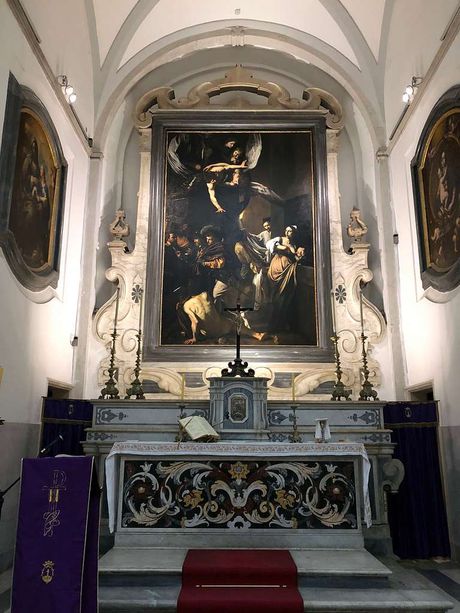
The article recounts the author's experience viewing Caravaggio's *Seven Acts of Mercy* (1607) in its original chapel in Naples, where the painting's crowded, dramatic composition directly mirrors the chaotic streets of the city, revealing its sacred meaning through context. In contrast, the author describes Caravaggio's *Flagellation of Christ* (1607), moved from the church of San Domenico Maggiore to the Museo di Capodimonte for security reasons, as a painting "marooned"—its spiritual purpose broken, reduced to a mere object for aesthetic appreciation.

A.I. Identifies Holbein Drawing as Possible Portrait of Anne Boleyn

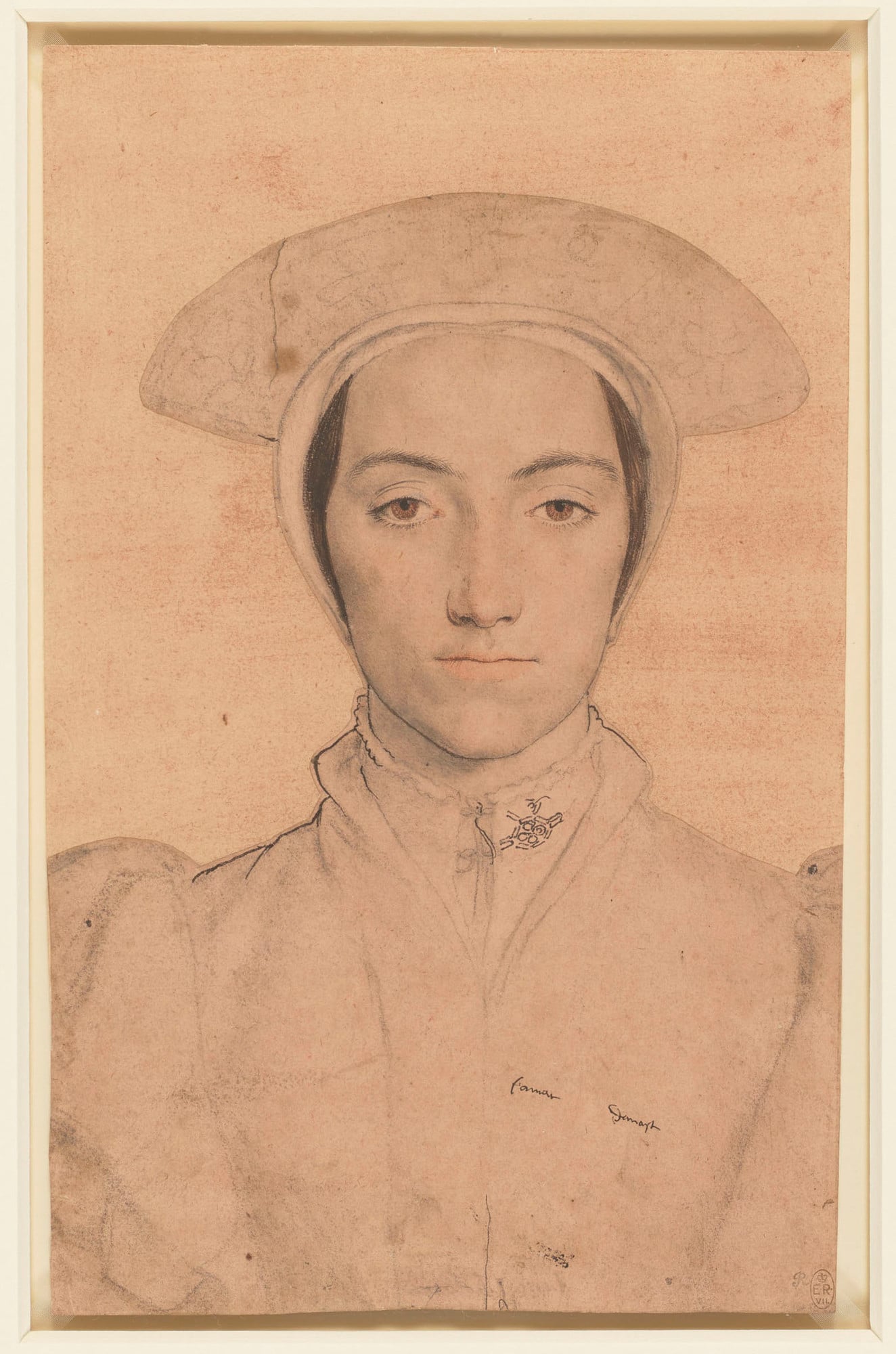
Researchers at the University of Bradford have used artificial intelligence to analyze preparatory drawings by Hans Holbein the Younger in the Royal Collection at Windsor Castle. The AI model, which previously identified a forgotten Raphael painting, suggests that a drawing long believed to depict Anne Boleyn actually shows her mother, Elizabeth Howard, while another drawing labeled "Unidentified Woman" likely portrays Anne Boleyn herself. The findings, published in Heritage Science, are based on biometric analysis of facial features, bone architecture, and proportional relationships, offering quantifiable evidence to resolve long-standing scholarly uncertainty about the sitters' identities.

Henrike Naumann Stared Down a Divided Germany’s Past While Eyeing Our Troubled Present

Henrike Naumann, a German artist known for using secondhand furniture and design to explore political extremism and consumer capitalism, is profiled in ARTnews. The article recounts her first US exhibition, “Re-Education” at SculptureCenter in New York in 2022, where she created installations referencing the January 6 Capitol attack, juxtaposing Federal-style office furniture with a Flintstonian mancave and chairs arranged by ideological subtext. The show gained unexpected attention when German media covered it, linking her small hometown of Zwickau with New York, and she later visited Thomas Hart Benton’s murals at the Met to understand American power and aesthetics.