filter_list Showing 1238 results for "Peter" close Clear
search
dashboard All 1238 museum exhibitions 594trending_up market 146article news 129article local 122article culture 102person people 41candle obituary 40rate_review review 35article policy 22gavel restitution 7
date_range Range Today This Week This Month All
Subscribe

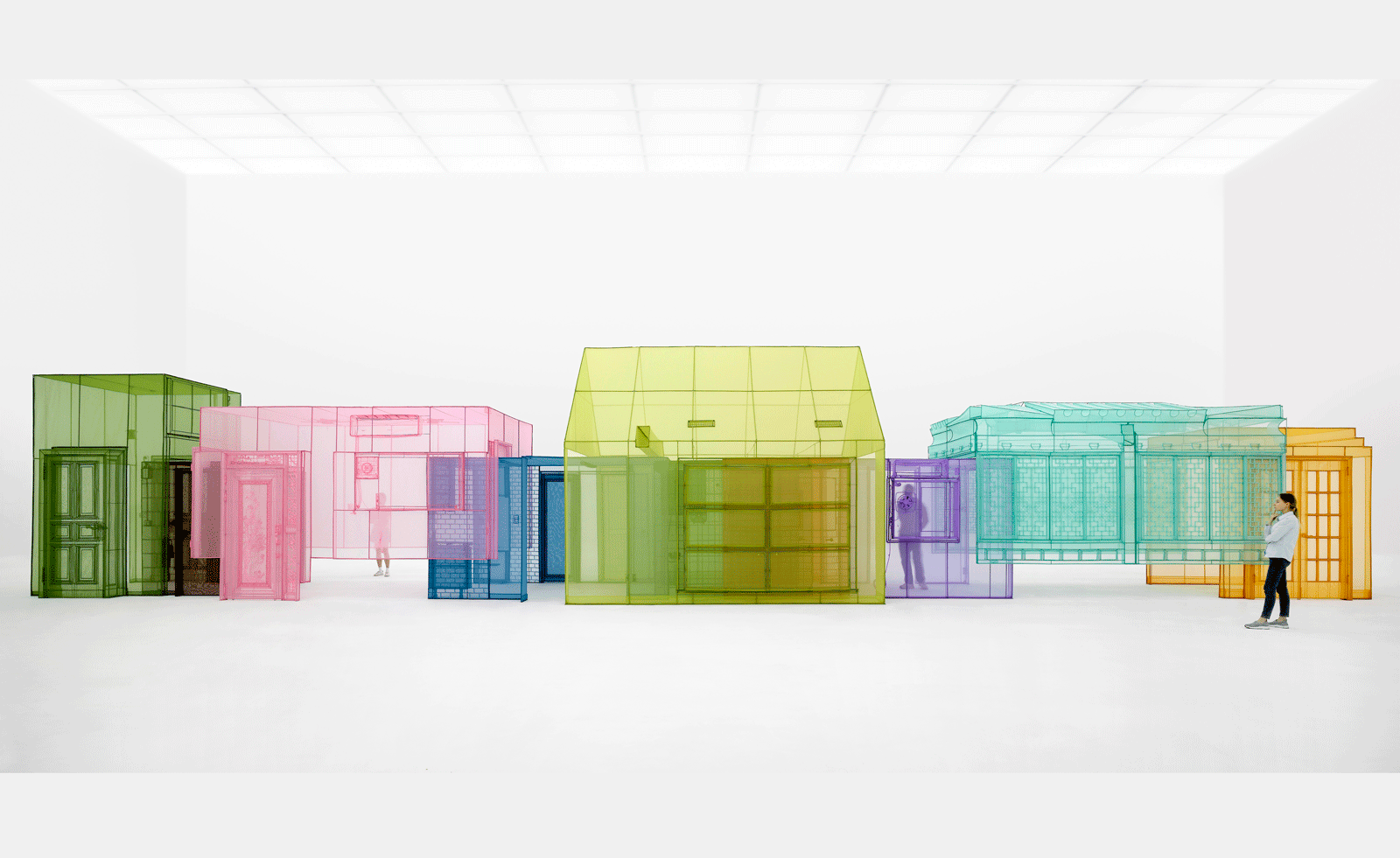
Do Ho Suh is searching for home in a major new exhibition at Tate Modern

Do Ho Suh's major new exhibition "Walk the House" has opened at Tate Modern's Blavatnik Building, featuring large-scale fabric constructions that recreate architectural fragments from homes the South Korean artist has lived in across Seoul, New York, London, and Berlin. The centerpiece, "Nest/s" (2024), is a monumental sewn passageway made from polyester using a historic Korean fabric technique, incorporating fine details like logos on air vents and light switches. The show also includes "Rubbing/Loving: Seoul Home" (2013-22), a 1:1 paper-and-graphite rubbing of his childhood home, alongside models, drawings, and film that explore memory, migration, and domestic space.

6 Questions Every New Art Buyer Should Ask a Gallery

Annabel Keenan's article offers practical guidance for first-time art buyers navigating the gallery system. It outlines six essential questions to ask galleries, covering price transparency, provenance, and the artist's market context. The piece features insights from gallery director Joseph Clarke of Anima Mundi, collector and MCA Chicago trustee Ellen-Blair Chube, and gallerist Madelyn Jordon of Madelyn Jordon Fine Art, who emphasize that asking questions is key to building confidence and knowledge as a collector.

‘Her crotchless trousers are etched in my brain for ever’: Valie Export remembered by the artists she influenced

Valie Export, the pioneering Austrian feminist artist known for provocative performances like *Tapp-und-Tastkino* (1968) and *Genital Panic* (1969), is remembered by four artists she influenced: Peaches, Florentina Holzinger, Joan Jonas, and Candice Breitz. Each shares personal reflections on Export's radical use of the female body as a political weapon, her confrontational public interventions, and her legacy of civil disobedience against patriarchal structures.

Is This What “Made in America” Looks Like?

Christopher Payne's exhibition "Made in America: The Industrial Photography of Christopher Payne" at the Cooper Hewitt, Smithsonian Design Museum showcases 72 large-format photographs documenting active American factories and manufacturing processes. The trained architect turned photographer spent a decade visiting dozens of production sites across the United States, from the New York Times printing plant in Queens to the Bollman Hat Company in Pennsylvania, capturing workers' craftsmanship and the intricate steps involved in making everything from Peeps candies to jet engines. The exhibition is organized into three sections—traditional handcraft, large-scale production, and cutting-edge technologies—and coincides with the Smithsonian's celebration of the nation's 250th anniversary.

Can the V&A’s New Museum Fulfill Its Democratic Promise?

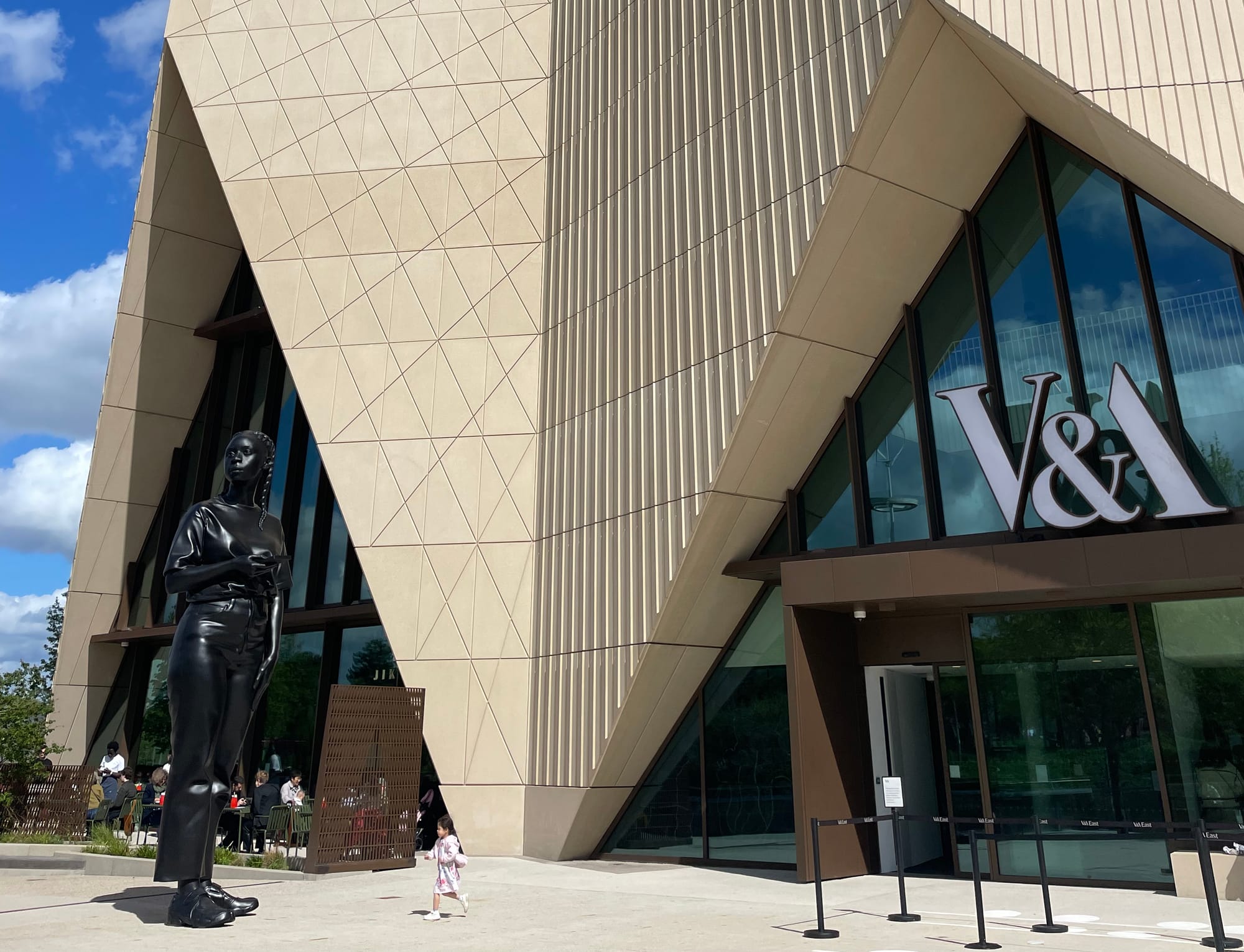
The Victoria and Albert Museum (V&A) has opened its new V&A East museum and V&A East Storehouse in Stratford, East London. This expansion, part of a £660 million redevelopment, presents the museum's collection with a focus on community co-design, social justice themes, and local artists, aiming to be more accessible and democratic than its imposing South Kensington flagship.

Why the Photo Market Is Moving Closer to Painting, With Unique Works Leading the Way

Artnet Auctions has launched its Spring Photographs sale, running through April 16, 2026, featuring works by blue-chip artists such as Peter Beard, Adam Fuss, and Diane Arbus. The auction highlights a significant shift in the photography market toward unique, one-of-a-kind works—including photograms, hand-painted images, and collages—that blur the lines between photography and painting. This trend is evidenced by increasing auction prices, with several works recently crossing the $1 million and $2 million thresholds.

hector hyppolite art basel paris booth

London's The Gallery of Everything is presenting the first survey of Haitian painter Hector Hyppolite in a European commercial setting at Art Basel Paris, opening October 24. The solo booth in the fair's Premise sector features works by Hyppolite, including three pieces from the historic 1947 exhibition "Le Surréalisme en 1947," along with documentation, photos, and an essay by Manthia Diawara and Terri Geis. Hyppolite, a self-taught vodou priest who died in 1948, was championed by Surrealist founder André Breton after Breton encountered his work in Haiti in 1945.

Christie's and the Arts Council Collection to present Close Encounters celebrating 80 years of the Arts Council Collection - Christie's

Christie's London will host 'Close Encounters: Figuration, Painting and Landscape in the Arts Council Collection' from 3 to 23 June 2026, in partnership with the Arts Council Collection to mark its 80th anniversary. The exhibition brings together historical works by artists such as David Hockney, Sonia Boyce, Peter Doig, Lynette Yiadom-Boakye, Michael Armitage, and Claudette Johnson alongside new acquisitions by Christina Kimeze and Vanessa Raw, exploring themes of gender, sexuality, landscape, and Black British women's representation.

Preview

The Art Newspaper is promoting its digital newsletter, which delivers a daily digest of essential news, views, and analysis from the international art world directly to subscribers' inboxes. The article serves as a brief call-to-action for readers to subscribe.

Faces of Russian Art

Gesichter der russischen Kunst

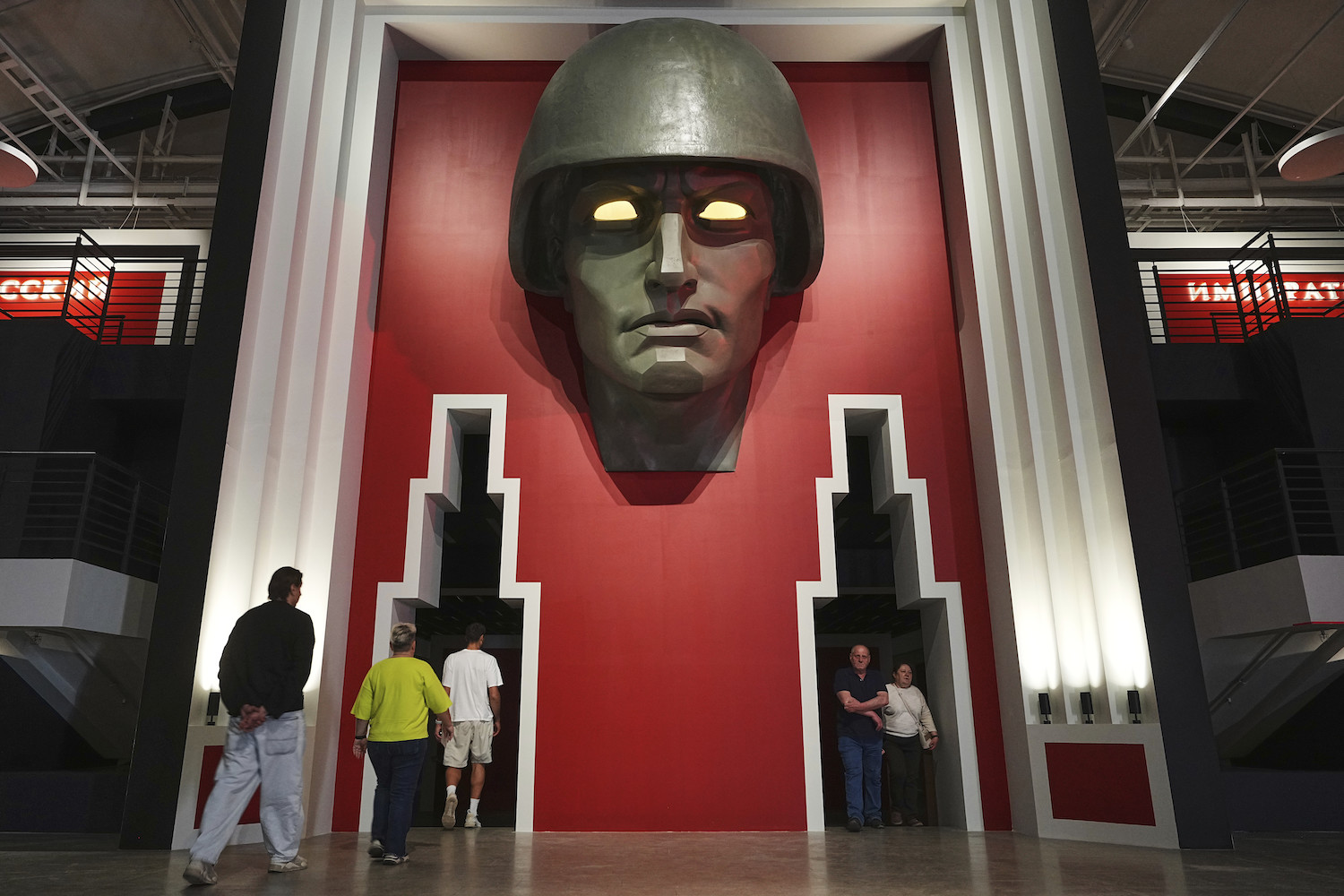
On the Venice Biennale, the Russian Pavilion presents itself as a space for dialogue, while simultaneously a major exhibition in St. Petersburg titled "Russischer Imperativ" (Russian Imperative) opened on May 8 at the Manezh exhibition hall, glorifying war as a historical imperative of Russian identity. Curated by Anton Belikov, a Moscow artist and former Russian soldier who fought in Ukraine, the show features works from state museums like the Tretyakov Gallery, blending historical battles with the current war in Ukraine, and includes a monumental, fascistoid design with a ten-meter-tall installation of a soldier's head. The exhibition has sparked outrage on social media and in Russian exile media for its militaristic propaganda.

On High Heels into the Museum

Auf High Heels ins Museum

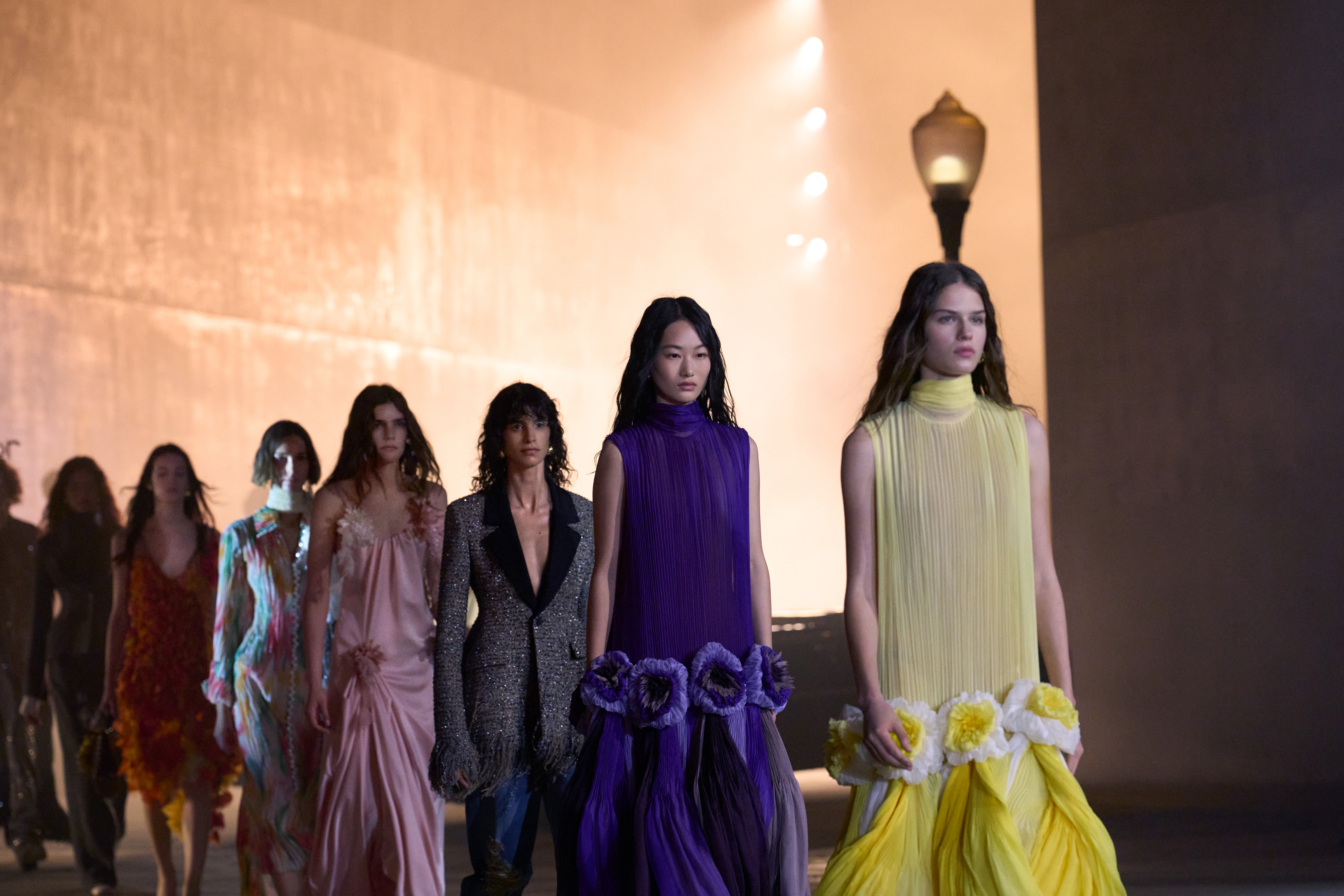
The Los Angeles County Museum of Art (LACMA) closed its newly opened David Geffen Galleries just days after their official debut to host a Dior fashion show. The show, designed by Dior creative director Jonathan Anderson, featured a Cruise collection inspired by Hollywood glamour, with models walking through the museum's outdoor spaces amid vintage cars and historical lamps. The event highlighted the ongoing tension between the museum's architectural ambitions—Peter Zumthor's amoeba-like concrete structure has drawn both criticism and praise—and its use as a venue for luxury brand marketing.

Gropius Bau öffnet abends länger

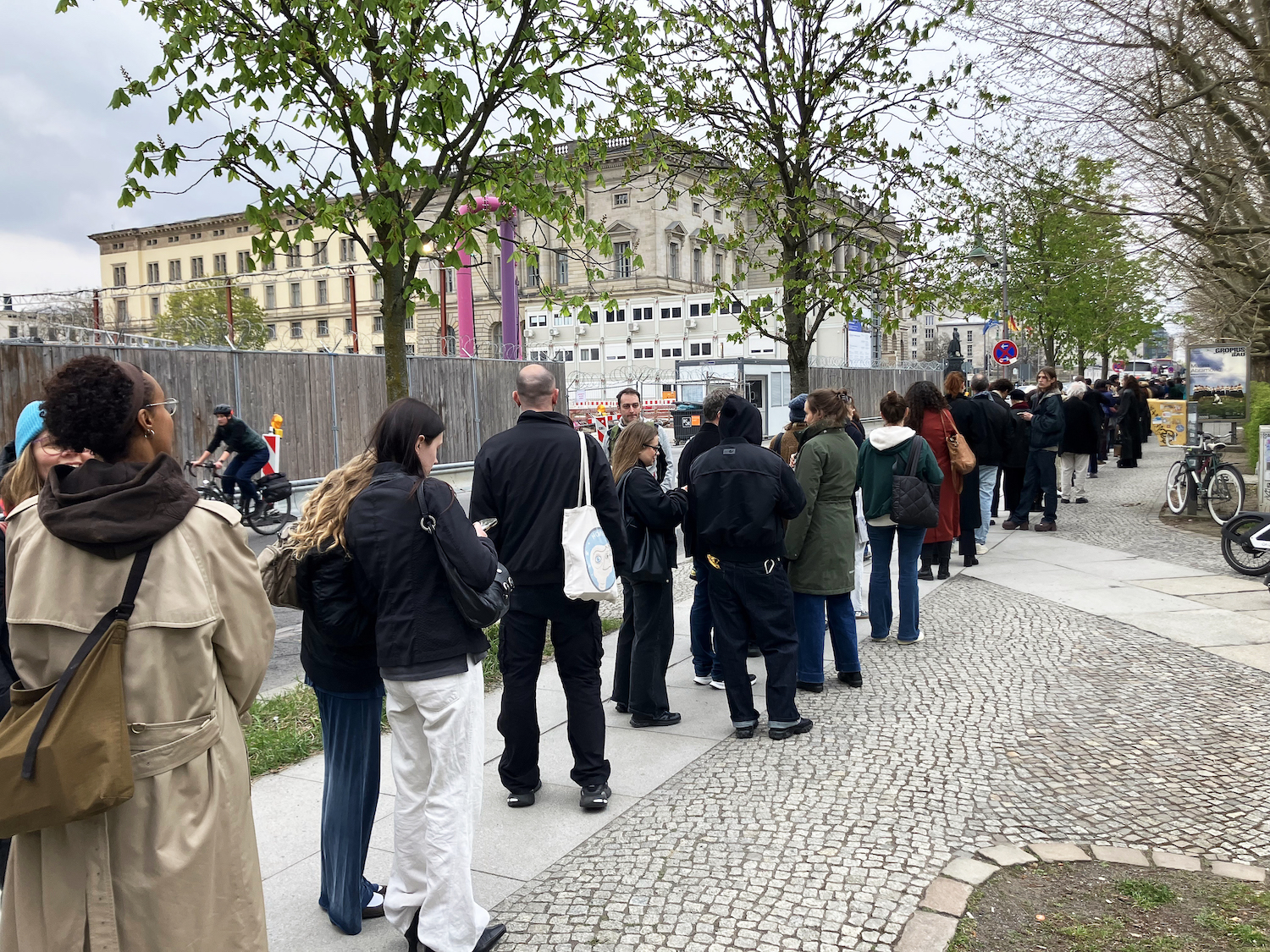
The Gropius Bau in Berlin has extended its evening opening hours by one hour, now open until 8 PM (closed Tuesdays), due to high demand for its exhibition of performance artist Marina Abramović. The show, titled "Balkan Erotic Epic," opened two weeks ago and drew long queues from the start. It features both new and older works, including performances where Abramović carved a star into her abdomen or lay in a burning installation until losing consciousness. The exhibition explores eroticism, politics, Balkan folklore, sexual energy, death, the political dimension of the body, and the Yugoslav wars.

Monopol gives away 5 × 2 tickets for Peter Hujar and Liz Deschenes at the Gropius Bau

Monopol verlost 5 × 2 Tickets für Peter Hujar und Liz Deschenes im Gropius Bau

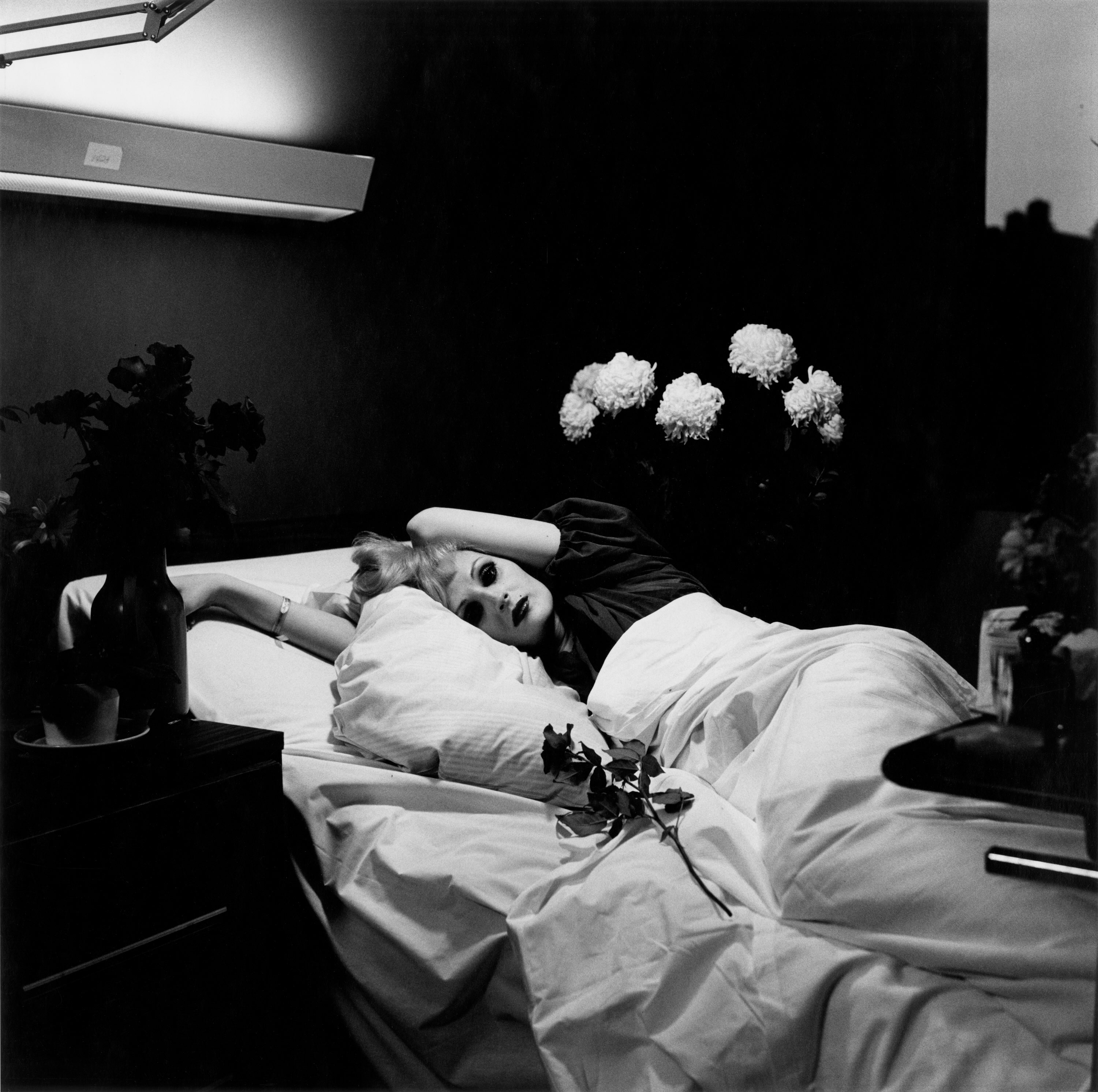
Monopol magazine is giving away 5 × 2 tickets to the exhibition "Peter Hujar / Liz Deschenes: Persistence of Vision" at the Gropius Bau in Berlin. The show pairs Hujar's iconic black-and-white photographs of New York's downtown scene—featuring figures like Susan Sontag, Divine, and David Wojnarowicz—with Liz Deschenes' abstract, material-focused works on glass and photosensitive paper. To enter, readers must email their name with the subject line "Hujar" by May 30.

"Du bist nun in die ewigen Jagdgründe der Kunst entschwunden"

This week's art news roundup covers several stories: Jonathan Meese publishes an obituary for his mother Brigitte Meese in Der Spiegel, describing her as a central figure in his life and work. Pussy Riot seeks to take over the Russian Pavilion at the Venice Biennale. The European Media Art Festival (EMAF) in Osnabrück faces controversy over antisemitism allegations linked to Palestinian-American filmmaker Basma al-Sharif, leading the city and state government to distance themselves from the festival. In the NZZ, Christian Wildhagen reports on conflicts over official political portraits, citing examples like Swiss councilor Martin Neukom rejecting paintings and Donald Trump criticizing his portrait. Art historian Horst Bredekamp pays tribute to Italian philosopher Federico Vercellone (1955–2026) in the FAZ, highlighting his theory of the 'self-activity of form.'

Behind All Beautiful Things Lies Suffering

"Hinter allen schönen Dingen liegt ein Leiden"

The art market is undergoing a profound structural transformation as a new generation of collectors shifts focus away from traditional blue-chip masters like Cy Twombly and Mark Rothko. These 'NextGen' buyers, socialized through the internet and Instagram, prioritize identity-building over status, favoring streetwear, digital art by figures like Refik Anadol, and music memorabilia over classical painting. Meanwhile, institutional shifts are occurring globally: Greece has introduced specific legislation to criminalize the production of art forgeries, and LACMA director Michael Govan is defending the $724 million Peter Zumthor-designed expansion as a necessary 'magnet' for attracting major donations.

Au Louvre, l’ambitieuse restauration du cycle de Marie de Médicis

The Louvre Museum in Paris is undertaking an ambitious restoration of Peter Paul Rubens's monumental cycle of 24 paintings depicting the life of Marie de Médicis. The project, which will take four years and cost €4 million funded by the Société des Amis du Louvre, begins this autumn with the paintings being restored in situ in the Médicis Gallery. The gallery will close in May to prepare the space as a restoration workshop, where two teams of 10–15 restorers will work simultaneously on cleaning, relining, and filling gaps. The last major restoration of the cycle dates to the 1950s, and recent diagnostics revealed yellowed varnish, discordant repaints, and flaking paint layers that risk irreversible loss.

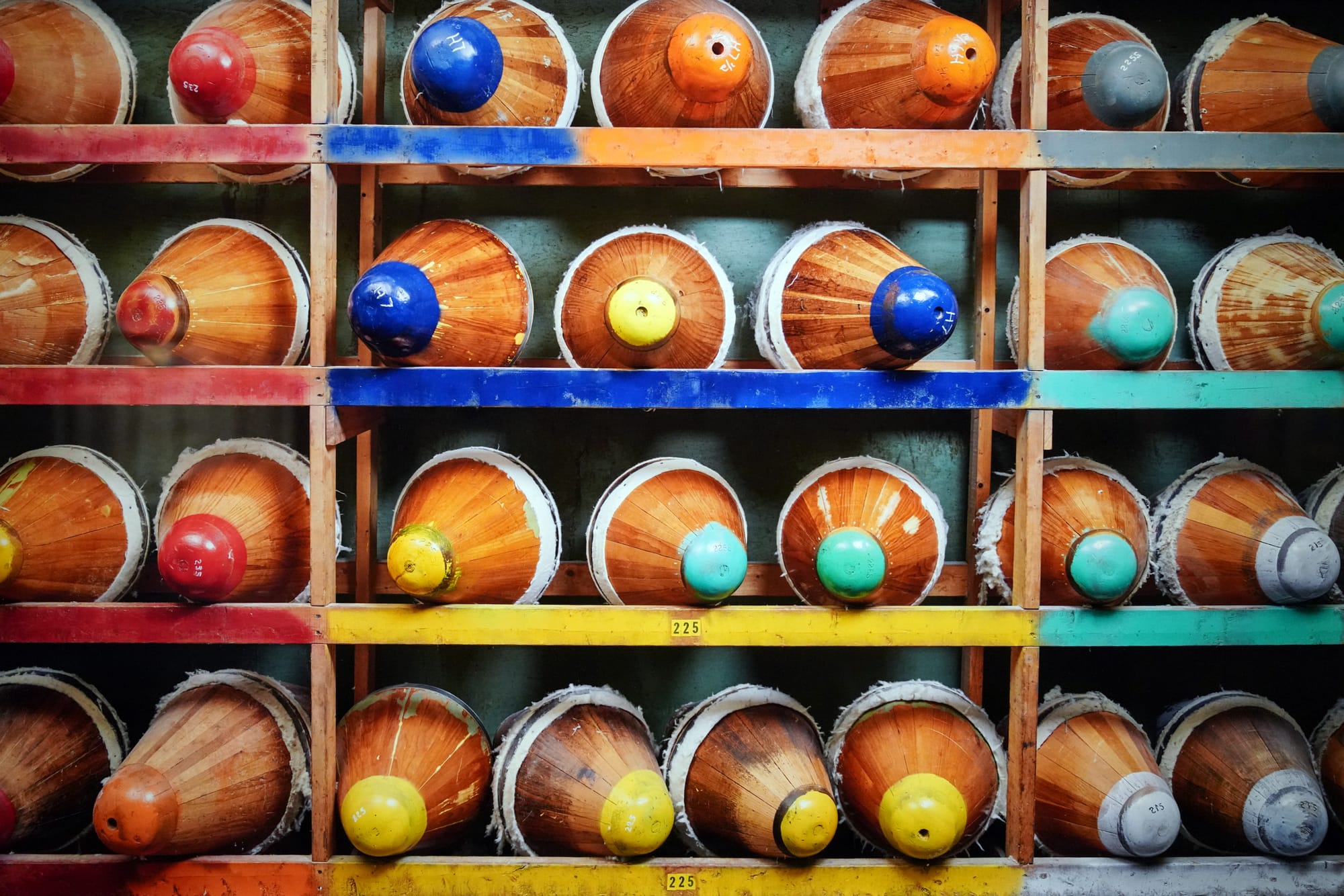
« La Boule » de Villeroy & Boch : l’art explosif et pop du pique-nique

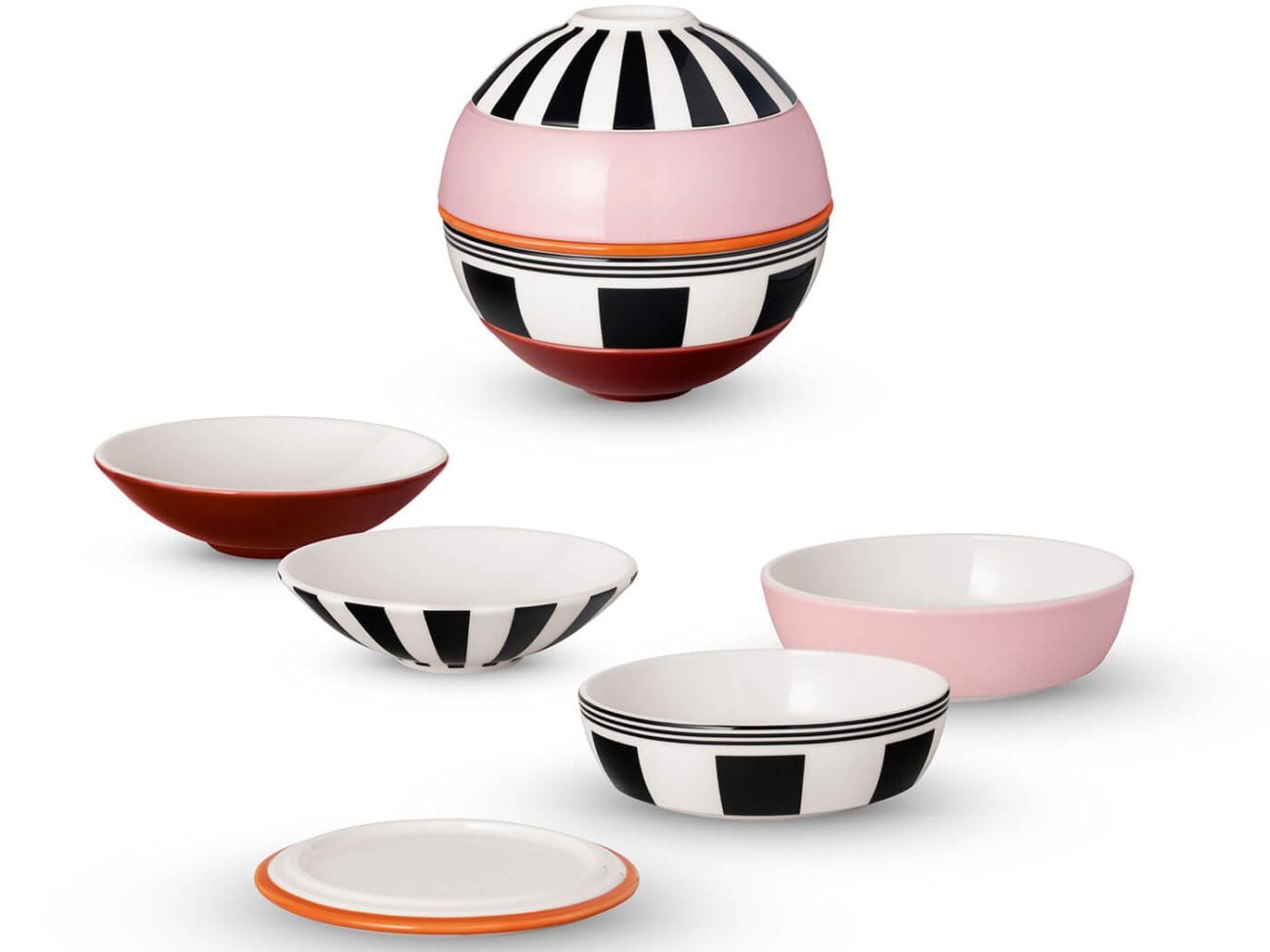
Villeroy & Boch, the historic German porcelain manufacturer founded in 1748, launched "La Boule" ("Die Kugel") in 1971—a stackable 19-piece porcelain dinner service for four that compacts into a colorful decorative sphere. Designed by Helen von Boch, the eighth-generation family director, the set was part of a pop-design wave and came in original color variants that have since become collectors' items. The article also highlights related designs like the "La Bomba" picnic cutlery set (1968) and melamine set (1972), both held by MoMA, and notes Villeroy & Boch's collaborations with artists such as Keith Haring, Paloma Picasso, and Luigi Colani.

Georg Baselitz, grande figure de l’art allemand, est mort à l’âge de 88 ans : retour sur sa vie et son œuvre

Georg Baselitz, one of Germany's most significant post-war artists, has died at age 88. Born Hans-Georg Kern in 1938, he grew up in Nazi-era Saxony and later rejected his father's ideology, fleeing to West Berlin in 1957. Known for his provocative, expressionist works and signature upside-down paintings, Baselitz challenged artistic conventions with brutalist techniques—attacking wood with chainsaws and axes—and created scandalous pieces like "Die große Nacht im Eimer" (1962–1963), which was banned from exhibition. His career included major retrospectives at the Musée d'Art Moderne de la Ville de Paris (2011) and Centre Pompidou (2021), and commissions for the Reichstag.

Immersive exhibitions and visits not to miss from spring to summer in France

Les expos et visites immersives à ne pas rater du printemps à l’été en France

The article from Beaux Arts Magazine highlights a selection of immersive art exhibitions and experiences across France for spring and summer 2026. Featured attractions include "Passion Japon" at Parc de la Villette in Paris, a journey through Japanese culture with Hokusai and Hiroshige projections; "L'Odyssée Céleste" at Église Saint-Eustache, a 3D light spectacle with live choral music; "Frissons" at the Musée d'Orsay, an interactive light installation by artist Adrien M responding to visitors' movements; and a Picasso immersive experience at Les Baux-de-Provence.

Aboriginal art unfurls its colors and coded messages in a major exhibition in Lodève

L’art aborigène déploie ses couleurs et ses messages codés dans une grande expo à Lodève

A major exhibition of Aboriginal art has opened at the Musée de Lodève in France, featuring over one hundred works primarily from the collection of Alison and Peter Klein. The show presents paintings, painted totems, and trunks, showcasing the rich colors, hypnotic dot painting techniques, and coded symbolism characteristic of this art form.

« L’Angélus » de Millet : une notification à l’humanité hors sol ?

Beaux Arts Magazine publishes a detailed visual analysis of Jean-François Millet's painting "L'Angélus" (1857–1859), housed at the Musée d'Orsay in Paris. The article describes the scene of two peasants pausing their potato harvest to pray at dusk, examining the composition, color, and spiritual resonance of the work. It also traces Millet's biography—from his peasant origins in the Cotentin region to his training under Langlois and Paul Delaroche, and his early career painting portraits and nudes before turning to rural subjects.

Whitney Biennial 2026: Care, Catastrophe, and Private Gestures

The Whitney Biennial 2026, the 82nd edition of the longest-running survey of American art, opened with a stripped-down, self-referential title and no subtitle, reflecting a moment of national self-questioning. The exhibition features 56 artists, duos, and collectives, with highlights including Agosto Machado's shrine sculptures dedicated to friends lost to AIDS, Emilie Louise Gossiaux's tender works about her guide dog London, and Michelle Lopez's apocalyptic video projection *Pandemonium*. Machado, a longtime downtown New York artist and caregiver, died shortly after the biennial opened, and his ashes are to be mixed with those of Marsha P. Johnson and spread in the Hudson River.

‘We can all coexist’: artist Es Devlin uses selfies to unite UK in portrait of a nation

Artist Es Devlin has created a new installation at the National Portrait Gallery in London titled 'A National Portrait for the National Portrait Gallery,' made in collaboration with Google Arts & Culture Lab. The work invites people across the UK to upload selfies, which are transformed into charcoal-and-chalk-style portraits using an AI model trained on Devlin's own hand-drawn works. These portraits then appear on a constantly evolving projected carousel, blending and dissolving into one another. Devlin, known for designing visual worlds for Beyoncé, Adele, and the London Olympics closing ceremony, describes the piece as a non-verbal space for coexistence amid national division.

A mapping of all the intersections between the 2026 Venice Biennale and the fashion world

Una mappatura di tutti gli intrecci tra la Biennale di Venezia 2026 e il mondo della moda

The article maps the growing intersection between fashion brands and the 61st Venice Biennale in 2026, detailing specific collaborations. Zegna is the main sponsor of the Italian Pavilion, supporting Chiara Camoni's project "Con te con tutto" curated by Cecilia Canziani, using materials from Zegna's Oasi Zegna and Lanificio. Bottega Veneta renews its partnership with Pinault Collection to support Lorna Simpson's exhibition "Third Person" at Punta della Dogana, curated by Emma Lavigne, and also presents a public intervention at Campo Manin. Swatch celebrates 15 years of the Swatch Art Peace Hotel with the exhibition "Flora Fantastica" at the Giardini Reali, featuring artist Elisa Insu. The newly opened Fondazione Dries Van Noten at Palazzo Pisani Moretta debuts with "The Only True Protest Is Beauty," curated by Dries Van Noten and Geert Bruloot.

Simply divine: the extraordinary supernatural visions of Francisco de Zurbarán

Francisco de Zurbarán, one of the three great Spanish 17th-century painters alongside Velázquez and Murillo, is finally receiving his first solo exhibition in the UK at the National Gallery in London. The show highlights his distinctive style of religious painting, characterized by stark chiaroscuro, sculptural realism, and a meditative stillness that makes the immaterial seem tangible. Works such as his crucified Christ and The Apparition of Saint Peter to Saint Peter Nolasco exemplify his ability to depict visions and inner spirituality, often commissioned by powerful religious foundations in Seville during the Counter-Reformation.

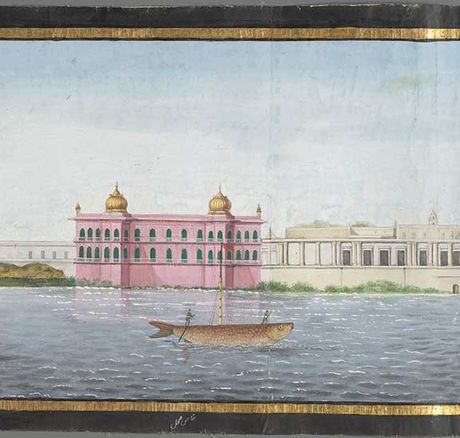
Monumental 37ft-long Indian scroll goes on public view for the first time at Yale Center for British Art

The Yale Center for British Art has unveiled the 'Lucknow scroll,' a monumental 37-foot-long early 19th-century watercolor, following an extensive two-year conservation project. Part of the exhibition 'Painters, Ports and Profits,' the scroll offers a panoramic view of Lucknow, India, during the reign of Ghazi-ud-Din Haidar Shah. Due to its immense size and fragility, the museum is displaying the work in two stages, unrolling different sections over the course of the exhibition to manage light exposure and space constraints.

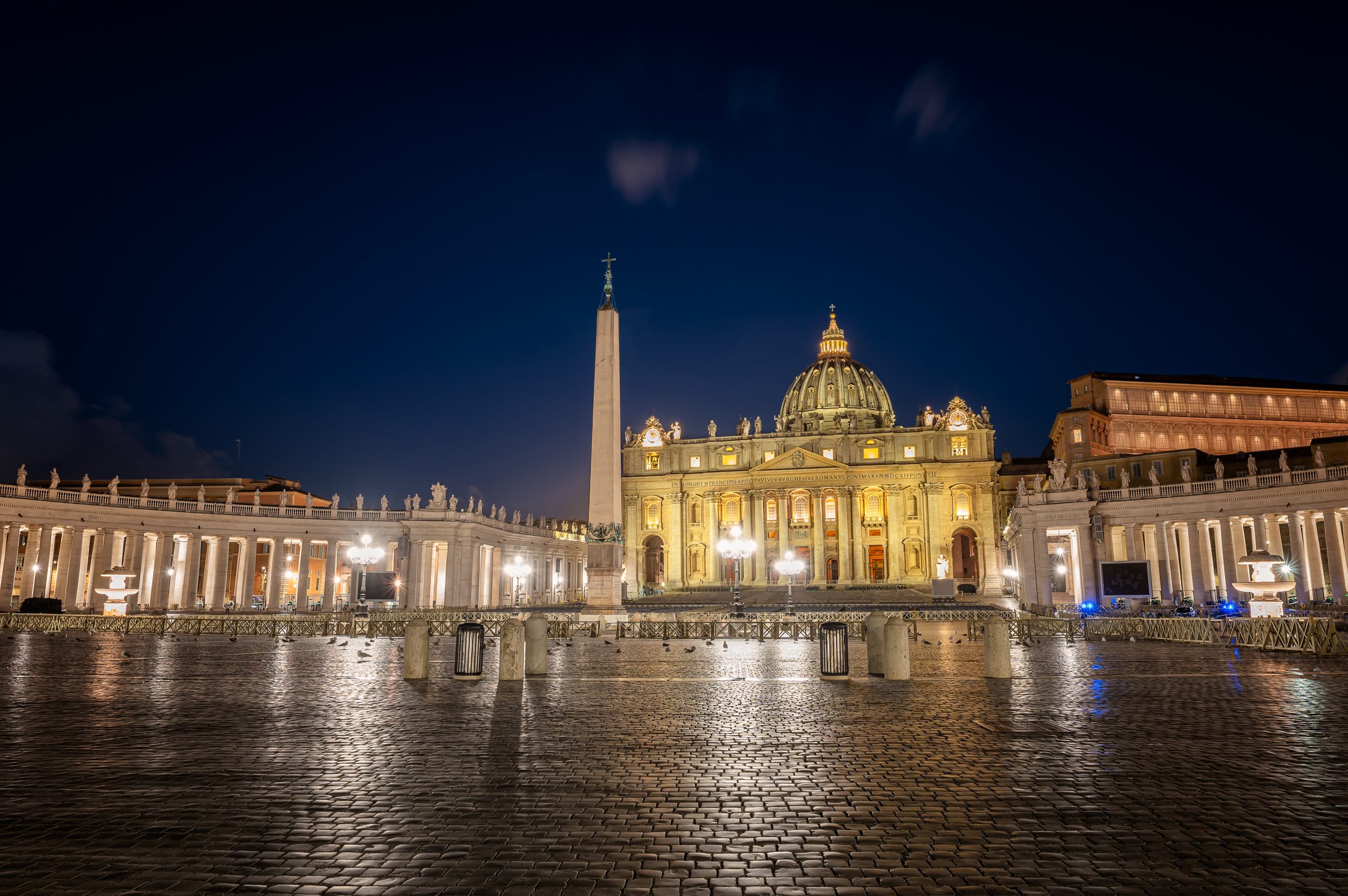
Were the Popes Art History’s Ultimate Collectors?

A new exhibition, "Bernini i Barberini," at Rome's Palazzo Barberini explores the profound artistic partnership between Pope Urban VIII and the young sculptor Gian Lorenzo Bernini. This relationship, beginning in 1623, led to decades of Baroque masterpieces that transformed Rome's architecture and urban design, showcasing the papacy's use of art as a tool of power and propaganda.

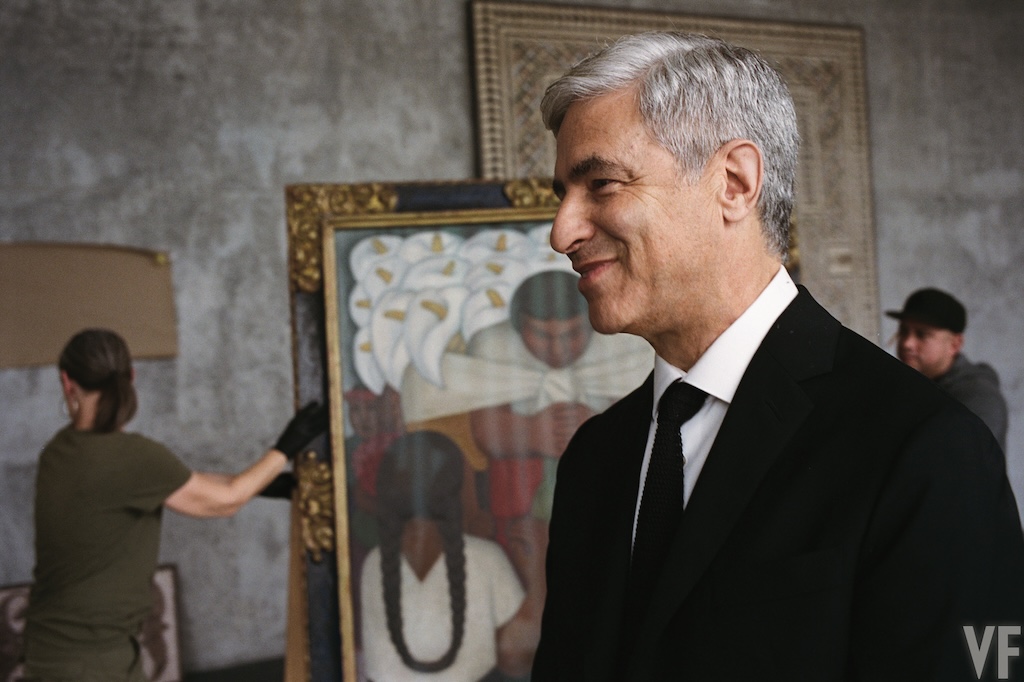
michael govan lacma zumthor building vanity fair interview

Michael Govan, director of the Los Angeles County Museum of Art (LACMA), has broken his silence regarding the museum’s controversial new David Geffen Galleries in an interview with Vanity Fair. The $720 million structure, designed by Pritzker Prize-winning architect Peter Zumthor, is scheduled to open next month following years of heated debate over its unconventional design, the demolition of previous museum buildings, and escalating costs. Govan defended the project’s horizontal, single-floor layout as a necessary evolution for the 21st-century museum, moving away from traditional geographic and chronological hierarchies.

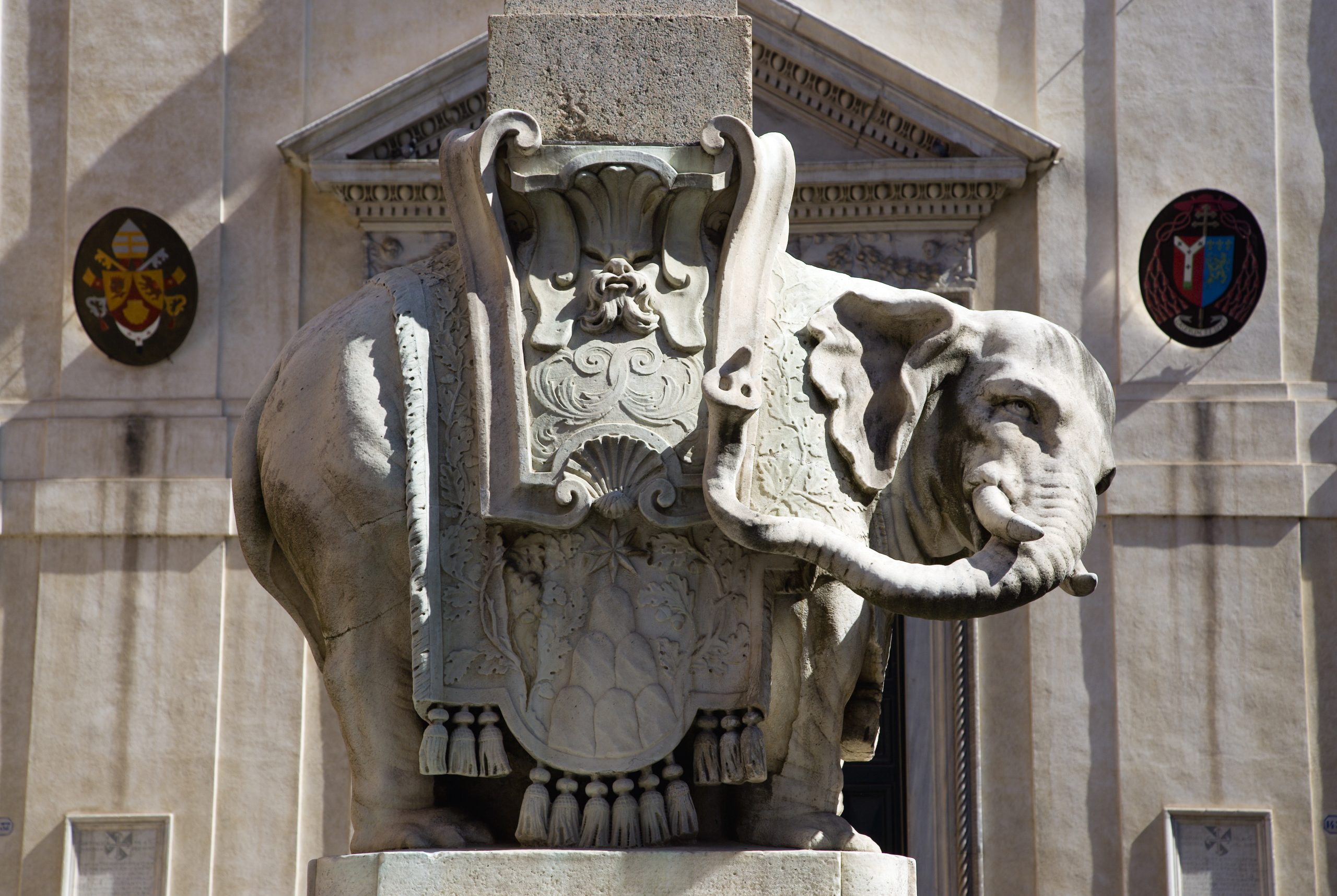
Bernini's 17th Century Elephant Statue Damaged in Rome Again

berninis 17th century elephant statue damaged in rome again

A marble fragment from the tusk of Gian Lorenzo Bernini’s 17th-century 'Elephant and Obelisk' monument was found broken off in Rome’s Piazza della Minerva. Local authorities and the Capitoline Superintendency recovered the four-inch piece, which is believed to be part of a 1977 restoration rather than the original 1667 marble. Police are currently reviewing security footage to determine if the damage resulted from intentional vandalism or natural structural wear.

sandra mujinga stedelijk museum sculpture performance

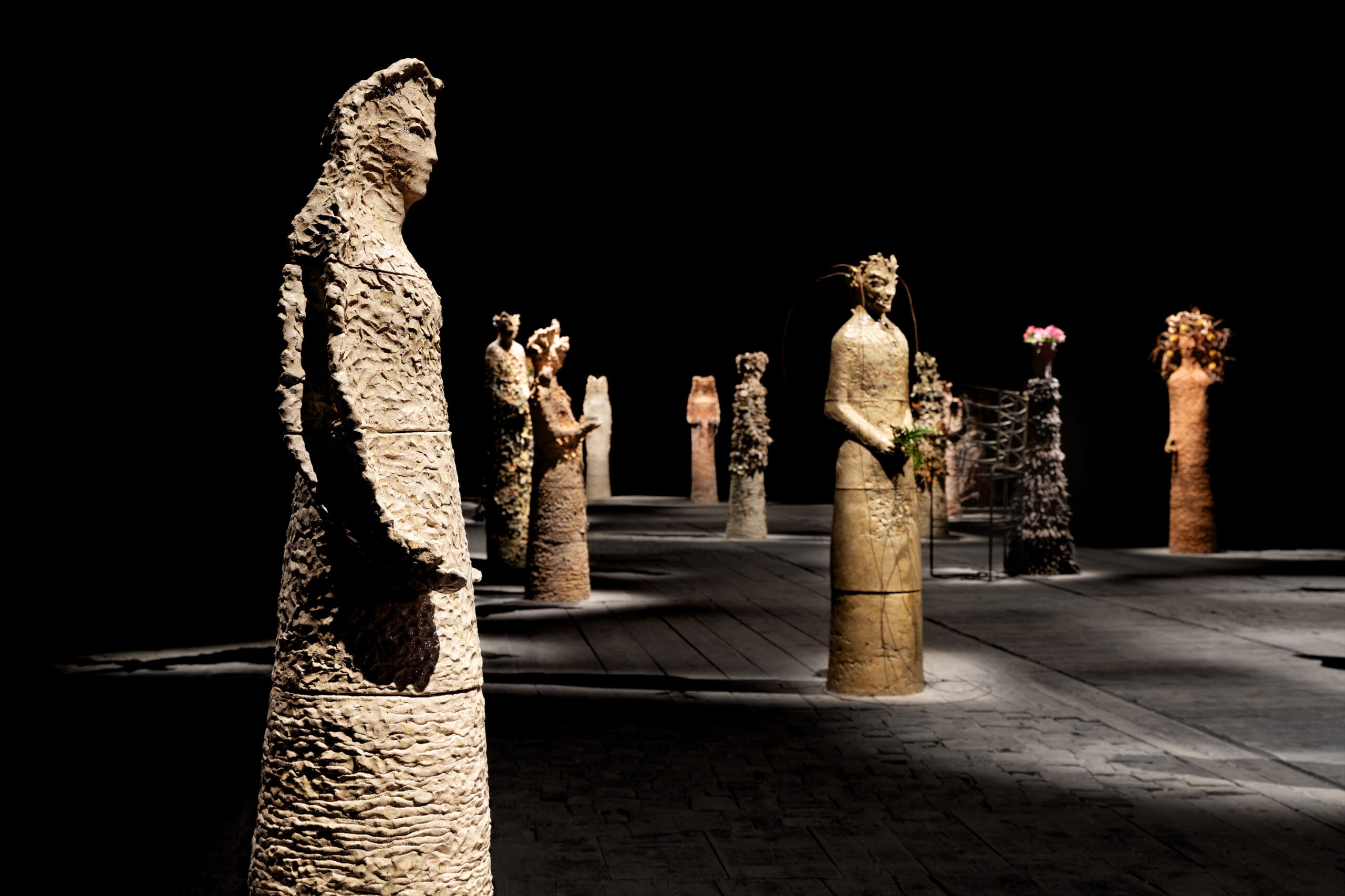
Sandra Mujinga, a Congolese-born artist based in Berlin and Oslo, recently unveiled a new performance at the Park Avenue Armory in New York and has a major installation, "Skin to Skin" (2025), finishing its run at the Stedelijk Museum in Amsterdam before traveling to the Belvedere museum in Vienna. The installation features 55 lithe, tentacular figures covered in the artist's own textiles, arranged around mirrored columns in a green-lit environment. In an interview, Mujinga discussed how fashion and clothing function as data and storytelling, reflecting identity and belonging, a theme that permeates her sculptures, videos, and performances.