filter_list Showing 2357 results for "Chi" close Clear
search
dashboard All 2357 museum exhibitions 1356article local 255trending_up market 188article culture 188article news 164person people 58rate_review review 55article policy 42candle obituary 40gavel restitution 11
date_range Range Today This Week This Month All
Subscribe

Is the art market slump over?

Ist die Flaute im Kunstmarkt vorbei?

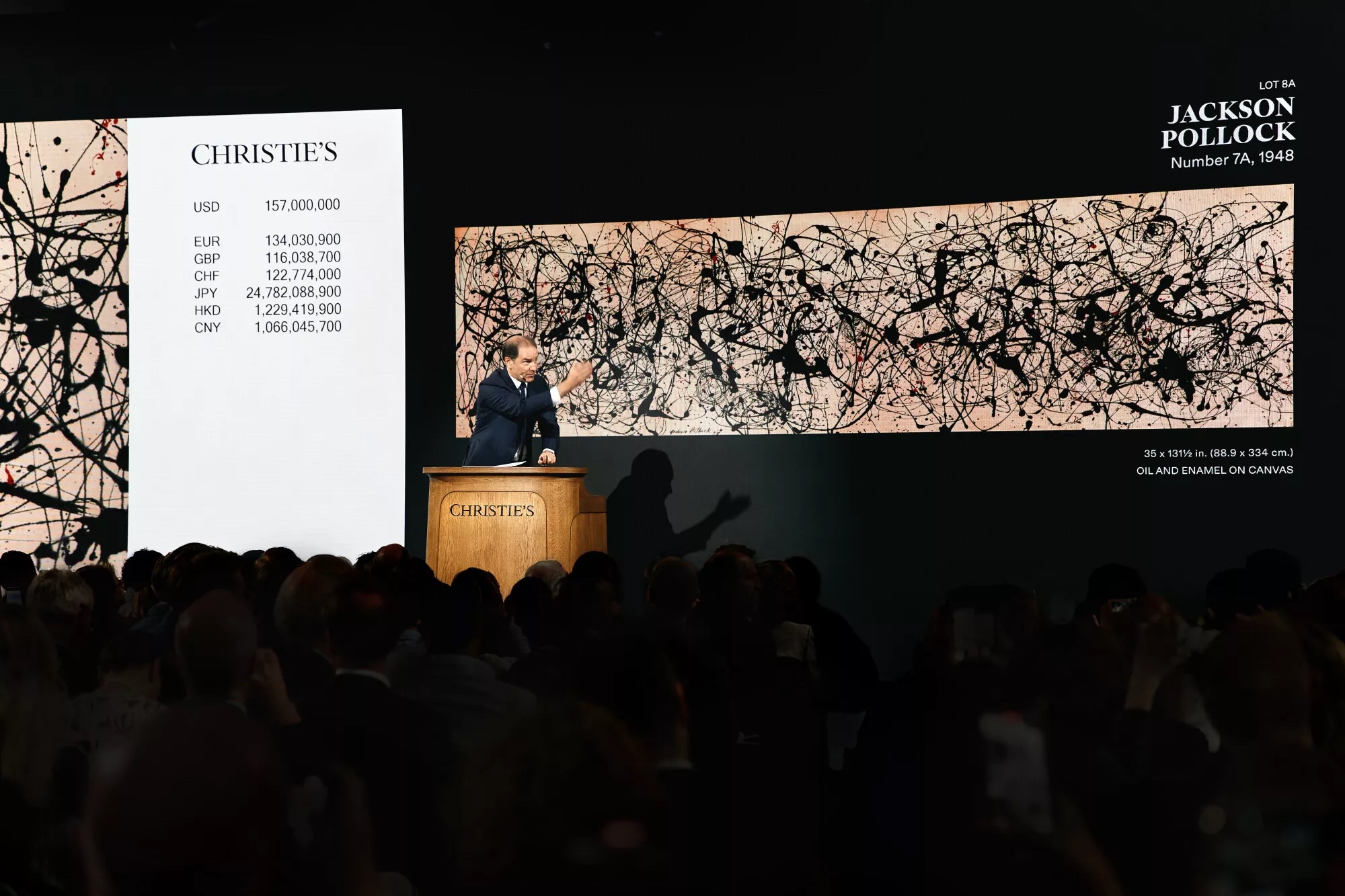
The New York spring auctions saw explosive top prices, with Jackson Pollock's drip painting "Number 7A" (1948) selling for $181.2 million at Christie's, making it the fourth most expensive artwork ever auctioned. Christie's evening sales alone generated $1.1 billion, including $630.8 million from 16 works from the S.I. Newhouse collection. Sotheby's opened the season with a Mark Rothko from the estate of dealer Robert Mnuchin, achieving $85.8 million, while Phillips sold all 40 lots for $115 million, double the previous year. Younger artists like Joseph Yaeger also saw prices far exceed estimates.
The Pain Behind the Colors

Der Schmerz hinter den Farben

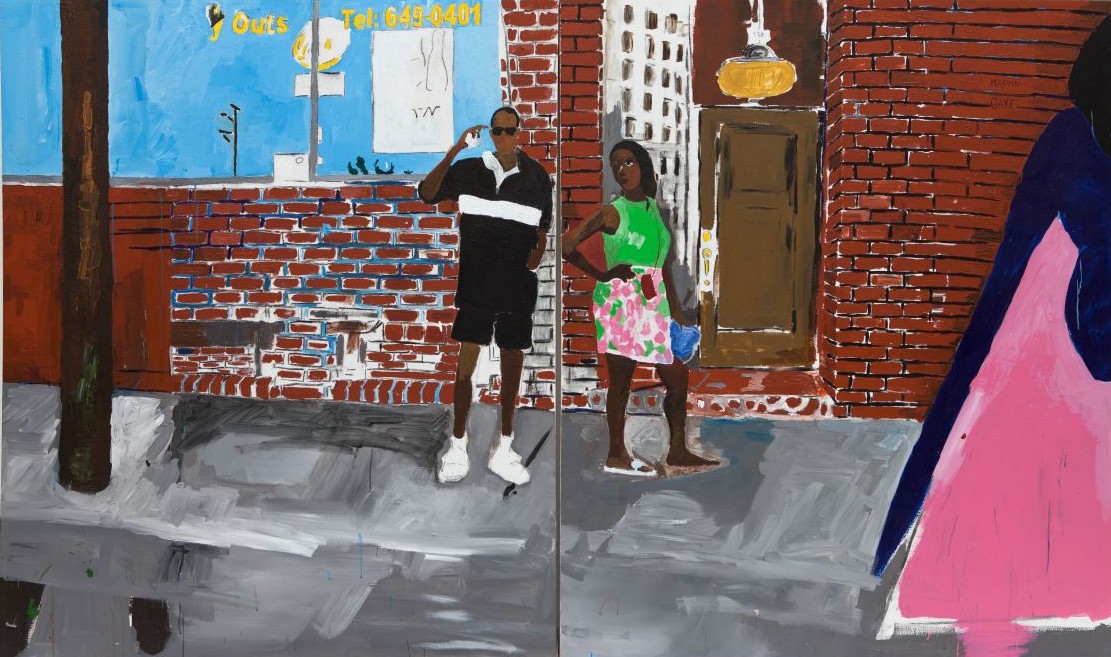
Henry Taylor is the subject of a major exhibition at the Musée Picasso in Paris, where his monumental paintings addressing racism, poverty, hope, and pain are displayed in dialogue with art history. The article describes a key work featuring Martin Luther King Jr. in a park scene, with small adult-faced figures and a limousine of white men watching, highlighting Taylor's narrative style.

Werke von Pollock und Brancusi für Rekordsummen versteigert

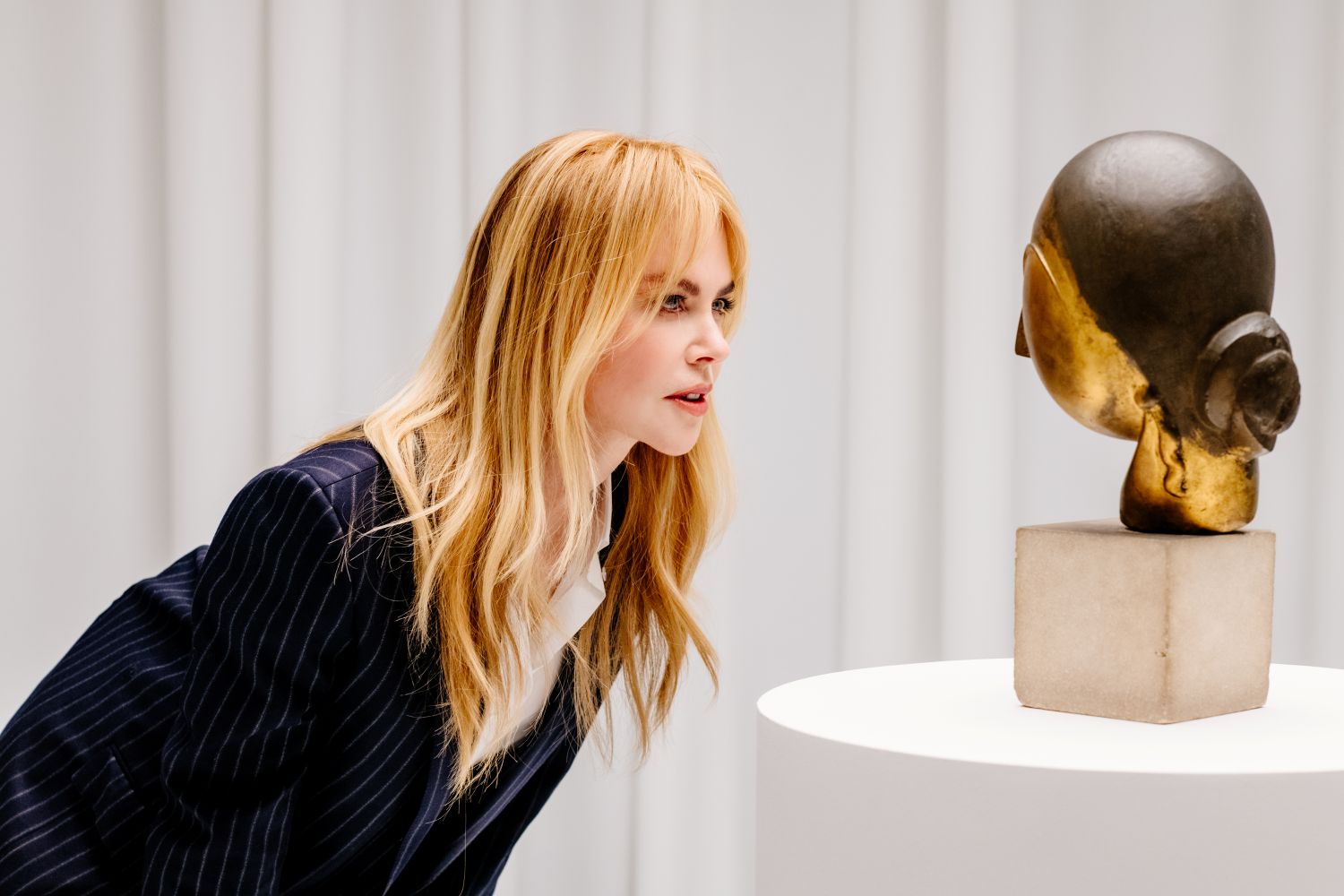
At Christie's spring auctions in New York, Jackson Pollock's painting "Number 7A" sold for approximately $181 million and Constantin Brancusi's sculpture "Danaïde" fetched around $108 million, both setting records. The works came from the estate of publisher S. I. Newhouse, who died in 2017. Christie's total sales for the evening exceeded $1 billion, while rival Sotheby's had sold several hundred million dollars' worth of art the previous week. Christie's enlisted actress Nicole Kidman to promote the Brancusi piece.

Faces of Russian Art

Gesichter der russischen Kunst

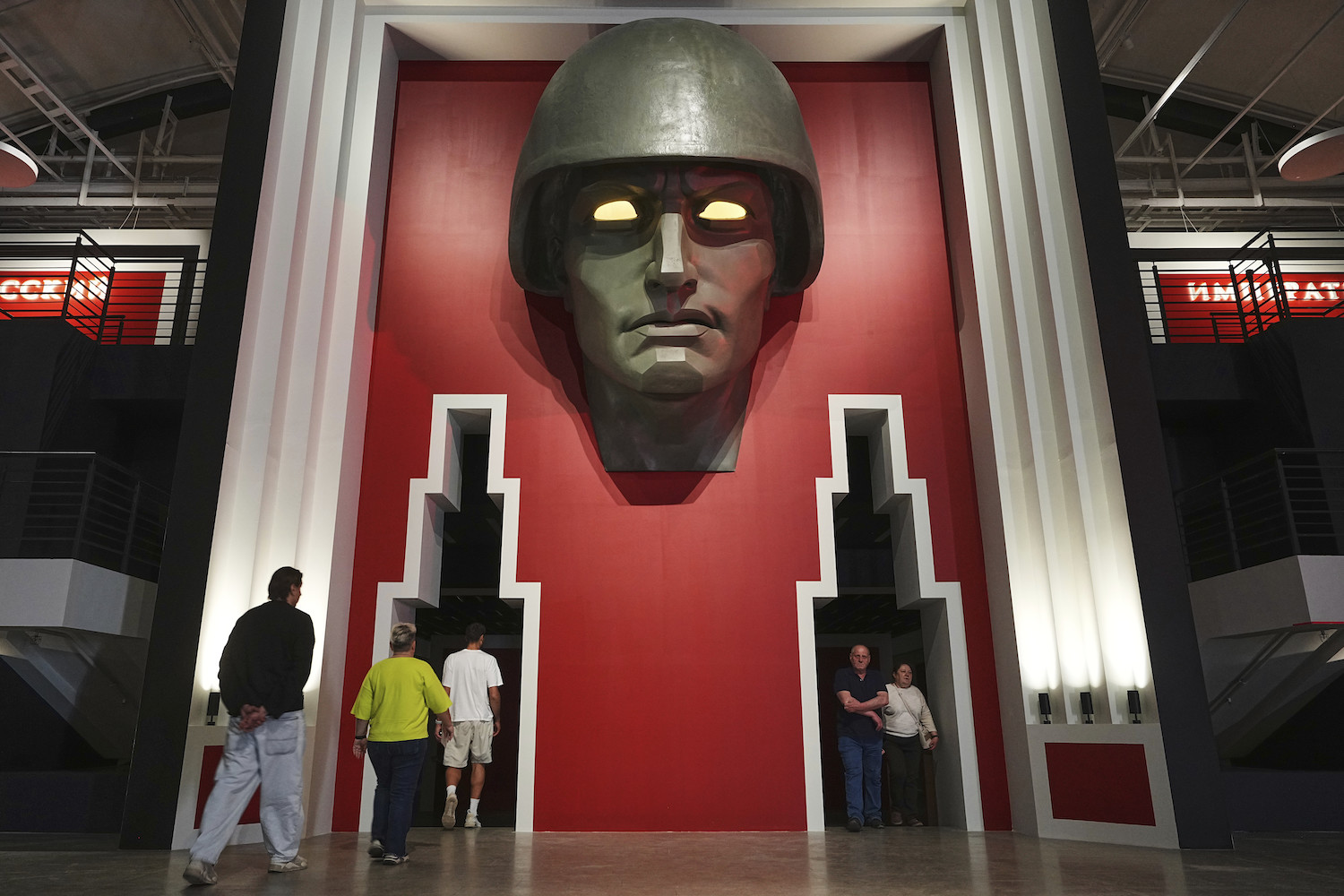
On the Venice Biennale, the Russian Pavilion presents itself as a space for dialogue, while simultaneously a major exhibition in St. Petersburg titled "Russischer Imperativ" (Russian Imperative) opened on May 8 at the Manezh exhibition hall, glorifying war as a historical imperative of Russian identity. Curated by Anton Belikov, a Moscow artist and former Russian soldier who fought in Ukraine, the show features works from state museums like the Tretyakov Gallery, blending historical battles with the current war in Ukraine, and includes a monumental, fascistoid design with a ten-meter-tall installation of a soldier's head. The exhibition has sparked outrage on social media and in Russian exile media for its militaristic propaganda.

Stühle, die zum Reden zwingen

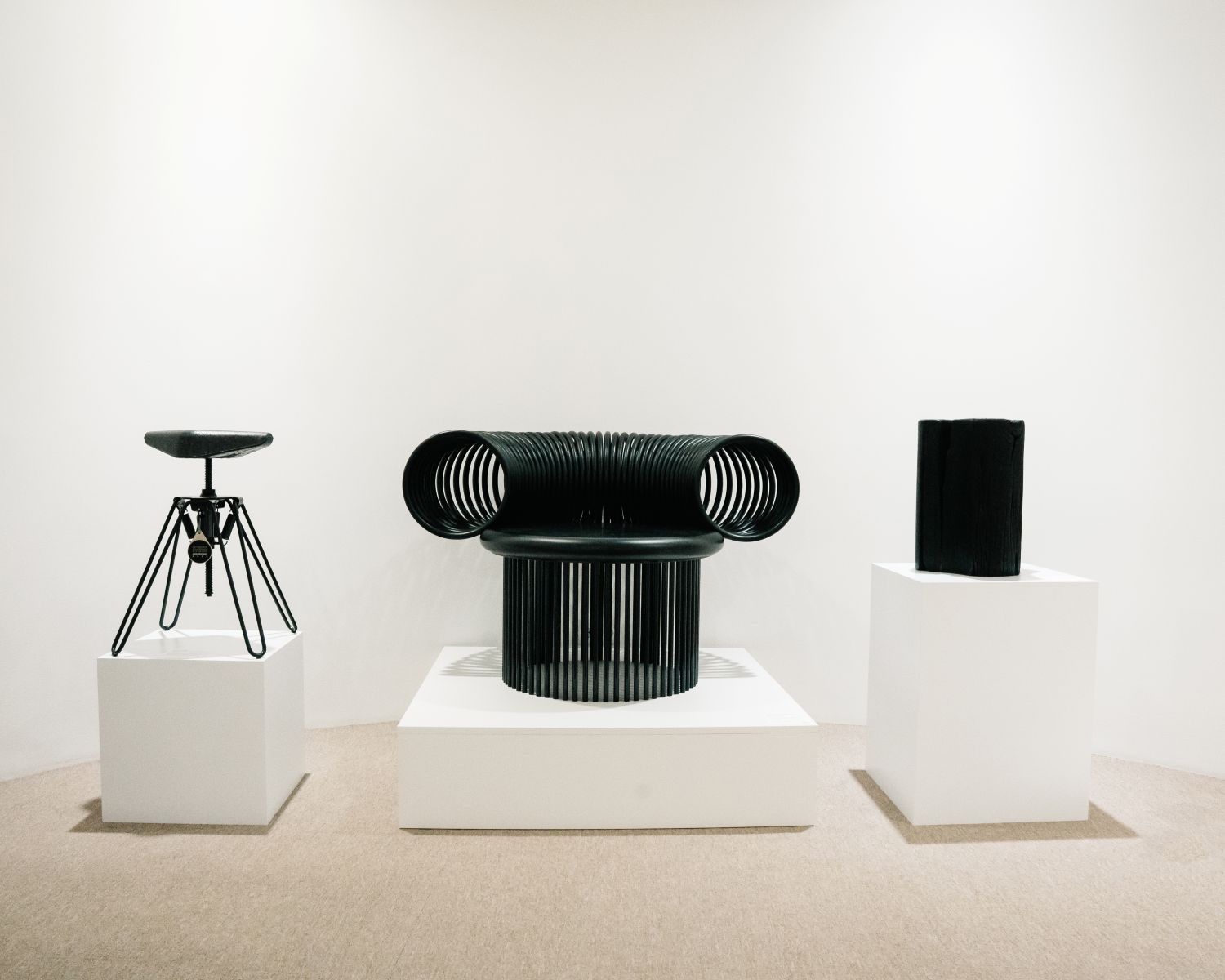
The article examines a peculiar three-seat sofa called the "Indiscret" on display in the Louvre, designed in 19th-century France under Napoleon III to force conversation among sitters. This "Conversation Chair" reflects an era when furniture was deliberately crafted to create social intimacy and control guest behavior, in stark contrast to modern public seating that often discourages lingering through hostile architecture.

On High Heels into the Museum

Auf High Heels ins Museum

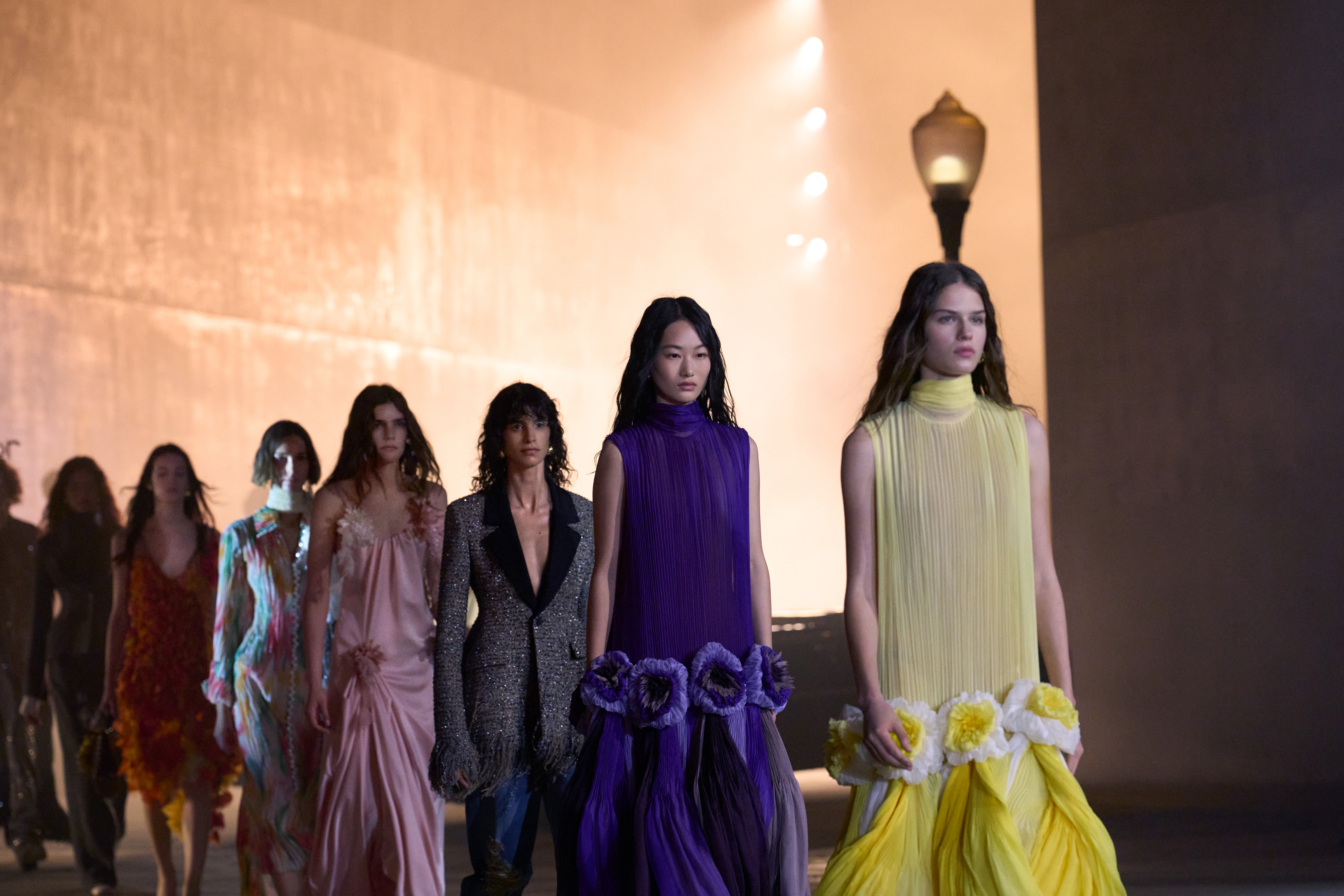
The Los Angeles County Museum of Art (LACMA) closed its newly opened David Geffen Galleries just days after their official debut to host a Dior fashion show. The show, designed by Dior creative director Jonathan Anderson, featured a Cruise collection inspired by Hollywood glamour, with models walking through the museum's outdoor spaces amid vintage cars and historical lamps. The event highlighted the ongoing tension between the museum's architectural ambitions—Peter Zumthor's amoeba-like concrete structure has drawn both criticism and praise—and its use as a venue for luxury brand marketing.

Some cry censorship, others cry antisemitism

"Die einen schreien Zensur, die anderen Antisemitismus"

A constitutional law scholar, Christoph Möllers, warns in an interview with Die Zeit about the dangerous escalation of cultural policy conflicts, sparked by Documenta 15, where accusations of censorship and antisemitism collide. In Poland, Adam Budak was removed as director of MOCAK in Krakow after just a few months, facing 79 allegations including mobbing and problematic leadership. Meanwhile, the New York spring auctions have launched, and Jason Farago's review of the Venice Biennale in the New York Times criticizes the shift from aesthetic innovation toward identity-driven art. Robin Pogrebin also reports on the merger of the Met and the Neue Galerie, described as a rare convergence of two museum models.

Valie Export ist tot

Valie Export, the pioneering Austrian media and performance artist, has died at age 85 in Vienna. Born Waltraud Lehner in Linz in 1940, she adopted the name Valie Export in the late 1960s, derived from a cigarette brand, and became internationally known for provocative works such as "Tapp- und Tastkino" (1968) and "Aktionshose: Genitalpanik." Her practice critically examined gender roles, power structures, and the representation of the female body through film, video, photography, and performance. She participated in major exhibitions including Documenta, the Centre Pompidou, and the Museum of Modern Art, and represented Austria at the Venice Biennale in 1980 alongside Maria Lassnig. She also taught as a professor of media and performance art in Berlin and Cologne, and the VALIE EXPORT Center opened in Linz in 2017.

Was in den Museen läuft

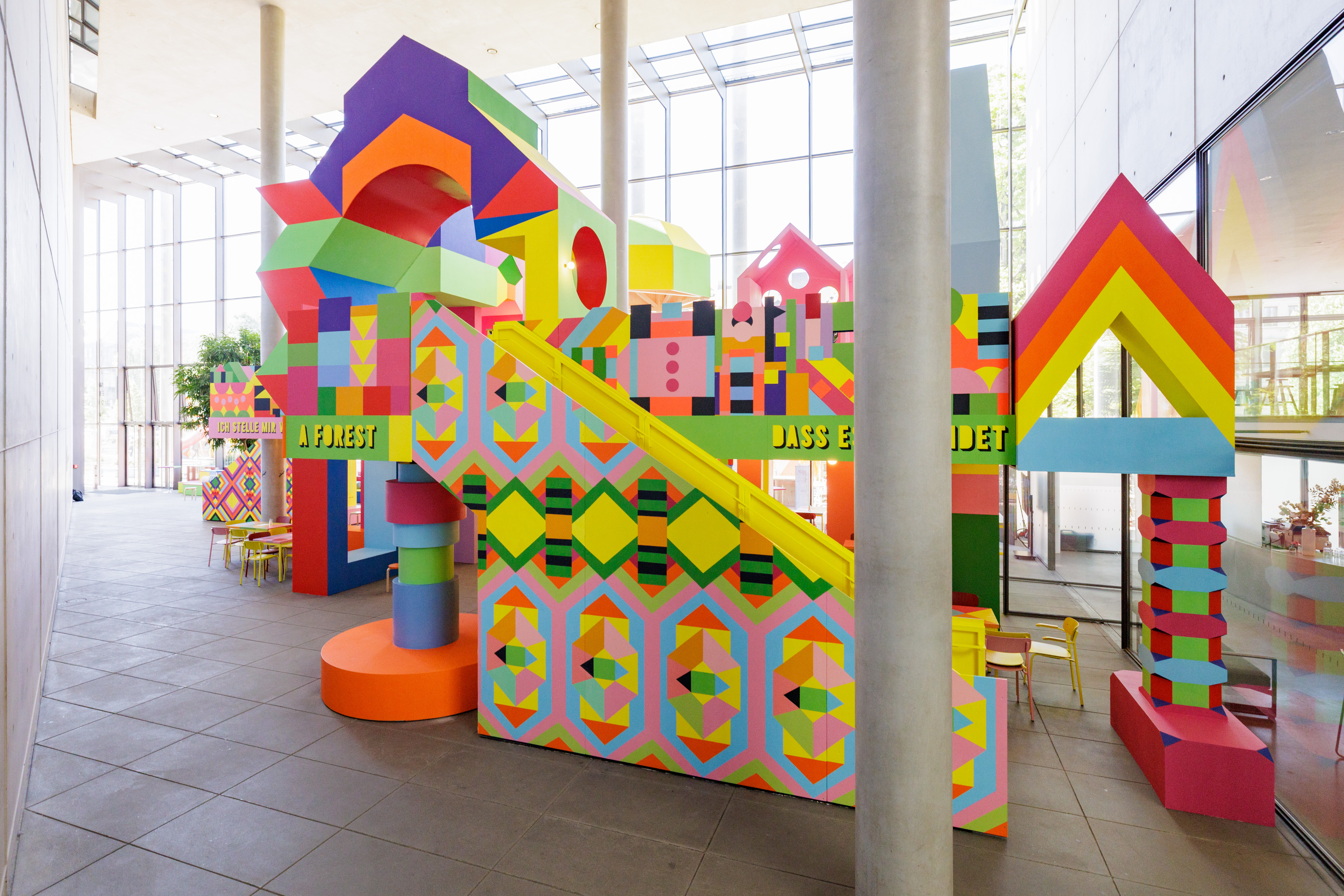
Munich's art festival "Various Others" kicks off this week with major city museums participating. The Pinakothek der Moderne presents "Reflexion," a group show of 100 works across fine art, architecture, graphic design, and design by artists including Isa Genzken, Ludwig Mies van der Rohe, Piet Zwart, and Ettore Sottsass. The Alexander-Tutsek-Stiftung celebrates its 25th anniversary with a glass-focused exhibition featuring Monica Bonvicini, Tony Cragg, and Laure Prouvost. The Villa Stuck reopens after renovation with four shows: Philipp Messner's sculptures, Ilit Azoulay's macro-film installation, a returning Franz von Stuck painting, and Delschad Numan Khorschid and Jan-Hendrik Pelz's migration-themed "Zehn Leben." The Lenbachhaus presents "Ein Ferngespräch. Szenen aus der Weimarer Republik" with works by Jeanne Mammen, Gabriele Münter, and Christian Schad. Museum Brandhorst's "Carrying" addresses the history of the Maxvorstadt art district, once site of a military barracks built by Ottoman prisoners. The Eres Stiftung continues "Seeing the Unseen" on quantum physics. The Flux meeting space, designed by Morag Myerscough, moves indoors at the Pinakothek der Moderne.

"Man besitzt Kunst nicht, man ist nur ihr Verwalter"

The 61st Venice Biennale opened on Saturday without ceremony or an opening celebration, amid political turmoil over the participation of Russia and Israel. Italy's Culture Minister Alessandro Giuli criticized Biennale director Pietrangelo Buttafuoco for not informing the government about Russia's participation request, suggesting it could have been used as leverage for a ceasefire in Ukraine. The entire jury resigned after attempting to exclude both Russia and Israel from prize awards, leading to the cancellation of the traditional jury decision in favor of a public vote, which over 70 participating artists have protested by withdrawing from this year's prizes. Separately, a rare photograph from the early 1940s has surfaced showing Lucas Cranach the Elder's painting "Venus with Cupid as Honey Thief" in Adolf Hitler's Munich apartment, raising unresolved questions about whether the work was looted from Jewish owners before 1935.

10 Highlights You Shouldn't Miss in Venice

10 Highlights, die Sie in Venedig nicht verpassen sollten

The article presents ten must-see highlights of the 61st Venice Biennale, curated by the editors of Monopol magazine. It covers the main exhibition at the Arsenale, national pavilions, and collateral events, including Sandra Knecht's beehouse installation, Isabel Nolan's Irish Pavilion exploring dreams and late medieval humanism, Chiara Camoni's Italian Pavilion blending ceramics and found materials, and Asim Waqif's bamboo construction in the Indian Pavilion. Other featured works include a church filled with surveillance cameras and the new Fondazione Dries Van Noten.

How Tech Billionaires Turn Couture into Content

Wie Tech-Milliardäre Couture zu Content machen

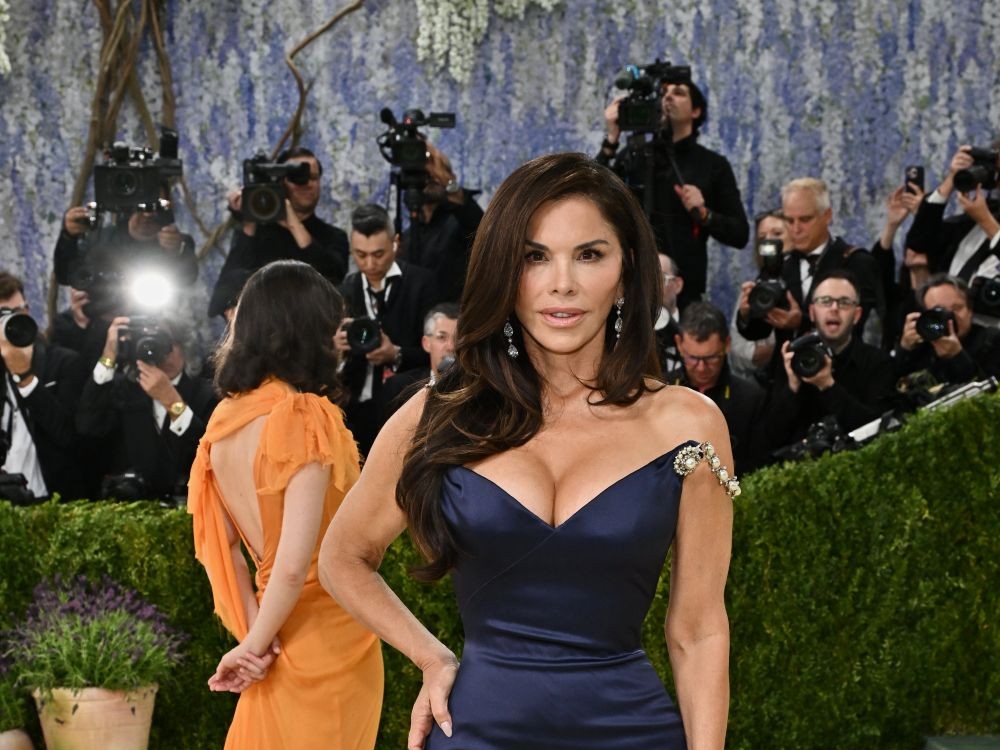
The Met Gala, long considered the premier event for fashion and cultural influence, has become increasingly dominated by tech billionaires. This year, Jeff Bezos and Lauren Sánchez Bezos purchased their role as co-hosts, sparking protests in New York and raising questions about whether money alone now buys entry into the highest echelons of fashion. Individual tickets cost $10,000 and a table $350,000, with sponsors including OpenAI, Snapchat, and Meta. The event, organized by Anna Wintour to raise funds for the Costume Institute at the Metropolitan Museum of Art, raised $31 million last year but has transformed from a benefit into a spectacle optimized for viral moments and algorithmic appeal.

JR: 'Reflecting on the cave is to look at our deep humanity, our origins, art in general'

JR : « Réfléchir à la caverne, c’est se pencher sur notre humanité profonde, sur nos origines, sur l’art en général »

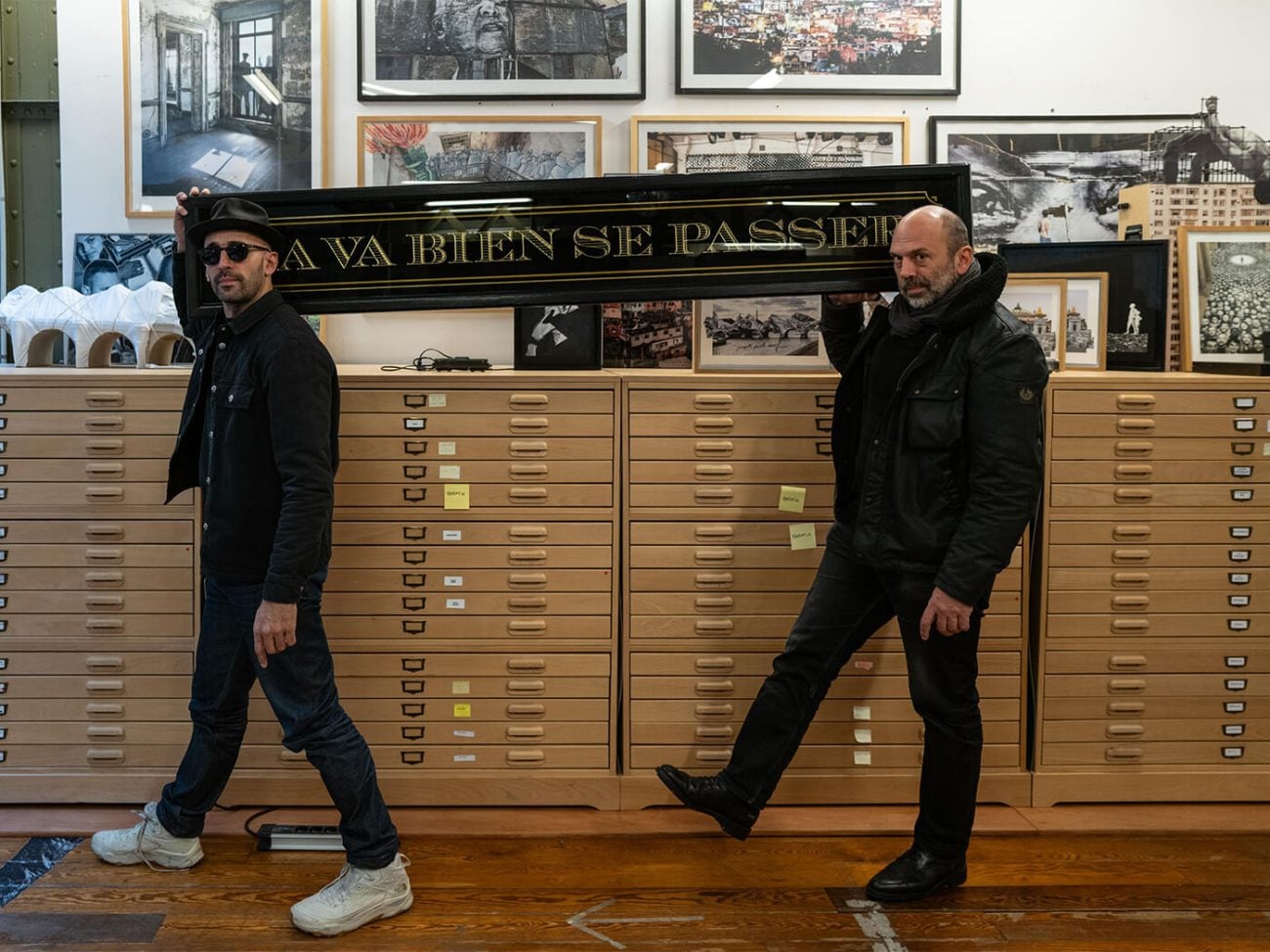
French artist JR is transforming the Pont-Neuf in Paris into a giant inflatable cave structure, titled "La Caverne du Pont-Neuf," set to debut on May 23, 2026. The project, conceived with producer Vladimir Yavachev, pays homage to Christo and Jeanne-Claude's 1985 wrapped Pont-Neuf, using inflatable techniques inspired by Christo's unrealized designs. JR's team built a prototype in a hangar at Orly, and the work involves complex permissions from the French president, the Paris mayor, and local authorities.

À New York, le Metropolitan Museum of Art absorbe la Neue Galerie et sa collection de Klimt, Schiele, Kokoschka…

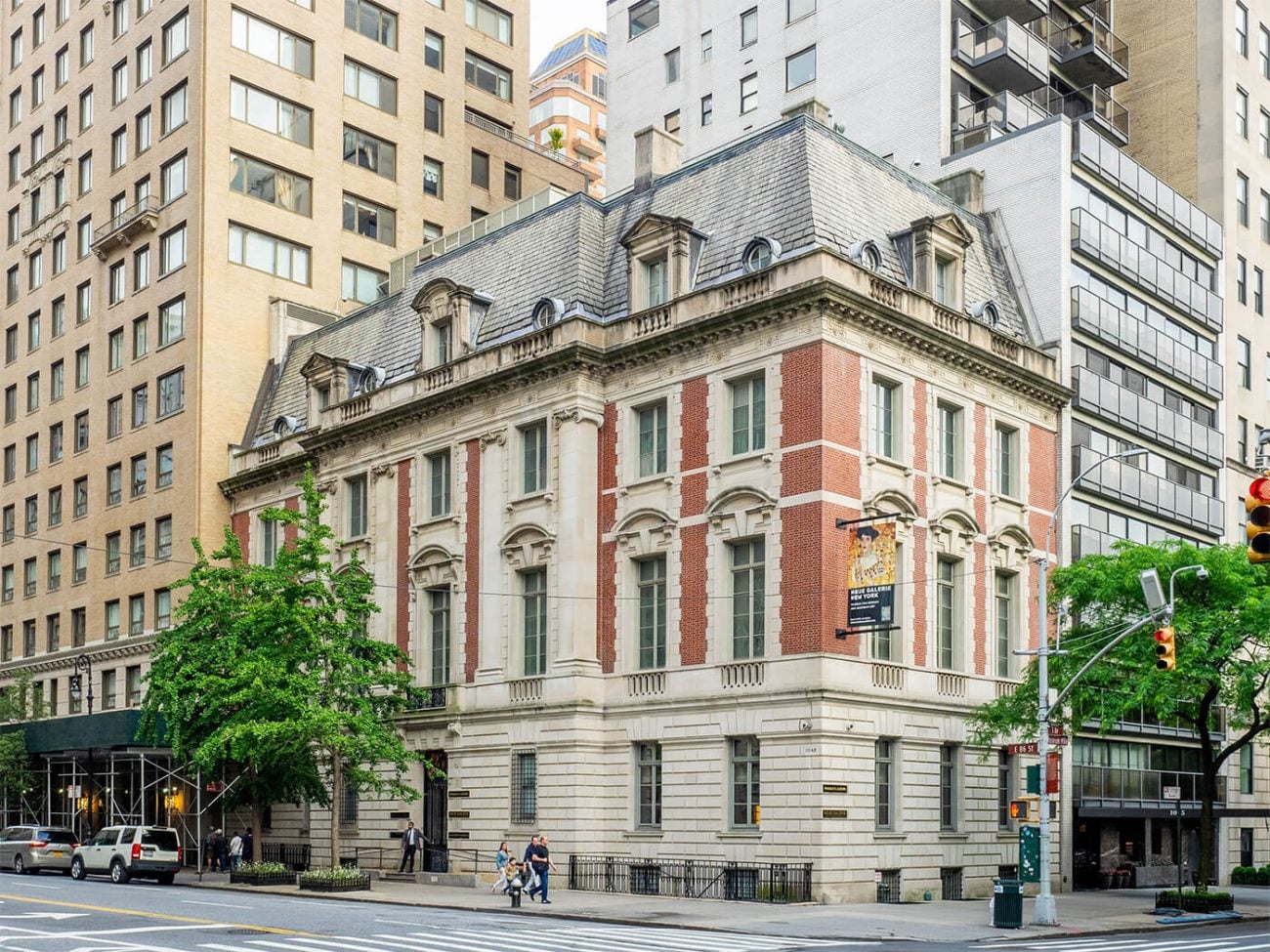
On May 14, the Metropolitan Museum of Art and the Neue Galerie in New York announced a historic merger set for 2028. The Neue Galerie, founded in 2001 by billionaire Ronald Lauder in a Fifth Avenue mansion, will become part of the Met under the name The Met Ronald S. Lauder Neue Galerie, modeled after the Met's Cloisters. The transfer includes the historic building and a collection of 600 works valued at over $1.5 billion, featuring artists such as Gustav Klimt, Egon Schiele, Ludwig Kirchner, Max Beckmann, and Oskar Kokoschka. Lauder and his daughter Aerin Lauder Zinterhofer are also donating thirteen works from their personal collection, and a $200 million endowment fund has been established.

Dubai wants to put on a brave face by announcing a new digital art museum

Dubaï veut donner le change en annonçant un nouveau musée d’art numérique

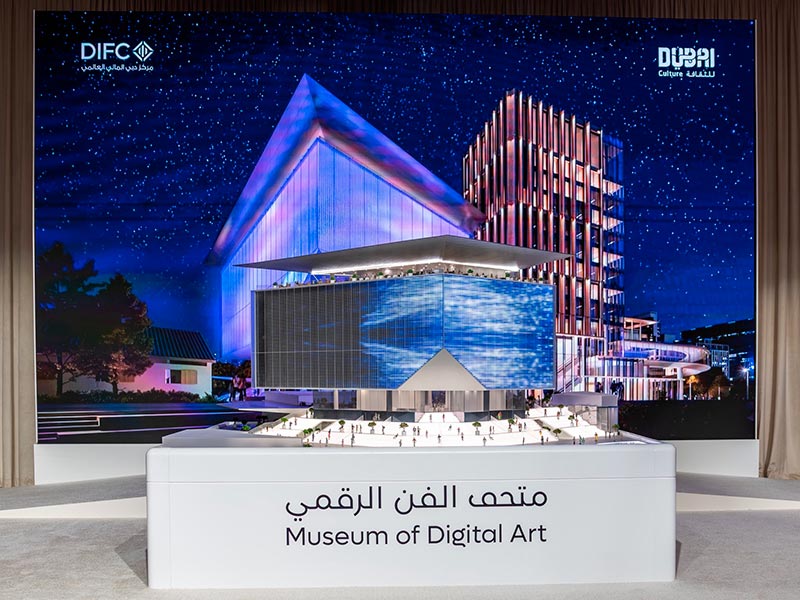
Dubai has announced plans for a new Museum of Digital Art (MODA), designed by Adrian Smith + Gordon Gill Architecture, the firm behind the Burj Khalifa. The five-story museum will be located in the DIFC Zabeel District and feature permanent and temporary exhibitions, immersive experiences, educational spaces, and a digital twin for global access. The announcement comes amid regional turmoil, including Iranian missile and drone strikes on the UAE in March 2025 that damaged infrastructure, disrupted tourism, and reduced the 20th edition of Art Dubai from 120 galleries to just 50 stands.

The fate of 'Guernica', a political icon born under bombs, traced in virtual reality at the Musée Picasso

Le destin de « Guernica », icône politique née sous les bombes, retracé en réalité virtuelle au musée Picasso

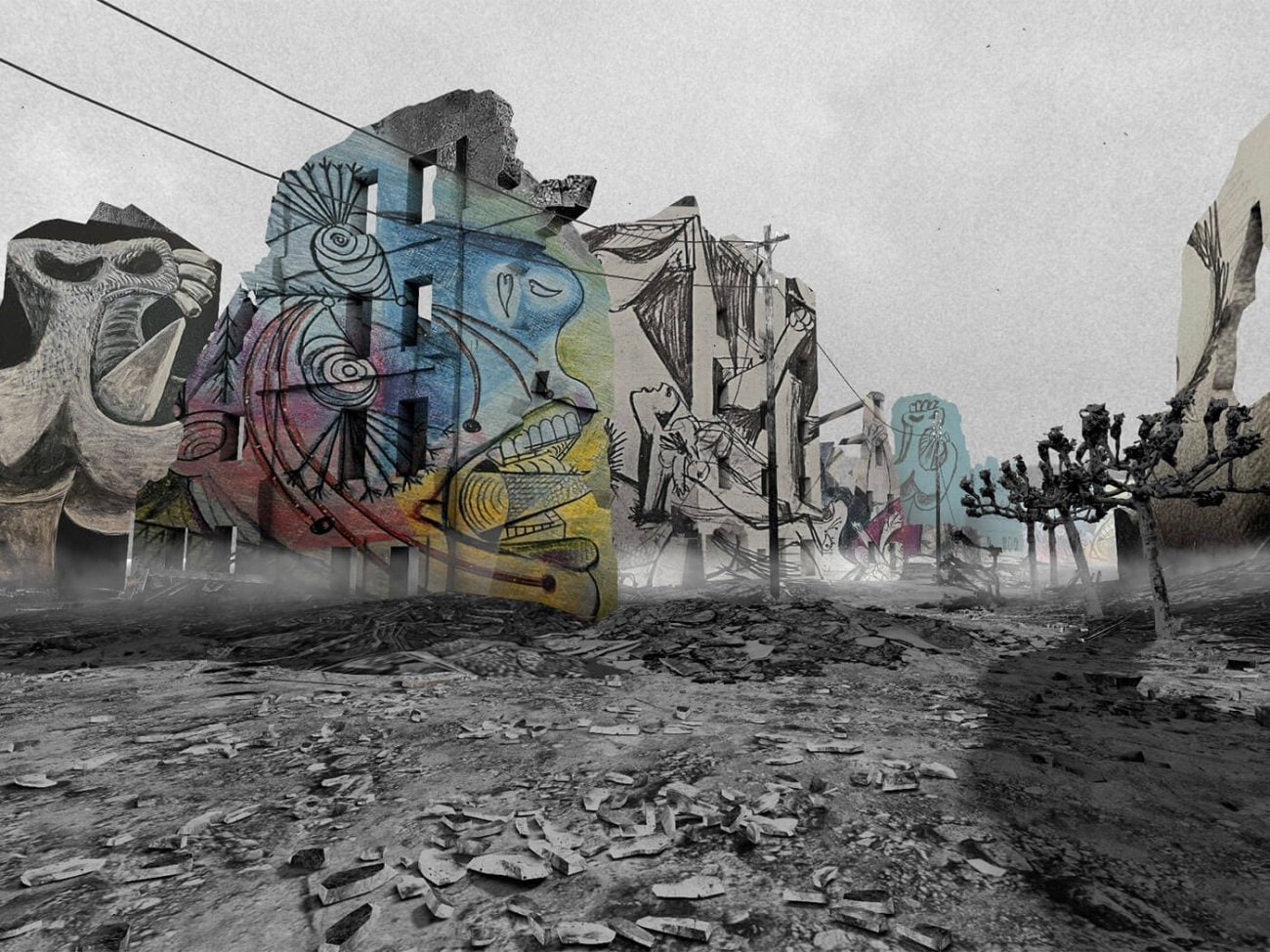
The Musée Picasso-Paris is launching a virtual reality experience that traces the epic journey of Pablo Picasso's "Guernica," one of the most iconic political paintings of the 20th century. Guided by the voices of writer Juan Larrea and photographer Dora Maar, visitors are transported to Picasso's Paris studio and the bombed ruins of Gernika, reliving the creation of the masterpiece commissioned for the Spanish Republic's pavilion at the 1937 International Exposition in Paris. The VR experience covers the painting's genesis, its global tour, and its eventual exile at MoMA in New York until 1981.

What will the future Louvre museum look like? The architects of the century's construction site have been chosen

À quoi ressemblera le futur musée du Louvre ? Les architectes du chantier du siècle désignés

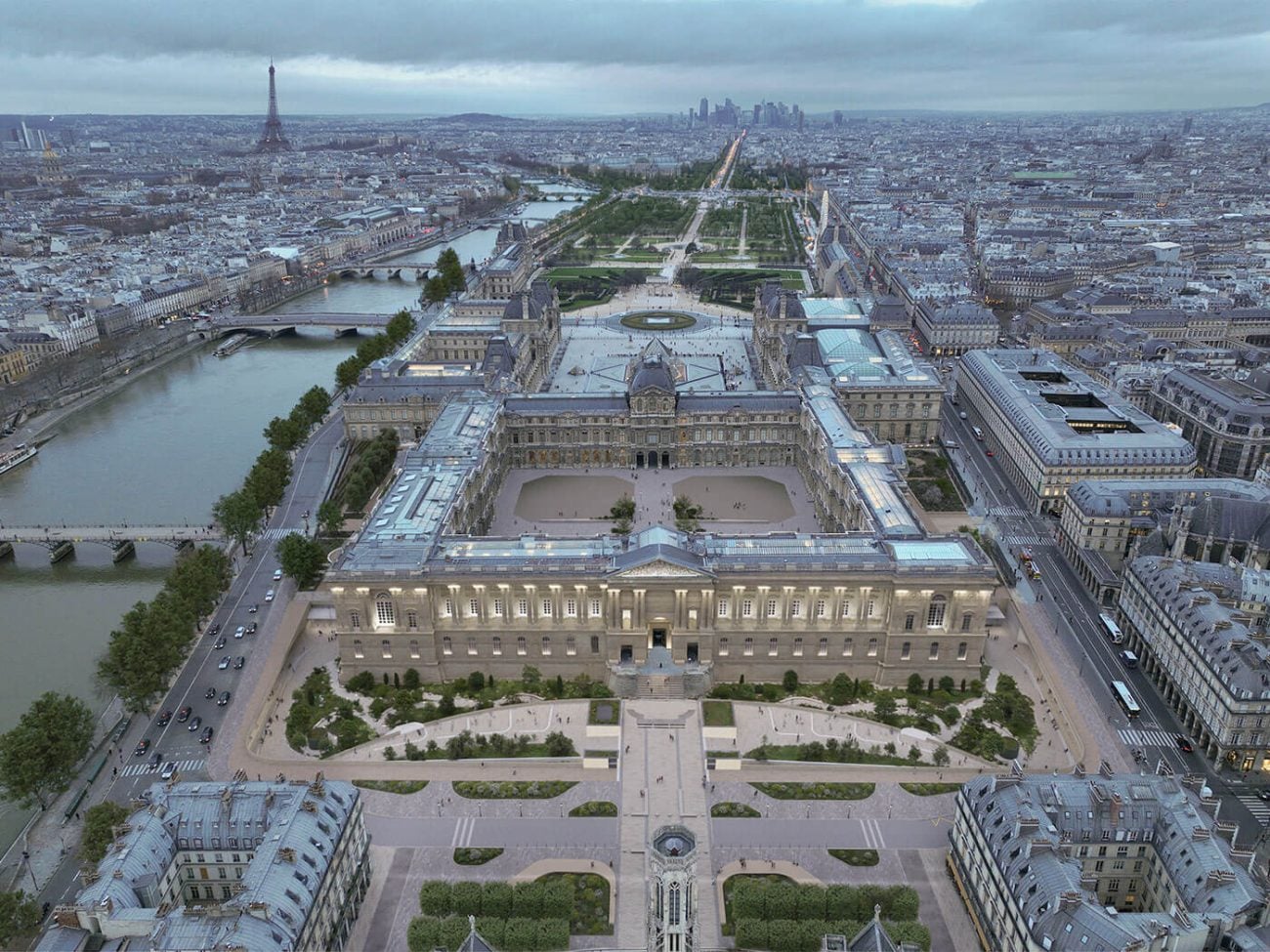
On May 18, the French Ministry of Culture announced the winner of the international competition for the 'Louvre Nouvelle Renaissance' plan, championed by President Emmanuel Macron in January 2025. The winning consortium, led by Studios Architecture Paris and Selldorf Architects with landscape firm Base, will design a major renovation of the Louvre. The project includes a new entrance on the east side near Saint-Germain-l’Auxerrois to relieve congestion at the pyramid, a belvedere overlooking vegetated moats, and a new 3,000-square-meter gallery dedicated to the Mona Lisa. Construction is not expected to begin before 2028.

Venice Biennale: A Silent US Pavilion

Biennale de Venise : un Pavillon US silencieux

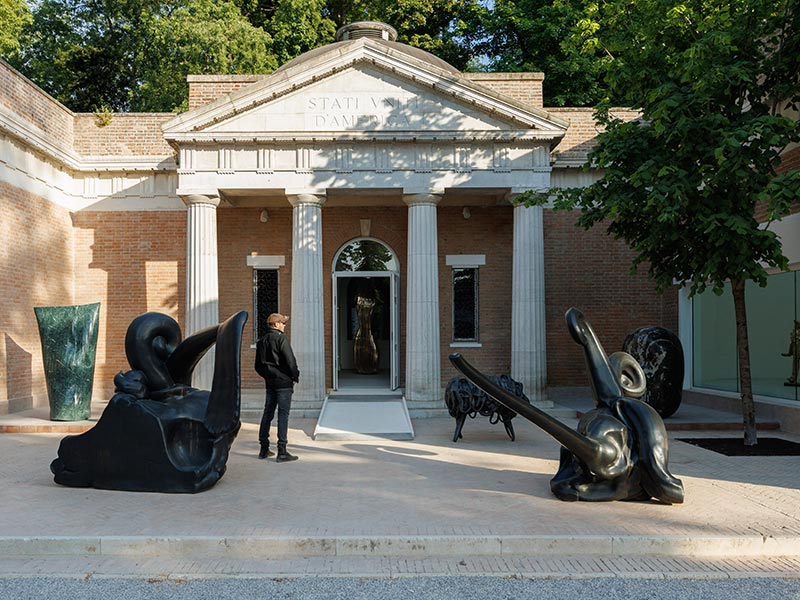
The US Pavilion at the 2026 Venice Biennale, featuring artist Alma Allen, opened to sparse crowds despite a 10% overall attendance increase at the Biennale. The pavilion was embroiled in controversy before opening: Allen was selected by the American Arts Conservancy (AAC), a private entity created in 2025 at the initiative of Donald Trump after the dissolution of the federal committee that previously oversaw the pavilion. AAC head Jenni Parido, a former pet food executive, chose the self-taught, little-known artist who had never had a solo museum exhibition. Major funders the Ford and Mellon Foundations withdrew, forcing the AAC to launch a public donation appeal. The exhibition features 25 abstract bronze, stone, and burl-wood sculptures that the artist describes as biomorphic landscapes, but critics find them pleasant yet silent, lacking the promised political or visceral resonance.

Sheila Hicks en 2 minutes

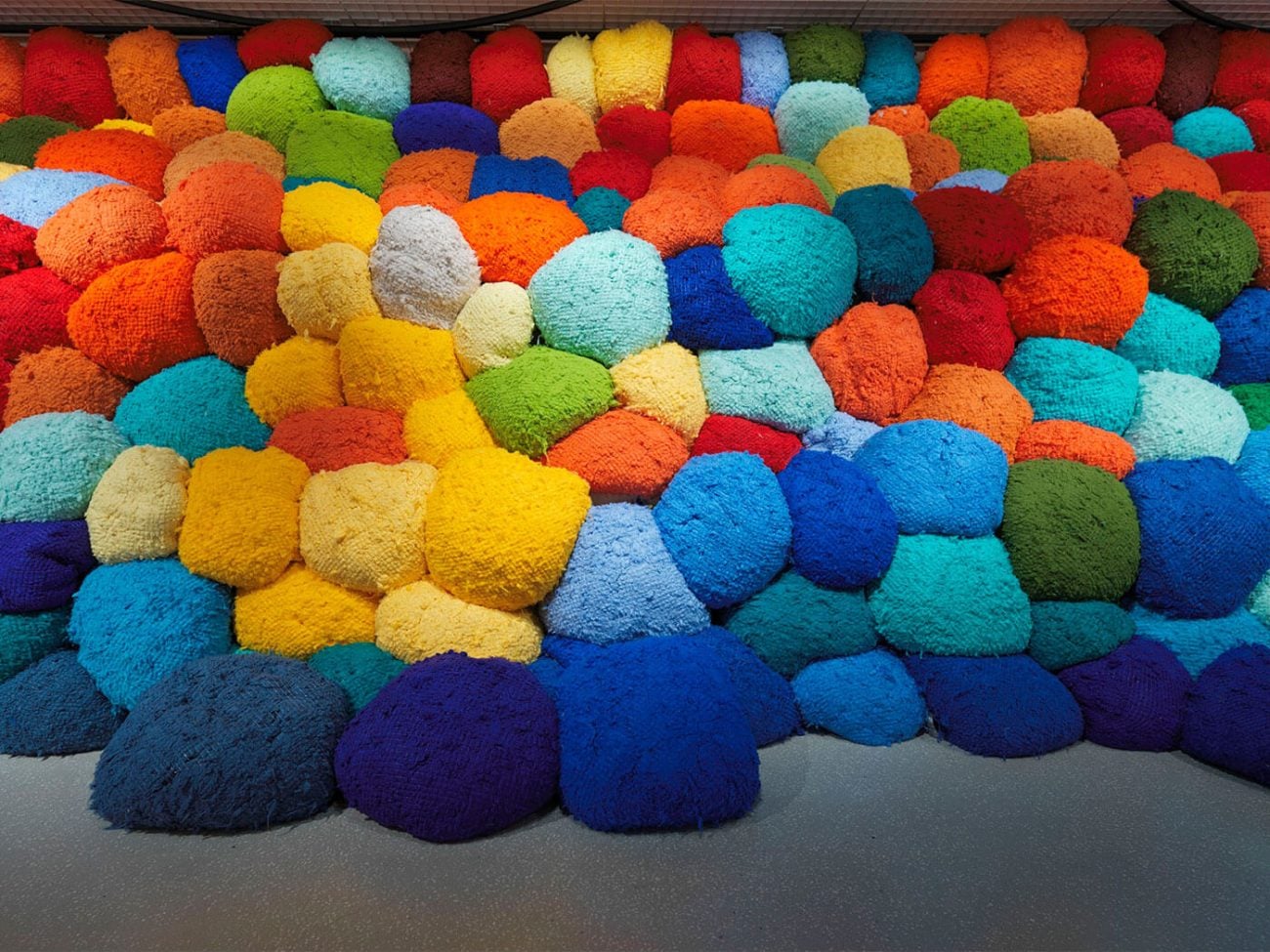
Sheila Hicks, the American textile artist born in 1934, is profiled in a concise overview of her career. The article traces her journey from studying under Josef Albers at Yale and learning weaving from Andean artisans in Chile, to establishing her studio in Mexico and later Paris. It highlights her monumental commissions for hotels, embassies, and public spaces, as well as her intimate "Minimes" works. Key milestones include her 2014 piece "Pillar of Inquiry/Supple Column" at the Whitney Biennial, her 2017 installation at the Venice Biennale, and a major retrospective at the Centre Pompidou in 2018.

Orsay inaugure une salle destinée aux œuvres « MNR »

The Musée d'Orsay in Paris has opened a new dedicated gallery, Room 10b, to display works from its MNR (Musées nationaux Récupération) collection—artworks looted or acquired under dubious circumstances during the Nazi era. The room features detailed labels and educational texts, with some works shown verso to reveal provenance labels. The initiative is funded by the American Friends of the Musée d'Orsay and the Musée de l'Orangerie with €1 million over four years, and includes a fake Monet, a Degas subject to a restitution claim, a Rodin sculpture, and a debated Cézanne. The museum's provenance research team, led by Inès Rotermund-Reynard, collaborates with the French Ministry of Culture's M2RS mission.

Photographs of Victorine Meurent who posed for 'Le Déjeuner sur l'herbe' discovered by chance in Grenoble

Les photos de Victorine Meurent qui ont servi de modèle au « Déjeuner sur l’herbe » retrouvées par hasard à Grenoble

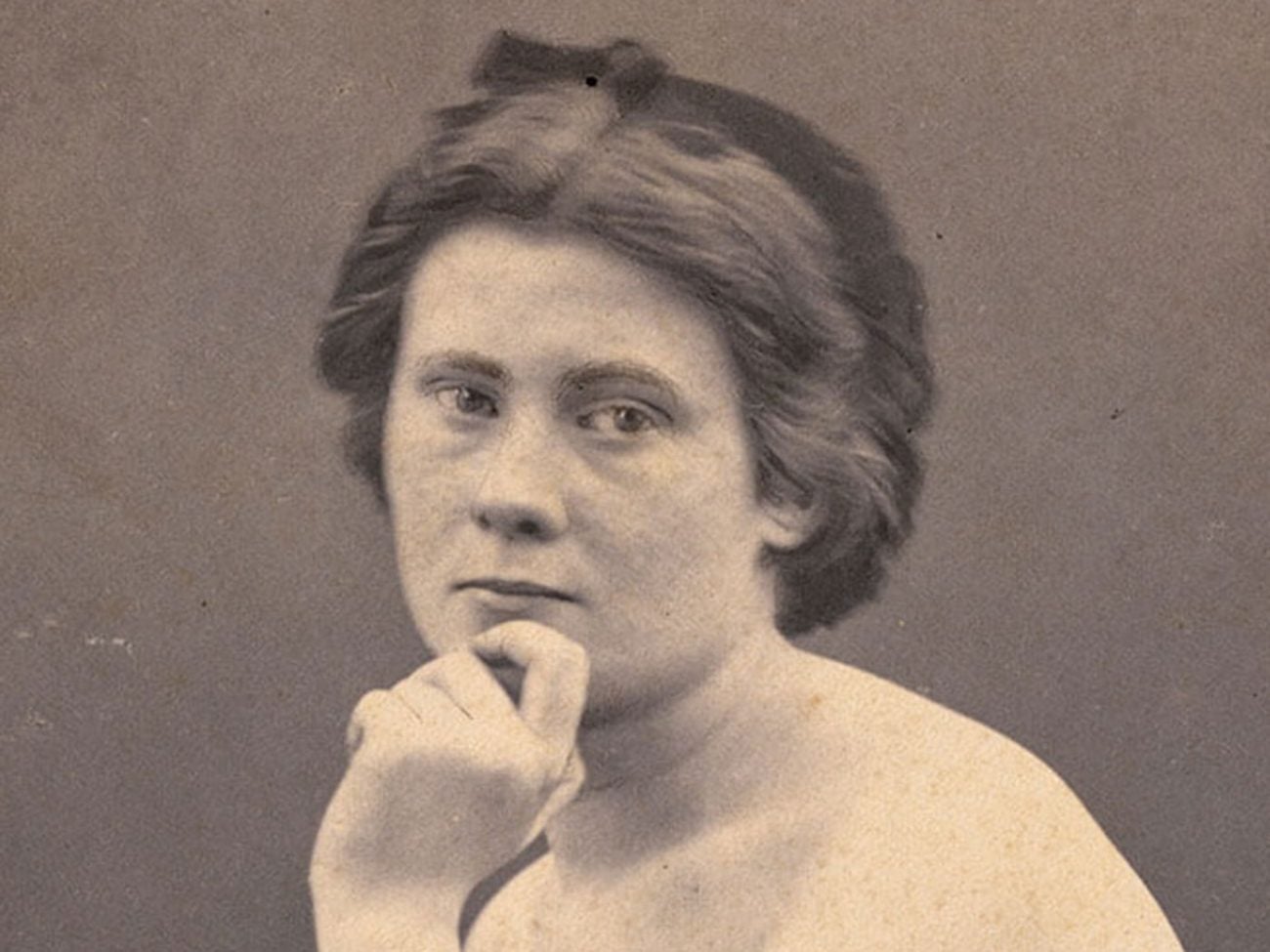
A chance discovery at the Musée de Grenoble has unearthed two previously unknown photographs of Victorine Meurent, the favorite model of Édouard Manet, taken by Gaudenzio Marconi in 1863. Art historian Laure Boyer, while researching a different subject, recognized Meurent in the images and realized they directly served as studies for Manet's iconic paintings *Le Déjeuner sur l'herbe* and *Olympia*. The photographs show Meurent in poses nearly identical to the figures in both works, with only the orientation reversed in one case and facial expressions swapped between the two paintings.

La quinquennale d’art contemporain

This issue of Le Journal des Arts (n°676, May 2, 2026) covers a range of contemporary art news in France and internationally. Headlines include a critical look at the Whitney Biennial's perceived neutrality, the increasing complexity of art taxation in 2025, an interview with Bourges mayor Yann Galut about scaling down the Bourges 2028 project, the unveiling of a contemporary gallery at Angers Cathedral, the abandonment of the Frigos artists' site in Paris, and a profile of auctioneer Hubert L'Huillier.

The Venice Biennale Reaches Full Capacity

La Biennale de Venise fait le plein

The Venice Biennale has reached full capacity, with all exhibition spaces and pavilions fully booked for the upcoming edition. The article reports on the overwhelming demand from participating countries and artists, highlighting the logistical challenges and the record number of national pavilions confirmed for the event.

« Le jardin anglais incarne une vision de la société » : une expo à Versailles explore cette passion de l’Europe des Lumières

The article explores an exhibition at the Grand Trianon in Versailles dedicated to the English garden, a style that emerged in 18th-century Europe as a deliberate contrast to the rigid symmetry of the formal French garden. Curator Élisabeth Maisonnier and museum director Laurent Salomé explain how these gardens, with their winding paths, irregular flowerbeds, and surprise features like grottoes and pagodas, were carefully constructed to imitate and amplify nature's complexity, drawing on influences from antiquity, the Middle Ages, and China.

Museum Night in Paris and Île-de-France: 5 ideas to get off the beaten track

Nuit des musées à Paris et en Île-de-France : 5 idées pour sortir des sentiers battus

The article from Beaux Arts Magazine offers five alternative recommendations for experiencing the Nuit des Musées (Museum Night) in Paris and the Île-de-France region on May 23. Instead of visiting major museums like the Musée d'Orsay or the Grand Palais, readers are guided to lesser-known institutions and unique activities: exploring the craftsmanship of Sèvres porcelain at the Mobilier national, joining a festive dance workshop led by choreographer Wanjiru Kamuyu at the Palais de la Porte-Dorée, creating a collective fresco inspired by Jean Dubuffet at the Parc de l'Île Saint-Germain in Issy-les-Moulineaux, and immersing in the historical atmosphere of 1936 at the Musée de l'Histoire vivante in Montreuil.

« Les artistes sont des fous, des enfants » : rencontre avec Annette Messager au cœur du bric-à-brac poétique de son atelier

French artist Annette Messager, 82, welcomes Beaux Arts Magazine into her Malakoff studio and home ahead of her exhibition at the Musée de la Chasse et de la Nature in Paris. The studio is a chaotic, poetic bric-à-brac filled with hybrid creatures, stuffed toys, anatomical objects, and textile works, including her iconic piece "Les Piques" (1992–1993). Messager, who won the Golden Lion at the Venice Biennale in 2005, discusses her playful yet serious approach to art, describing artists as "mad, like children" who play constantly, sometimes very seriously. Her upcoming shows include presentations at Centre Pompidou Málaga, Galería Albarrán Bourdais in Madrid, the National Taiwan Museum of Fine Arts, and the Kunsthalle Prague.

The Best and Worst of the Stars at the 2026 Met Gala Inspired by Art History

Le meilleur et le pire des stars au Met Gala 2026 inspiré par l’histoire de l’art

On May 4, 2026, the Met Gala brought together 450 guests at the Metropolitan Museum of Art in New York under the theme "Fashion is Art," tied to the exhibition "Costume Art." Attendees were asked to draw inspiration from specific artworks, resulting in standout looks: Madonna channeled Leonora Carrington's "The Temptation of Saint Anthony" (1945) in a Saint Laurent gown, Kim Kardashian wore a custom piece by Allen Jones extending his "Cover Story 4/4" (2021), Hunter Schafer embodied Gustav Klimt's portrait "Mäda Primavesi" (1912-1913) in Prada, and Tessa Thompson referenced Yves Klein's "Anthropométries" in Valentino. Gracie Abrams also paid homage to Klimt's "The Kiss."

Au musée Marmottan Monet, la peinture de Giovanni Segantini hisse la modernité au sommet des Alpes

The Musée Marmottan Monet in Paris is hosting the first retrospective in France of Giovanni Segantini (1858–1899), a major but little-known figure of Symbolism. The exhibition traces his career through the lens of his geographical ascent into the Alps, from his early success with "Ave Maria à la traversée" (1886–1888) to his final triptych "La Vie, La Nature, La Mort," which he was working on when he died at age 41. Segantini's divisionist technique, which Vassily Kandinsky considered a precursor to abstraction, is highlighted as a means of expressing a dematerialized vision of the world.

Gagosian reconstitue une œuvre oubliée de Christo

Gagosian Gallery in London has reconstructed Christo's unrealized 1968 work "Air Package on a Ceiling" for the first time. The installation, measuring 16 by 10 meters, was originally conceived for the Institute of Contemporary Art in Philadelphia but never built due to technical constraints. The maquette and drawings were rediscovered in 2018 by studio manager Lorenza Giovanelli, hidden under a base in Christo's New York studio, and the full-scale work was realized in collaboration with the Christo and Jeanne-Claude Foundation.

Museum Night, Photomobiles… 10 outing ideas for the month of May

Nuit des musées, Photomobiles… 10 idées de sorties à faire au mois de mai

Beaux Arts Magazine presents a curated list of ten cultural outings across France for May 2026, highlighting events such as the Nouveau Printemps festival in Toulouse directed by Rossy de Palma, the Interstice festival in Caen focusing on emerging art and technology, the L'art est dans le pré festival in Troyes featuring contemporary art in rural villages, an immersive installation at the Musée d'Orsay tied to the Renoir exhibition, and the Cœurs-Volants kite festival in Essonne where architecture students create flying artworks. Other suggestions include outdoor art trails, heritage site sports programs, and literary festivals in Épinal and Seine-Maritime.