filter_list Showing 43 results for ""In Minor Keys"" close Clear
search
dashboard All 43 museum exhibitions 30article news 9rate_review review 2article culture 1article policy 1
date_range Range Today This Week This Month All
Subscribe

Sung Tieu on Representing Germany at the 61st Venice Biennale

Sung Tieu, who is co-representing Germany at the 61st Venice Biennale alongside Henrike Naumann, responds to a questionnaire from ArtReview about her plans for the German Pavilion. She describes her inspiration as her mother and childhood home, a site built for foreign contract workers in the GDR that later became a refuge for the diaspora. Tieu states that her work relates to the Biennale theme "In Minor Keys" through the lens of Gehrenseestrasse, a concrete record of collective memory. She also expresses skepticism about the Biennale's importance, noting that the German Pavilion's fascist architecture compels artists to work against it, and that national pavilions reveal how much work remains in undoing nationalism.
At the Venice Biennale, the Armenian Pavilion Transforms into an Artist's Workshop: Works Are Born in Front of the Public

Alla Biennale di Venezia il Padiglione dell’Armenia si trasforma in bottega d’artista: le opere nascono di fronte al pubblico

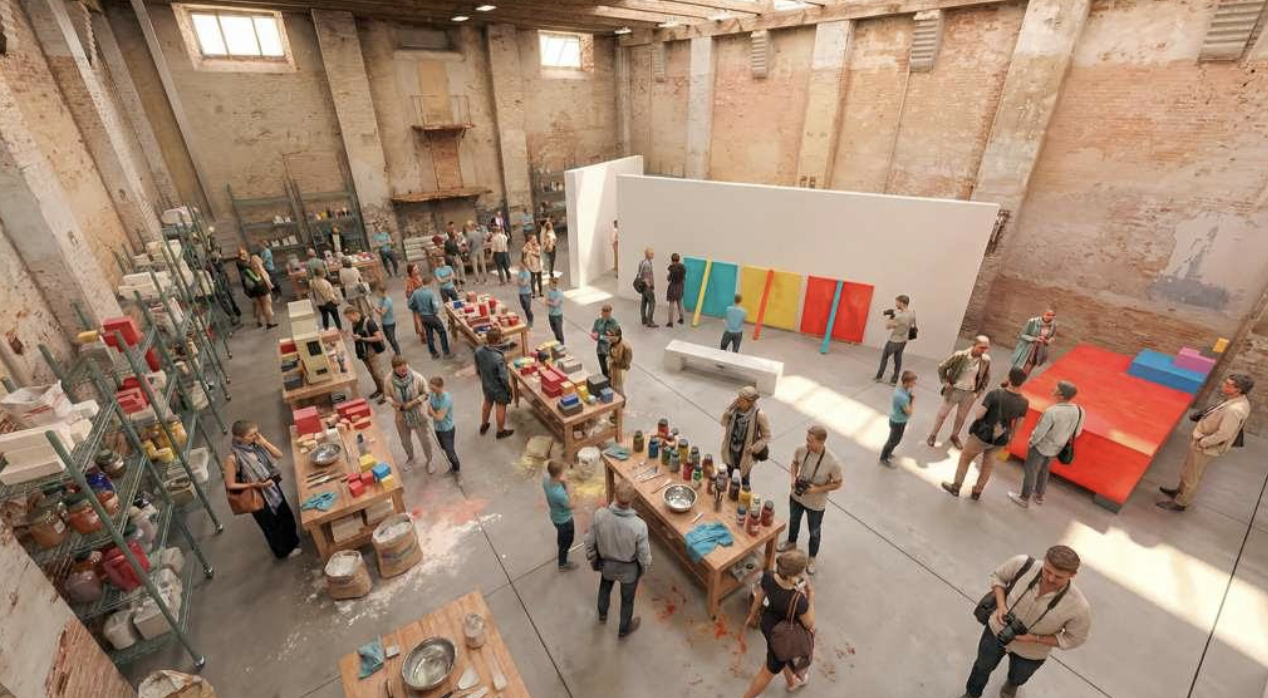
The Armenian Pavilion at the 2026 Venice Biennale will transform into a functioning artist's studio, where sculptor Zadik Zadikian will create works in real time before the public. Titled "The Studio," the project is curated by gallerist Tony Shafrazi and curator Tina Chakarian, and will operate daily from May 6 to November 22 at the Tesa 41 of the Arsenale. Zadikian, born in Yerevan in 1948 and now based in the US, will work with traditional Armenian plaster techniques alongside his son Aram and studio assistants, emphasizing the process of making over the finished object.

The Biennale releases the rules for voting on the Visitors' Lions while many artists and pavilions renounce competing for the prizes

La Biennale diffonde il regolamento per votare i Leoni dei Visitatori mentre molti artisti e padiglioni rinunciano a concorrere ai premi

The 61st Venice Biennale has opened to the public, introducing a controversial new voting system for the Golden Lions. After the entire jury resigned en masse on April 30, the Biennale decided to let the public decide the winners of the so-called "Leoni dei Visitatori" (Visitors' Lions). Voting is open from May 9 to November 22, 2026, and requires ticket holders to visit both main venues (Giardini and Arsenale) to receive a voting link. One vote per person is allowed for each of two categories: an artist in the main international exhibition "In Minor Keys" curated by Koyo Kouoh, and a national pavilion.

The 2026 Venice Biennale is light and conscious

Quella del 2026 è una Biennale di Venezia leggera e consapevole

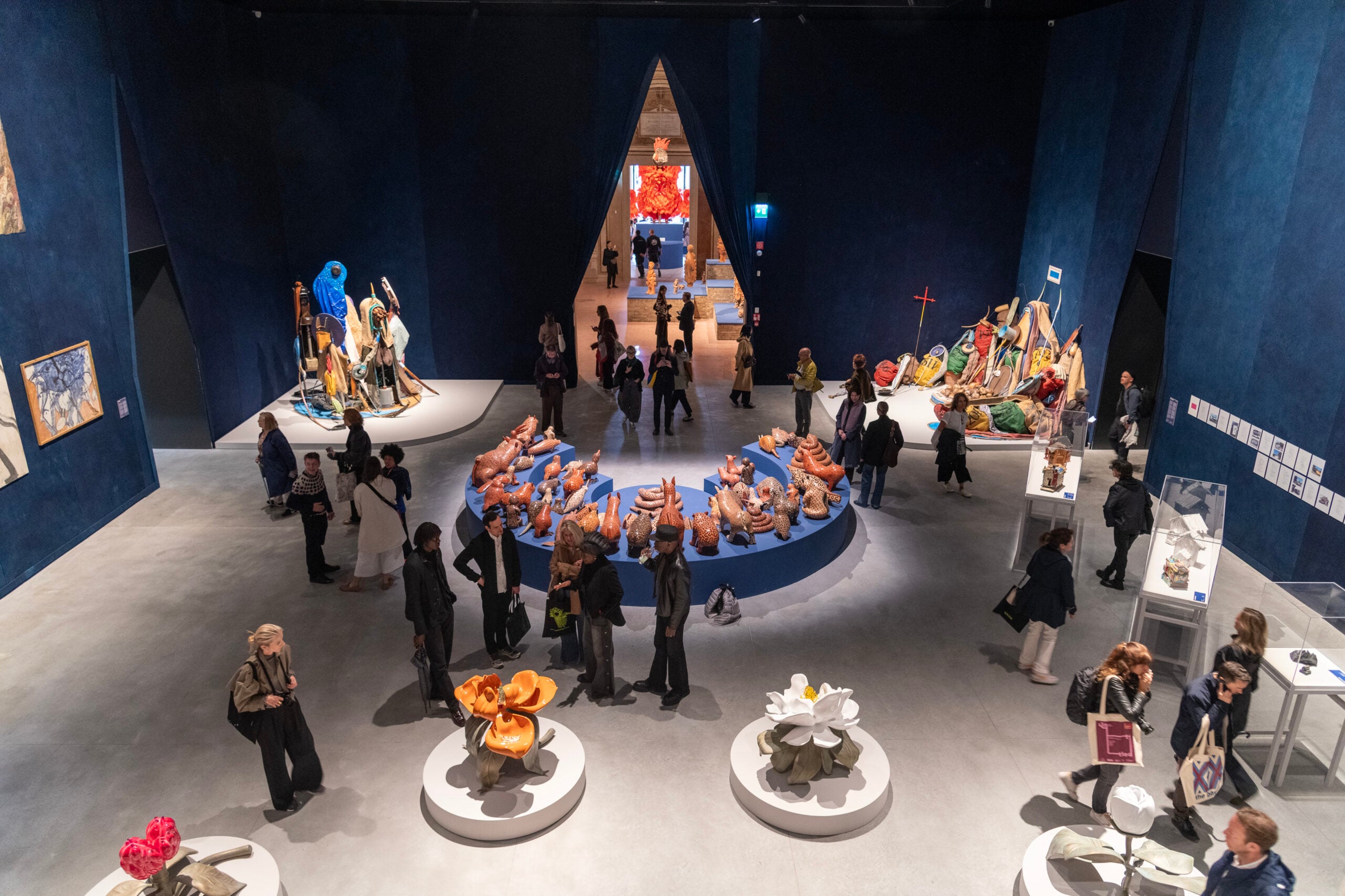
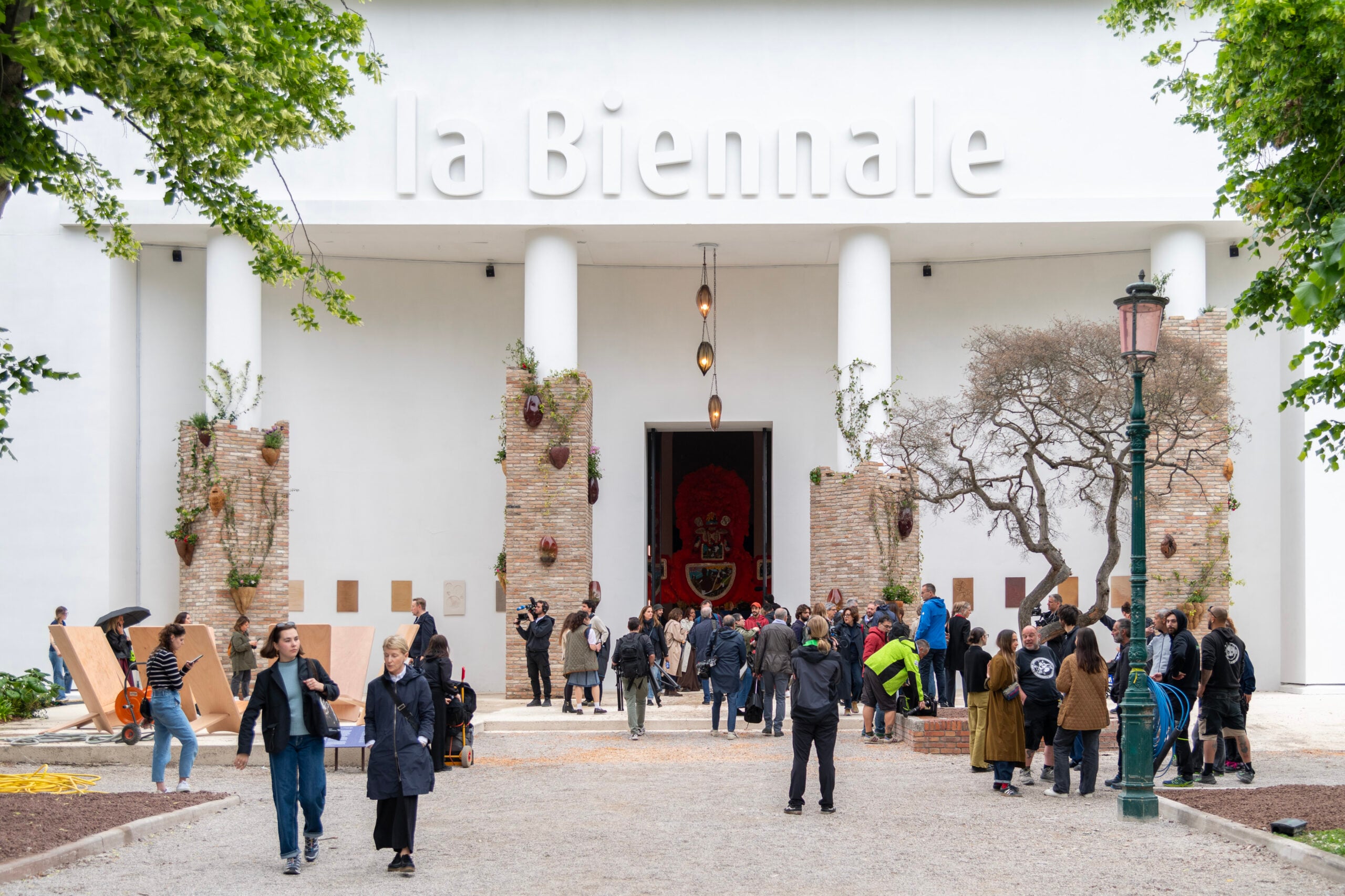
The 2026 Venice Biennale, titled "In Minor Keys" and curated by the late Koyo Kouoh, has opened with a focus on ecology and humanity's relationship with nature. The central pavilion at the Giardini presents a festive, craft-heavy exhibition that emphasizes connections with plants and animals, while the Arsenale offers a more spacious, symphonic experience featuring standout works such as Alfredo Jaar's "End of the World" (2023-2024) and Kader Attia's "Whisper of Traces" (2026). National pavilions, including those of Austria, Denmark, France, Germany, and Spain, explore themes of the body, memory, and ruin with notable installations.

What is the international exhibition of the Venice Biennale like? Review of "In minor keys" by Koyo Kouoh

Com’è la mostra internazionale della Biennale di Venezia? Recensione di “In minor keys” di Koyo Kouoh

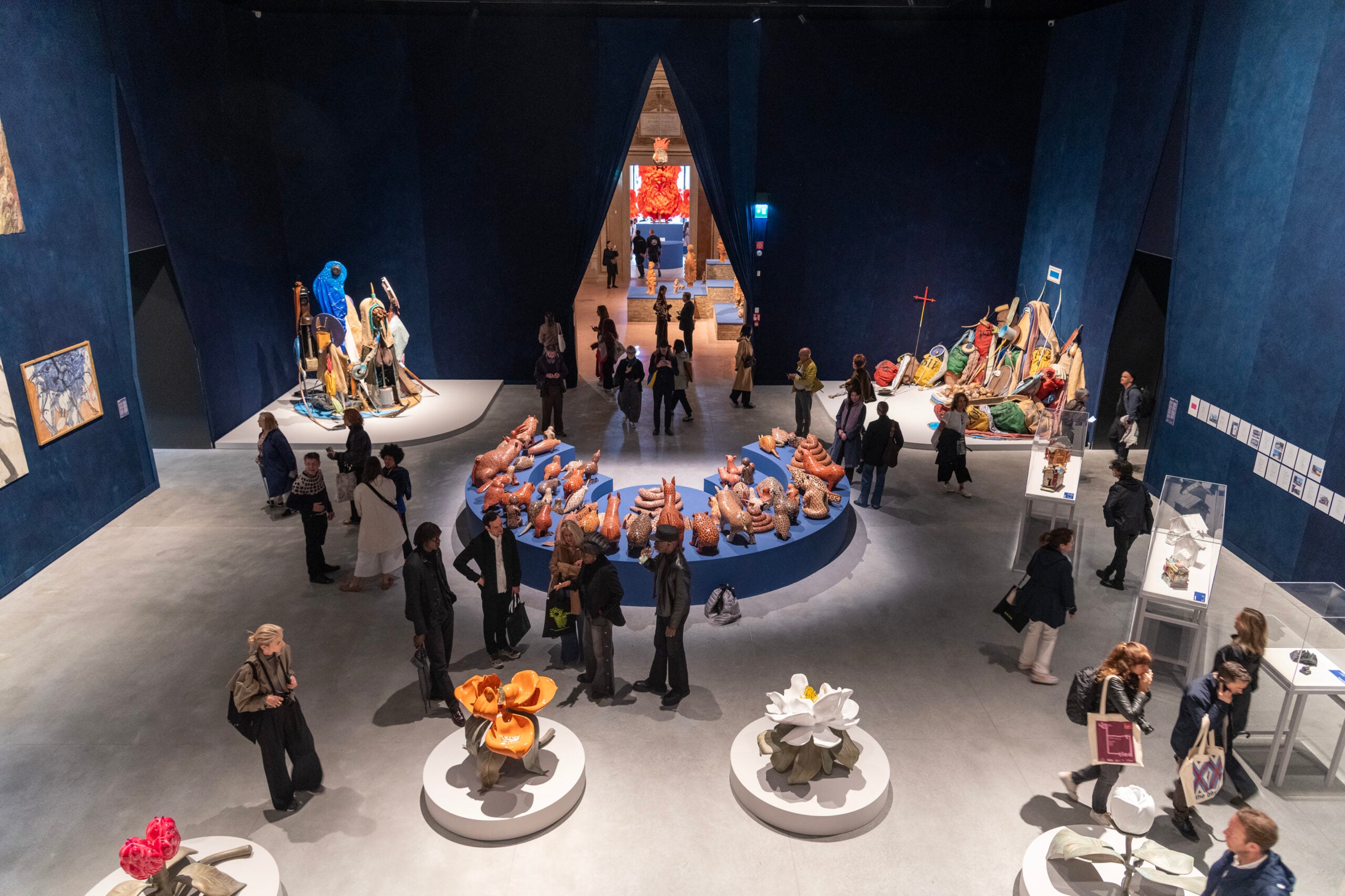
The 2026 Venice Biennale, titled "In minor keys" and curated by the late Koyo Kouoh, opens to the public on May 9 amid controversies including the absence of the president's name in the colophon at the Arsenale entrance. The exhibition, organized by Kouoh's team (Rory Tsapayi, Siddharta Mitter, Marie Helene Pereira, Gabe Beckhurst Feijoo, and Rasha Salty), unfolds across the Giardini and the Arsenale's Corderie, featuring works that balance strength and beauty with a harmonious mix of voices and themes. The Giardini section is particularly compelling, with a non-linear, polycentric layout that feels like a living organism, while the Arsenale offers further depth.

What Biennials Reveal About the Art World

Ben Davis and Jo Lawson-Tancred of Artnet News have published complementary projects analyzing global art biennials. Davis compiled data from major biennials including Istanbul, Gwangju, São Paulo, Sharjah, and Venice over the past four years, tracking which artists have been shown most frequently worldwide since the 2022 Venice Biennale. Lawson-Tancred examined the upcoming Venice Biennale, titled "In Minor Keys" and curated by the late Koyo Kouoh, comparing the demographics of its artists to previous editions to trace shifts in the global art conversation.

Endre Koronczi on Representing Hungary at the 61st Venice Biennale

Endre Koronczi, the artist representing Hungary at the 61st Venice Biennale (2026), discusses his upcoming exhibition in the Giardini pavilion. His project, titled "Pneuma Cosmic," explores the movement of air as both a physical and metaphysical phenomenon, drawing on decades of research into invisible forces like wind and breath. The exhibition also references his long-term experimental zone, Ploubuter Park, inspired by drifting plastic bags. Koronczi notes a strong resonance with the Biennale's curatorial theme, "In Minor Keys" by Koyo Kouoh, describing it as a "cosmic zeitgeist."

Venice Biennale in crisis: The controversies explained

The Venice Art Biennale's official awards ceremony, scheduled for May 9, has been canceled after the entire five-member jury resigned days before the event. The jury had previously announced they would not consider countries whose leaders face International Criminal Court charges, directly impacting Russia and Israel. Instead of jury-selected prizes, visitors will vote throughout the Biennale's run, with "Visitor Lions" awarded on November 22. The event, running from May 9 to November 22, features 100 national participations, including seven first-time countries, and a posthumous main exhibition titled "In Minor Keys" curated by the late Koyo Kouoh, the first African woman to lead the show. Iran withdrew on May 4 amid Middle East tensions, while Russia's return to the Biennale in 2026 has sparked EU threats to cut funding.

Interview to discover Theo Eshetu, the only Italian artist at the 2026 Venice Biennale

Intervista per scoprire Theo Eshetu, unico artista italiano alla Biennale di Venezia 2026

Theo Eshetu (London, 1958), the only Italian artist invited to the central exhibition "In Minor Keys" of the 2026 Venice Biennale curated by Koyo Kouoh, is profiled in an interview. Born to an Ethiopian father and Dutch mother, Eshetu trained in the Netherlands and London before settling in Rome in the early 1980s. He discusses his cosmopolitan background, his early struggles with belonging, and how he transformed that into artistic strength. The interview covers his career, his memories of the Roman art scene in the 1980s and 1990s, and his current work presented at the Biennale, including the piece "The Return of the Axum Obelisk" (2010).

Cannes 2026 Dispatch, Part 1: Breaking False Unities

On May 8, during the pre-opening of the Venice Biennale, the independent collective ANGA (Art Not Genocide Alliance) organized a strike protesting genocide and precarity in the art world. Pro-Palestinian activists entered the Arsenale, where part of the exhibition "In Minor Keys" curated by the late Koyo Kouoh was installed, and hung posters on artworks calling for the liberation of Palestine and denouncing what they described as the Biennale's "art-washing" of Israel's reputation. The disruption blurred the line between activist intervention and the exhibition itself, as many works already addressed Palestine directly, including a poem by Refaat Alareer placed at the entrance.

Hong Kong wows the crowds to sleep at the 2026 Venice Biennale

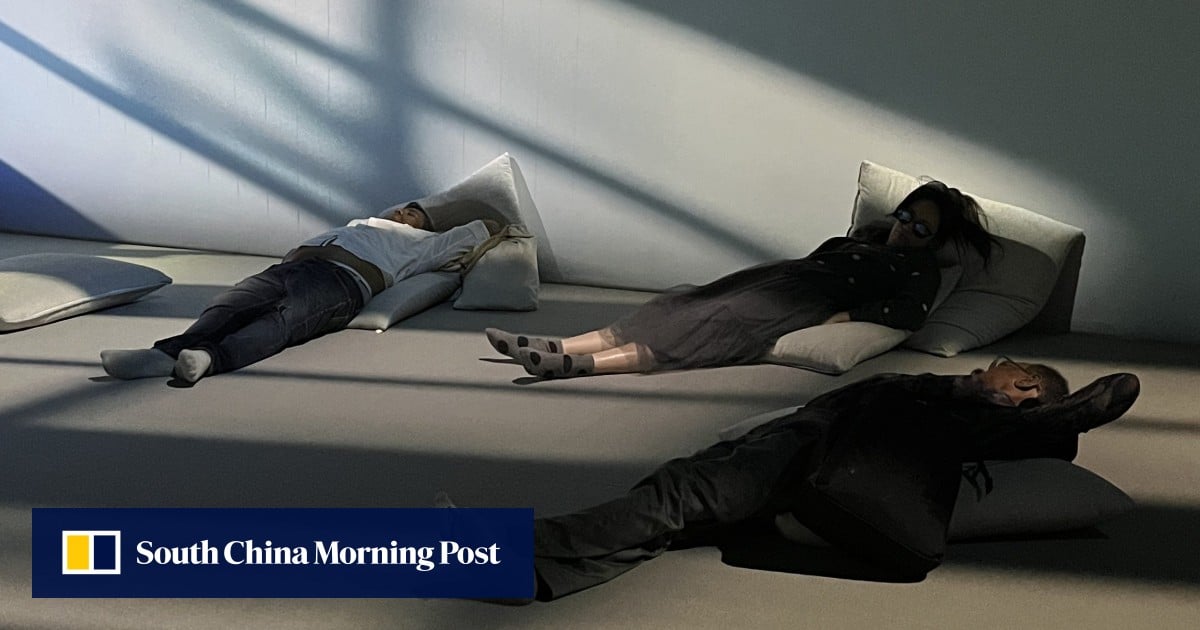
The 2026 Venice Biennale, titled "In Minor Keys" by its late artistic director Koyo Kouoh, has been marked by loud protests and urgent environmental alarms, notably at Florentina Holzinger's Austria pavilion. Amid this chaos, the Hong Kong collateral exhibition "Fermata" at Campo della Tana offers a quiet counterpoint, featuring Kingsley Ng Siu-king's installation *Laundry Nocturne (2026)*, a rest lounge with padded floors and cushions that has caused visitors to doze off. The exhibition follows Kouoh's curatorial vision of creating space for silenced voices and convivial collectivity.

Two Visitors’ Lions have been established for the Biennale Arte 2026

La Biennale di Venezia has announced the establishment of two Visitors' Lions for the 61st International Art Exhibition, following the resignation of the International Jury appointed by curator Koyo Kouoh. The awards ceremony, originally scheduled for May 9, has been moved to November 22, the final public day, echoing a similar shift during the 2021 Architecture Exhibition due to COVID-19. The Visitors' Lions will be voted on by ticket holders who visit both exhibition venues between May 9 and November 22, with one award for the Best Participant in the exhibition "In Minor Keys" by Koyo Kouoh and another for the Best National Participation.

Jury of the Venice Biennial resigns, Russia and Israel return to Award Contention

The five-member international jury of the 61st Venice Biennale, led by Brazilian curator Solange Farkas, has resigned effective April 30, 2026. The jury—comprising Solange Oliveira Farkas, Zoe Butt, Elvira Dyangani Ose, Marta Kuzma, and Giovanna Zapperi—announced their resignation in a written statement, referencing a prior Statement of Intention issued on April 22. In response, La Biennale di Venezia postponed the Awards Ceremony from May 9 to November 22, the final public day, and introduced two new "Visitors' Lions" awards—one for the Best Participant in the main exhibition "In Minor Keys" by Koyo Kouoh, and one for the Best National Participation—to be decided by ticket-holder vote.