filter_list Showing 97 results for "Austria" close Clear
search
dashboard All 97 museum exhibitions 52article news 19candle obituary 13rate_review review 5article culture 5article local 1gavel restitution 1trending_up market 1
date_range Range Today This Week This Month All
Subscribe

À New York, le Metropolitan Museum of Art absorbe la Neue Galerie et sa collection de Klimt, Schiele, Kokoschka…

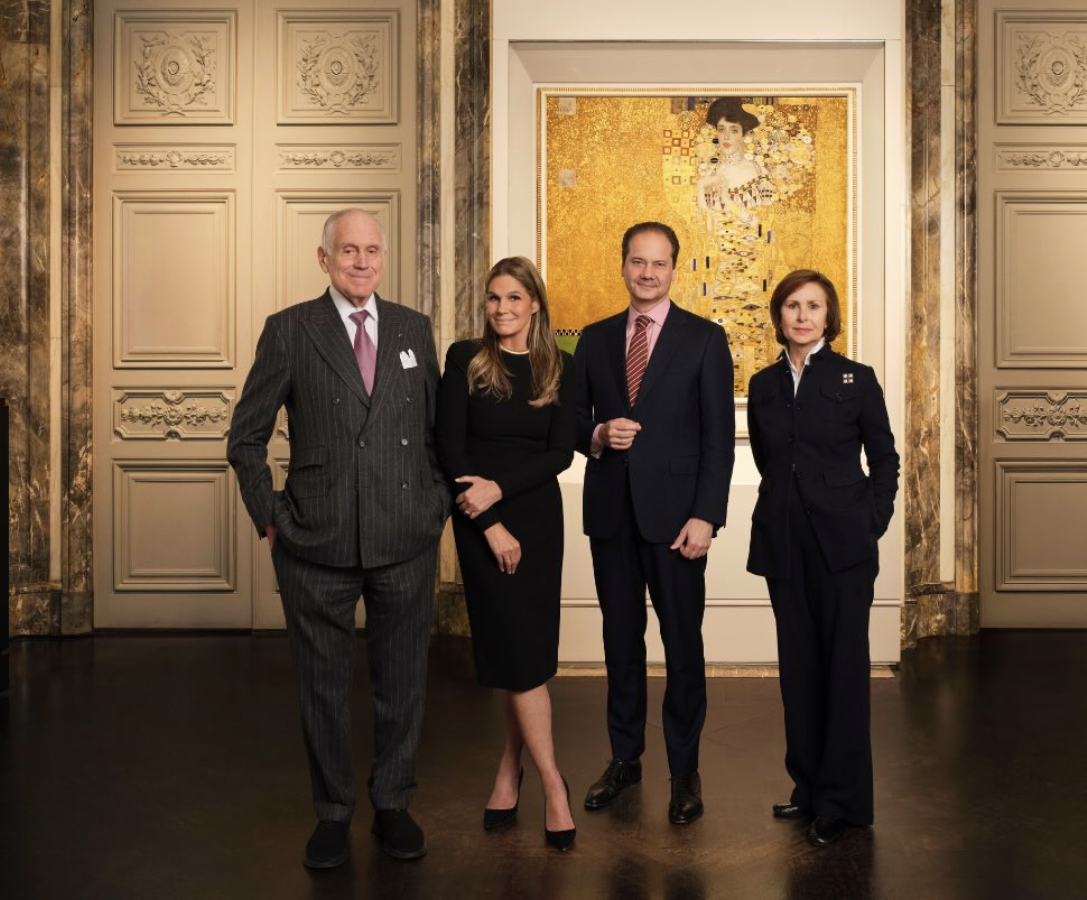
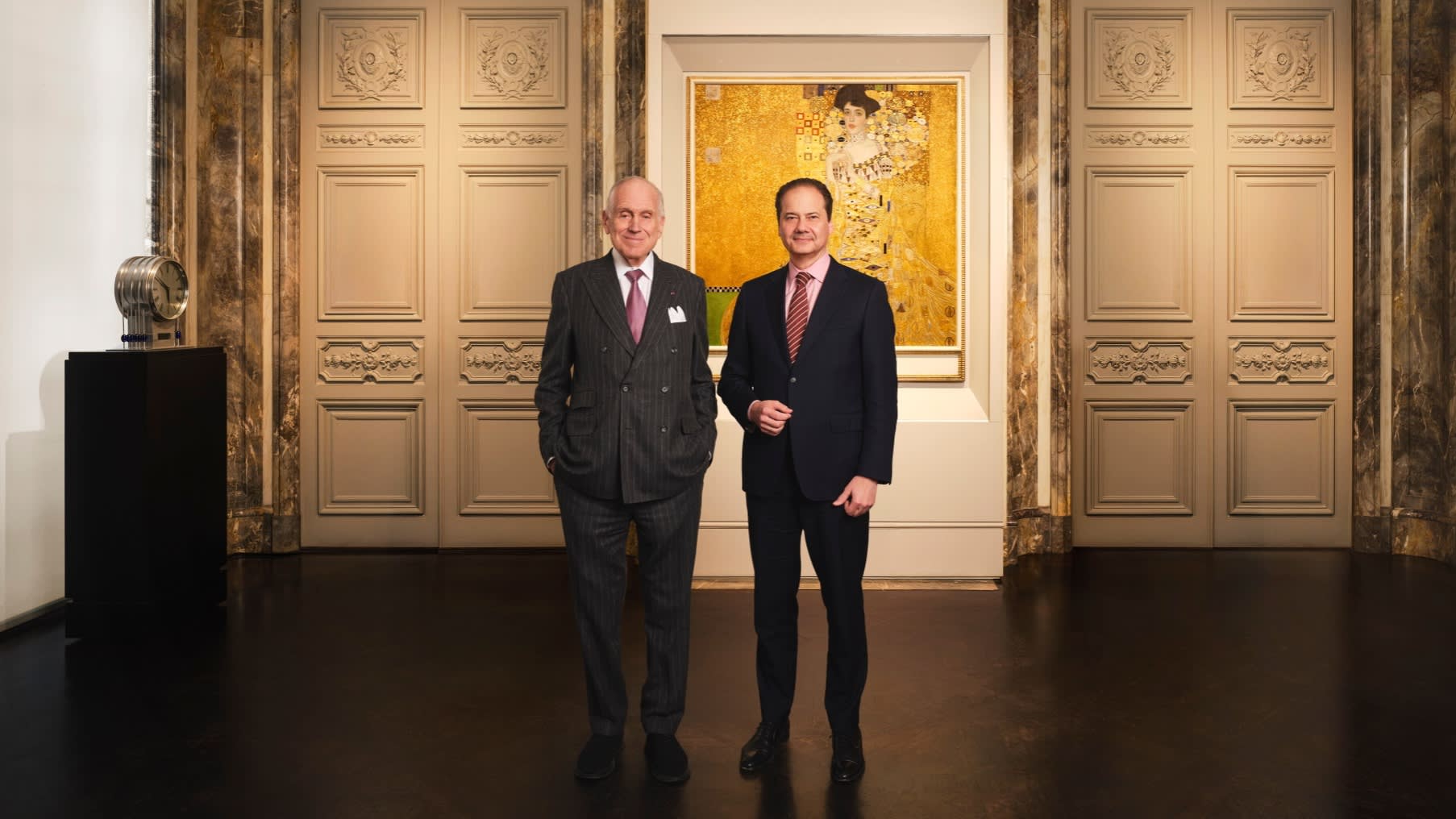
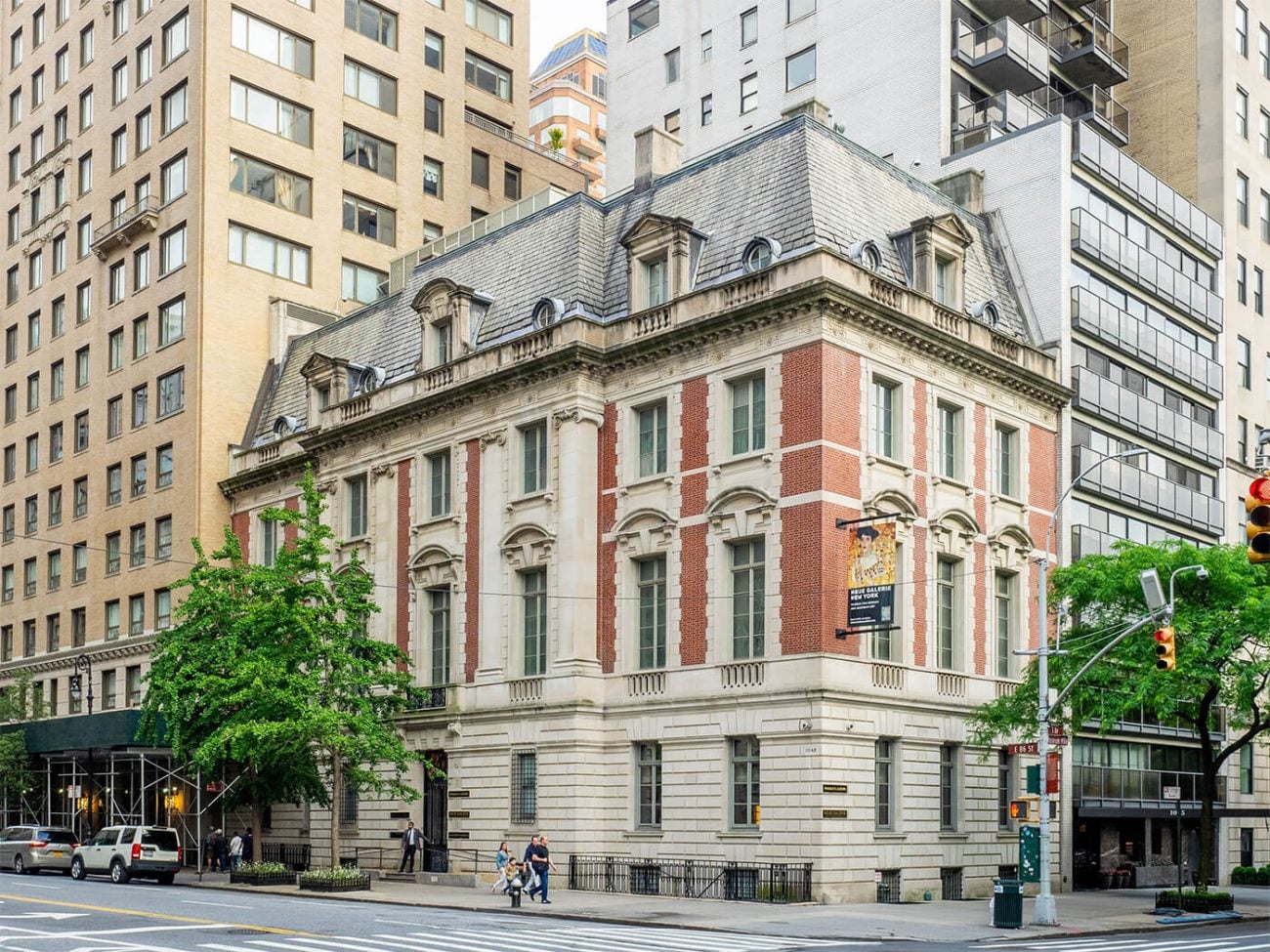
On May 14, the Metropolitan Museum of Art and the Neue Galerie in New York announced a historic merger set for 2028. The Neue Galerie, founded in 2001 by billionaire Ronald Lauder in a Fifth Avenue mansion, will become part of the Met under the name The Met Ronald S. Lauder Neue Galerie, modeled after the Met's Cloisters. The transfer includes the historic building and a collection of 600 works valued at over $1.5 billion, featuring artists such as Gustav Klimt, Egon Schiele, Ludwig Kirchner, Max Beckmann, and Oskar Kokoschka. Lauder and his daughter Aerin Lauder Zinterhofer are also donating thirteen works from their personal collection, and a $200 million endowment fund has been established.

« À qui appartiennent ces œuvres ? » : le destin des biens culturels spoliés par les nazis au cœur d’un nouvel espace au musée d’Orsay

On May 5, the Musée d'Orsay in Paris inaugurated a new dedicated space in the Pavillon Amont for artworks looted during World War II that remain unclaimed by their owners or heirs. The room, titled "À qui appartiennent ces œuvres ?" ("Who owns these works?"), features thirteen pieces including sculptures by Auguste Rodin and paintings by Auguste Renoir, Edgar Degas, and Eugène Boudin. These represent a fraction of the museum's 225 MNR (Musées nationaux récupération) holdings, part of a national legacy of approximately 2,000 looted works still held in French museums.

Venice Biennale 2026: What are the major trends that will mark the 99 national pavilions?

Biennale de Venise 2026 : quelles sont les grandes tendances qui vont marquer les 99 pavillons nationaux ?

The article previews the 2026 Venice Biennale, highlighting key trends across its 99 national pavilions. Major themes include the hybridization of theater, dance, and performance, particularly in pavilions from Austria, Luxembourg, Belgium, and Lithuania, where artists like Florentina Holzinger, Aline Bouvy, Miet Warlop, and Eglė Budvytytė use radical, body-centric works. Geopolitical engagement is also central, with the Ukrainian pavilion featuring Zhanna Kadyrova's work on resistance and the British pavilion exploring themes of exile and migration. Other notable pavilions include Spain's focus on imagery, a sound installation for the Vatican, a polyphonic piece for Romania, and a film on sign language song for Poland.

Artist Valie Export, Who Saw Right Through the Male Gaze, Dies at 85

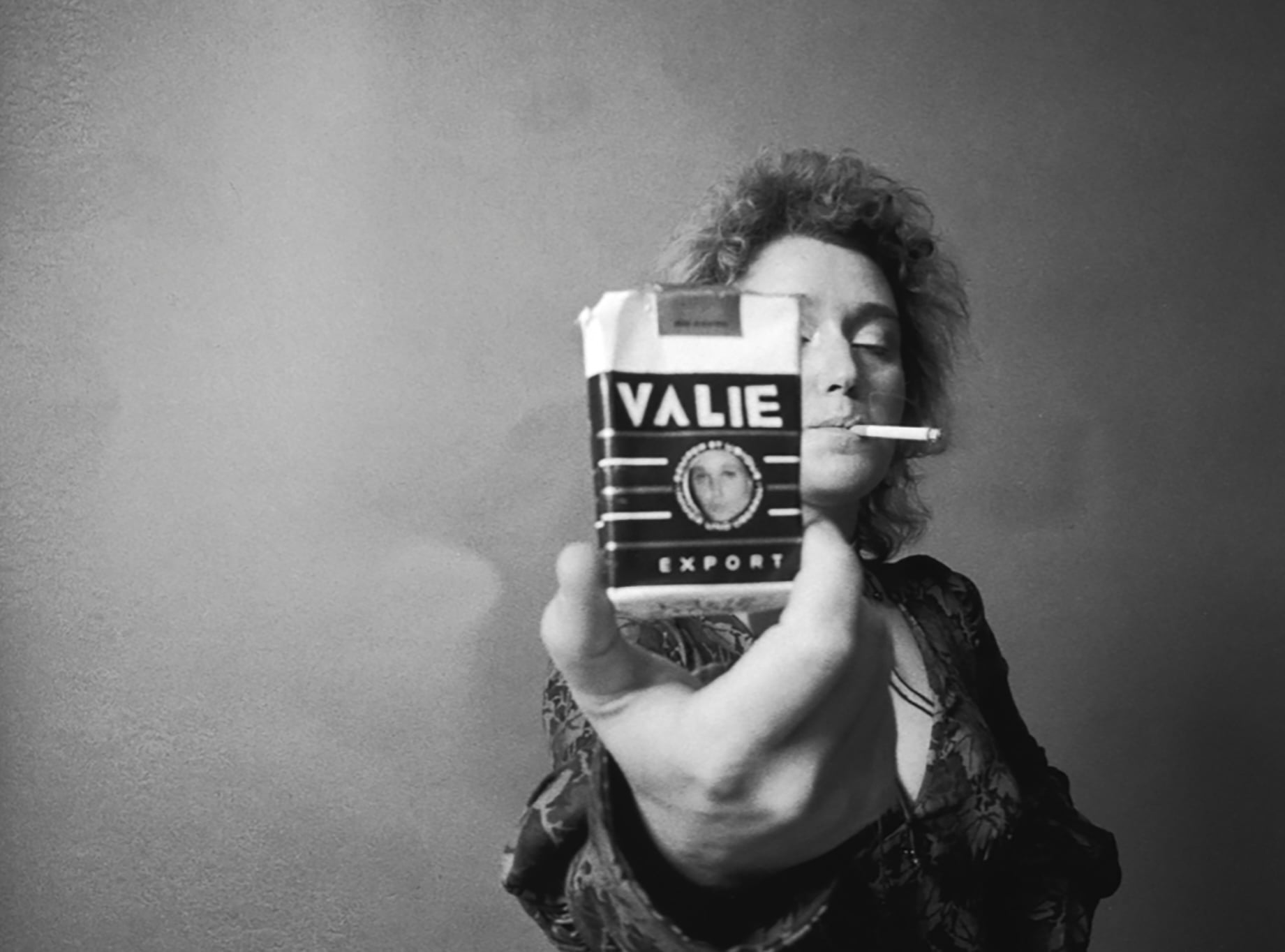
Austrian artist Valie Export, a pioneering feminist performance and media artist, died on May 14, three days before her 86th birthday. Her death was confirmed by Thaddaeus Ropac Gallery. Export, born Waltraud Lehner in 1940, rejected traditional domestic roles and adopted her iconic all-uppercase name from a cigarette brand. She created guerrilla-style performances and films that directly confronted the male gaze and patriarchal society, often using her own body as a medium. Key works include “Genital Panic” (1968), in which she walked through a Munich cinema in crotchless pants, and “Tapp und Tastkino (Tap and Touch Cinema)” (1968), where she invited strangers to touch her bare breasts through a stage strapped to her chest.

Best in Show: 6 Standouts at the 2026 Venice Biennale

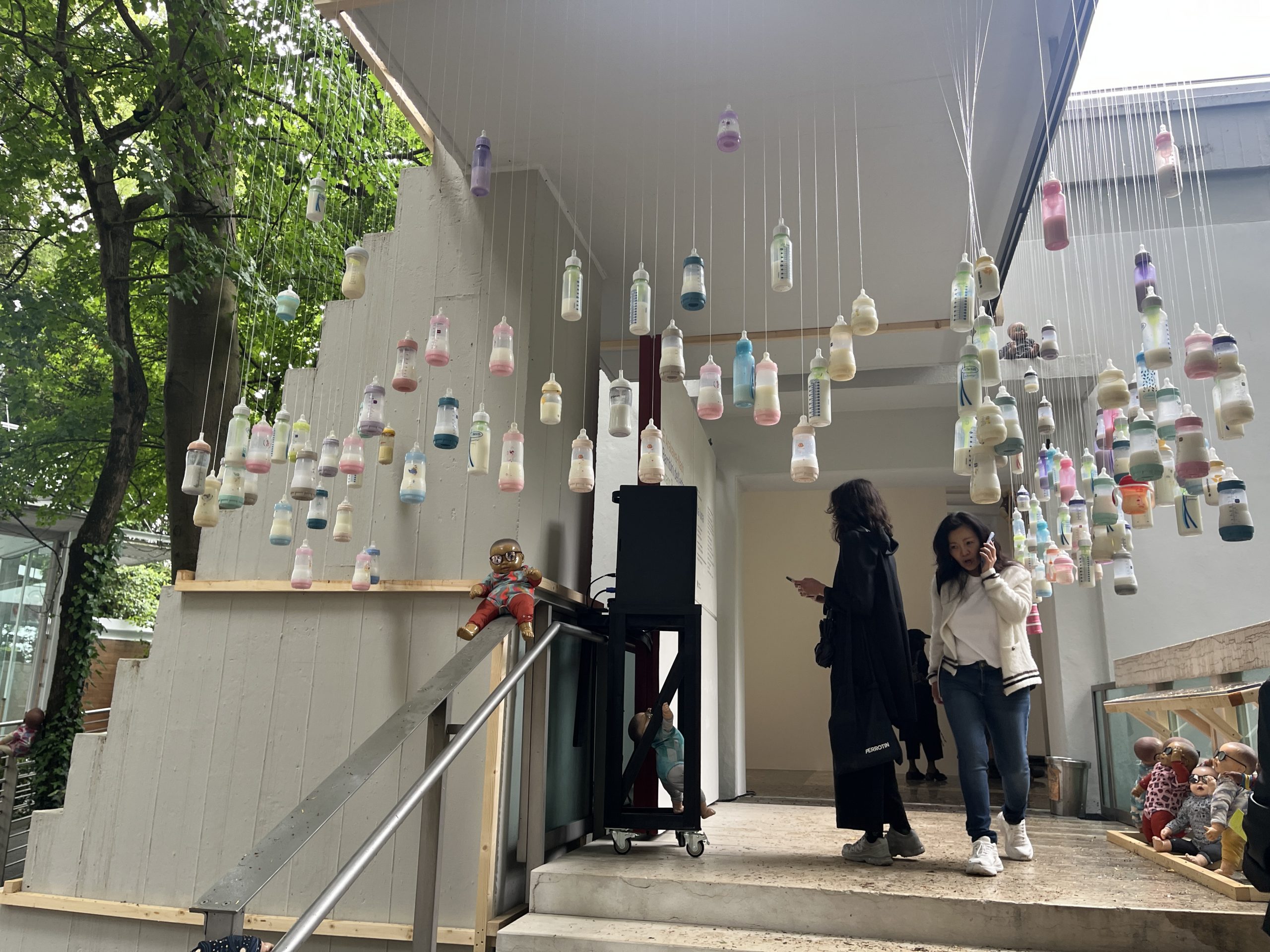
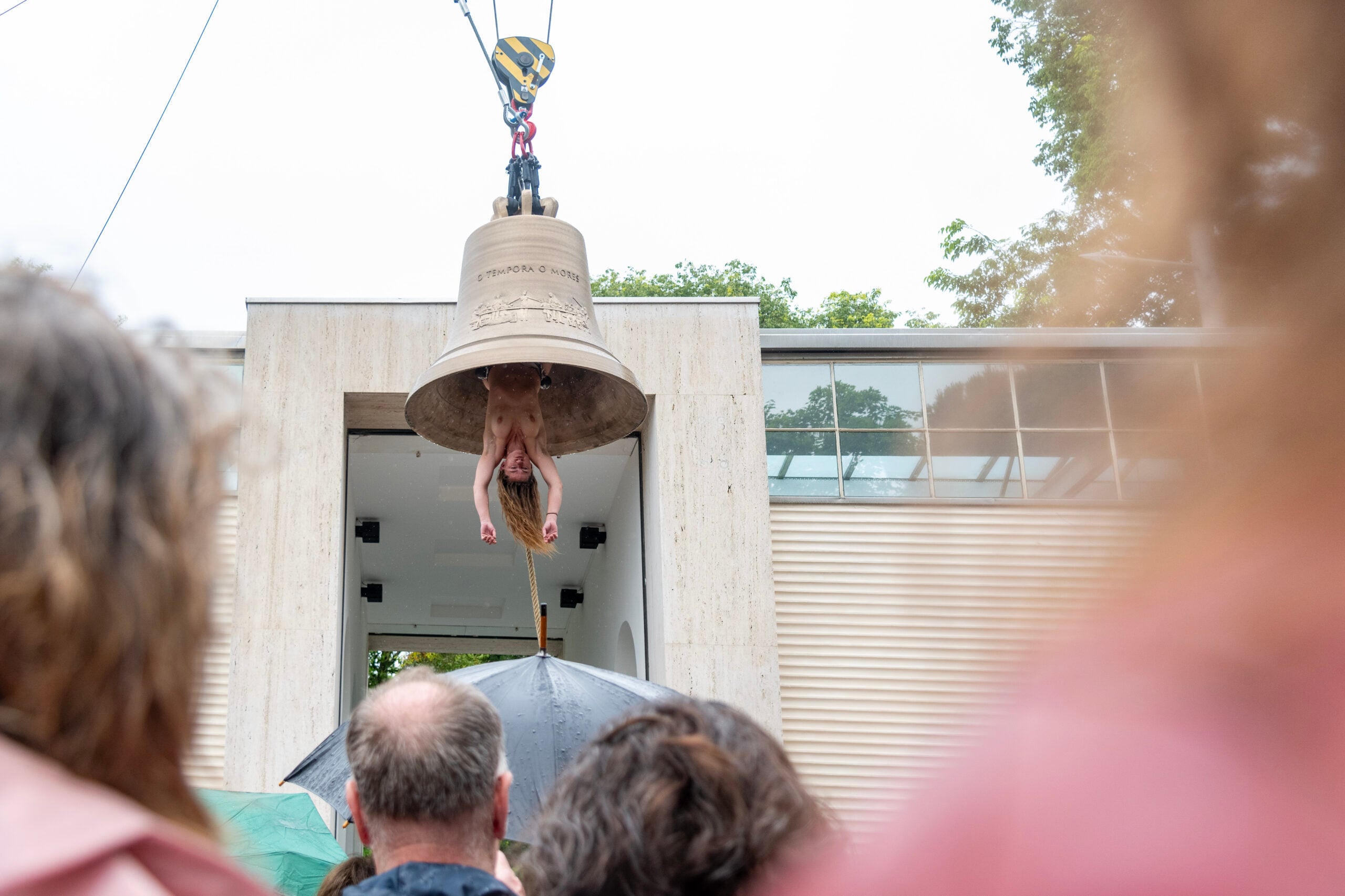
Artnet News writers highlight six standout exhibitions at the 2026 Venice Biennale, which opens to the public on May 9. Among the picks are Ei Arakawa-Nash's interactive installation "Grass Babies, Moon Babies" at the Japan Pavilion, featuring baby dolls and diaper-changing stations; Florentina Holzinger's provocative performance "Seaworld Venice" at the Austria Pavilion, involving nude performers, jet skis, and recycled wastewater; and Dayanita Singh's photographic exhibition "Archivio" at the State Archives of Venice, presenting intimate black-and-white images arranged as freestanding columns.

Numerous Venice Biennale Pavilions and Artists Go on Strike in Protest over Israel’s Participation

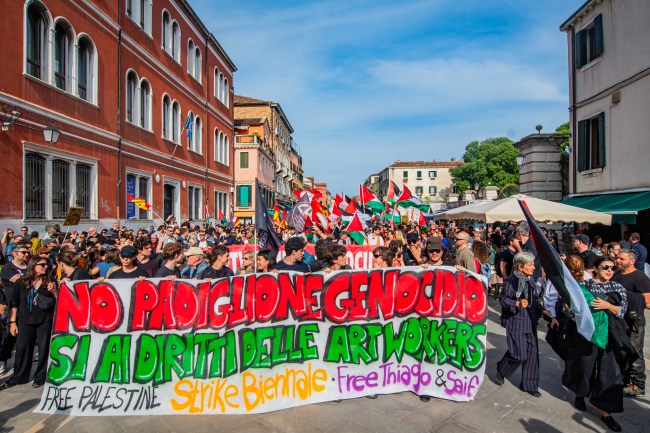
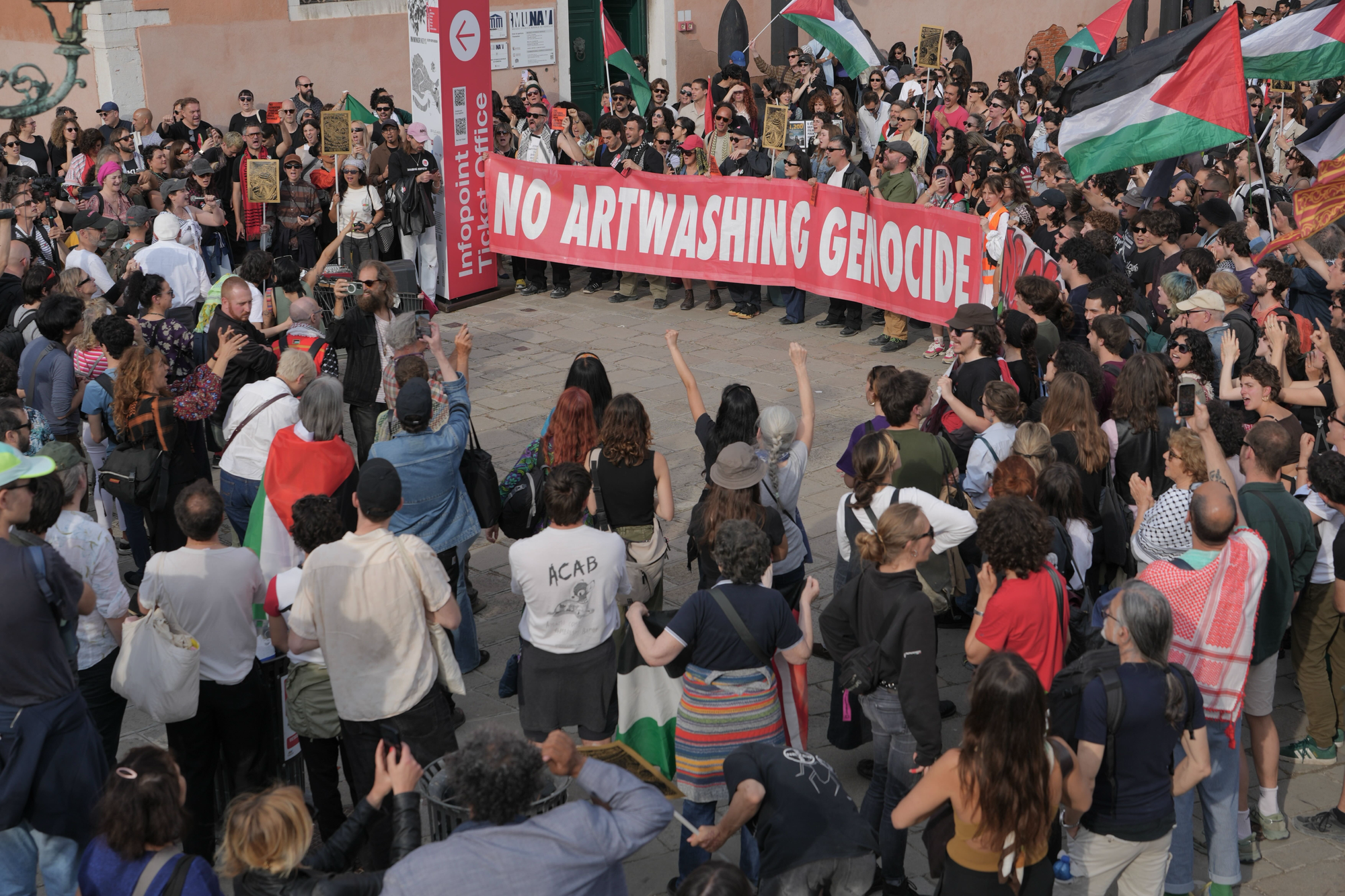
Thousands of protesters marched through Venice on the eve of the Venice Biennale's public opening, organized by Art Not Genocide Alliance (ANGA), to demand Israel's exclusion from the event. At least 18 national pavilions—including Austria, Belgium, France, Great Britain, and Ukraine—participated in a 24-hour strike, shutting down completely or partially. Protesters chanted slogans, waved Palestinian flags, and carried banners reading "no genocide pavilions," while ANGA released a statement with 236 signatories calling for Israel's removal, citing the humanitarian crisis in Gaza.

A New York il Metropolitan museum ingloba la Neue Galerie: ovvero la più importante collezione d’arte austriaca e tedesca fuori dall’Europa

The Metropolitan Museum of Art and the Neue Galerie in New York have announced a merger set for 2028. The Neue Galerie, founded by collector Ronald S. Lauder, will become The Met Ronald S. Lauder Neue Galerie, absorbing the most significant collection of early 20th-century Austrian and German art outside Europe, including Gustav Klimt's "Portrait of Adele Bloch-Bauer I." Lauder and his daughter Aerin Lauder Zinterhofer will donate thirteen major works from their private collection, and a fundraising campaign has been launched to support the integration.

VALIE EXPORT, icon of feminist art who placed the body at the center of her research, has died

È morta VALIE EXPORT, icona dell’arte femminista che ha messo il corpo al centro della sua ricerca

VALIE EXPORT, the Austrian artist and feminist icon known for using her body as a political and artistic tool, has died in Vienna at age 85. Born in Linz in 1940, she changed her name in 1967 and became a pioneer of performance, film, and media art, creating provocative works such as "Tapp-und Tastkino" (1968), where she turned her body into a touchable cinema screen, and "Aktionshose: Genitalpanik" (1969). Her career spanned over six decades, and she taught at institutions including the University of Wisconsin and the Berlin University of the Arts. In 2023, the Albertina Museum in Vienna held a major retrospective of her work.

The best and worst we saw at the Venice Art Biennale 2026. Artribune's hits and flops

Il meglio e il peggio che abbiamo visto alla Biennale d’Arte di Venezia 2026. Top e flop di Artribune

The 61st Venice Biennale, titled "In Minor Keys" and directed by Koyo Kouoh, opened amid significant turmoil: the death of a newly appointed curator, diplomatic tensions over the presence of Russia and Israel, political protests, and the unprecedented collective resignation of the jury, which led to the Golden Lions being awarded by public vote for the first time. Despite this chaotic backdrop, the exhibition—featuring a record 100 national pavilions—has been widely praised for avoiding moralistic pedagogy and instead embracing visual seduction, formal quality, and sensory joy while addressing themes of identity, memory, colonialism, ecological crisis, and violence. The article highlights top and flop moments from the opening week, including strong showings by Biennale president Pietrangelo Buttafuoco and a standout exhibition at Fondazione Prada.

Venice Biennale 2026 Collateral Events Six Of The Best – Nico Kos Earle

The 61st Venice Biennale is described as the most contested and chaotic in recent history, marked by the absence of a curator following the death of Koyo Kouoh and overshadowed by global conflicts that made presentations in national pavilions fraught with difficulty. Amid this turmoil, standout collateral events include Michael Armitage's exhibition 'The Promise of Change' at Palazzo Grassi, curated by Jean-Marie Gallais and Hans-Ulrich Obrist, which uses softly painted scenes to address sociopolitical tensions and post-colonial identity. Another highlight is The Holy See Pavilion, curated by Hans Ulrich Obrist and Ben Vickers, featuring a sonic prayer by Soundwalk Collective with contributions from contemporary composers including Patti Smith.

Michael Garner Explores Truth, Systems & Constructed Reality

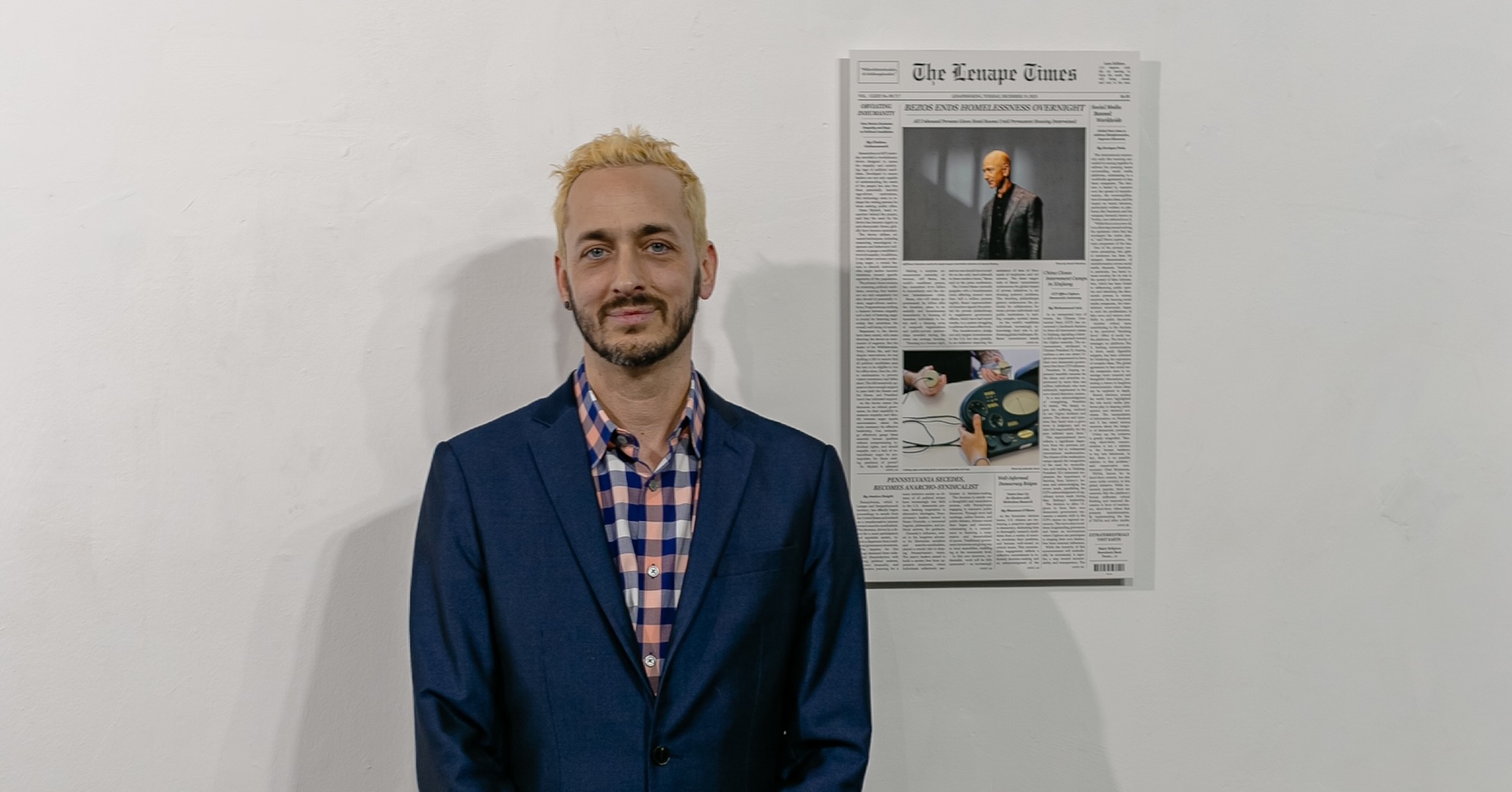
Michael Garner, an artist with a background spanning social science and intelligence work, creates immersive works that blend science, espionage, philosophy, and absurdity. His recent exhibitions include a show at the Bomb Factory Art Foundation featuring a vending machine dispensing mock classified information, and a presentation at the Austrian Cultural Forum London exploring his newly acquired Austrian citizenship through neural pathway paintings in the colors of the Austrian flag.

What not to miss at the 2026 Venice Biennale

The article highlights five standout pavilions and installations at the 2026 Venice Biennale. Florentina Holzinger's Austrian pavilion features extreme, nude performances including a woman submerged in a urine-purified tank, drawing police attention. Sanya Kantarovsky presents eerie paintings and a Murano glass sculpture in a historic palazzo. Gabrielle Goliath's 'Elegy'—a hypnotic mourning performance for women killed in violence—was banned by South Africa but staged with London's Ibraaz. Carrie Schneider's 1.5km photographic curl in the Arsenale references Chris Marker's 'La Jetée'. Lydia Ourahmane's delicate sculptural show uses materials sourced from Venice, including a bead curtain made by inmates.

Tourist Damages Florence’s Neptune Fountain in Pre-Wedding Stunt

A 28-year-old tourist in Florence climbed the Neptune Fountain in Piazza della Signoria and caused €5,000 ($5,800) in damage while attempting to touch the statue's genitals as part of a pre-wedding challenge. Police intervened, and specialists from the Fabbrica di Palazzo Vecchio later found damage to a horse's legs and a frieze. The woman has been reported to judicial authorities but is presumed innocent until a verdict.

Several Venice Biennale pavilions shut in protest over inclusion of Israel

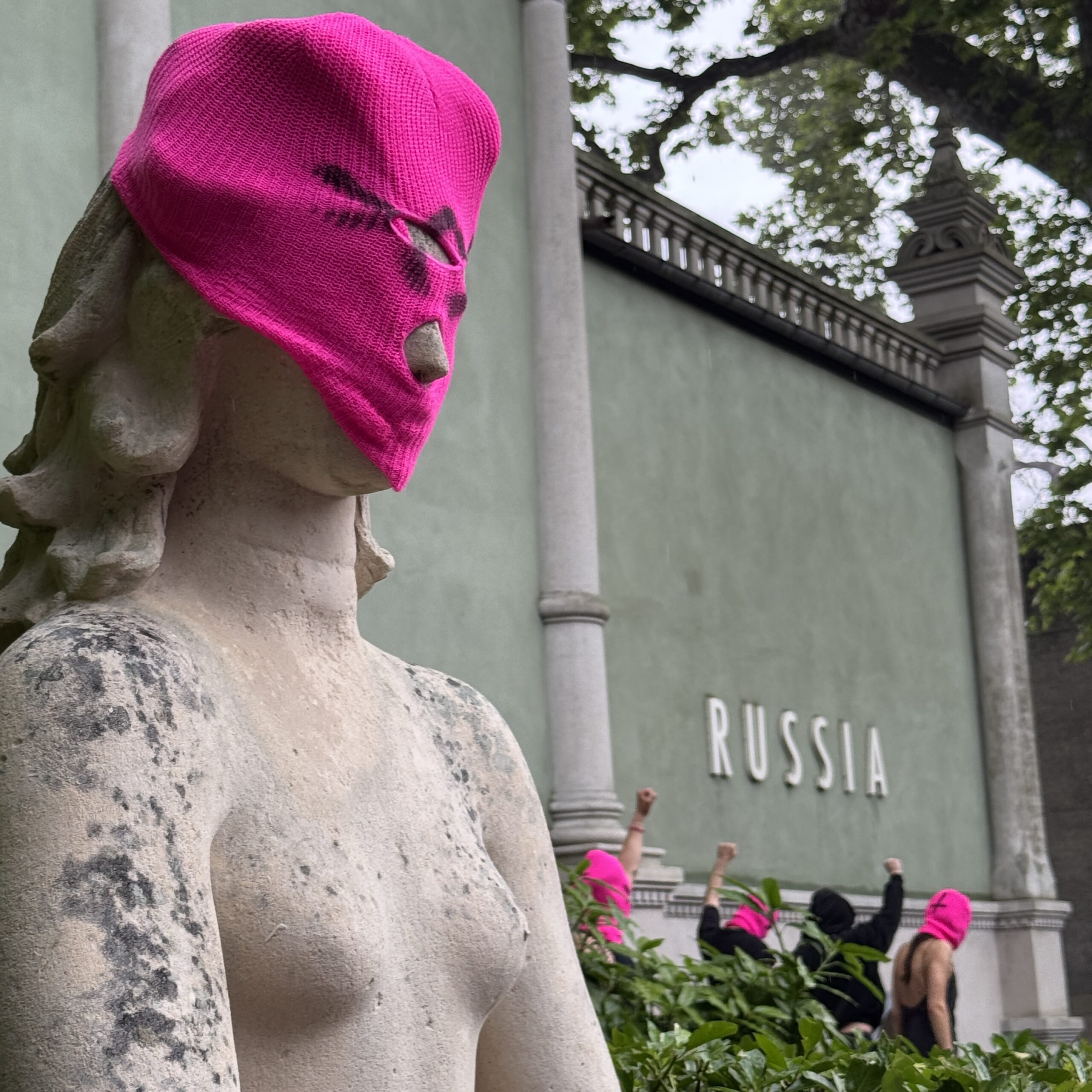
Several national pavilions at the 2026 Venice Biennale shut down during the final preview day in a strike organized by the Art Not Genocide Alliance (Anga) protesting Israel's inclusion due to its war in Gaza. Pavilions from Belgium, the Netherlands, Austria, Japan, Macedonia, and Korea closed entirely, while others like Britain, Spain, France, Egypt, Finland, and Luxembourg partially closed or reopened later. Artists in the main exhibition added Palestinian flags and posters reading "Palestine is the future of the world." The Israeli pavilion was closed for a private event, and earlier in the week Pussy Riot staged a protest at the Russian pavilion.

Drained, Drowning, and Decay: The Best National Pavilions at the Venice Biennale

The 2026 Venice Biennale is defined by themes of ruin and decay, with standout national pavilions exploring bodily, infrastructural, and archaeological collapse. The Slovenian Pavilion features the Nonument Group repurposing materials from past Biennales into a ruin of a mosque for Bosnian Muslim soldiers from World War I. Syria presents its first national pavilion since the Civil War, with Sara Shamma invoking Palmyra, destroyed by ISIS. Germany's pavilion, titled "Ruin," features works by Henrike Naumann (who died in February) and Sung Tieu, questioning the pavilion's fascist architecture and nationalist residue. The Austrian Pavilion, curated by Florentina Holzinger, offers a visceral performance titled "Sea World." The Biennale is also marked by the abrupt resignation of its five-member jury, who refused to consider nations charged with crimes against humanity, leading to awards being chosen by public vote. Additionally, the main exhibition "In Minor Keys" was affected by the death of its curator, Koyo Kouoh.

Dark clouds, protests and resignations dampen start of 61st Venice Biennale

The 61st Venice Biennale opened under grey skies and rain, with political tensions overshadowing the art world's premier event. The Russian pavilion, absent for two editions due to the Ukraine war, reappeared with a party atmosphere, though the Italian ministry of culture confirmed it would not be open to the public. The Ukrainian culture minister called Russia's symbolic presence powerful. The Iranian pavilion withdrew without explanation, and a protest by 60 artists from the In Minor Keys show marched through the Giardini humming in solidarity against Israel's participation. Over 200 artists, including Lubaina Himid and Alfredo Jaar, signed an open letter demanding the Israeli pavilion's cancellation. The event also proceeded without its curator, Koyo Kouoh, who died in May 2025; her curatorial team delivered the exhibition following her plans.

Venice Diary Day 1: At the Giardini, Artists Refuse to Make Fascism Cozy

Henrike Naumann's posthumous installation at the German Pavilion, which retains its 1938 Nazi-era fascist architecture, refuses to make the space 'cozy' by adorning windows with violently ripped domestic fabrics. The 2026 Venice Biennale is the first under president Pietrangelo Buttafuoco, associated with neo-fascist politics, and is overshadowed by controversy over his 'neutrality' policy allowing all countries to participate despite human rights concerns. The exhibition jury initially announced it would not consider pavilions from countries whose leaders are charged with crimes against humanity, then abruptly quit, leaving the situation unresolved. The US Pavilion features unimpressive blobs by Alma Allen, while the Russian Pavilion offers cut flowers and free vodka, and Andreas Angelidakis responds to fascist aesthetics at the Greek Pavilion.

‘We are complicit’: Austrian artist Florentina Holzinger’s immersive Venice Biennale pavilion brings apocalypse to the city

Austrian artist Florentina Holzinger has created 'Seaworld Venice,' an immersive and confrontational installation for the Austrian Pavilion at the 2024 Venice Biennale. The work explores climate change, technology, and a dystopian flooded future, drawing comparisons to the 1995 film 'Waterworld'—though neither Holzinger nor curator Nora-Swantje Almes had seen it. Known for extreme performance art involving nudity, blood, live piercing, and heavy machinery, Holzinger's previous works have caused audience members to faint or require medical treatment. The pavilion marks a significant platform for her radical, hybrid practice that blends theatre, dance, opera, and performance art.

Strike Rocks Venice Biennale Ahead of Public Opening as Pavilions Close

Thousands of protesters marched through Venice to demonstrate against Israel's presence at the Venice Biennale, leading many national pavilions to close in solidarity. Pavilions from Austria, Belgium, Egypt, Japan, the Netherlands, South Korea, and over a dozen other countries shut fully or partially, with some displaying signs reading "We Stand with Palestine." The Israeli pavilion remained closed for its exhibition opening, and armed police clashed with protesters. The main exhibition, curated by Koyo Kouoh, stayed open initially but the Arsenale closed by late afternoon with riot police outside. The 24-hour strike, organized by Art Not Genocide Alliance (ANGA) and Italian activist groups, was described as the largest protest in Biennale history.

Romanesco in a Max Mara Coat

Romanesco im Max-Mara-Mantel

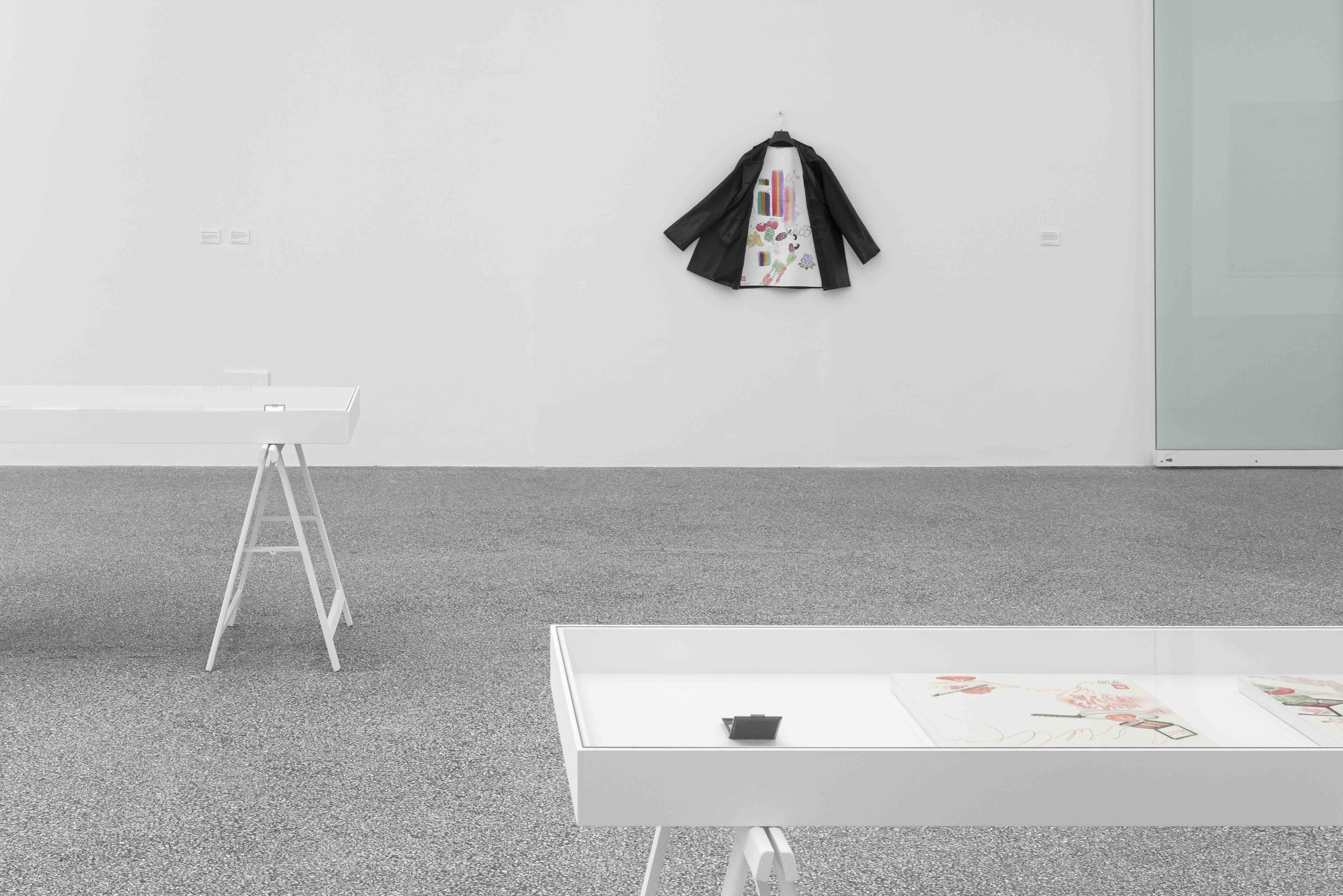
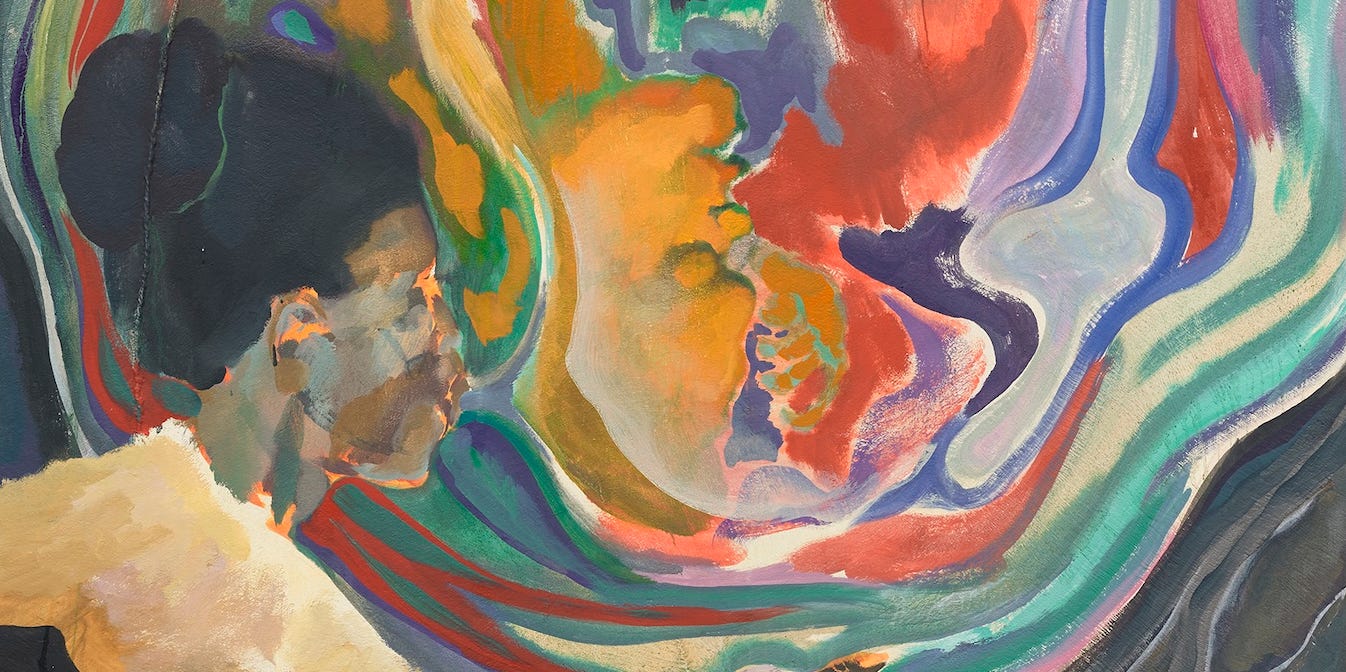
Evelyn Taocheng Wang's first institutional solo exhibition in Italy, "Sweet Landscape," opens at the Museion in Bolzano. The Chinese-born, Rotterdam-based artist presents silk paintings, pastel canvases, and painted garments that probe the region's complex history beneath its idyllic Alpine scenery. Works such as "Frog Princess Checks Her Smartphone in front of Window of August Macke’s Hat Shop" (2026) and "Ancient Roman bust for Sale" (2026) blend local food motifs, cultural translation, and hybrid identity, questioning who gets to write history and how landscapes are perceived through secondhand experiences.

Giorgio Vasari beyond the Lives: what the exhibition at the Capitoline Museums in Rome looks like

An exhibition titled "Vasari and Rome" has opened at the Capitoline Museums in Rome, running until July 19, 2026. Curated by Alessandra Baroni and promoted by Roma Capitale, the show features over seventy works—including drawings, prints, engravings, letters, medals, sculptures, and paintings—that trace Giorgio Vasari's relationship with 16th-century Rome. Sixteen autograph works and seven drawings are among the highlights, arranged in four sections that follow the chronology of Vasari's Roman sojourns, from his arrival in 1532 under Cardinal Ippolito de' Medici to his later engagements with patrons like Bindo Altoviti and Cardinal Alessandro Farnese. The exhibition is staged in an intimate, chamber-like setting on the top floor of Palazzo Caffarelli, contrasting the small space with the vast theme of Vasari's role in papal Rome's political and cultural life.

"One of the most dramatic Biennales": 11 unmissable art shows to see at Venice

Theo Christelis reports from the opening week of the 2024 Venice Biennale, describing it as one of the most dramatic editions in recent memory. Key events include the death of main curator Koyo Kouoh and German Pavilion artist Henrike Naumann, the resignation of the prize jury over the participation of Israel and Russia, a protest by Pussy Riot, and a boycott by half the participating artists. Amid the turmoil, Christelis highlights unmissable shows including the Indian Pavilion (returning after seven years), Jenny Saville at Ca' Pesaro, Michael Armitage at Palazzo Grassi, and presentations at the British, Japanese, and Saudi Arabian Pavilions.

Venice Biennale 2026 Roundup

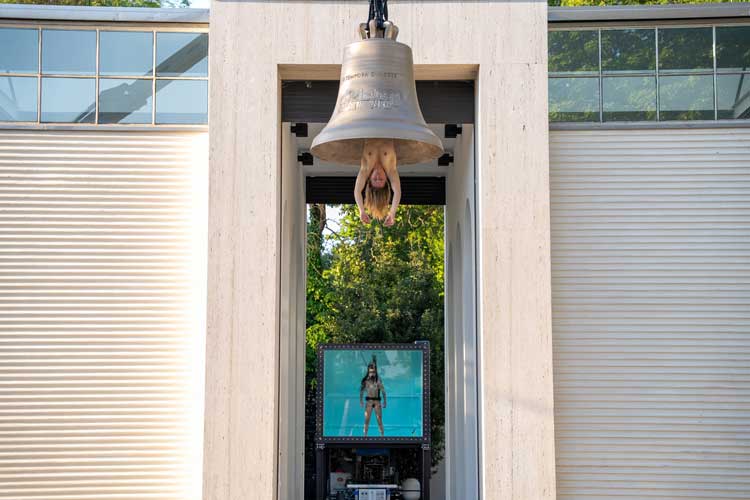
The 61st Venice Biennale, titled "In Minor Keys" and curated by the late Koyo Kouoh, opened in May 2026 amid significant turmoil. The Austrian Pavilion features Florentina Holzinger's performance piece "Seaworld Venice," centered on a giant bell that chimes hourly. The biennale has been marked by the death of its curator, the resignation of the international jury over the inclusion of Russia and Israel, protests by Pussy Riot and the Art Not Genocide Alliance, and the cancellation of the South African Pavilion over Gabrielle Goliath's "Elegy," which honors murdered women including a Palestinian poet. The US Pavilion's state-sponsored offerings have also drawn criticism.

Lauder heir hands gallery and $135mn Klimt to New York’s Metropolitan Museum

The Metropolitan Museum of Art in New York has received a major donation from the Lauder family: a historic townhouse gallery on the Upper East Side and Gustav Klimt's 1907 portrait "Adele Bloch-Bauer II," valued at $135 million. The gift comes from the estate of Estée Lauder heir Ronald S. Lauder, a longtime museum trustee and collector, and includes the former Neue Galerie building at 1048 Fifth Avenue, which will be renovated to expand the Met's modern and contemporary art exhibition space.

in venice, erwin wurm probes bodily perception with soft, mutable forms

Austrian artist Erwin Wurm has opened a new exhibition titled "Dreamers" at Museo Fortuny in Venice, featuring soft, mutable sculptures that probe bodily perception. The installation transforms the historic space with pliable forms that challenge traditional notions of sculpture and the human figure, inviting viewers to reconsider their relationship with physical objects and space.

Summer Previews: The Season’s Most Anticipated Shows

Artforum's editors preview twenty-five anticipated institutional exhibitions opening worldwide between May and August. Highlights include "Fade" at the Studio Museum in Harlem, the latest in its career-making "F show" series featuring seventeen emerging artists of African descent; "Modernity and Opulence: Women of the Wiener Werkstätte" at the Jewish Museum in New York, showcasing over 180 women designers from Austria's famed atelier; "Replica of a Chip: The Weaving Technology of Marilou Schultz" at the Hessel Museum of Art, exploring the intersection of Navajo weaving and microchip history; the 59th Carnegie International at the Carnegie Museum of Art, with 61 artists spread across Pittsburgh venues; and "Mary Ellen Carroll: How to Talk Dirty and Influence People" at the Contemporary Arts Museum Houston.

Maria Lassnig and Edvard Munch's exhibition

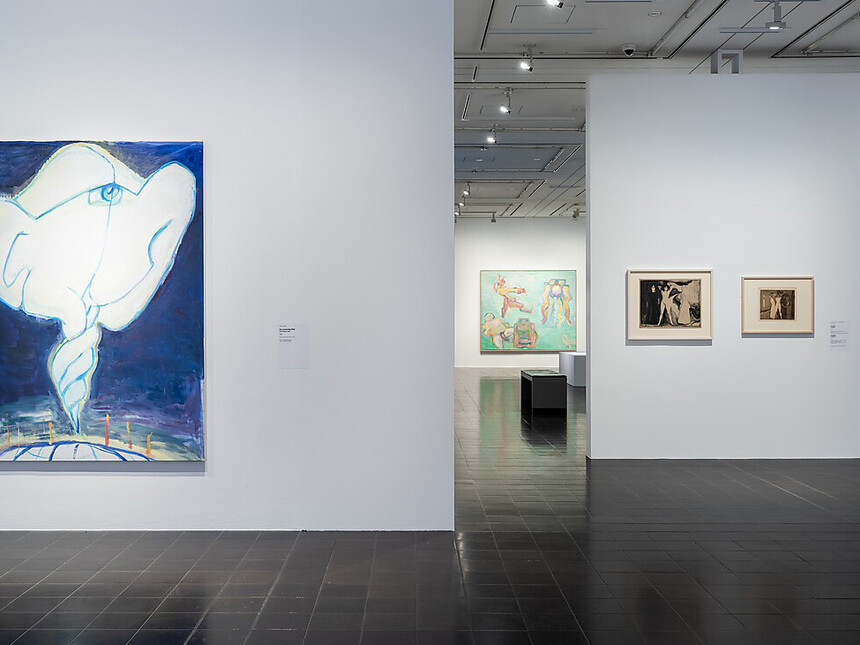
The Hamburger Kunsthalle in Hamburg, Germany, presents a major double exhibition pairing Austrian artist Maria Lassnig (1919–2014) with Norwegian painter Edvard Munch (1863–1944) for the first time. Featuring nearly 200 works—including paintings, works on paper, sculptures, films, and photographs—the show highlights parallels between the two artists across a half-century gap, tracing Munch’s influence on Lassnig and revealing new aspects of both oeuvres. Key works include Munch’s *Madonna* (1893–1895) and Lassnig’s *Traditionskette* (1983), with the exhibition organized into 13 chapters plus a prologue and epilogue exploring themes such as self-portraits, gender, nature, and mortality.

72 Hours in Venice: Palazzos, Protests, and a Biennale on the Brink

The article recounts a journalist's 72-hour visit to the Venice Biennale, beginning with a protest by Pussy Riot and Femen at the Russian Pavilion. The action features pink smoke, chants of "Blood is Russia's art," and a guerrilla performance of the song "Disobey," set against a backdrop of internal Biennale strife—including juror resignations over countries whose leaders face ICC arrest warrants (Netanyahu and Putin). The narrative also notes the presence of alt-right figures like Ryan Coyne and sculptor Alma Allen's troubled U.S. pavilion representation.

Historic Strike Disrupts Biennale as Thousands March in Venice

On May 8, 2026, artists and cultural workers staged the first strike in the 131-year history of the Venice Biennale, disrupting the pre-opening of the international exhibition. At least 27 of the 100 national pavilions were partially or fully shut down, and thousands marched through Venice to the Arsenale, which was barricaded by Italian riot police. The strike, organized by the Art Not Genocide Alliance (ANGA) and local activist groups, was a 24-hour action for Palestine and workers' rights, with some artists altering or draping their works in the main exhibition, "In Minor Keys."

I'm a punk artist, I don't give a damn

"Ich bin Punk-Künstlerin, ich geb einen Scheiß drauf"

During the opening week of the Venice Biennale, the Russian activist and Pussy Riot member Nadya Tolokonnikova staged a protest against the Russian pavilion, wearing pink balaclavas and chanting slogans like "Blood is Russia's Art." Meanwhile, Florentina Holzinger's Austrian pavilion, subtitled "I Live in Your Piss," drew massive crowds with its scatological installations and extreme performances, causing wait times of up to two and a half hours. German media critics have widely covered the Biennale's heightened political tone, with debates over boycotts of Russia and Israel, and the tension between art and activism.