filter_list Showing 40 results for "shock" close Clear
dashboard All 40 museum exhibitions 29article culture 4person people 2rate_review review 2article news 1candle obituary 1trending_up market 1
date_range Range Today This Week This Month All
Subscribe

HARRY CHÁVEZ: DONDE MUERDE EL MITO

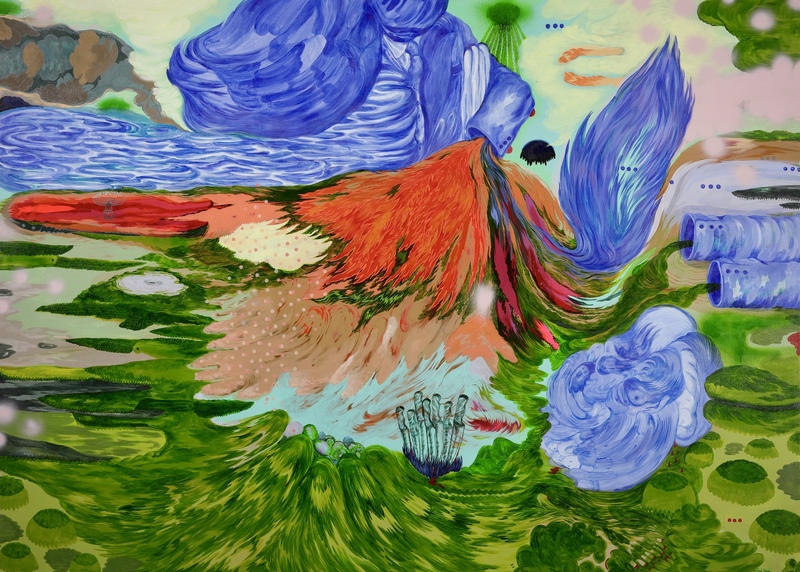
Harry Chávez: Donde muerde el mito was the first presentation of Peruvian artist Harry Chávez's work at the Museo de Arte de Lima (MALI), held as part of the MALI Colecciones. Intervenciones contemporáneas program. The exhibition recently won the Premio Luces 2026 from El Comercio in the best exhibition category, a public-vote award reflecting its impact. The show explores symbolic conflicts between serpent and feline in Andean and Amazonian mythology, featuring works like 'Salto mortal' and 'Nacimiento del dragón' that depict cosmic struggles and hybrid transformations.
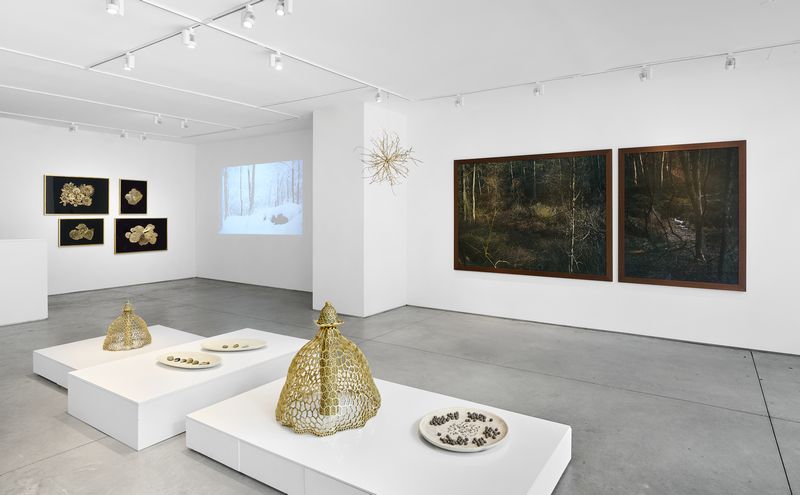
Winter Solstice: Seeds of Nothingness. Edo Costantini in collaboration with Delfina Braun & Delfina Muniz Barreto

WINTER SOLSTICE: SEEDS OF NOTHINGNESS. EDO COSTANTINI EN COLABORACIÓN CON DELFINA BRAUN & DELFINA MUNIZ BARRETO

Praxis Gallery in New York is hosting "Winter Solstice: Seeds of Nothingness," a multidisciplinary exhibition by Argentine artist Edo Costantini in collaboration with Delfina Braun and Delfina Muniz Barreto. The show features photography, sound, moving images, and bronze sculptures that explore the quiet, latent biological processes occurring during the winter season. Based on Costantini’s decade-long observation of the landscapes in Katonah, New York, the works focus on the concept of stillness as an active state of reorganization and persistence.

The Formal Consistency of Marcos López

LA CONSISTENCIA FORMAL DE MARCOS LÓPEZ

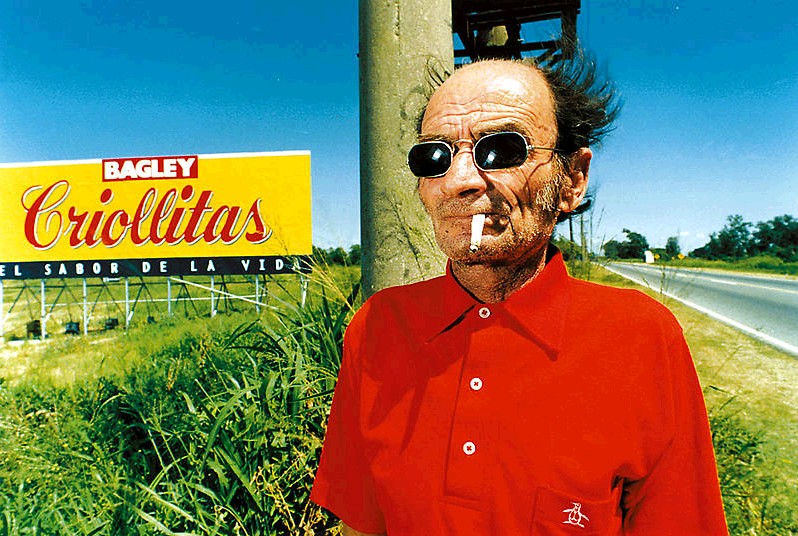
The Fundación Larivière in Buenos Aires is hosting a major retrospective of Argentine photographer Marcos López, featuring over 200 works spanning from 1975 to 2025. The exhibition highlights López’s distinct visual language, characterized by the high-saturation color palette of his 'Pop Latino' series and his rejection of traditional black-and-white documentary photography. His work is defined by deliberate staging, using artificial backdrops and theatrical props to create images that function as allegorical documents of Latin American identity.

MARILYN BOROR BOR, SEBA CALFUQUEO, JULIETH MORALES. PERFORMANCE Y DISIDENCIAS

On April 18, 2026, the performance cycle "Atravesar el lago" (Crossing the Lake) took place in open spaces of Casa del Lago UNAM in Chapultepec Park, curated by Adonay Bermúdez. Artists Marilyn Boror Bor, Seba Calfuqueo, and Julieth Morales activated performances that destabilize dominant knowledge frameworks and confront narratives imposed by colonial modernity. Boror Bor's "Lo que el cemento no puede cubrir" turned the body into a living archive summoning ancestral memories; Calfuqueo's "Guardo mis semillas para el futuro" opened fissures in imposed borders; and Morales's "Enchumbarnos: Cuerpo, Norma y Territorio. Ritual para dos cuerpos" configured a threshold of listening and transformation. The article includes a curatorial text fragment exploring water as a dissident force, drawing on Silvia Rivera Cusicanqui's thought.

Rocío Sáenz: Wild Order

ROCÍO SÁENZ: ORDEN SALVAJE

Mexican artist Rocío Sáenz presents "Orden salvaje" (Wild Order) at the Museo de las Artes de la Universidad de Guadalajara (MUSA), an exhibition featuring over 60 works created over three years. Spanning painting, ceramics, photography, and drawing, the collection explores the tension between beauty and horror, specifically addressing the harrowing reality of forced disappearances in Mexico. The exhibition is designed as an open studio, showcasing the artist's creative process alongside finished pieces that utilize black humor and satire to navigate themes of death and reconstruction.

Enrique López Llamas: The Visible, The Invisible

ENRIQUE LÓPEZ LLAMAS: LO VISIBLE, LO INVISIBLE

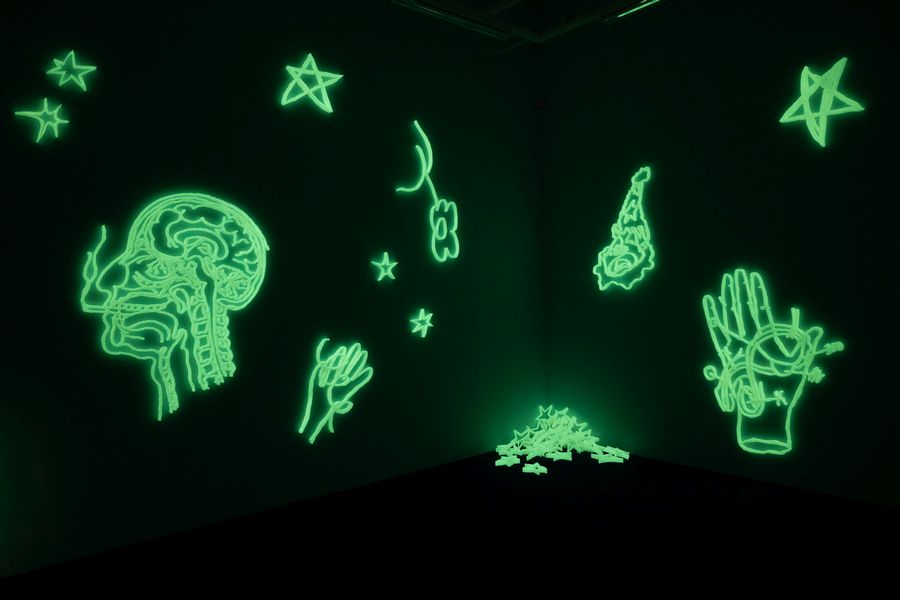
Artist Enrique López Llamas presents a solo exhibition titled "Lo visible, lo invisible" at Fundación CALOSA in Mexico, exploring the intersection of childhood fears and contemporary adult masculinity. The installation utilizes fluorescent plastic polymers that glow in the dark and video works to create a sensory dialogue between light and shadow, symbolizing the repressed memories and systemic behaviors that persist into adulthood.

NEYRA PÉREZ: RETURN TO ROEBIRI

NEYRA PÉREZ: RETORNO A ROEBIRI

Neyra Pérez, an Iskonawa artist, presents her exhibition "El retorno del Roebiri" at the Centro Cultural Ricardo Palma in Lima, Peru, running until May 9, 2026. The show features her distinctive kené designs, which she creates using natural materials like yakuchapana resin and virgin clay on raw canvas, fixed through sunlight and river washing. The works reference Roebiri, a mountain in the Amazonian Sierra del Divisor that was the ancestral territory of the Iskonawa people, from whom they were displaced in the late 1950s by missionaries and the military. Since 2018, Pérez has been part of a cultural revitalization effort led by anthropologist Carolina Rodríguez to recover these traditional designs and practices.

KÜTRAL VARGAS HUAIQUIMILLA: PERFORMING BLOOD, INHABITING ITS FLOW, DIMENSIONING THE WOUND

KÜTRAL VARGAS HUAIQUIMILLA: PERFORMAR LA SANGRE, HABITAR SU FLUJO, DIMENSIONAR LA HERIDA

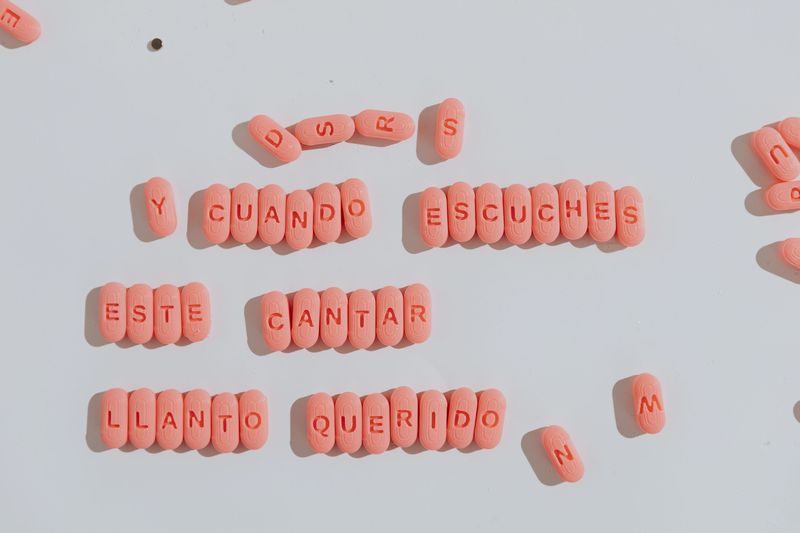
Mapuche visual artist and performer Kütral Vargas Huaiquimilla presents "Performance de la sangre" (Performance of Blood) at Galería Gabriela Mistral in Santiago, Chile. Based on the artist's 2024 novel of the same name, the exhibition utilizes video-performance, sculpture, and clinical materials like medication vials to explore the intimate and collective experience of living with HIV. The project marks a significant interdisciplinary intersection of Mapuche identity, pharmacology, and contemporary medicalization.

FORGING PATHS: AFRO-BRAZILIAN ANCESTRY AND FEMININE POWER IN THE WORK OF NÁDIA TAQUARY

FORJAR CAMINOS: ANCESTRALIDAD AFROBRASILEÑA Y PODER FEMENINO EN LA OBRA DE NÁDIA TAQUARY

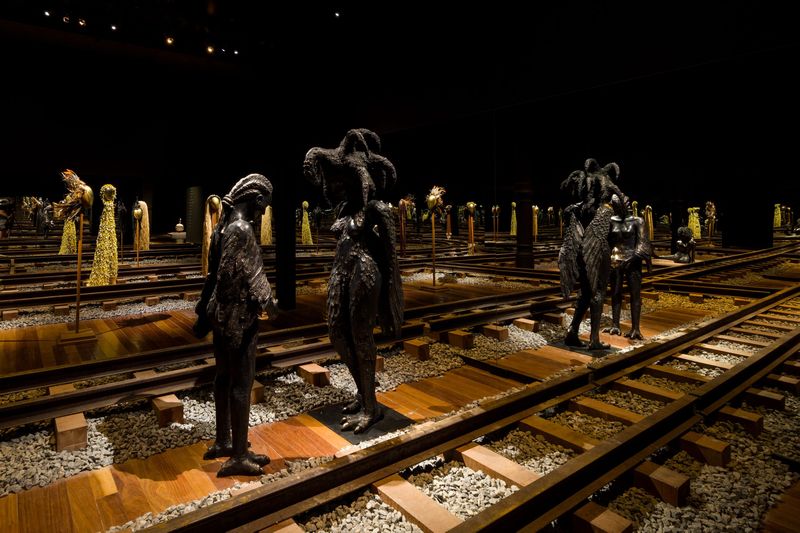
The exhibition "Ònà Irin: caminho de ferro" by artist Nádia Taquary has opened at Sesc Belenzinho in São Paulo, featuring large-scale sculptures and an immersive video installation. Curated by Amanda Bonan, Ayrson Heráclito, and Marcelo Campos, the show centers on a massive installation of iron rails that symbolize the Yoruba deity Ogum, the opener of paths. The works integrate traditional Afro-Brazilian materials such as cowrie shells, beads, and metals to explore spiritual protection and the historical significance of jewelry as a form of resistance and identity for enslaved and freed Black women.

ART CRITICISM: CLARITY OR MORAL AUTHORITARIANISM?

CRÍTICA DE ARTE: ¿CLARIDAD O AUTORITARISMO MORAL?

The article is a critical essay examining the state of contemporary art production in Mexico, arguing it has become a privatized field designed to please wealthy elites and foreign collectors. It contends that art has shifted from being partly publicly funded to being driven by the market and private initiative, leading to a culture of self-censorship, precarity, and a desperate ambition for visibility and sales.