filter_list Showing 2125 results for "Uman" close Clear
search
dashboard All 2125 museum exhibitions 1168article news 299article culture 157article policy 121article local 112trending_up market 88rate_review review 61person people 59candle obituary 42gavel restitution 15article event 3
date_range Range Today This Week This Month All
Subscribe

Artist LR Vandy on Sculpting the ‘Knotted Histories’ of Power

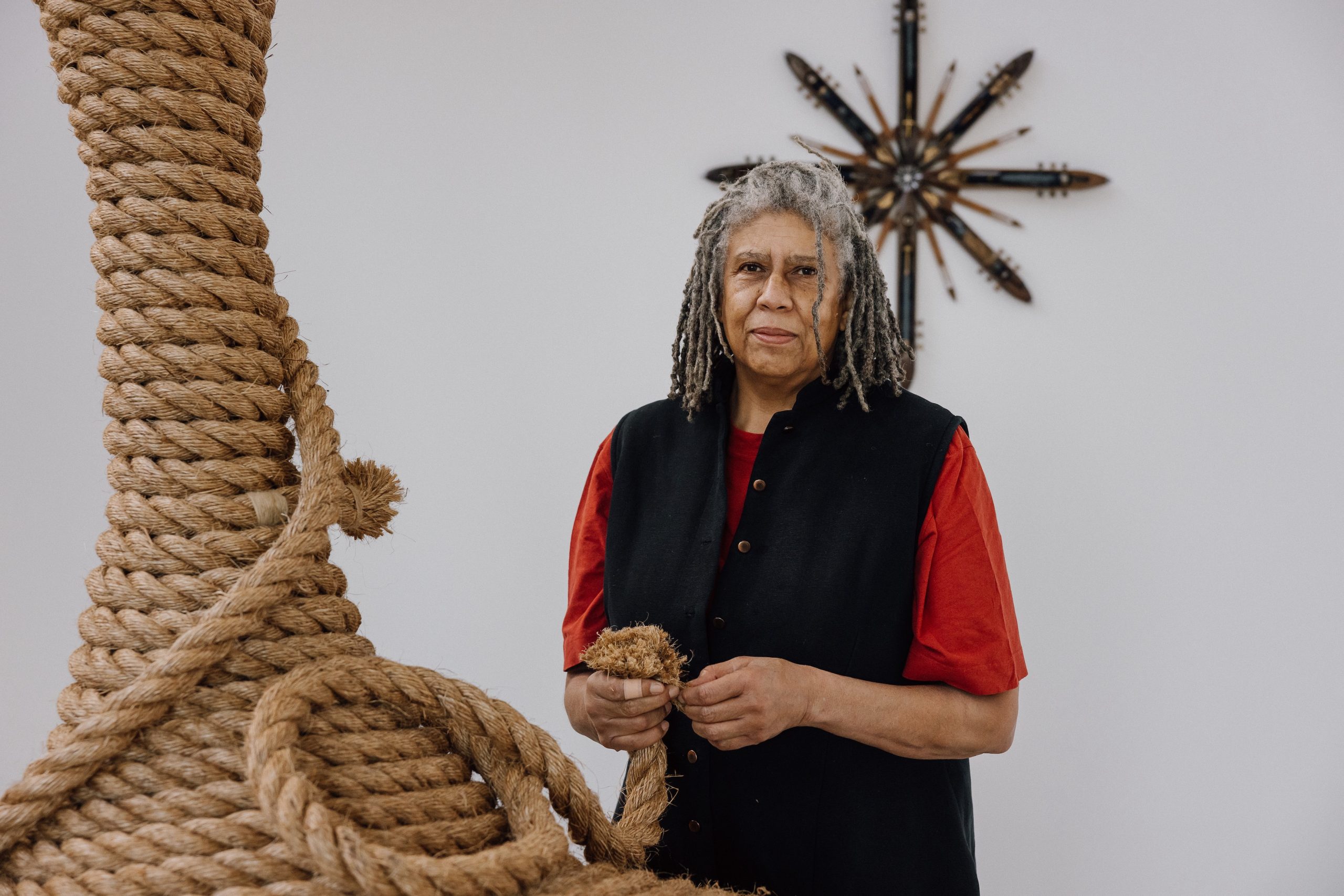
London-based artist LR Vandy has opened her first solo museum exhibition, titled "Rise," at the Yorkshire Sculpture Park. The show, produced in partnership with London's October Gallery, features a new body of site-specific work installed both indoors and on the park's grounds, including a monumental outdoor sculpture. The exhibition creates an immersive environment where Vandy uses materials like rope and found objects to investigate themes of power, trade, and colonialism.

art whitney biennial emilie louise gossiaux

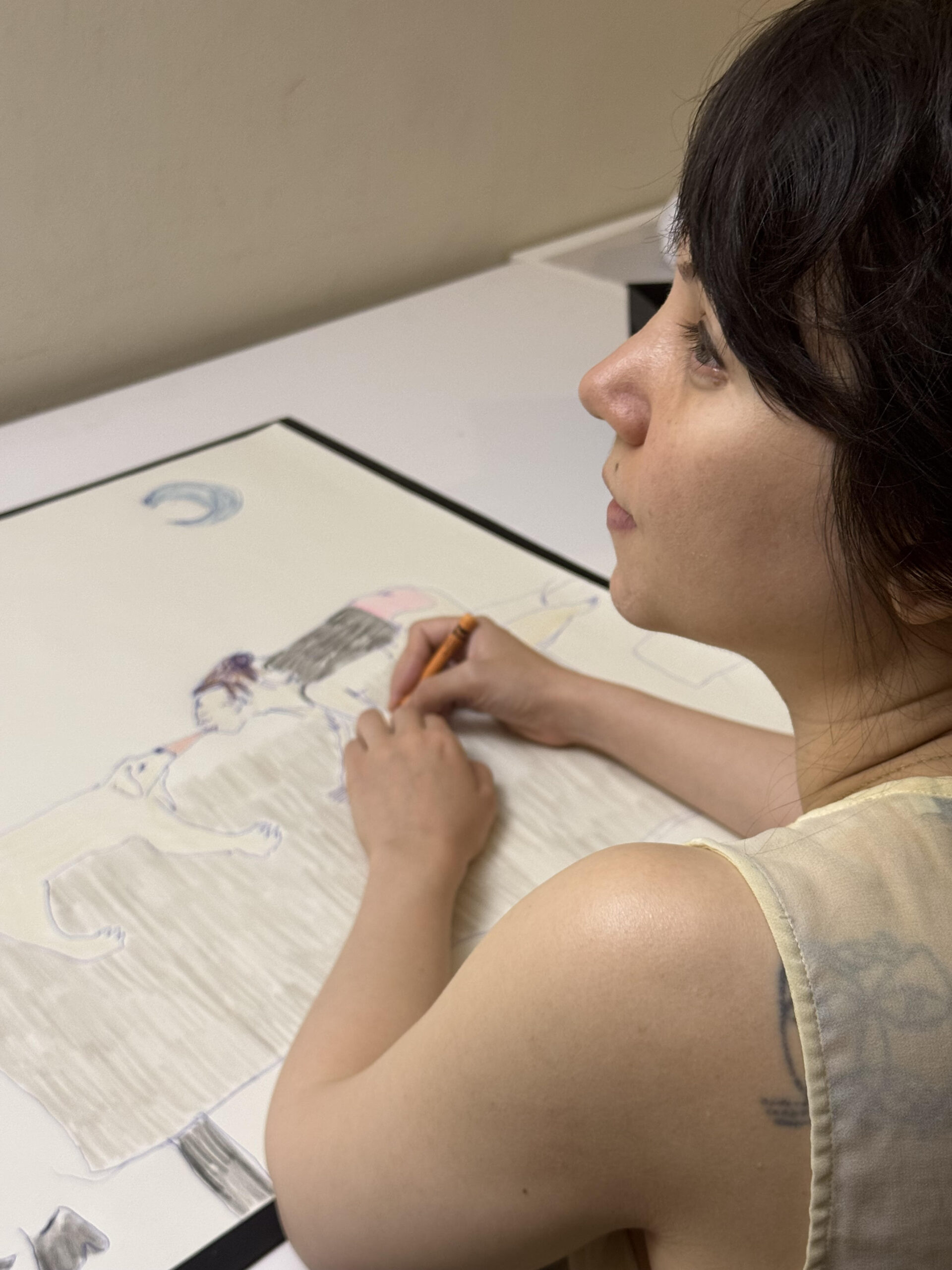
Artist Emilie Louise Gossiaux, who lost their sight in their early 20s, is featured in the 2025 Whitney Biennial with works honoring their late guide dog, London. Through drawings and sculptures created by touch, Gossiaux imagines a dog's heaven filled with Kong toys and spiritual reunions, exploring themes of interdependence, grief, and liberation. The works include pieces like "In Dreams We'll See Again" (2025) and the installation "Kong Play."

Carole A. Feuerman | Miniature Serena (with Blue-Green Tube) (2021) | For Sale

Carole A. Feuerman's sculpture "Miniature Serena (with Blue-Green Tube)" (2021) is being offered for sale. The work is an oil on resin piece with 24K gold leaf cap, table-top scale, measuring 10 x 17 x 8 inches, from a variant of 10. Feuerman, born in 1945, is an American sculptor and author credited with co-founding the Hyperrealist movement in the late 1970s, known for figurative works of swimmers and dancers. Her public sculptures have been displayed globally, including at Central Park, the National Portrait Gallery of the Smithsonian Institution, the Venice Biennale, and the State Hermitage Museum. She has received multiple awards, including the Medici Award, and her works are in the permanent collections of 31 museums and owned by notable figures such as Steven A. Cohen, former President Bill Clinton, and Dr. Henry Kissinger.

Exhibition | Lee Mingwei, 'Lorsque la Beauté Paraît' at Perrotin, Paris Marais, France

Perrotin gallery in Paris is presenting 'When Beauty Appears', the second solo exhibition by Taiwanese artist Lee Mingwei and his first at the gallery's Paris location. The show features seven interactive works created between 1995 and 2025, including 'La fleur en chemin (The Moving Garden)', 'The Mending Project', and 'The Copyist’s Paradox', which invite visitors to engage directly with the art through simple gestures like offering a flower or mending an object.

Mojave Shadows: Reception and Curator's Talk

The Nevada Humanities Program Gallery is hosting a reception and curator's talk for the exhibition "Mojave Shadows." The event, scheduled for Tuesday, April 14, offers the public an opportunity to engage directly with the curatorial vision behind the show, which explores regional themes through a specific lens of light and landscape.

Narsiso Martinez at Catalina Museum for Art & History

The Catalina Museum for Art & History has announced a solo exhibition by artist Narsiso Martinez titled "Witnesses of Labor — Portraits of Essential Workers," running from April 11 through October 11, 2026. The show features approximately 15 works, including large-scale installations and mixed-media portraits painted directly onto discarded produce boxes. Martinez, a former farmworker himself, utilizes these found materials to elevate the visibility of migrant laborers and agricultural workers who sustain the American food system.

Titanic, a deep emotion

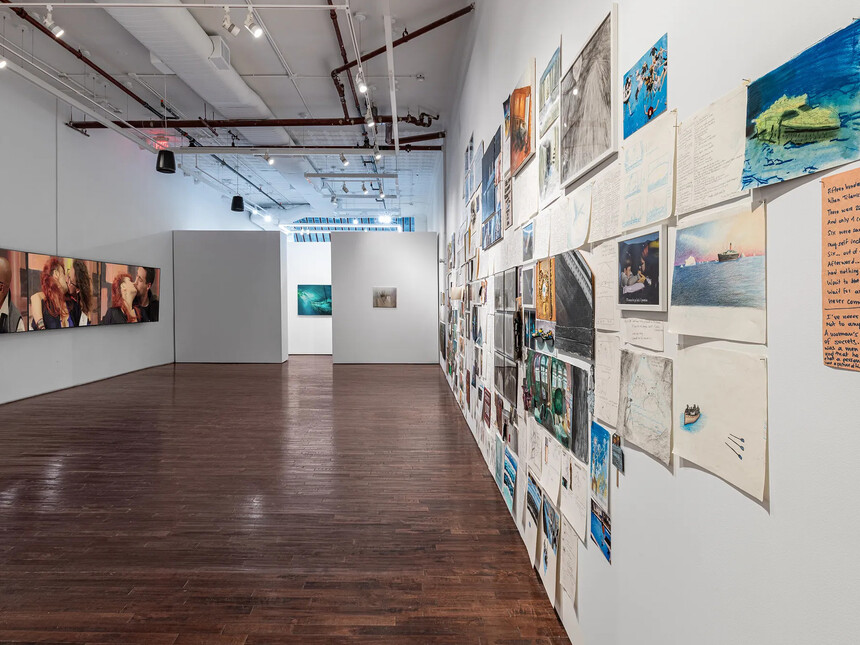
Artist Claudia Bitrán is debuting her long-awaited solo exhibition, "Titanic, a deep emotion," at Cristin Tierney Gallery in New York City. The show features a scene-by-scene remake of James Cameron’s 1997 blockbuster, meticulously reconstructed over a decade using lo-fi materials, DIY production methods, and a cast of over 1,400 volunteers. The exhibition is presented as a three-channel film installation complemented by paintings, sculptural props, and storyboards that highlight the labor-intensive, communal process of its creation.

Humid Traces

Humid Traces, curated by Federico Pérez Villoro, is an exhibition at an unnamed New York venue that examines how bodies of water are weaponized as borders amid climate change and extreme weather. The show features international artists—including Dele Adeyemo, Natalia Lassalle-Morillo, Zishaan A Latif, Caio Reisewitz, Susan Schuppli, Marisa Srijunpleang, Studio Folder, and Leonel Vásquez—whose works in installation, sound, photography, video, and data visualization reveal the violent effects of migration-control technologies and water's material memory.

‘I think of immersion as a state of perception’: Lawrence Lek on his exhibition at the Bass Museum of Art in Miami Beach

London-based multimedia artist Lawrence Lek presents his latest work, NOX Pavilion, at the Bass Museum of Art in Miami Beach during Miami Art Week. The installation is part of his ongoing fictional universe NOX ("nonhuman excellence"), which imagines a rehabilitation program for rogue self-driving cars. This year alone, Lek has staged NOX-related works at Tate Modern, the Hammer Museum, and Goldsmiths Centre for Contemporary Art, demonstrating his growing international presence. In an interview, Lek discusses how his practice spans architecture, video, gaming, and music, treating immersion as a critical state of perception rather than mere spectacle.

Witness a poetic dialogue between humanity and nature come alive at this exhibition in New Delhi

Artist Yashika Sugandh presents 'Vartaman,' a solo exhibition exploring the relationship between humanity and nature, at the Living Traditions Centre, Bikaner House, New Delhi, from September 27 to October 1, 2025. The show features intricate paintings and mixed-media works that blend whimsical hybrid creatures—such as snails carrying giraffes and turtles becoming tomatoes—with motifs like tree branches, reflecting Sugandh's reverence for the natural world. After its run at Bikaner House, the exhibition will continue at Black Cube Gallery, New Delhi, until October 31.

Art in Focus: New Public Exhibit by Julia Chiang Presented by Art Production Fund

Julia Chiang has unveiled a new public art exhibition titled "This Way That Way, Here" at Rockefeller Center in New York City, presented by Art Production Fund as part of the Art in Focus series. The show features a trio of glass cases with 18 glazed ceramic vessels at 45 Rockefeller Plaza, a diorama-like window display at 10 Rockefeller Plaza created through a children's workshop called Art Sundae, murals throughout the campus reproducing excerpts from Chiang's 2021–2025 works, and a 125-foot mural on the Rink Level. The exhibition runs through the end of October and includes paintings and ceramics that explore themes of the human body and natural phenomena.

Ernest Edmonds – interview: ‘The technology didn’t make it easy at the time, but it was clearly right for the future’

Ernest Edmonds, a pioneering computer artist, discusses his six-decade career and his latest exhibition 'Networked' at Gazelli Art House in London. The interview covers his early works from 1968, including 'Nineteen' and 'Communications Game', and his ongoing exploration of human-machine interaction through interactive installations, videos, and algorithmic systems. His latest piece, 'Quantum Tango', continues his interest in networked interactivity. The article also highlights his collaborations with fellow pioneers like Stroud Cornock and his inclusion in the 2015 exhibition 'Primary Codes' in Rio de Janeiro.

The Burlington Magazine - n°1478 vol CLXVIII - May 2026

The May 2026 issue of The Burlington Magazine (n°1478, vol. CLXVIII) presents a rich array of scholarly articles, exhibition reviews, and book reviews covering European art from the medieval period to the 20th century. Highlights include Laure Boyer's study of two photographs of Victorine Meurent linked to Manet's 'Le Déjeuner sur l'herbe' and 'Olympia', Axel Moulinier's analysis of Watteau's copies after old masters, and Richard Thomson's essay on a century of Monet in print. Exhibition reviews cover shows on Monet's Étretat coast, Orazio Gentileschi, Cornelius Jonson van Ceulen, Gainsborough, Seurat, Italian Symbolism, and Iliazd. Book reviews range from medieval art and Pietro Bellotti to Helene Schjerfbeck, Roberto Matta, and contemporary jewelry at the Dallas Museum of Art.

Un grand dessin de Beckmann pour Stuttgart

The Staatsgalerie Stuttgart has acquired a monumental drawing by Max Beckmann titled *Resurrection*, measuring nearly five meters long and three and a half meters high. Executed between 1916 and 1918, it is the largest painting by the artist and a key work in his oeuvre, created after his traumatic experience as a volunteer medical orderly in World War I. Beckmann described the piece as expressing 'the terrifying cry of pain of deceived poor humanity,' marking a shift toward a new formal vocabulary influenced by the war.

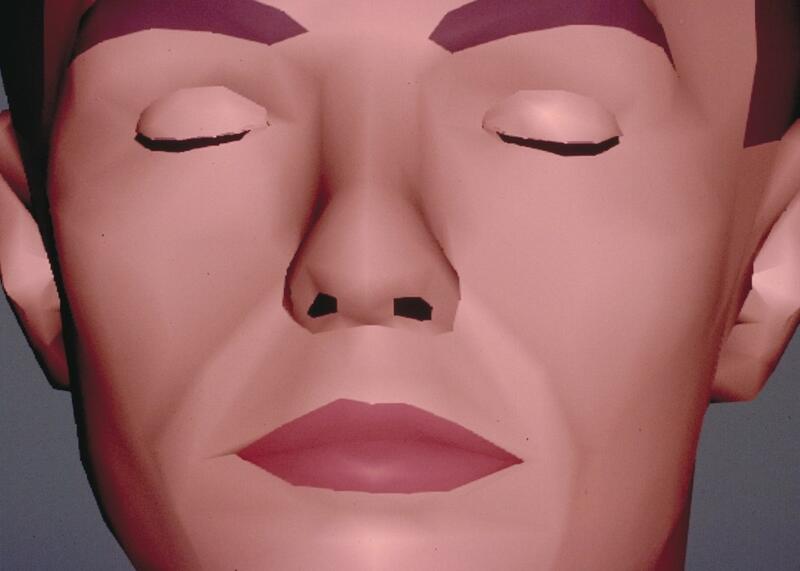
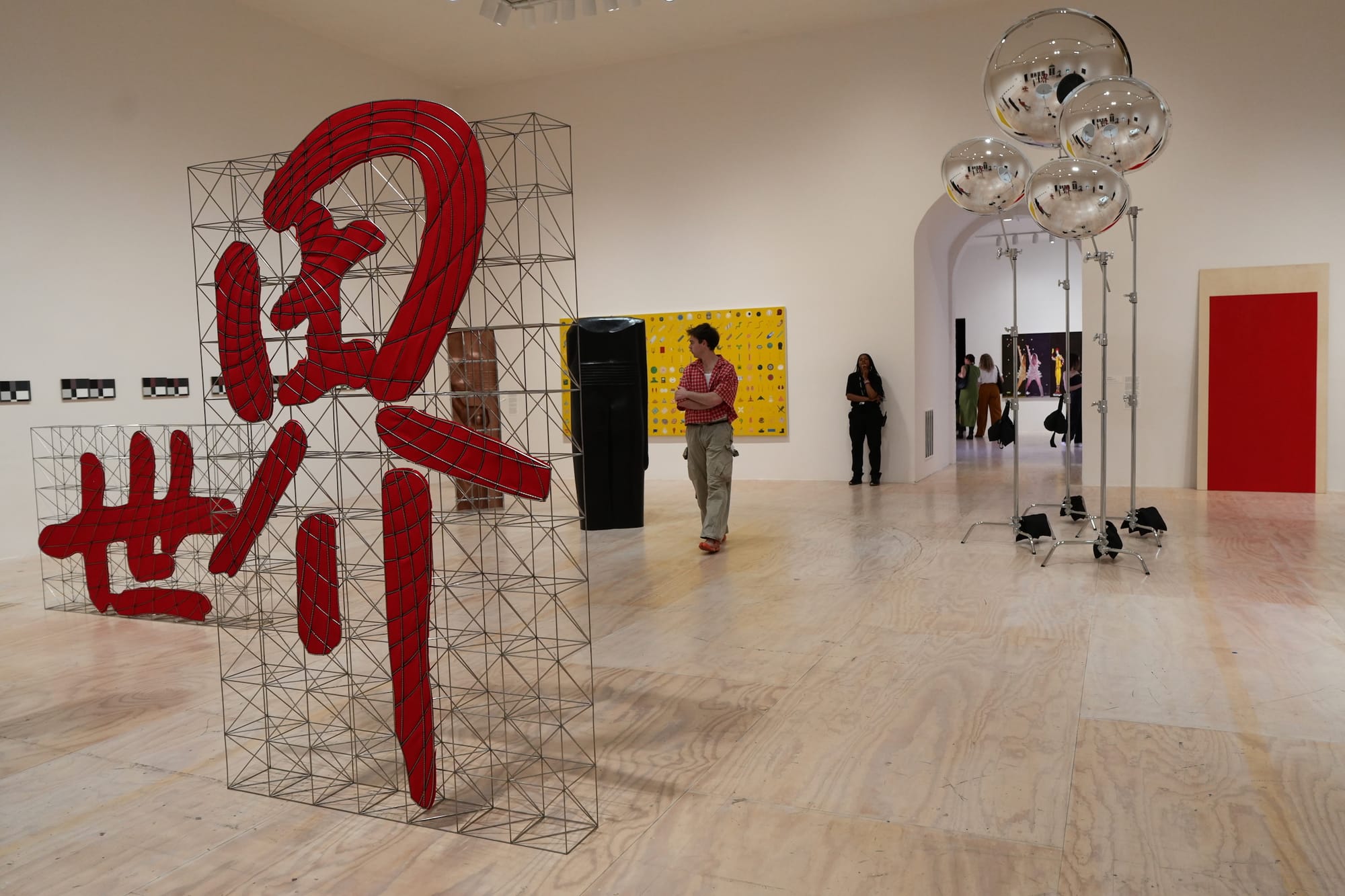
Humans, Machines, and Possible Futures: The Last 100 Years at New Museum

HUMANS MACHINES AND POSSIBLE FUTURES THE LAST 100 YEARS AT NEW MUSEUM

The New Museum has launched "New Humans: Memories of the Future," a massive exhibition spanning its entire building and featuring over 200 international contributors. The show traces a century of artistic, scientific, and social evolution, pairing 20th-century masters like Constantin Brâncuși and Salvador Dalí with contemporary commissions from artists such as Hito Steyerl and Wangechi Mutu. By exploring themes of automated labor, artificial intelligence, and mechanized warfare, the exhibition frames the relationship between humanity and technology as a series of cyclical leaps and reversals rather than linear progress.

Taiwan Presents “Screen Melancholy: Li Yi-Fan” at the Venice Biennale

The Taipei Fine Arts Museum (TFAM) presents the collateral event "Screen Melancholy: Li Yi-Fan" at the 61st Venice Biennale, held at the Palazzo delle Prigioni from May 9 to November 22, 2026. The exhibition features a new video installation and mixed-media work by Taiwanese artist Li Yi-Fan, curated by Raphael Fonseca, curator of visual arts at Culturgest in Lisbon and Porto. The installation integrates large-scale sculptural fragments with video and sound, exploring how screens mediate perception and emotional experience, in dialogue with the Biennale's theme "In Minor Keys."

Venice Biennale Jury Resigns in the Wake of Controversial Prize Ban

The jury for the 2026 Venice Biennale has resigned just days before the public opening on May 9, after announcing on April 22 that it would not consider artists from countries accused of crimes against humanity for the Golden and Silver Lion prizes. The jury, consisting of Solange Oliveira Farks (president), Zoe Butt, Elvira Dyangani Ose, Marta Kuzma, and Giovanna Zapperi, cited its earlier statement of intention in its resignation, which directly impacted the participation of Russia and Israel—both subject to International Criminal Court warrants. In response, the Biennale postponed the awards ceremony from May 9 to November 22 and replaced the traditional jury with a public vote for best participant and best national participation, framing the move as upholding openness and rejecting censorship.

Venice Biennale Jury Resigns En Masse, Organizers to Award “Visitors’ Lions” in November

The jury for the 2026 Venice Biennale has resigned en masse, announcing the decision via e-flux's Instagram account on April 30 without providing a reason. The five-member jury, including president Solange Oliveira Farks, Zoe Butt, Elvira Dyangani Ose, Marta Kuzma, and Giovanna Zapperi, had previously stated they would not consider national pavilions from countries charged with crimes against humanity by the International Criminal Court, directly affecting Israel and Russia. In response, the Biennale postponed the awards ceremony from May to November 22 and replaced the Golden Lions with two "Visitors' Lions" voted on by the public.

The Newest Docent at This Historic Italian Palace Is a Robot

Palazzo Madama in Turin, Italy, has introduced a four-foot-tall robot named R1 as a docent for its Baroque collection. The robot, developed by the Italian Institute of Technology (IIT) under Project Convince with €4 million in EU funding, guides visitors through the former royal apartments, narrating the history of the House of Savoy and detailing paintings, tapestries, and furniture. R1 can interact with visitors via LED eyes, answer questions, and autonomously navigate the museum's first floor, though it cannot climb stairs. It has been learning on the job since 2025, completing 30 tours in December 2025, and uses corrective software to relocalize itself if lost.

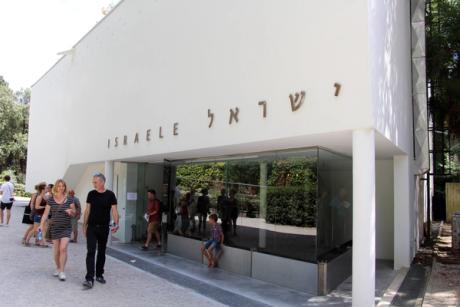
Israel’s foreign ministry accuses Venice Biennale's jury of ‘politicising’ exhibition

Israel’s foreign ministry has accused the Venice Biennale's jury of politicizing the exhibition after jurors announced they would not consider for prizes countries whose leaders face International Criminal Court charges for crimes against humanity. The jury’s statement, which did not name specific nations, is broadly understood to apply to Israel and Russia, both returning to the Biennale for the first time since the Gaza war and the Ukraine invasion, respectively. The Israeli ministry posted on X that the jury had decided to 'boycott' Israeli sculptor Belu-Simion Fainaru, calling it 'a contamination of the art world.' The Biennale distanced itself from the jury’s announcement, stating the jury acts autonomously, while the Russian pavilion is reportedly set to open only for a limited pre-opening period due to budget constraints amid sanctions.

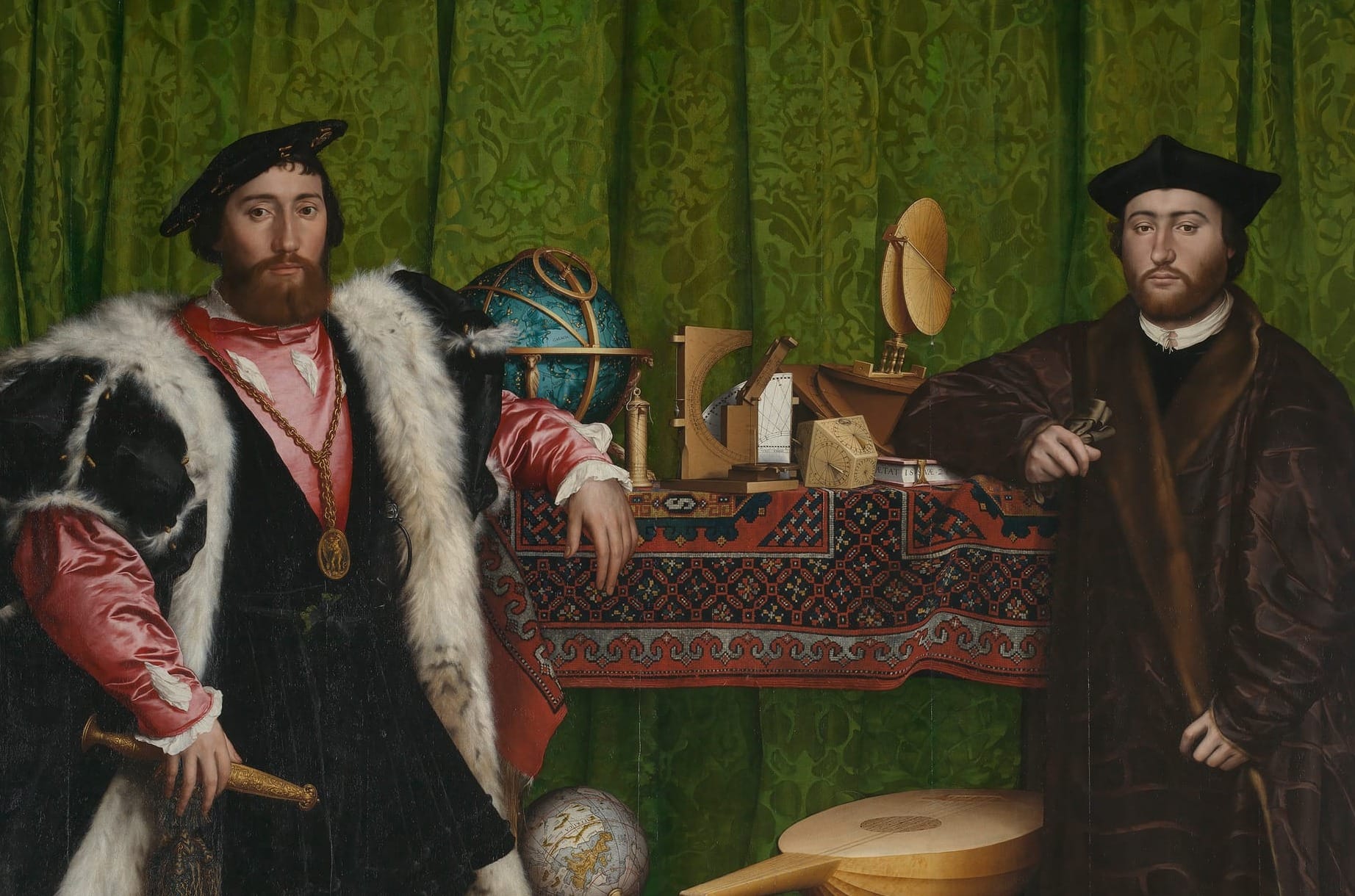
Hans Holbein Painted the Human

A new book, 'Holbein: Renaissance Master' by Elizabeth Goldring, published by Yale University Press and the Paul Mellon Centre, offers a comprehensive scholarly examination of the 16th-century German painter Hans Holbein the Younger. The review focuses on Holbein's masterful portraiture, particularly his depictions of opposing Tudor-era figures like Sir Thomas More and Thomas Cromwell, which are highlighted as embodying the era's complex political and religious tensions through their visual presentation at the Frick Collection in New York.

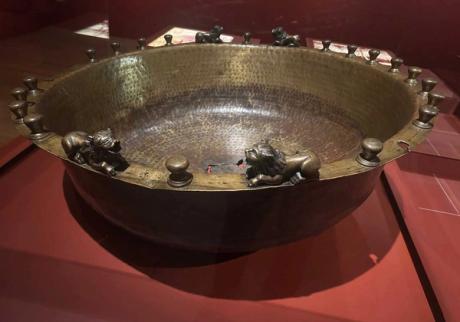
How did a 16th-century European basin end up as a sacred object in West Africa?

The Aya Kese, a massive 16th-century northern European brass basin, is currently on display at the British Museum while its complex history remains under scrutiny. Looted by British officer Robert Baden-Powell in 1896 from the Asante kingdom’s royal mausoleum in present-day Ghana, the object was long sensationalized by colonial accounts as a vessel for human sacrifice. Recent scholarship and historical records from Asante King Prempeh I contest these claims, asserting the basin’s sacred role as a spiritual repository for the souls of the Asante people.

MoMA PS1’s “Greater New York” Is Gritty, Stunning, and Gutting

MoMA PS1 has launched the sixth edition of "Greater New York," a quinquennial survey featuring over 50 artists living and working in the city. Coinciding with the museum’s 50th anniversary, the 2026 iteration focuses on artists in the formative stages of their careers, emphasizing a gritty, raw aesthetic over the polished, market-driven surfaces often found in major biennials. The exhibition highlights photography and installation work that reflects the city's complex immigrant narratives and evolving urban identity.

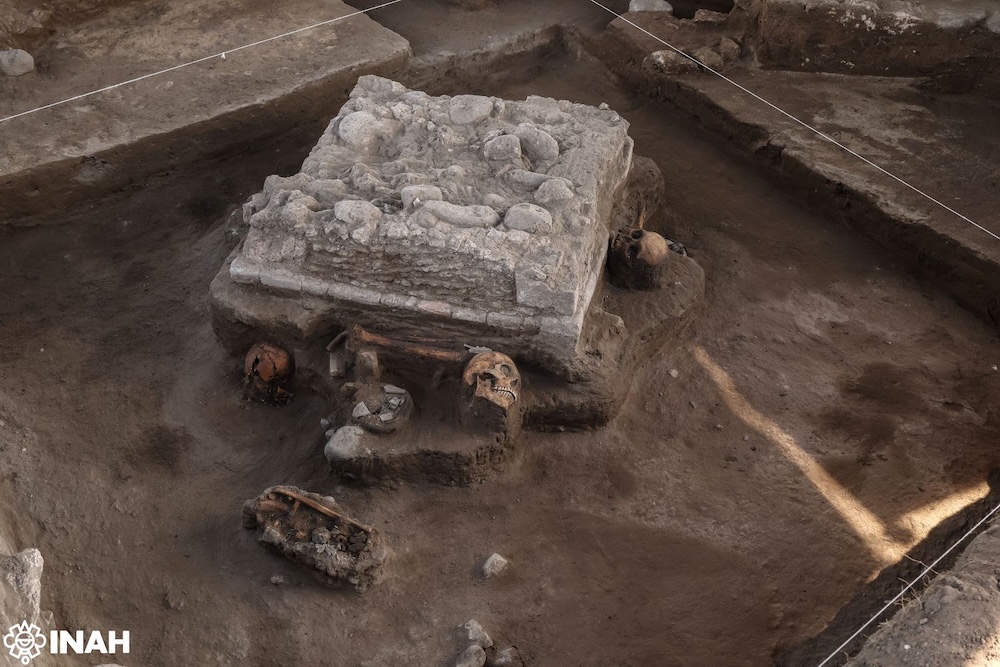
Prehistoric Stone Altar with Human Remains Discovered in Central Mexico

Archaeologists conducting salvage work for a new passenger train line between Querétaro and Mexico City have unearthed a 1,000-year-old Toltec stone altar. Located within the Tula Archaeological Monument Zone in Hidalgo, the three-level structure was found alongside four human skulls, long bones, a black ceramic bowl, and obsidian blades. Preliminary assessments by the National Institute of Anthropology and History (INAH) suggest the remains belong to individuals offered as ritual sacrifices.

1,000-year-old Toltec altar with four human skulls found in Mexico

Archaeologists from Mexico’s National Institute of Anthropology and History (INAH) have discovered a 1,000-year-old Toltec altar during salvage work for a new high-speed rail line between Mexico City and Querétaro. The stone structure, known as a momoztli, dates back to AD 900-1150 and was found with four human skulls and leg bones arranged at its base, suggesting ritual or sacrificial use. Located near the ancient site of Tula Chico, the find also included ceramic objects and obsidian artifacts within a compound likely belonging to the local elite.

Theresa Hak Kyung Cha Made Human Again

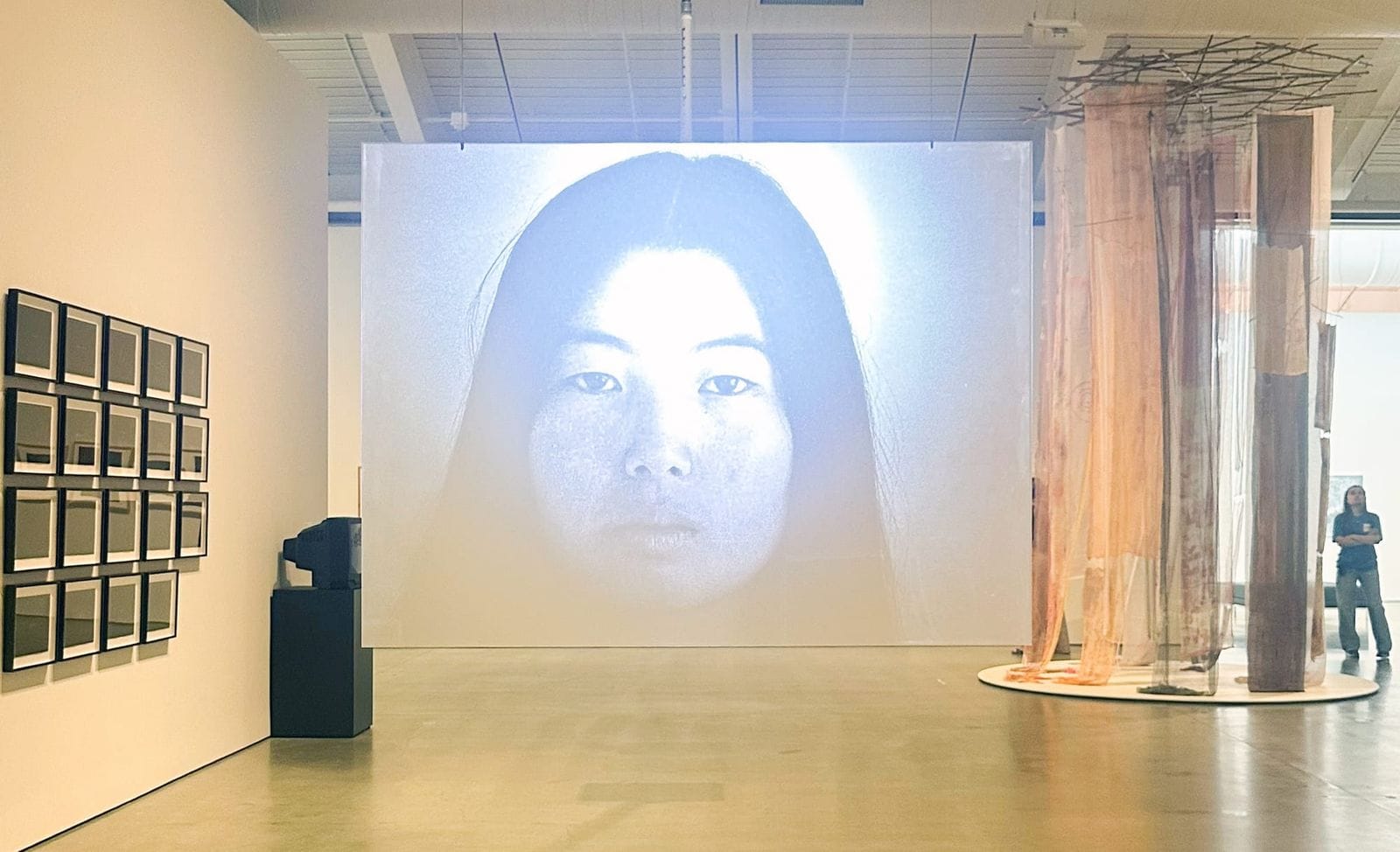
The Berkeley Art Museum and Pacific Film Archive (BAMPFA) is hosting "Theresa Hak Kyung Cha: Multiple Offerings," a comprehensive exhibition that draws from the artist’s complete archives. The show highlights Cha’s multidisciplinary practice, spanning film experiments, performance documentation, and her signature linguistic explorations. By pairing finished artworks with archival materials and personal ephemera, the exhibition reveals a playful, puckish side of the artist that is often obscured by the tragic circumstances of her death and the heavy themes of exile and dislocation in her work.

underground railroad museum sues trump administration

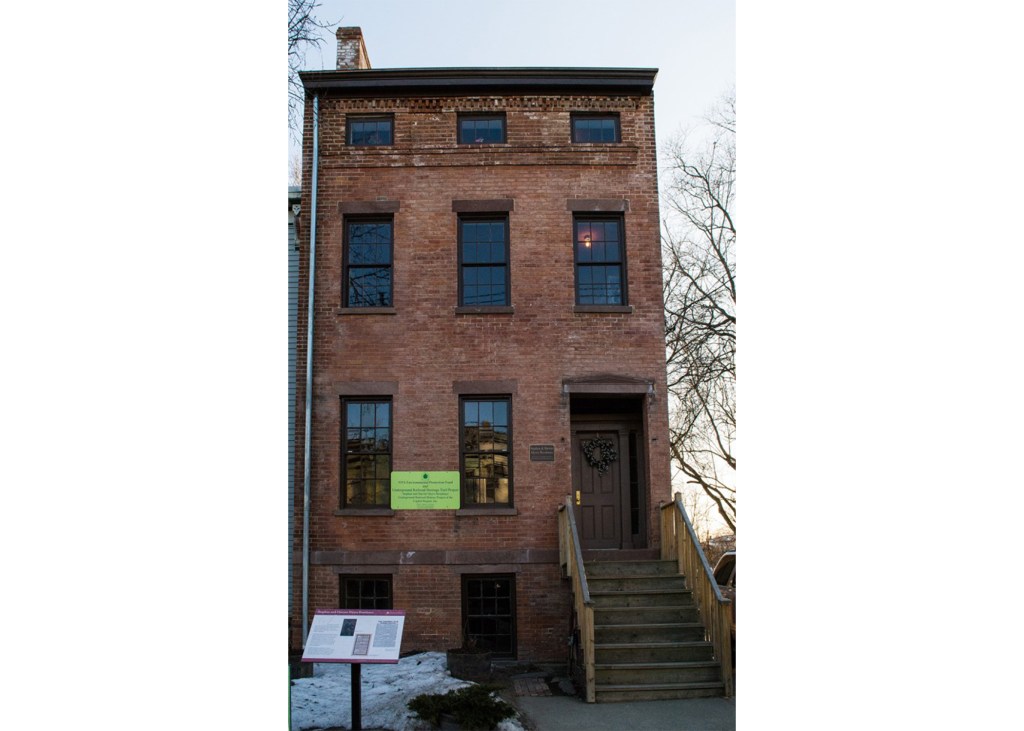
The Underground Railroad Education Center (UREC) in Albany, New York, has filed a lawsuit against the National Endowment for the Humanities (NEH) following the cancellation of a $250,000 grant. The legal action, filed in the US District Court for the Northern District of New York, alleges that the funding was revoked based on race and as part of a broader federal effort to dismantle diversity, equity, and inclusion (DEI) initiatives. The center claims this cancellation violates its First and Fifth Amendment rights.

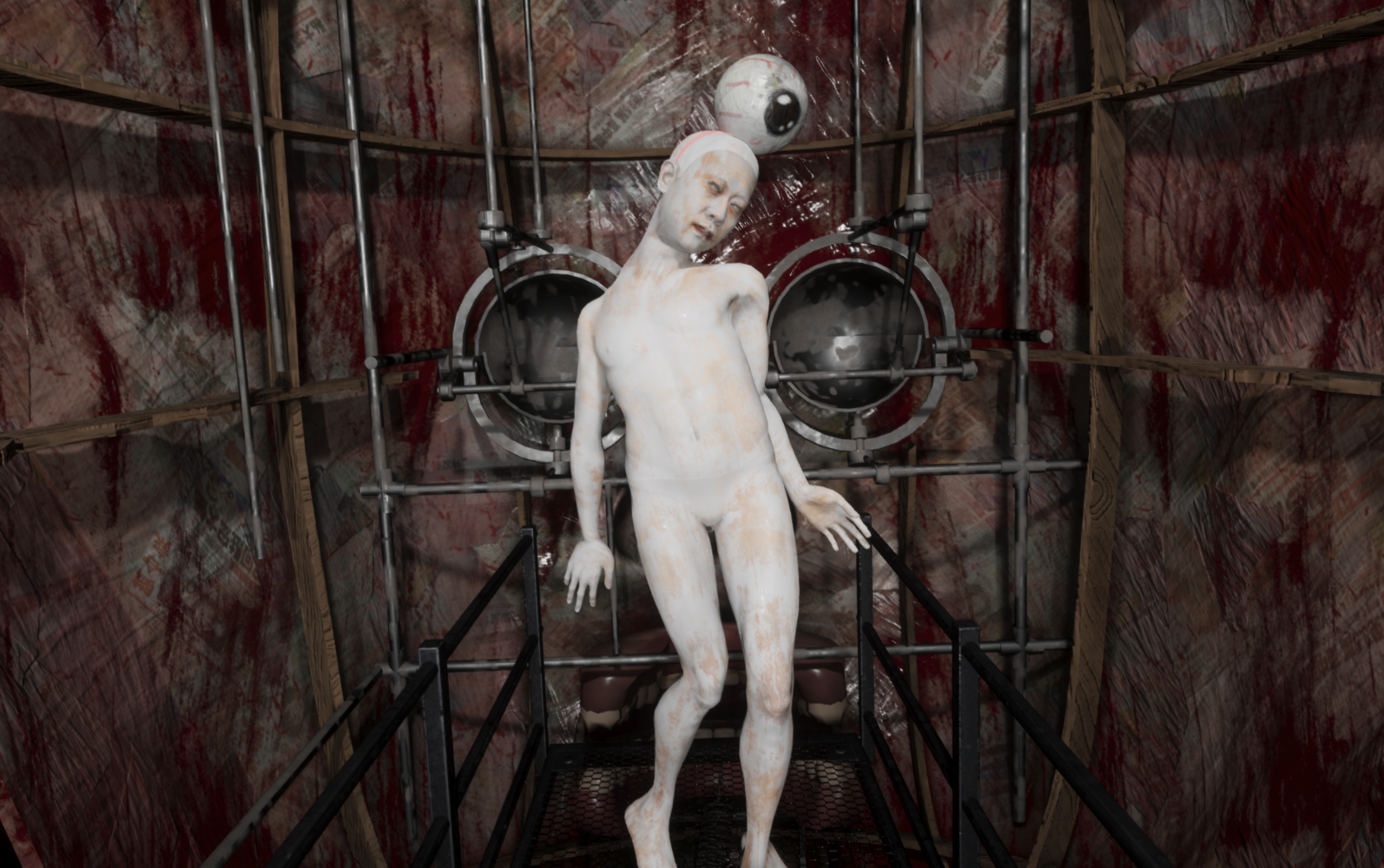
In the Whitney Biennial, Artists Explore the Horrifying Boundary Between Human and Machine

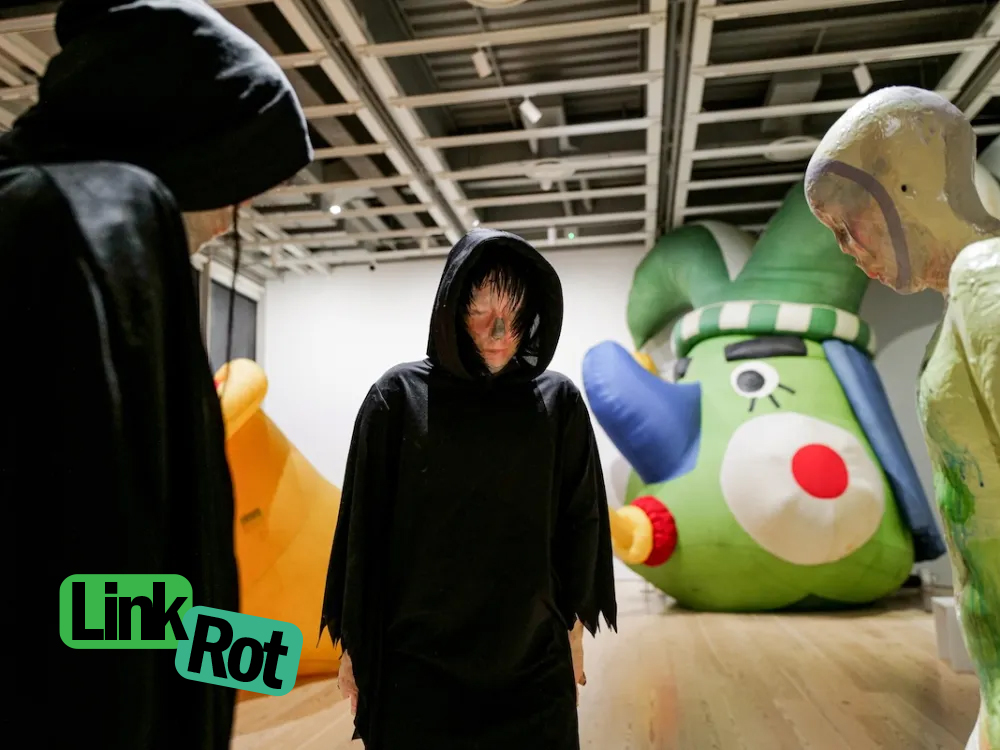
The 2026 Whitney Biennial features artists using technology to explore themes of surveillance, data extraction, and the unsettling blur between human and machine. Works like Cooper Jacoby's AI-generated piece, which scrapes data from deceased individuals' social media, and Isabelle Frances McGuire's 3D-scanned witch figures, confront the ethical and existential implications of biometrics and digital quantification.

sudan national museum 60 percent looted

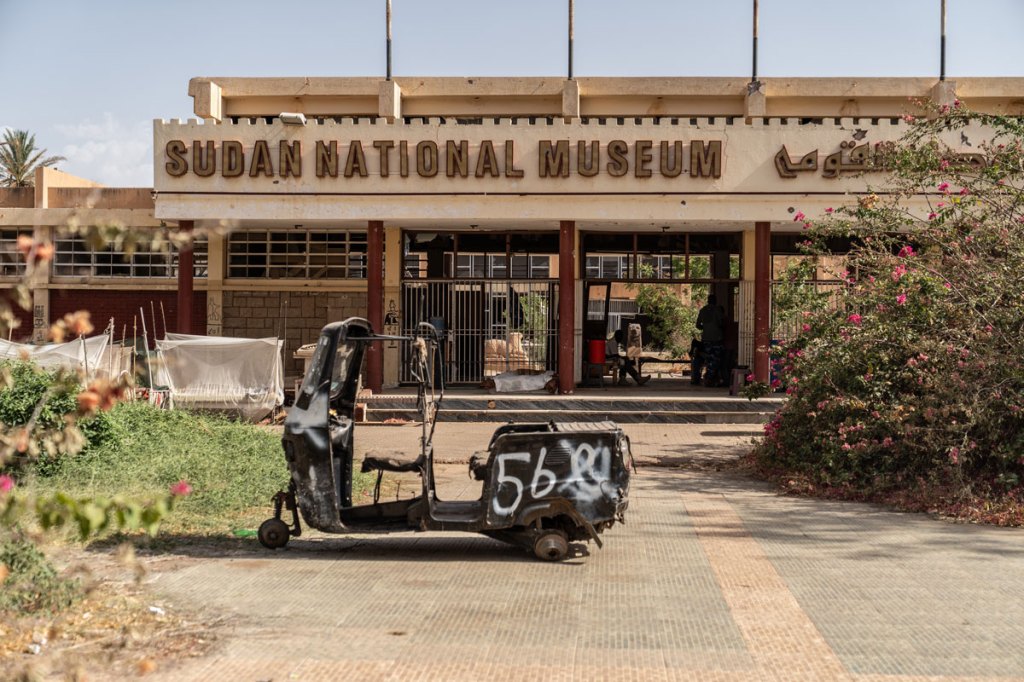
Officials from the National Museum of Sudan have revealed that over 60% of the institution's holdings were looted during the country's ongoing civil war. The Rapid Support Forces (RSF) occupied the Khartoum-based museum for nearly a year, during which time ancient gold, jewelry, and approximately 8,000 pieces from exhibition halls were stolen. Satellite imagery confirmed trucks transporting artifacts away from the site, and several other regional museums, including the Sultan Ali Dinar Museum, have been reported as completely destroyed.

ancient egyptians correction fluid book of the dead

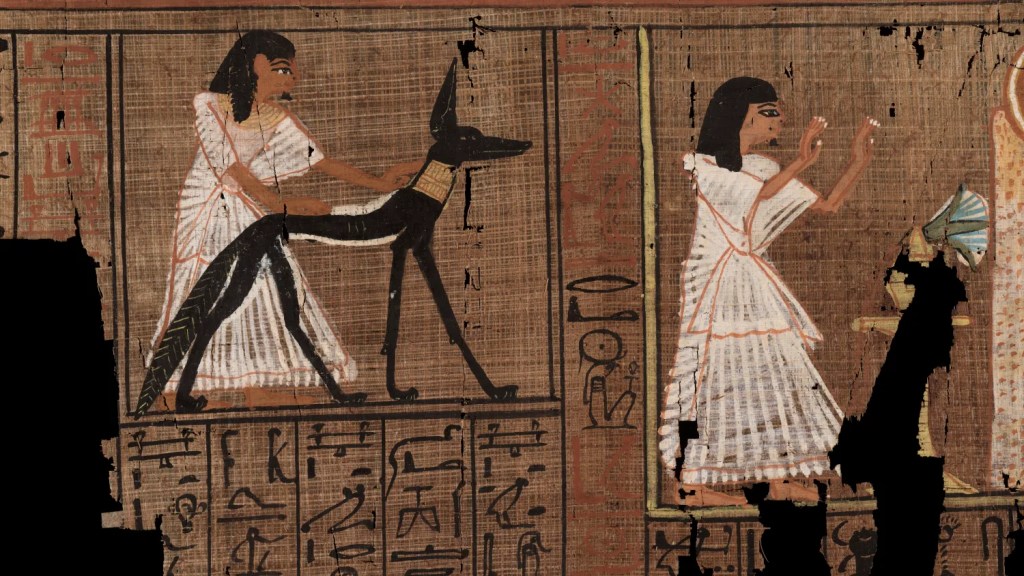
Researchers at the Fitzwilliam Museum have discovered that ancient Egyptian scribes used a primitive form of correction fluid to amend errors on papyrus scrolls. While preparing a 3,300-year-old copy of the Book of the Dead for the tomb of the scribe Ramose, conservators noticed white lines of huntite and calcite mixed with yellow orpiment used to slim down a painted jackal. This 'ancient Wite-Out' was specifically blended to match the cream-colored tone of fresh papyrus, concealing revisions made during the artistic process.