filter_list Showing 986 results for "Biennale" close Clear
search
dashboard All 986 museum exhibitions 563article news 198trending_up market 58article culture 53candle obituary 34rate_review review 32person people 30article policy 11article local 5gavel restitution 2
date_range Range Today This Week This Month All
Subscribe

Art Gallery Shows in Bangkok to Check Out in May

A roundup of art gallery exhibitions in Bangkok for May 2026 highlights four shows: 'The Fourth Decade of the Bualuang Paintings' at The Queen's Gallery, featuring 141 works by 52 Thai artists from the Bualuang painting contests; 'New Beginning' at ART Space by MOCA Four Seasons, a group show with artists from Japan and Thailand exploring renewal; 'Museum of Monsters' at River City Bangkok, a solo exhibition by artist FAHFAHS (Napath Kuntaruck) confronting hidden memories; and 'Beneath the Horizon Line' at Art Jewel Gallery, Siam.
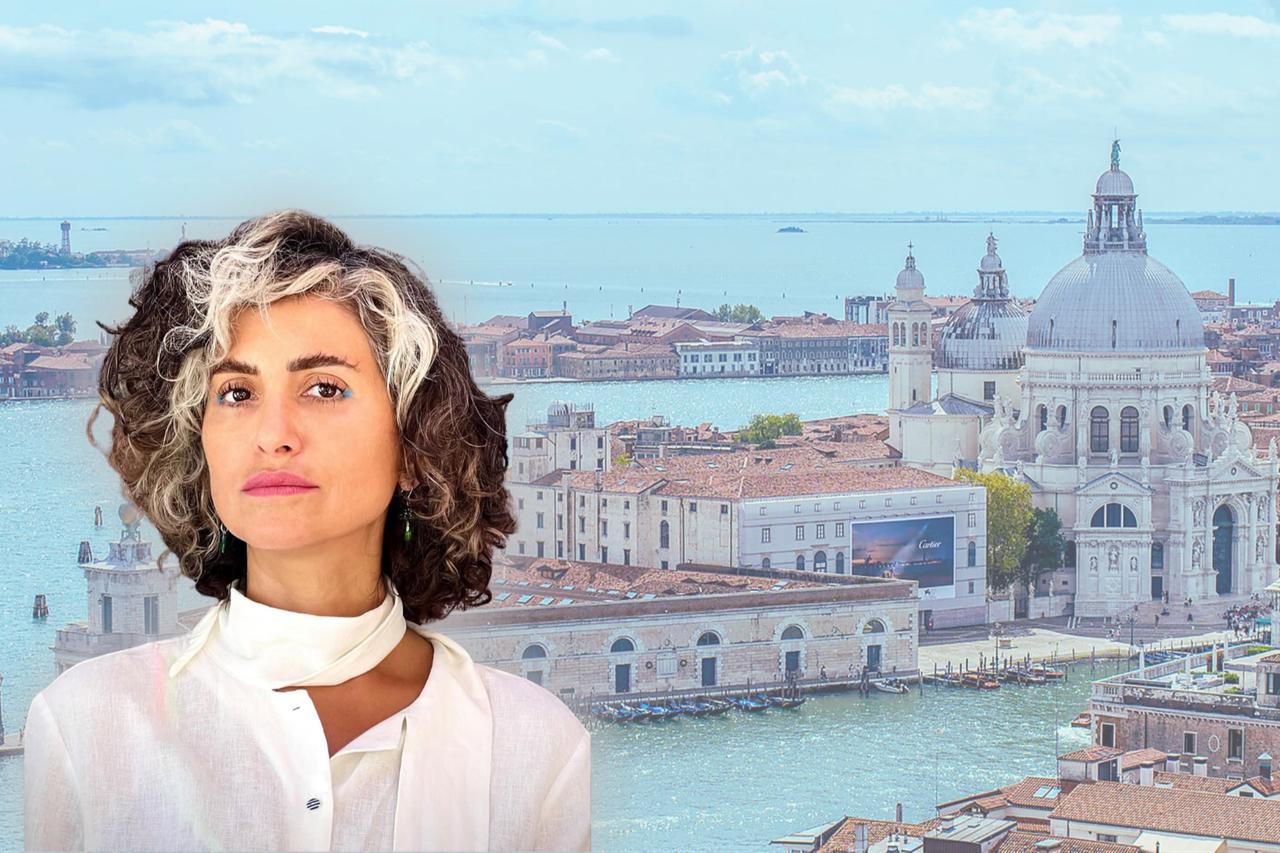
Turkish artist Nilbar Gures brings defiance to 61st Venice Biennale

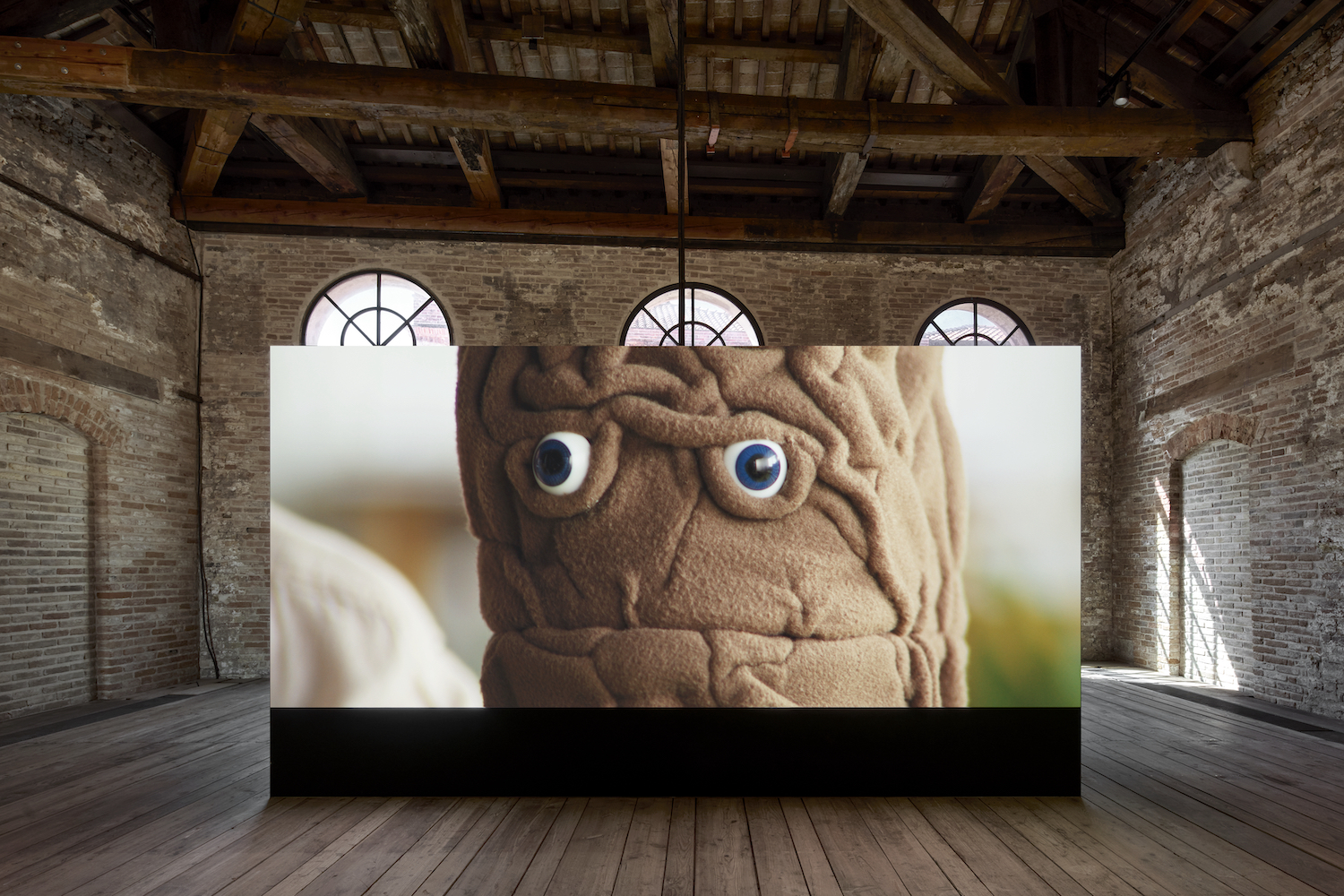
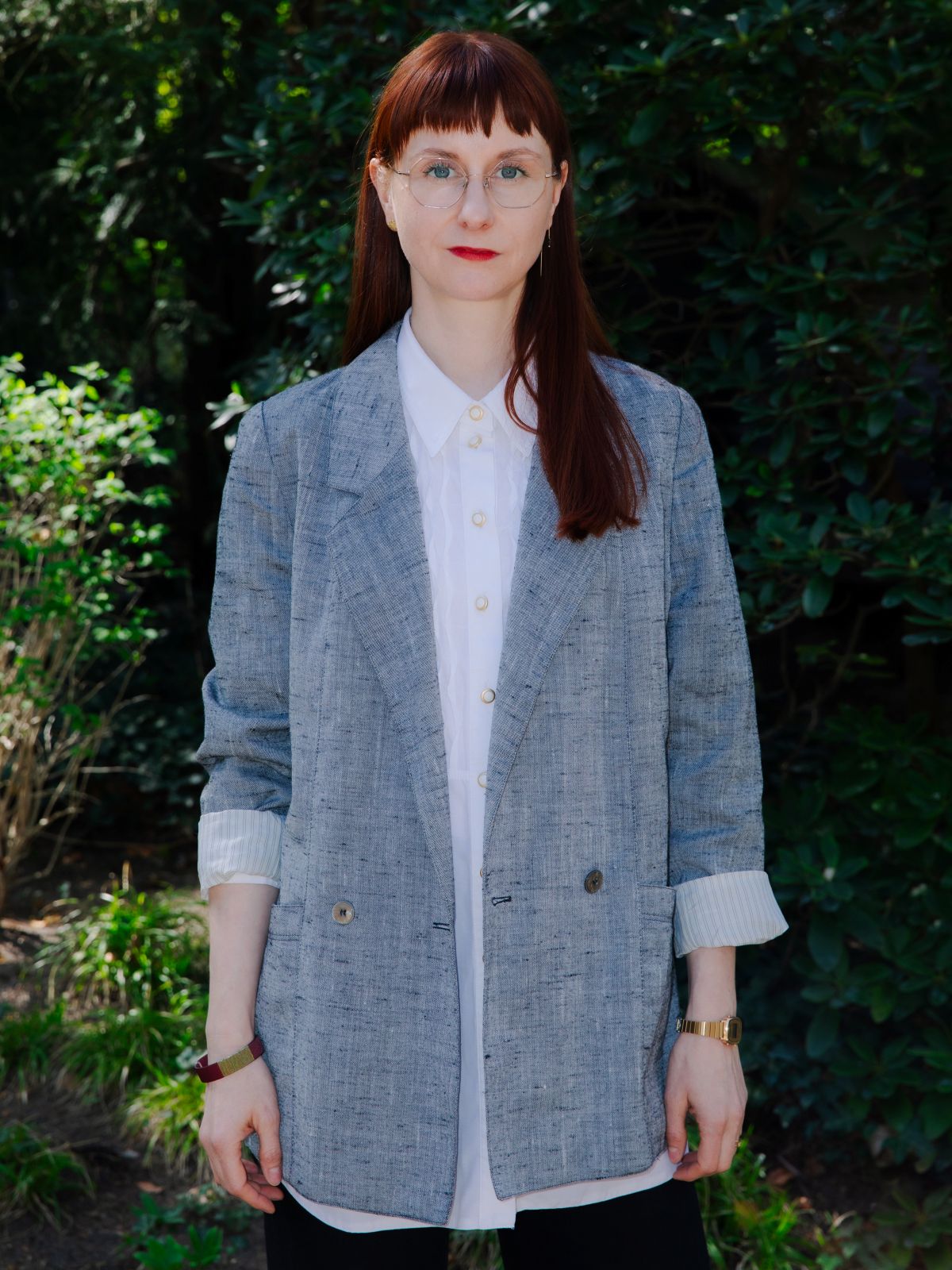
Turkish artist Nilbar Güneş will represent Türkiye at the 61st Venice Biennale (May 9–November 22, 2026) with her exhibition "A Kiss on the Eyes" in the Arsenale's Türkiye Pavilion. Güneş, born in Istanbul in 1977 and educated at Marmara University, the Academy of Fine Arts Vienna, and the University of Applied Arts, works across photography, film, painting, performance, and mixed media. Her practice draws on personal biography to address societal issues, and she has shown internationally at venues including Osmos in New York and Vortic Art in London.

Venice Biennale Opens Amid Strikes, Protests and Institutional Rupture.

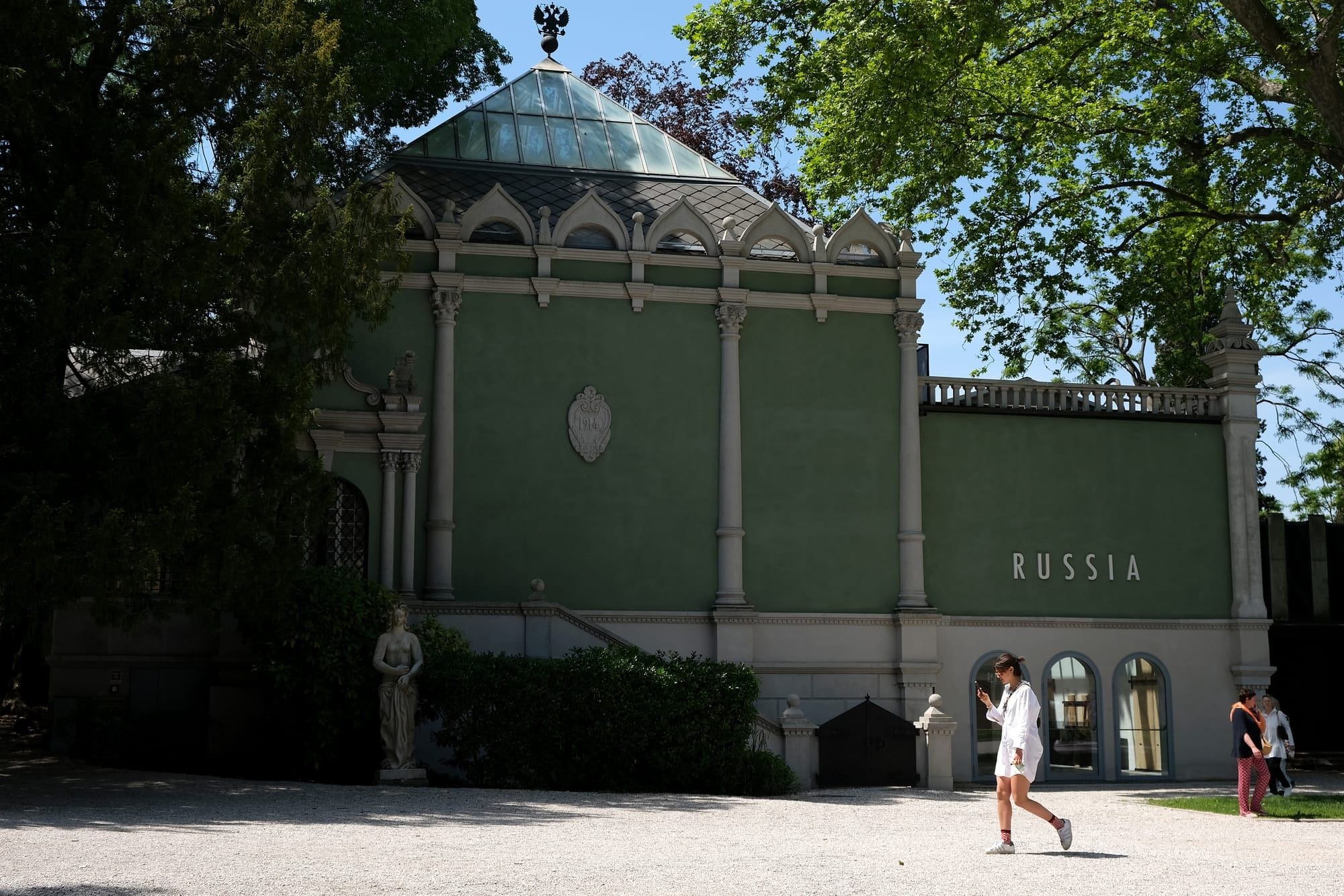
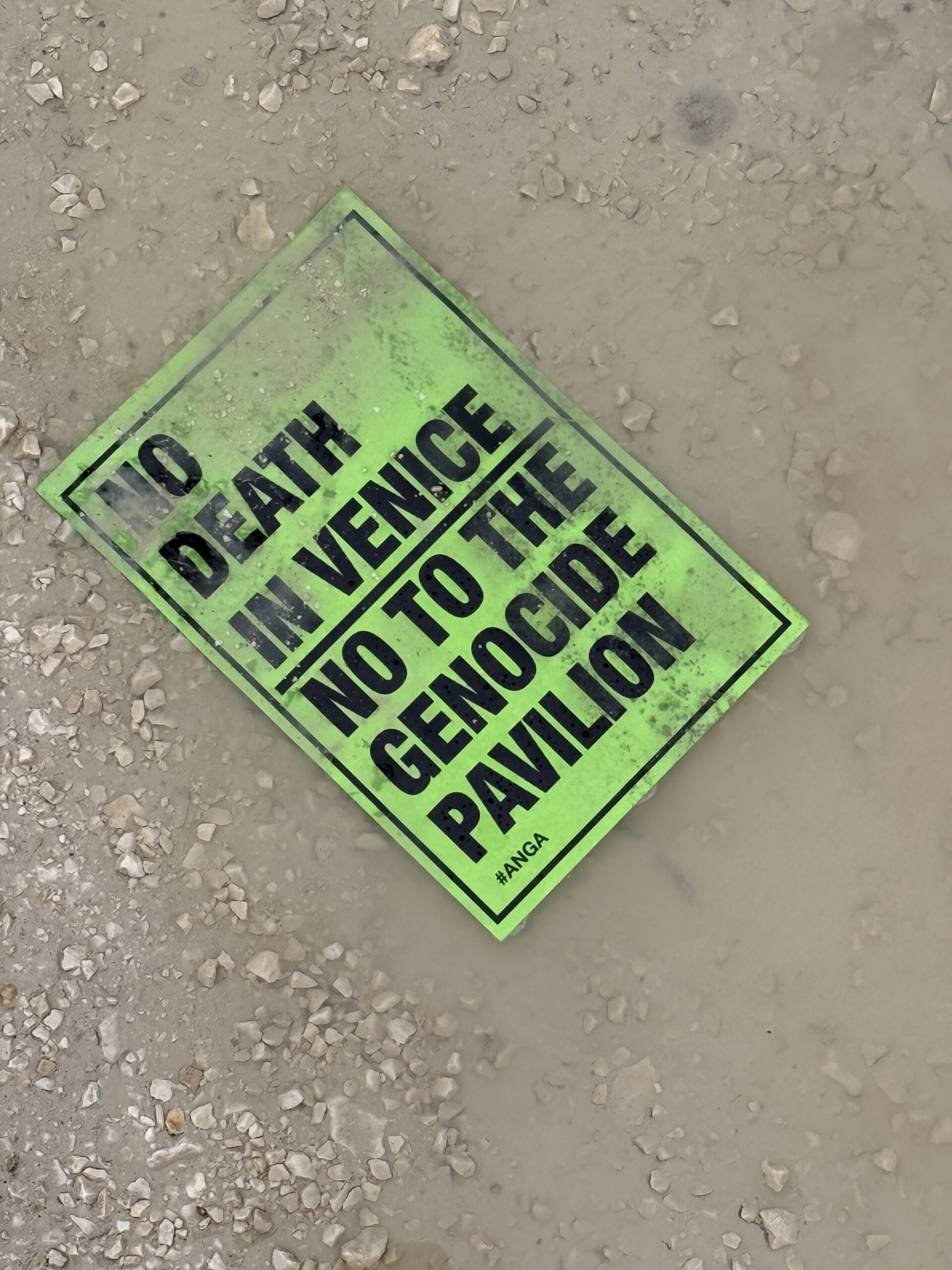
The 61st Venice Biennale opened in May 2026 amid strikes, protests, and political unrest, rather than celebration. Coordinated by Italian labor groups and transnational coalitions, demonstrators targeted the Biennale's decision to allow participation by Israel and Russia during the ongoing wars in Gaza and Ukraine. The Art Not Genocide Alliance (ANGA) led protests against Israel's participation, while Pussy Riot and FEMEN activists staged a protest outside the Russian pavilion. The Israeli pavilion's relocation from the Giardini to the Arsenale added symbolic weight, with critics viewing it as institutional endorsement. The late curator Koyo Kouoh's vision for the exhibition, titled "In Minor Keys," emphasized tenderness and complexity, contrasting with the volatile atmosphere.

In Minor Keys: The 61st Biennale di Arte Venezia Opens Under Koyo Kouoh (1967–2025).

The 61st Biennale di Arte Venezia opens under the posthumous curatorial vision of Koyo Kouoh (1967–2025), the late Cameroonian-born curator who reshaped contemporary African and diasporic art discourse. The central exhibition, spanning the Giardini and Arsenale, features 111 participants including artists, collectives, and artist-led organizations from across the Global South, with works in textiles, film, sculpture, and performance that interrogate colonialism, migration, and ecological repair. The Biennale is also marked by a pronounced presence of African and diasporic narratives across national pavilions, including several first-time pavilions from the African continent.

Israel’s Artist Reportedly Pressured Venice Biennale Before Jury’s Resignation

Artist Belu-Simion Fainaru, Israel’s representative at the Venice Biennale, reportedly pressured the exhibition’s organizers before the five-person jury abruptly resigned last week. The jury, tasked with selecting Golden Lion winners, had stated it would not consider nations charged with crimes against humanity by the International Criminal Court—applying to Israel and Russia. According to Italian news agency Adnkronos, Fainaru alleged “racial discrimination” and “antisemitism,” threatened to take his claims to the European Court of Human Rights, and the Biennale warned jury members they could be held personally liable for damages. Hyperallergic confirmed the threats of legal action, and a Biennale spokesperson acknowledged the reports were true.

How sweet it is: chocolate Russell Crowe at the Malta Pavilion

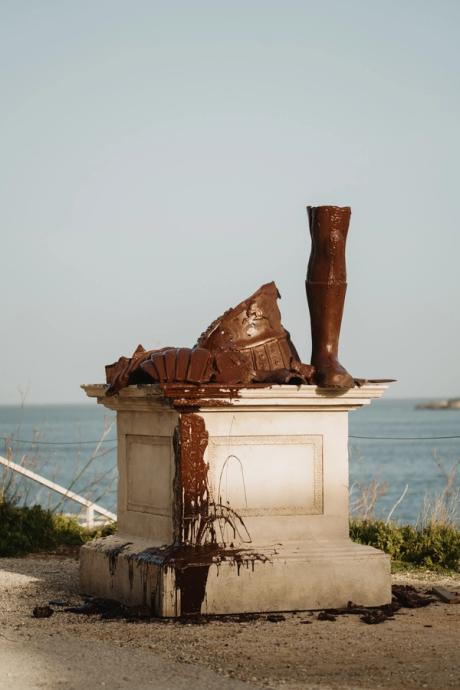
Artist Charlie Cauchi presents a 150-kg chocolate sculpture of Russell Crowe as Maximus from *Gladiator* in her installation *Dolce* at the Malta Pavilion's group exhibition *No Need To Sparkle: Experiments in Love and Revolution* in the Arsenale during the Venice Biennale. The chocolate effigy, originally made by Tiziano Cassar for the Hamrun Chocolate Festival in 2023, was previously admired by Crowe himself, who joked about being made of chocolate.

From Eurovision to the Venice Biennale, culture contests are being overshadowed by politics

The Venice Biennale and Eurovision Song Contest are being overshadowed by political controversies rather than artistic merit. At the Venice Biennale, the Russian pavilion opened for press previews for the first time since the Ukraine invasion, a decision that may cost the festival €2m in EU funds. The Israeli pavilion will open despite protests from 200 artists and curators, while the South African pavilion will remain empty after its government blocked an artist's tribute to a Palestinian poet. The Iranian pavilion is also shut, and the awarding jury has resigned en masse, meaning no Golden or Silver Lion awards will be given for the first time in 40 years. Similarly, Eurovision's 70th anniversary is dominated by five countries boycotting over Israel's participation, with little focus on the music.

Iran Abruptly Drops Out of Venice Biennale as US and Israel’s War Continues

Iran has abruptly withdrawn from the 61st Venice Biennale, scheduled for May 9–November 22, 2026, reducing the number of participating nations from 101 to 100. The Biennale confirmed the withdrawal in a statement but did not provide a reason; Iran is now the only country listed without any artist representatives, though Aydin Mahdizadeh Tehrani remains listed as the pavilion's commissioner. The announcement comes as the Biennale opens to press amid ongoing controversy over the participation of Israel and Russia, whose pavilions have drawn protests from artists and politicians.

Morocco debuts at the Biennale with an exploration of its age-old craft traditions

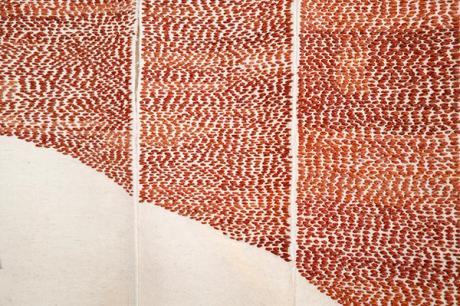
Morocco is debuting its first national pavilion at the Venice Biennale with a monumental installation titled "Asetta" by artist Amina Agueznay. The 300-square-meter site-specific work, located in the Arsenale, draws on centuries-old Moroccan craft traditions, including weaving, beadwork, and embroidery. Agueznay conducted field research across Morocco and collaborated with over 130 artisans, mostly women, some of whom she has worked with for decades. The installation explores the transmission of traditional craftsmanship and shared memory, and incorporates the concept of the threshold (âatba) from Moroccan vernacular architecture, offering visitors both an immersive experience and functional seating.

Metal Detectorists Unearth Norway’s Largest-Known Viking Coin Hoard

Two hobbyist metal detectorists, Rune Sætre and Vegard Sørlie, discovered Norway's largest-known Viking Age coin hoard in a field in Østerdalen, east-central Norway. Starting with 19 silver coins on April 10, the find grew to over 3,250 coins dating from the 980s to the 1040s, surpassing the previous record of 1,800 coins found in the 1800s. The hoard includes coins minted under Æthelred the Unready, King Cnut, and Holy Roman Emperor Otto III, as well as early Norwegian coins from after Harald Hardråde's return from Byzantium. The coins have been transferred to the Museum of Cultural History in Oslo for expert analysis.

What Biennials Reveal About the Art World

Ben Davis and Jo Lawson-Tancred of Artnet News have published complementary projects analyzing global art biennials. Davis compiled data from major biennials including Istanbul, Gwangju, São Paulo, Sharjah, and Venice over the past four years, tracking which artists have been shown most frequently worldwide since the 2022 Venice Biennale. Lawson-Tancred examined the upcoming Venice Biennale, titled "In Minor Keys" and curated by the late Koyo Kouoh, comparing the demographics of its artists to previous editions to trace shifts in the global art conversation.

U.S. Returns Hundreds of Looted Antiquities to Italy

U.S. officials formally returned 337 looted antiquities, archival materials, and artworks to Italy during a ceremony at Rome’s La Marmora barracks. The objects, spanning from the Villanovan era (900–700 B.C.E.) through the Hellenistic period (323–31 B.C.E.), include Etruscan, Greek, Italic, and Egyptian artifacts. The repatriation was coordinated by Italy’s Carabinieri Command for the Protection of Cultural Heritage, the U.S. Federal Bureau of Investigation, the Department of Homeland Security, and the office of Manhattan District Attorney Alvin Bragg Jr. Key items include a marble head of Alexander the Great, a bronze sculpture from Herculaneum, and Egyptian basalt sculptures. Some 221 objects were recovered via the Manhattan DA, while the remaining 116 were secured with help from Christie’s.

Italian Culture Minister Launches Inspection of Venice Biennale’s Russian Pavilion

Italian Culture Minister Alessandro Giuli has launched an official inspection of the Russian Pavilion at the 61st Venice Biennale, just days before the exhibition opens. An inspector has been sent to Venice to review all documentation related to Russia's participation, focusing on potential irregularities such as visa issues for Russian artists and delegation members. The investigation follows the Biennale's international jury decision to exclude Russia and Israel from awards due to accusations of crimes against humanity. The Russian Pavilion will be open only during the pre-opening vernissage, after which it will close, with digital documentation displayed in its windows.

A Theatre Group of Exiled Belarusian Artists Arrive in Venice, With an Exhibition That Shows What Repression Feels Like

The Belarus Free Theatre, an exiled underground theater group, will stage its first official collateral exhibition at the 61st Venice Biennale, titled “Official. Unofficial. Belarus.” The show, held in the historic La Chiesa di San Giovanni Evangelista di Venezia, features site-specific paintings, a sound installation, and large-scale sculptures that aim to immerse visitors in the experience of repression under authoritarian rule. This marks only the fifth time Belarus has been present at the Biennale, and the first time it appears not as a state but as a self-governing cultural body, challenging the official narratives of nations like Russia.

Row Over Russia’s Return to the Venice Biennale Deepens

Newly leaked emails reveal that the Venice Biennale has been secretly coordinating with Russia since last summer to facilitate its return to the 2025 edition, despite ongoing international sanctions. The correspondence, published by Italian outlets Open and La Repubblica, shows Biennale president Pietrangelo Buttafuoco, director Andrea Del Mercato, and Russian commissioner Anastasia Karneeva working together on visa issues, pavilion logistics, and a legal strategy to bypass E.U. sanctions prohibiting collaboration with state-backed Russian entities. Russia's pavilion will be open during preview days with performers activating the space, while footage will play for the public from a closed pavilion thereafter.

Russia's Venice Pavilion to Close to the Public in Compliance With Sanctions

Russia will return to the 61st Venice Biennale with its national pavilion, but the exhibition will only be physically open to the press and select guests during the vernissage dates of May 5–8. From May 9 onward, the pavilion will remain closed to the public, with multimedia documentation of performances displayed on screens at the windows. The arrangement follows leaked emails among Biennale Foundation President Pietrangelo Buttafuoco, General Director Andrea Del Mercato, and Russian Pavilion Commissioner Anastasia Karneeva, revealing efforts to comply with EU sanctions while still allowing Russia's participation after two consecutive absences since its invasion of Ukraine.

These Four Filmmakers Have Never Fully Gotten Their Due. The Kitchen Wants To Change That.

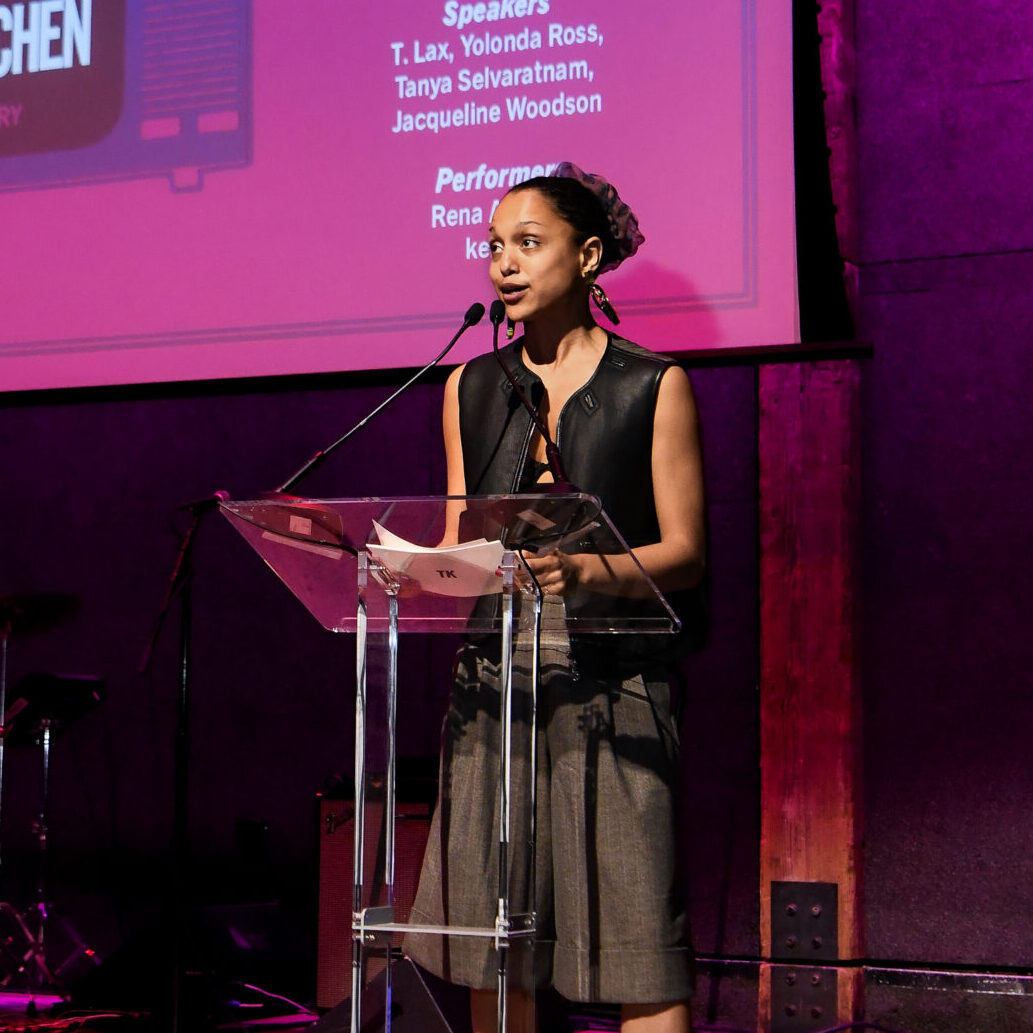
The Kitchen, a New York nonprofit arts organization, held its annual spring gala at City Winery to honor four female filmmakers: Cheryl Dunye, Garrett Bradley, Shari Frilot, and Catherine Gund. The event was co-chaired by prominent figures including Ava DuVernay, Julie Mehretu, and Komal Shah, and featured performances, remarks, and a crowd of artists, curators, and collectors. The gala celebrated the filmmakers' contributions to cinema, with special recognition of their work in expanding representation and narrative boundaries.

Can a Venice Biennale Pavilion Be Rock ‘n’ Roll? At the Belgium Pavilion, Miet Warlop Makes the Case.

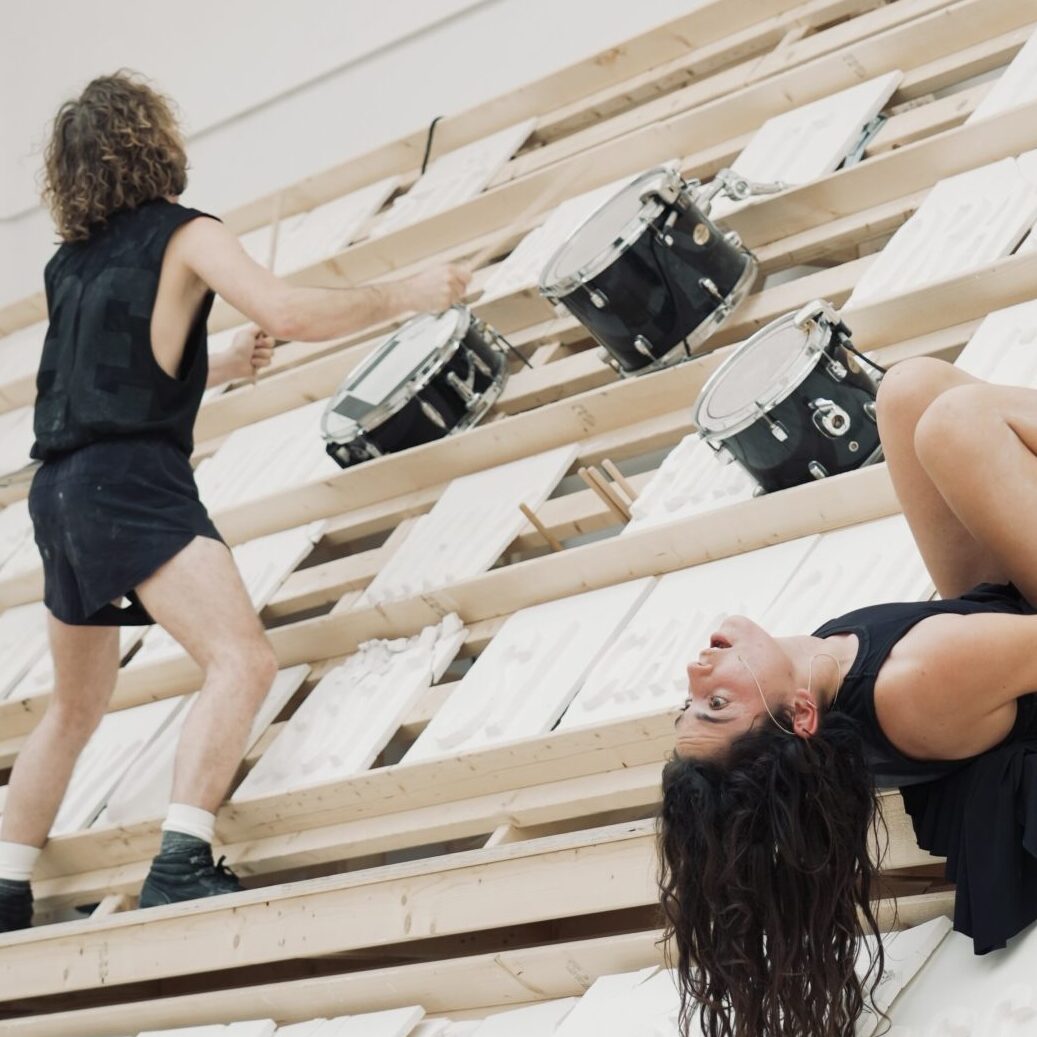
Miet Warlop, a Belgian artist known for her avant-garde theater work, is representing Belgium at the 2026 Venice Biennale with a performance-installation titled "IT NEVER SSST." The project transforms the Belgian Pavilion into a chaotic, sensory-filled space where performers climb wooden structures, bang drums, and break plaster boards inscribed with multilingual text, reflecting the noise and misunderstandings of contemporary life. Curated by Caroline Dumalin, the pavilion blurs the line between theater and visual art, with live performances occurring only part of the time while sculptors continuously remake plaster reliefs throughout the Biennale's run.

This is fucking Disneyland

"Das ist fucking Disneyland"

The article surveys recent German cultural commentary, highlighting three main stories: art historian Bénédicte Savoy's warning in the FAZ about the physical decay of German universities, particularly the Technical University of Berlin, as a threat to democratic culture; Berlin artist Charlie Stein's essay on anxiety as a pervasive contemporary condition and art's role in making it visible; and critic Rachel Wetzler's harsh review of the Venice Biennale in Artforum, calling it an overwhelming 'theme park' version of the art world. Additionally, Nikolaus Bernau defends expert juries in the Tagesspiegel, using the Biennale's jury crisis as a case study.

And who are you?

Und wer seid ihr?

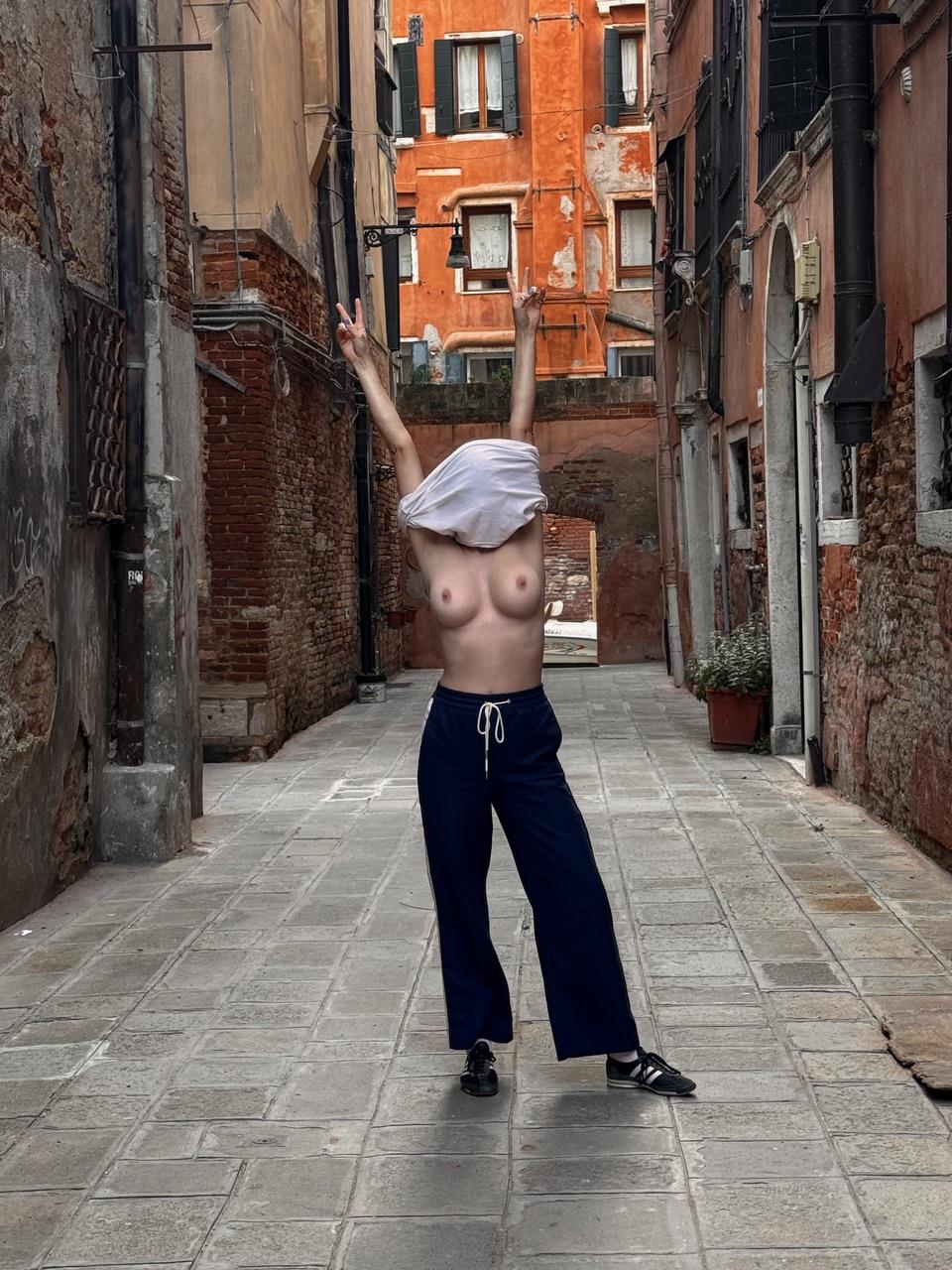
The article is a brief interview conducted at the Venice Biennale, where a visitor named Franzi explains her presence at the event and discusses her favorite pavilion. She cites the Austrian Pavilion by Florentina Holzinger as her absolute favorite after five days of art, and clarifies that her bare chest is not a political protest against Putin but a homage to Holzinger's work. She also mentions missing the Vatican Pavilion due to long queues.

The 10 Best Venice Films

Die 10 besten Venedig-Filme

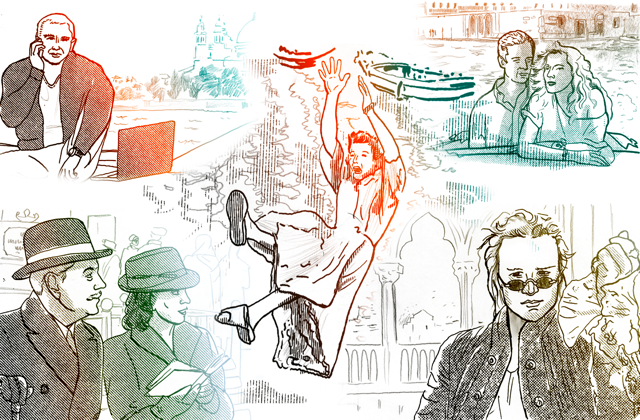
Monopol magazine has published a ranking of the ten best films set in Venice, timed to coincide with the opening of the Venice Art Biennale. The list includes titles such as Steven Spielberg's "Indiana Jones and the Last Crusade" (1989), Joseph L. Mankiewicz's "The Honey Pot" (1967), and Kenneth Branagh's "A Haunting in Venice" (2023), highlighting how the lagoon city serves as a central character in action films, comedies, and love dramas.

The Great Shitshow

Die große Shitshow

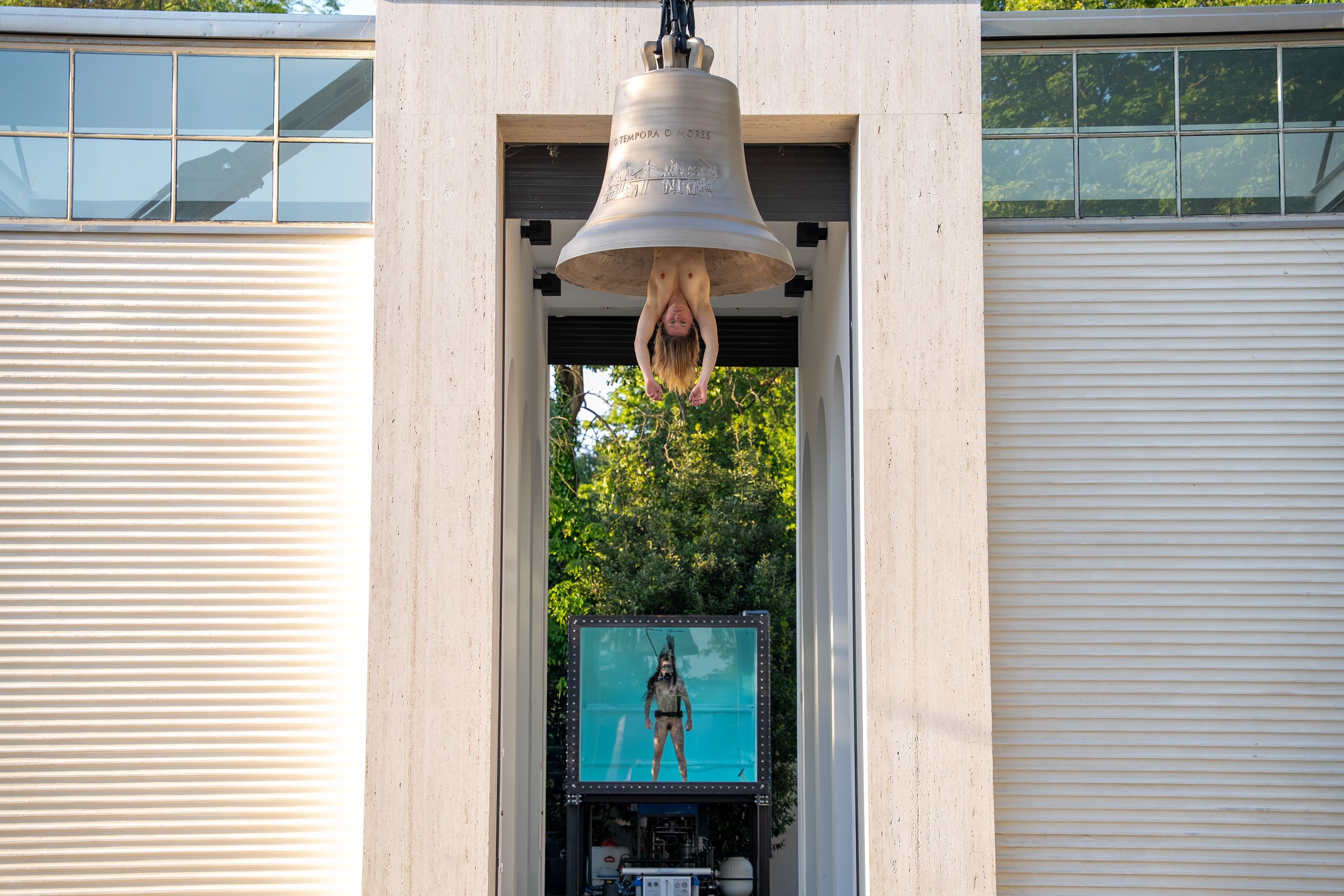
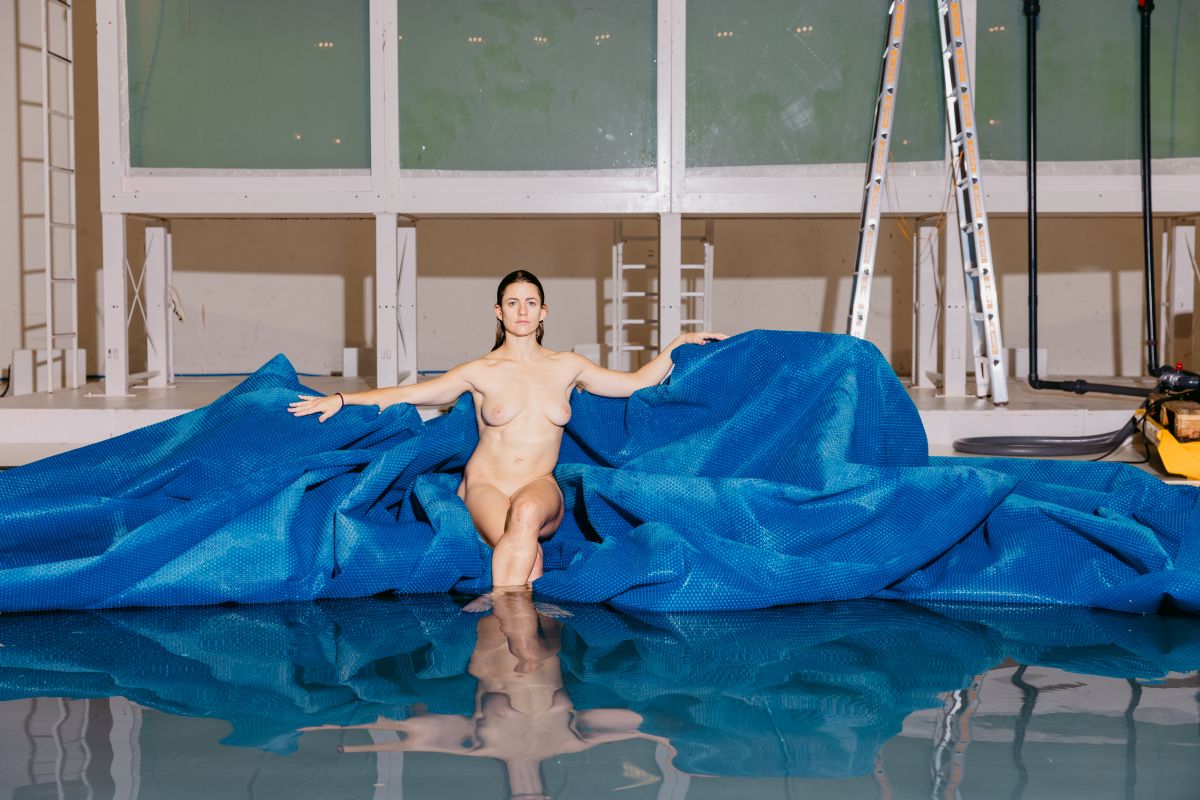
Florentina Holzinger has transformed the Austrian Pavilion at the Venice Biennale into a radical performance installation titled "Seaworld Venice." The piece features naked performers suspended from meat hooks, a performer ringing a bell while dangling upside down from a crane, a woman on a jetski circling inside a flooded pavilion, and a system where visitors are invited to urinate into portable toilets, with the waste processed and recirculated into the water. The work combines extreme physical stunts, nudity, and bodily fluids to create a visceral, immersive experience that has drawn long queues and stunned reactions from the art world.

Shit has the power to destabilize systems of order

"Scheiße hat die Kraft, Ordnungssysteme zu destabilisieren"

Aline Bouvy, the artist representing Luxembourg at the Venice Biennale, has created a film essay titled "La Merde" that centers on excrement as its main character. Originally conceived as a performance, the work explores themes of bodily circulation, transformation, and the grotesque, using feces to challenge societal taboos and systems of order. Bouvy discusses the film's development with curator Stilbé Schroeder, noting that the Biennale provided the resources and time to realize the project, which will later travel to the Kunstverein in Salzburg.

The Backlash Is Here

"Der Backlash ist da"

Kathleen Reinhardt, the curator of the German Pavilion at the Venice Biennale, has announced her concept featuring artists Sung Tieu and Henrike Naumann under the title "Ruin." The exhibition will use East Germany as a prism to explore themes of power, history, and the present. Reinhardt was invited to submit a concrete concept and specific artists for this edition of the pavilion.

History Made Material

Material gewordene Geschichte

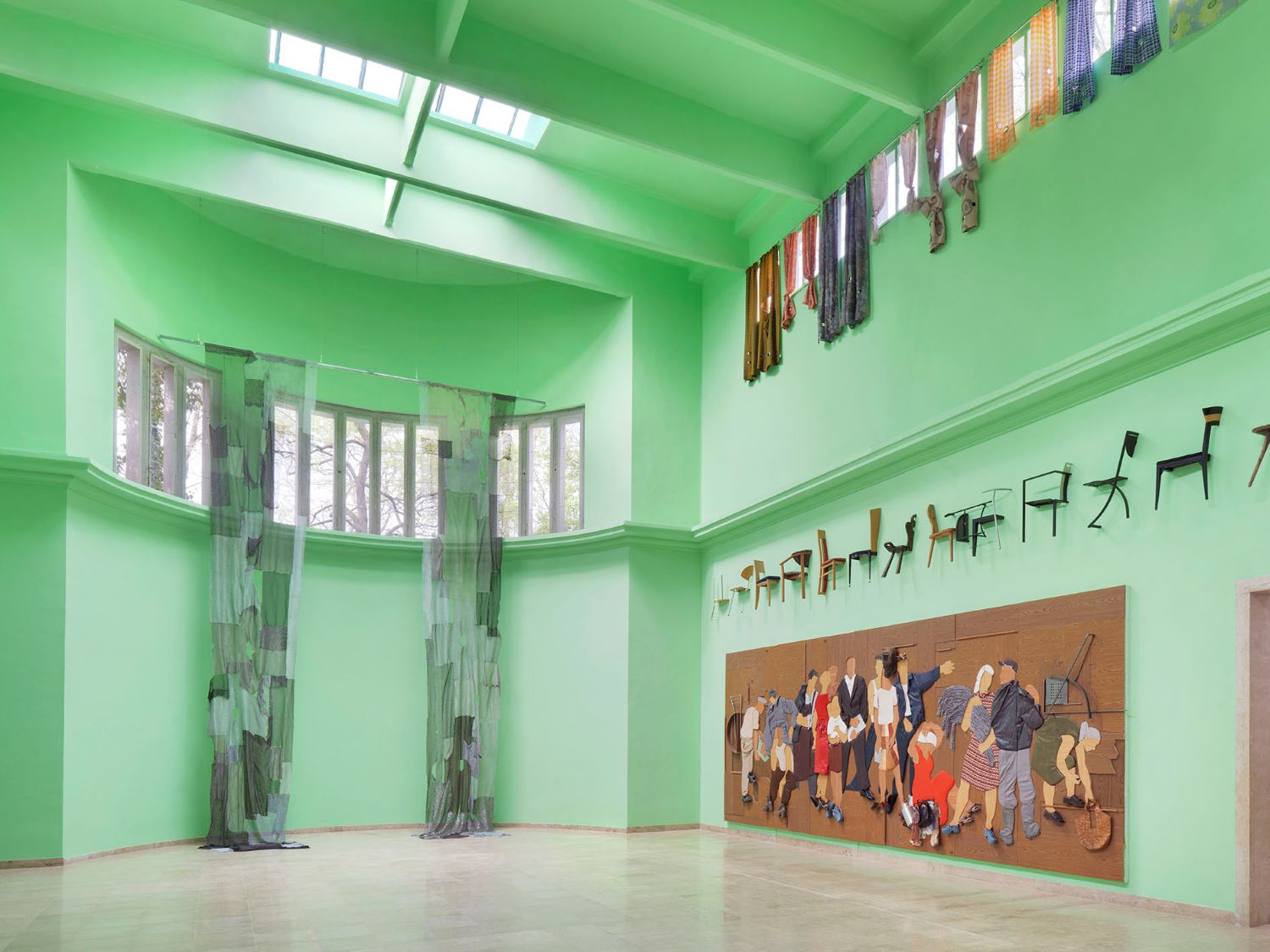
The German Pavilion at the 61st Venice Biennale has been transformed by artist Sung Tieu, who clad its Nazi-era facade with millions of small marble tiles to replicate the look of a prefabricated East German apartment block—specifically the Gehrenseestraße housing complex in Berlin where she spent part of her childhood. Inside, the exhibition features glass casts of her mother's limbs, aluminum beams evoking cramped living quarters, and works by the late Henrike Naumann, all curated by Kathleen Reinhardt to explore bureaucracy, migration, and systemic violence.

I Try to Allow Chaos

"Ich versuche, Chaos zuzulassen"

Florentina Holzinger presents her exhibition "Seaworld Venice" at the Austrian Pavilion of the Venice Biennale, a spectacular underwater-themed installation that combines a theme park, sacred building, and sewage treatment plant. The work explores transformation from dirt to cleanliness, featuring water, dolphins in the lagoon, and boundary-pushing performance elements.

It's a Rollercoaster of Emotions

"Es ist ein Wechselbad der Gefühle"

Sung Tieu has been selected to represent Germany at the Venice Biennale with a solo exhibition in the German Pavilion. In an interview with Monopol, she discusses how her personal biography—as a Vietnamese-German artist—informs her practice, which examines Vietnamese migration to East Germany, the rise of right-wing extremism, and the cold, bureaucratic language of state power. The exhibition will bring these themes to an international audience in Venice.

Henrike Naumanns langer Weg in den deutschen Pavillon

Henrike Naumann, a German artist who recently passed away, is being honored with a posthumous exhibition at the German Pavilion during the Venice Biennale. Her work, which explores recent German history, state art, and the absence of East German art in the pavilion, finds its ultimate context in this historically charged Nazi-era building.

In Venice, the Passion of Life and the Ghost of Art

The 2026 Venice Biennale, the world’s oldest art exhibition, has opened with a theme centered on vitality and the celebration of life. The edition is described as both a passionate embrace of energy and a reminder of art’s lingering ghosts, offering a mixed but compelling experience for visitors.

Theme and title announced for Wang Shu and Lu Wenyu’s 2027 Venice Architecture Biennale

Wang Shu and Lu Wenyu have announced the theme and title for the 2027 Venice Architecture Biennale: "Do Architecture – For the Possibility of Coexistence Facing a Real Reality." The curators posed a series of questions addressing global climate change, the coexistence of land and architecture, natural materials versus modern construction, and urban-rural development conflicts. They emphasized that architecture is not just theoretical but must be practiced firsthand, confronting real reality through real construction. The duo, founders of Amateur Architecture Studio, have a long history with the Biennale, having participated in 2006 and 2010, where they received a Special Mention for their project 'Decay of a Dome.' The twentieth edition of the Architecture Biennale opens in May 2027.