filter_list Showing 953 results for "author" close Clear
search
dashboard All 953 museum exhibitions 294article news 202article culture 142article policy 74article local 58gavel restitution 52trending_up market 42rate_review review 40person people 29candle obituary 19article event 1
date_range Range Today This Week This Month All
Subscribe

author rob franklin great black hope interview

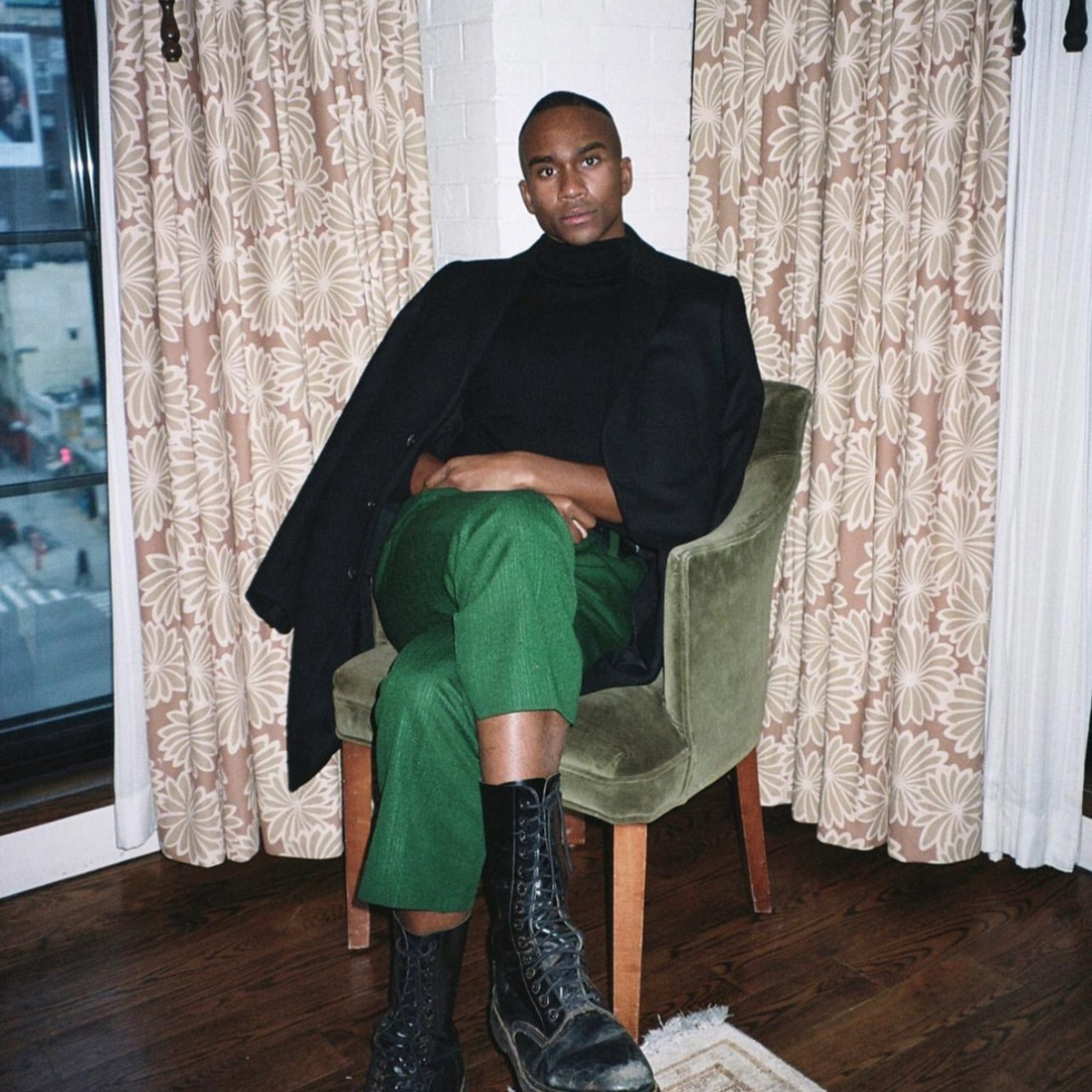
Rob Franklin, a professor, poet, critic, and co-founder of Art for Black Lives, has released his debut novel "Great Black Hope" on June 10. The book follows Smith, a queer Black Stanford graduate, who is arrested for cocaine possession in the Hamptons after his best friend's death, leading him through New York's nightclubs, courtrooms, and recovery meetings. The novel is described as a satirical, intellectually incisive, and mournful addition to the canon of New York party literature, blending social commentary with a bildungsroman and elegy.
Comment | After a market shake up in 2025, it's time to create a right-sized art trade

The article reflects on the art market's turbulent 2025, marked by gallery closures, weak auction results, and canceled art fairs. Rather than viewing this as a collapse, the author argues it represents a necessary "right-sizing" of an industry that over-expanded during boom years. Key figures like Philip Hoffman of the Fine Art Group advocate for leaner, more agile business models, such as his new advisory firm New Perspectives Art Partners. Meanwhile, dealers in New York and Los Angeles are adapting through shared exhibition spaces and strategic mergers, including Marian Goodman Gallery hosting Jenkins Johnson Gallery and the formation of Hoffman Donahue.

The best exhibitions to see in London this weekend

The Financial Times' critics have curated a list of the most compelling art exhibitions to see in London during 2026, featuring shows dedicated to Henry Moore, Cecily Brown, Tracey Emin, and Francisco de Zurbarán. The recommendations span a range of styles and periods, from modern sculpture to contemporary painting and Baroque still lifes, offering a diverse cultural itinerary for weekend visitors.

Between heroes, anti-heroes and pure humanity: an exhibition in Rome becomes a metaphor for the current crisis

Tra eroi, antieroi e pura umanità una mostra a Roma diventa metafora della crisi attuale

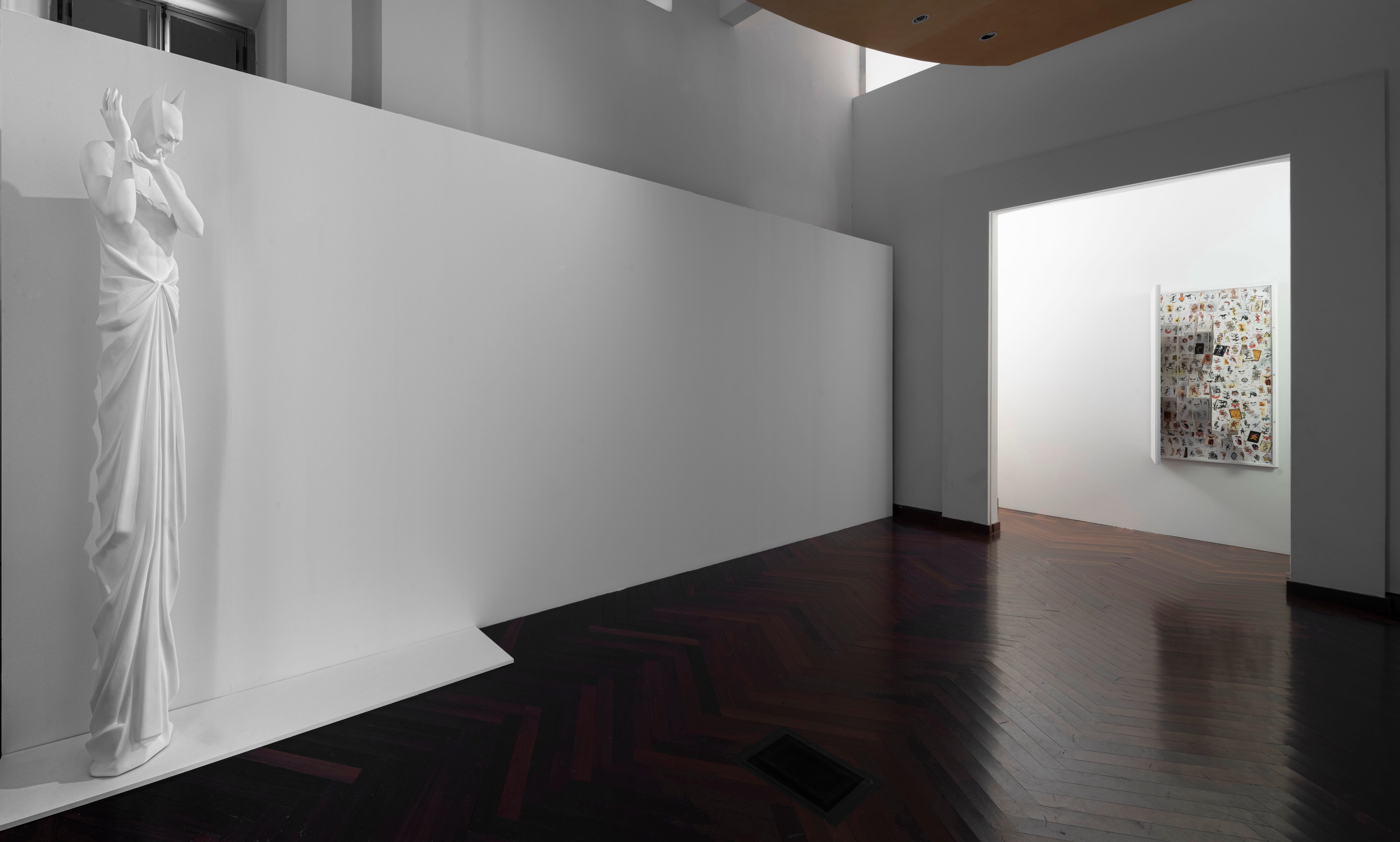
The Museo di Roma Palazzo Braschi in Rome is hosting "It's Happening Again," a solo exhibition by artist Adrian Tranquilli, curated by Studio Stefania Miscetti and running until May 24. The show presents new works including the monumental sculpture "Endsong" (2025), a black monolith inspired by Kubrick's "2001: A Space Odyssey" covered in hundreds of Joker faces, and a large pop-up book titled "My Little White Book" (2026). Tranquilli's pieces, often built from playing cards, explore themes of power, fragility, and the instability of cultural symbols.

The Paradox of Contemporary Art: The World Is Violent, but the Works Are Correct and Inoffensive

Il paradosso dell’arte contemporanea: il mondo è violento, ma le opere sono corrette e inoffensive

The article examines a paradox in contemporary art: as the world grows more violent and chaotic, art has become increasingly 'correct,' morally irreproachable, and inoffensive. The author argues that over the past fifteen years, artworks have been judged primarily by their moral and identity credentials, with curators acting as moral gatekeepers and censors. This shift coincides with a period when geopolitics, history, and public behavior have spiraled out of control, creating a strange compensatory dynamic where art is expected to be perfectly controlled and polite while reality grows brutal.

Venice Biennale Scraps “Golden Lion” Awards as Turmoil Continues

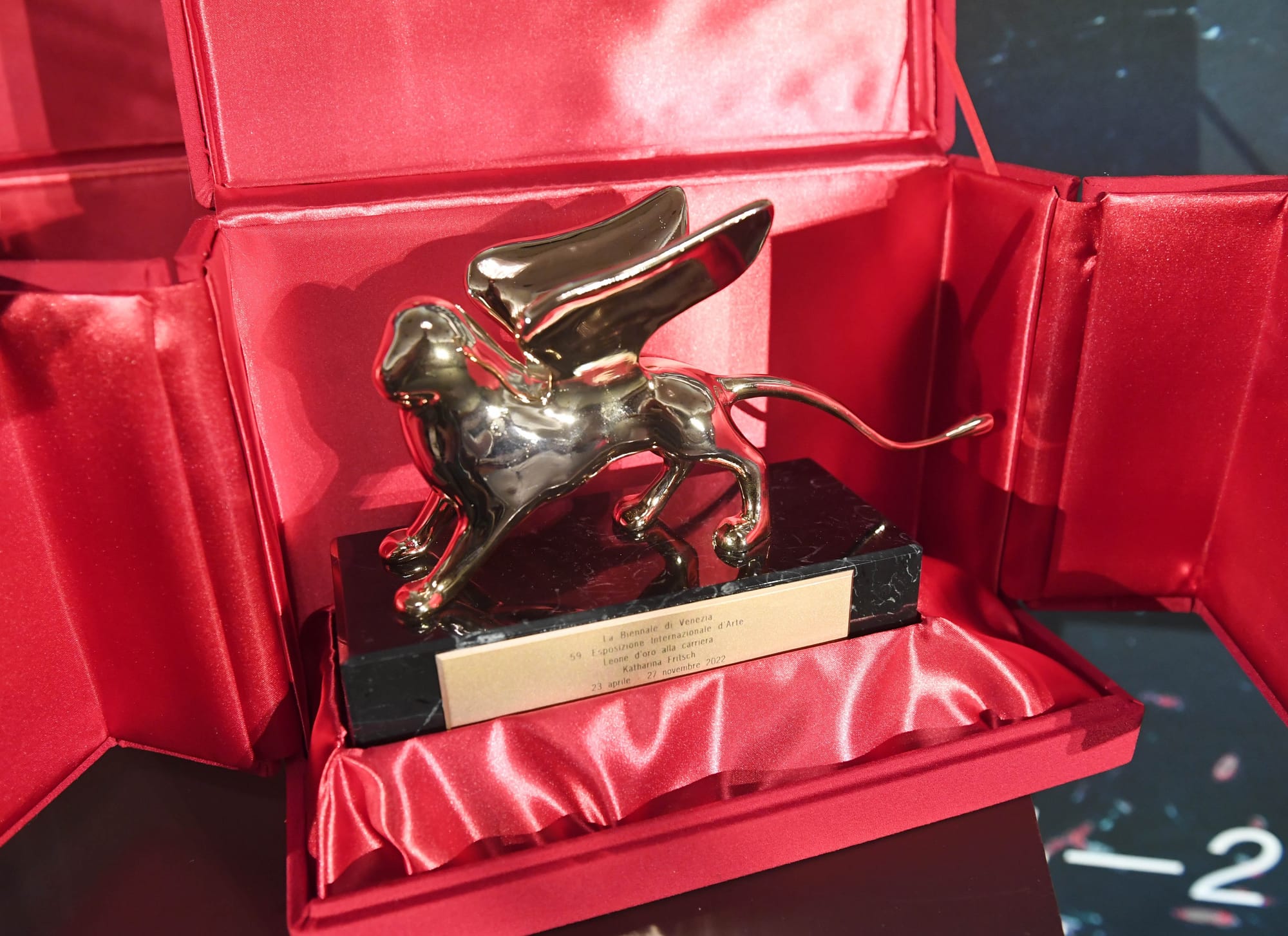
The 61st Venice Biennale has scrapped its traditional Golden Lion awards, replacing them with public-voted “Visitor Lions” after the entire award jury resigned on April 30. The jury had previously announced its intention to exclude countries whose leaders are charged with crimes against humanity by the International Criminal Court, effectively targeting Russia and Israel. The Biennale Foundation, however, stated that all official national pavilions—including Russia and Israel—will be eligible for the new Visitor Lions, citing principles of inclusion and equal treatment. The awards ceremony has been moved from May 9 to November 22, the final day of the Biennale, to allow ticket holders to vote throughout the event.

There are 21 artists supporting the new voyage of the Global Sumud Flotilla that set sail from Sicily with painted sails

Ci sono 21 artisti a sostegno del nuovo viaggio della Global Sumud Flotilla salpata dalla Sicilia con vele dipinte

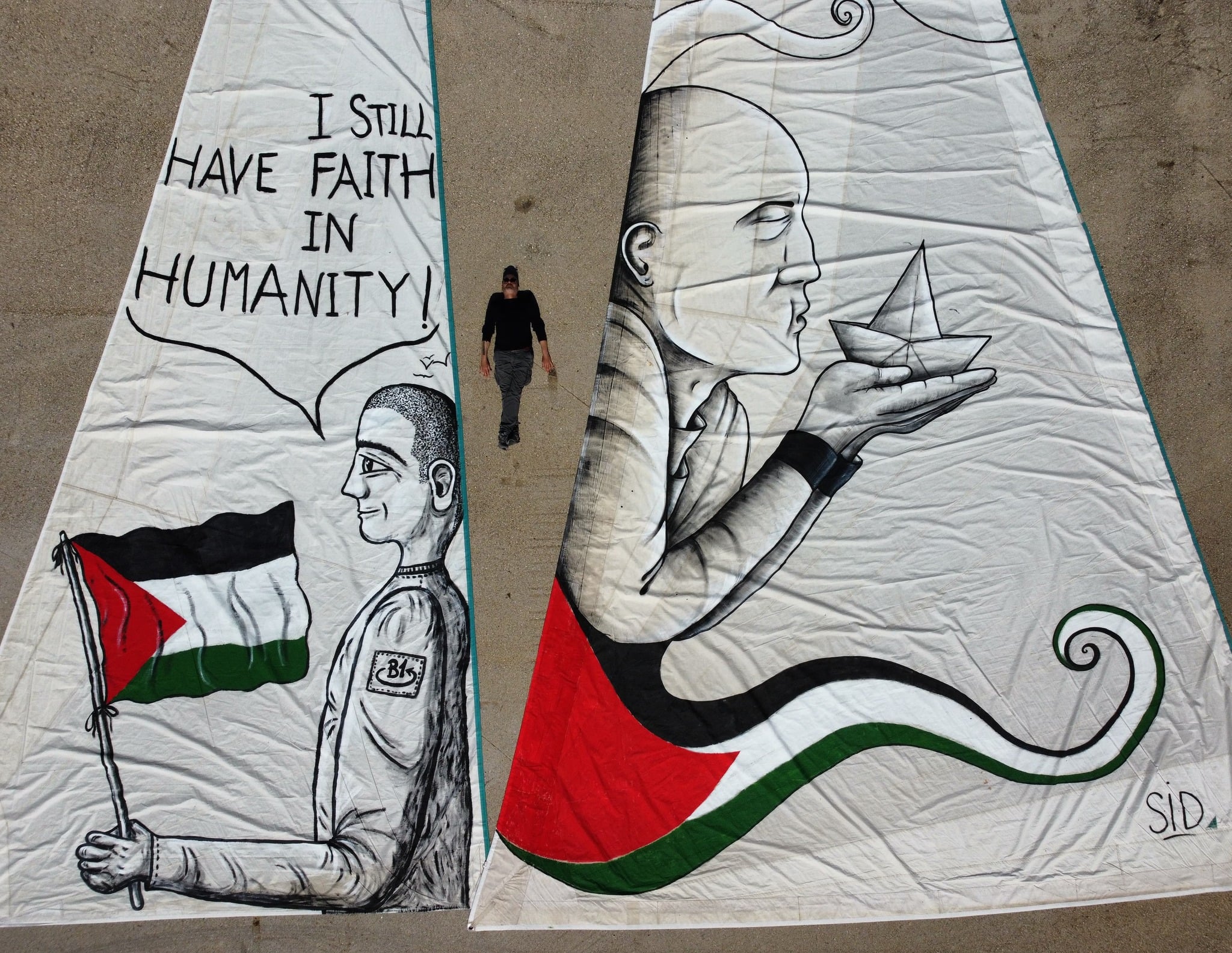
A new humanitarian mission by the Global Sumud Flotilla set sail on April 26 from Augusta, Sicily, with 59 Italian and Spanish boats heading toward Gaza. The flotilla, which follows a first attempt in September 2025 that ended with activists arrested by the Israeli military, aims to deliver humanitarian aid by early May. Twenty-one artists have joined the initiative, called Vele d'Arte, painting the sails of the boats with symbolic artworks. Among the participating artists are Gio Pistone, Antonio Curcio, Escif, Lydia Giordano, Glenda Costa, Millo, Elia Novecento, MP5, Matteo Todeschini, Alleg, Sam3, Okuda, Antonella Santonocito, Fabrizio Foti, Igor Scalisi Palmiteri, Andrea Sposari, and Salvo Ligama. The project was conceived by Carlo Alberto Giardina, who hopes the energy painted on the sails will transform into positive forces.

Rome and its visions in contemporary photography: from Carbone to De Angelis, to Hervé Gloaguen

Roma e le sue visioni nella fotografia contemporanea: da Carbone a De Angelis, fino a Hervé Gloaguen

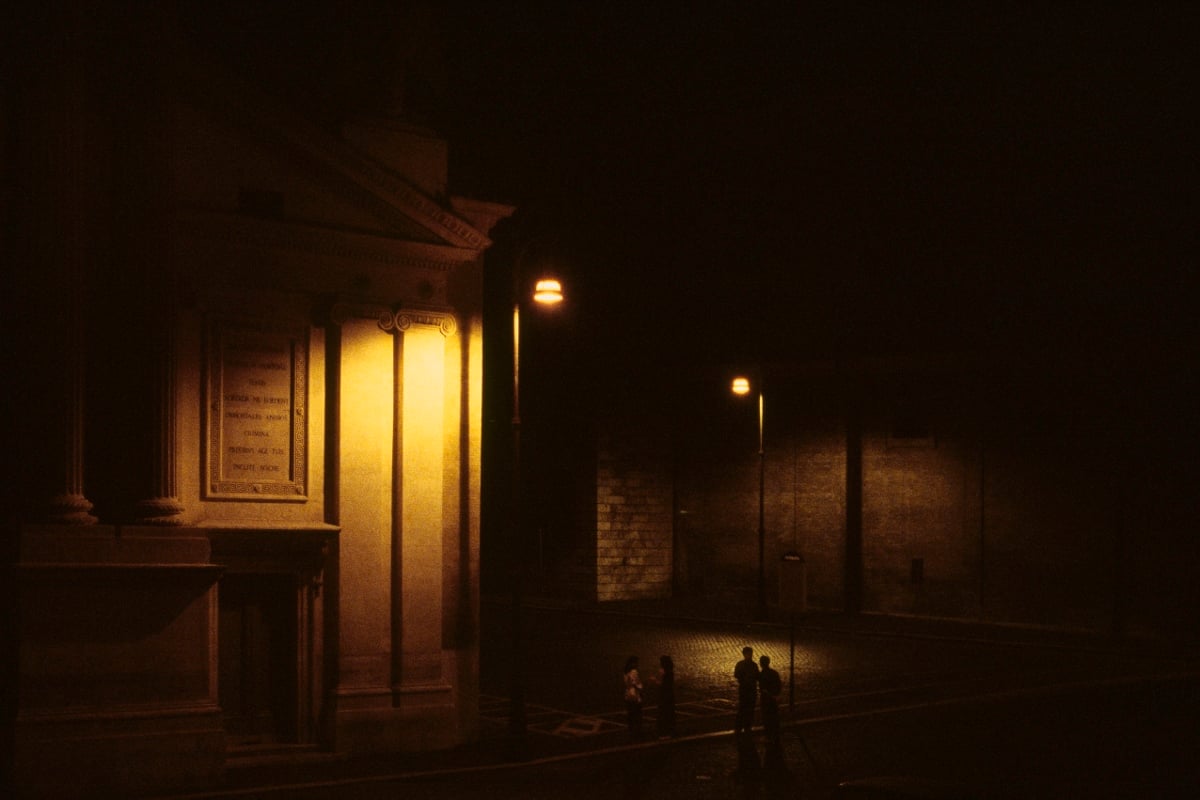
The article critiques a recent trend in contemporary photography of Rome, exemplified by a 2020 exhibition at the Mattatoio (Nuove produzioni 2020 per la collezione Roma) that presented black-and-white images reducing the urban landscape to a dark, lifeless mass. The author contrasts this with a personal photograph of a horse taken during the Covid-19 pandemic, which captures Rome's periphery with warmth and specificity, and praises the 2024 exhibition "Roma 1975, città, volti e storie dell'anno giubilare" featuring photojournalist Fabio De Angelis's rediscovered work as a vital counterpoint.

“Yellow Letters”: arte e politica, libertà e censura nel nuovo film di İlker Çatak

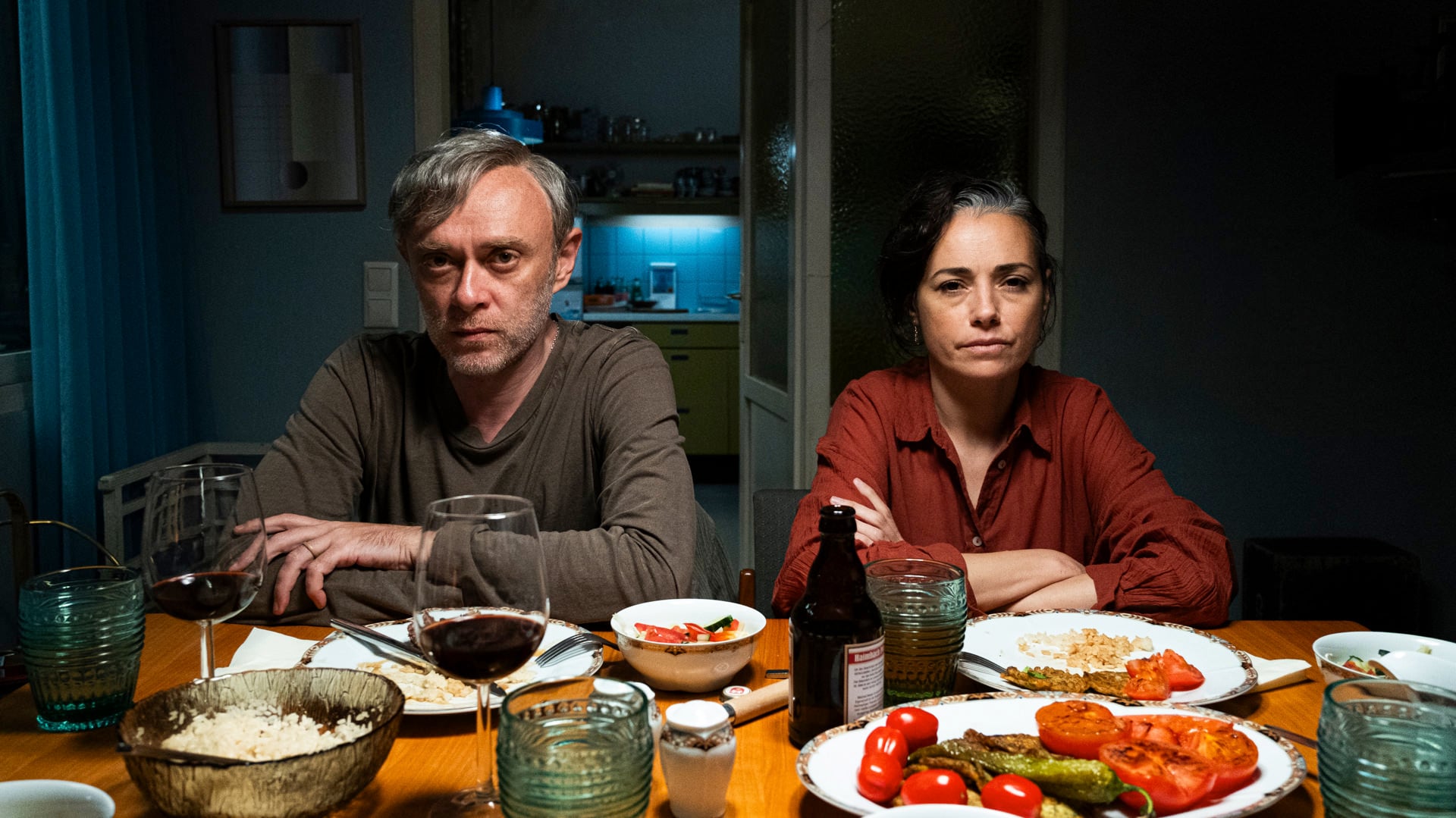
Ilker Çatak's fifth film, "Yellow Letters," premieres on April 30, 2026, distributed by Lucky Red. The story follows Derya and Aziz, a Turkish artist couple whose lives unravel after Aziz, a professor at Ankara University, receives a "yellow letter" terminating his employment. The film, inspired by post-2016 coup purges in Turkey, shifts to Berlin and Hamburg, where the director deliberately avoids mimicking Turkish locations, instead using explicit captions like "Berlin as Ankara" to create a Brechtian alienation effect. Çatak explores how arbitrary state repression fractures personal relationships and moral boundaries, drawing on interviews with artists who faced unjust dismissals.

Mexican Artist Alleges Plagiarism of Femicide Project

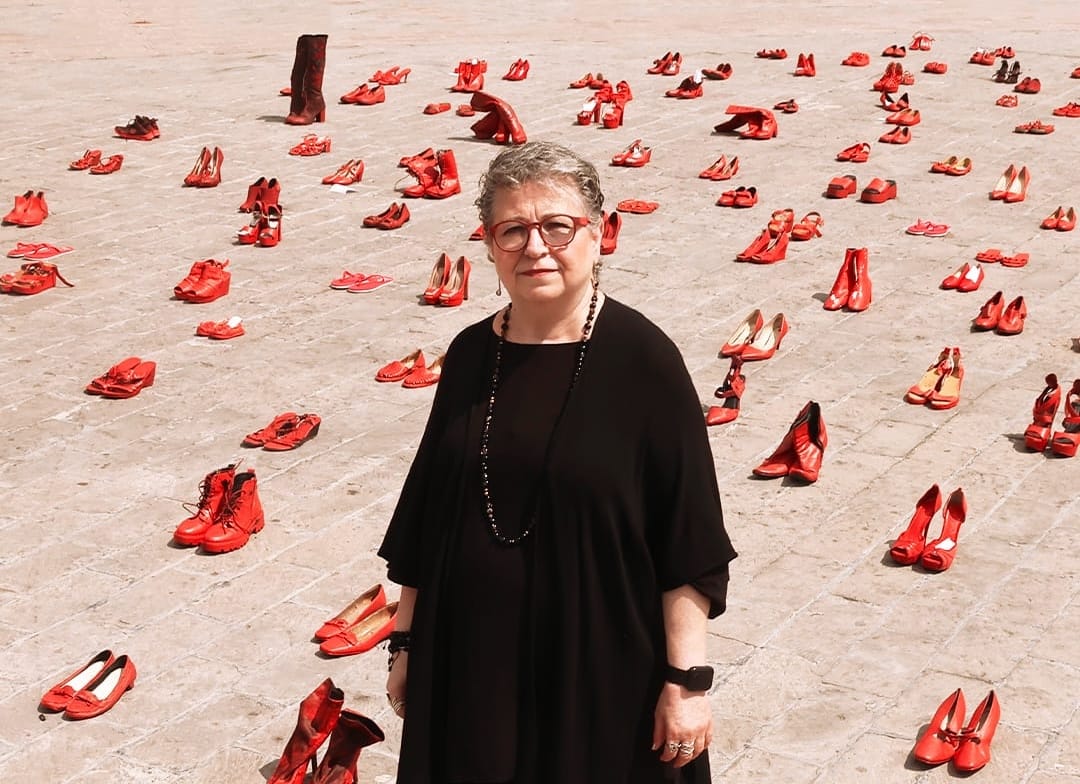
Mexican artist Elina Chauvet has accused Romanian news anchor Alessandra Stoicescu of plagiarizing her famous installation, "Zapatos Rojos" (Red Shoes). The dispute arose after Stoicescu organized a public intervention titled "Dragostea poartă pantofii roșii" outside the Romanian Athenaeum to mark new femicide legislation, featuring hundreds of red shoes in a manner nearly identical to Chauvet’s long-running global project. Chauvet claims this is the second time Stoicescu has co-opted her work without authorization or credit, following a similar incident in 2018.

The Earth, the Fire, the Water, and the Winds: For a Museum of Errantry with Édouard Glissant

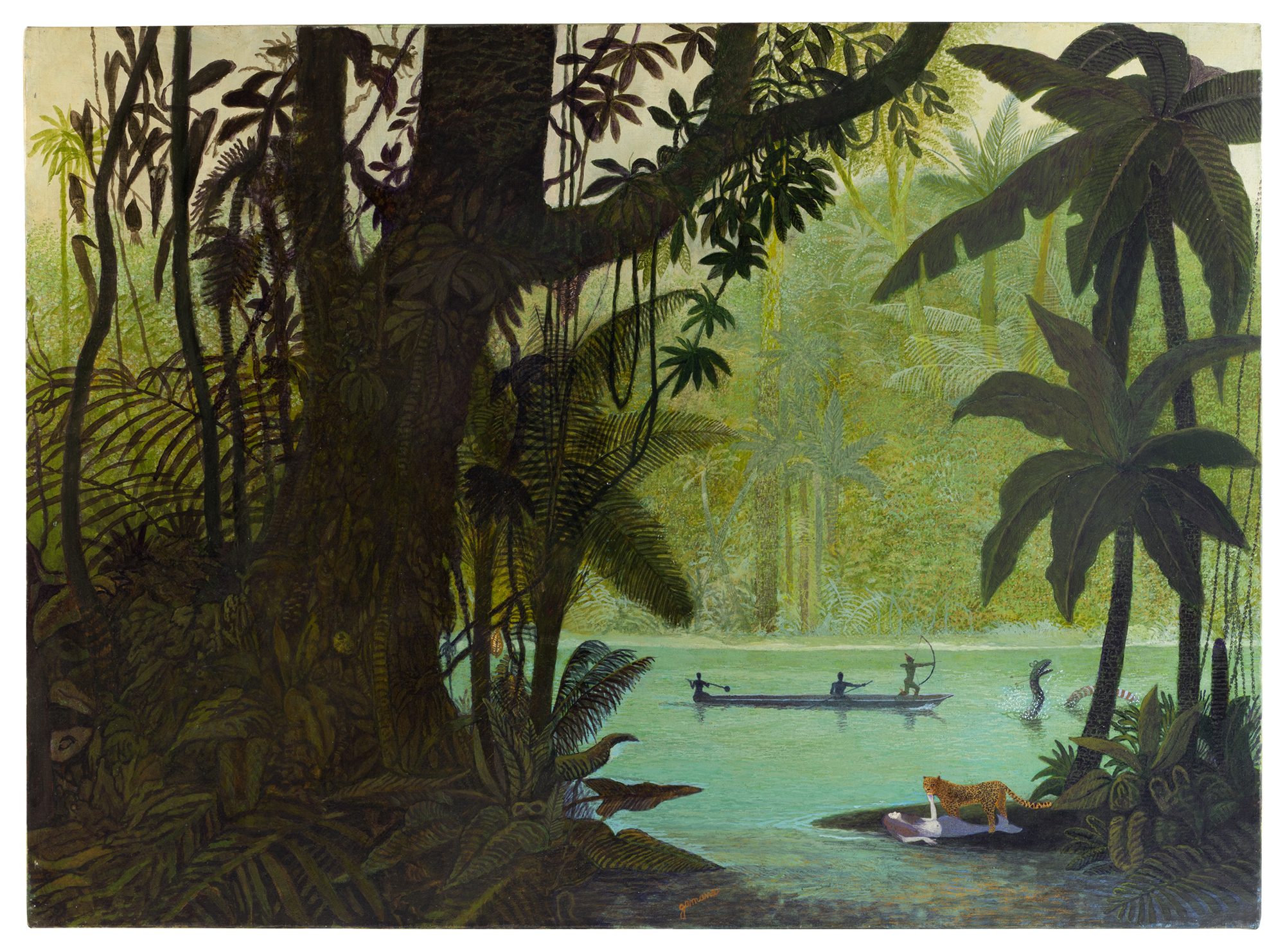
The Center for Art, Research and Alliances in New York presents "The Earth, the Fire, the Water, and the Winds: For a Museum of Errantry with Édouard Glissant," running from February 28 to May 10, 2026. The exhibition focuses on the Martinican poet and philosopher Édouard Glissant's personal art collection, tracing how his key concepts—opacity, relation, and creolization—emerged through his engagement with artworks and artists. It features works by artists such as Agustín Cárdenas, Victor Anicet, Eduardo Zamora, Gerardo Chávez, José Gamarra, and M. Emile, and travels from Instituto Tomie Ohtake in São Paulo.

Gitte Zschoch wird Generalsekretärin des Goethe-Instituts

Gitte Zschoch has been appointed as the new Secretary General of the Goethe-Institut, taking over the role and chairmanship of the board on July 18. She succeeds Johannes Ebert, who has held the position since 2012 and will now lead the institute's regional office in Athens. Zschoch, currently Secretary General of the Institute for Foreign Cultural Relations (ifa), previously worked for the Goethe-Institut in various roles, including founding director of its branch in the Democratic Republic of Congo. The appointment was confirmed by German Foreign Minister Johann Wadephul and approved by the institute's presidium.

Why AI Doesn't Steal Our Imagination – with Jenifer Becker

Warum KI uns nicht die Fantasie raubt – mit Jenifer Becker

Author and cultural scholar Jenifer Becker discusses the impact of artificial intelligence on creativity in the Monopol podcast "Fantasiemuskel." She argues that while AI-generated text is often generic, it can liberate us from the romantic myth of the solitary genius by demonstrating that most ideas already exist. Becker leads the "AI Lab Kit" at the Hildesheim Literature Institute, using experimental projects to push language models beyond their algorithmic comfort zones.

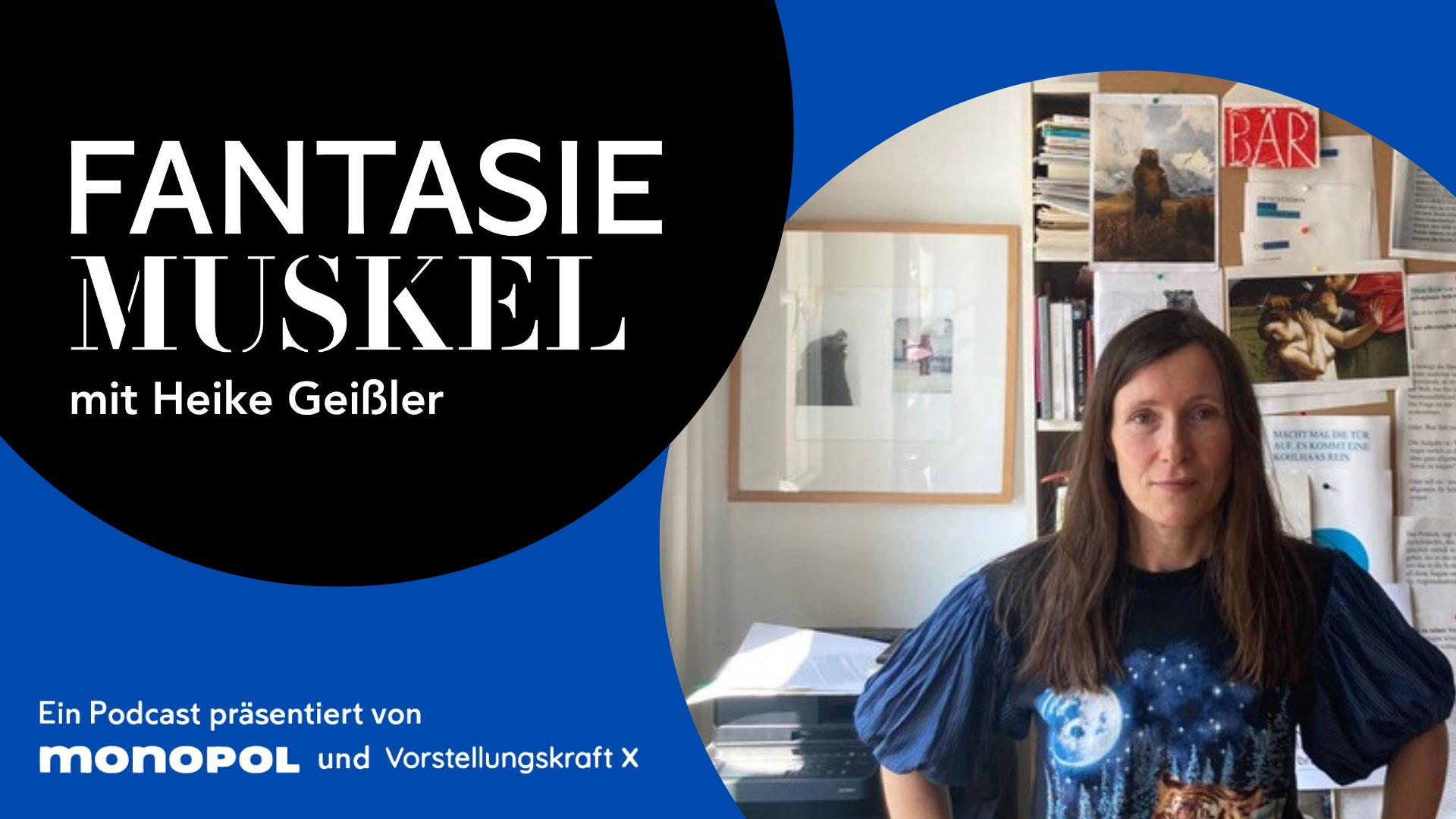
Unlearning Optimization – with Heike Geißler

Optimierung verlernen – mit Heike Geißler

Award-winning author Heike Geißler discusses the necessity of resisting constant self-optimization and embracing despair as a response to modern labor conditions. Drawing from her experiences working in an Amazon warehouse, which inspired her book "Saisonarbeit," Geißler argues that the pressure to perform often leads to a "culture of contempt" and that acknowledging systemic failures is a vital form of resistance.

Climate Activists Smear Palazzo Vecchio

Klimaaktivisten beschmieren Palazzo Vecchio

Members of the climate activist group Ultima Generazione targeted the historic Palazzo Vecchio in Florence, spraying its facade with orange washable paint using fire extinguishers. The protest was swiftly interrupted by security forces and Florence's Mayor Dario Nardella, who happened to be on-site and personally tackled one of the activists. Following the incident, the mayor joined cleaning crews on scaffolding to help scrub the medieval stonework with brushes and high-pressure hoses.

Les États-Unis restituent près de 300 biens culturels à l’Italie

Italy presented 337 cultural artifacts repatriated from the United States at the Caserma "La Marmora" in Rome, following operations between December 2025 and April 2026. The objects span from the 5th century BCE to the 3rd century CE, including Roman sculptures, bronze works, pottery, jewelry, coins, and architectural fragments. Among the notable pieces is a marble head attributed to Alexander the Great, stolen from a Roman museum in 1960, and a bronze sculpture looted from Herculaneum. The recovery involved the Manhattan District Attorney's office, the FBI, Homeland Security Investigations, and Christie's New York, with 221 items seized through the DA's collaboration and 116 returned in April.

Mexico faces sales of pre-Columbian art

Le Mexique face aux ventes d’art précolombien

The Mexican government is facing ongoing legal and diplomatic hurdles in its attempts to halt the sale of pre-Columbian artifacts in Paris. Despite formal protests from the Mexican embassy citing national heritage laws from 1827, auction houses like Millon continue to proceed with sales, generating millions in revenue. French authorities and legal experts maintain that Mexican national laws do not supersede French jurisdiction, which largely adheres to the 1970 UNESCO Convention regarding the illicit import and export of cultural property.

The Nicéphore-Niépce Museum is Standing Still

Le Musée Nicéphore-Niépce fait du surplace

The Musée Nicéphore-Niépce in Chalon-sur-Saône remains in a state of stagnation as long-promised modernization plans continue to stall. Despite over twenty-five years of proposals for a new facility or a "Cité de l'image," the project has become a political "sea serpent," hampered by budget cuts, staff reductions, and shifting municipal priorities. Most recently, the city declined to renew the contract of Fannie Escoulen, a former Ministry of Culture official hired to steer the project, further signaling a lack of progress.

Sorcières !

The article previews an upcoming exhibition titled "Sorcières !" at the Château des ducs de Bretagne – Musée d'histoire de Nantes, running from February 7 to June 28, 2026. It traces the historical debate around witchcraft in 16th-century Europe, focusing on key figures such as Heinrich Kramer, author of the *Malleus maleficarum* (1486), who argued that witchcraft was a female-specific evil requiring extermination, and Jean Bodin, who supported this view. In contrast, Johann Weyer and Michel de Montaigne challenged the persecution, suggesting accused women were mentally ill or elderly and deserved humane treatment rather than execution.

Speaking in Signs: Kwame Akoto’s Worlds Across Contexts.

Ghanaian painter Kwame Akoto, known for his vibrant signboard works blending bold imagery with urgent text, is the subject of his first major French exhibition, 'Almighty God Art Works', at the Musée du quai Branly – Jacques Chirac in Paris. In an interview with ART AFRICA, Akoto discusses how his paintings transform when moving from the streets of Kumasi—where they function as everyday spiritual and commercial communication—into a European museum context, addressing themes of translation, shared authorship, and the shifting meanings of images across cultural and institutional boundaries.

M’barek Bouhchichi: Hands That Remember

Moroccan artist M’barek Bouhchichi presents 'Les mains des poètes' at Foundation H in Antananarivo, Madagascar, running until 17 October 2026. The exhibition stems from a residency in Madagascar where Bouhchichi collaborated with local artisans—blacksmiths, weavers, ceramists, and musicians—to create works that resist singular authorship. Central to the show is the revival of sorabe, the Arabico-Malagasy script, treated as an embodied, gestural practice rather than fixed writing.

Urban Reflections, Daniel Melim on the City as Studio, Archive and Collective Space

Brazilian artist Daniel Melim discusses his exhibition "Urban Reflections" at São Bernardo do Campo in an interview with Brendon Bell-Roberts. Melim, who emerged from the graffiti and stencil cultures of ABC Paulista, describes how the city functions as an active collaborator in his practice, transforming the gallery into an expanded studio where boundaries between street, studio, and institution dissolve. The exhibition juxtaposes pivotal and previously unseen works, tracing his artistic evolution and layered urban memory.

‘Apoi’ and Weaving What Remains

Ugandan artist Acaye Kerunen presents her first solo museum exhibition in Germany, titled 'Apoi,' at the Kunstmuseen Krefeld. The show, installed across the modernist spaces of Haus Lange and Haus Esters, features handwoven textiles, sculpture, sound, and film that draw on Indigenous knowledge systems and intergenerational exchange. It is part of the museum's ongoing 'HL HE Dialog: What Comes After Art' series.

From Minor Keys to Uproar: The Crisis of the Venice Biennale

DE LAS MINOR KEYS AL ESTRUENDO: LA CRISIS DE LA BIENAL DE VENECIA

The 61st Venice Biennale is engulfed in a structural crisis, marked by geopolitical tensions over the inclusion of Russia (amid its invasion of Ukraine) and Israel (amid the Gaza genocide). The Biennale Foundation, led by Pietrangelo Buttafuoco, defended their participation on legalistic grounds, sparking outrage from over 200 artists, curators, and cultural workers who demanded Israel's exclusion, aligning with Art Not Genocide Alliance (ANGA). The international jury, chaired by Solange Farkas and including Zoe Butt, Elvira Dyangani Ose, Marta Kuzma, and Giovanna Zapperi, resigned collectively on April 30 after deciding not to award prizes to countries whose leaders face International Criminal Court arrest warrants. This led to the cancellation of the traditional Golden and Silver Lions, replaced by audience-voted "Visitor Lions," with awards deferred until November. The European Commission suspended a €2 million subsidy over Russia's participation, and Italian Culture Minister Alessandro Giuli notably skipped the May 9 opening.

How Australian Chefs and Farmers Are Rediscovering the Ingredients That Have Been There All Along

Author Bruce Pascoe and a new generation of Australian chefs are leading a movement to rediscover and commercialize native Indigenous ingredients like kangaroo grass, Kakadu plums, and wattleseeds. By revisiting historical archives and journals from 19th-century explorers, Pascoe’s research in his book *Dark Emu* challenges the colonial narrative that Indigenous Australians were solely nomadic hunter-gatherers, revealing instead a sophisticated history of permanent settlements, irrigation, and organized agriculture.

Fulton County launches Nigerian art exhibition connecting Africa to Atlanta

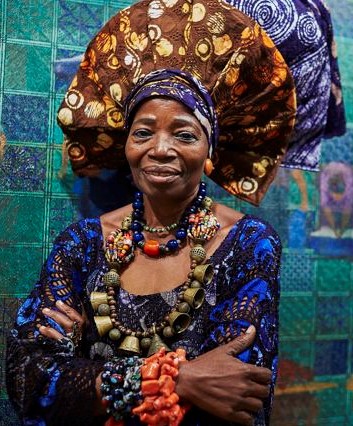
Fulton County's Department of Arts & Culture has launched a multi-week international exhibition titled “Threads of Heritage: A Cultural Confluence Connecting Africa to Atlanta” at the Peachtree Gallery, running through the end of June. The exhibition features 14 Nigerian artists and is delivered in partnership with the Nike Art & Culture Foundation of Nigeria, Nike Art USA, and UniSpectrum Inc. Led by acclaimed artist Chief Dr Nike Monica Okundaye, the program includes masterclasses, public panels, community workshops, and live demonstrations on traditional Adire textiles, with US-based textile artist Shayee Awoyomi co-leading workshops and Nigerian painter Adeleke Akeem directing narrative painting masterclasses.

Artists secure solo shows after Bootcamp success

Three emerging artists—Anisa Mosaiebiniya, Maya Davis-Stokes, and Crow Dillon-Parkin—have secured solo exhibitions at the artist-led space Stryx JQ following their completion of the 'Get Gallery Ready' Bootcamp. The program, delivered by Solihull College & University Centre and funded by the West Midlands Combined Authority (WMCA), was designed by art historian Ruth Millington to provide creatives with professional portfolio-building skills and storytelling techniques necessary for career advancement.

“Villa Borghese è perfetta e non si tocca”. Siamo andati a vedere se è proprio così perfetta

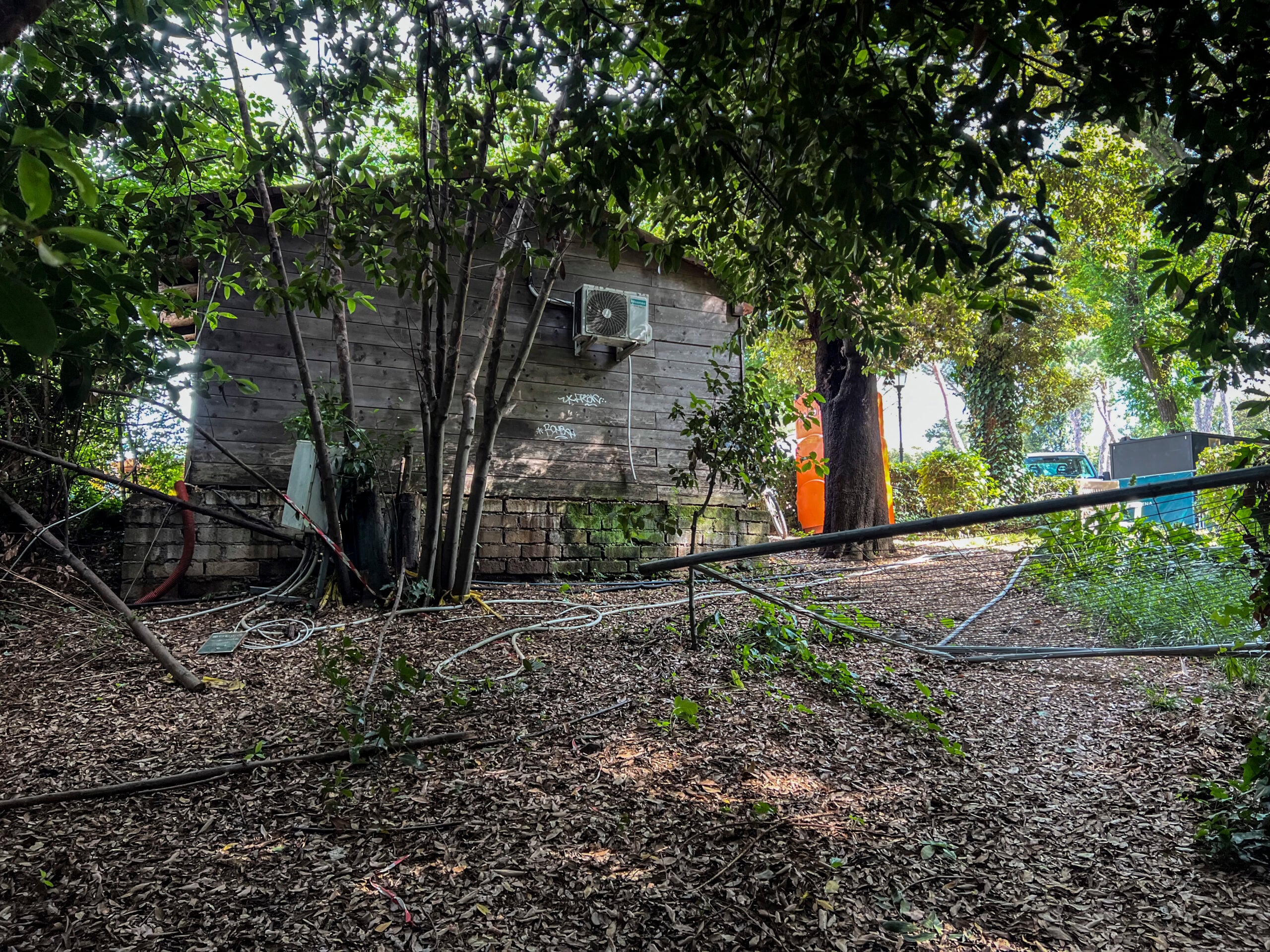
A private company donated a design competition to the Galleria Borghese in Rome, aiming to expand the museum's exhibition spaces and services. Before any winning project was selected, associations like Italia Nostra protested, claiming the initiative would desecrate Villa Borghese. The article's author visited the park to document its current state, finding decay: a wrecked Globe Theatre, neglected ponds, graffiti, trash, dilapidated buildings, and a degraded horse-riding track. The author argues that while the park is defended as "perfect and untouchable," it is actually suffering from real neglect that goes unaddressed by the same groups opposing development.

Construction of White House ballroom must stop, federal judge orders

A federal judge has ordered an immediate halt to the construction of a new ballroom at the White House's East Wing, a project initiated by former President Donald Trump. Judge Richard J. Leon's injunction stops all work except for safety and security measures, ruling that the president lacks the authority to undertake such a construction on federal property without explicit approval from Congress.

Die Welt als Sound – mit Peter Licht

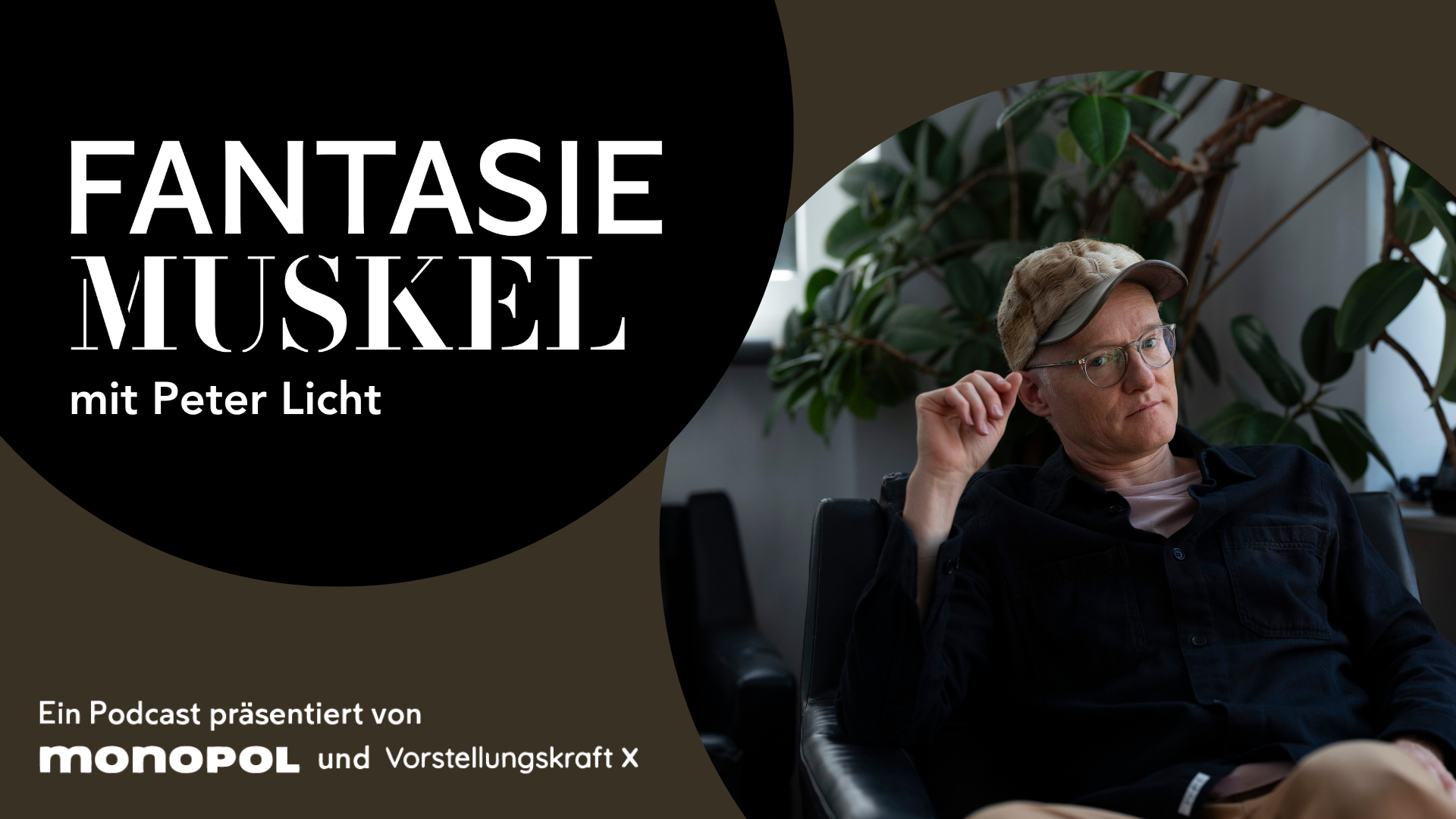
Peter Licht, a German musician, author, and playwright, appears as a guest on the 82nd episode of the "Fantasiemuskel" podcast, where he discusses his view of the world as a sound phenomenon. He reflects on his 2006 song "Lied vom Ende des Kapitalismus," which preceded the 2008 financial crisis, and explores how language, fear, and utopian moments manifest through sound in his work—whether in pop songs, theater pieces, or novels. Licht also describes a recent "problem-solving show" at Schauspiel Köln, where audience members submit problems that are collectively sung, turning singing into an act of resistance and community-building.