search
dashboard All 1083 museum exhibitions 578article local 177article culture 84article news 79trending_up market 60person people 32rate_review review 24candle obituary 23article policy 18gavel restitution 6article school 2
date_range Range Today This Week This Month All
Subscribe

Wallace Chan exhibitions pair intricate sculptures with Venetian heritage

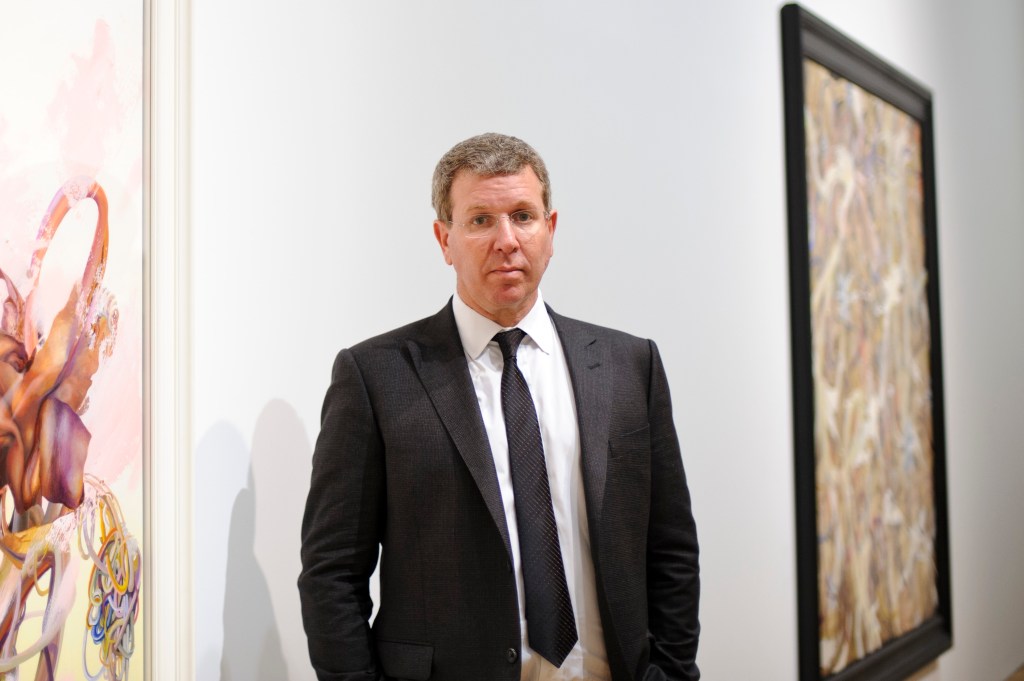
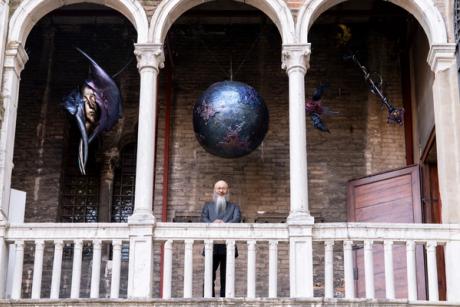
Wallace Chan, a Hong Kong-based jeweler and sculptor, has mounted a dual exhibition across two historic Venetian sites timed to the Venice Biennale. At Palazzo Contarini del Bovolo, he presents "Mythos," a site-specific installation of suspended titanium sculptures that reimagine figures from Tintoretto's paintings, including the Three Graces and Mercury, as abstract, dissolving faces. Inside the palazzo, three sculptures hang beneath Tintoretto's "Paradise," accompanied by a soundscape from Chan's Shanghai workshop. The exhibition is curated by James Putnam, who has long specialized in placing contemporary art in dialogue with historical collections.
Win a Tate membership, Tracey Emin merch and more

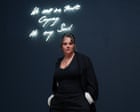
The Guardian is running a competition in partnership with Tate to promote the exhibition "Tracey Emin: A Second Life" at Tate Modern. The prize includes a special-edition one-year Tate Membership for the winner and a friend, lunch for two at Tate Modern, a Tracey Emin Teacup and Pancake blanket (worth £200), an exhibition catalogue, a tote bag, and a cap. Entrants must answer a question before 11:59pm on Sunday 5 July 2026, and the competition is open to UK residents aged 18 and over.

‘Central to human identity’: exhibition at the Met connects bodies with musical instruments

The Metropolitan Museum of Art in New York has opened a new exhibition titled 'Musical Bodies,' which explores 4,000 years of musical history by examining the relationship between human bodies and musical instruments. Curated by Bradley Strauchen-Scherer, the show features over 600 instruments from the Met's collection, including African drums, ancient Egyptian clappers, Prince's symbol guitar, Renaissance violins, a Tibetan kangling, and MiMu Midi gloves. The exhibition traces common threads across six continents and highlights how instruments serve as extensions of human identity and creativity.

Cello belonging to artist John Constable to be played for first time in 100 years

John Constable's personal cello, commissioned by the artist in 1802, will be played in public for the first time in a century after a restoration funded by the Friends of Ipswich Museum. The instrument, made by Constable's neighbor and mentor John Dunthorne Sr., had been unplayable since a botched repair in 1926. Restorers James and Sylvie Fawcett, along with cellist Melanie Woodcock, have revived the cello, which is believed to have been played by Constable in a local band in East Bergholt, Suffolk.

Thomas Rom, Art Adviser and Performance Space Chair, On His Top Exhibitions in Venice This Year

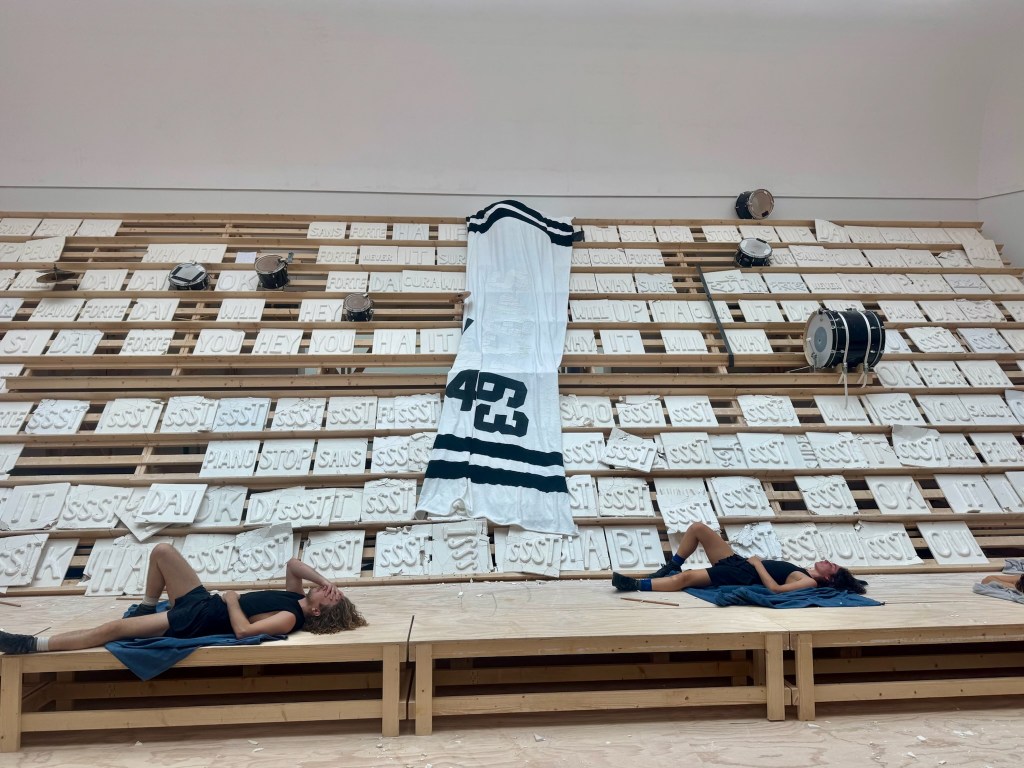
Art adviser and Performance Space New York board chair Thomas Rom shares his personal reflections on the 2026 Venice Biennale vernissage week, highlighting the main exhibition "In Minor Keys" curated by the late Koyo Kouoh, as well as collateral shows and national pavilions. Rom describes the main exhibition as deeply compelling and essential for understanding a global cultural landscape outside traditional frameworks, and he offers observations on works by artists including Maja Malou Lyse, Abbas Akhavan, Bogna Burska, Daniel Kotowski, Tori Wrånes, and Miet Warlop.

Templon Gallery Shutters New York Branch

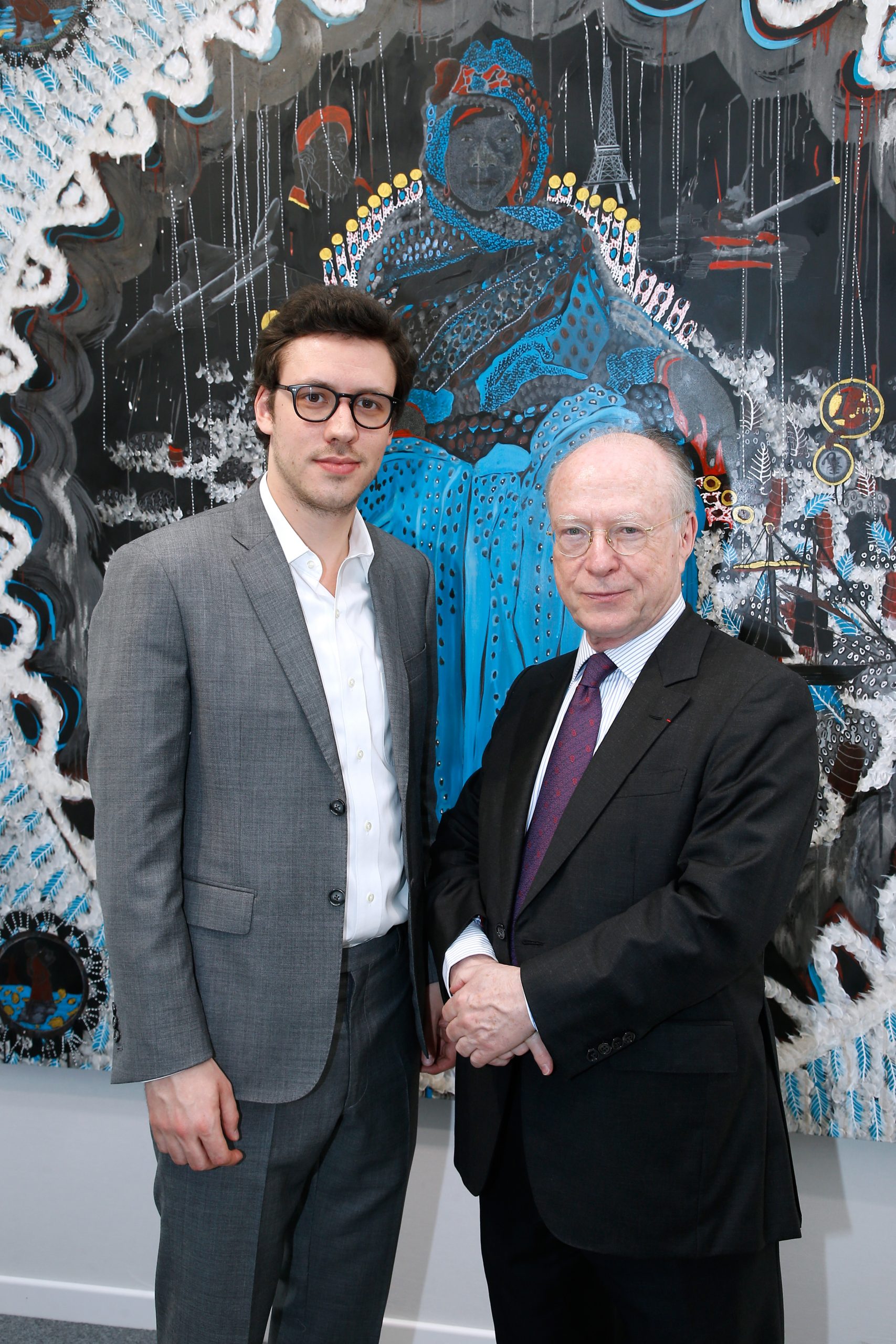
Templon Gallery has closed its New York branch in Chelsea, becoming the latest international dealer to downsize its presence in the city amid a prolonged art market downturn. The Paris-based gallery, founded in 1966 by Daniel Templon, opened its 6,500-square-foot space in 2022 but decided to leave after the landlord demanded a substantial rent hike as the lease neared renewal. Mathieu Templon, who oversaw the New York operation, said the gallery was paying $55,000 a month and that the increase was unsustainable. The closure follows similar moves by London-based galleries Stephen Friedman and Timothy Taylor, which also shuttered New York locations after expanding during the post-pandemic boom.

New photography museum in Cincinnati foregrounds the medium’s democratic power

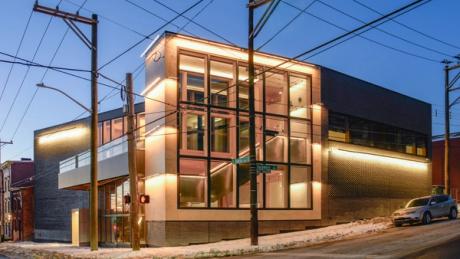
The FotoFocus Center, a new museum dedicated to photography, has opened in Cincinnati after over three years of construction. Designed by local architect Jose Garcia, the building's three-tone palette of black, white, and sepia references the medium's origins, while its materials blend regional elements (black iron bricks, indigenous woods) with foreign stone from Argentina. The inaugural exhibition, "Big Tent," curated by Kevin Moore, features works by dozens of artists including Gordon Parks, Catherine Opie, and Robert Mapplethorpe, and reflects on American diversity through photography. The 14,700-square-foot museum occupies a former gas station lot and gives the non-profit organization FotoFocus a permanent home for year-round programming.

Mexico City museum with world's richest collection of Kahlo and Rivera works reopens after years of controversy

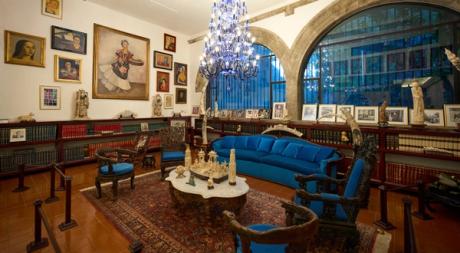
The Museo Dolores Olmedo in Xochimilco, Mexico City, reopened on May 30 after six years of closure and controversy over a planned relocation. The museum, housed in a former 16th-century hacienda, showcases the world's richest collection of works by Frida Kahlo and Diego Rivera, along with founder Dolores Olmedo's pre-Hispanic and popular arts. New galleries highlight Olmedo's private spaces and her decades-long bond with Rivera, including 98 of his works arranged chronologically and Kahlo's iconic painting *The Broken Column* (1944).

Julio Le Parc review – as if Bridget Riley had opened a riotous funfair

Julio Le Parc's retrospective at Tate Modern immerses visitors in the playful, politically charged atmosphere of 1960s Paris. The exhibition features interactive works from Le Parc and his collective GRAV (Groupe de Recherche d'Art Visuel), including spinning discs, mirrored screens, and button-activated kinetic sculptures that invite physical engagement. Le Parc, who died in May 2025 at age 97, sought to subvert the silence and deadness of traditional museums by filling them with noise, action, and democratic play.

New digital archive reconstructs Leonardo da Vinci manuscripts for the first time in four centuries

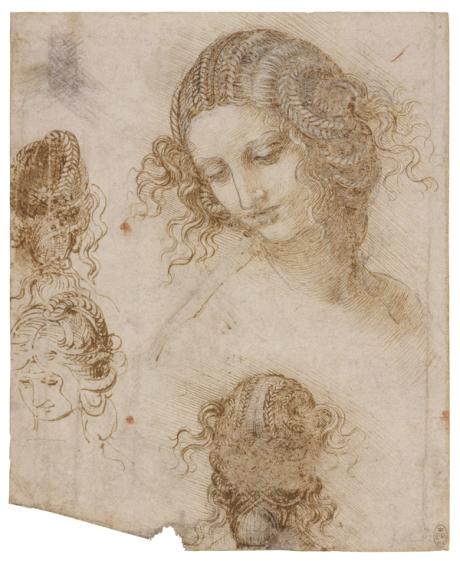
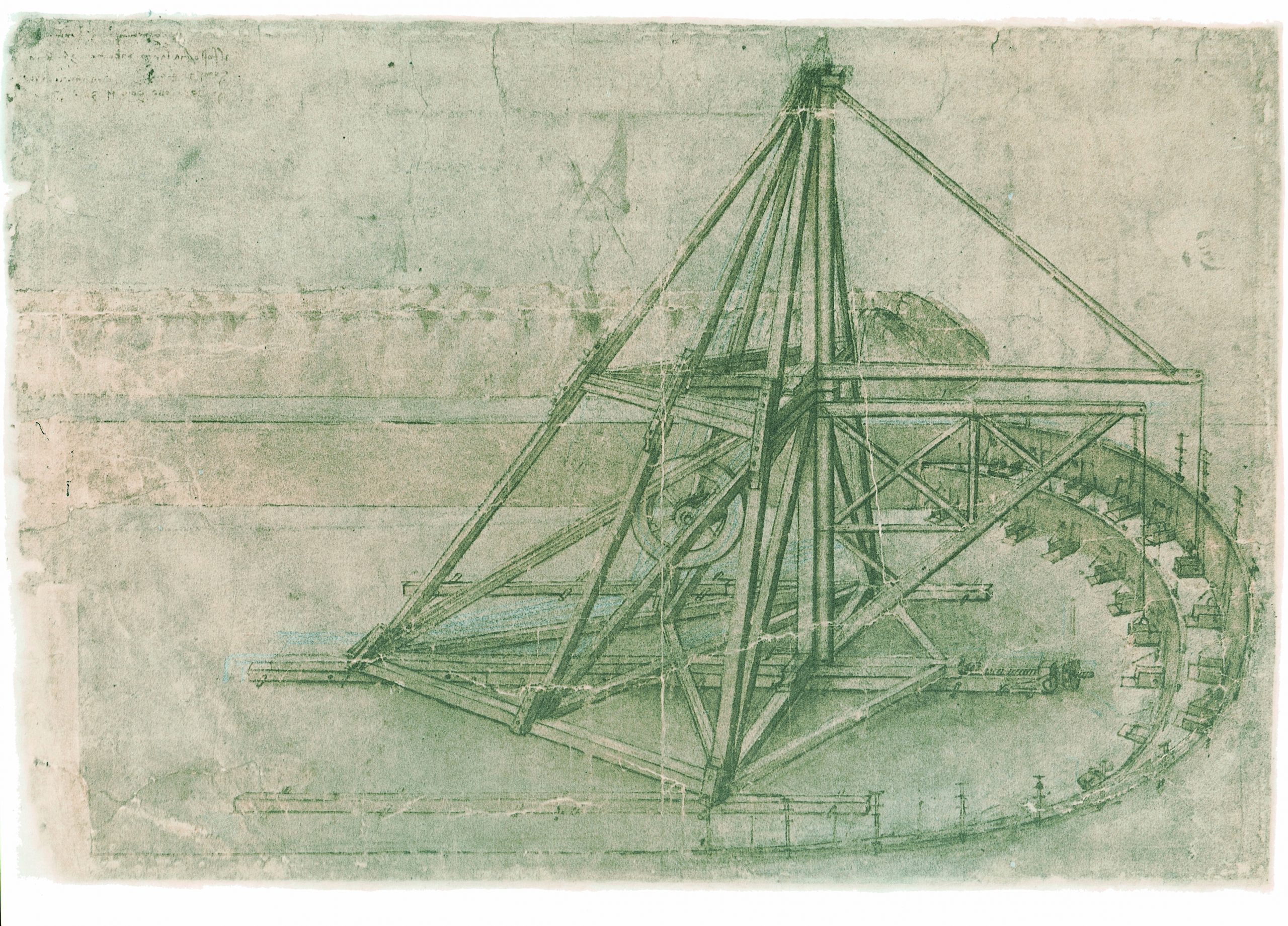
A new digital archive called Leonardotheka has launched, reuniting thousands of pages from Leonardo da Vinci's manuscripts that were cut apart and separated over 400 years ago. The project merges the Codex Atlanticus, held at the Veneranda Biblioteca Ambrosiana in Milan, with around 550 sheets from the Royal Collection at Windsor, UK. Overseen by Museo Galileo in Florence over ten years, it includes 50 confirmed page reconstructions, such as reuniting a drawing of a horse with text about the Regisole monument. The initiative involved the Royal Collection Trust, the Veneranda Biblioteca Ambrosiana, and the Biblioteca Leonardiana.

AI cultural companion Artlas expands pilots as founder argues institutions need trusted AI tools

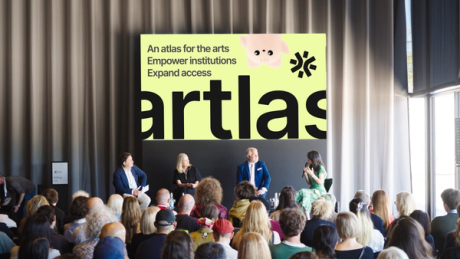
Artlas, an AI-powered cultural companion launched in 2025 by former Google engineer Grace Yao, is expanding its pilot programs at institutions including the Mori Art Museum in Tokyo, Dib Bangkok, and the Institute of Contemporary Art Miami. The platform generates personalized audio guides, artwork recognition, navigation, and conversational tools that adapt to visitors' interests, language, time, and knowledge level, supporting over 20 languages. Since December 2025, it has produced more than 25,000 personalized audio guides, offering tailored interpretations of artworks—such as Georges Seurat's *A Sunday Afternoon on the Island of La Grande Jatte*—for different audiences, from children to specialists.

The Art World’s Quiet Embrace of A.I. Is Not Gender Neutral

Artnet News, in partnership with the Association of Women in the Arts (AWITA), published a series examining gender equity in the art world, including a second annual Hardwiring Change survey. The article reports that 62 percent of over 2,000 arts workers surveyed already use AI tools at work, with ChatGPT the most common entry point. However, research shows AI-driven automation disproportionately threatens women, who are more likely to hold jobs vulnerable to disruption and less likely to be early adopters. The piece highlights how commercial AI startups, like Caroline Taylor's Appraisal Bureau, are entering the art market, but warns that AI models trained on historically biased data risk perpetuating gender discrimination—for example, male artists' works are appraised at 45 percent higher values than female artists'.

Leonardo’s ‘Codex Atlanticus’ Is Complete for the First Time in 400 Years

Florence's Galileo Museum has digitally reunited Leonardo da Vinci's Codex Atlanticus with over 500 pages that were cut from it in the late 16th century, completing the full manuscript for the first time in 400 years. The museum launched Leonardotheka 2.0, adding pages excised by sculptor Pompeo Leoni—now held by the U.K.'s Royal Collection Trust—to the 1,119-page tome owned by Milan's Veneranda Biblioteca Ambrosiana. The reconstruction, which matches dimensions, materials, and watermarks, includes notable reunions such as a drawing of a horse returned to Leonardo's notes on the Regisole monument.

Undersung Surrealist Maria Martins’s Market Is Finally Catching Up

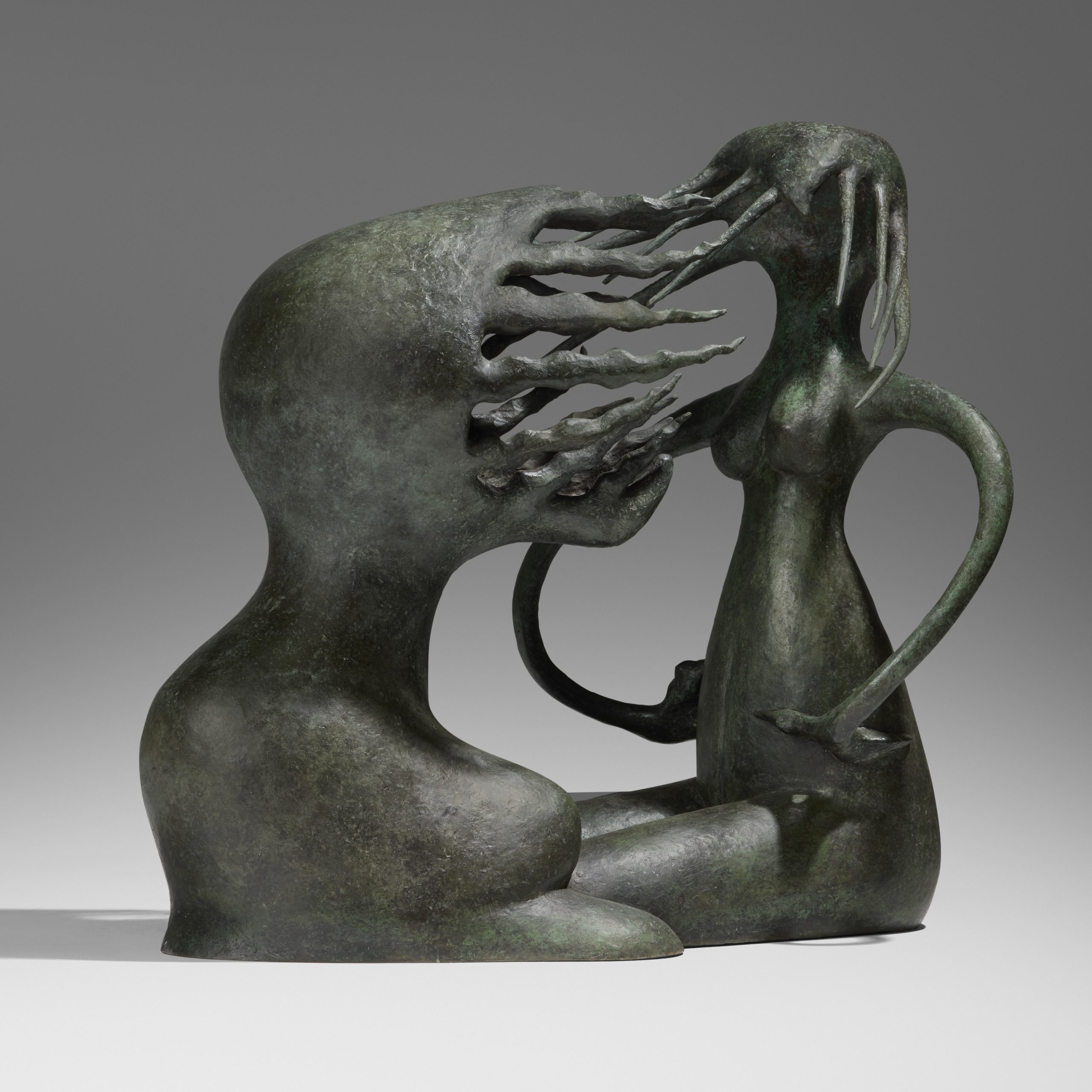
On May 14, Rago Wright auction house sold Maria Martins's bronze sculpture *Impossible* (1946) for $3.17 million with fees, far surpassing its presale estimate of $150,000–$200,000 and shattering the Brazilian Surrealist's previous auction record. Martins, who died in 1973, had only 22 works appear at auction since 2003, with most sales occurring in 2025. The sculpture, considered her most important work, exists in three iterations, with one at MoMA in New York and another at the Museum of Modern Art in Rio de Janeiro. The sale attracted a dozen phone bidders, nine absentee bidders, and three online bidders.

Rediscovered Constable Goes on View for First Time in Decades

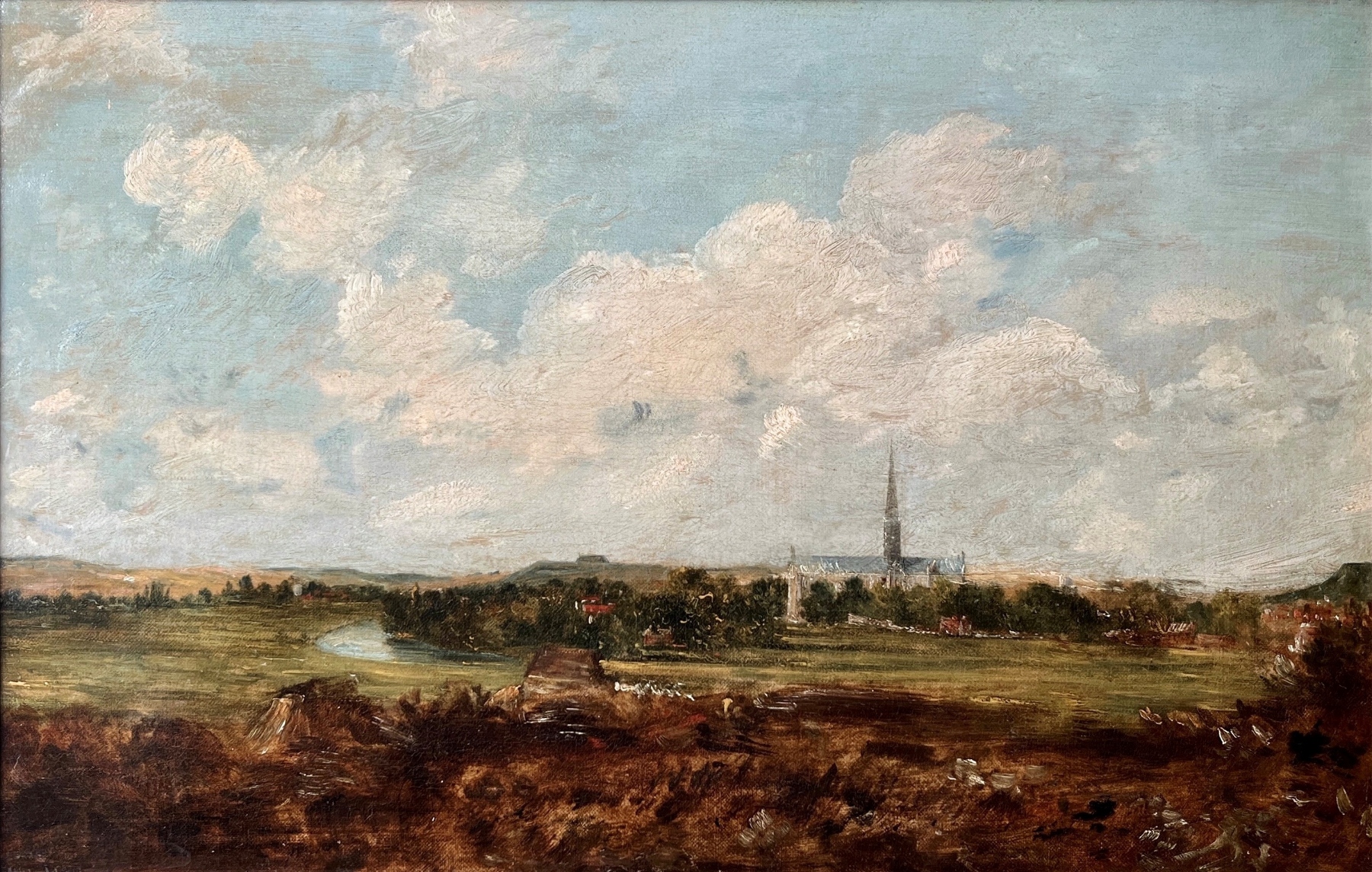
A long-lost painting by John Constable, titled *View of Salisbury from Harnham Ridge*, has been rediscovered after more than six decades in a private collection. The work, dated to the 1820s, will go on public view for the first time in decades at Salisbury Museum on June 11, where it will remain on long-term loan until 2030. The rediscovery was spearheaded by Constable specialist Timothy Wilcox, and the painting depicts a rural scene with the River Avon and Salisbury Cathedral's spire, showcasing Constable's characteristic naturalistic cloud studies.

Yemen heritage, US flags at the National Gallery in Washington, Felix Gonzalez-Torres—podcast

This podcast episode from The Art Newspaper covers three distinct topics. First, Ben Luke speaks with reporter Melissa Gronlund about the devastating impact of Yemen's civil war on its heritage, including damaged buildings and looted antiquities, alongside ongoing efforts to protect and restore historical landmarks. Second, the episode previews the exhibition "American Icon: The US Flag in Art" opening at the National Gallery of Art in Washington, D.C., featuring a conversation with chief curatorial and conservation officer E. Carmen Ramos. Third, the Work of the Week segment focuses on Felix Gonzalez-Torres's "Untitled (Revenge)" (1991), a candy sculpture currently on view in the survey show "Felix Gonzalez-Torres: Sweet Revenge" at the Museo Reina Sofía in Madrid, where curators Alejandro Cesarco and Nancy Spector discuss the work.

A Kennedy-connected Stiehl box and a pair of Van Huysum still-lifes: our pick of the June auctions

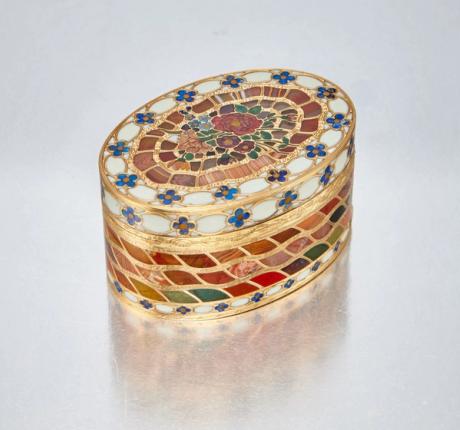
The article highlights four notable lots coming up for auction in June 2025. These include a rare gold and hardstone 'Steinkabinett' box by Christian Gottlieb Stiehl from the collection of Maurice Tempelsman (Sotheby's, New York), two Jan van Huysum still-life paintings estimated at around £3 million each (Christie's, London), a Maynard Dixon painting from actress Diane Keaton's collection (Bonhams, New York), and a William Morris glass hanging from the estate of Tina Hills (Phillips, New York). Each piece has a distinctive provenance, from historical royal ownership to celebrity collecting.

Re-Air: How Raphael Made—and Unmade—the Renaissance

This week, Artnet News re-airs a podcast episode in which Kate Brown interviews Ben Davis about the Metropolitan Museum of Art's blockbuster exhibition "Raphael: Sublime Poetry." The show is the first comprehensive international loan exhibition dedicated to Raphael in the United States, featuring 237 works including 33 paintings, 142 drawings, and the Sistine Chapel tapestries. Loans come from the Louvre, the Vatican Museums, the Prado, the Uffizi, and the British Museum, with many works never shown together before and some never previously leaving Europe. Curated by Carmen C. Bambach, the exhibition took 17 years to assemble.

Serial Museum Leader Philippe Vergne Named Artistic Director of the Bass in Miami Beach

The Bass Museum of Art in Miami Beach has appointed Philippe Vergne, a seasoned French curator and museum leader, to the newly created role of artistic director and chief curator, effective October. Vergne, who has led institutions including the Musée d’Art Contemporain in Marseille, the Walker Art Center, the Dia Art Foundation, the Museum of Contemporary Art Los Angeles, and most recently the Serralves Museum of Contemporary Art in Porto, will organize exhibitions and contribute to the museum's $20.1 million expansion designed by Johnston Marklee. The position was developed over six months of discussions between Vergne, executive director Silvia Cubiña, and the board.

Comment | As Pace slashes business, could shrinking be the next growth model?

Pace Gallery is cutting its workforce from approximately 250 to 200 staff and dropping up to 50 of its 135 artists, including teamLab, David Goldblatt, and Grada Kilomba. CEO Marc Glimcher described the current mega-gallery model as “unfixable,” citing unsustainable expansion and rising primary market costs. The gallery will maintain its global presence across seven locations, though it has not confirmed any space closures. This move follows the closure of Tiwani Contemporary in London and Lagos, whose founder Maria Tanava cited rising operational costs and market uncertainties.

Newly Confirmed Lucian Freud Debuts in London

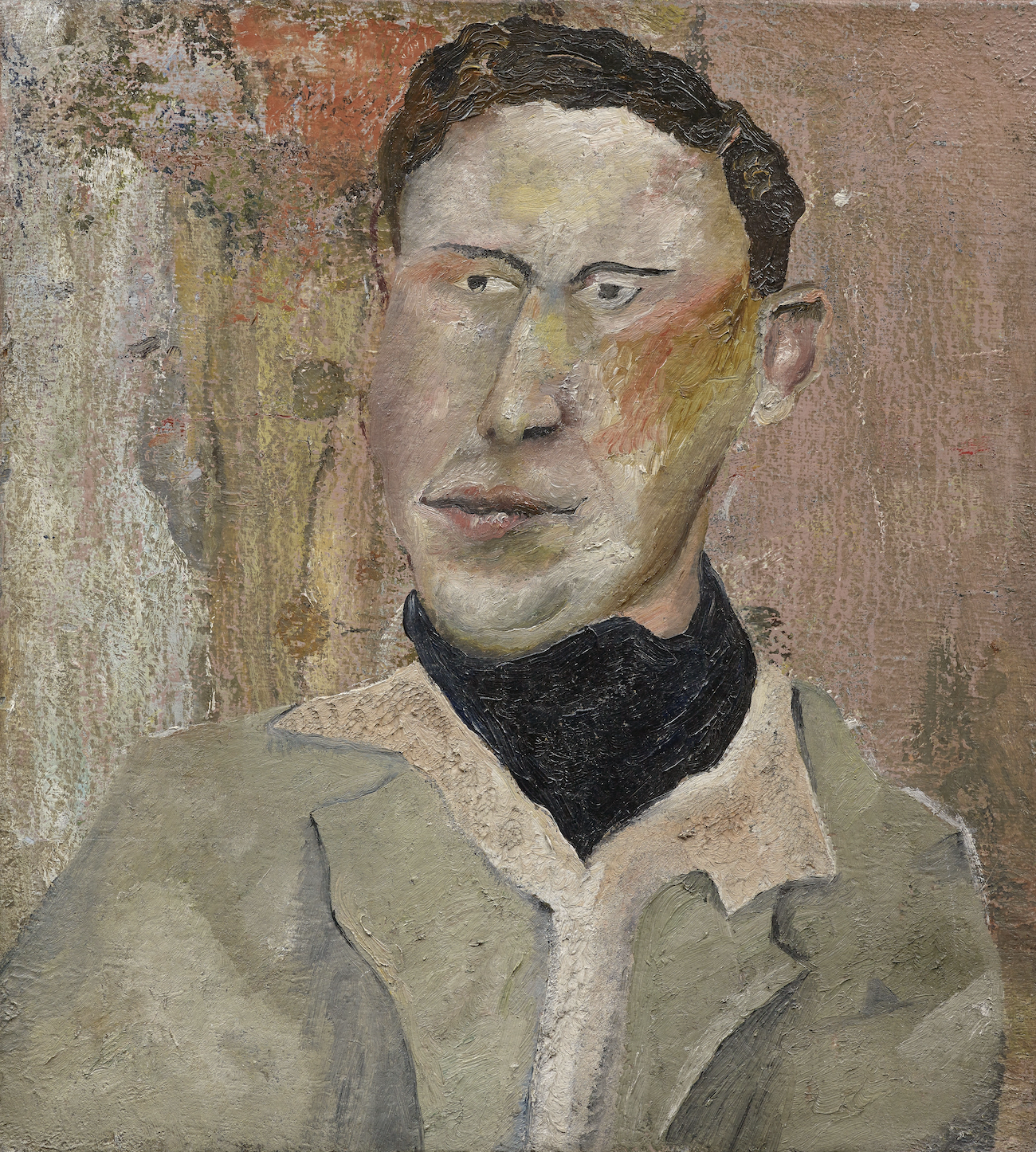
A newly confirmed portrait by Lucian Freud, "Man in a Black Scarf" (1939), has gone on public display for the first time at London's Garden Museum as part of the exhibition "Benton End: A Paradise of Pollen and Paint." The show celebrates the East Anglian School of Painting and Drawing, the bohemian art academy founded in 1937 by Cedric Morris and Arthur Lett-Haines, where Freud studied at age 17. The painting's authenticity was long contested—Freud himself denied making it when it was accepted for a 1985 Christie's auction—but was finally proven in 2018 when the school's attendance register was found in the Tate archive, confirming the sitter as John Jameson. The work appears alongside pieces by Morris, Lett, Joan Warburton, Elizabeth David, and Beth Chatto, with the exhibition's set design recreating the school's kitchen and dining room.

Mega Gallery Pace is Dropping Some 50 Artists, 50 Staff in ‘Model Correction’

Pace Gallery, a mega gallery with seven locations worldwide, is laying off approximately 50 staff members and dropping about 50 artists from its roster. CEO Marc Glimcher announced the gallery will refocus on 85 artists, down from 135, calling it a "model correction" and a return to the gallery's roots. The news was first reported by the New York Times, though Pace sources said the story ran early, causing confusion among staff. Artists now missing from the gallery's website include Keith Coventry, TeamLab, John Gerrard, and Glenn Kaino, who expressed that the gallery's model was "optimized for a vision of the art world that never materialized."

Valie Export obituary

Valie Export, the pioneering Austrian feminist artist known for provocative performances, films, and photographs that challenged the representation of women, has died at age 85. Born Waltraud Lehner, she renamed herself Valie Export in 1967 and became a central figure in the global feminist art movement, creating works such as "Touch and Grope Cinema" (1968) and "Action Pants: Genital Panic" (1969) that used her body to disrupt male gaze and social conventions. Her practice spanned expanded cinema, sculpture, and photography, and she was associated with Viennese Actionism while critiquing its sexism.

Edward Hopper’s Distinctly American Solitude

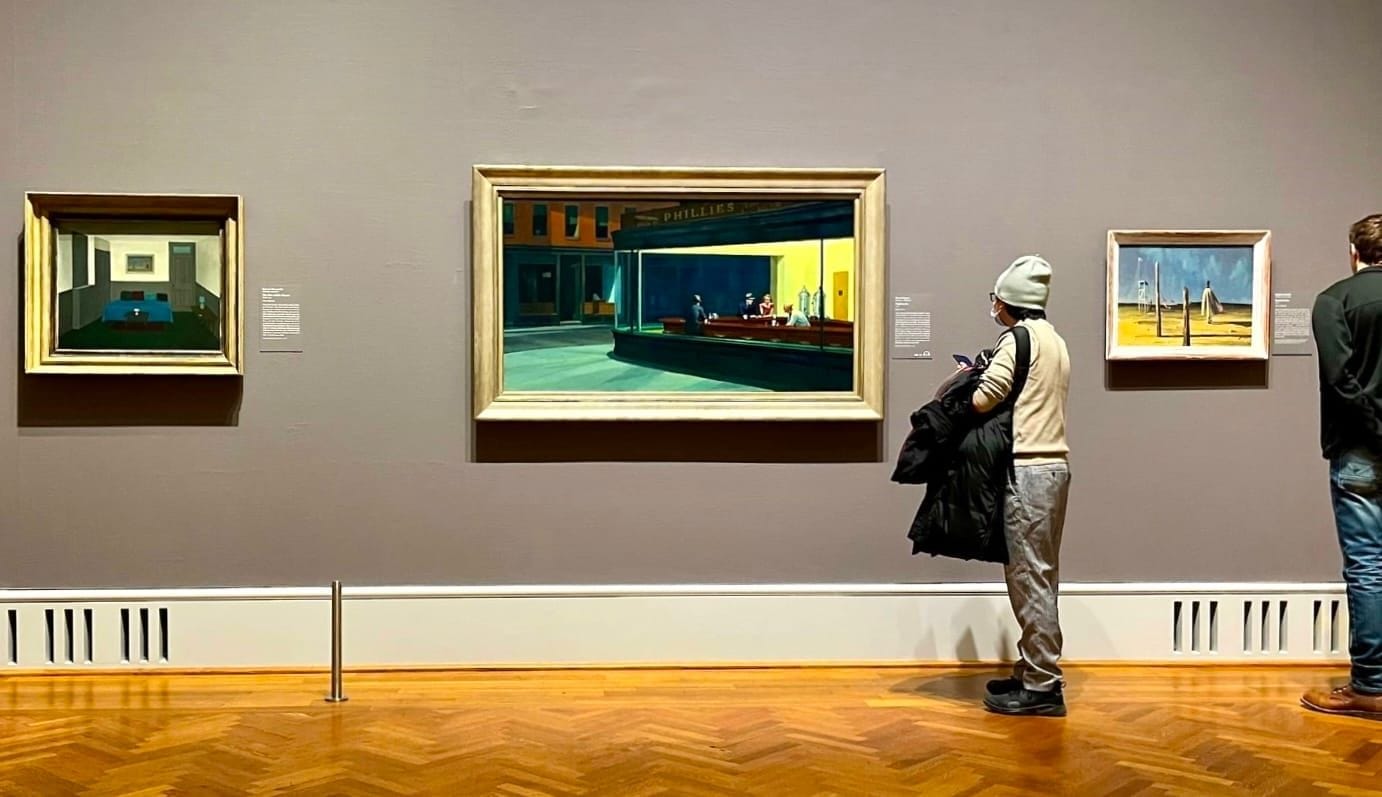
An excerpt from Ed Simon's book "American Elegy" analyzes Edward Hopper's iconic painting "Nighthawks" (1942), housed at the Art Institute of Chicago. Simon explores the painting's imagined diner setting, its realist style, and the sense of loneliness it evokes, noting that Hopper claimed inspiration from a Greenwich Village restaurant but likely invented the scene. The text positions Hopper as a painter of American solitude, with figures trapped in their own selfhood.

Marisa Merz at 100: Major Retrospective to Span Three Italian Museums

Three Italian museums—the Gallery of Modern and Contemporary Art (GAM) in Turin, Fondazione Merz, and Castello di Rivoli—are jointly mounting a major retrospective titled “Marisa Merz – The Dance of the Hours” to mark the centenary of Marisa Merz’s birth. The exhibition, which spans all three venues, will feature never-before-seen works alongside highlights from her 2017 U.S. retrospective, and is described as unlikely to be replicated in comprehensiveness. Merz, the only woman in Italy’s Arte Povera movement, was long known as the wife of Mario Merz but has increasingly gained recognition for her own pioneering practice in sculpture, painting, and mixed media.

Cave paintings, a galleon and a wild Frenchman: London Gallery Weekend’s 10 must-see shows

London Gallery Weekend returns for its sixth year, bringing together hundreds of galleries across the city for a weekend of free exhibitions, talks, performances, and events. The article highlights ten must-see shows, including a Francis Picabia survey at Hauser & Wirth, Anne Imhof's gothic explorations at Sprüth Magers, Dominic Watson's surreal galleon installation at The Sunday Painter, and Savannah Harris's critique of gentrification at Harlesden High Street. The event runs from late May into early June, with galleries open late and all admission free.

Venice verdicts: art world figures give their thoughts on the 2026 Biennale

Art world figures including Naomi Beckwith, Beatrix Ruf, and Diana Campbell Betancourt share their reflections on the 2026 Venice Biennale, curated by Koyo Kouoh under the title "In Minor Keys." Beckwith praises the exhibition's focus on post-war African art with an emphasis on women artists like Werewere Liking and Ranti Bam, describing it as a "peri-spiritual project" that asks audiences to shift their art-consumptive behavior. Ruf notes the Biennale felt "major" rather than minor, highlighting how national pavilions and projects responded to the theme with political and poetic urgency, citing works by Florentina Holzinger, Sung Tieu, and others. Campbell Betancourt emphasizes Kouoh's curatorial approach as expansive and inclusive.

Eine andere Schönheit, die bleibt

Elfie Semotan, the internationally renowned Austrian photographer who began her career as a model, has died at the age of 84. The article recounts her life and work, including a 2024 visit to her exhibition "Inspiration Comes from Everyday Life" at the Austrian Cultural Forum New York, where her photographs were shown alongside designs by Nina Hollein. Semotan was born in Wels in 1941, studied at the Modeschule Hetzendorf in Vienna, and worked as a model in Paris before turning to photography in the late 1960s. Her images appeared in magazines such as Vogue, Elle, Esquire, Marie Claire, Harper’s Bazaar, and The New Yorker. She was married to artist Martin Kippenberger and moved between New York, Vienna, and a farmhouse in Jennersdorf, Austria.

The Third Space

Der dritte Raum

The article reports on a new exhibition at the Georg Kolbe Museum in Berlin dedicated to British Constructivist artist Marlow Moss (1889–1958). Moss, who inspired Piet Mondrian and was part of the Parisian avant-garde, developed the 'double line' as a compositional element before Mondrian, yet her work remained largely unknown for decades. Curated by Lucy Howard and Elisa Tamaschke, the exhibition takes a thoughtful approach, presenting Moss's fragmented oeuvre alongside works by contemporary artists Leonor Antunes, Tacita Dean, Florette Dijkstra, and Ro Robertson to open up dialogues across time and space. The show highlights Moss's life marked by persecution, exile, and queer identity, as well as the loss of much of her early work in World War II and the mysterious disappearance of her late work after a 1994 posthumous exhibition in Arnheim.

JR's Caverne: No Reopening Date

Caverne de JR : pas de date de réouverture

The article reports that the reopening date for JR's "Caverne" installation remains undetermined. The piece is part of a broader issue of Le Journal des Arts (n°796, June 1, 2026) that also covers tensions at Venice pavilions, avant-garde scenes in Barcelona, the restored Musée des Augustins, and features on Hilma af Klint, Leonardo Cremonini, and Monet in Le Havre.