filter_list Showing 67 results for "Marguerite" close Clear
search
dashboard All 67 museum exhibitions 29trending_up market 13article news 9article culture 6person people 5article local 2rate_review review 2candle obituary 1
date_range Range Today This Week This Month All
Subscribe

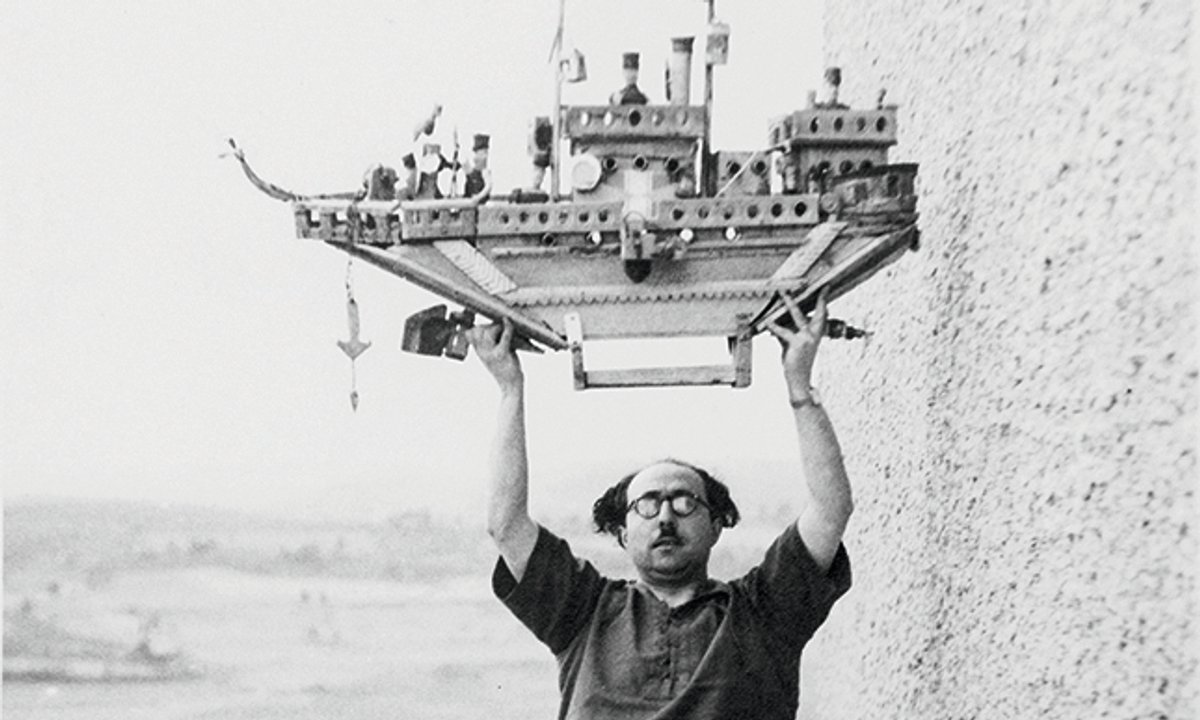
The tale of a French psychiatric asylum that harboured Second World War resistance fighters—and where patients became artists

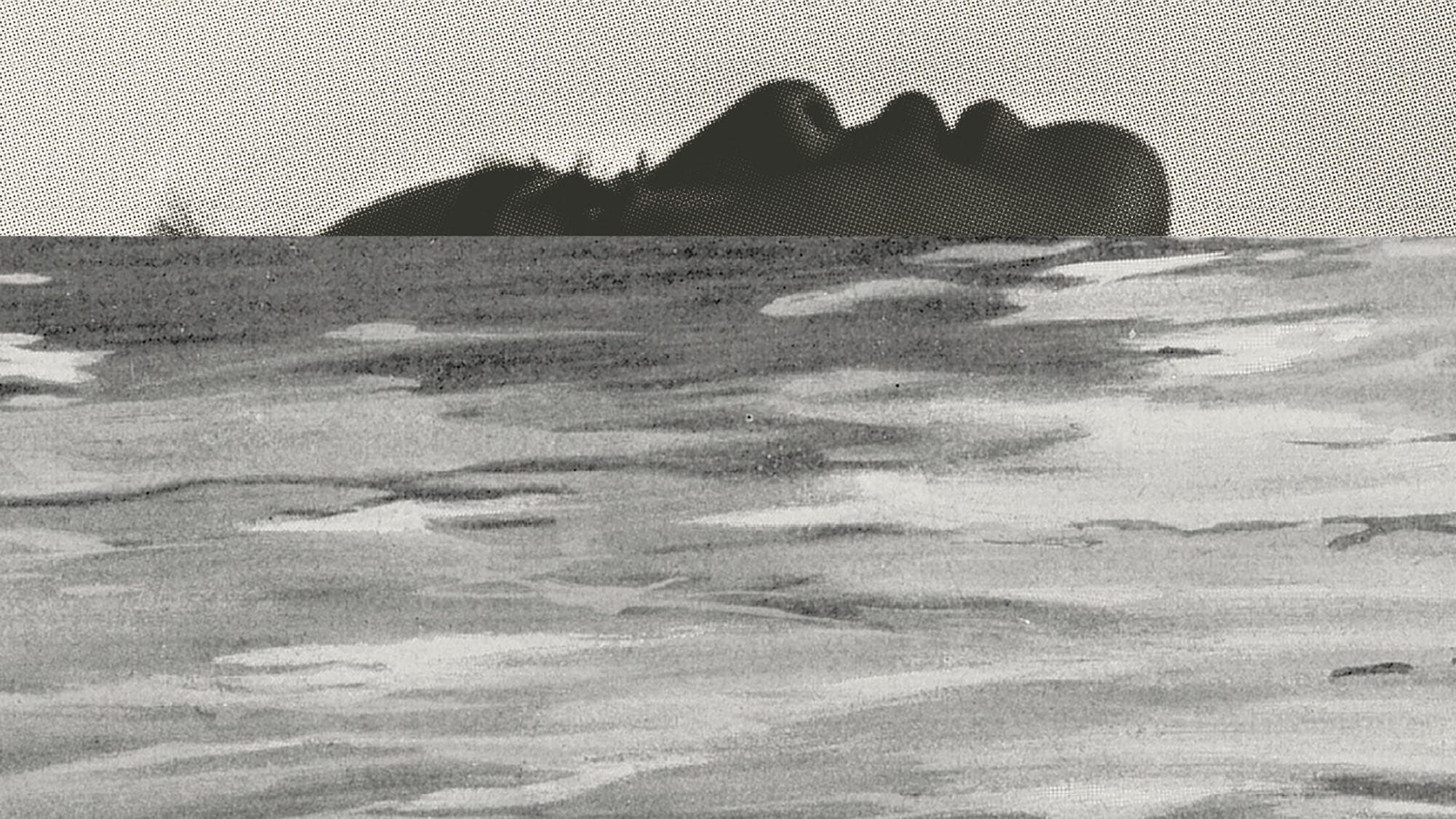
An exhibition catalogue from the American Folk Art Museum's 2024 show traces the story of Saint-Alban-sur-Limagnole, a French psychiatric asylum that sheltered Spanish Republican refugees and resistance fighters during World War II. Under Catalan psychiatrist Francesc Tosquelles, patients were encouraged to create art from found objects, producing works that later influenced Jean Dubuffet's concept of Art Brut. The asylum became a haven where hierarchies between doctors and patients were leveled, and patients bartered their creations for food during wartime austerity.
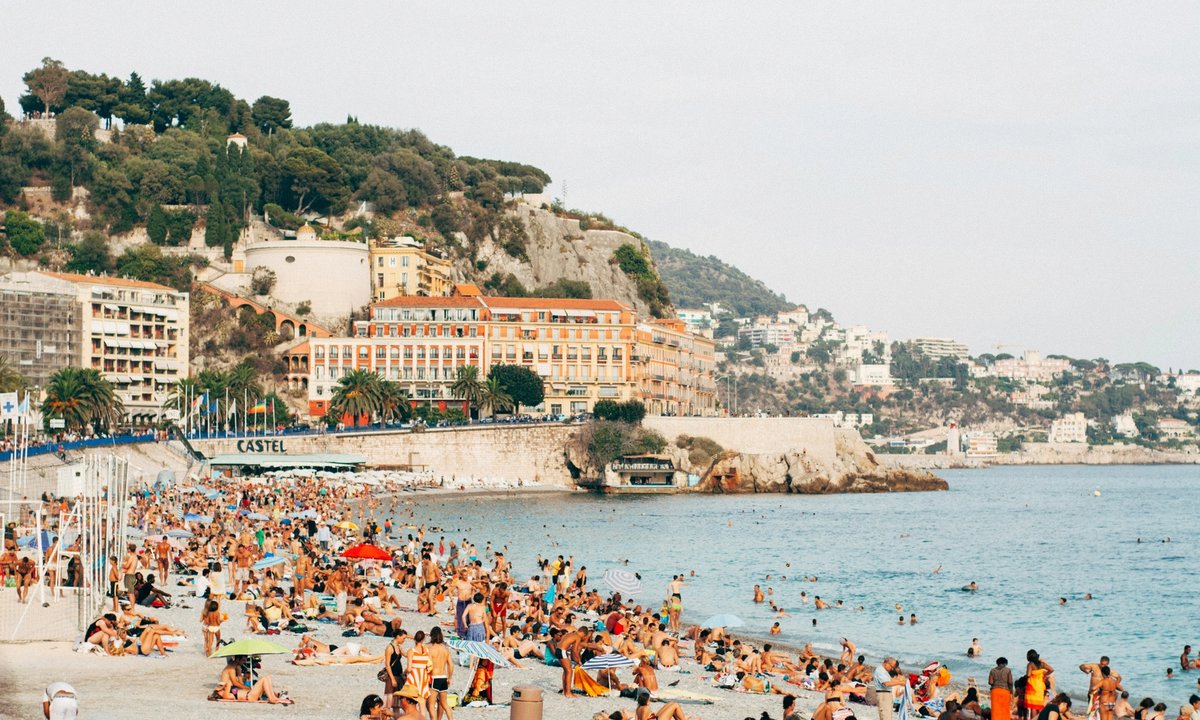
Ten essential works of art to see on the French Riviera

The article highlights ten essential artworks to see on the French Riviera, tracing the region's artistic heritage from the 19th century to the present. It features works by Paul Signac, Henri Matisse, Ludovico Brea, and others, housed in museums such as the Musée de l'Annonciade in Saint-Tropez and the Musée Matisse in Nice, with historical context on how artists like Renoir, Picasso, and Chagall were drawn to the area's light and atmosphere.

CLEARING to close its New York and Los Angeles galleries after 14 years.

CLEARING, a New York-based gallery known for representing artists such as Marguerite Humeau, Korakrit Arunanondchai, and Harold Ancart, is closing its Manhattan and Los Angeles locations after 14 years. Founder Olivier Babin announced the closure on Instagram, citing no viable path forward due to rising overhead costs for rent, shipping, and art fairs, alongside declining revenues. The gallery opened in Brooklyn in 2011, later expanded to Brussels, and moved to a larger Bowery space in 2023 before the financial pressures became unsustainable. Its final exhibitions were solo shows by Coco Young in New York and Henry Curchod in Los Angeles.

In “Discipline,” Larissa Pham Explores Predatory Art-World Mentorship

Larissa Pham’s debut novel, Discipline, follows Christina, a young writer and former painter grappling with the psychological aftermath of a formative affair with her art professor, Richard. Set against the backdrop of a book tour for her own autofictional novel, the narrative uses Christina’s observations of art—ranging from Helen Frankenthaler to Edward Hopper—to slowly peel back the layers of a relationship defined by power imbalances and predatory mentorship.

An Important Urbino Maiolica Basin for the Clark

Un important bassin en majolique d'Urbino pour le Clark

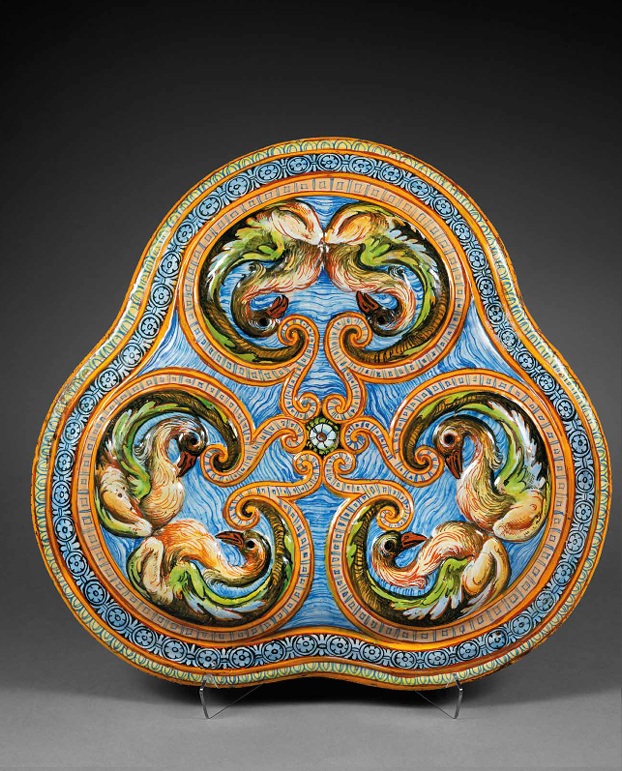
The Clark Art Institute in Williamstown has acquired a significant 16th-century Urbino maiolica basin from the gallery Camille Leprince following its display at TEFAF. Attributed to the workshop of Orazio or Flaminio Fontana, the trilobed basin features intricate historiated scenes from the life of Joseph and elaborate grotesque decorations. The piece was a highlight of the fair and is accompanied by extensive research regarding its complex provenance.

parties salon 21 east hampton alex bass

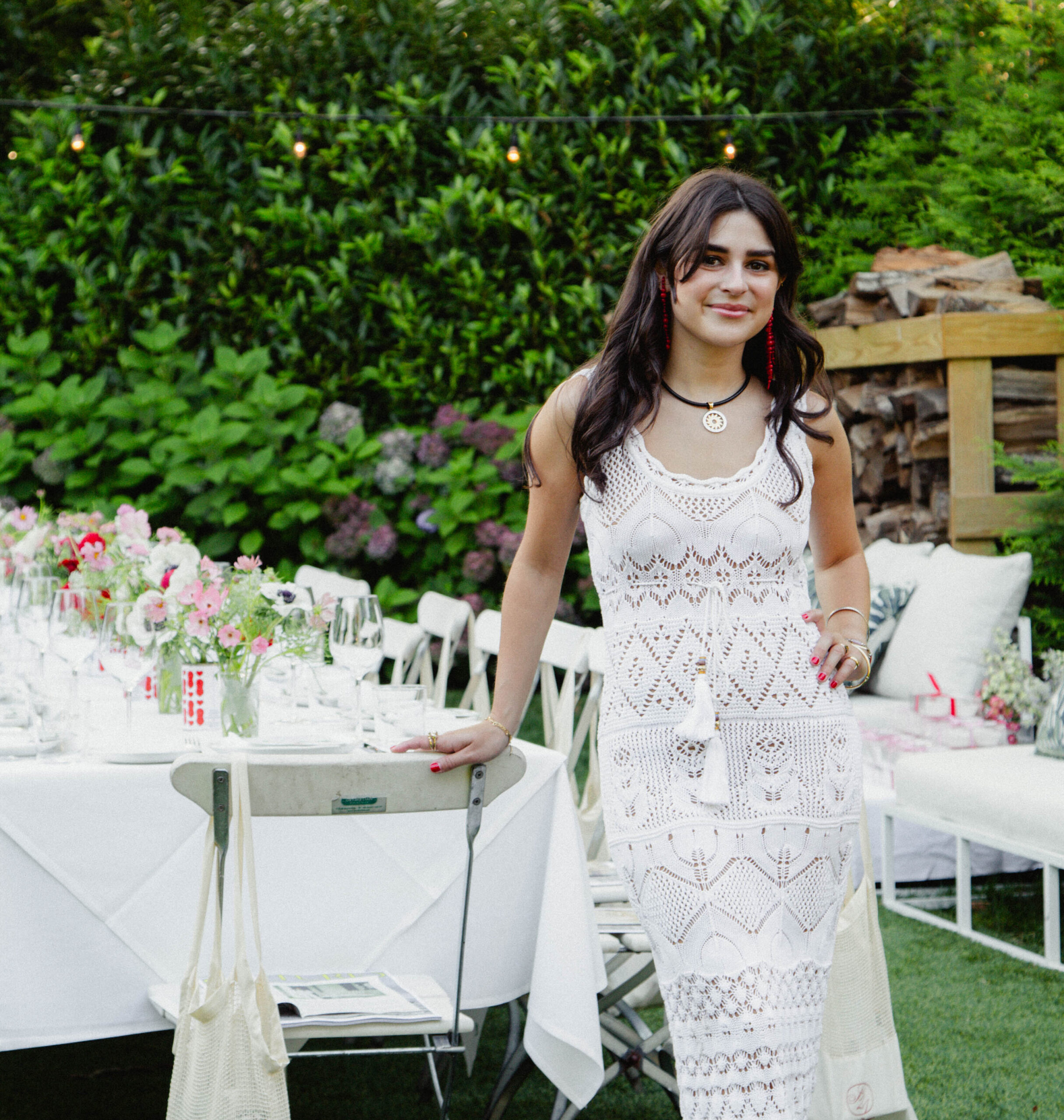
Salon 21 by Alex Bass hosted an intimate garden dinner at the Maidstone Hotel in East Hampton, celebrating its summer exhibition “La Dolce Vita” and previewing the gallery’s fall reopening in a new WSA space. The event brought together art world insiders, design leaders, and creative peers, including curator Sharon Coplan Hurowitz, Watermill Center Managing Director Elise Herget, and lifestyle expert Katie Sands Bochner, for an Italian coast-inspired evening of seafood, rosé, and conversation.

RAFAEL TAMAYO: “TODO EL SECTOR DE LOS MUSEOS EN COLOMBIA DEBE REPENSARSE”

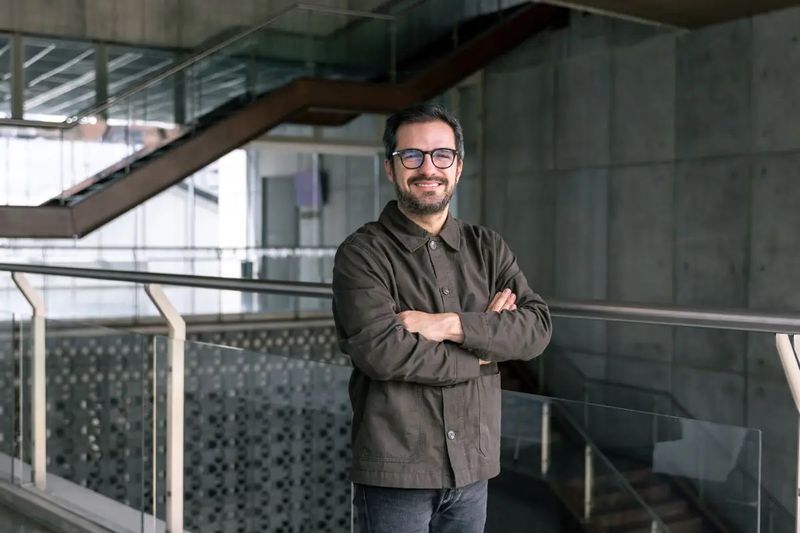
Rafael Tamayo Franco, director of the Museo de Arte Moderno de Medellín (MAMM), argues in an interview that the entire museum sector in Colombia must rethink itself. He discusses the opportunities and risks of museums engaging with social crises, emphasizing the need for museums to be critical spaces that complexify and confront tensions through art, while avoiding both sanitized debate and the violation of visitors. Tamayo also highlights structural challenges facing Latin American museums, including budget constraints and bureaucratic hurdles, but praises the region's professionals for their resourcefulness and resilience.