filter_list Showing 181 results for "Interview" close Clear
dashboard All 181 museum exhibitions 67article culture 41person people 35article news 21candle obituary 8article local 6rate_review review 2gavel restitution 1
date_range Range Today This Week This Month All
Subscribe

Interview: Lukas Amacher Is Building a Chatbot for the Art World

Curator, collector, and entrepreneur Lukas Amacher, in partnership with developer David Simon, has launched CONTXT, an A.I.-powered chatbot platform designed for art exhibitions. The software allows visitors to ask questions about artworks via a chat interface, with answers sourced directly from an institution's curated materials like catalog essays and curator notes, rather than generic internet searches. The platform is currently being tested in a public preview with bitforms gallery.


Forgers, One-Way Mirrors of the Art Market

Les faussaires, miroirs sans tain du marché de l’art

Anthropologist Monique Jeudy-Ballini has published a new book, "Peintres de l’ombre. Les faussaires à l’œuvre," in which she examines art forgers through an ethnographic lens. Drawing on autobiographical accounts, published interviews, and expert writings—including those of notorious forgers Wolfgang Beltracchi, Eric Hebborn, and Guy Ribes—she explores the motivations and practices of these clandestine figures, arguing that their work involves not only technical skill but also the creation of elaborate narratives and pedigrees for their forgeries. The book is part of the Ethnologiques series edited by Philippe Descola and published by Éditions Mimésis.

Six months after the Louvre heist, a 'Complément d'enquête' takes stock, with never-before-seen images broadcast tonight on France 2

Six mois après le casse du Louvre, un « Complément d’enquête » fait le point, avec des images inédites diffusées ce soir sur France 2

On October 19, 2025, eight historic and priceless jewels were stolen from the Galerie d'Apollon at the Louvre Museum in Paris in just over three minutes, using a hoist and an angle grinder. Six months later, the French investigative program "Complément d'enquête" airs a 50-minute documentary titled "Musée du Louvre : dans les coulisses du casse du siècle" on France 2, featuring exclusive surveillance footage, interviews with guards, police, experts, and ministers, and new details about the four suspects arrested within weeks.

"Etwas zaghaft, etwas ängstlich, etwas sicher"

The article surveys recent art-world commentary, focusing on a critical review of the Turner Prize shortlist in The Guardian, where Eddy Frankel calls the selection "timid, anxious, safe" and laments a self-perpetuating, elitist system. It also covers a Hyperallergic essay by Lisa Siraganian questioning whether artworks can possess personhood, sparked by Pierre Huyghe's Venice exhibition. Additionally, it reports on controversy at the Venice Biennale, where the jury preemptively excluded countries whose leaders are sought by the International Criminal Court—namely Russia and Israel—drawing sharp criticism from Die Welt's Marcus Woeller. A podcast interview with US sculptor Alma Allen, selected for the US Pavilion, rounds out the coverage.

I Have Always Been Drawn to the Despised

"Ich habe mich schon immer zum Verachteten hingezogen gefühlt"

Irish artist Alice Maher discusses her ongoing exploration of patriarchal structures, mythology, and the symbolic power of female hair in her practice. Her current work focuses on large-scale drawings of Sibyls—ancient female prophets—whose excessive hair serves as a metaphor for identity, power, and the 'monstrous feminine.' Maher reflects on her career-long engagement with Irish history, from collecting hair during the Troubles to her collaborative textile masterpiece, "The Map," which reclaims the legacy of Mary Magdalene from Catholic institutional narratives.

art olivia walton crystal bridges

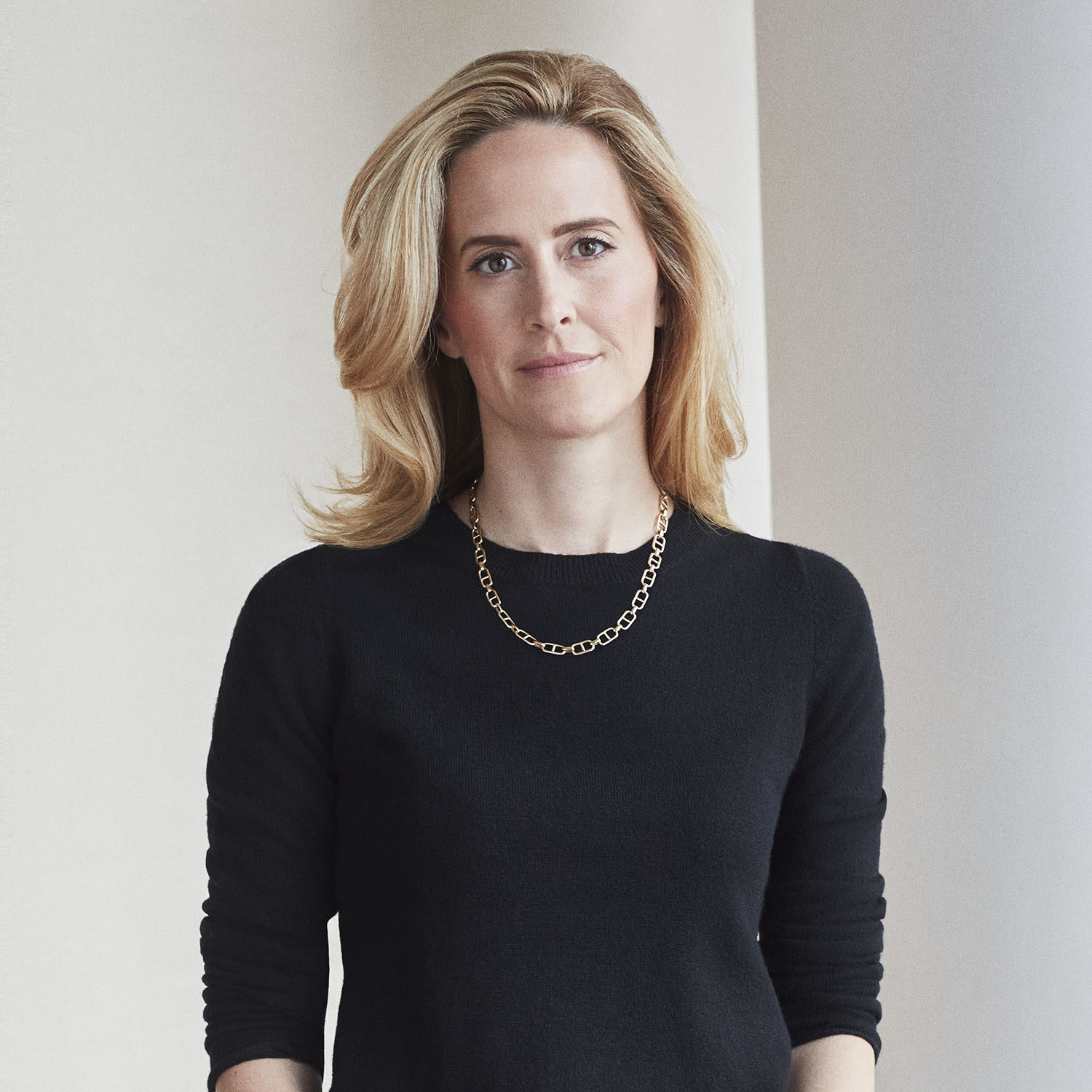
Olivia Walton, former TV journalist and current board chair of the Crystal Bridges Museum of American Art in Bentonville, Arkansas, discusses her leadership and vision in an interview for Cultured's 2026 CULT100 honorees. She took over from founder Alice Walton, her husband's aunt, in 2021 and has championed free admission and expanded access. The museum is set to open a major expansion in May, doubling its public space and celebrating its 15th anniversary alongside America's 250th birthday.

The Founders of Open Restitution Africa (ORA) on Their New Open Data Platform

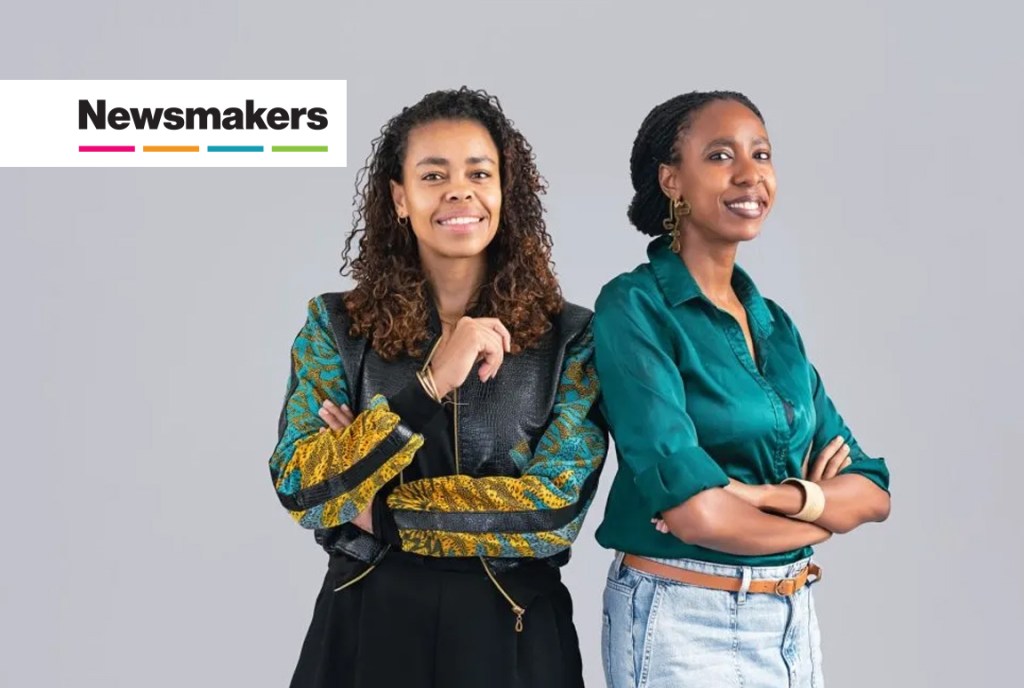
On March 31, the research initiative Open Restitution Africa (ORA) launched the ORA Open Data Platform, a database providing information on the restitution of African artifacts and ancestral remains. Developed over six years by ORA’s all-woman, pan-African team, the site uses case histories and AI-powered tools to offer practical insights into the return process, available in French and English. It presents 25 case histories spanning 200 years, using data visualizations, essays, and interactive tools to help individuals and communities develop their own restitution strategies. ARTnews interviewed founders Chao Tayiana Maina and Molemo Moiloa about the project's origins and goals.

Architecture as Microcosm: Interview with Architects Barclay & Crousse Coming to an Exhibition in Milan

Architettura come microcosmo. Intervista agli architetti Barclay & Crousse che arrivano in mostra a Milano

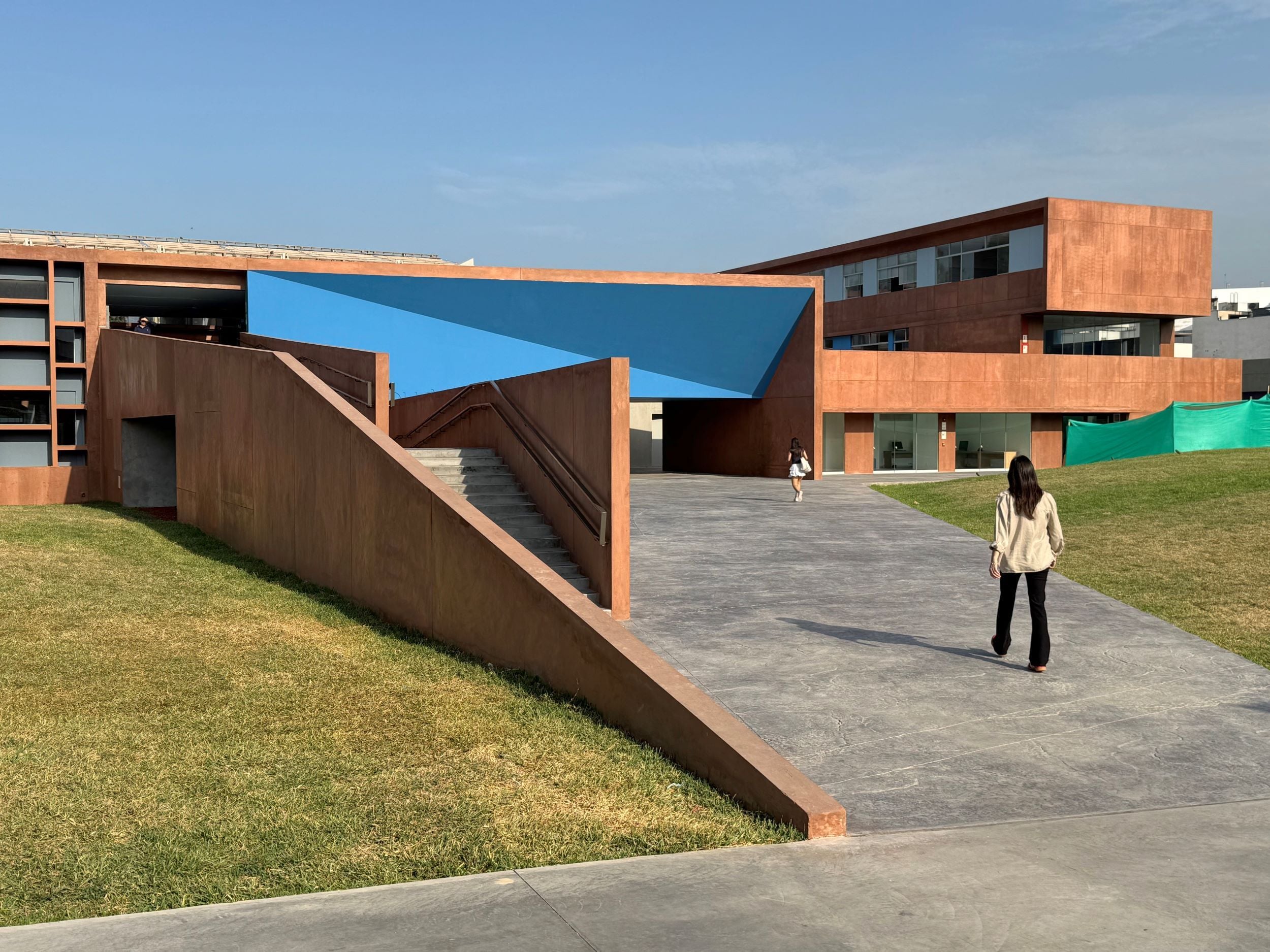
Architects Sandra Barclay and Jean Pierre Crousse, founders of Barclay & Crousse Architecture, are the subject of a feature interview and exhibition in Milan. The studio, established in Paris in 1994 and now based in Peru, is known for projects that deeply engage with the Peruvian landscape, particularly the coastal desert between the Pacific Ocean and the Andes. Their notable works include the Lugar de la Memoria (Lima, 2015), the Museo de Paracas (2016), and the Franco-Peruvian School in Lima (2025), which recently won the Grand International Prize at the X Bienal Internacional de Arquitectura de Santa Cruz (Bolivia) in 2026. The article traces their education across Peru, France, and Italy, and their return to Peru in 2006, where they continue to run a French branch called Atelier Nord Sud.

Dries Verhoeven on Representing the Netherlands at the 61st Venice Biennale

Dries Verhoeven will represent the Netherlands at the 61st Venice Biennale (2026) with a new work titled *The Fortress*, installed in the Dutch Rietveld Pavilion in the Giardini. The 25-minute performance piece transforms the sunlit pavilion into a darkened bunker, featuring a raw vocal composition using only false vocal cords. Verhoeven describes the work as a meditation on transition and self-preservation, reflecting a Western society caught between its enlightened self-image and a dark vision of the future. The piece responds to geopolitical unrest outside the Biennale grounds and is designed to be melancholic and confrontational, contrasting with the main exhibition's theme, *In Minor Keys*.

Sung Tieu on Representing Germany at the 61st Venice Biennale

Sung Tieu, who is co-representing Germany at the 61st Venice Biennale alongside Henrike Naumann, responds to a questionnaire from ArtReview about her plans for the German Pavilion. She describes her inspiration as her mother and childhood home, a site built for foreign contract workers in the GDR that later became a refuge for the diaspora. Tieu states that her work relates to the Biennale theme "In Minor Keys" through the lens of Gehrenseestrasse, a concrete record of collective memory. She also expresses skepticism about the Biennale's importance, noting that the German Pavilion's fascist architecture compels artists to work against it, and that national pavilions reveal how much work remains in undoing nationalism.

Miet Warlop on Representing Belgium at the 61st Venice Biennale

Miet Warlop, the artist representing Belgium at the 61st Venice Biennale (2026), discusses her plans for the Belgian Pavilion in the Giardini in an interview with ArtReview. Her installation, inspired by the Belgian motto 'L'union fait la force' ('unity makes strength'), aims to create a space between a workspace, exhibition, and performance that brings people together in introspection. She cites time spent with Venice's artistic communities, including students at the Accademia, as influential, and notes that her work engages with the Biennale's theme 'In Minor Keys' by incorporating minor-key music to evoke nuanced, introspective emotions.

The Interview: Gabrielle Goliath

Gabrielle Goliath, a South African artist, created the performance work "Elegy" in 2015 after hearing a father mourn his daughter, Ipeleng Christine Moholane, who was raped and murdered. The piece features seven operatic women sustaining a single note in relay for an hour, evolving over a decade into a series of iterations that address systemic violence and grief. In January 2026, South Africa's Minister of Sport, Arts and Culture, Gayton McKenzie, cancelled Goliath's presentation of the latest version of "Elegy" at the 61st Venice Biennale, which was to include tributes to victims in South Africa, Namibia, and Gaza, including journalist Hiba Abu Nada. Goliath refused to alter the work, took legal action, and will now show it independently at the Chiesa di Sant'Antonin in Venice, while the official South African Pavilion will remain empty for the first time since 2011.

Margaret Whyte on Representing Uruguay at the 61st Venice Biennale

Margaret Whyte, an artist from Uruguay, is set to represent her country at the 61st Venice Biennale in 2026, with her pavilion located in the Giardini. In an interview with ArtReview, Whyte discusses her exhibition, which builds on her earlier show "Tiempo de Escuchar" at the National Museum of Visual Arts in Uruguay, curated by Patricia Bentancur. Her work is inspired by Nassim N. Taleb's book "Antifragile" (2012), exploring themes of chaos, uncertainty, and resilience. She sees her antifragile approach as complementary to the Biennale's theme, "In Minor Keys," curated by Koyo Kouoh, emphasizing emotional depth, silence, and healing.

Pavel Brǎila on Representing Moldova at the 61st Venice Biennale

Pavel Brǎila is representing Moldova at the 61st Venice Biennale with an installation titled "Echoes of Harmony and Silent Cries" (2026), featuring flying carpets that fill the pavilion space at Santa Veneranda. In an interview with ArtReview, Brǎila explains that the work was driven by the constant presence of war in the news—Ukraine, Israel and Gaza, and other conflicts—and evolved into a sound installation as the propellers of the carpets created a minor-key resonance. He describes his first visit to the Biennale 25 years ago as a festive art festival, but now sees the platform as a crucial opportunity to represent his country's voice and express his urgent feelings about the world.

Bugarin + Castle on Representing Scotland at the 61st Venice Biennale

ArtReview published a questionnaire response from Bugarin + Castle, the artist duo representing Scotland at the 61st Venice Biennale (2026). Their exhibition, titled "Shame Parade" and curated by Mount Stuart Trust, explores charivari—medieval public shaming rituals involving sound, costume, and cross-dressing. The work draws on the artists' research into how noise and music have been used as tools of control, with particular attention to the Filipino legal definition of charivari as a punishable public disturbance. The exhibition includes sculpture, print, moving image, and a musical score created with Manila-based band Kalye Teresa, and is housed at the Olivolo, Castello pavilion.

Jenna Sutela on Representing Finland at the 61st Venice Biennale

Jenna Sutela, representing Finland at the 61st Venice Biennale, will present an exhibition titled *Aeolian Suite* in the Giardini pavilion. The work features sound sculptures that engage with wind as both a physical and political force, using meteorological data, wind machines, recorders, a children's woodwind orchestra, and recordings of winds from Venice, Helsinki, and beyond. Sutela explores noise as a creative medium, drawing on the concept of deep listening inspired by artist Pauline Oliveros, and connects her project to the Biennale's theme, *In Minor Keys*, curated by Koyo Kouoh.

Nilbar Güreş on Representing Turkey at the 61st Venice Biennale

Nilbar Güreş, the artist representing Turkey at the 61st Venice Biennale (2026), responds to a questionnaire from ArtReview about her upcoming exhibition. She expresses exhaustion with having to explain herself to Western audiences and critiques the white, male-dominated art world. Her inspiration for the pavilion comes from this disgust and fatigue, and she states that the Biennale's theme, "In Minor Keys," did not guide her preparation. Güreş also voices disillusionment with the art world's silence on humanitarian crises, particularly the bombing of hospitals and children in Palestine, and notes that artists speaking out on Palestine face censorship and exclusion.

Faig Ahmed on Representing Azerbaijan at the 61st Venice Biennale

Artist Faig Ahmed will represent Azerbaijan at the 61st Venice Biennale in 2026 with a project exploring the intersections of mystical poetry and quantum physics. Located in the Campo de la Tana, the pavilion aims to create a contemplative space where technology and ancient oral traditions facilitate a personal dialogue for the viewer. Ahmed’s presentation responds to the Biennale’s overarching theme, 'In Minor Keys,' by focusing on subtle, often overlooked phenomena.

National Pavilions Review: Who’s Afraid of Meaning?

Andrew Durbin reviews national pavilions at a major biennial, contrasting a vacuous US presentation with incisive and moving installations from Britain and Germany. The review critiques the lack of meaningful content in the US pavilion while praising the depth and emotional resonance of the British and German contributions.

Nikita Kadan Questions Whether War Ever Ends

Ukrainian artist Nikita Kadan, in an interview with Frieze, reflects on his practice and the ongoing psychological and physical toll of war, questioning whether conflict ever truly ends. He discusses his recent works, which grapple with the persistent state of war in Ukraine, the transformation of urban spaces, and the collective trauma that outlasts active hostilities.

Tell Me About Love…

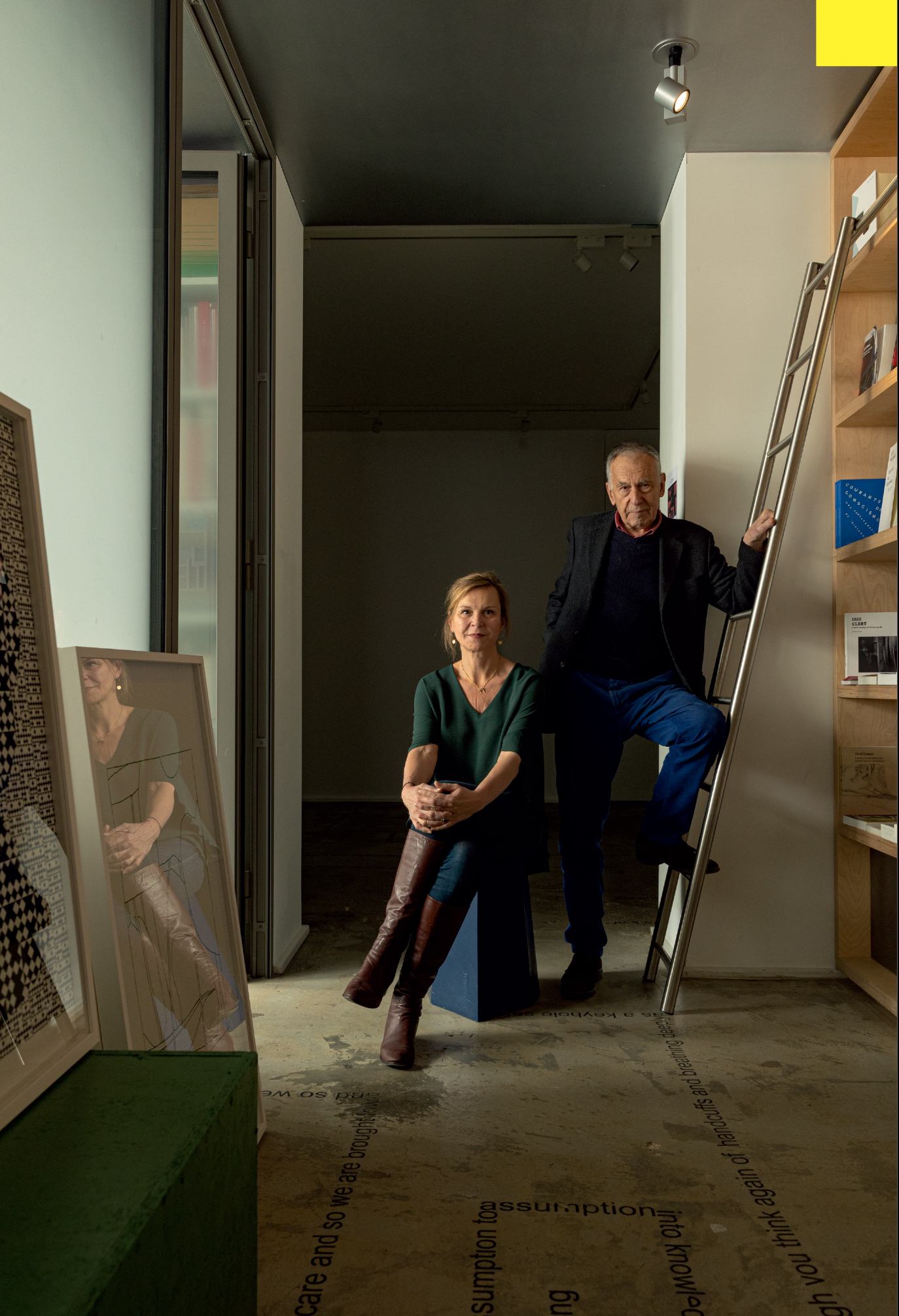
Yvon Lambert, the legendary French art dealer and collector, reflects on his lifelong relationship with art and literature in an interview for TLmag41: The Art of Collecting. He recounts buying his first painting at age 14, opening his Paris gallery in the 1960s, and later donating a major portion of his collection to the French State, now housed at the Collection Lambert in Avignon. After closing his gallery in 2014, he shifted focus to an artist's bookshop, now run by his daughter Eve Lambert. The conversation, led by Sibylle Grandchamp, explores Lambert's early influences, his father's passion for literature, and the family's shared love for art books.

Marina Abramovic on bringing audiences inside art

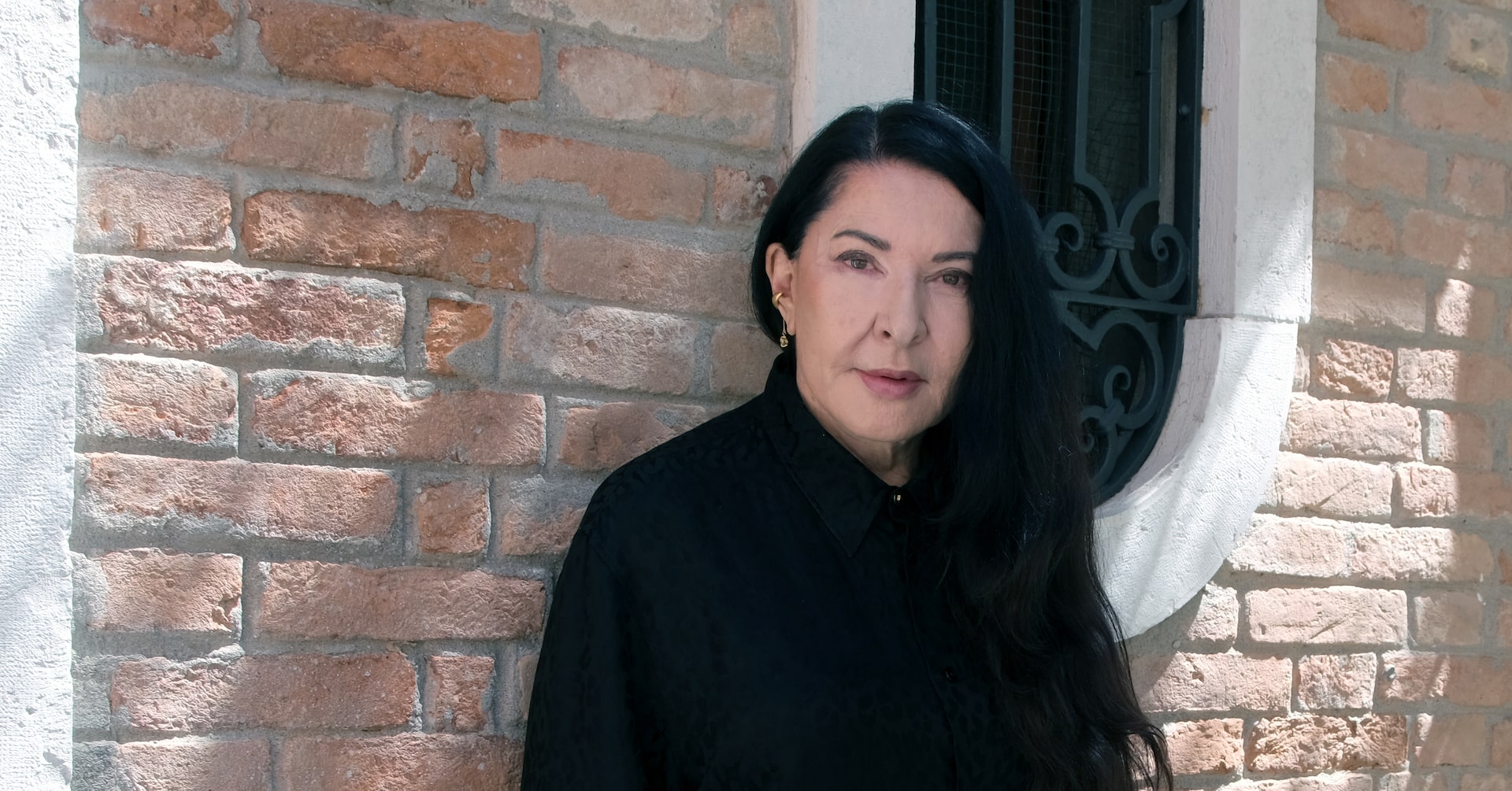
Performance art pioneer Marina Abramović, now 80, has opened a major exhibition titled "Transforming Energy" at the Gallerie dell'Accademia in Venice, making her the first living woman to receive such a show at the institution. The exhibition, running until October, features interactive "transitory objects" like crystal structures and minerals, alongside re-enactments of her iconic works including a performance with her late partner Ulay. In an interview with Reuters, Abramović discusses her shift from being the subject of her work to focusing on audience participation, a realization she had after her landmark 2010 performance "The Artist Is Present" at MoMA.

‘Out of the middle’: Asian Art Museum director sees contemporary Korean art coming into its own

Dr. Lee So-young, the first Korean American director of a major U.S. art museum, discussed the rising global prominence of contemporary Korean art during an interview in Seoul. She was visiting with San Francisco Mayor Daniel Lurie to celebrate the cities' 50th anniversary of sister-city ties and to promote an upcoming retrospective on Korean abstract artist Ha Chong-hyun at the Asian Art Museum in September. Lee, who previously curated at the Metropolitan Museum of Art and Harvard Art Museums, noted that Korean art has shifted from traditional focus to contemporary work, with museums and collectors increasingly engaging with dynamic artists from Korea.

Can You Climb a Ladder? A Conversation with Yvonne Garcia

Yvonne Garcia, owner and director of Houston's oldest operating gallery, Hooks-Epstein Galleries, discusses her journey from aspiring actor to gallery leader in a new interview. She details her initial career in acting and talent representation, her return to the art world through roles at the Museum of Fine Arts, Houston and Sicardi Gallery, and her fateful hiring by pioneering gallerist Geri Hooks in 2006.

What is it like to be a young artist in Milan today? Denise Ceragioli answers

Com’è oggi essere una giovane artista a Milano? Risponde Denise Ceragioli

The article features an interview with young Milan-based artist Denise Ceragioli, who discusses the challenges and realities of sustaining an artistic practice in the city after graduating from the Brera Academy. She details her journey of finding a studio, the evolution of her painting from figurative to highly material-based work involving wax, and the importance of building relationships within Milan's art ecosystem of institutions, galleries, and independent spaces.

An artist told the incredible story of a Calabrian village that no longer exists. The interview

Un artista ha raccontato l’incredibile storia di un borgo della Calabria che non c’è più. L’intervista

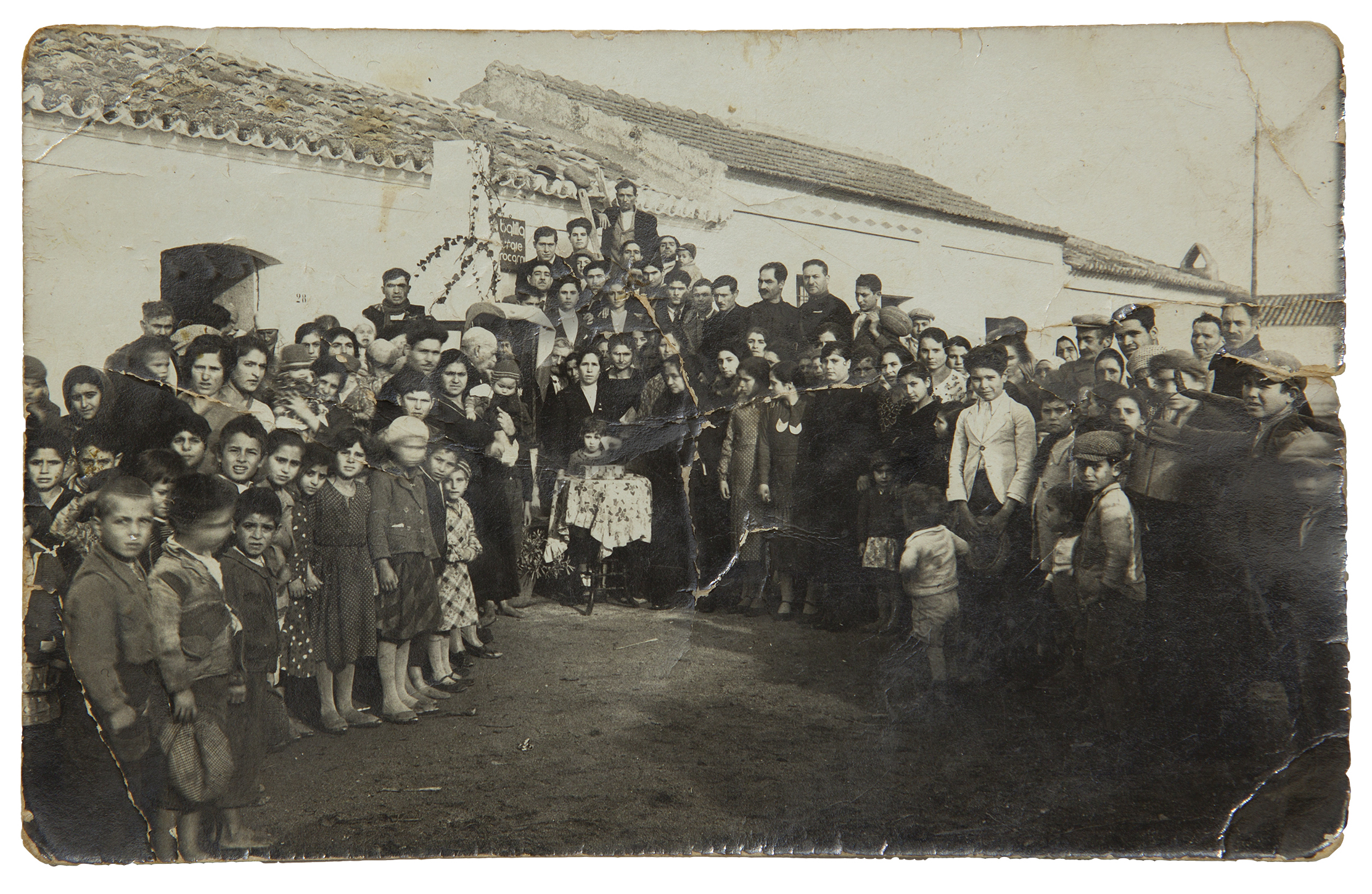
Italian artist Martin Errichiello has created [campanamuta], a six-part audio work broadcast on RAI Radio 3's Zazà program in late 2025 and now available on RaiPlay Sound. The piece tells the story of Eranova, a farming community founded in 1896 near Reggio Calabria that was destroyed by 1980 after the Christian Democratic party planned—but never built—a steel center on its land, now the site of the Port of Gioia Tauro. Errichiello weaves together interviews with former residents and his own original texts, using non-linear narration to explore the village's utopian origins and forced disappearance.

A Firenze c’è da vedere una mostra sulla creatività degli Anni Venti

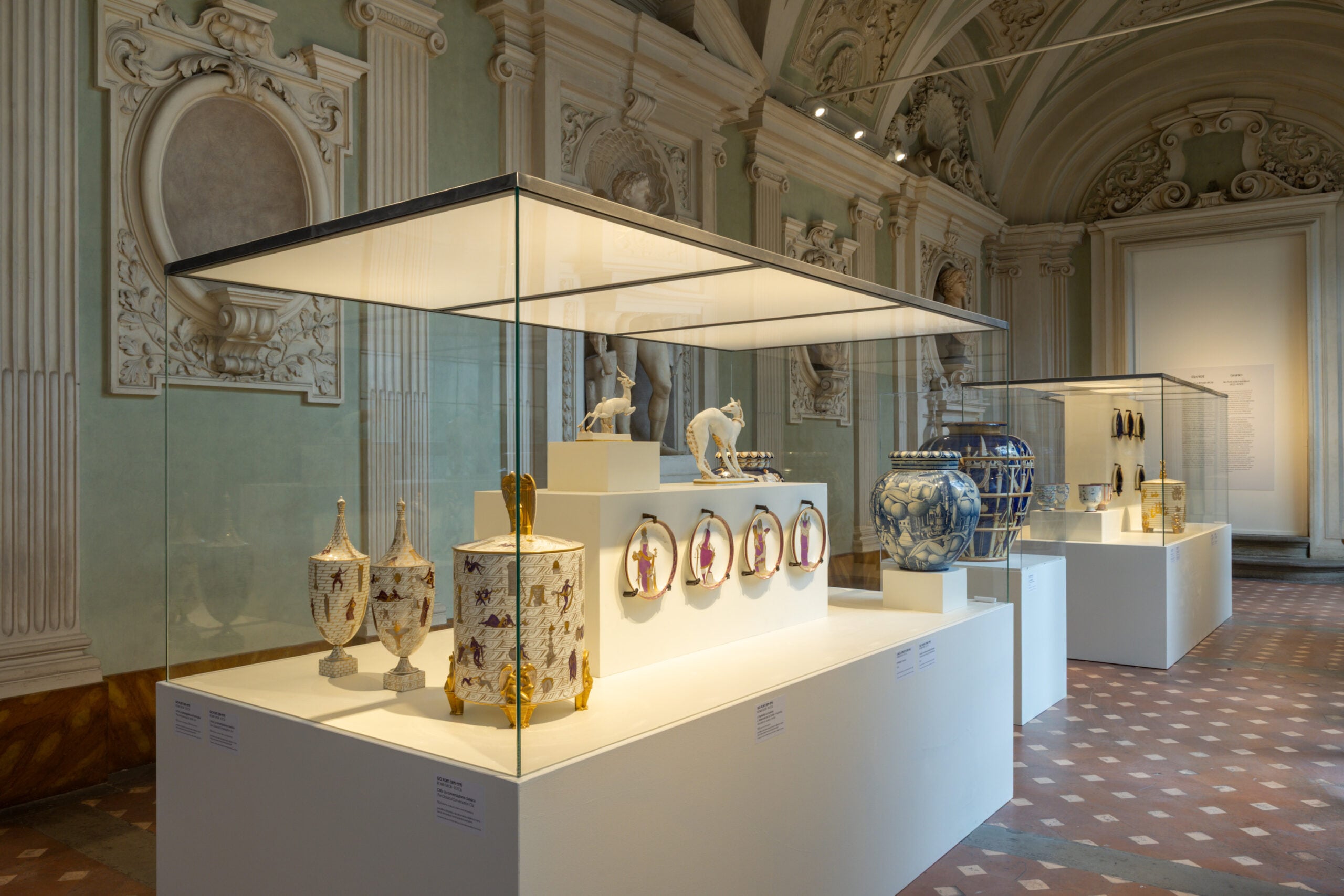
A new exhibition titled "Firenze Déco. Atmosfere degli anni Venti" has opened at Palazzo Medici Riccardi in Florence, running until August 25, 2026. Curated by Lucia Mannini and promoted by Città Metropolitana di Firenze with Fondazione MUS.E, the show explores the creative explosion of the 1920s in Florence, focusing on decorative arts, fashion, graphic design, and manufacturing. It highlights figures such as Gio Ponti for Richard-Ginori, Galileo Chini, Thayaht, Ferragamo, and Gucci, tracing how the city absorbed influences from Paris and the 1925 Exposition des Arts Décoratifs to forge its own distinctive Deco style. The exhibition features ceramics, furniture, jewelry, costumes, and period photographs, and is accompanied by an interview with the curator.

L’artista Kader Attia ci racconta la sua opera alla Biennale di Venezia 2026. L’intervista

Kader Attia presents his multimedia installation "Whisper of Traces" at the 2026 Venice Biennale, curated by Koyo Kouoh under the theme "In Minor Keys." The work explores the intersections of magic, spirituality, traditional healing, and digitalization, drawing on Attia's long-standing interest in how colonialism, neoliberalism, and technology have transformed shamanic and healing practices. Attia describes the project as an accumulation of psychic traces from human history, which his mother called "ghosts."

A Venezia sta aprendo un nuovo Palazzo delle Arti e delle Culture grazie alla Fondazione Giancarlo Ligabue. L’intervista

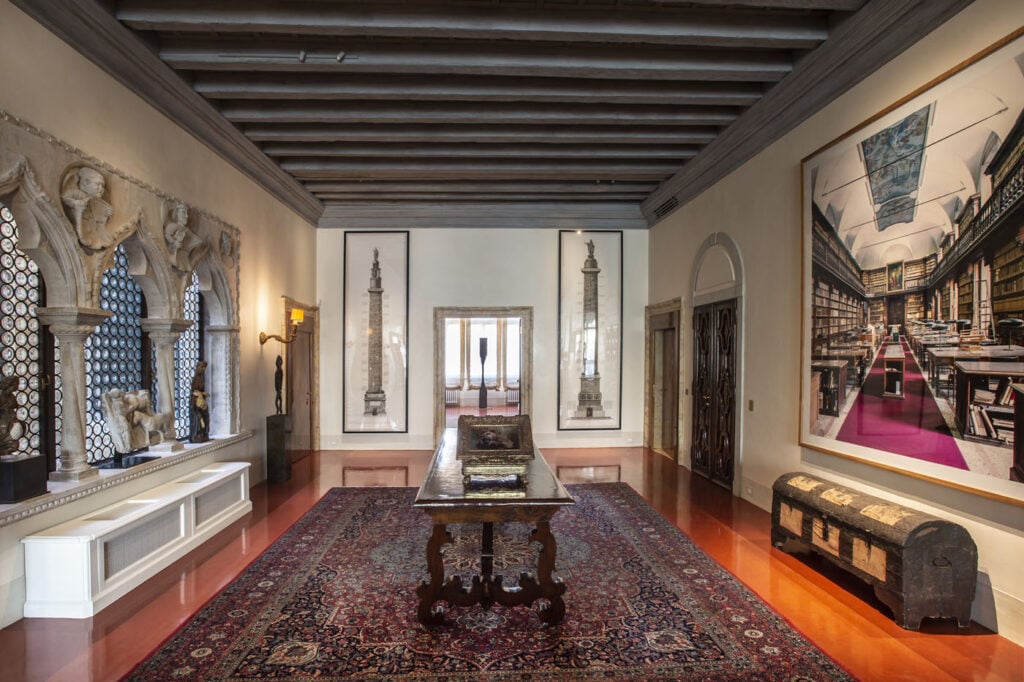
A new Palazzo delle Arti e delle Culture – Collecto is opening in Venice at Palazzo Erizzo Ligabue, a 15th-century palace on the Grand Canal. The initiative, spearheaded by Inti Ligabue (45), son of the late paleontologist and entrepreneur Giancarlo Ligabue, will open to the public from May 7 to May 24, 2026, offering guided tours of a collection of over 400 pieces spanning from 4.5-billion-year-old fossils to contemporary works by artists such as Arcangelo Sassolino, Nico Vascellari, and Giorgio Andreotta Calò. The project builds on the Fondazione Giancarlo Ligabue, established in 2016 from the original Centro Studi founded in 1973, and will feature a residency by artist Marta Spagnoli.

This unpublished comic tries to tell us what the Biennale of the future will be like

Questo fumetto inedito prova raccontarci come sarà la Biennale del futuro

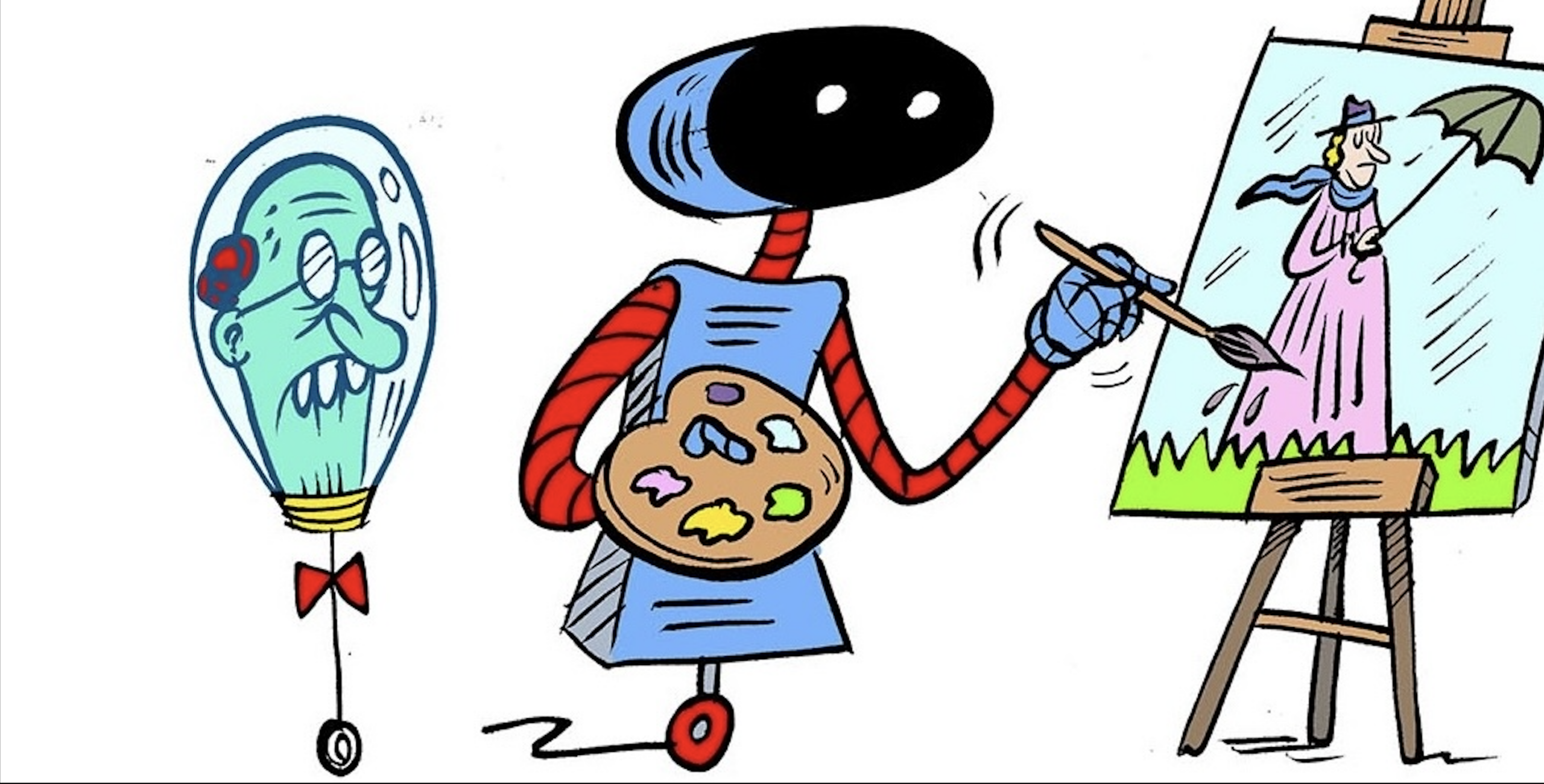
Hurricane (Ivan Manuppelli), a leading figure in Italian underground comics, creates an original comic titled "Biennale 2126" for Artribune, imagining what the Venice Biennale might look like in the future. In an accompanying interview, he discusses his satirical approach, the enduring relevance of underground comics, and the importance of critiquing power through art.