filter_list Showing 541 results for "Quest" close Clear
search
dashboard All 541 museum exhibitions 226article news 122article culture 59rate_review review 43trending_up market 20article policy 20person people 17article local 16gavel restitution 11candle obituary 7
date_range Range Today This Week This Month All
Subscribe

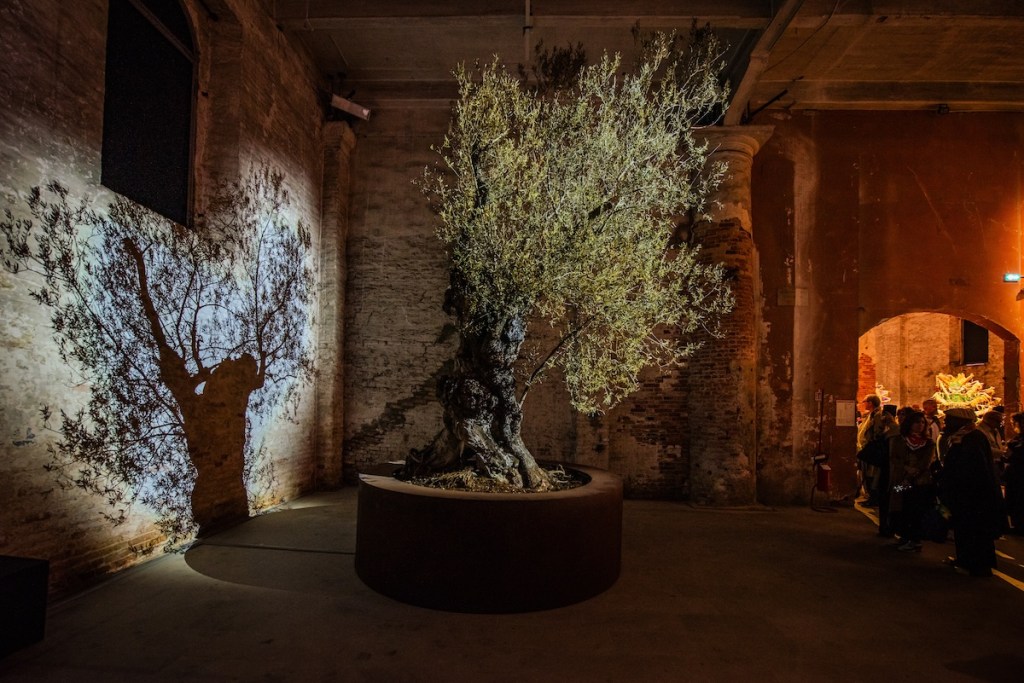
The Venice Biennale Reaches Full Capacity

La Biennale de Venise fait le plein

The Venice Biennale has reached full capacity, with all exhibition spaces and pavilions fully booked for the upcoming edition. The article reports on the overwhelming demand from participating countries and artists, highlighting the logistical challenges and the record number of national pavilions confirmed for the event.

Georg Baselitz, grande figure de l’art allemand, est mort à l’âge de 88 ans : retour sur sa vie et son œuvre

Georg Baselitz, one of Germany's most significant post-war artists, has died at age 88. Born Hans-Georg Kern in 1938, he grew up in Nazi-era Saxony and later rejected his father's ideology, fleeing to West Berlin in 1957. Known for his provocative, expressionist works and signature upside-down paintings, Baselitz challenged artistic conventions with brutalist techniques—attacking wood with chainsaws and axes—and created scandalous pieces like "Die große Nacht im Eimer" (1962–1963), which was banned from exhibition. His career included major retrospectives at the Musée d'Art Moderne de la Ville de Paris (2011) and Centre Pompidou (2021), and commissions for the Reichstag.

“Grammars of Light” at Astrup Fearnley Museet, Oslo

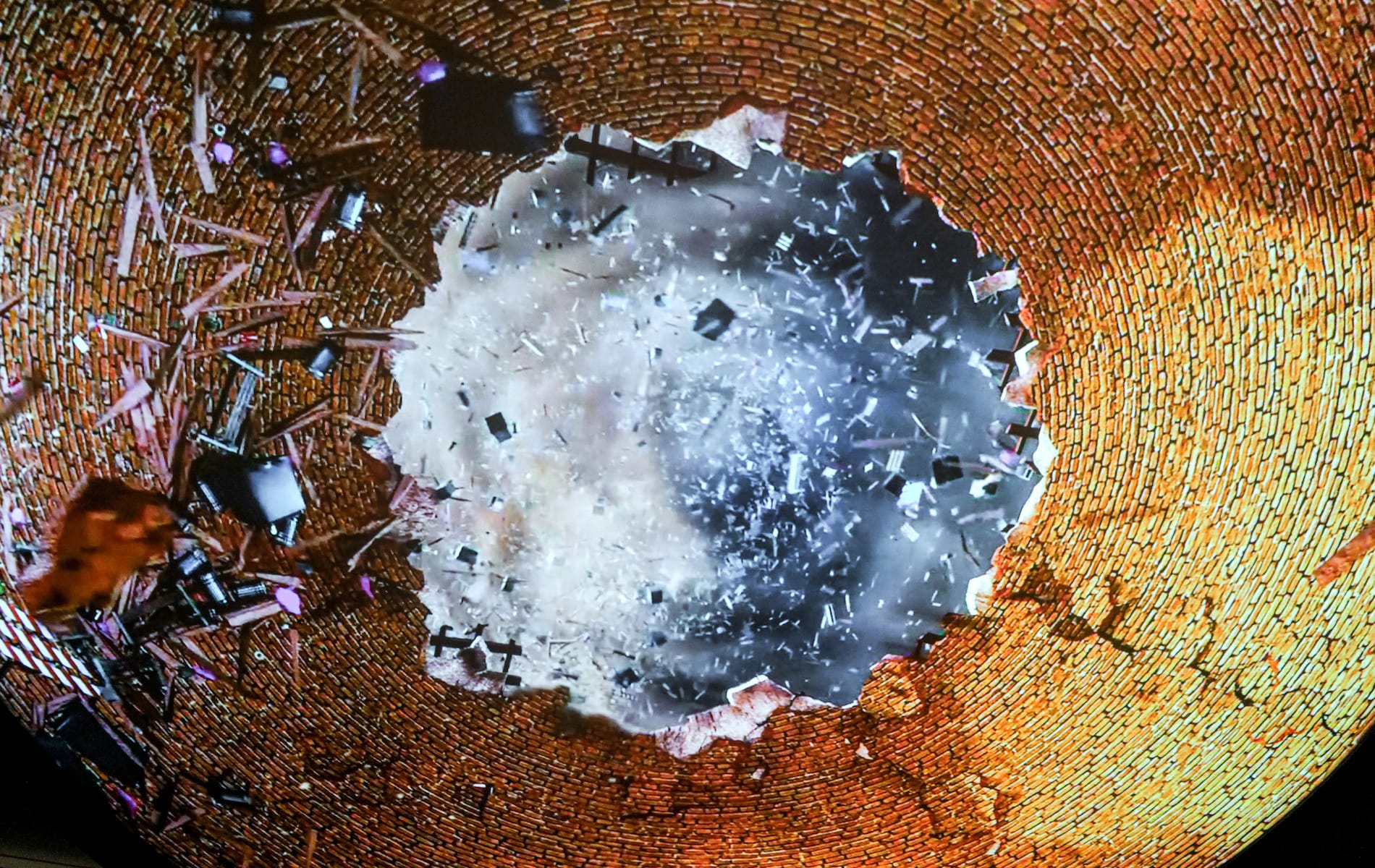
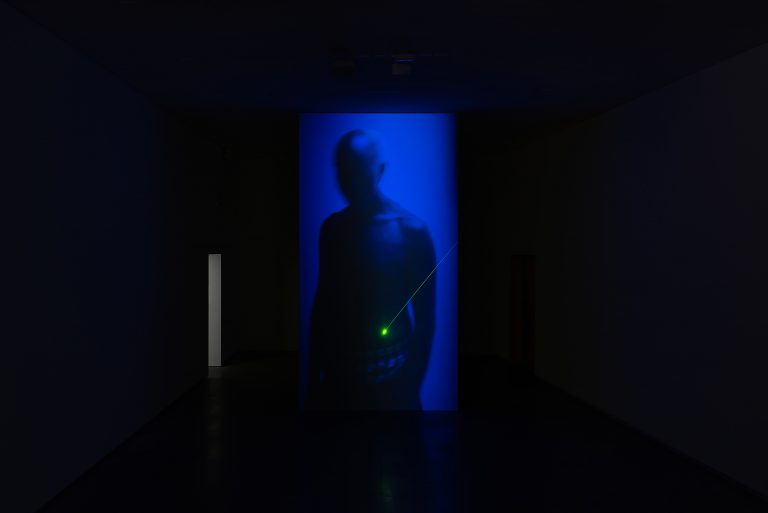
Astrup Fearnley Museet in Oslo presents "Grammars of Light," a major exhibition featuring immersive works by Cerith Wyn Evans, Ann Lislegaard, and P. Staff. The show includes architecturally scaled video projections and luminous sculptures made from repurposed consumer, medical, and industrial lighting, transforming the museum's galleries into sensory environments that challenge perception.

Whitney Biennial 2026: Care, Catastrophe, and Private Gestures

The Whitney Biennial 2026, the 82nd edition of the longest-running survey of American art, opened with a stripped-down, self-referential title and no subtitle, reflecting a moment of national self-questioning. The exhibition features 56 artists, duos, and collectives, with highlights including Agosto Machado's shrine sculptures dedicated to friends lost to AIDS, Emilie Louise Gossiaux's tender works about her guide dog London, and Michelle Lopez's apocalyptic video projection *Pandemonium*. Machado, a longtime downtown New York artist and caregiver, died shortly after the biennial opened, and his ashes are to be mixed with those of Marsha P. Johnson and spread in the Hudson River.

British artist says the Met ‘should take responsibility’ for dress copyright dispute

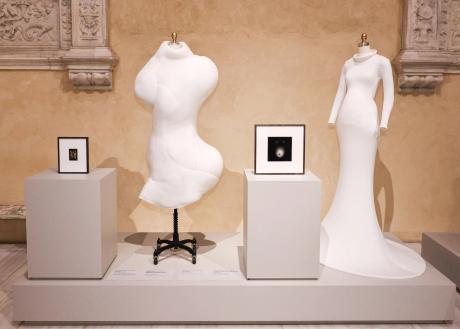
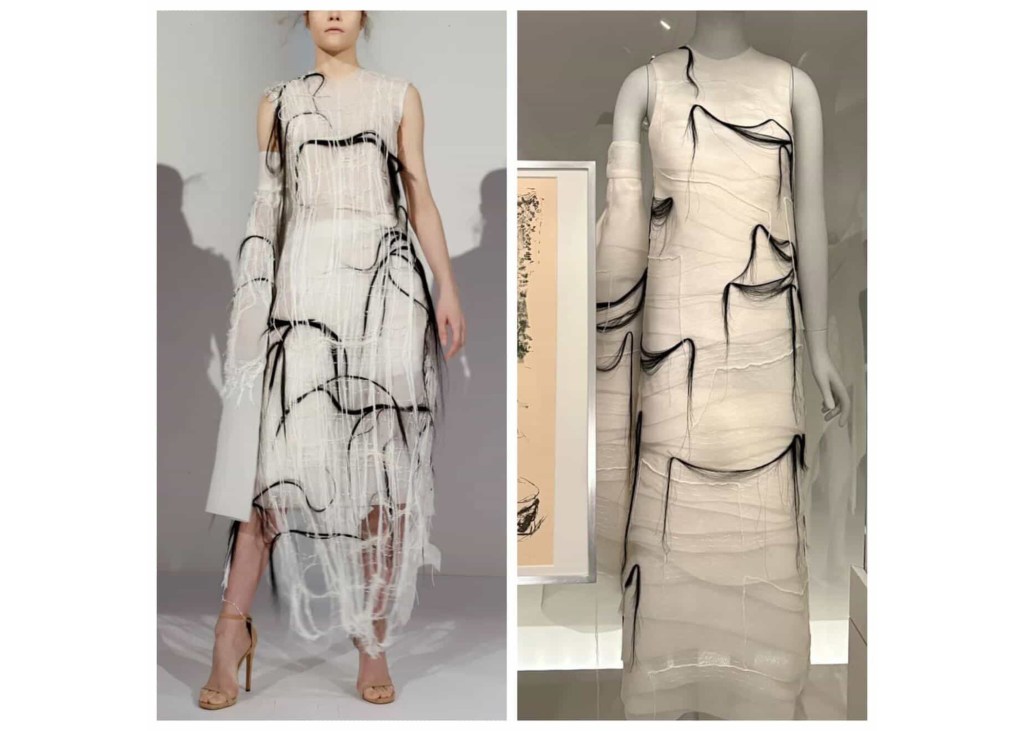
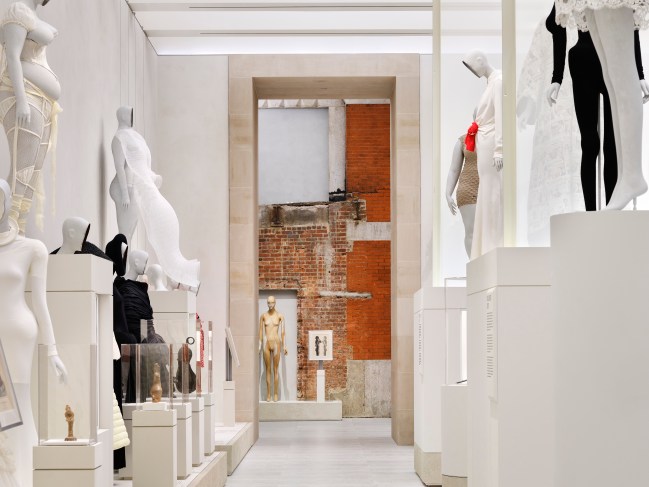
British artist Anouska Samms has publicly criticized the Metropolitan Museum of Art in New York over a copyright dispute involving a dress displayed in the Met Gala opening exhibition. Samms claims the museum included a garment called the Nervina Hair Dress, which she says is a copy of her collaborative work Hair Dress, created with fashion designer Yoav Hadari during their residency at the Sarabande Foundation. The Met had expressed interest in acquiring the original dress for its Costume Art exhibition but shelved those plans in December. Samms says she was not credited or paid, while Hadari acknowledges her IP rights over the textile but asserts the design and construction are his own. The Met has declined to comment, directing the artists to resolve the matter themselves.

Is This a JMW Turner Self-Portrait? One Scholar Has Doubts

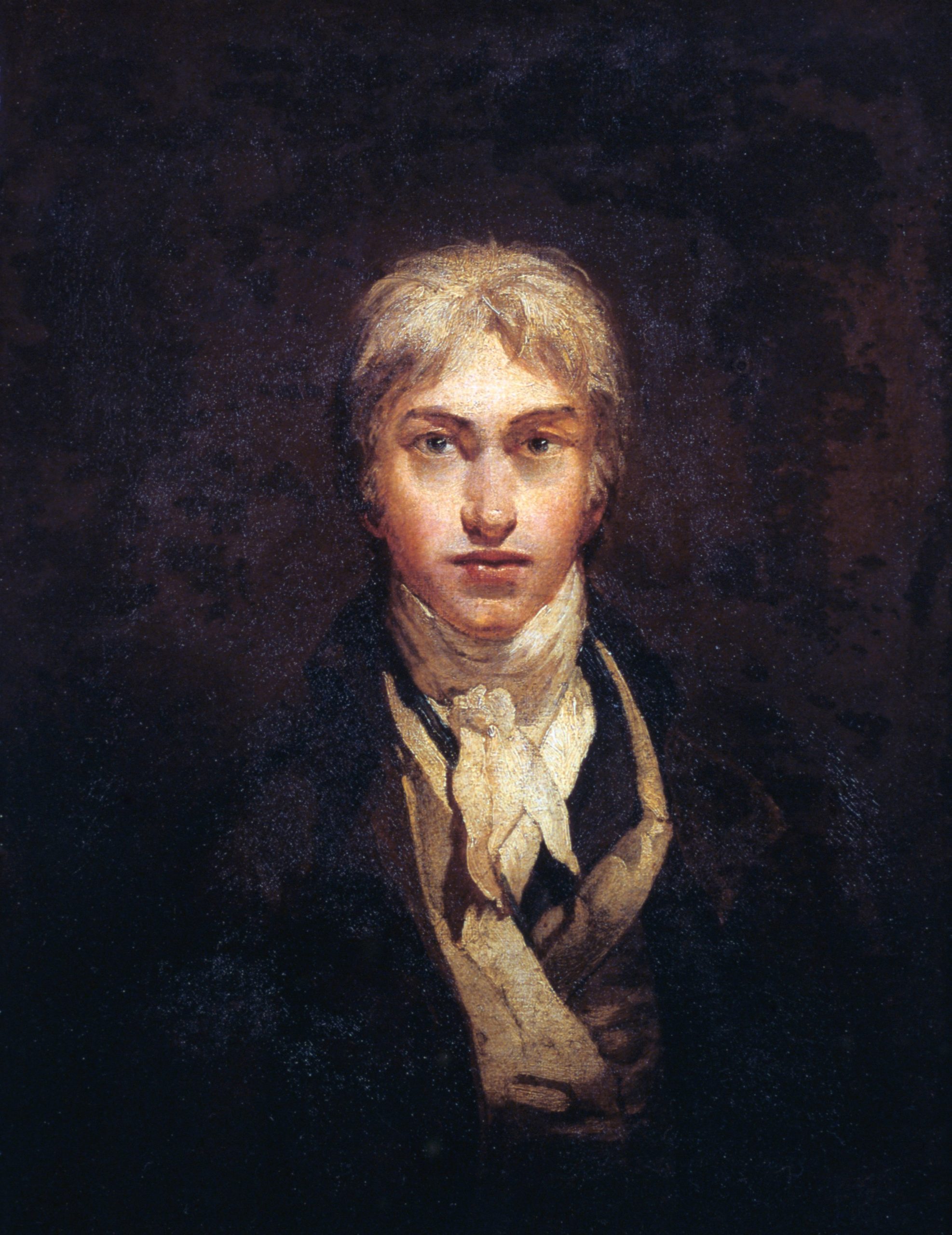
Art historian James Hamilton has published a paper in the JMW Turner Society’s magazine arguing that a famous portrait long believed to be a self-portrait by JMW Turner was actually painted by John Opie, a British portrait artist 14 years Turner’s senior. Hamilton notes that the work is an anomaly in Turner’s oeuvre, which is dominated by landscapes and seascapes, and that its dramatic lighting closely resembles Opie’s style. He suggests Opie may have given the painting to Turner, and that its authorship became misattributed after Turner’s death when his vast bequest of artworks was transferred to the nation and eventually housed at the Tate.

‘We can all coexist’: artist Es Devlin uses selfies to unite UK in portrait of a nation

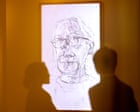
Artist Es Devlin has created a new installation at the National Portrait Gallery in London titled 'A National Portrait for the National Portrait Gallery,' made in collaboration with Google Arts & Culture Lab. The work invites people across the UK to upload selfies, which are transformed into charcoal-and-chalk-style portraits using an AI model trained on Devlin's own hand-drawn works. These portraits then appear on a constantly evolving projected carousel, blending and dissolving into one another. Devlin, known for designing visual worlds for Beyoncé, Adele, and the London Olympics closing ceremony, describes the piece as a non-verbal space for coexistence amid national division.

Most famous image of JMW Turner not a self-portrait, says expert

Dr James Hamilton, a leading Turner expert, has claimed that the most famous portrait of JMW Turner—long believed to be a self-portrait and featured on the UK £20 banknote—is actually by the painter John Opie. Hamilton argues that the work, dated around 1799, was mistakenly included in the Turner Bequest after the artist's death in 1851, when his studio was in disarray and the attribution was never properly verified. He points to stylistic evidence, including Opie's characteristic use of dramatic light and shadow, and calls on Tate Britain to reattribute the painting.

Artist Alleges Hair Dress in the Met’s ‘Costume Art’ Show Copies Her Design

London-based artist Anouska Samms has accused the Metropolitan Museum of Art's Costume Institute and curator Andrew Bolton of displaying a garment in the spring 2026 exhibition "Costume Art" that she claims is a counterfeit of her collaborative work. Samms says the piece, titled Corpus Nervina 0.0, was inspired by a 2023 hair dress she co-created with fashion designer Yoav Hadari for his label Psycheangelic. Despite a contract giving Samms sole ownership of the hair-based textile's intellectual property, the museum's wall label credits only Hadari and states Samms's textile was not used. Samms's lawyer, Jon Sharples, says the museum initially expressed interest in acquiring the original dress but later shifted to a remake after Hadari reported water damage, then stalled entirely before the exhibition opened.

Famous Cranach painting spotted in rare photograph of Hitler’s apartment

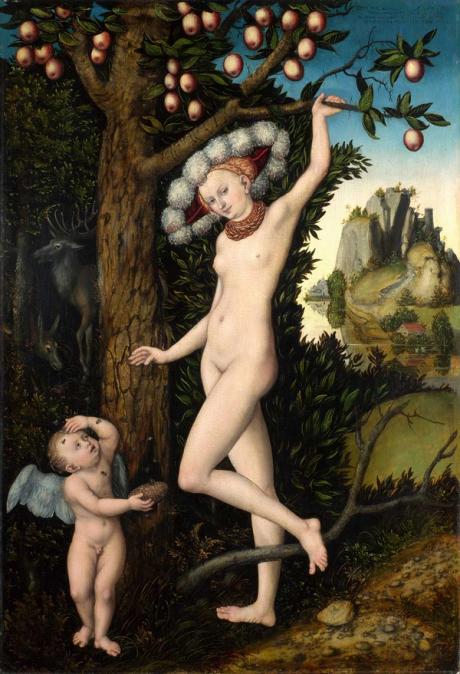
A rare photograph from the early 1940s reveals that Lucas Cranach the Elder's painting *Cupid complaining to Venus* (1526-27), now a masterpiece in the National Gallery, London, once hung in Adolf Hitler's private Munich apartment. The image, previously published in Germany by provenance expert Birgit Schwarz, appears for the first time in an English-language publication. The painting was acquired by the National Gallery in 1963 from E. and A. Silberman Galleries in New York, which provided a false provenance. It had been taken from a warehouse of recovered art in 1945 by American journalist Patricia Lochridge, who smuggled it into the United States.

Beware the technology rat trap: Cooper Jacoby’s standout contribution to New York’s Whitney Biennial

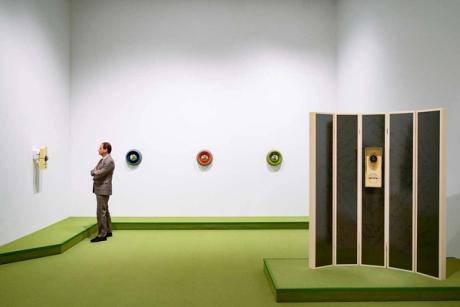
Cooper Jacoby's sculptures at the Whitney Biennial explore how AI corporations and other companies turn personal data into financial assets. His five works, displayed in a green-carpeted space he describes as "almost like a rat trap," include the 2026 piece *Estate (July 10, 2022)*—a folding screen with an intercom that uses AI trained on social media posts from deceased creatives to generate vocal outputs. Another series, *Mutual Life*, features eye-like sculptures with clock hands that spin based on the biological age of anonymous individuals in the artist's network. Jacoby's work highlights the lack of regulation around digital life and death, and the opaque nature of AI systems.

Pedro Reyes’s new Lacma commission sparks criticism in Mexico

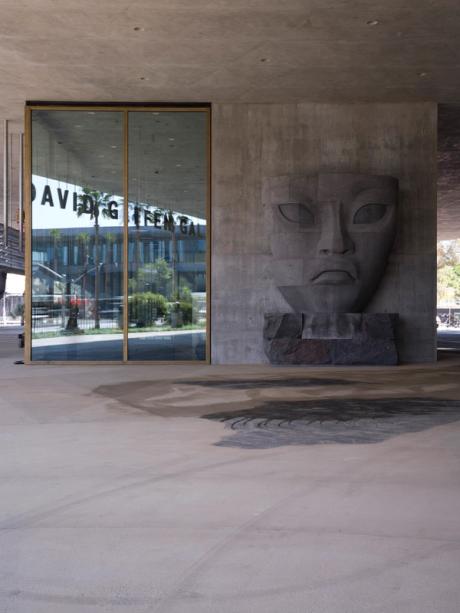
Pedro Reyes's new sculpture 'Tlali' (2026), a four-meter-tall Olmec-inspired volcanic-stone female face installed at the Los Angeles County Museum of Art (Lacma), has sparked criticism in Mexico. An open letter signed by nearly 80 cultural figures, published on the art criticism site Cubo Blanco, alleges the work is a new version of a 2021 project that was canceled after backlash. That earlier project, 'Tlalli', was meant to replace a Christopher Columbus statue on Mexico City's Paseo de la Reforma but faced opposition from over 300 cultural figures who argued a male, non-Indigenous artist should not represent Indigenous women. The site later became the 'Glorieta de las Mujeres que Luchan', an anti-monument against gender violence.

A.I. Identifies Holbein Drawing as Possible Portrait of Anne Boleyn

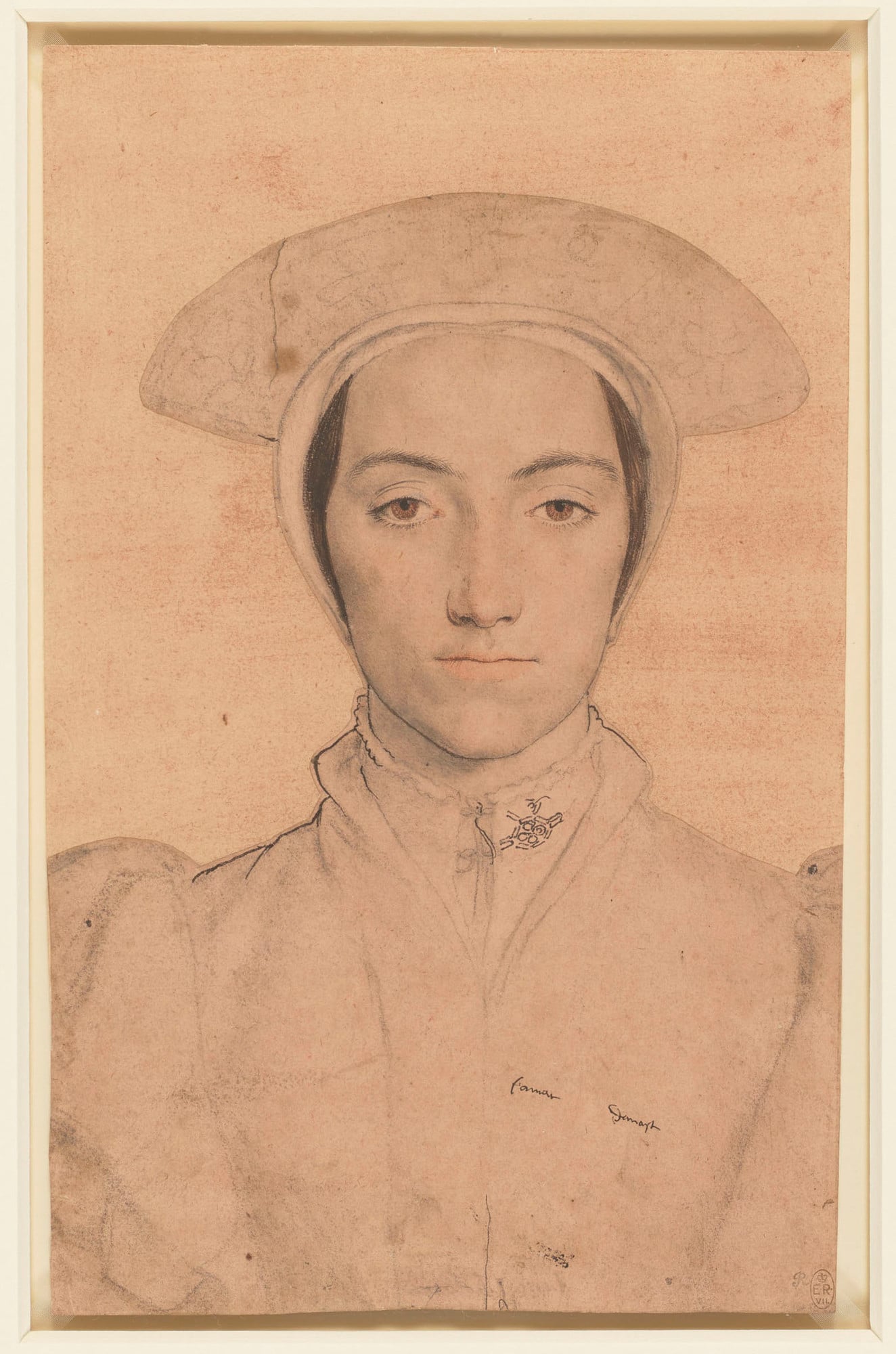
Researchers at the University of Bradford have used artificial intelligence to analyze preparatory drawings by Hans Holbein the Younger in the Royal Collection at Windsor Castle. The AI model, which previously identified a forgotten Raphael painting, suggests that a drawing long believed to depict Anne Boleyn actually shows her mother, Elizabeth Howard, while another drawing labeled "Unidentified Woman" likely portrays Anne Boleyn herself. The findings, published in Heritage Science, are based on biometric analysis of facial features, bone architecture, and proportional relationships, offering quantifiable evidence to resolve long-standing scholarly uncertainty about the sitters' identities.

In Venice to Install Work for the Biennale, Artist Guadalupe Maravilla Alleges Racial Profiling by Police

New York–based artist Guadalupe Maravilla, in Venice to install his work for the 2026 Venice Biennale, alleges he was racially profiled by police after leaving the Arsenale venue. Two officers demanded his documents, called backup, and attempted to handcuff him before he de-escalated the situation and left. Maravilla, known for his 'Disease Thrower' sculptures that address migration and healing, shared the incident on Instagram and provided a statement to ARTnews.

Hito Steyerl “The Island” Osservatorio Fondazione Prada / Milan by Piermario De Angelis

Hito Steyerl's solo exhibition "The Island" at Osservatorio Fondazione Prada in Milan explores the concept of submersion as both a geological condition and a media regime. The show takes its title from a Neolithic artificial island discovered off the coast of Korčula, Croatia, which remained submerged for approximately seven thousand years. Through video interviews, installations, and critical assemblages, Steyerl connects this submerged structure to contemporary issues of digital image circulation, algorithmic power, and the dispossession of agency, drawing on science fiction, quantum physics, biochemistry, and deep time.

Yu Ji’s Democratic Play

Yu Ji's solo exhibition at PPOW, New York, titled "Origin of the Tiger," presents sculptures and collages created after a residency she organized in Phnom Penh that offered art education to children. The show features works like reed mats with snail shells, a Sony Trinitron looping video, collaged drawings incorporating Cambodian children's art, and composite sculptures such as chairs with concrete knee casts and a figure inspired by a misattributed sixth-century Krishna statue. The exhibition draws on a Khmer folktale about transformation and includes audio of children reciting the story, though the children appear more as muses than collaborators.

Sara Shamma on Representing Syria at the 61st Venice Biennale

Sara Shamma will represent Syria at the 61st Venice Biennale (2026) with a large-scale immersive installation titled *The Tower Tomb of Palmyra*. The 15-meter-high multisensory work combines painting, architecture, light, sound, and scent, inspired by the ancient funerary towers of Palmyra that were destroyed during the Syrian War. Shamma describes the piece as a reflection on loss, resilience, and cultural memory, and notes its resonance with the Biennale's theme, *In Minor Keys*, curated by Koyo Kouoh.

Artists Spar Over Credit For A Dress Displayed In The Met’s ‘Costume Art’ Exhibition

London-based artist Anouska Samms has accused the Metropolitan Museum of Art's Costume Institute of exhibiting a dress that she claims is a counterfeit of her work in the ongoing "Costume Art" exhibition. The dress, titled Corpus Nervina 0.0, is credited solely to New York-based Israeli designer Yoav Hadari, but Samms alleges it closely resembles an earlier Nervina hair dress she co-developed with Hadari during their 2023 residency at the Lee Alexander McQueen Sarabande Foundation. Samms discovered the display via a social media post and has since spoken out, noting that a contract from their collaboration designated her as the sole owner of the intellectual property of the fabric. The Met has requested that the two parties resolve their dispute before the museum takes further action.

Selfie-Friendly Pedro Reyes Sculpture Sparks Controversy at LACMA

Nearly eighty Mexican cultural figures have signed an open letter condemning the installation of Pedro Reyes's sculpture 'Tlali' (2026) in the plaza of LACMA's new David Geffen Galleries. The work, described as a selfie-friendly monolithic face inspired by Olmec art, closely resembles a 2021 proposal for a Mexico City sculpture titled 'Tlalli' that was abandoned after protests from hundreds of cultural workers. Critics argue that Reyes, a male artist who does not identify as Indigenous, should not represent Indigenous womanhood, and that the new work perpetuates colonial stereotypes and nationalistic aesthetics. LACMA has defended the piece, claiming it is entirely different in purpose and meaning, while Reyes has not commented.

In Performance Series, Artists Tackle the Nature of Images, and Reality, in the Face of AI

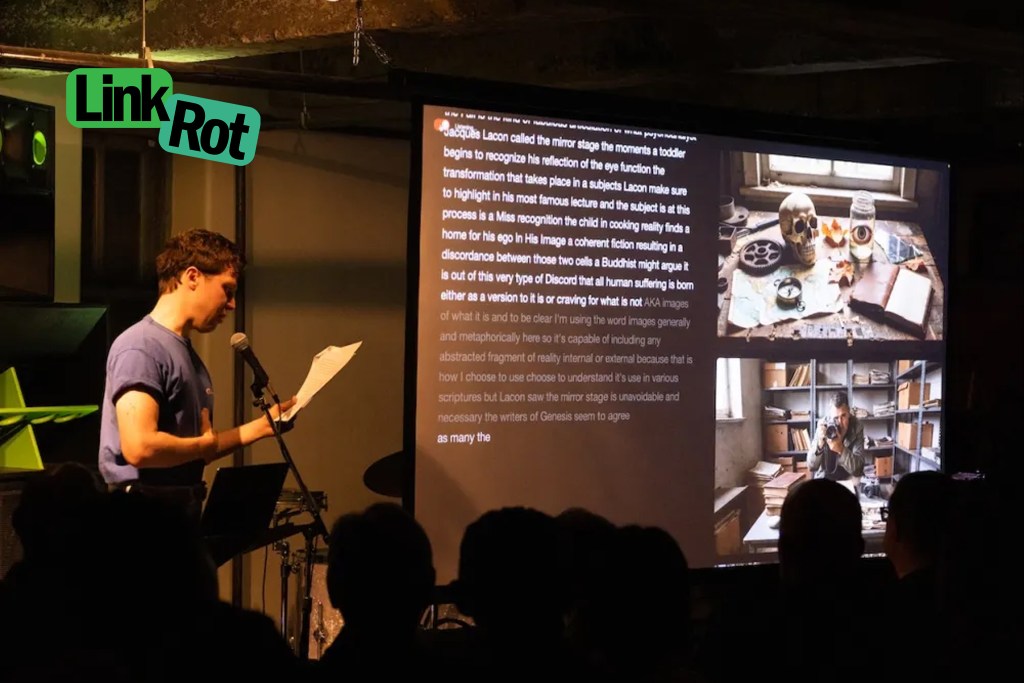
At Giorno Poetry Systems (GPS) in New York, a three-day program titled “Exert: The Physics of Metaphysics” featured performances and readings by artists including Mark Leckey, Hari Kunzru, and Gideon Jacobs. The works explored how emerging technologies like AI, VR, and AR are reshaping perceptions of reality and simulation, with Kunzru reading from a novel-in-progress about a man navigating a world where simulation encroaches on everyday life, and Jacobs presenting a performance lecture blending theater, essay, and AI-generated video.

Mummy, is this a video game? The dangers of showing kids art on a screen

A parent takes their toddler to Frameless, an immersive digital art experience in London, where works by Hieronymus Bosch, Claude Monet, and Georges Seurat are projected onto walls, ceilings, and floors. The child reacts with mixed engagement—enjoying some moments but feeling overwhelmed by the frenetic, screen-based environment—while the author reflects on the tension between traditional static art and animated digital reproductions.

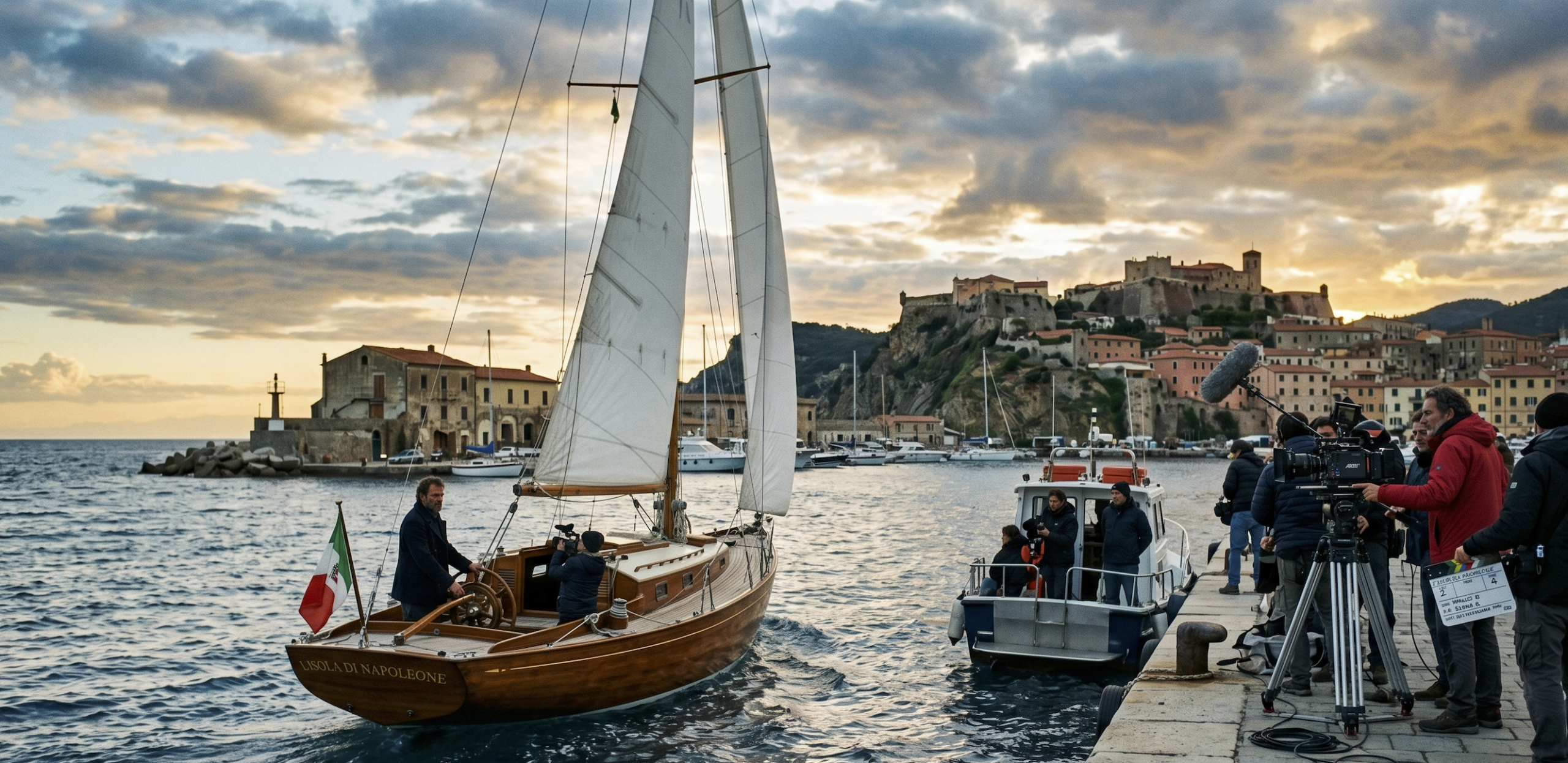
The Italian artist who sails from the Island of Elba to Saint Helena: talking about power and making a film

L’artista italiano che parte dall’Isola d’Elba in barca a vela per raggiungere Sant’Elena: si parla di potere e si gira un film

Italian artist Luca Vitone (born Genoa, 1964) has launched a project titled "Pro Tempore," which involves a two-month sailing journey from the Island of Elba—Napoleon Bonaparte's first place of exile—to the remote island of Saint Helena, where Napoleon died in exile. The voyage, aboard the boat Adriatica, includes four intermediate stops (Balearic Islands, Algeciras, Canary Islands, Cape Verde) and is funded by the 14th edition of the Italian Council grant, in partnership with the Fondazione Oelle. The project explores the concept of temporary power and uses Napoleon's biography and the sea as metaphors for control and instability.

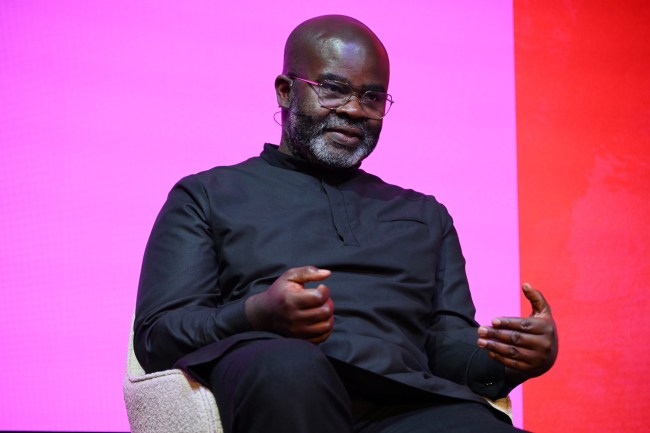
98,000 People Rush to Defense of Arts Trustee Misan Harriman in Wake of Antisemitism Accusations

More than 98,000 people have filed complaints with the UK Independent Press Standards Organisation (IPSO) in defense of British-Nigerian arts trustee Misan Harriman, following accusations of antisemitism leveled against him by right-wing outlets including the Daily Mail and the Telegraph. The complaints mark the highest number ever submitted to IPSO over a single issue. Separately, an open letter signed by activist Greta Thunberg and artists Tracey Emin and Peter Doig condemns what they call a "dishonest smear campaign" targeting Harriman, who is an Oscar-nominated photographer, chair of the Southbank Centre, and a nominee for Amnesty UK’s People’s Human Rights Champion.

A skateboarder’s lament: the dismantling of San Francisco’s iconic and divisive fountain

San Francisco's Vaillancourt Fountain, a controversial concrete sculpture and centerpiece of Embarcadero Plaza since 1971, caught fire during its dismantling in early May 2025 after the city voted to potentially replace it with a grassy park. Designed by artist Armand Vaillancourt, the fountain was a landmark for the city's skateboarding scene in the 1980s and 1990s, but fell into disrepair and became a flashpoint in debates over modernist public art. The removal, costing $4 million for storage and assessment, was mourned by skateboarders and preservationists who saw it as a loss of cultural and architectural heritage.

Mounting Rene Matić’s snapshots in Perspex isn’t really enough to make them interesting | Charlotte Jansen

Rene Matić, at 29, became the youngest winner of the £30,000 Deutsche Börse Photography Foundation prize, nominated for their solo exhibition "As Opposed to the Truth" at CCA Berlin. A smaller version of that show is now at the Photographers’ Gallery in London. Matić was also the youngest Turner Prize nominee last year. The article critiques Matić's work, praising their 2022 piece "Upon This Rock" for exploring masculinity, fatherhood, and British identity, but dismissing much of their other output—like the snapshot installation "Feelings Wheel"—as immature, mediocre, and reliant on display gimmicks rather than photographic substance.

Across Venice, Artists Defy Censorship to Mourn and Memorialize Gaza

The 2026 Venice Biennale, titled “In Minor Keys,” features numerous artworks that mourn and memorialize the destruction of Gaza, despite censorship pressures. The main exhibition opens with a poem by slain Palestinian poet Refaat Alareer, and includes works by artists such as Theo Eshetu, Mohammed Joha, Manuel Mathieu, and Avi Mograbi that directly or indirectly address the conflict. Outside the official Biennale, South African artist Gabrielle Goliath’s performance series “Elegy” was censored by her country’s culture minister after she proposed a version honoring murdered Palestinian poet Hiba Abu Nada, leading her to present the work independently at a church in Venice.

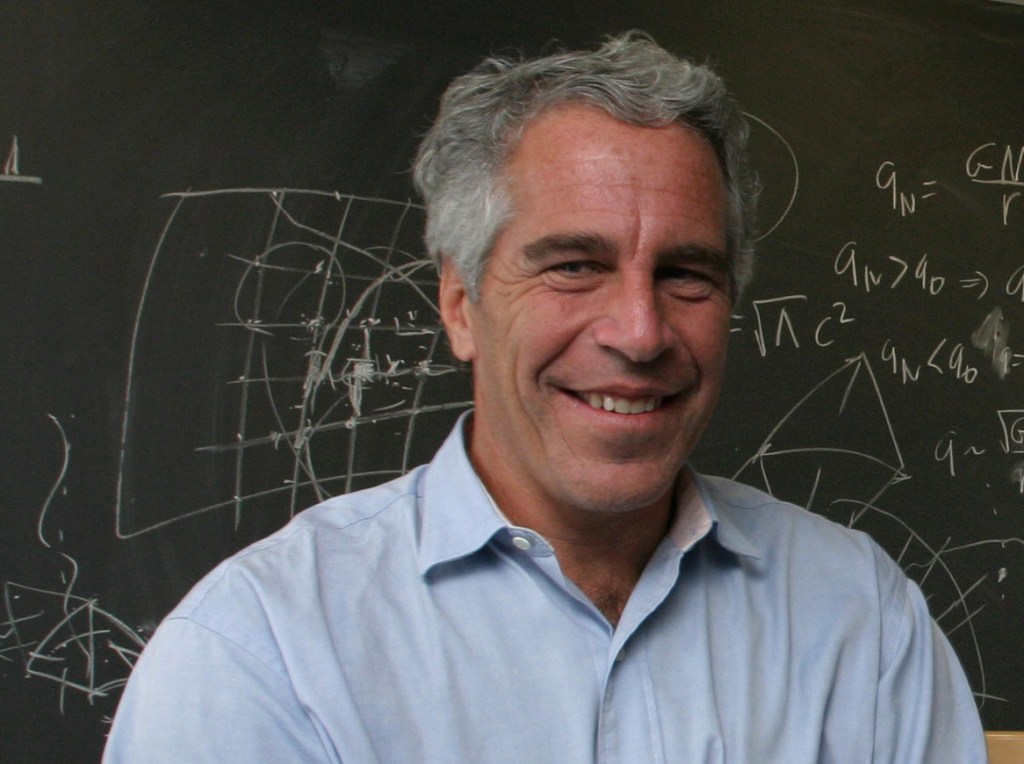
Was Jeffrey Epstein’s Copy of a Modernist Painting Available for Sale on eBay?

An eBay seller listed a giclée print of Kees van Dongen's painting "Femme Fatale" (ca. 1905), claiming it once hung above Jeffrey Epstein's desk in his Upper East Side townhouse. The listing, titled "Documented by Federal Prosecutors," sought $50,000 and reached $25,000 in bidding before eBay removed it for violating its policies. The print had previously sold at Millea Bros. Auctioneers for $275. The New York Post first reported the listing, which referenced federal documentation of Epstein's art collection.

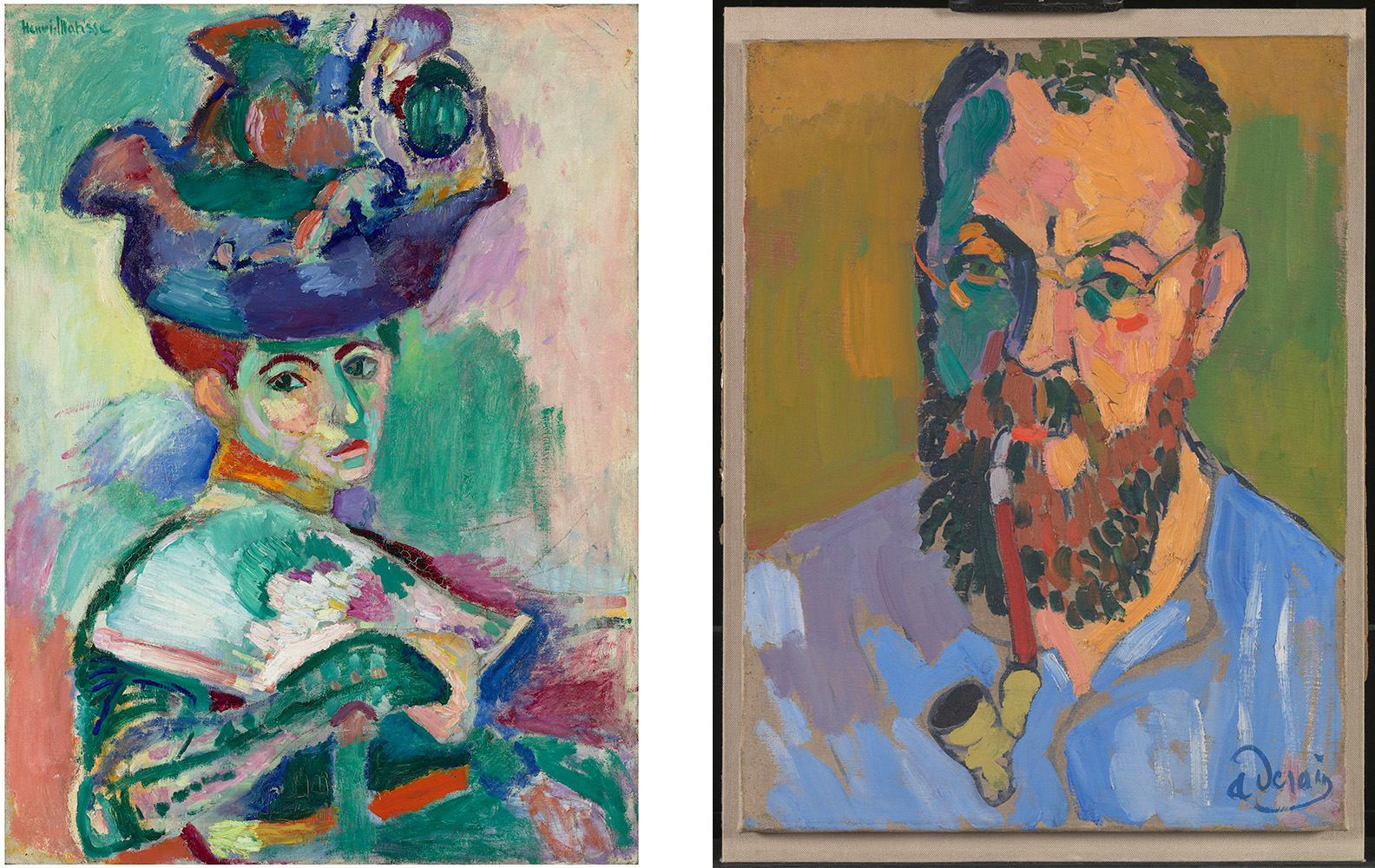
An old hat gets a new show: ‘Matisse’s Femme au chapeau’ opens at SFMOMA

SFMOMA has opened "Matisse's Femme au chapeau: A Modern Scandal," a new exhibition centered on Henri Matisse's iconic 1905 painting "Femme au chapeau" (Woman with a Hat). The show recreates the atmosphere of the 1905 Salon d'Automne in Paris, where the painting first caused a scandal for its bold, fauvist colors. It reunites the work with three other Matisse paintings from that debut, alongside pieces by contemporaries like André Derain, Albert Marquet, and Jelka Rosen, and later artists inspired by the painting, such as Mickalene Thomas. The exhibition also includes a gallery dedicated to the Haas bequest, which brought the painting to SFMOMA in 1991.

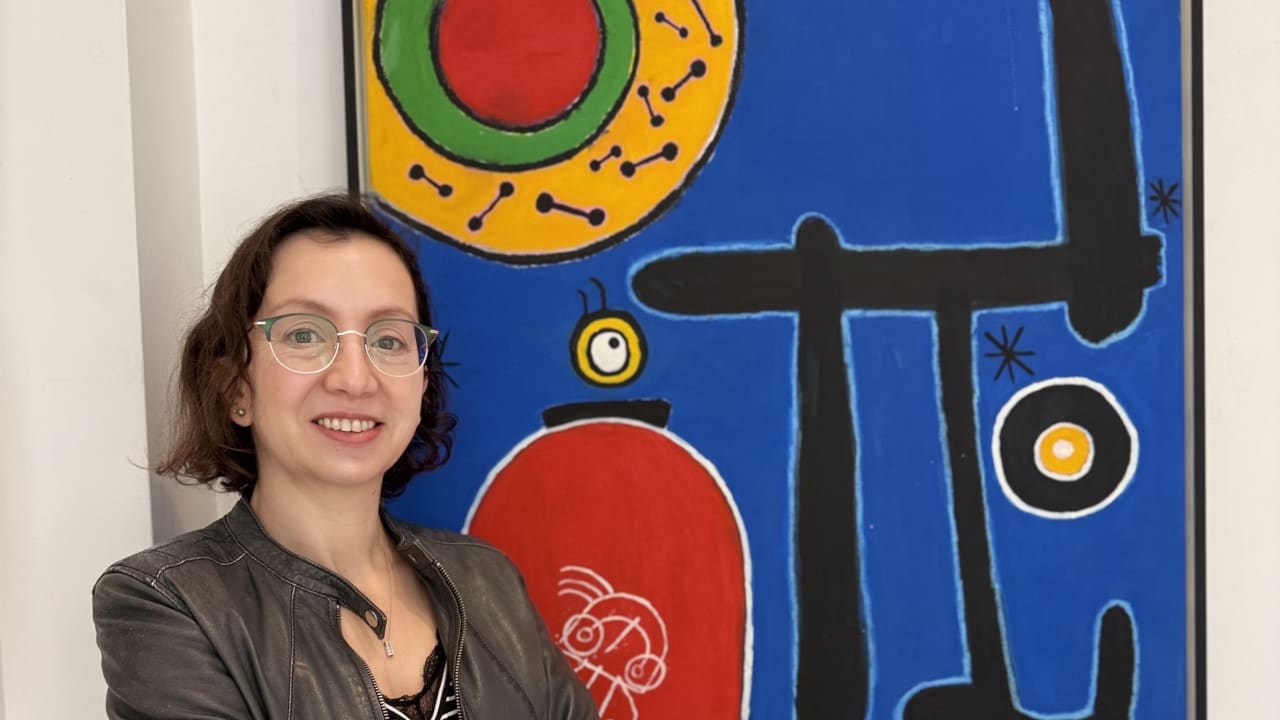
Three artists, three questions: Immersed in colors

Three Israeli artists—Vera Kunis, Avraham Kan, and Tal Tenne Czaczkes—are featured in a column exploring their use of color amid the ongoing war with Iran. Kunis, a data engineer and artist, opened her first solo exhibition, "Imagination Algorithm," at the Global Art Gallery in Tel Aviv on March 10, 2026, during the conflict. The interview was conducted remotely due to war conditions, with a siren interrupting the conversation. The artists discuss their inspirations, definitions of art, and what makes their work unique, emphasizing resilience and optimism through color.

How Former Fashion Designer Emma Safir Turns Fabric into Beguiling Paintings

Emma Safir, a former fashion designer and printmaker, creates beguiling paintings and tapestries that blend textiles, digital printing, and traditional embroidery techniques. Her works, such as "APRICOT SILK" (2025) and "BABY DARLING" (2025), use smocking, glass beads, and shells to produce organic, jewel-toned surfaces that resist easy reflection or entry, challenging viewers to engage with layered material hierarchies.