filter_list Showing 977 results for "PTI" close Clear
search
dashboard All 977 museum exhibitions 477article local 238article news 74article culture 63trending_up market 43rate_review review 34article policy 21person people 11candle obituary 11gavel restitution 5
date_range Range Today This Week This Month All
Subscribe

"Etwas zaghaft, etwas ängstlich, etwas sicher"

The article surveys recent art-world commentary, focusing on a critical review of the Turner Prize shortlist in The Guardian, where Eddy Frankel calls the selection "timid, anxious, safe" and laments a self-perpetuating, elitist system. It also covers a Hyperallergic essay by Lisa Siraganian questioning whether artworks can possess personhood, sparked by Pierre Huyghe's Venice exhibition. Additionally, it reports on controversy at the Venice Biennale, where the jury preemptively excluded countries whose leaders are sought by the International Criminal Court—namely Russia and Israel—drawing sharp criticism from Die Welt's Marcus Woeller. A podcast interview with US sculptor Alma Allen, selected for the US Pavilion, rounds out the coverage.
JR: 'Reflecting on the cave is to look at our deep humanity, our origins, art in general'

JR : « Réfléchir à la caverne, c’est se pencher sur notre humanité profonde, sur nos origines, sur l’art en général »

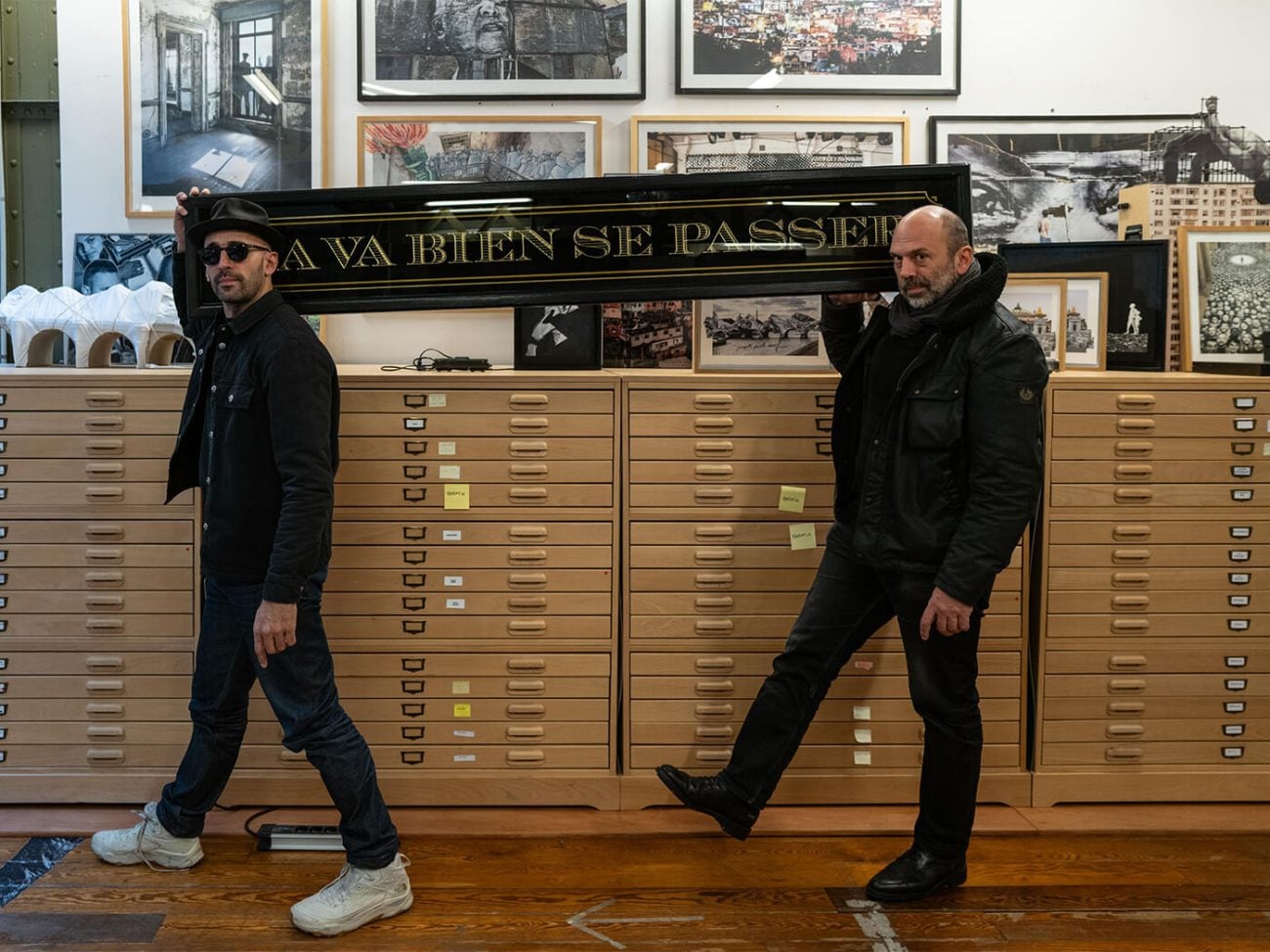
French artist JR is transforming the Pont-Neuf in Paris into a giant inflatable cave structure, titled "La Caverne du Pont-Neuf," set to debut on May 23, 2026. The project, conceived with producer Vladimir Yavachev, pays homage to Christo and Jeanne-Claude's 1985 wrapped Pont-Neuf, using inflatable techniques inspired by Christo's unrealized designs. JR's team built a prototype in a hangar at Orly, and the work involves complex permissions from the French president, the Paris mayor, and local authorities.

Relaxe pour le coupeur de tête

The latest issue of Le Journal des Arts (n°677, May 15, 2026) covers several major art-world stories: the Venice Biennale opening amid controversy, the final adoption of a French law on the restitution of cultural property looted during colonization, the V&A East museum's strategy to attract younger audiences, the uneven economic impact of Monet's legacy on the town of Giverny, and the structuring of the market for Nabis artists.

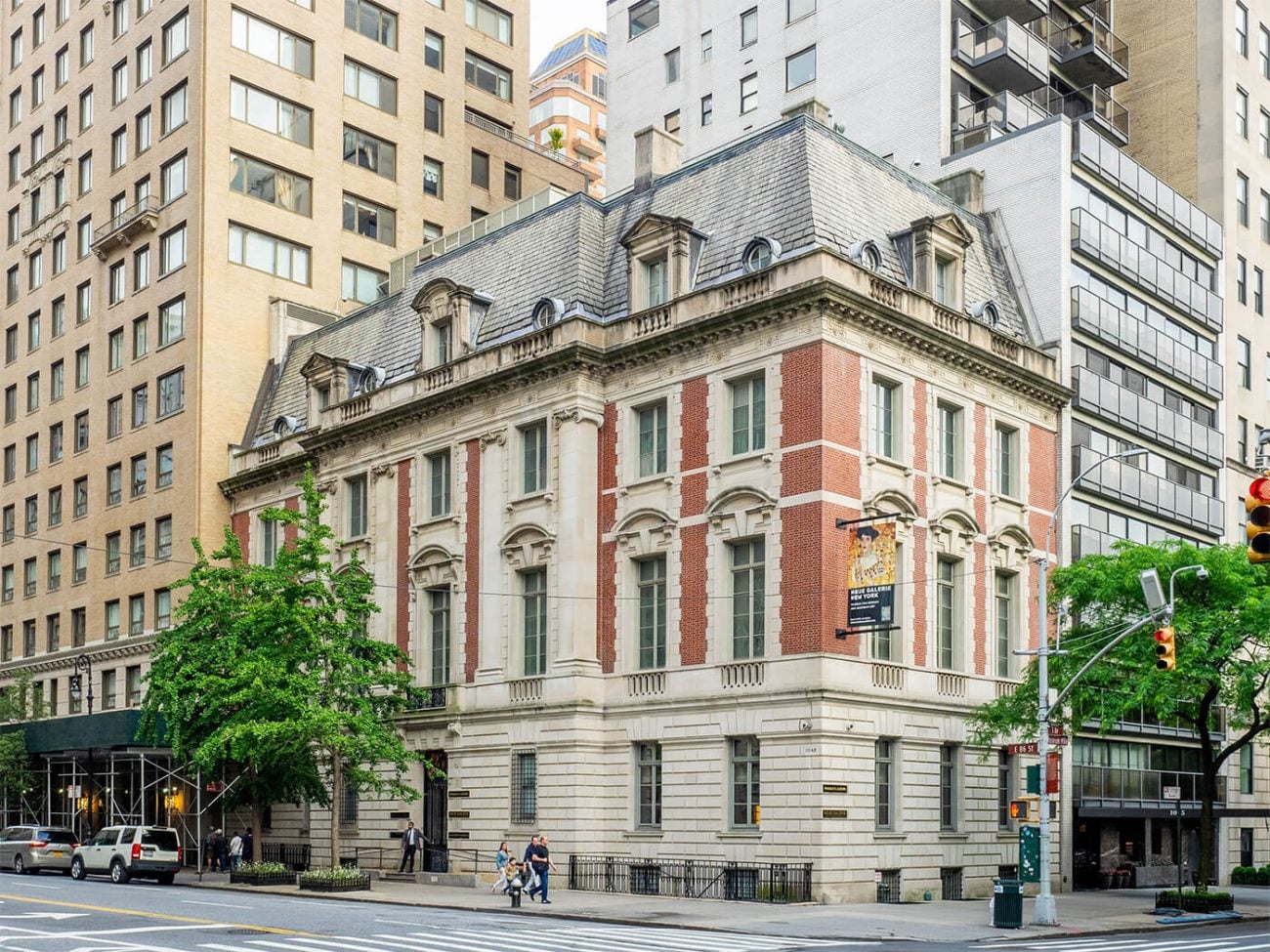
À New York, le Metropolitan Museum of Art absorbe la Neue Galerie et sa collection de Klimt, Schiele, Kokoschka…

On May 14, the Metropolitan Museum of Art and the Neue Galerie in New York announced a historic merger set for 2028. The Neue Galerie, founded in 2001 by billionaire Ronald Lauder in a Fifth Avenue mansion, will become part of the Met under the name The Met Ronald S. Lauder Neue Galerie, modeled after the Met's Cloisters. The transfer includes the historic building and a collection of 600 works valued at over $1.5 billion, featuring artists such as Gustav Klimt, Egon Schiele, Ludwig Kirchner, Max Beckmann, and Oskar Kokoschka. Lauder and his daughter Aerin Lauder Zinterhofer are also donating thirteen works from their personal collection, and a $200 million endowment fund has been established.

1,1 milliard de dollars

The Journal des Arts' issue No. 677, dated May 15, 2026, leads with the opening of the Venice Biennale amid a tense climate. Other top stories include the final adoption of a French law on the restitution of cultural property looted during colonization, the V&A East museum's strategy to attract younger audiences, a report on how Monet's legacy in Giverny does not benefit everyone locally, and an analysis of the structuring market for the Nabis artists.

Venice Biennale: A Silent US Pavilion

Biennale de Venise : un Pavillon US silencieux

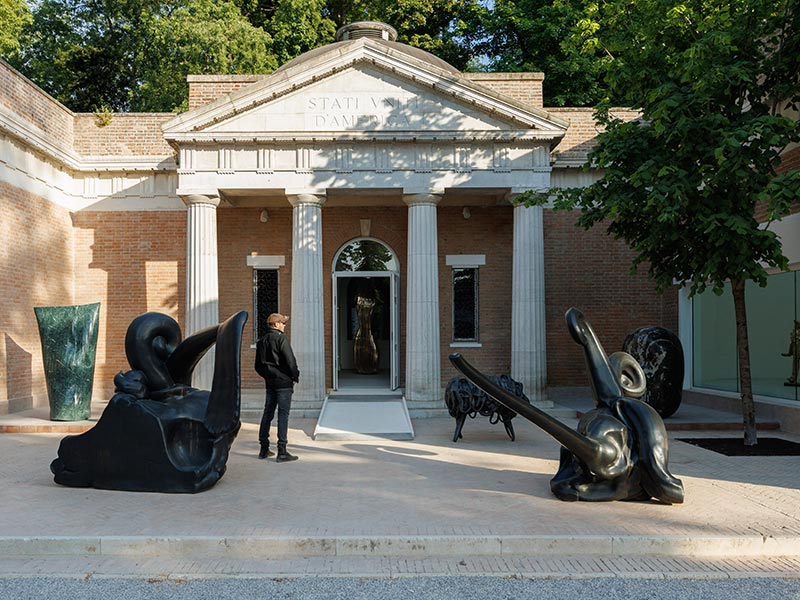
The US Pavilion at the 2026 Venice Biennale, featuring artist Alma Allen, opened to sparse crowds despite a 10% overall attendance increase at the Biennale. The pavilion was embroiled in controversy before opening: Allen was selected by the American Arts Conservancy (AAC), a private entity created in 2025 at the initiative of Donald Trump after the dissolution of the federal committee that previously oversaw the pavilion. AAC head Jenni Parido, a former pet food executive, chose the self-taught, little-known artist who had never had a solo museum exhibition. Major funders the Ford and Mellon Foundations withdrew, forcing the AAC to launch a public donation appeal. The exhibition features 25 abstract bronze, stone, and burl-wood sculptures that the artist describes as biomorphic landscapes, but critics find them pleasant yet silent, lacking the promised political or visceral resonance.

Le coup d’envoi des ventes de New York

Le Journal des Arts' issue n°677 (May 15, 2026) leads with the opening of the Venice Biennale amid a tense climate. Other top stories include the final adoption of a French law on the restitution of cultural property looted during colonization, the V&A East museum's strategy to attract younger audiences, a report on how Monet's legacy in Giverny does not benefit everyone locally, and an analysis of the structuring market for works by the Nabis artists.

Sofiane Pamart: 'With my piano, I sculpt sound matter'

Sofiane Pamart : « Avec mon piano, je sculpte la matière sonore »

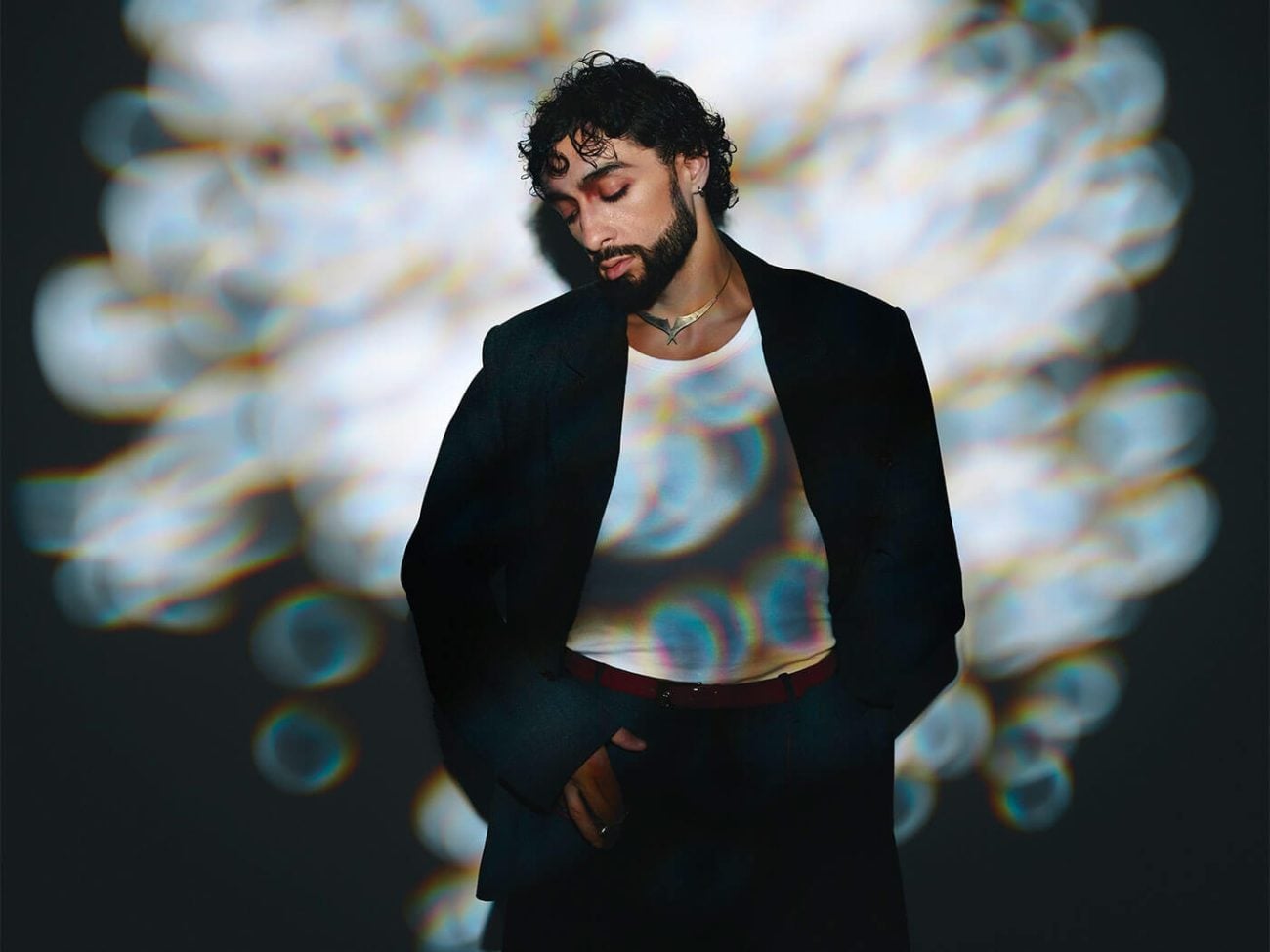
French pianist Sofiane Pamart discusses his creative process in an interview with Beaux Arts Magazine, explaining how his music is inspired by contemplative cinema, particularly the films of Takeshi Kitano and Wong Kar-wai. He describes his approach to composition as sculpting sound, drawing parallels to impressionist painting and the works of sculptors Auguste Rodin and Camille Claudel. Pamart also expresses a preference for art that interacts with nature, citing the open-air museum of sculptor Anachar Basbous in Lebanon as an example.

Au musée Marmottan Monet, la peinture de Giovanni Segantini hisse la modernité au sommet des Alpes

The Musée Marmottan Monet in Paris is hosting the first retrospective in France of Giovanni Segantini (1858–1899), a major but little-known figure of Symbolism. The exhibition traces his career through the lens of his geographical ascent into the Alps, from his early success with "Ave Maria à la traversée" (1886–1888) to his final triptych "La Vie, La Nature, La Mort," which he was working on when he died at age 41. Segantini's divisionist technique, which Vassily Kandinsky considered a precursor to abstraction, is highlighted as a means of expressing a dematerialized vision of the world.

La galerie contemporaine de la cathédrale d’Angers plaît

The article reports that the contemporary art gallery at the Cathedral of Angers has been well received. It highlights the cathedral's new exhibition space dedicated to contemporary works, marking a notable integration of modern art within a historic religious site.

Fascinante artiste des Années folles, Sarah Lipska remise en lumière dans une exposition à Poitiers

The Musée Sainte-Croix in Poitiers, France, is hosting a new exhibition reviving the legacy of Sarah Lipska, a Polish-born artist who thrived in 1920s Paris as a costume designer, decorator, and fashion creator. Once a celebrated figure with her own boutique on the Champs-Élysées, Lipska collaborated with Léon Bakst and designed for the theater, including the operetta 'Annabella' (1922), before falling into obscurity. The museum, which holds the world's largest collection of her work, has built this through decades of acquisitions and a major donation from Lipska's daughter.

Immersive exhibitions and visits not to miss from spring to summer in France

Les expos et visites immersives à ne pas rater du printemps à l’été en France

The article from Beaux Arts Magazine highlights a selection of immersive art exhibitions and experiences across France for spring and summer 2026. Featured attractions include "Passion Japon" at Parc de la Villette in Paris, a journey through Japanese culture with Hokusai and Hiroshige projections; "L'Odyssée Céleste" at Église Saint-Eustache, a 3D light spectacle with live choral music; "Frissons" at the Musée d'Orsay, an interactive light installation by artist Adrien M responding to visitors' movements; and a Picasso immersive experience at Les Baux-de-Provence.

Quels sont les musées ouverts ce 1er mai 2026 à Paris ?

Beaux Arts Magazine has published a guide to museums open in Paris on May 1, 2026, a public holiday in France. The article lists cultural venues across several arrondissements, including the Musée de l’Illusion, Musée en Herbe (with a Pokémon exhibition), Muséum national d’Histoire naturelle (zoo only), Musée Maillol (featuring Philippe Geluck's cat), Musée Jacquemart-André (with a Spanish Baroque exhibition), Musée Grévin, and the Atelier des Lumières (with a Renaissance immersive experience). Each entry includes addresses, dates, and highlights.

Au boulot ! 10 œuvres qui célèbrent le travail

Beaux Arts Magazine presents a feature on ten artworks that celebrate labor, from ancient Egyptian frescoes to modern depictions of workers. The article highlights pieces such as Pieter Brueghel the Elder's "The Harvesters" (1565), Diego Velázquez's "The Spinners" (c. 1657), and Johannes Vermeer's "The Milkmaid" (c. 1660), examining how artists have elevated peasant, artisan, and domestic work from background detail to central subject. The feature coincides with the Musée d'Orsay's nationwide initiative "100 œuvres qui racontent le travail" (100 Works That Tell the Story of Work), which explores the history and representation of labor in art.

Ces 5 créatrices « inoubliables » à découvrir absolument à Gand

The Museum of Fine Arts (MSK) in Ghent is hosting the exhibition "Inoubliables" (Unforgettables), on view until May 31, which highlights the work of women artists from the 17th and 18th centuries in the former Netherlands region. The show features about 40 female creators active between 1600 and 1750, including painters like Michaelina Wautier, Judith Leyster, and Rachel Ruysch, working in genres from portraiture and still life to engraving, lacemaking, and paper cutting. The exhibition aims to restore these women to their rightful place in art history.

Rothko Sells for $85.8 Million, Almost Surpasses Auction Record

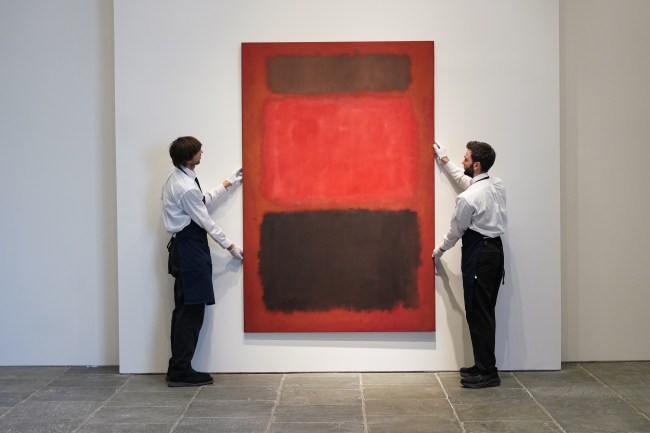
Sotheby’s New York sold Mark Rothko’s painting *Brown and Blacks in Reds* (1957) for $85.8 million on Thursday, making it the second-highest price ever achieved for the artist at auction. The work, part of Rothko’s postwar Color Field series, was offered from the private collection of the late art dealer Robert Mnuchin, whose estate also included works by Willem de Kooning. The Mnuchin sale totaled $166.3 million, with de Kooning’s *Untitled* (1970) fetching $8.8 million and *Untitled XLII* (1983) reaching $10.2 million. Bidding lasted about four minutes, with the winning bid placed via phone with Helena Newman, chairman of Sotheby’s Europe.

Bubbles, Algae, and Plastics Go Haute Couture in ‘Iris van Herpen: Sculpting the Senses’

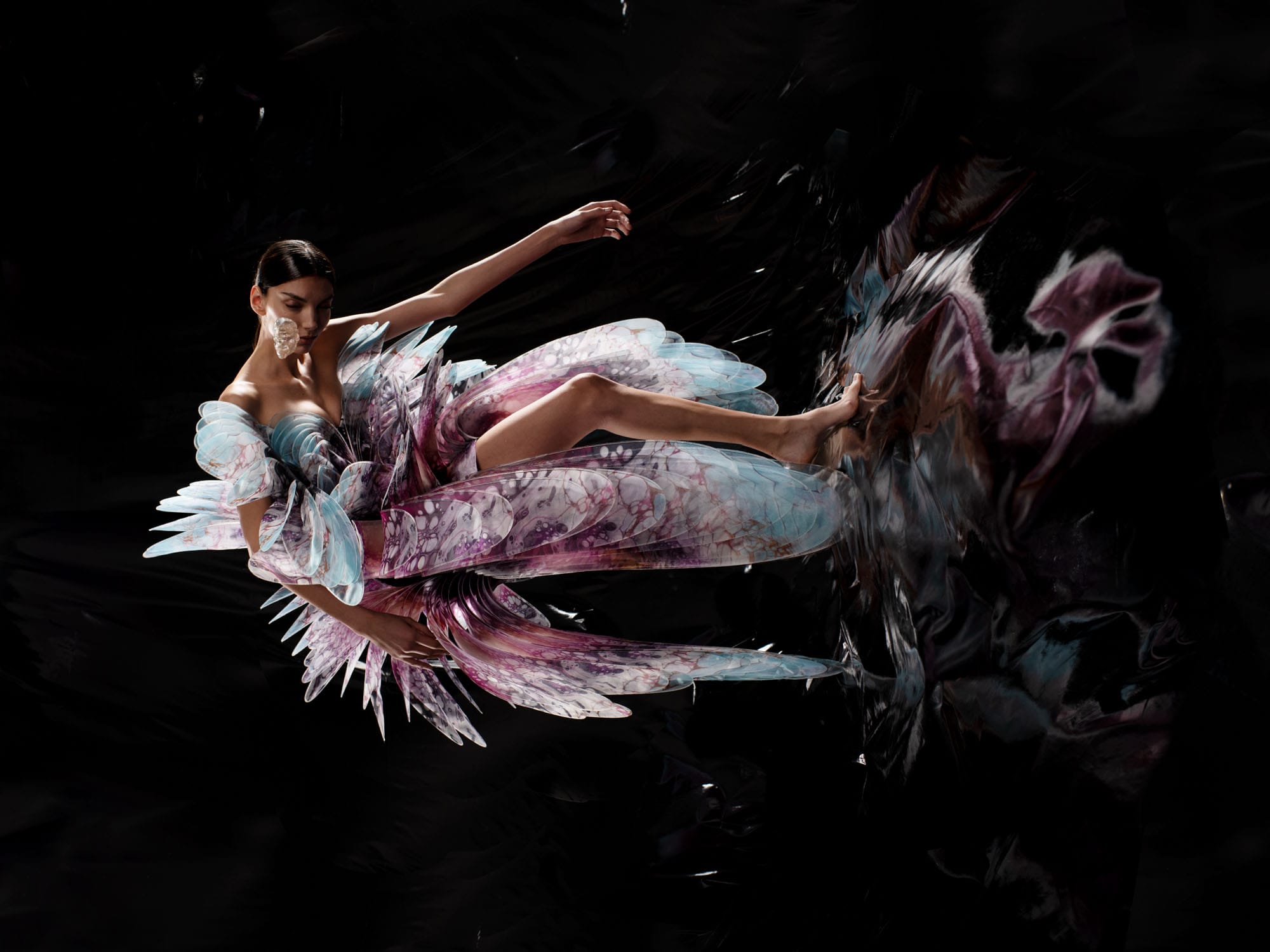
The Brooklyn Museum is opening a new edition of 'Iris van Herpen: Sculpting the Senses,' building on a 2023 retrospective at the Musée des Arts Décoratifs in Paris. The exhibition features over 140 haute couture designs by Dutch fashion designer Iris van Herpen, known for merging high-tech materials like laser-cut Plexiglas with biological elements such as glowing algae and plastic bubbles. It includes recent collections like 'Sympoiesis' and works by artists including Kenny Nguyen, Wim Delvoye, and Tara Donovan, alongside a soundscape by Salvador Breed. The show runs from May 16 to December 6.

KOO JEONG A “KANGSE X” at Hauser & Wirth, Zurich

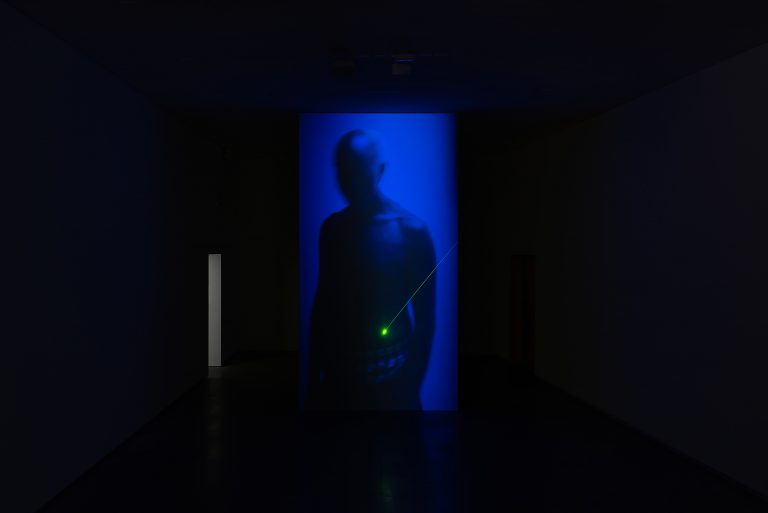
Koo Jeong A presents "KANGSE X" at Hauser & Wirth in Zurich, an exhibition that extends from her previous show "ODORAMA CITIES" at the Korean Pavilion of the 60th Venice Biennale. The title derives from the Korean term "KANGSE," meaning spatial strength, and the show encompasses her multifaceted practice across drawing, painting, sculpture, installation, film, and animation, including her earlier work "MYSTERIOUSSS" (2017).

“Grammars of Light” at Astrup Fearnley Museet, Oslo

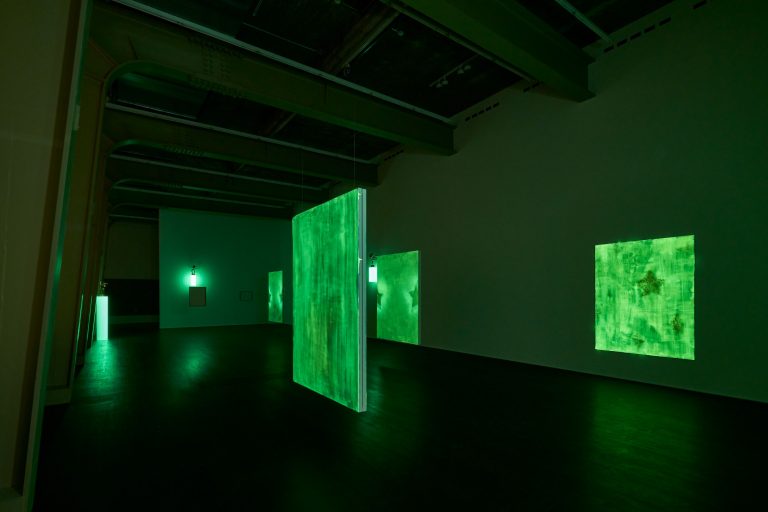
Astrup Fearnley Museet in Oslo presents "Grammars of Light," a major exhibition featuring immersive works by Cerith Wyn Evans, Ann Lislegaard, and P. Staff. The show includes architecturally scaled video projections and luminous sculptures made from repurposed consumer, medical, and industrial lighting, transforming the museum's galleries into sensory environments that challenge perception.

Robot dogs with Musk and Zuckerberg heads roam around Berlin gallery in Beeple's new exhibit

American artist Beeple (Mike Winkelmann) has installed an interactive piece titled "Regular Animals" at Berlin's Neue Nationalgalerie, featuring robot dogs with hyper-realistic silicone heads modeled after Elon Musk, Mark Zuckerberg, Jeff Bezos, Andy Warhol, Pablo Picasso, and Beeple himself. The dogs roam the gallery and "poo" printed AI-transformed images of their surroundings, with each dog's output reflecting the worldview of its human figure—for example, the Picasso dog produces Cubist-style images. The work, first shown at Art Basel Miami Beach 2025, includes QR codes on prints that grant access to free NFTs.

Whitney Biennial 2026: Care, Catastrophe, and Private Gestures

The Whitney Biennial 2026, the 82nd edition of the longest-running survey of American art, opened with a stripped-down, self-referential title and no subtitle, reflecting a moment of national self-questioning. The exhibition features 56 artists, duos, and collectives, with highlights including Agosto Machado's shrine sculptures dedicated to friends lost to AIDS, Emilie Louise Gossiaux's tender works about her guide dog London, and Michelle Lopez's apocalyptic video projection *Pandemonium*. Machado, a longtime downtown New York artist and caregiver, died shortly after the biennial opened, and his ashes are to be mixed with those of Marsha P. Johnson and spread in the Hudson River.

Malo Chapuy Reimagines Medieval Art on the Cover of our New Talent Issue

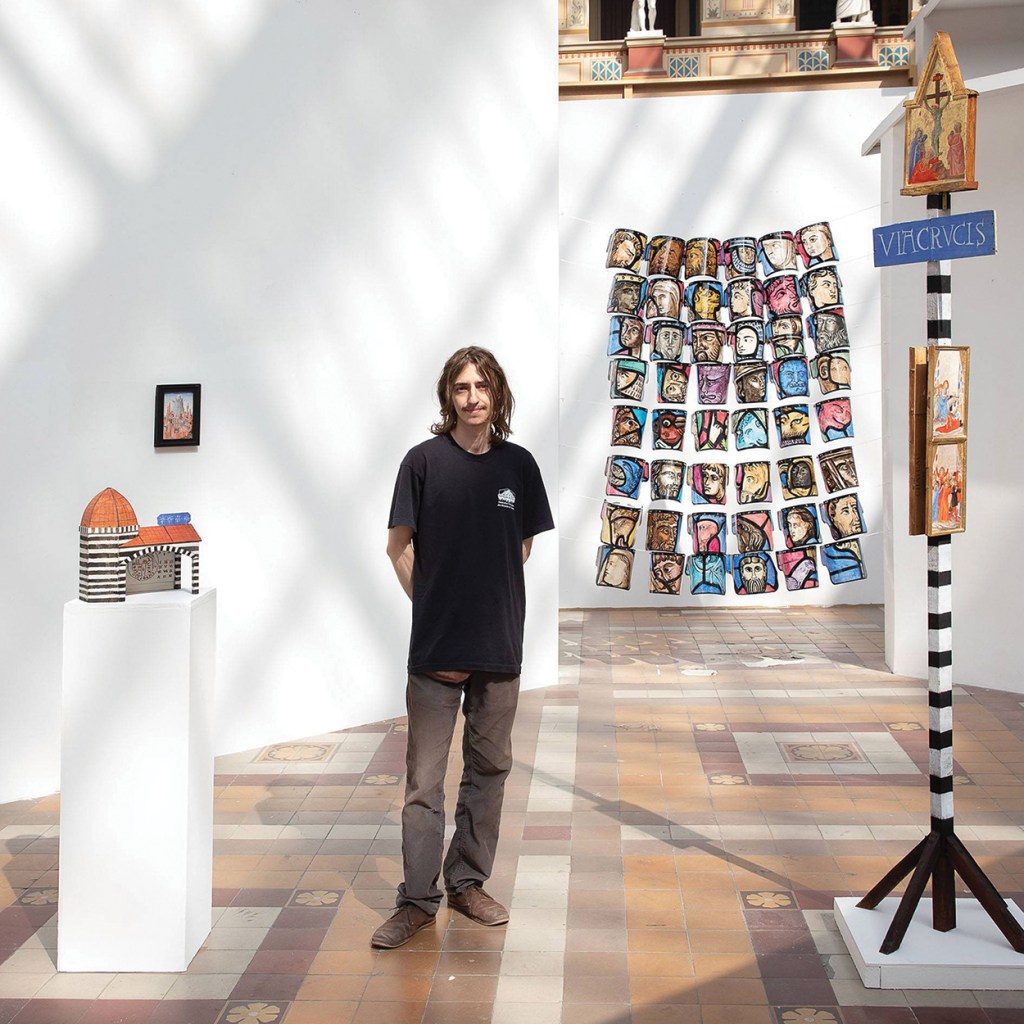
Malo Chapuy's painting *Virgin with Codex* (2025) appears on the cover of Art in America's new talent issue. In an interview from his Paris studio, Chapuy explains how he reinterprets medieval and early Renaissance Flemish painting by mixing its motifs with contemporary and sci-fi elements, such as gothic cathedral spaceships and QR codes designed to function like medieval manuscripts for future postapocalyptic monks. He describes his process as making "forgeries," using traditional techniques like oil on wood panels, homemade lead white, and self-carved frames to mimic aged Old Master works while addressing themes of ecological collapse, apocalyptic anxiety, and planetary exile.

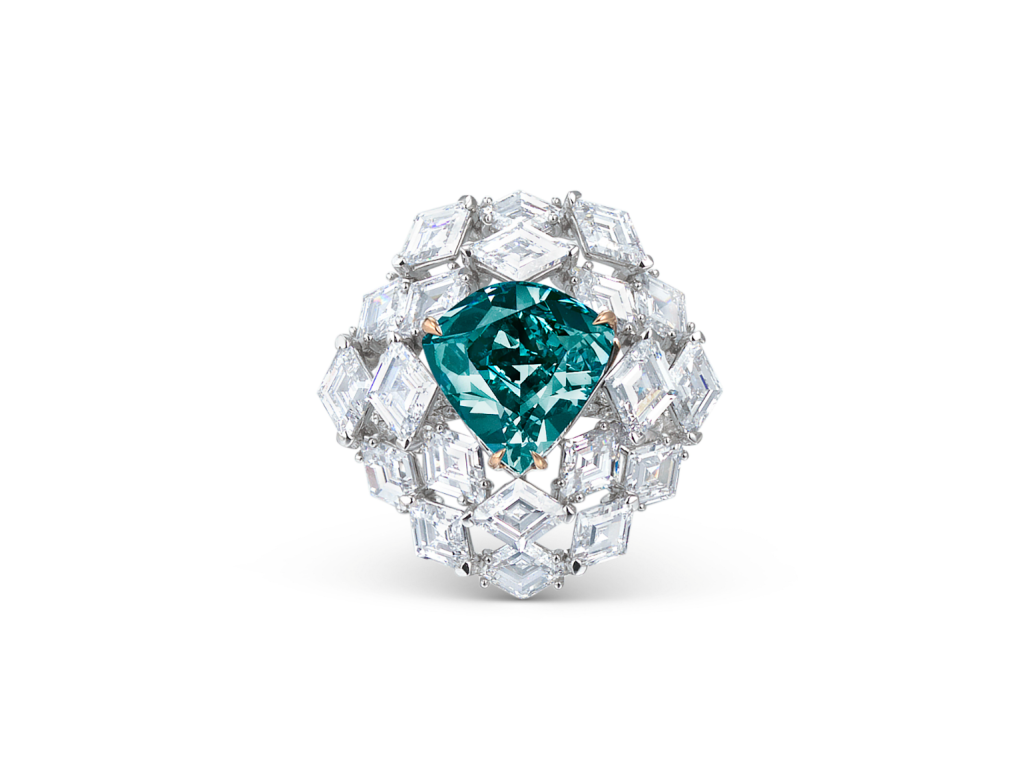
A Rare Blue-Green Diamond Ring Sold for Over $17 M. At Christie’s Geneva

A rare 5.5-carat blue-green diamond ring, named Ocean Dream, sold for over $17 million at Christie’s Magnificent Jewels auction in Zurich on May 13, 2026. The triangular-cut stone, estimated at $9–12 million, is set in an 18-karat white gold band with pink and white diamonds. The buyer was an unnamed private client, and the ring took 20 minutes to sell. It had previously fetched nearly $10 million at Christie’s Geneva in 2014.

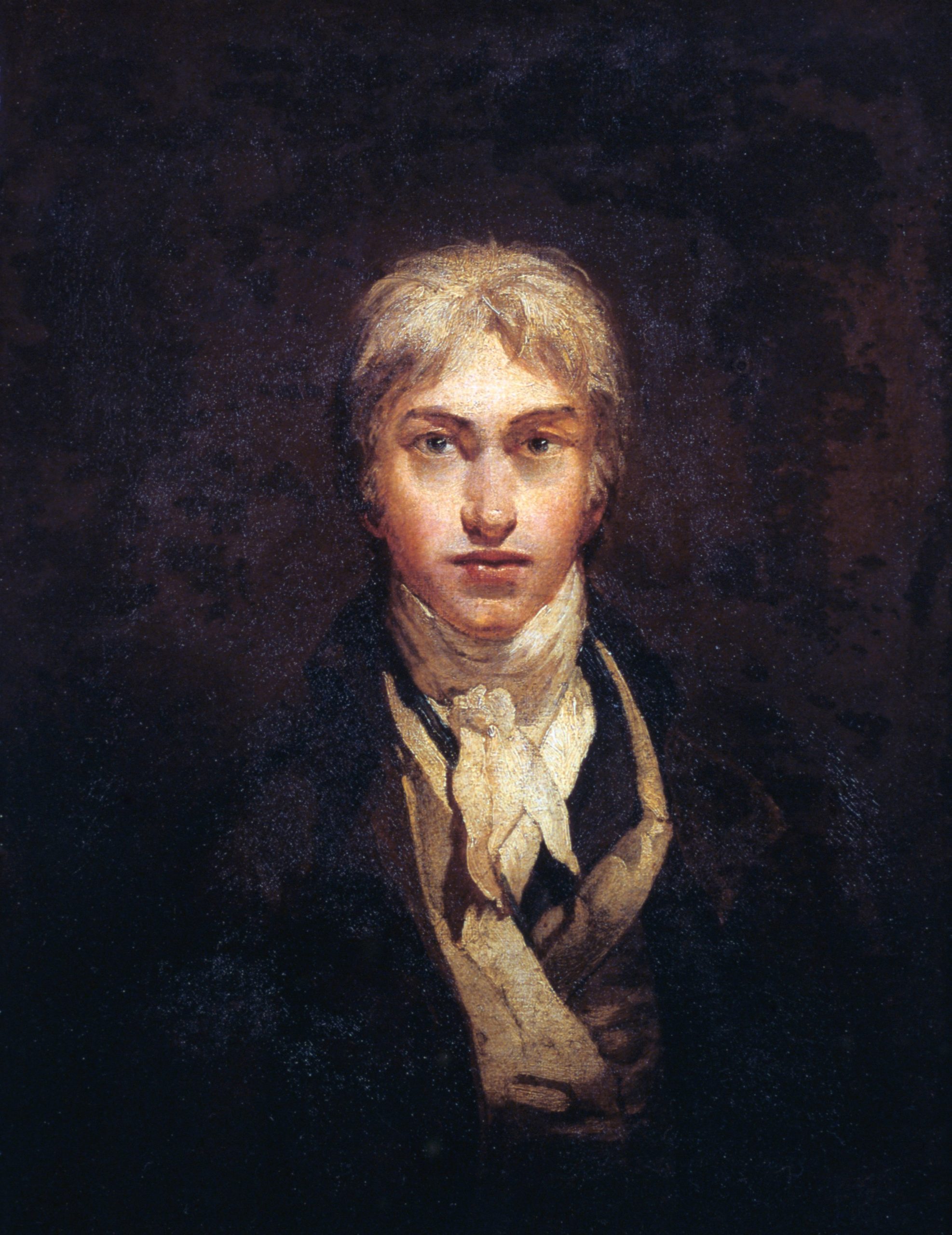
Is This a JMW Turner Self-Portrait? One Scholar Has Doubts

Art historian James Hamilton has published a paper in the JMW Turner Society’s magazine arguing that a famous portrait long believed to be a self-portrait by JMW Turner was actually painted by John Opie, a British portrait artist 14 years Turner’s senior. Hamilton notes that the work is an anomaly in Turner’s oeuvre, which is dominated by landscapes and seascapes, and that its dramatic lighting closely resembles Opie’s style. He suggests Opie may have given the painting to Turner, and that its authorship became misattributed after Turner’s death when his vast bequest of artworks was transferred to the nation and eventually housed at the Tate.

Most famous image of JMW Turner not a self-portrait, says expert

Dr James Hamilton, a leading Turner expert, has claimed that the most famous portrait of JMW Turner—long believed to be a self-portrait and featured on the UK £20 banknote—is actually by the painter John Opie. Hamilton argues that the work, dated around 1799, was mistakenly included in the Turner Bequest after the artist's death in 1851, when his studio was in disarray and the attribution was never properly verified. He points to stylistic evidence, including Opie's characteristic use of dramatic light and shadow, and calls on Tate Britain to reattribute the painting.

'I wanted to catch the desperation': Dries Verhoeven on turning the Dutch pavilion into a bunker for the Venice Biennale

Artist Dries Verhoeven has transformed the Dutch pavilion at the Venice Biennale into a bunker-like space by covering its iconic glass-and-steel structure with metal shutters. Inside, visitors experience a gradually darkening environment and a raw vocal performance by 13 rotating performers, intended to evoke desperation and confusion about contemporary global crises. The work critiques the modernist ideals of openness and optimism embodied by the pavilion, designed by Gerrit Rietveld in 1953.

Muscle memory: Natasha Tontey’s wild Venice installation explodes perceptions of Indonesian history

Natasha Tontey's new installation "The Phantom Combatants" at the Ateneo Veneto in Venice reimagines the story of Len Karamoy, a woman who was part of the CIA-funded Permesta resistance movement in North Sulawesi, Indonesia (1957-1961). The 22-minute film, commissioned by the LAS foundation and Amos Rex, features absurdly muscular mutant warriors and draws on Indigenous belief systems, video games, Indonesian soap operas, and B-movie aesthetics to explore themes of autonomy, resistance, and historical perspective.

AI Helps UK Researchers Identify Unknown Subject in Hans Holbein Drawing as Anne Boleyn

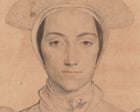
Researchers Karen L. Davies and Hassan Ugail used artificial intelligence facial recognition to analyze two Hans Holbein drawings from the Royal Collection Trust. Their study, published in npj Heritage Science, suggests that a portrait previously labeled as Anne Boleyn actually depicts her mother, Elizabeth Howard, while a drawing cataloged as an unidentified woman is the true likeness of Anne Boleyn. The findings challenge long-held identifications based on 18th-century inscriptions and align more closely with contemporary descriptions of Boleyn as slender with dark hair.

Fiona Pardington’s portraits of the lost birds of Aotearoa New Zealand – in pictures

Fiona Pardington has created a new series of human-scale photographic portraits of native New Zealand birds, many of which are extinct or endangered, using taxidermy specimens from regional museums. The series, titled "Taharaki Skyside," will be exhibited at the Aotearoa New Zealand pavilion at the 2026 Venice Biennale. Pardington, who has Māori and Scottish ancestry, incorporates the birds' eyes with superimposed historical landscapes to evoke their lost habitats and spiritual significance as intermediaries between human and divine worlds in Māori culture.

Mystery sitter in Holbein portrait could be Anne Boleyn, AI analysis finds

Researchers using AI have analyzed two Renaissance sketches by Hans Holbein from the Royal Collection, known as the Windsor sketch and the Unidentified Woman. The AI model, developed by Professor Hassan Ugail at the University of Bradford, compared the entire Holbein corpus and found that the Unidentified Woman may actually be Anne Boleyn, while the Windsor sketch—long thought to depict Boleyn—may instead show her mother, Elizabeth Howard. The study suggests the works were incorrectly inscribed in the 1700s, leading to centuries of misidentification.