filter_list Showing 609 results for "Politics" close Clear
search
dashboard All 609 museum exhibitions 262article news 135article culture 70article policy 35rate_review review 27person people 25trending_up market 21candle obituary 16article local 13gavel restitution 4article satire 1
date_range Range Today This Week This Month All
Subscribe

Artes Mundi 11 Prize and Exhibition

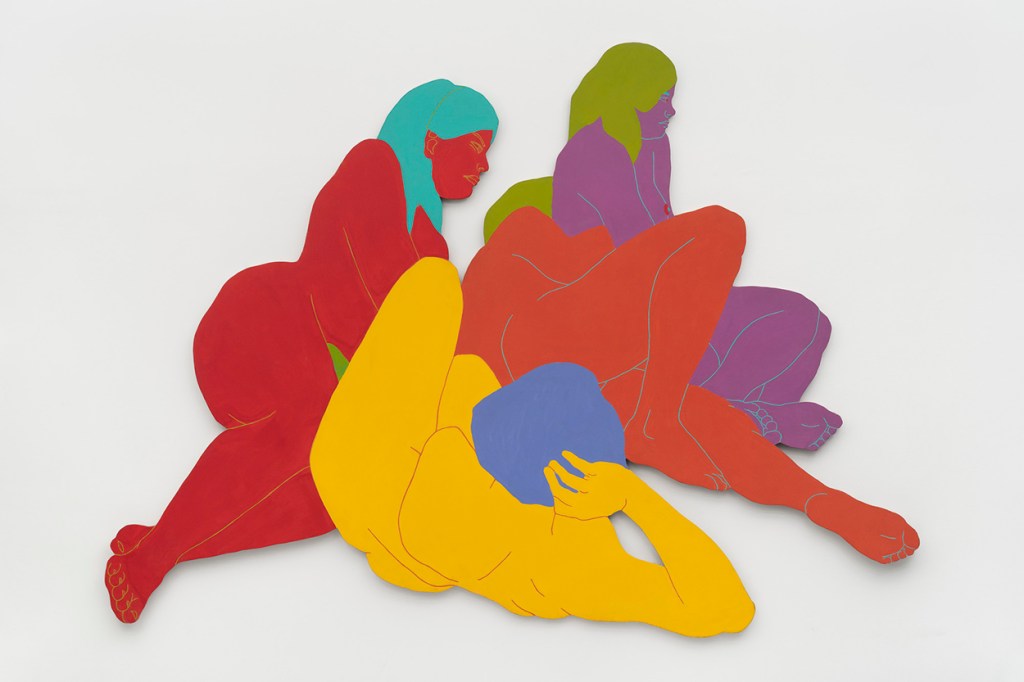
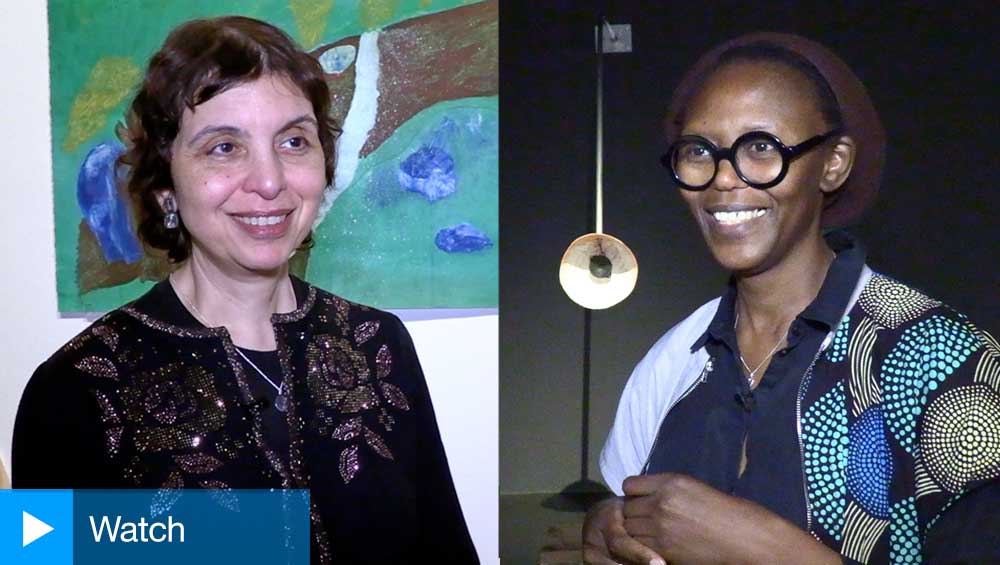
The six artists shortlisted for the 2025 Artes Mundi 11 prize present works addressing displacement, colonial trauma, and migration amid divisive global politics. The exhibition, held at the National Museum Cardiff and other Welsh venues, features Sancintya Mohini Simpson’s subversive Indian miniature-style paintings depicting the horrors of indentured labor, alongside works by Jumana Emil Abboud, Anawana Haloba, and Sawangwongse Yawnghwe. The prize, the UK’s largest cash award for an exhibition at £40,000, continues its evolution by offering solo presentations across multiple venues.
Culture Type | The Month in Black Art, Here’s What Happened in June 2025

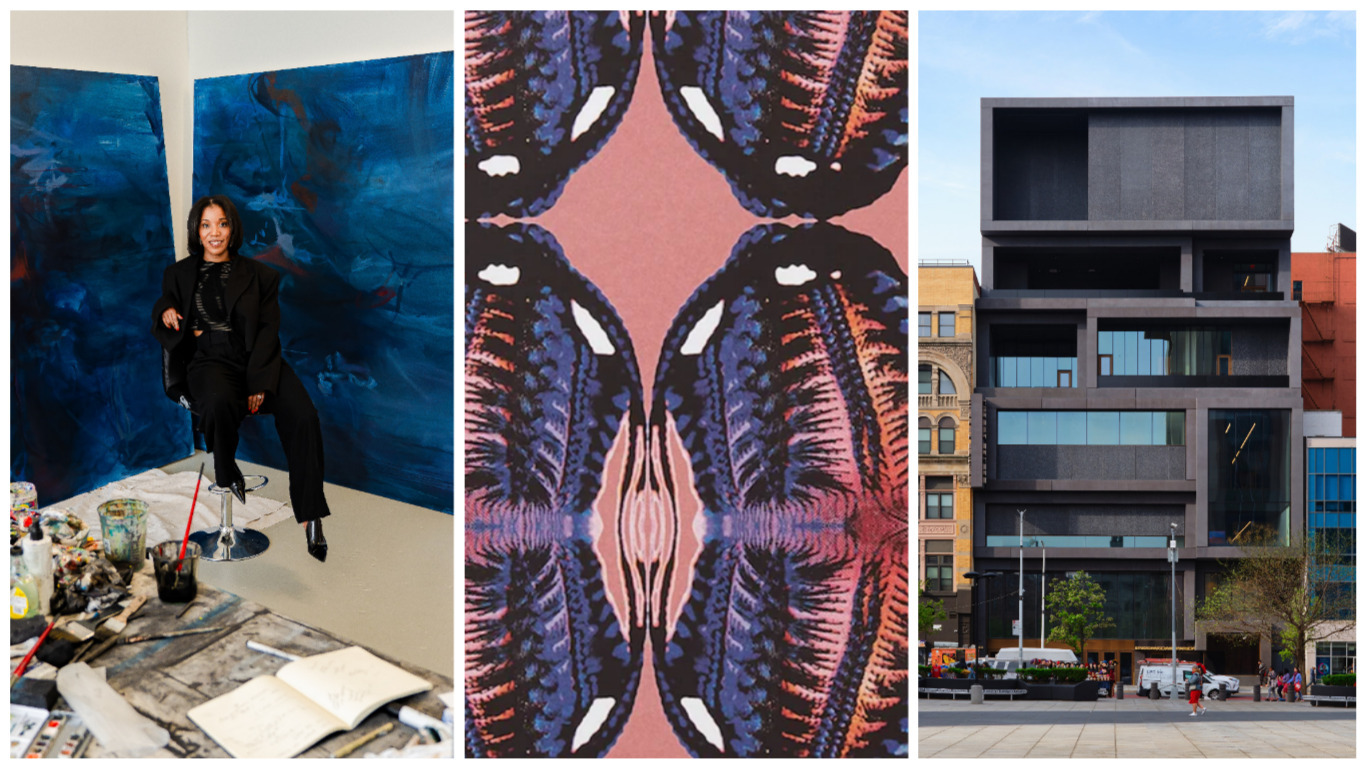
The June 2025 edition of Culture Type's 'The Month in Black Art' roundup reports multiple developments: the Detroit Institute of Arts acquired Tiff Massey's installation 'Baby Bling' (2023) for its reimagined Modern and Contemporary galleries opening in 2026; Aperture magazine released a summer issue guest-edited by Tanisha C. Ford focusing on Black style and fashion; Different Leaf, a cannabis culture journal, relaunched with guest editors Nick Cave and Bob Faust; and Sean Kelly Gallery announced representation of artist Lindsay Adams in collaboration with PATRON Gallery. The article also notes updates on the Studio Museum in Harlem, a shakeup at the Afro Brazil Museum, new Art Basel Awards, and Suzanne Jackson's exhibition at SFMOMA.

Frieze New York Diary: sparring artists are boxing clever, Whitney gets set for almighty dick pic, and Bates mansion is reincarnated

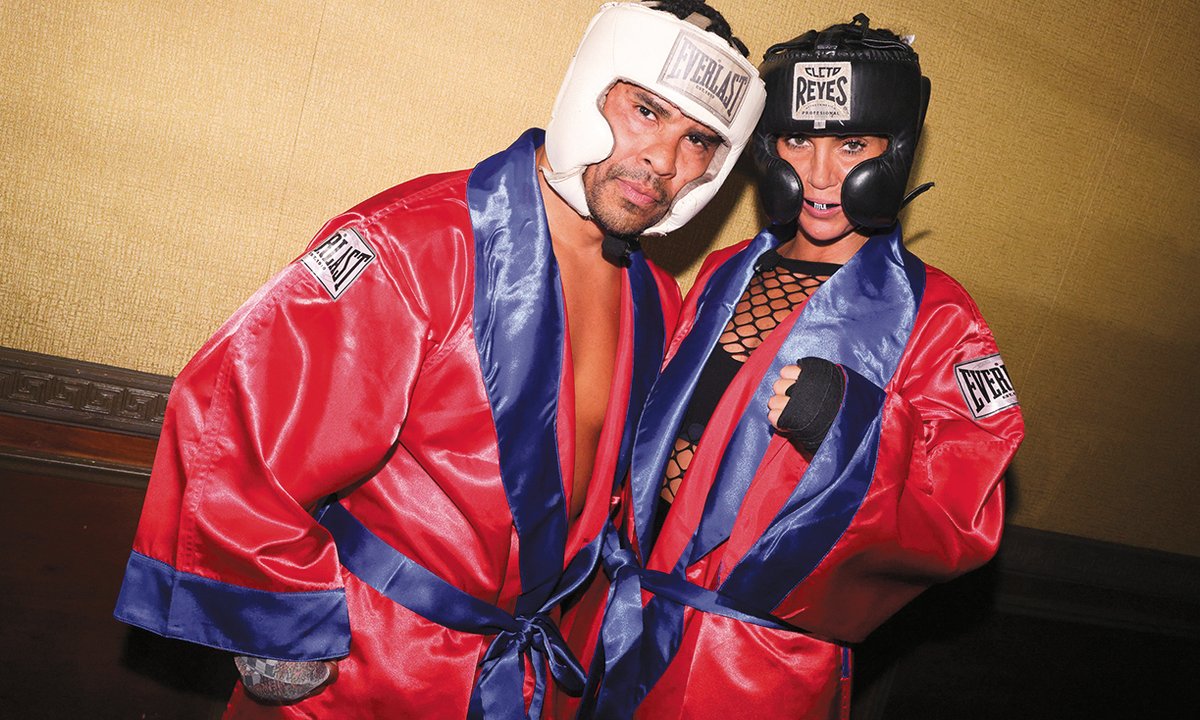
The article covers several art-world events during Frieze New York week. Highlights include a boxing match at the Prince George Ballroom for the Cultivist's tenth anniversary, featuring artists like Shaun Leonardo, Cheryl Pope, and Jesus Benavente. At the Whitney Museum, the upcoming exhibition 'Sixties Surreal' will showcase Harold Stevenson's monumental male nude 'The New Adam' (1962), owned by the Guggenheim. Other notable items include Felix Beaudry's textile piece 'Put' (2024) at the Golden Thread 2 pop-up, Cornelia Parker's 'PsychoBarn (Flotsam)' (2024) at Frith Street Gallery, and Chantal Joffe's portrait of critic Hettie Judah at Victoria Miro.

A True-to-Life Biennale

Hakim Bishara, editor-in-chief of Hyperallergic, reflects on the 61st Venice Biennale after returning to New York, describing it as historical, political, and thrilling. He counters critics who claimed the Biennale imploded due to boycotts and resignations, arguing it was more alive than ever. The late Koyo Kouoh's main exhibition "In Minor Keys" is praised for reflecting global woes and joys. The article also highlights a major strike by artists and cultural workers that disrupted the pre-opening, the first cultural strike in the Biennale's 131-year history, with 54 artists in the international exhibition and 22 national pavilion teams withdrawing from awards consideration in solidarity with the jury's resignation.

Sophia Rivera’s Mythology of Everyday New York

The article reviews "Sophie Rivera: Double Exposures" at El Museo del Barrio, the first survey of the late Nuyorican photographer Sophie Rivera, who died in 2021. The exhibition spans her career, including her feminist conceptual series "Rouge et Noir" and "Bowl Study" (c. 1976–78), which depict intimate bodily waste like used tampons and feces, and her socially engaged "Latino Portraits" series from the late 1970s, which countered negative media stereotypes of Puerto Ricans with affectionate, mythologizing portraits. The review highlights a moment where the critic misidentifies abstract toilet photographs as pinhole or double exposures before learning their true subject.

Pussy Riot Storms Russia Pavilion at Venice Biennale

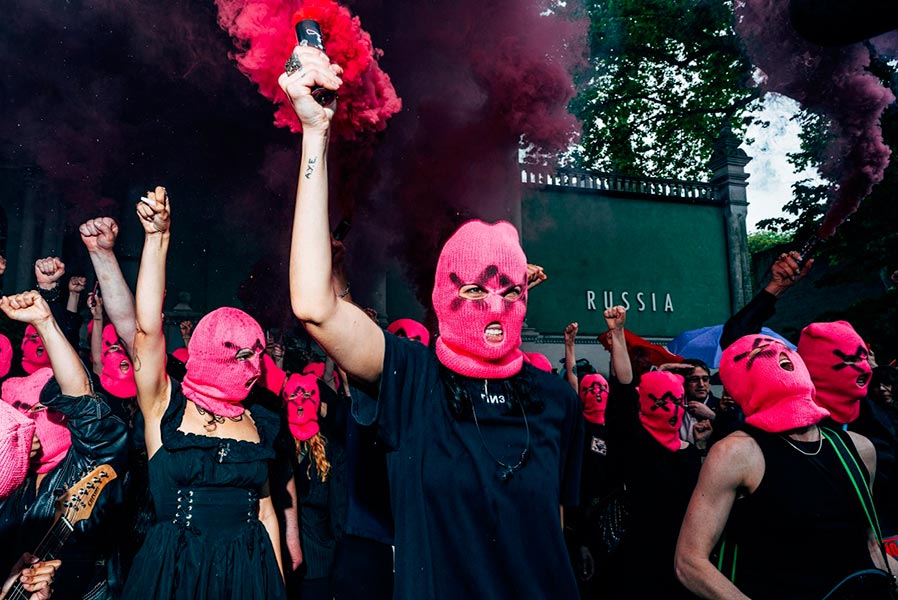
Pussy Riot staged a dramatic protest at the Russia Pavilion during the Venice Biennale, releasing pink smoke and waving Ukrainian flags while chanting slogans like 'Blood is Russia’s art.' Around 50 protesters, including members of Femen, occupied the area. Pussy Riot founder Nadya Tolokonnikova called for the pavilion to be closed and given to oppressed peoples, challenging Biennale president Pietrangelo Buttafuoco to meet her. The protest lasted about 20 minutes, with performers climbing the pavilion and exposing political slogans on their chests.

Pussy Riot and FEMEN Join Forces in Punk Protest in Venice: ‘Russia Kills! Biennale Exhibits!’

On Wednesday morning, Pussy Riot and FEMEN led a protest outside the Russian Pavilion at the 2026 Venice Biennale, chanting slogans like “Russia kills! Biennale exhibits!” and “Blood is Russia’s art!” Dozens of protesters, some in pink balaclavas and others bare-chested with floral crowns, gathered in the Giardini under light rain, carrying guitars and blasting punk rock and hip-hop. The action was organized by Nadya Tolokonnikova and other Pussy Riot members alongside FEMEN, a Ukrainian-founded women’s movement. They released pink, yellow, and blue smoke, and Tolokonnikova criticized the Biennale for allowing Russian participation while artists who oppose the war in Ukraine are imprisoned. She proposed an alternative exhibition, “Resistance Imprisoned,” currently on view in Strasbourg, featuring incarcerated artists.

First US Survey of Mexican Artist Teresa Margolles Coming This Fall

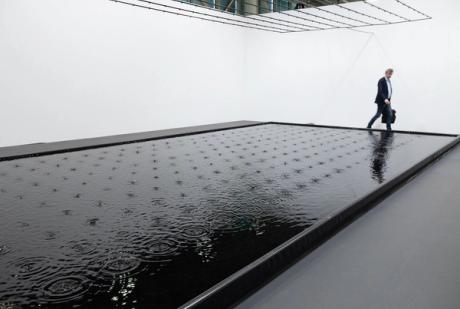
MoMA PS1 in New York City will host the first United States survey of Mexican artist Teresa Margolles this fall. Trained as a forensic pathologist, Margolles creates works using organic and bodily materials from homicide victims, morgues, and crime scenes. The exhibition will feature pieces confronting murder and violence along the US-Mexico border, including a 2026 evolution of her ongoing series "Air" (2003–), where a gallery will be humidified with water carrying degradable material from homicide sites. The Museum of Modern Art will also present a new experiential installation, "Aproximación al lugar de los hechos (Approaching the Scene)" (2026), starting September 17, which drips water carrying evidence of violent death onto heated steel plates.

May You Live in Less Interesting Times

The international jury for the Venice Biennale has collectively resigned just before the press preview, following their announcement that countries accused of crimes against humanity—specifically Israel and Russia—would be excluded from award consideration. The jurors did not provide an explicit reason for their resignation. Meanwhile, Russia's return to the 61st Venice Biennale will involve workarounds to comply with international sanctions, including restricted pavilion access. The article also highlights a widely-read essay by Hakan Topal on the financialization and 'administrification' of American art schools and academia.

Venice, Here We Come

Hyperallergic's newsletter previews the upcoming 61st Venice Biennale, noting the charged political climate that may overshadow the art. It highlights the main exhibition "In Minor Keys" conceived by the late Koyo Kouoh, and includes a guide to national pavilions, collateral events, and notable exhibitions in Venice. The edition also features a studio visit with 93-year-old artist Joan Semmel, an interview with Lebanese artist Tania El Khoury about her "revenge art," and news about Barbara Chase-Riboud declining to represent the US at the Biennale, a $116M gift to the National Gallery of Art, and the death of Argentine painter Ides Kihlen at 108.

jill magid esther kim varet campaign exhibtion

Artist Jill Magid has transformed her solo exhibition at Various Small Fires in Los Angeles into a platform for her dealer Esther Kim Varet’s congressional campaign. The show, titled “Heart of a Citizen,” features a replica of the White House Press Briefing Room podium, which Kim Varet uses to deliver stump speeches. Other works include a neon sign quoting a stenographer’s note and concrete casts of Magid’s heart, inspired by the White House Rose Garden. Magid emphasizes the show is not an endorsement but an exploration of power, free speech, and democracy.

Some cry censorship, others cry antisemitism

"Die einen schreien Zensur, die anderen Antisemitismus"

A constitutional law scholar, Christoph Möllers, warns in an interview with Die Zeit about the dangerous escalation of cultural policy conflicts, sparked by Documenta 15, where accusations of censorship and antisemitism collide. In Poland, Adam Budak was removed as director of MOCAK in Krakow after just a few months, facing 79 allegations including mobbing and problematic leadership. Meanwhile, the New York spring auctions have launched, and Jason Farago's review of the Venice Biennale in the New York Times criticizes the shift from aesthetic innovation toward identity-driven art. Robin Pogrebin also reports on the merger of the Met and the Neue Galerie, described as a rare convergence of two museum models.

Gropius Bau öffnet abends länger

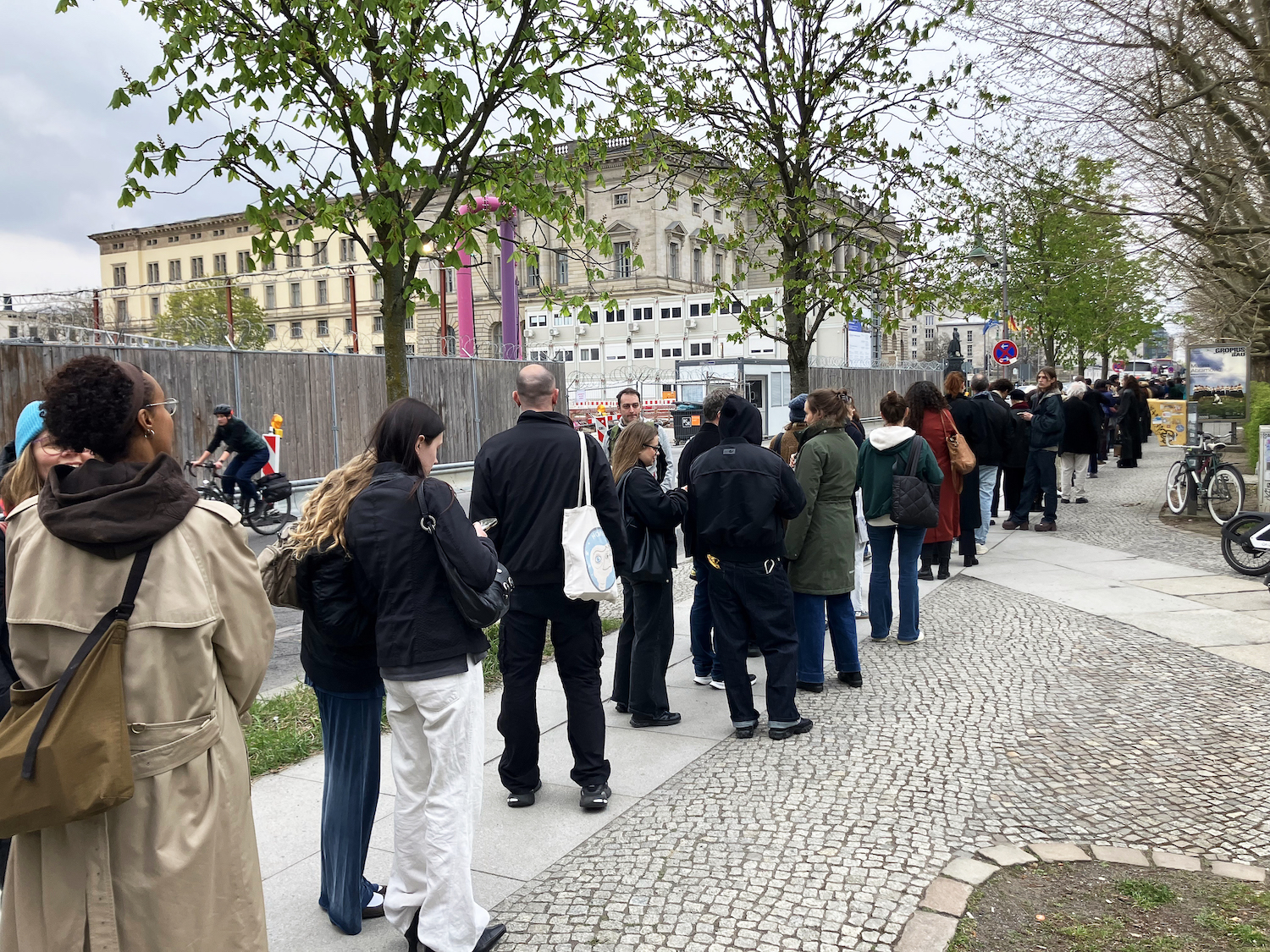
The Gropius Bau in Berlin has extended its evening opening hours by one hour, now open until 8 PM (closed Tuesdays), due to high demand for its exhibition of performance artist Marina Abramović. The show, titled "Balkan Erotic Epic," opened two weeks ago and drew long queues from the start. It features both new and older works, including performances where Abramović carved a star into her abdomen or lay in a burning installation until losing consciousness. The exhibition explores eroticism, politics, Balkan folklore, sexual energy, death, the political dimension of the body, and the Yugoslav wars.

"Wir wollen Rücknahme von Kürzungen"

Berlin's cultural senator Sarah Wedl-Wilson resigned on Friday after the Berlin Court of Auditors ruled that millions in funding for antisemitism prevention projects were illegal. The resignation has sparked a political debate, with CDU general secretary Ottilie Klein defending governing mayor Kai Wegner against opposition criticism, while Franziska Stoff of the Berlin Culture Conference demands stability and a reversal of budget cuts. Thomas Fehrle, director of the Deutsche Oper Berlin, expressed personal regret over Wedl-Wilson's departure, praising her competence and engagement.

"Du bist nun in die ewigen Jagdgründe der Kunst entschwunden"

This week's art news roundup covers several stories: Jonathan Meese publishes an obituary for his mother Brigitte Meese in Der Spiegel, describing her as a central figure in his life and work. Pussy Riot seeks to take over the Russian Pavilion at the Venice Biennale. The European Media Art Festival (EMAF) in Osnabrück faces controversy over antisemitism allegations linked to Palestinian-American filmmaker Basma al-Sharif, leading the city and state government to distance themselves from the festival. In the NZZ, Christian Wildhagen reports on conflicts over official political portraits, citing examples like Swiss councilor Martin Neukom rejecting paintings and Donald Trump criticizing his portrait. Art historian Horst Bredekamp pays tribute to Italian philosopher Federico Vercellone (1955–2026) in the FAZ, highlighting his theory of the 'self-activity of form.'

Thomas Zipp, artist with a sideways sense of history, 1966–2026

German artist Thomas Zipp, known for his dark, punk-infused explorations of history and science, has died at age 60. Throughout a career spanning painting, sculpture, and immersive scenographic installations, Zipp blended a Dadaist sensibility with a deep interest in politics, neuroscience, and the nuclear age. His work often challenged viewers with complex, opaque environments, such as his notable 2013 Venice Biennale installation that transformed a palazzo into a psychological sanatorium.

1,1 milliard de dollars

The Journal des Arts' issue No. 677, dated May 15, 2026, leads with the opening of the Venice Biennale amid a tense climate. Other top stories include the final adoption of a French law on the restitution of cultural property looted during colonization, the V&A East museum's strategy to attract younger audiences, a report on how Monet's legacy in Giverny does not benefit everyone locally, and an analysis of the structuring market for the Nabis artists.

Le coup d’envoi des ventes de New York

Le Journal des Arts' issue n°677 (May 15, 2026) leads with the opening of the Venice Biennale amid a tense climate. Other top stories include the final adoption of a French law on the restitution of cultural property looted during colonization, the V&A East museum's strategy to attract younger audiences, a report on how Monet's legacy in Giverny does not benefit everyone locally, and an analysis of the structuring market for works by the Nabis artists.

La Biennale de Venise s’ouvre dans un climat houleux

The 61st Venice Biennale opened amid intense controversy after its president, Pietrangelo Buttafuoco, announced the return of the Russian pavilion, which had been absent since the start of the Ukraine war. The European Commission suspended its €2 million subsidy for the 2028 edition, and the entire Biennale jury resigned on April 30. Buttafuoco later declared the Russian pavilion would remain closed, but protests erupted during the pre-opening days (May 6–8), drawing 28,000 professionals. Pussy Riot members, Femen activists, and the Free Nations League staged demonstrations, while the Israeli pavilion remained open despite a letter signed by nearly 200 artists calling for its exclusion.

La quinquennale d’art contemporain

This issue of Le Journal des Arts (n°676, May 2, 2026) covers a range of contemporary art news in France and internationally. Headlines include a critical look at the Whitney Biennial's perceived neutrality, the increasing complexity of art taxation in 2025, an interview with Bourges mayor Yann Galut about scaling down the Bourges 2028 project, the unveiling of a contemporary gallery at Angers Cathedral, the abandonment of the Frigos artists' site in Paris, and a profile of auctioneer Hubert L'Huillier.

Zohran Mamdani Visited MoMA PS1’s Greater New York—and Loved It

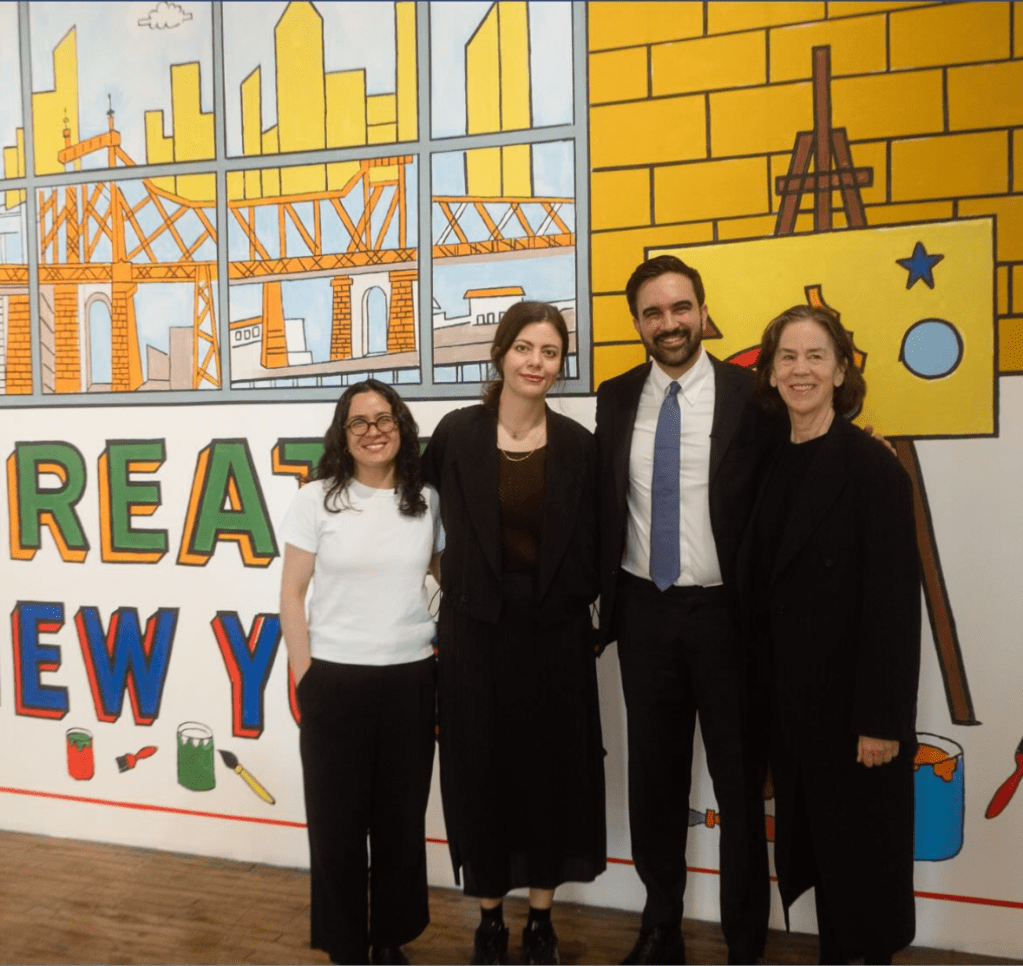
New York Mayor Zohran Mamdani visited MoMA PS1's recurring survey exhibition "Greater New York" alongside New York State Representative Claire Valdez. PS1 director Connie Butler shared the news on Instagram, posting images of the politicians smiling and raising their arms near an installation by Palestinian American photographer Dean Majd. Majd's work features photographs of communities in New York and the West Bank, including a portrait of Mahmoud Khalil, an Algerian Palestinian activist detained by ICE. The exhibition, which runs through August 17, includes 53 artists and focuses on themes of urban decay, infrastructural failure, and survival.

'I wanted to catch the desperation': Dries Verhoeven on turning the Dutch pavilion into a bunker for the Venice Biennale

Artist Dries Verhoeven has transformed the Dutch pavilion at the Venice Biennale into a bunker-like space by covering its iconic glass-and-steel structure with metal shutters. Inside, visitors experience a gradually darkening environment and a raw vocal performance by 13 rotating performers, intended to evoke desperation and confusion about contemporary global crises. The work critiques the modernist ideals of openness and optimism embodied by the pavilion, designed by Gerrit Rietveld in 1953.

The art of politics: how global conflicts are playing out in this year's Venice Biennale

Israel is making a controversial return to the 2025 Venice Art Biennale after its pavilion was locked in 2024 with a note demanding a ceasefire in Gaza. The artist representing Israel, Belu-Simion Fainaru, will present his project "Rose of Nothingness" in the Arsenale, while Russia also returns to the Biennale after its Giardini pavilion was reassigned to Bolivia in 2024. The Art Not Genocide Alliance (ANGA) has renewed calls for a boycott and is organizing strike action to disrupt the event, accusing Israel of genocide.

whitney biennial 2026 systems infrastructure andrea fraser carmen de monteflores emilie gossiaux david johnson

The 2026 Whitney Biennial, curated by Marcela Guerrero and Drew Sawyer, moves beyond the traditional geographic borders of the United States to explore 'the greater United States.' Drawing inspiration from historian Daniel Immerwahr, the exhibition features artists from occupied territories, military outposts, and nations impacted by American intervention, including Okinawa, Chile, and Palestine. The show shifts the focus from identity politics to the material reality of infrastructure, examining how global systems of finance, energy, and empire operate and often fail.

russian pavilion 2026 venice biennale return

Russia has announced it will reopen its national pavilion at the 2026 Venice Biennale after a four-year hiatus following the invasion of Ukraine. The pavilion, which remained closed in 2022 and was loaned to Bolivia in 2024, will host an exhibition titled "The Tree is Rooted in the Sky" featuring a "musical festival" with over 50 participants from Russia and countries including Argentina, Brazil, Mali, and Mexico.

sandra mujinga stedelijk museum sculpture performance

Sandra Mujinga, a Congolese-born artist based in Berlin and Oslo, recently unveiled a new performance at the Park Avenue Armory in New York and has a major installation, "Skin to Skin" (2025), finishing its run at the Stedelijk Museum in Amsterdam before traveling to the Belvedere museum in Vienna. The installation features 55 lithe, tentacular figures covered in the artist's own textiles, arranged around mirrored columns in a green-lit environment. In an interview, Mujinga discussed how fashion and clothing function as data and storytelling, reflecting identity and belonging, a theme that permeates her sculptures, videos, and performances.

menachem begin grandson avinadav art exhibition israel

Avinadav Begin, grandson of former Israeli Prime Minister Menachem Begin, is currently exhibiting his latest abstract metal and steel works at Sheetrit & Wolf Contemporary Art Gallery in Tel Aviv. The pieces, which he describes as “openings, apertures,” are neither paintings nor sculptures but heavy hybrid forms weighing up to 220 pounds, resembling rubble and broken window frames. In interviews, Begin has emphasized his identity as an artist rather than a politician, distancing himself from the current Likud party leadership under Benjamin Netanyahu, while acknowledging the influence of the ongoing war and hostage crisis on his work.

thomas kinkade foundation responds dhs morning pledge post

The Thomas Kinkade Family Foundation has publicly condemned the Department of Homeland Security (DHS) for using Kinkade's painting *Morning Pledge* in a July 1 social media post on X that included the phrase “Protect the Homeland.” The foundation stated it did not authorize the use of the artwork and that the post promotes division and xenophobia, which is antithetical to its mission. It has requested the post's removal and is consulting legal counsel. This follows similar complaints from artist Morgan Weistling, whose painting *New Life in A New Land* was used by DHS without permission, and criticism over DHS's use of John Gast's *American Progress* (1872), owned by the Autry Museum of the American West.

trump assassination monument statue oval office

A small statue depicting President Donald Trump raising his fist after a failed assassination attempt during a 2024 campaign rally has appeared on his Oval Office desk, drawing renewed attention. The sculpture, based on a photograph by Associated Press photographer Evan Vucci, was created by artist Stan Watts, who is fundraising for a nine-foot-tall version. Separately, documentary filmmaker Steven C. Barber installed a life-sized bronze monument of the same scene at Trump International Golf Club in West Palm Beach, Florida, created by George and Mark Lundeen of Lundeen Sculpture.

new taipei city art museum interview

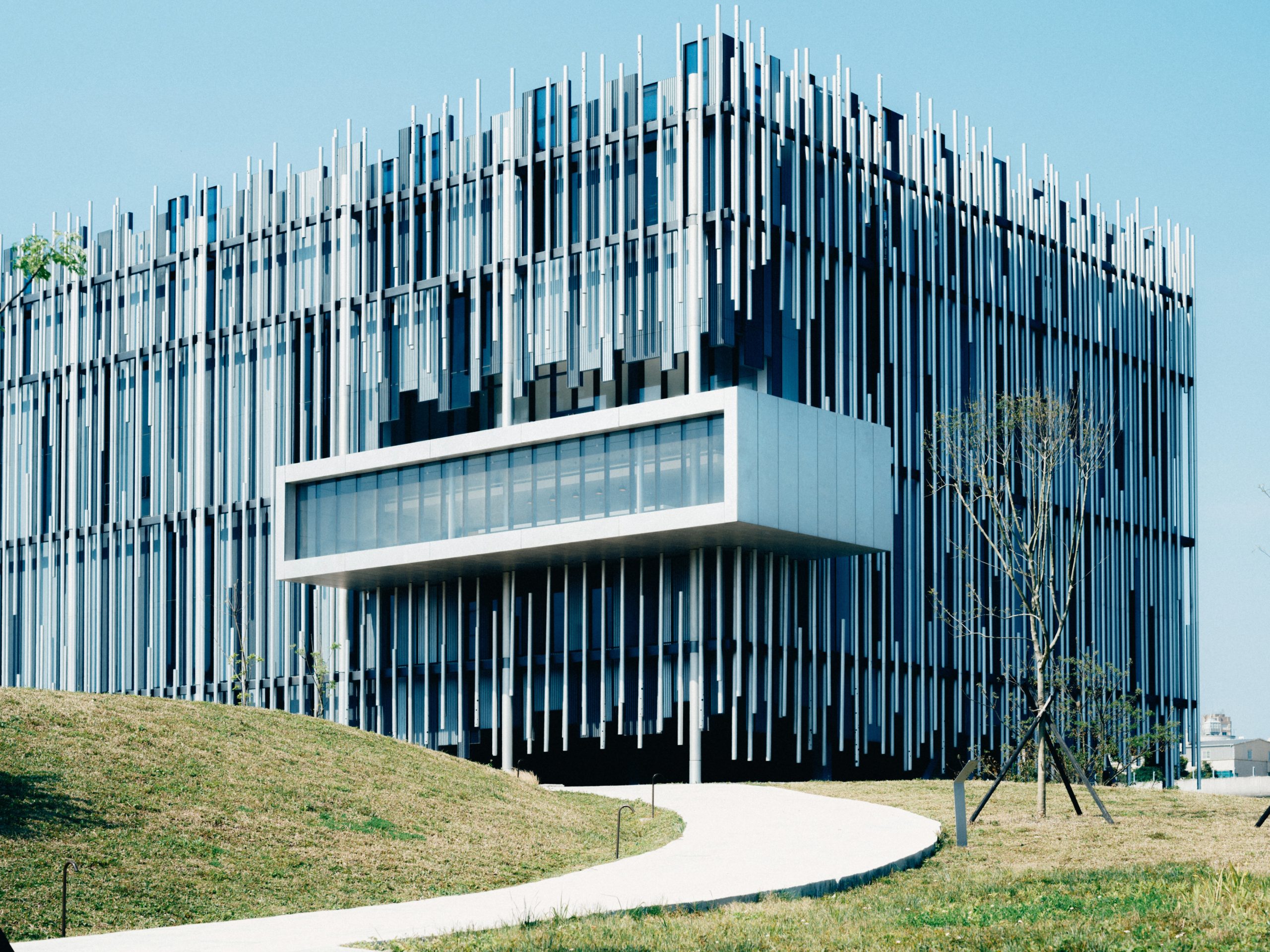
The New Taipei City Art Museum (NTCAM) opened to the public last weekend with fireworks and light installations after nearly eight years of development. Located in Yingge District, about 30 minutes from Taipei, the publicly funded museum cost 3 billion NTD (approximately $93 million) and spans 38 acres. Designed by Taiwanese architect Kris Yao, the 11-story building houses eight exhibition halls, a 500-seat auditorium, a public plaza, and a park for public art. Inaugural director Lai Hsiang-ling outlined the museum's vision to serve local audiences and the arts community while fostering international and regional collaboration. The opening includes the inaugural exhibition featuring the local art collective Xindian Boys and their commission "Don't Worry, Baby," which addresses ecological change, global politics, and artificial intelligence.