filter_list Showing 244 results for "Insights" close Clear
search
dashboard All 244 museum exhibitions 72article news 53article culture 38trending_up market 37person people 21article local 11article policy 5rate_review review 5gavel restitution 2
date_range Range Today This Week This Month All
Subscribe

ancient egyptian pleasure boat portus magnus

Underwater archaeologist Franck Goddio and his Institut Européen d’Archéologie Sous-Marine (IEASM) team have discovered the remains of a 35-meter-long ancient Egyptian pleasure boat, known as a thalamagos, in the submerged Portus Magnus off Alexandria’s harbor. The 28-meter preserved timbers, found seven meters underwater and buried under sediment, represent the first physical evidence of such vessels, previously known only from ancient texts like Strabo's Geography and the Nile mosaic at Palestrina. The ship, built in Alexandria and propelled by oars, features a central pavilion and Greek graffiti from the 1st century C.E., and may have sunk around 50 C.E. during the destruction of the temple of Isis on Antirhodos Island.

egyptian ceramic vessel ancient pompeii canteen

A nearly 2,000-year-old Egyptian ceramic vessel, a bucket-shaped situla, was discovered during conservation work at the Thermopolium of Regio V in Pompeii. The faience pot, decorated with Egyptian-style hunting reliefs, was found in the kitchen of a well-preserved fast-food restaurant that served the working- and middle-class residents of the Roman city before its destruction by Mount Vesuvius in 79 CE. The discovery was published by the Pompeii Archaeological Park’s online journal.

archaeologists peru ancient 3500 year old city penico

Peru’s Ministry of Culture has unveiled the archaeological site of Peñico, a 3,500-year-old city in the province of Huaura, after eight years of research and conservation. Dating back to 1800 BCE, the “City of Social Integration” was strategically built to enhance monumentality, prevent flooding, and promote trade. It likely served as a hub linking Pacific coast cultures with the Andes and Amazon. Archaeologist Ruth Shady, director of the Caral Archaeological Zone, led the research and noted that Peñico emerged after the Caral civilization was devastated by climate change. The site includes 18 structures, among them a major administrative building with depictions of conch shell trumpets called pututus, and yielded artifacts such as clay sculptures, necklaces, and stone tools. The site opened for tourism on July 3, with a traditional Andean festival planned for July 12.

It is Naive to Believe that Bombs Bring Freedom

"Es ist naiv zu glauben, dass Bomben Freiheit bringen"

Iranian-born artist Peyman Rahimi discusses the profound impact of his childhood experiences during the Iran-Iraq War and his subsequent mandatory military service on his creative practice. Breaking a long-held silence, Rahimi argues against the naivety of believing that military interventions or foreign bombings can bring true freedom to Iran, emphasizing that war only generates new trauma and suffering. He highlights the central role of Iranian women in the struggle for change, noting that their resilience remains the most potent threat to the current regime.

Alessandro Rabottini on the Impact of Artists’ Moving Image

Alessandro Rabottini, artistic director of Fondazione In Between Art Film, reflects on the closing of 'Canicula', the final chapter of the foundation's 'Trilogy of Uncertainties' exhibition series in Venice. The article explores how staging time-based moving-image works interacts with the fast-paced environment of the Venice Biennale, and how artists' film and video have evolved as a medium within the art world.

How Much Did It Cost to Paint a Pompeii Room Egyptian Blue?

How Much Did It Cost to Paint a Pompeii Room Egyptian Blue?

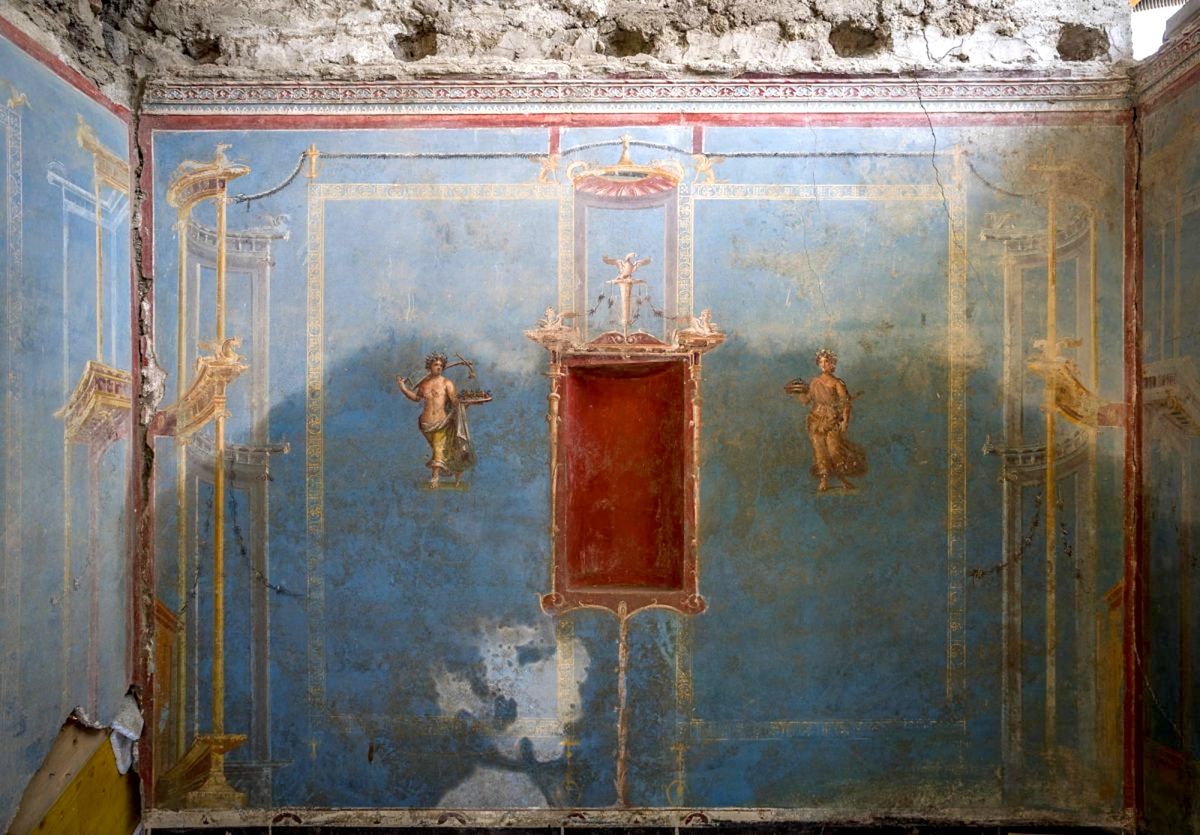
A new study has calculated the staggering cost of painting a room in Pompeii with Egyptian blue pigment. Researchers determined that covering the walls of a recently discovered "Blue Room," a sacred shrine, would have required between 2.7 and 4.9 kilograms of the prized synthetic pigment. Based on prices recorded by Pliny the Elder, this quantity of high-grade pigment would have cost between 50% and 90% of a Roman legionary's annual salary, highlighting it as an extreme luxury.

A Grandmother’s Keepsake Turns Out to Be an Imperial Chinese Robe Worth Thousands

A collection of Chinese antiques, including an Imperial robe from the 19th century, was discovered in a chest in London after being kept as family mementos for decades. The items were acquired by Nan Brake, a British translator living in Beijing during the 1950s, who purchased them on excursions around the city. The collection, which features Ming dynasty paintings, Qing dynasty embroidered robes, and jade ornaments, will be auctioned by Roseberys on May 12 with an estimated total value of £40,000 ($54,100). The standout piece is a turquoise silk Imperial robe embroidered with nine five-clawed dragons, likely made for a male member of the emperor's family.

pompeii discoveries

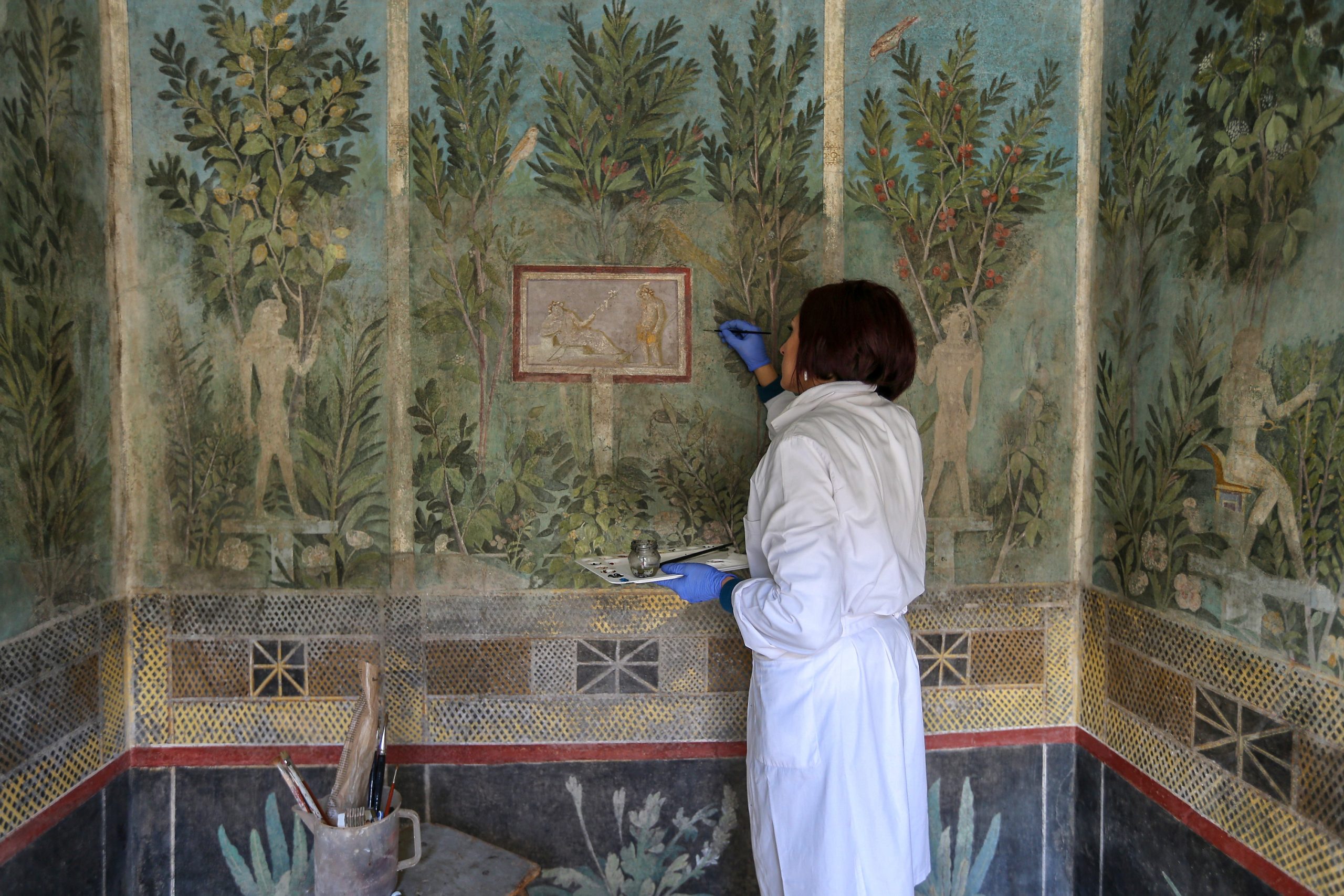
Archaeologists have uncovered a series of remarkable discoveries at Pompeii, the ancient Roman city buried by Mount Vesuvius in 79 C.E. Recent finds include life-sized statues of a priestess and a man from a tomb, frescoes depicting Dionysian rituals and mythological scenes, an extravagantly decorated 'tiny house' called the House of Phaedra, and evidence of aspirational interior design. These artifacts, unearthed in suburban villas and tombs, range from a bejeweled priestess statue to children's gladiator doodles and ancient fast-food counters, revealing new details about daily life in the Roman Republic.

First Zurbarán exhibition at the National Gallery

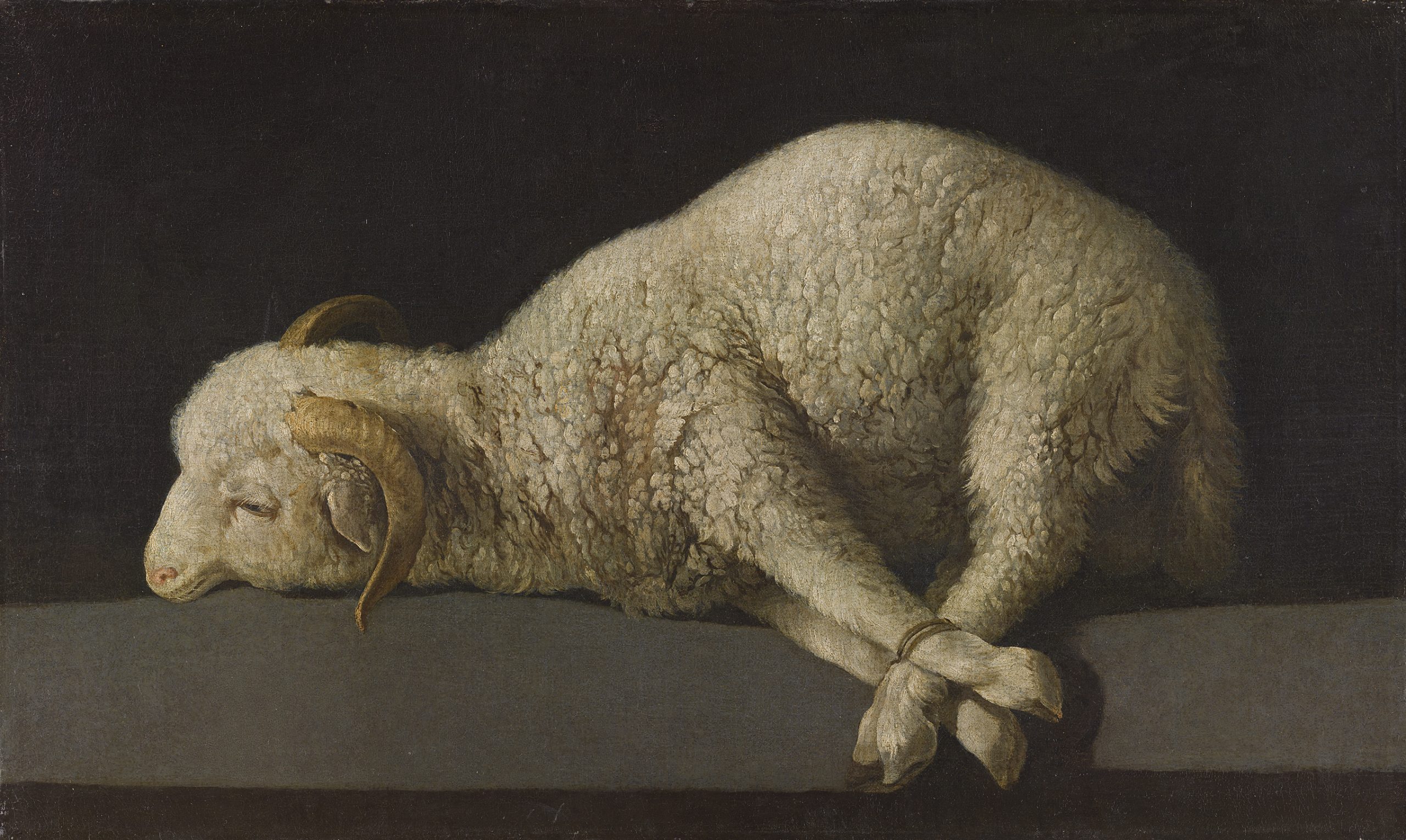
The National Gallery in London has opened the first monographic exhibition in the UK dedicated to Francisco de Zurbarán, a leading 17th-century Spanish painter. The show brings together exceptional loans from public and private collections across the UK, Europe, and the United States, including works displayed together for the first time in over a century. Highlights include life-size depictions of saints, soaring altarpieces, and contemplative still lifes, with the exhibition running until 23 August.

New exhibition at Buxton reveals insights into Chinese conceptual art

The University of Melbourne's Buxton Contemporary has opened a new exhibition titled "Poetry goes no further than language," which examines the emergence of conceptual art in China during the mid-1980s and early 1990s. Featuring works by the Beijing collective New Measurement Group and Shanghai artist Qian Weikang, the show also includes a new commission by Victorian College of the Arts graduate Darcey Bella Arnold. Curated by Dr. Carol Yinghua Lu, Director of Beijing's Inside-Out Art Museum, together with artist Liu Ding, the exhibition brings previously inaccessible or little-known works to Australia for the first time.

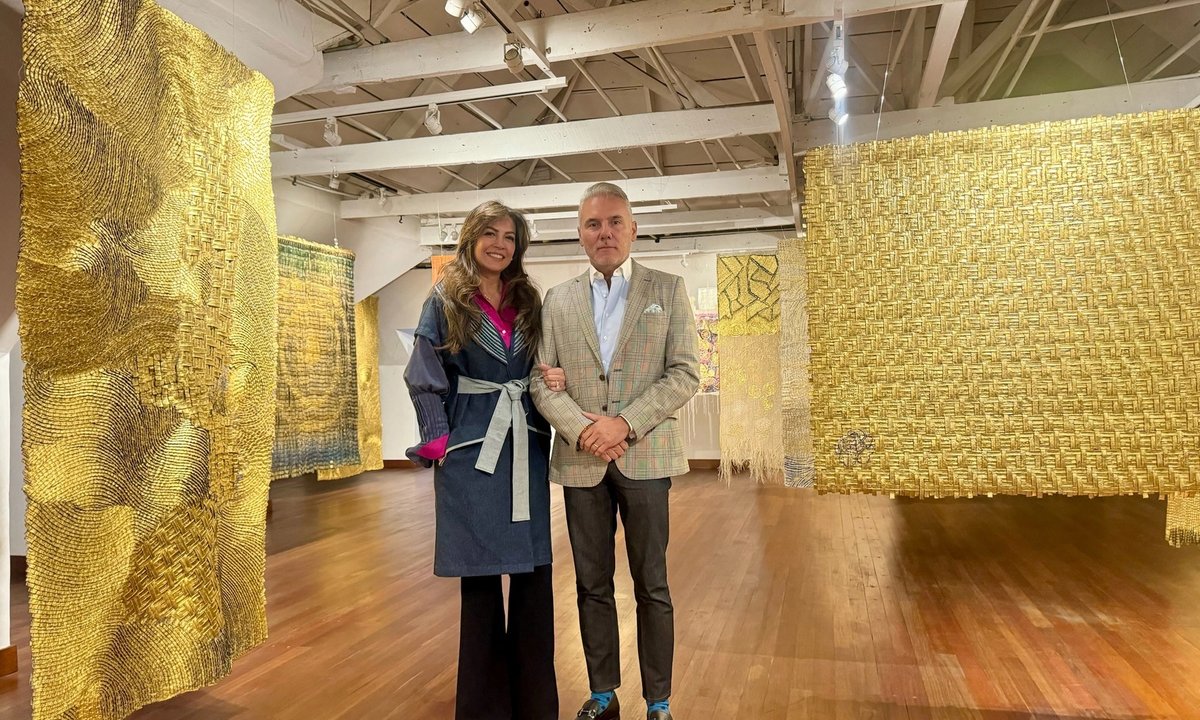
Cristina Chacón & Diego Uribe on the art they collect and why

Cristina Chacón and Diego Uribe, a Colombian couple who have been together since their teens, discuss their art collection and philanthropic work. They serve on the chairman’s council of the Institute of Contemporary Art Miami and founded the DC Art Foundation in 2021, which supports mid-career and established artists through exhibitions and residencies. Their collection spans Miami, Bogotá, and Madrid, focusing on Modern and contemporary art from Latin America, with additional works by artists like Christian Boltanski, Ugo Rondinone, and Chiharu Shiota. In an interview, they share their first purchase (a still-life by Alberto Nuño from 1992), a recent acquisition (Gabriel Orozco’s 1999 painted-plywood construction), and regret over not buying a Ruth Asawa piece earlier.

Long Island Sound Exhibition at AVS Gallery Highlights Its Beauty, History, Sense of Home

The Alexey von Schlippe Gallery of Art at UConn Avery Point presents "Sight and Sound: Artists Consider Long Island Sound," a group exhibition curated by Richard Klein featuring 14 artists including Brechin Morgan, James Prosek, Martha Willette Lewis, and Marion Belanger. The show explores the ecology, cultural history, and geology of Long Island Sound through diverse media, with works inspired by personal experiences and scientific insights about the body of water.

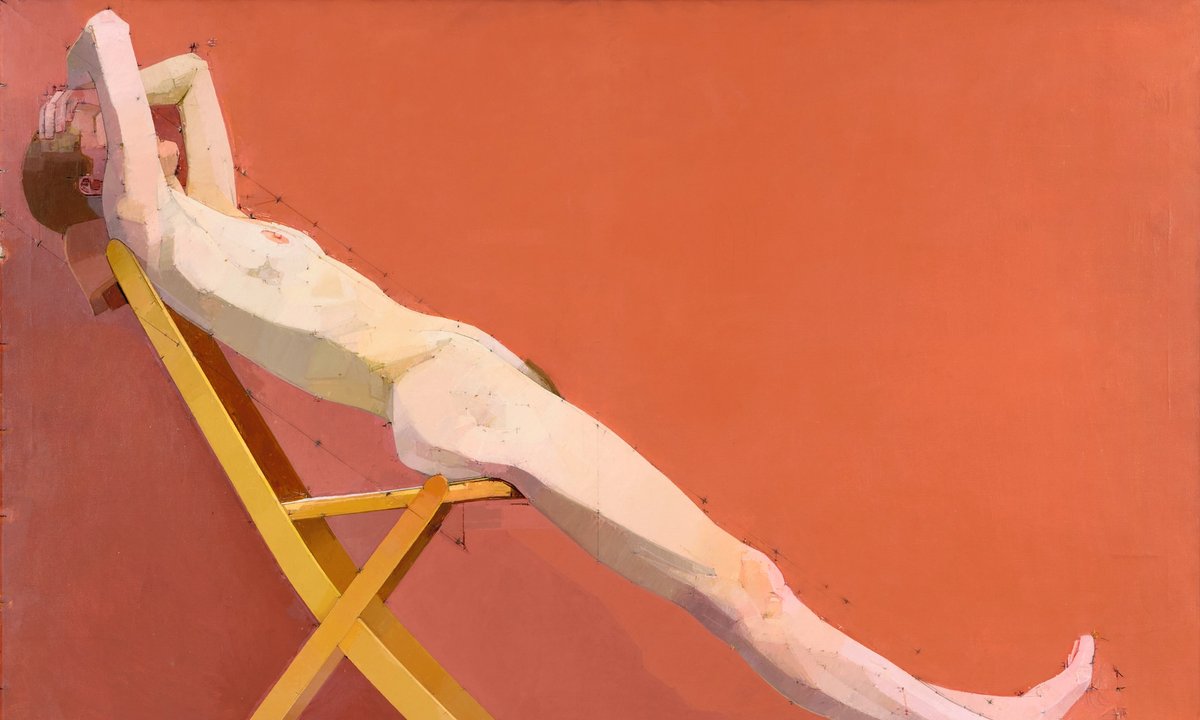
Euan Uglow monograph offers a fresh perspective through memoirs, papers and contributions

Andrew Lambirth's new book, *The Uglow Papers*, takes an unconventional approach to the monograph on British painter Euan Uglow (1932-2000). Instead of a traditional narrative, Lambirth compiles around 30 personal memoirs, papers, and contributions from friends, students, and colleagues—gathered through interviews, phone calls, emails, and letters. These firsthand accounts, paired with a concise introduction and a glossary of names, offer intimate recollections of Uglow's rigorous studio practice, his teaching methods, and his social life, including details about his Sunday night open houses and shared meals. The book also traces Uglow's artistic development from his studies at Camberwell School of Arts and Crafts and the Slade School of Fine Art, through his mentorship under William Coldstream, to his own distinctive geometric and emotionally charged works like *The Diagonal* (1971-77) and *Pyramid* (1993-96).

Collector’s eye: the art Kyongho Kim has bought and why

Kyongho Kim, a Seoul-based dentist and art collector, discusses his journey into collecting contemporary art, which began in 2019 when he bought his first painting to fill bare walls in his new home. He now owns around 250 works, including pieces by Hernan Bas, Genieve Figgis, Scott Kahn, and Jack Kabangu, and describes his philosophy as stewardship rather than ownership. The interview, published by The Art Newspaper, covers his first purchase (Byung-Rock Yoon's *Scent of Autumn*), his regret over missing a George Condo piece, and his love for art fairs like Frieze Seoul, where he acquired a work by Marina Perez Simão.

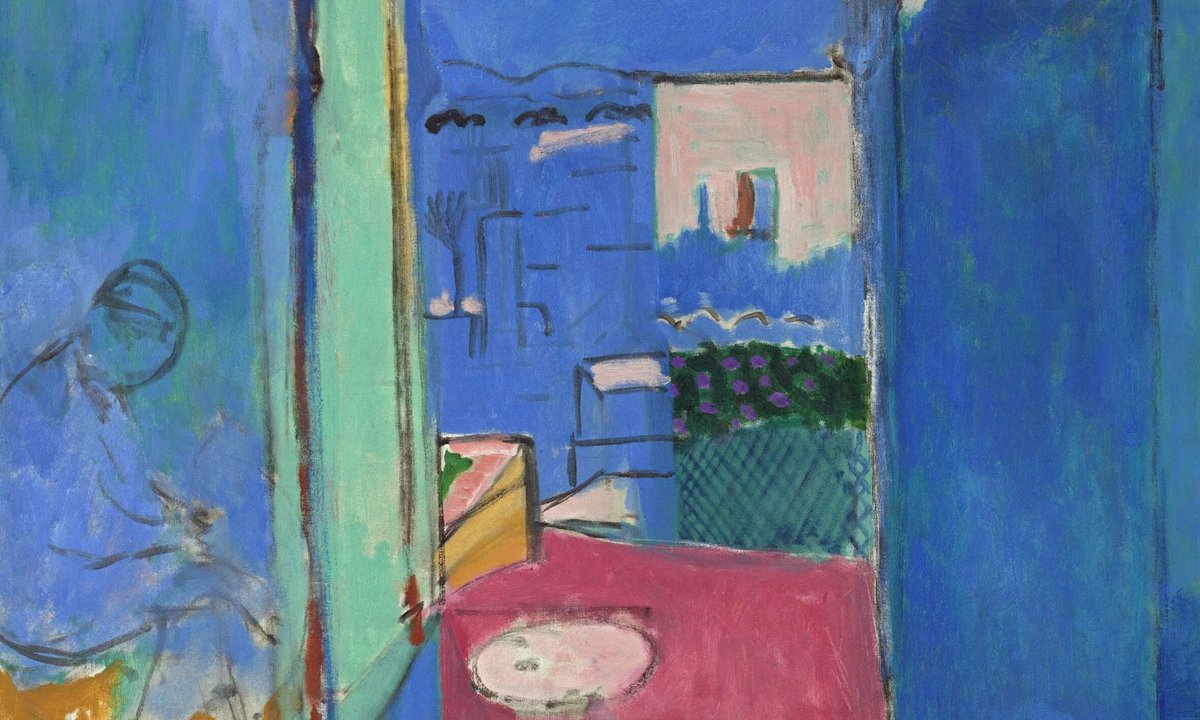
Rain, insomnia and finding a model: how Morocco challenged and changed Matisse

Henri Matisse made two pivotal trips to Tangier, Morocco, in 1912-1913, documented in Jeff Koehler's new book *Matisse in Morocco: A Journey of Light and Colour*. At a low point in his career—having lost patrons and critical support after his Fauve period—Matisse sought new inspiration, producing over 20 paintings despite challenges like rain, insomnia, and difficulty finding models. Commissions from Russian collectors Sergei Shchukin and Ivan Morozov helped fund the trips, and Matisse worked at the Villa Brooks estate, creating works such as *Moroccan Landscape (Acanthus)* (1912) and *The Palm* (1912). The article also highlights Matisse's discovery of fingerprints on *View of the Bay of Tangier* (1912-13) and his reliance on a Moroccan model named Zorah.

UK government bans export of £10m Botticelli painting

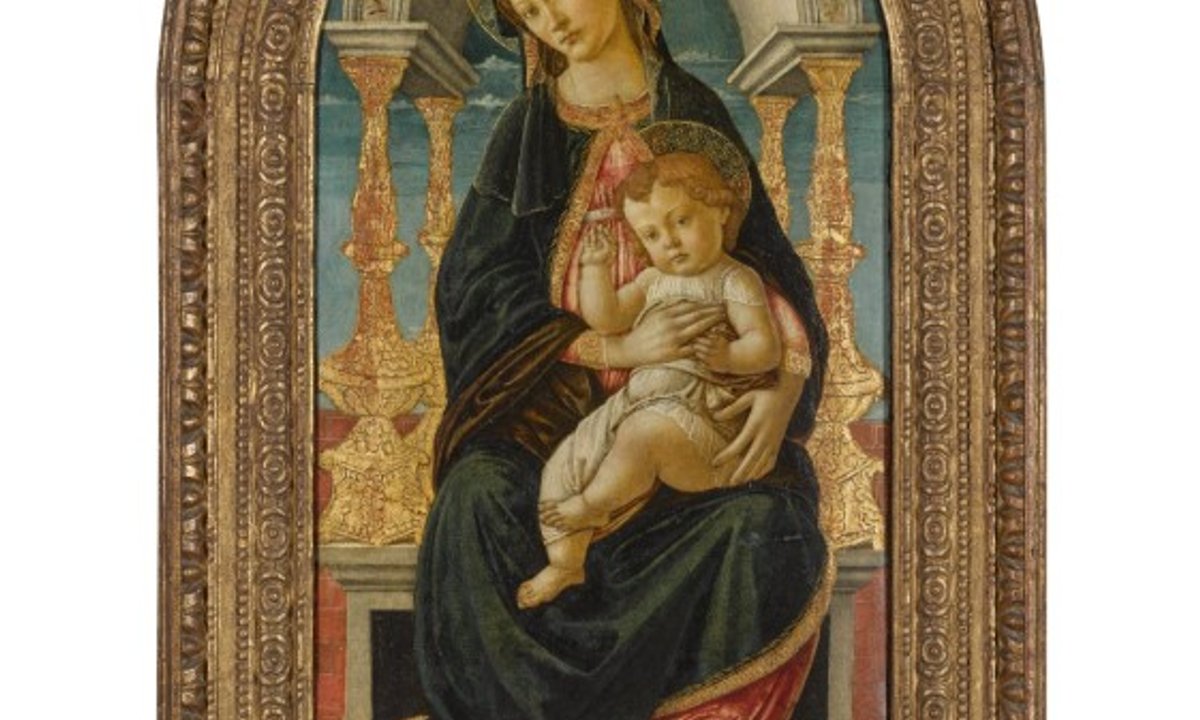
The UK government has imposed an export bar on Sandro Botticelli's painting *The Virgin and Child Enthroned* (1470s), valued at £10.2 million. The work was sold at Sotheby’s London in December 2024 for £9.7 million (with fees). The export bar, effective until 8 August, gives a UK gallery or institution time to acquire the painting and prevent it from leaving the country. The Department for Culture, Media and Sport (DCMS) has set a recommended price of £9,960,000 plus VAT. The painting, which had been kept at Betterton House in Berkshire since 1944, was previously owned by collector Harriet Sarah Jones Loyd (Lady Wantage) and has not been seen in public for nearly a century.

We had to make difficult decisions

"Wir mussten schwierige Entscheidungen treffen"

Investor Andrew E. Wolff has stepped down as CEO of Artnet after orchestrating a merger of the company's US operations with Artsy, another major art market platform he recently acquired. Jeffrey Yin, previously the interim head of Artsy, has been appointed as the permanent CEO of the combined entity. The restructuring involves significant layoffs, the closure of Artnet's Berlin office, and a consolidation of management teams, though both brands will continue to operate with distinct editorial voices.

food mexico chefs best restaurants zona maco

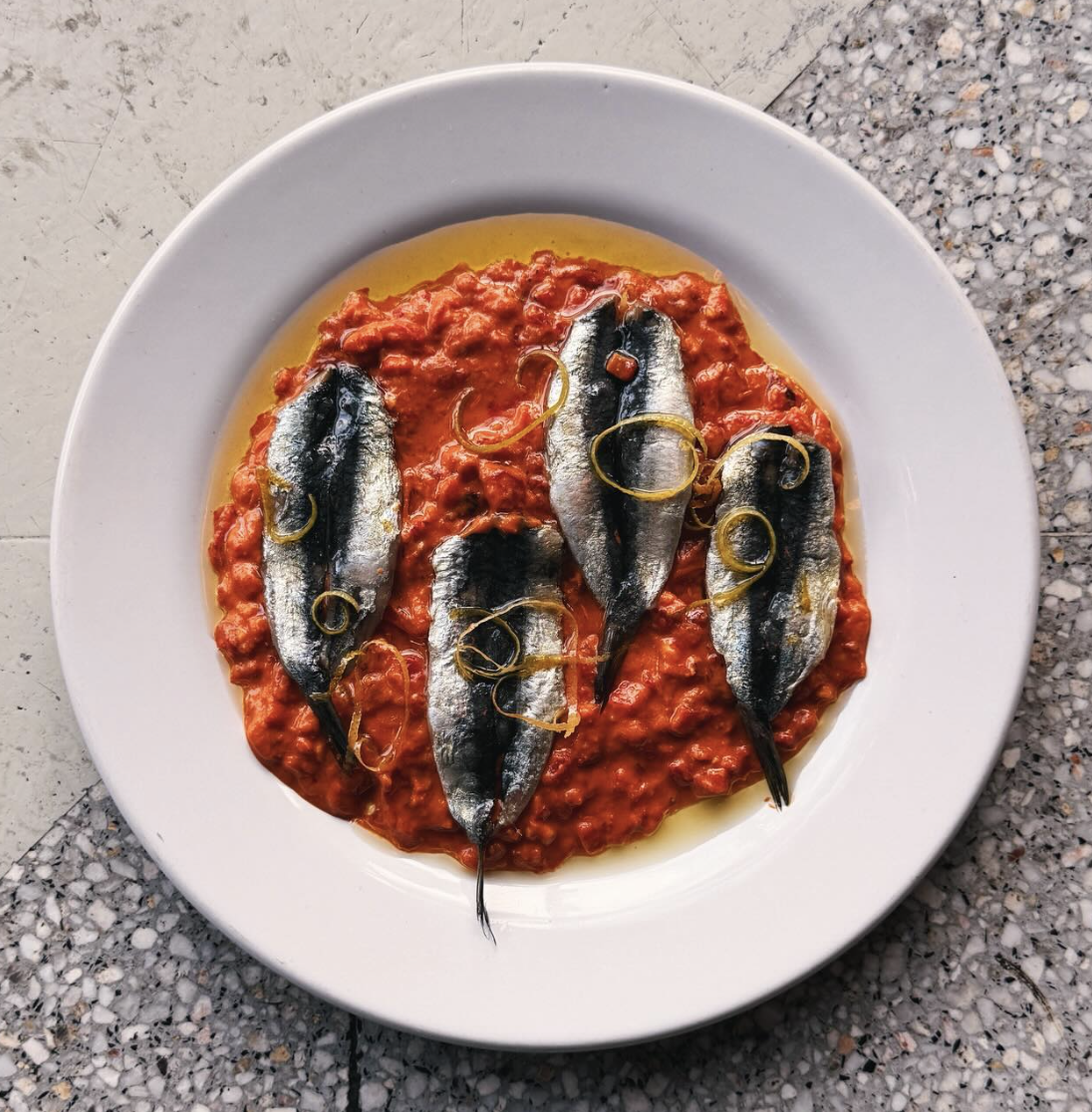
Chefs Lucho Martínez, Elena Reygadas, Gabriela Cámara, and Tyler Henry share their personal recommendations for navigating Mexico City's food scene during Zona Maco week. The article covers best breakfast spots, chilaquiles, bakeries, quick bites, tacos al pastor, and other tacos, with specific restaurant names and dishes highlighted by each chef.

Zen Crafart showcases Viveek Sharma’s solo exhibition Silence Please in New Delhi

Zen Crafart, an Indian art company, presents Viveek Sharma's solo exhibition 'Silence Please' at Bikaner House in New Delhi from November 20–30, 2025. The show features large-format paintings, intimate compositions, sculptural works, and limited edition art plates, exploring stillness and psychological interiors. Rashmin Majithia, Partner at Zen Crafart, and Chief Guest Jyoti Mayal, Chairperson of THSC, spoke at the opening. A second exhibition, 'Sacred Gestures,' is scheduled for December 2–8, 2025, at Jahangir Art Gallery in Mumbai, focusing on movement and expressive emotion.

The new chief curator of Uzbekistan’s Centre for Contemporary Art is bringing insights from London to the youth of Tashkent

Sara Raza has been appointed as the first artistic director and chief curator of Uzbekistan’s Centre for Contemporary Art Tashkent (CCA), a restored 1912 tram depot that is currently undergoing expansion by French architecture firm Studio KO. Raza, who was born in London and grew up in New York, is a former curator at the Guggenheim Museum in New York and has curated festivals in Uzbekistan and Azerbaijan. She took up the post in January and has already launched a programme of artist residencies in refurbished traditional Uzbek mahallas, while the CCA’s reopening has been delayed from 2025 to 2026.

Mattatuck Museum in Waterbury to host Mystic Dead show tied to gig poster exhibit

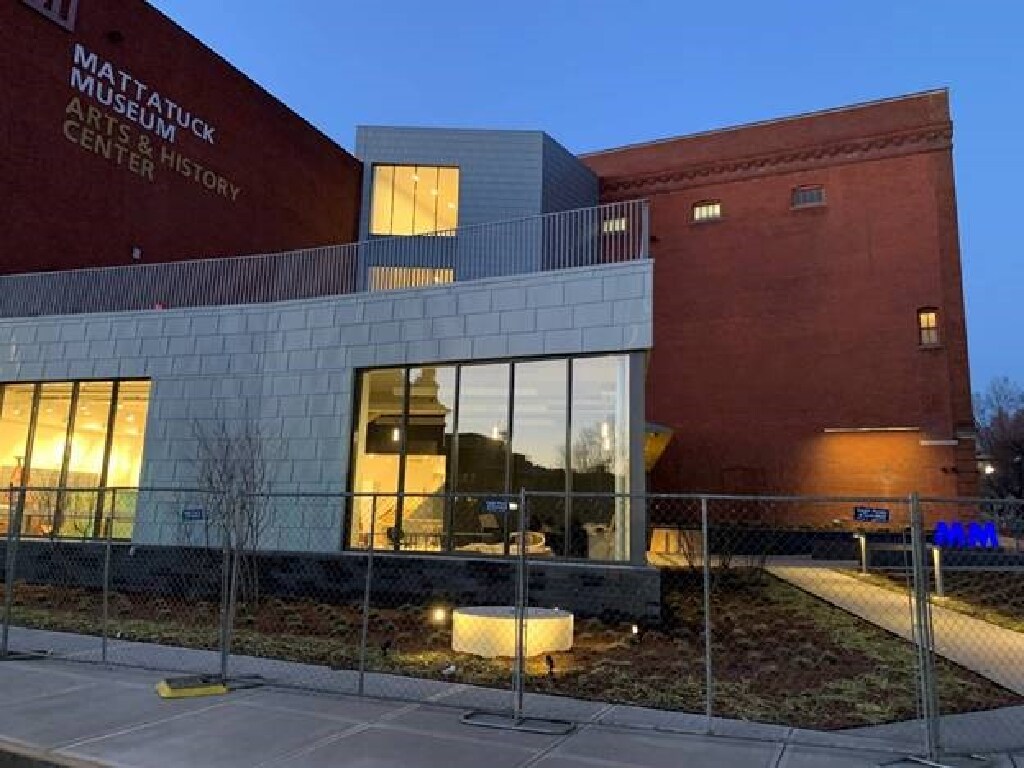
The Mattatuck Museum in Waterbury, Connecticut, will host a live performance by the Grateful Dead tribute band Mystic Dead on June 11, 2026, as a fundraiser for the museum's education and public programs. The event is tied to the upcoming exhibition "Psychedelic Splendor: The Concert Art of AJ Masthay & Helen Kennedy," which runs from June 13 to September 26 and features over 20 gig posters created for bands including Black Sabbath, Dave Matthews Band, and The Grateful Dead. The exhibit marks the first museum show for both Connecticut-based artists, who are known for their screen-printed concert posters.

Egypt Unveils a Hidden Tomb of 3,500-Year-Old Coffins at Luxor’s Abu el-Naga

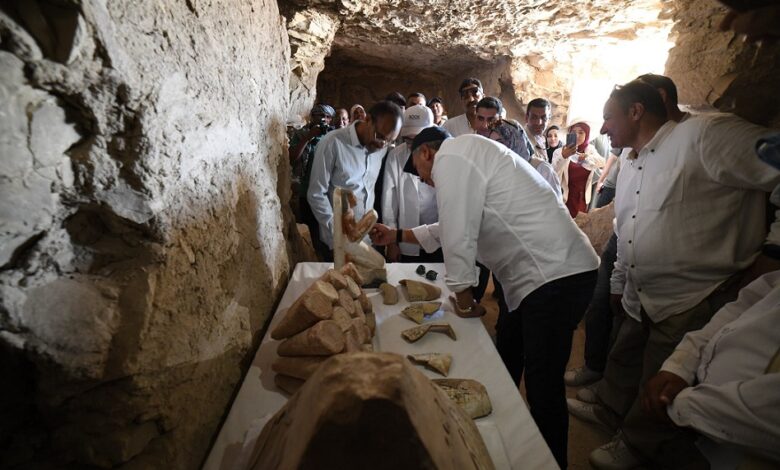
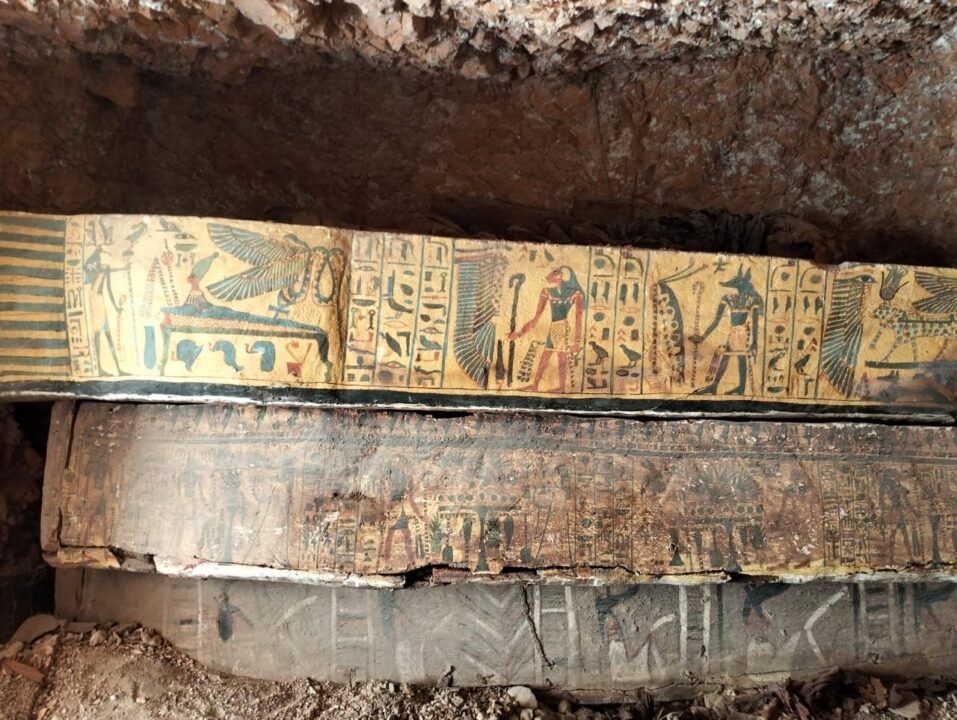
An Egyptian archaeological mission excavating at the Abu El-Naga necropolis near Luxor has uncovered a cache of ten well-preserved painted wooden coffins hidden in the courtyard shaft of the tomb of Baki. The coffins span multiple periods, including the 18th Dynasty, the Ramesside period, and the Late Period, with inscriptions naming individuals such as Merit, a chantress of the god Amun, and Padi-Amun, a priest in the Temple of Amun. The team also discovered the tomb of a purification priest named A-Shafi-Nakhtu, decorated with funerary scenes, and a burial site containing over 30 mummified cats from the Ptolemaic Period. The discoveries were announced by Egypt's Supreme Council of Antiquities, with the excavation season beginning in November 2025.

Archaeologists Discover 19th-Century Shipwreck in Copenhagen Harbor

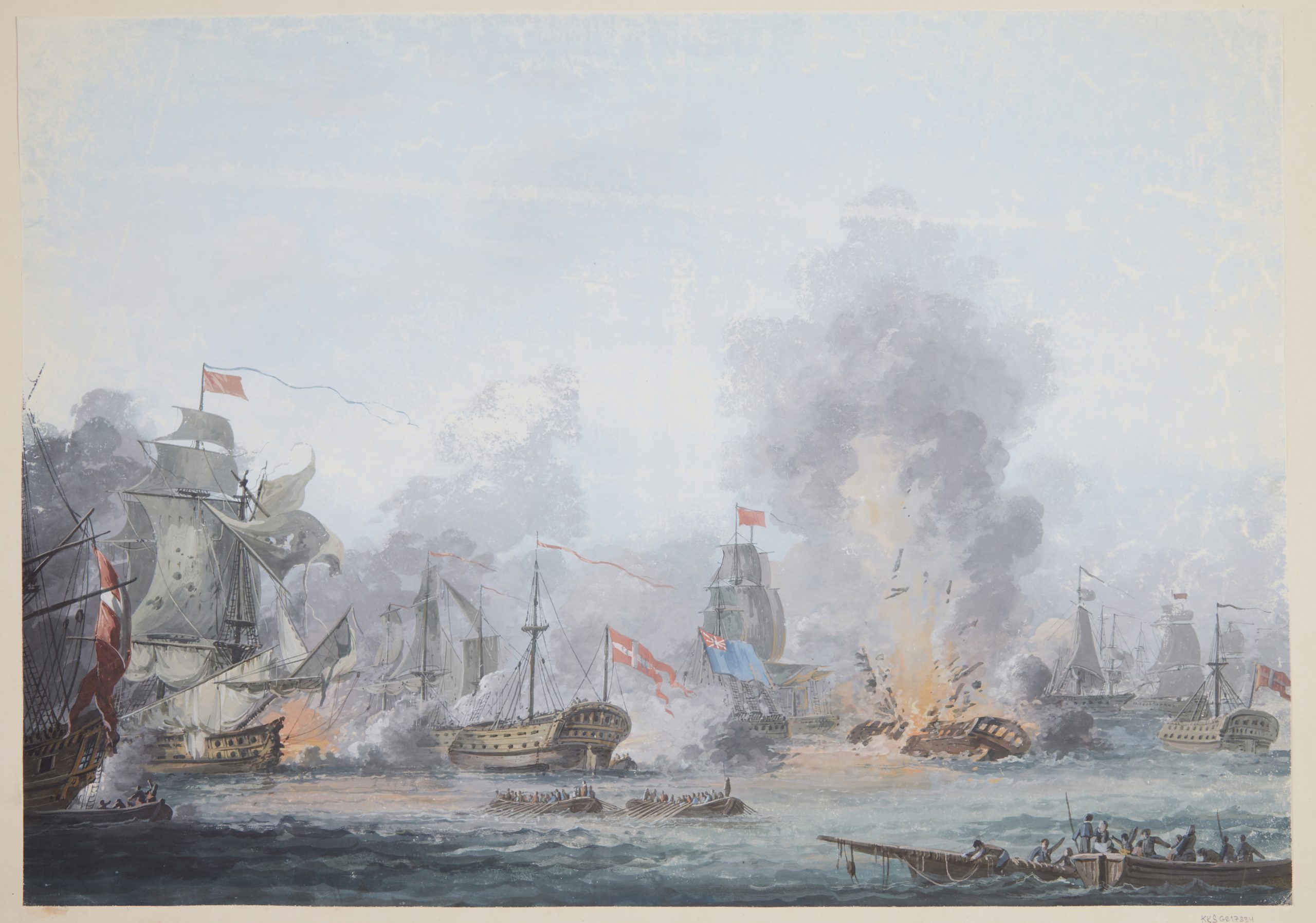
Marine archaeologists from Denmark's Viking Ship Museum have discovered the wreck of the 18th-century Danish warship Dannebroge in Copenhagen harbor. The ship was destroyed during the Battle of Copenhagen in 1801, when the British fleet under Admiral Horatio Nelson attacked to dismantle the League of Armed Neutrality. Divers have recovered cannons, uniform fragments, bottles, and sailors' remains from the site.

Egyptian Archeologists Find 3,000-Year-Old Coffins of Temple Chanters in Luxor

Archaeologists in Luxor have discovered 22 painted wooden coffins containing mummies, along with eight sealed papyrus scrolls, in a tomb within the Theban Necropolis. The coffins, dating to Egypt's Third Intermediate Period (1077–664 BCE), were found stacked in a rock-cut chamber, indicating they had been moved from their original burial sites.

Archaeologists Identify Lost Medieval Village in Polish Forest

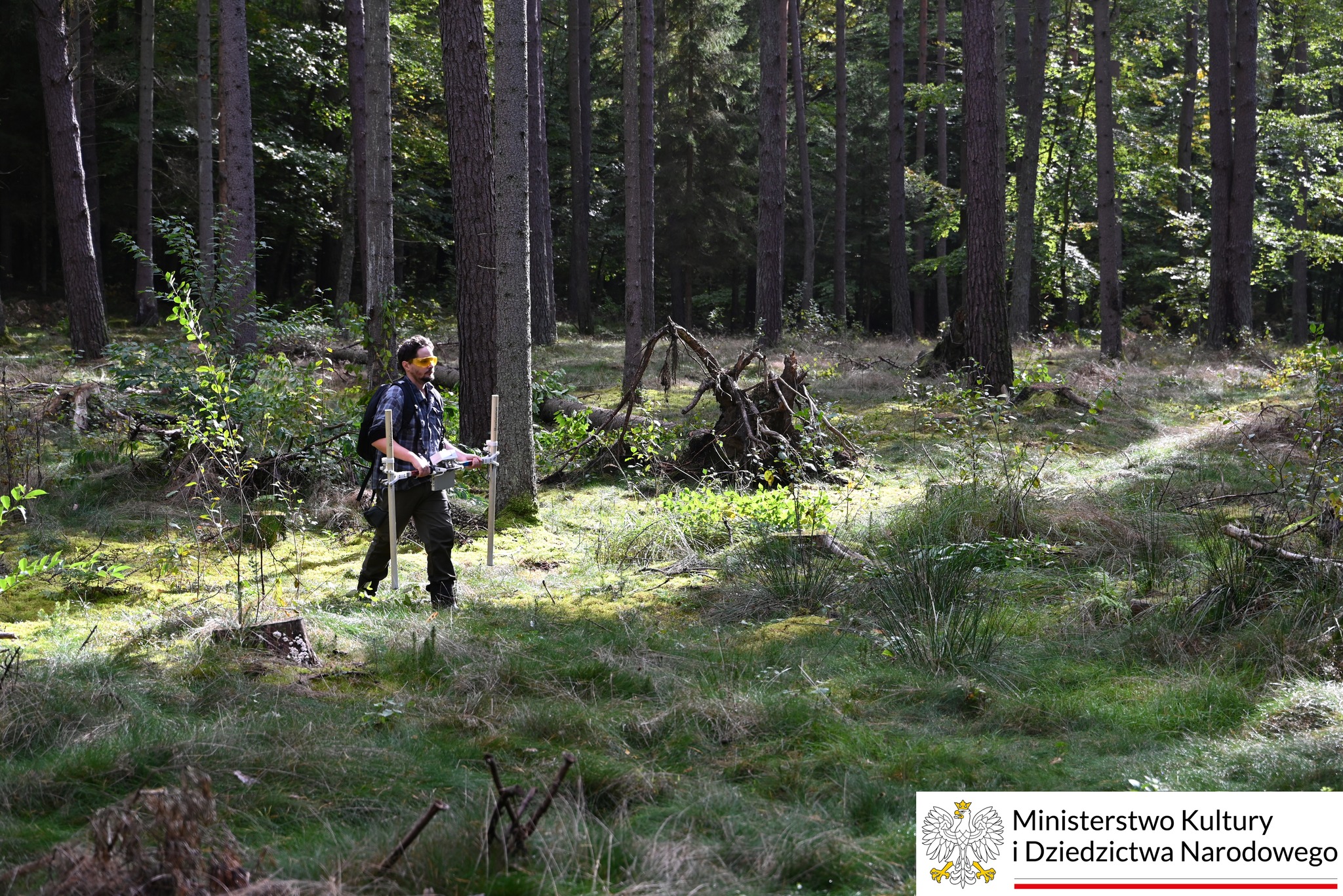
Archaeologists from Poland's Relicta Foundation have located the lost medieval village of Stolzenberg in a dense forest near Sławoborze in northwestern Pomerania. The 15-acre site, identified through a combination of historical research, metal detecting, and advanced geophysical surveys, has yielded 1,500 surface anomalies and 400 artifacts, including coins and belt buckles from the 13th-14th centuries, confirming its medieval origins. Radiocarbon dating places the height of its activity in the 14th century.

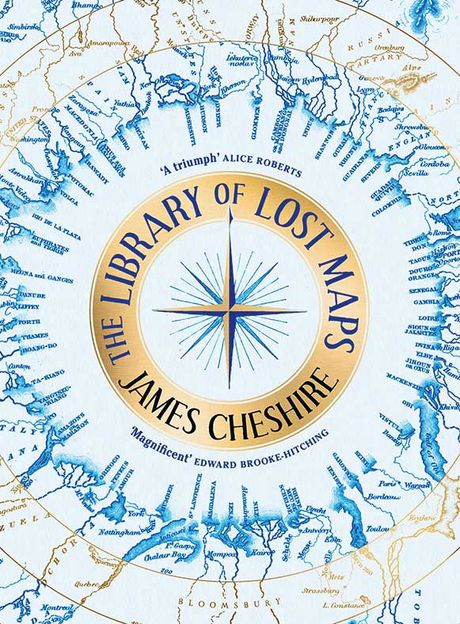
New book shows why physical maps have an important role to play in our digital world

Professor James Cheshire spent three years cataloging forgotten maps in a University College London storage room, resulting in the book 'The Library of Lost Maps.' The volume presents 96 historically significant maps, ranging from a pre-atomic bomb Hiroshima map to a Victorian geological survey of India, highlighting their physical fragility and hidden stories.

object museum oldest egyptian drilling tool found

A small copper-alloy object, excavated nearly a century ago from a predynastic cemetery at Badari in Upper Egypt, has been re-identified as the world's oldest known Egyptian bow drill. Dating to the late 4th millennium BCE, the tool pushes back the earliest evidence for this technology in Egypt by about 2,000 years, revealing that Egyptian craftspeople mastered efficient rotary drilling much earlier than previously thought.

archeologists uncover frescoes villa di poppea

Archeologists have uncovered frescoes in the Hall of the Mask and the Peacock at the Villa di Poppaea in Oplontis, near Naples, as part of an ongoing excavation and renovation project led by the Archaeological Park of Pompeii. The newly revealed Second Style frescoes feature vibrant peacocks and masks, including a complete peahen and a stage mask from Atellan Comedy, and have clarified the hall's true dimensions and decorative richness. The team also identified the locations of garden trees using a casting technique and discovered four new rooms, bringing the villa's total to 103 rooms.

easter island 3d map carved statues

Researchers from Binghamton University, at the request of an indigenous community group on Easter Island, have created a high-resolution 3D model of the Rono Raraku quarry, where 95 percent of the island's moai statues were carved. Using drone flights and over 11,000 overlapping photographs stitched together via photogrammetry, the model documents the quarry in unprecedented detail, including 133 quarried voids, 400-plus unfinished moai, and evidence of 30 distinct clan-based carving areas. The model is freely available online and was motivated by a 2022 wildfire that threatened the site.

22 stone blocks alexandria ancient lighthouse seafloor

A team from the French National Center for Scientific Research has lifted 22 massive stone blocks from the Lighthouse of Alexandria from the seafloor, 30 years after the remains were first discovered in Egypt. The blocks include monumental door lintels, jambs weighing 70 to 80 tons, a threshold, large base slabs, and parts of a previously unknown pylon with an Egyptian-style door from the Hellenistic period. Each block will be scanned and studied to add to a digital collection of over 100 blocks already digitized, aiming to construct a virtual model of the lighthouse. The excavation was supervised by archaeologist Isabelle Hairy and conducted under the Egyptian Ministry of Tourism and Antiquities, with support from La Fondation Dassault Systèmes and French documentary company GEDEON Programmes, which filmed the work for a 90-minute documentary.