filter_list Showing 234 results for "Egypt" close Clear
search
dashboard All 234 museum exhibitions 78article news 72trending_up market 18gavel restitution 17article culture 15article policy 11article local 9person people 7rate_review review 4candle obituary 3
date_range Range Today This Week This Month All
Subscribe

with new bill israel moves to expand control over ancient west bank sites

The Israeli Knesset's Ministerial Committee on Legislation approved a first reading of a bill that would grant Israel's Heritage Minister sweeping authority over antiquities in the West Bank. The legislation allows for the appointment of a governing council, the designation of antiquity sites, and the expropriation of land and artifacts across the occupied territory, including areas currently under Palestinian civil control.

object museum oldest egyptian drilling tool found

A small copper-alloy object, excavated nearly a century ago from a predynastic cemetery at Badari in Upper Egypt, has been re-identified as the world's oldest known Egyptian bow drill. Dating to the late 4th millennium BCE, the tool pushes back the earliest evidence for this technology in Egypt by about 2,000 years, revealing that Egyptian craftspeople mastered efficient rotary drilling much earlier than previously thought.

digitally rebuilding lighthouse of alexandria as 3d model

A team of historians, architects, and programmers is digitally reconstructing the Lighthouse of Alexandria, one of the Seven Wonders of the Ancient World. The Pharos Project, led by archaeologist Isabelle Hairy, is scanning thousands of submerged granite blocks and artifacts from the seabed to create a comprehensive 3D model of the structure, which was destroyed by an earthquake in 1303.

egypt alexandria artifacts lifted sea

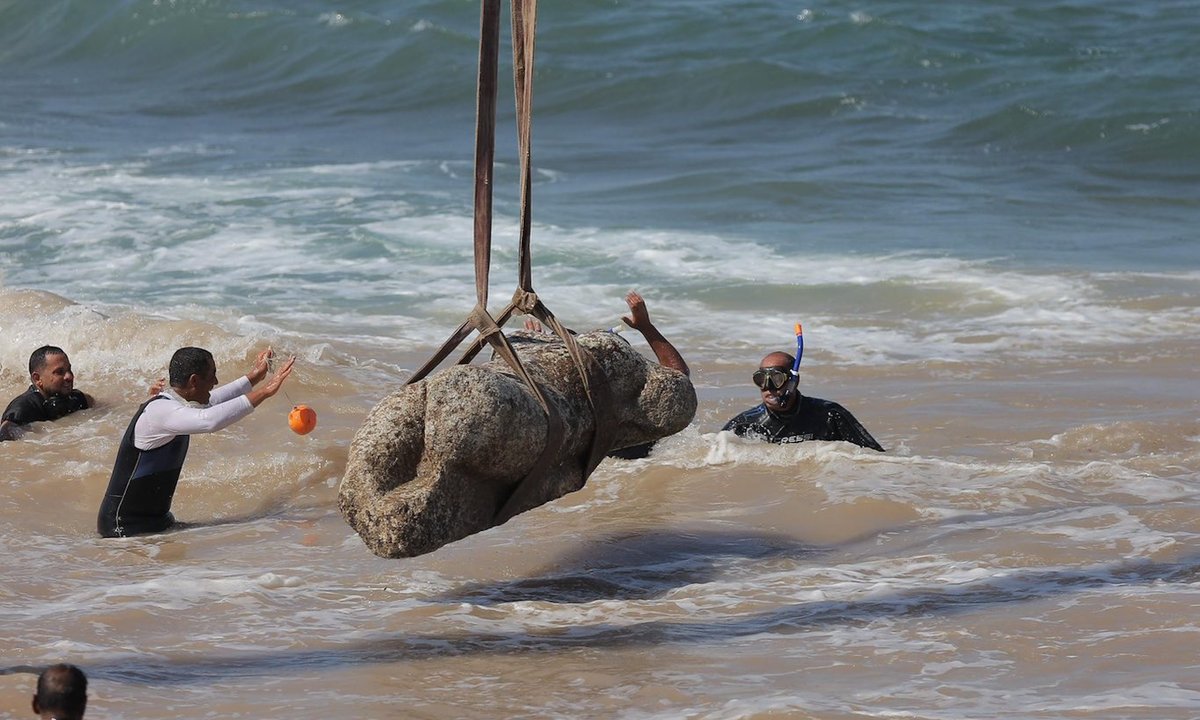
Egypt's Ministry of Tourism and Antiquities recovered underwater ruins from a sunken city off the coast of Alexandria on August 21. Divers and cranes retrieved ancient statues, including royal figures and sphinxes from the pre-Roman era, such as a partially preserved sphinx with the cartouche of Ramses II. The site in Abu Qir bay also revealed limestone buildings, residential and commercial structures, a 125-meter dock over 2,000 years old, a merchant ship, stone anchors, and a harbor crane from the Ptolemaic and Roman eras. Tourism and Antiquities Minister Sherif Fathy noted that only specific material meeting strict criteria is brought up, with the rest remaining underwater heritage.

22 stone blocks alexandria ancient lighthouse seafloor

A team from the French National Center for Scientific Research has lifted 22 massive stone blocks from the Lighthouse of Alexandria from the seafloor, 30 years after the remains were first discovered in Egypt. The blocks include monumental door lintels, jambs weighing 70 to 80 tons, a threshold, large base slabs, and parts of a previously unknown pylon with an Egyptian-style door from the Hellenistic period. Each block will be scanned and studied to add to a digital collection of over 100 blocks already digitized, aiming to construct a virtual model of the lighthouse. The excavation was supervised by archaeologist Isabelle Hairy and conducted under the Egyptian Ministry of Tourism and Antiquities, with support from La Fondation Dassault Systèmes and French documentary company GEDEON Programmes, which filmed the work for a 90-minute documentary.

egyptian blue pigment recreated

A team led by Washington State University has successfully recreated Egyptian Blue, the oldest manufactured pigment in history, which was first synthesized in ancient Egypt and used in funerary rituals and Roman art. The production process was lost during the Renaissance. Working with the Smithsonian’s Museum Conservation Institute and the Carnegie Museum of Natural History, the researchers developed 12 recipes using silicon dioxide, copper, calcium, and sodium carbonate, heating them at around 1,000 degrees Celsius for up to 11 hours to mimic ancient methods. They discovered that only half the expected amount of blue-producing compounds was needed to achieve the exact chemical match.

hidden messages paris luxor obelisk

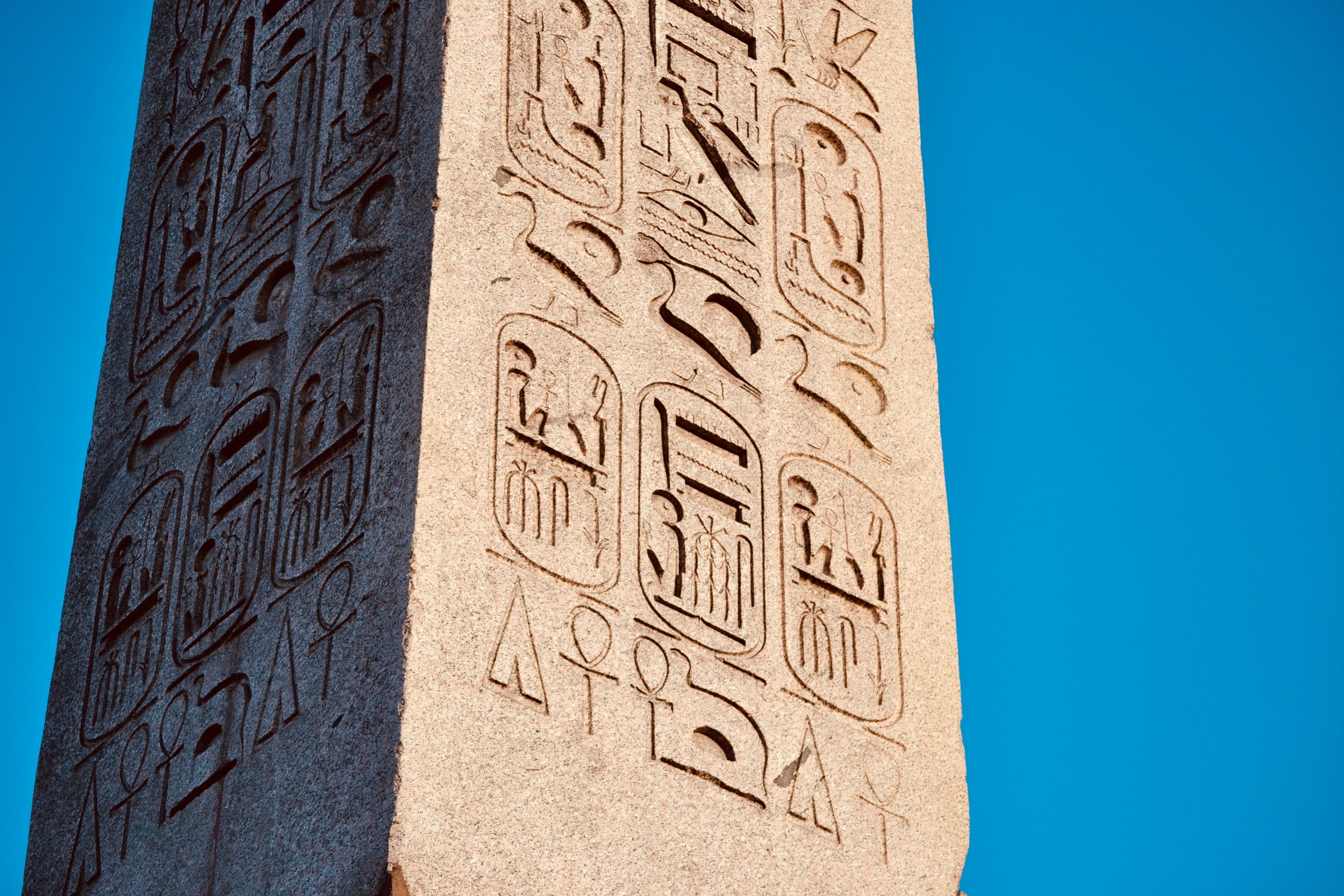
Egyptologist Jean-Guillaume Olette-Pelletier, a lecturer at Sorbonne University, discovered hidden cryptographic messages on the Luxor Obelisk in Paris's Place de la Concorde. During the pandemic, he noticed unusual hieroglyphs while walking past the 3,000-year-old monument. After scaffolding was erected for renovations ahead of the 2024 Olympics, he obtained permission to study the obelisk up close, becoming the first person in over a century to climb it. He identified seven crypto-hieroglyphs—encoded messages using puzzles and wordplay—that only a few experts can read. These inscriptions, set to be published in the journal ENiM, reveal that Pharaoh Ramses II used the obelisk as a propaganda tool to assert his divine right to rule, targeting the intellectual elite who approached the Luxor Temple by boat.

Auctions of the week: ancient art, design and antiques

A busy week of auctions is scheduled for May 21-27, 2026, spanning Milan, New York, and other global hubs. Italian auction houses including FarsettiArte, Wannenes, Gonnelli, Finarte, Capitolium AuctionHouse, Pananti, Aste Bolaffi, Il Ponte, Maison Bibelot, Babuino Fine Art Auctions, and Pandolfini will offer paintings, drawings, sculptures, antiques, design, jewelry, and vintage fashion. International houses Christie’s, Sotheby’s, Bonhams - Cornette de Saint-Cyr, and Dorotheum also hold sales in New York, Zurich, Paris, and Vienna, covering post-war and contemporary art, handbags, fine wine, and antiques.

Upcoming Exhibitions

Bellarmine Hall Galleries at Fairfield University Art Museum will host an exhibition from September 18 to December 12, 2026, exploring 'Egyptomania'—the 19th-century European fascination with ancient Egyptian art and culture. The show features paintings, prints, photographs, and decorative art from the early 19th century to the present, including works like Charles-Théodore Frère's *Along the Nile* (ca. 1870). Curated by Megan Paqua, the exhibition examines how Egyptian symbols and motifs were adopted, exoticized, and commercialized, often erasing the ancient Egyptian people themselves. It aims to contrast simplified or stereotypical narratives with current archaeological understanding.

Should UK museums display mummies? One institution is asking its visitors for their view

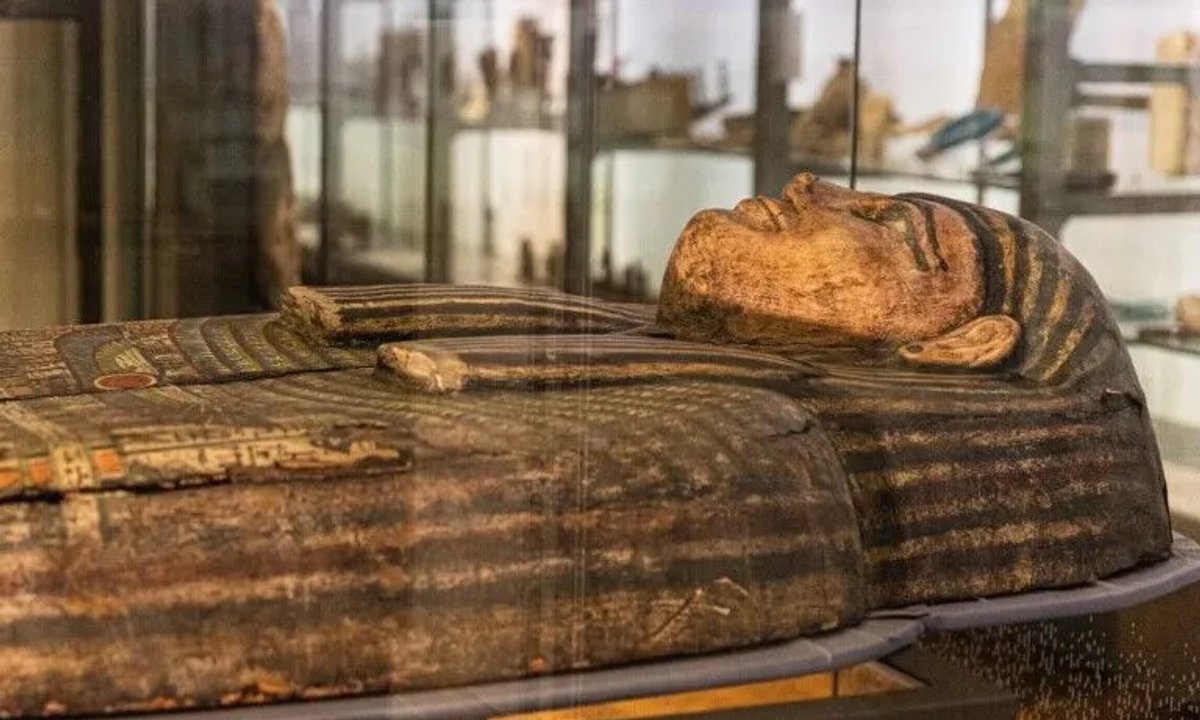
Manchester Museum in the UK is asking visitors whether the mummified remains of Asru, an Egyptian woman who lived around 2,700 years ago, should remain on display. The public consultation, running until the end of August, invites comments online or in a box next to her case. The museum notes that Asru's body was acquired in the early 1800s by the sons of a man who profited from slavery, shipped to Manchester, and unwrapped in 1825.

What’s Your Star Sign? The Ancients Could Offer You Some Insight.

The article explores the ancient origins of astrology, tracing its foundational concepts to Babylonian, Egyptian, and classical civilizations. It details how these early cultures developed complex systems of celestial observation and interpretation that predate modern horoscope apps and the contemporary astrology industry.

Future cultural professionals in Africa will be trained by six Italian museums

I futuri professionisti della cultura in Africa saranno formati da sei musei italiani

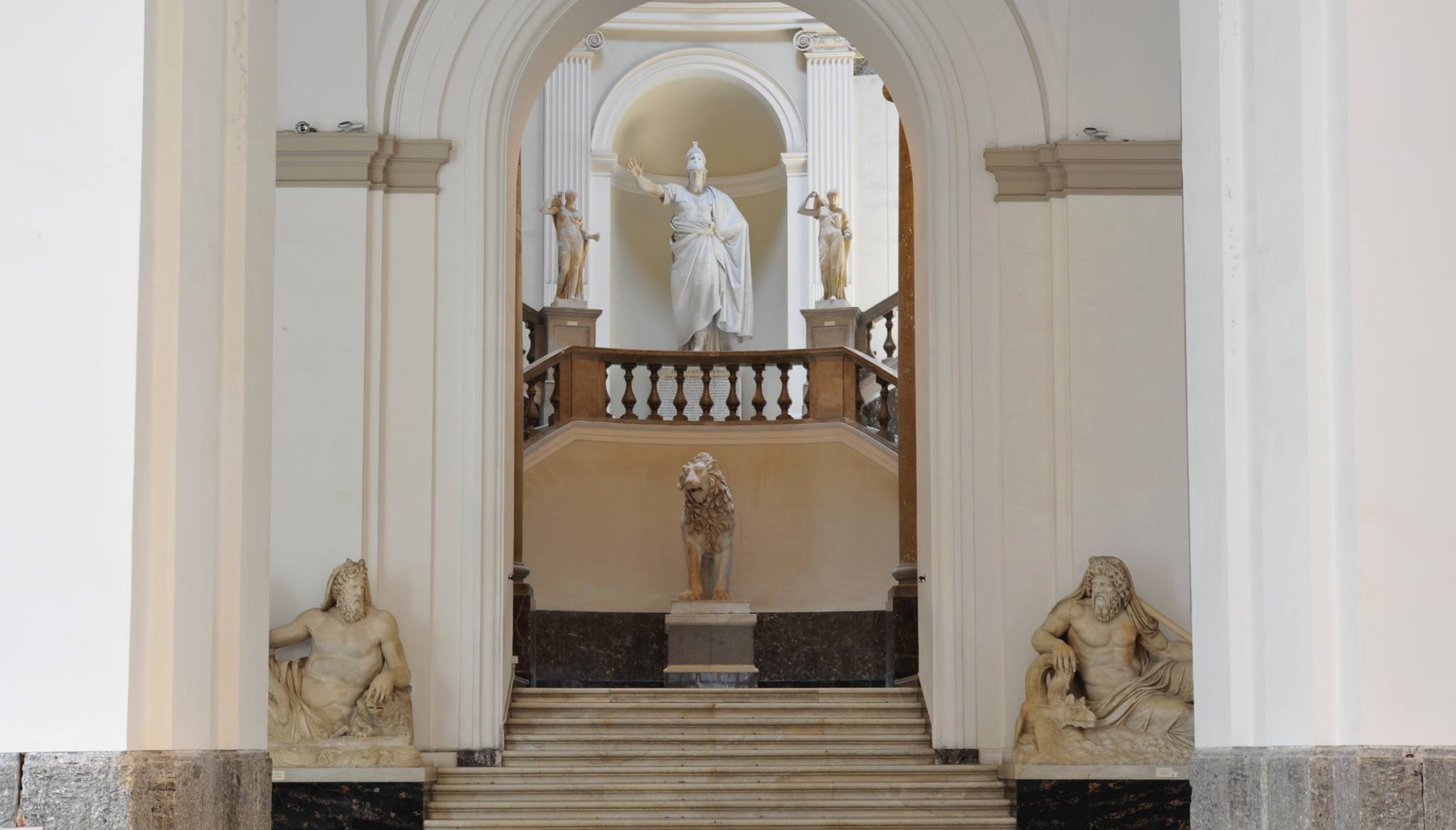
The fourth edition of the International School of Cultural Heritage (Scuola Internazionale del Patrimonio Culturale) is underway, with 23 cultural professionals from 12 African nations participating in a hands-on training program hosted by six Italian museums. After online modules and a week of lectures in Rome, the residential phase runs from April 27 to May 22, 2025, placing participants at the Museo delle Civiltà (MUCIV), the Archaeological Parks of Praeneste and Gabii, the National Archaeological Museum of Taranto (MArTA), the National Archaeological Museum of Naples (MANN), the National Archaeological Museum of Reggio Calabria (MArRC), and the National Archaeological Museum of Agro Falisco and Forte Sangallo in Civita Castellana. The program, titled "Managing Art Collections: from ancient to contemporary," focuses on collection management, conservation, and public programming, linking archaeological heritage with contemporary practices.

New rules on importing cultural artefacts create headaches at Tefaf Maastricht

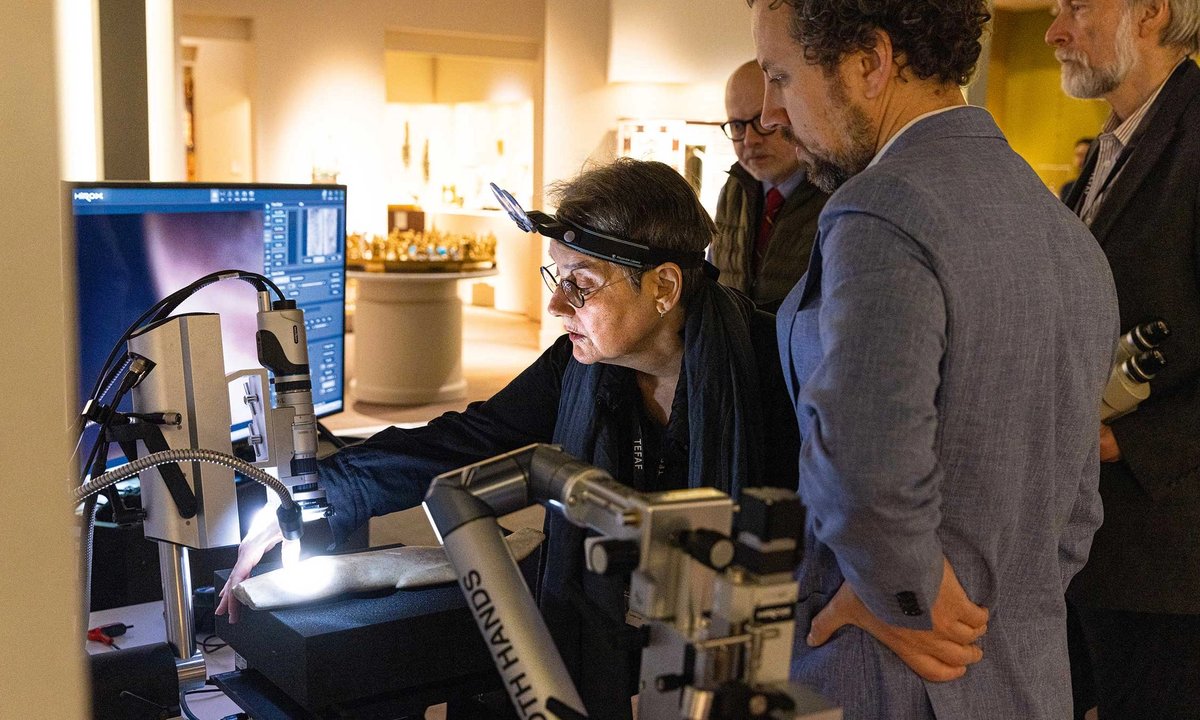
The implementation of new EU regulations on the import of cultural goods over 250 years old is causing significant disruption at TEFAF Maastricht. Dealers and collectors are facing administrative hurdles, including difficulties obtaining mandatory EORI numbers and inconsistent enforcement by customs officials. These rules, which require extensive documentation for items originating outside the EU, have led to seized shipments and a general crisis of confidence among international exhibitors.

In pictures: jewellery through history and cultures on show in Hong Kong

The Metropolitan Museum of Art's Costume Institute has sent approximately 200 pieces from its jewellery collection to Hong Kong for a major exhibition titled 'Jewels, Gems, and Treasures: Adornment in World Cultures'. The show, hosted at the Hong Kong Palace Museum, spans 5,000 years and includes items from ancient Egypt, Imperial China, Renaissance Europe, and modern designers, highlighting the universal human impulse for adornment.

Tutankhamun set to debut at delayed Grand Egyptian Museum opening

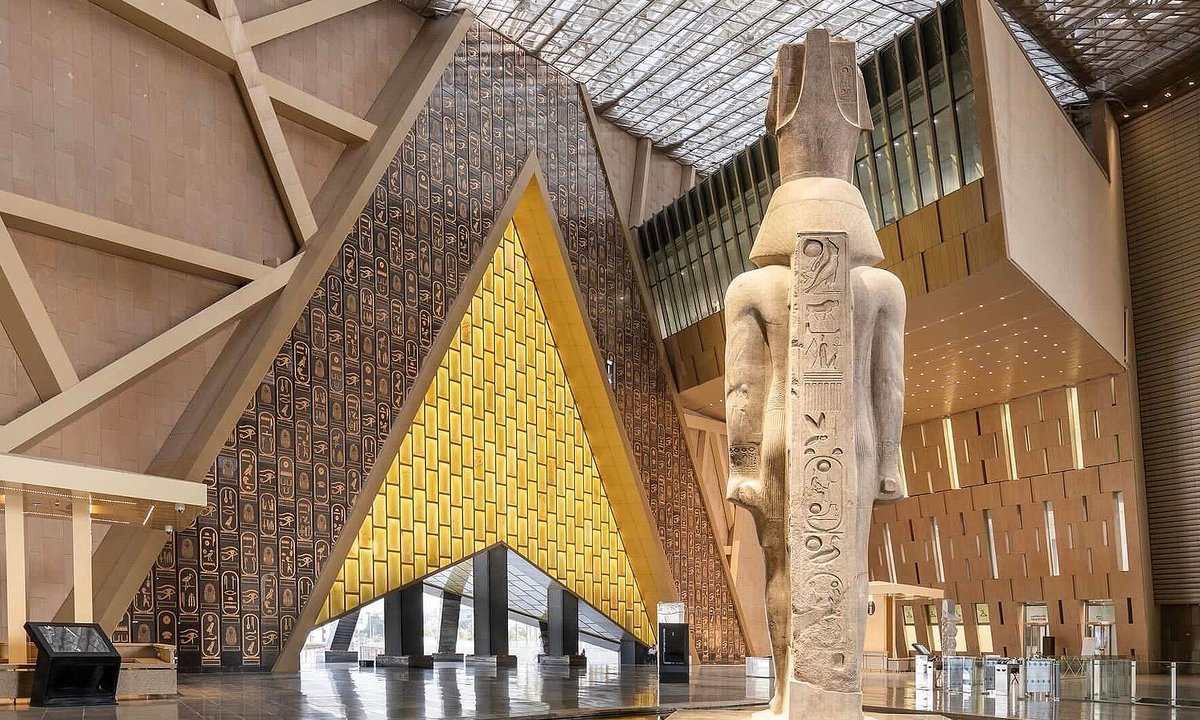
The Grand Egyptian Museum (GEM) will hold its official opening ceremony on November 1, more than 30 years after its initial proposal. The centerpiece of the inauguration is the Tutankhamun Gallery, featuring the famous gold funerary mask under bulletproof glass and a full-scale reproduction of the king's tomb. Designed by German studio Atelier Brückner, the gallery offers two narrative paths: one tracing Tutankhamun's life and reign, the other following Howard Carter's 1922 discovery. The museum, located near the Giza pyramids, has already been partially open to visitors, with conservation labs operating since 2010 and contemporary programming running for two years.

Fit for a king: the drapery bedchamber at Germany's ‘Versailles of Swabia’ presents conservators with a special challenge

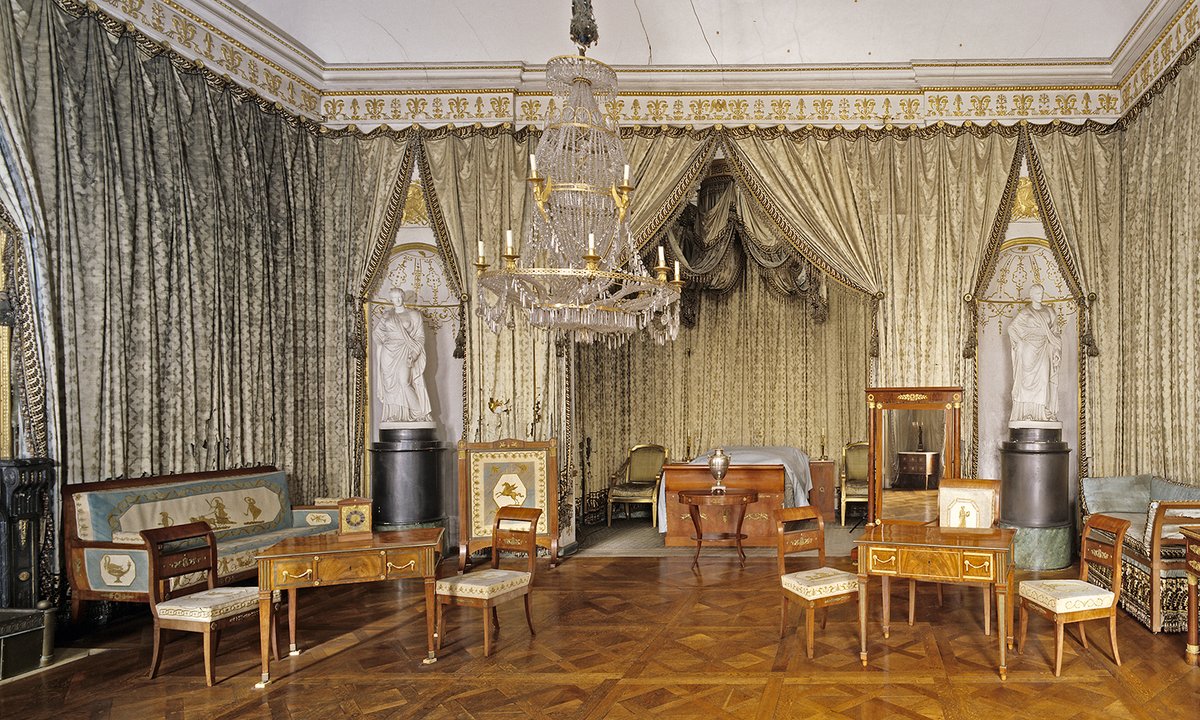
Friedrich I of Baden-Württemberg upgraded his summer residence, Ludwigsburg Palace in Germany, after allying with Napoleon and becoming king. Four prized rooms, including the unusually complete drapery bedchamber, are set to reopen in 2026 after substantial restoration. The bedchamber features original turquoise silks, now faded blue-green, and over 6,000 tassels, presenting a major conservation challenge. Textile conservator Anu-Susanna Ventelä notes it is likely the only palace in Europe with such an intact drapery room. The project is part of a larger revamp of 35 rooms funded by the State of Baden-Württemberg, with conservators consulting historical inventories to restore furnishings to their original layout.

Grand Egyptian Museum opening delayed again due to 'current regional developments'

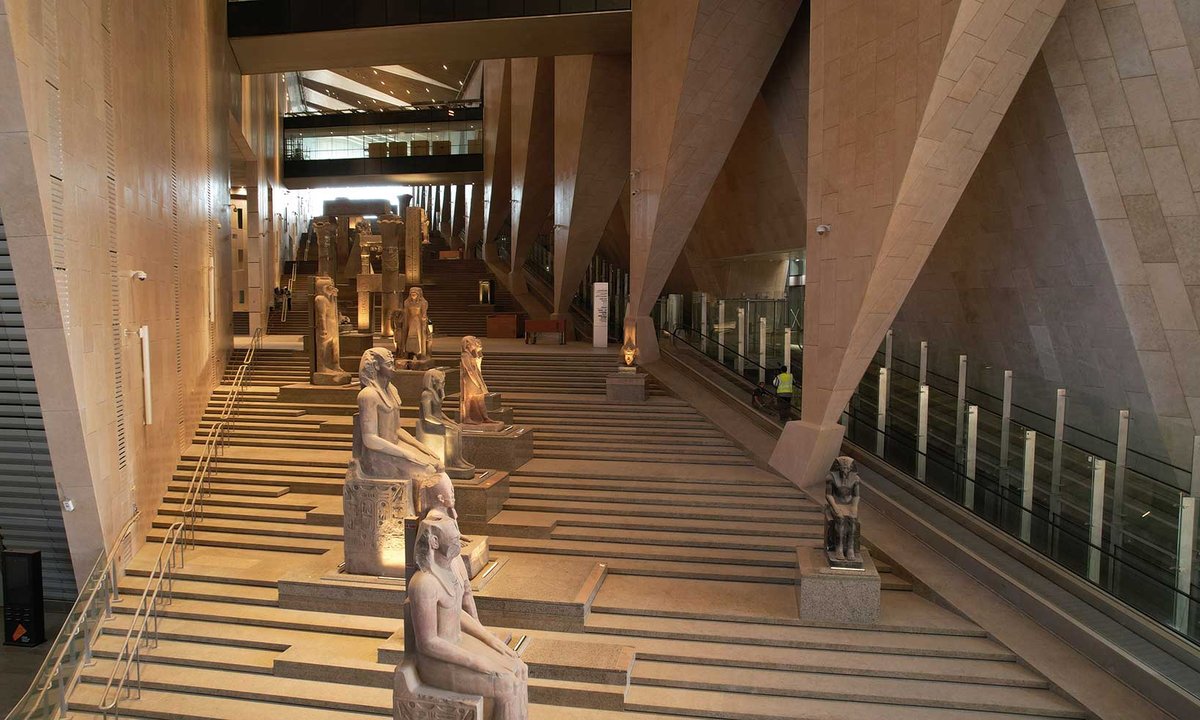
The official opening of the Grand Egyptian Museum (GEM), originally scheduled for July 3, has been postponed again due to the outbreak of war between Israel and Iran. Egyptian Prime Minister Mostafa Madbouly announced the delay on Saturday, with the tourism and antiquities ministry citing "current regional developments" and stating the full launch will now occur in the last quarter of this year. The museum is already partially open, including its conservation studios (operating since 2010), contemporary program (since 2023), and most Egyptian galleries with the grand staircase, but the Tutankhamen galleries are being held back for the formal opening.

More than 160 Tutankhamun treasures have arrived at the Grand Egyptian Museum

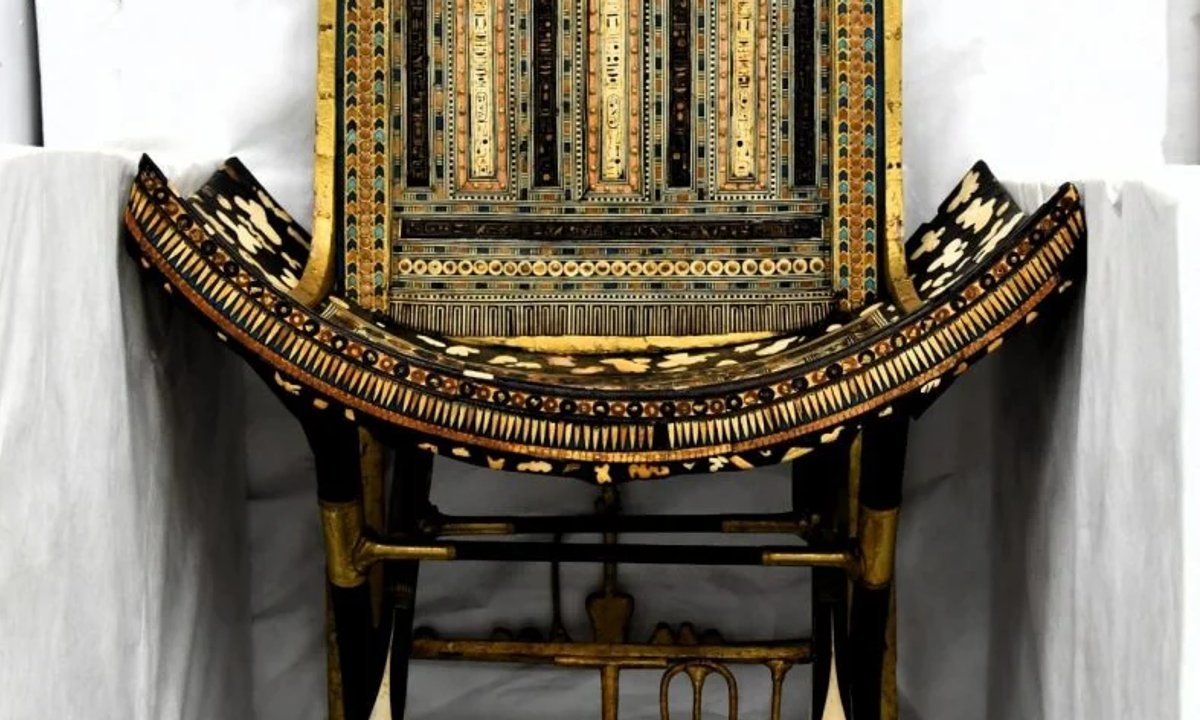
More than 160 treasures from the tomb of King Tutankhamun have been transferred from the Egyptian Museum in Cairo to the Grand Egyptian Museum in Giza, ahead of its long-awaited opening on 3 July. The items include a ceremonial chair inlaid with ivory and gold and an accompanying footstool decorated with gilded motifs. The Egyptian Ministry of Tourism and Antiquities states the move is part of a plan to display the entire Tutankhamun collection together for the first time. The famous golden mask and golden coffins remain at the Cairo museum for now and will be the last items moved.

Step Inside Mariem Akmal's 'Visual Diaries' Exhibit at Samak Laban

Cairo-based artist Mariem Akmal opened her second solo exhibition, 'Visual Diaries', at Samak Laban Creative Studio in Downtown Cairo. The show features 16 works in oil, acrylics, pastels, spray paint, and glass, capturing emotional snapshots from the past four years of her life, including her graduation from the Faculty of Fine Arts in Zamalek. The exhibition runs until May 25th, 2026.

Never Spoken Again Exhibition at the Weisman Challenges Museum Norms

The Weisman Art Museum is hosting "Never Spoken Again: Rogue Stories of Science and Collections," a traveling exhibition produced by Independent Curators International (ICI). Curated by David Ayala-Alfonso, the show features works by over a dozen artists that challenge traditional museum practices, such as the use of pre-Hispanic ceramics as speaker stands to give them a literal voice. The exhibition uses diverse media—from cinefoil sculptures to tapestries from Las Vegas casinos—to critique how institutions collect, classify, and display artifacts.

Local artists and residents showcase artwork at pop-up exhibition

Rashwood Care Home in Droitwich recently transformed its communal spaces into a pop-up art gallery, featuring a diverse collection of works by local artists and residents. The exhibition included needle-felted topiary, Egyptian-themed art, and handcrafted floral pieces created by the nursing staff. The event was inspired by social engagement co-ordinator Ann Shilton, who used the platform to honor her late mother’s previously unseen artwork.

Excerpt from the Iliad in a mummy's abdomen and gold tongues: rare discoveries made in Egypt

Extrait de l’Iliade dans l’abdomen d’une momie et langues en or : de rares découvertes effectuées en Égypte

Archaeologists working at the necropolis of Oxyrhynchus in Egypt have made a series of rare discoveries, the most significant being a fragment of papyrus from Homer's Iliad found inside the abdominal cavity of a Roman-era mummy. This marks the first time a Greek literary text has been found incorporated into the ancient Egyptian embalming process, suggesting a unique hybridization of funerary practices.

Ancient artefacts from sunken city lifted out of Mediterranean near Alexandria

Ancient artefacts from the sunken city of Canopus, submerged off the coast of Alexandria, have been recovered for the first time in 25 years. During a three-day underwater heritage event (19-21 August), archaeologists lifted limestone structures, a quartz sphinx bearing cartouches of Ramses II, and a white marble statue of a Roman nobleman from the Mediterranean. The operation was led by the European Institute for Underwater Archaeology (IEASM) in cooperation with the Egyptian Ministry of Tourism and Antiquities, with French underwater archaeologist Franck Goddio playing a key role. The finds are now on display in the exhibition 'Secrets of the Sunken City' at the Alexandria National Museum.

Discovery of ancient Coptic city ‘enhances our understanding of early Christianity in Egypt’

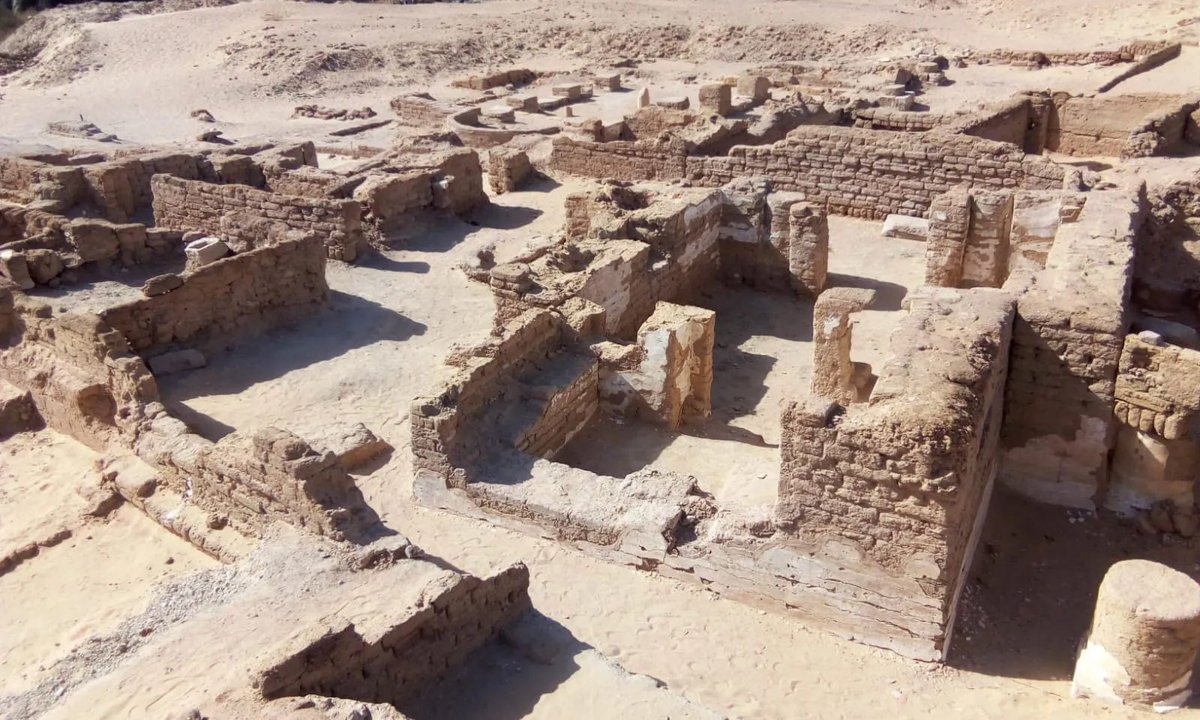
Egypt's Ministry of Tourism and Antiquities announced on 24 July the discovery of an ancient Coptic city at the Ain Al-Kharab archaeological site in the Kharga Oasis, Western Desert. Dating from the third to seventh centuries, the site includes mudbrick residences, tombs, two churches (one basilica-style), and a mural of Jesus Christ healing the sick. The excavation was led by the Supreme Council of Antiquities (SCA).