filter_list Showing 613 results for "Politics" close Clear
search
dashboard All 613 museum exhibitions 264article news 135article culture 71article policy 35rate_review review 27person people 25trending_up market 22candle obituary 16article local 13gavel restitution 4article satire 1
date_range Range Today This Week This Month All
Subscribe

zohran mamdani quran nypl

A late 18th- or early 19th-century Quran from Ottoman Syria, held by the New York Public Library's Schomburg Center for Research in Black Culture, was used to swear in Zohran Mamdani as New York City's first mayor to take the oath on the Muslim holy book. The ceremony took place just after midnight on New Year's Day 2026 at the decommissioned City Hall station, administered by New York Attorney General Letitia James. The Quran is now on display at the library's main branch in an exhibition titled "The People's Quran: Making History at City Hall."

pantone 2026 color of the year tone deaf whiteness

Pantone has named "Cloud Dancer," a shade of white, as its 2026 Color of the Year, describing it as a symbol of serenity and calm in a frenetic society. The announcement has sparked criticism for being tone-deaf amid ongoing political debates about whiteness, white supremacy, and conservative turns in the US and Europe, with wars and censorship fears also looming. Critics, including fashion correspondent Vanessa Friedman, have noted the choice's less salubrious associations, while Pantone executives insist skin tones did not factor into the decision.

artist epstein clinton painting

Australian-born artist Petrina Ryan-Kleid's 2012 student painting *Parsing Bill*, depicting Bill Clinton in a blue dress, went viral after the Daily Mail revealed it had been owned and prominently displayed by convicted pedophile Jeffrey Epstein. The work, created as a satirical thesis piece at the New York Academy of Art, was intended to critique how opposition parties caricature presidents, referencing Monica Lewinsky's blue dress. Ryan-Kleid, who sold the painting for about $1,300 at the 2012 Tribeca Ball fundraiser, has since distanced herself from the political narrative, expressing discomfort and clarifying the piece's original intent.

msn warsaw director joanna mytkowska interview

Joanna Mytkowska, director of the Museum of Modern Art in Warsaw (MSN Warsaw) since 2007, discusses the museum's first year in its new building designed by American architect Thomas Phifer. Located in Warsaw's Central Square near the Palace of Culture and Science, the white modernist structure opened last fall with performances and the collection exhibition "The Impermanent." Mytkowska reflects on the museum's controversial reception among local audiences, its role in Poland's political debates—including being mentioned during the recent presidential election campaign—and the institution's long-standing ambivalence toward artistic canons rooted in its close ties to Warsaw's progressive artistic community.

art nicole eisenman paintings interview

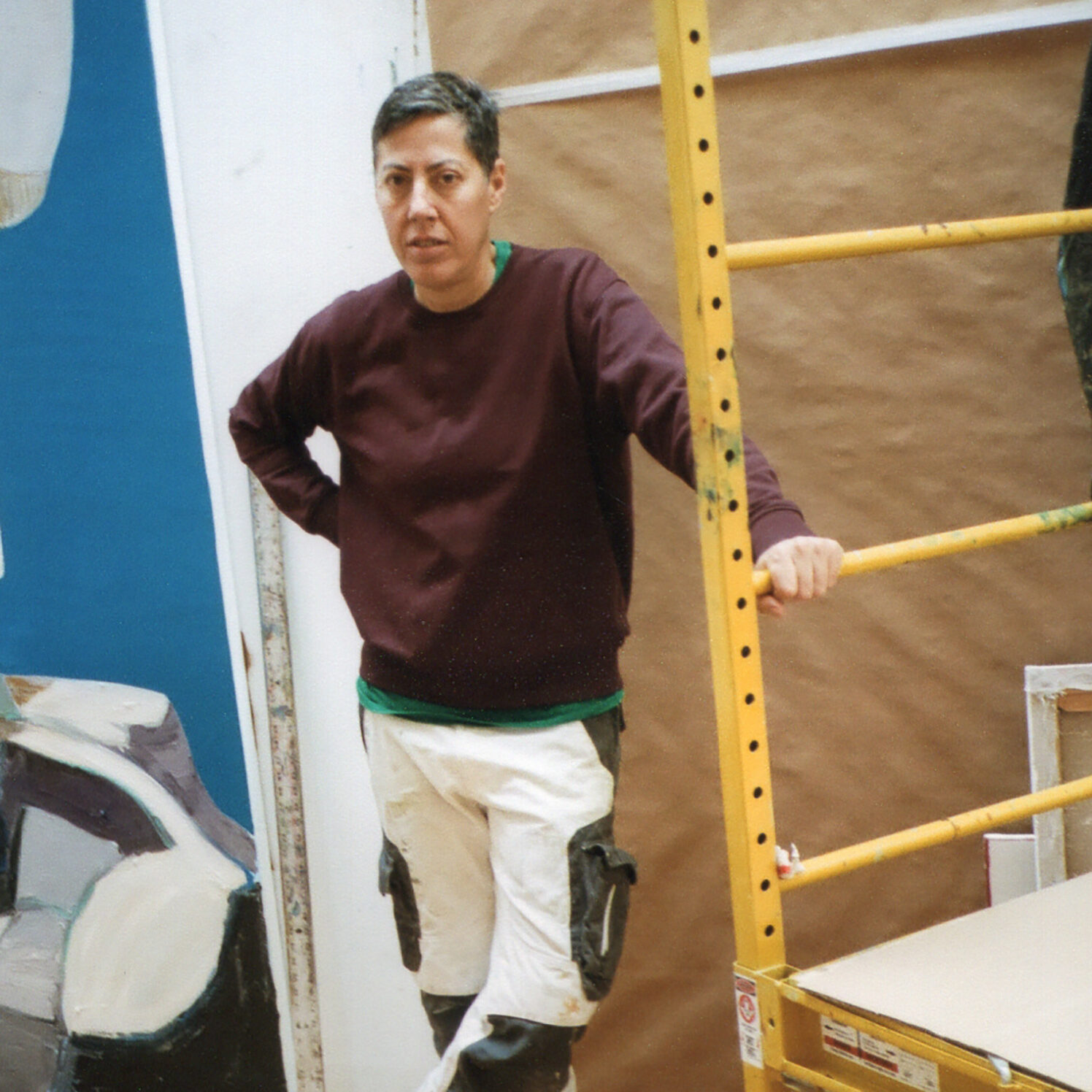
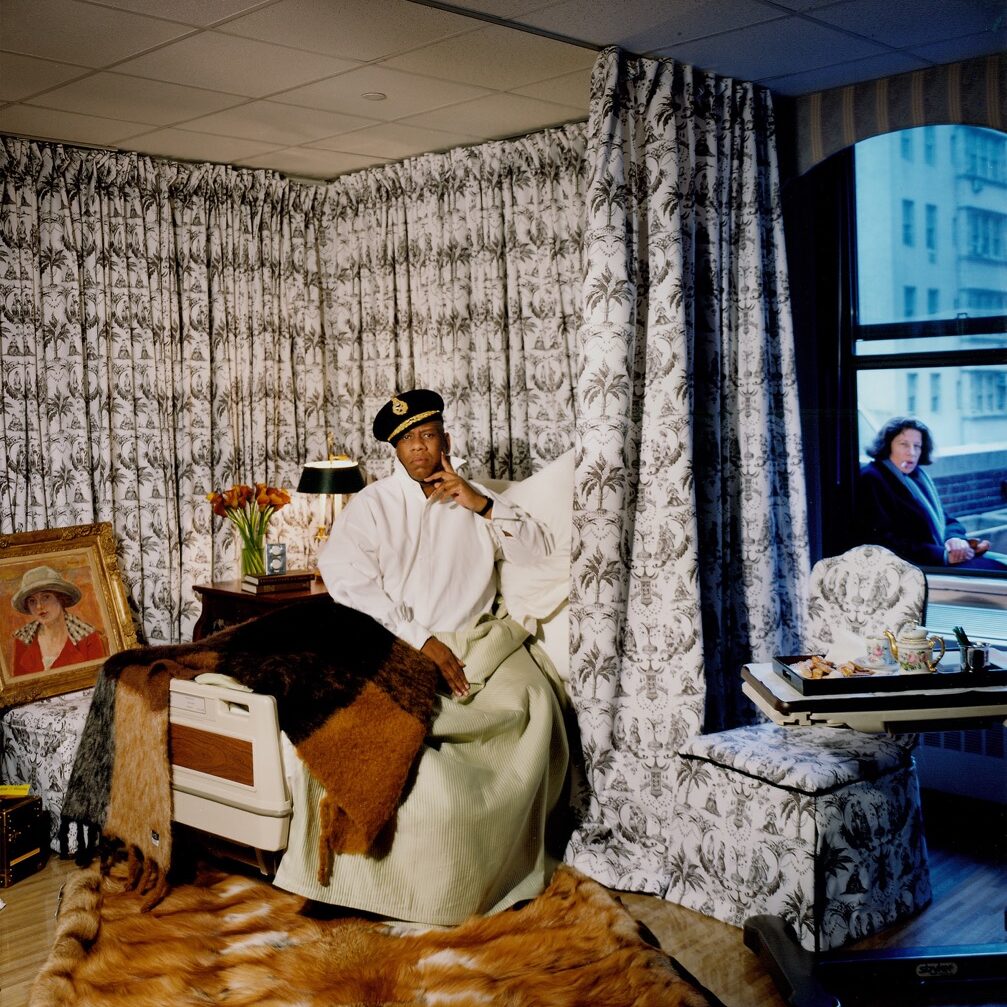
Cultured magazine profiles artist Nicole Eisenman as part of its 2026 CULT100 honorees, featuring a short interview accompanied by photography by Lee Mary Manning. Eisenman discusses her daily life, creative influences, and art-world politics, mentioning her sofa, friends, and a hypothetical obituary headline. The piece highlights her role in the revival of figurative painting and her work in large-scale public sculpture.

art abortion warsaw artists feminism

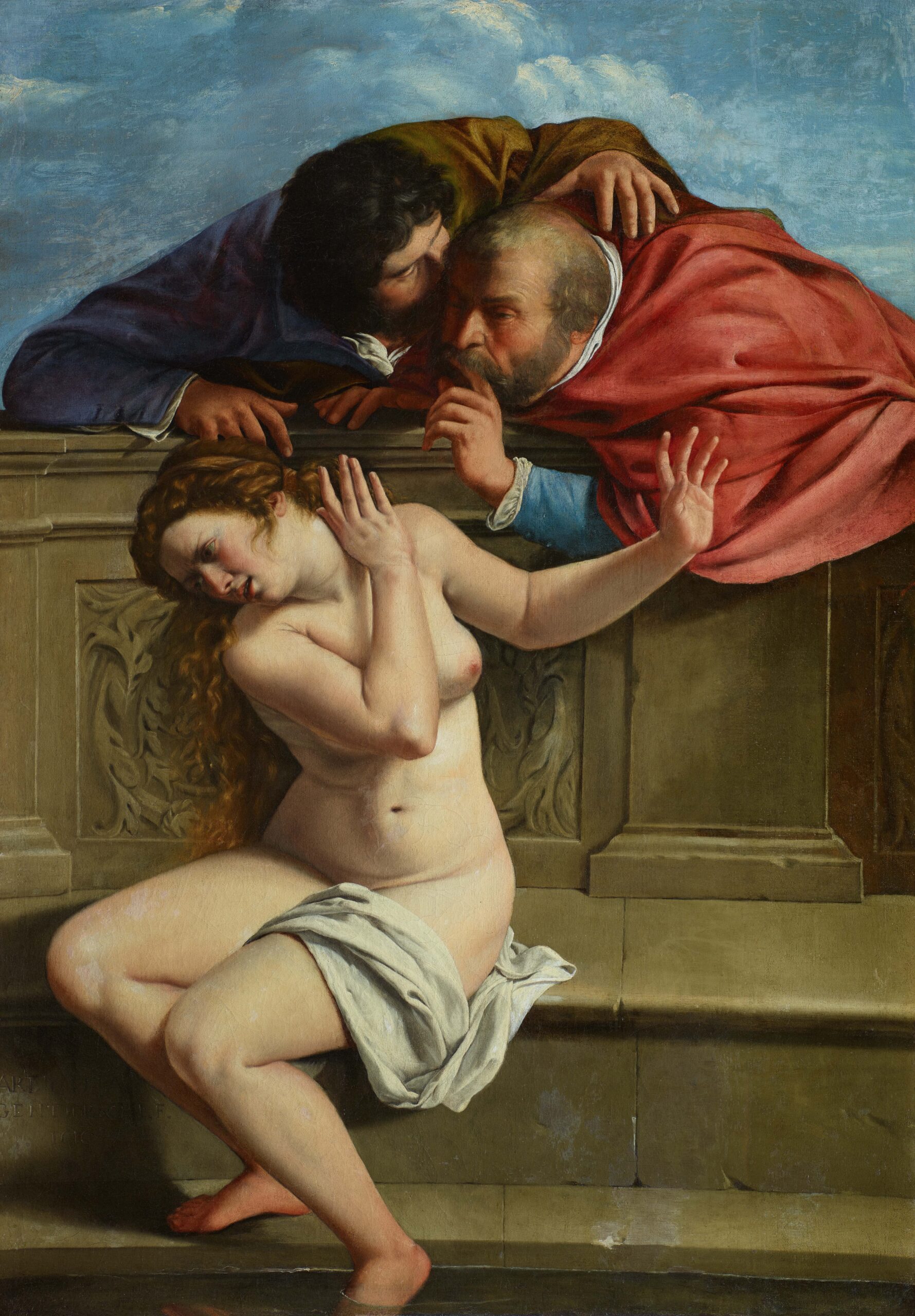
Art critic and writer Jarrett Earnest travels to Warsaw for the opening of "The Woman Question 1550–2025," a major survey of women artists curated by Alison M. Gingeras at the Museum of Modern Art (MSN Warsaw). The exhibition features nearly 200 works spanning from Renaissance to contemporary art, including pieces by Artemisia Gentileschi, Frida Kahlo, Lisa Yuskavage, and many Eastern European artists. Earnest reflects on the enduring theme of the female nude and the political context of Poland, where far-right policies have restricted women's rights.

art world gallery dinner politics parties

Art-world insiders share their best and worst experiences at gallery dinners, from seating disasters and VIP-only food queues to intimate gatherings and haunted-house Halloween parties. Contributors include collectors, artists, curators, writers, and gallerists who recount memorable evenings hosted by figures like Jose Martos and White Cube, revealing the social dynamics that define these events.

art robert crumb george dicaprio david zwirner

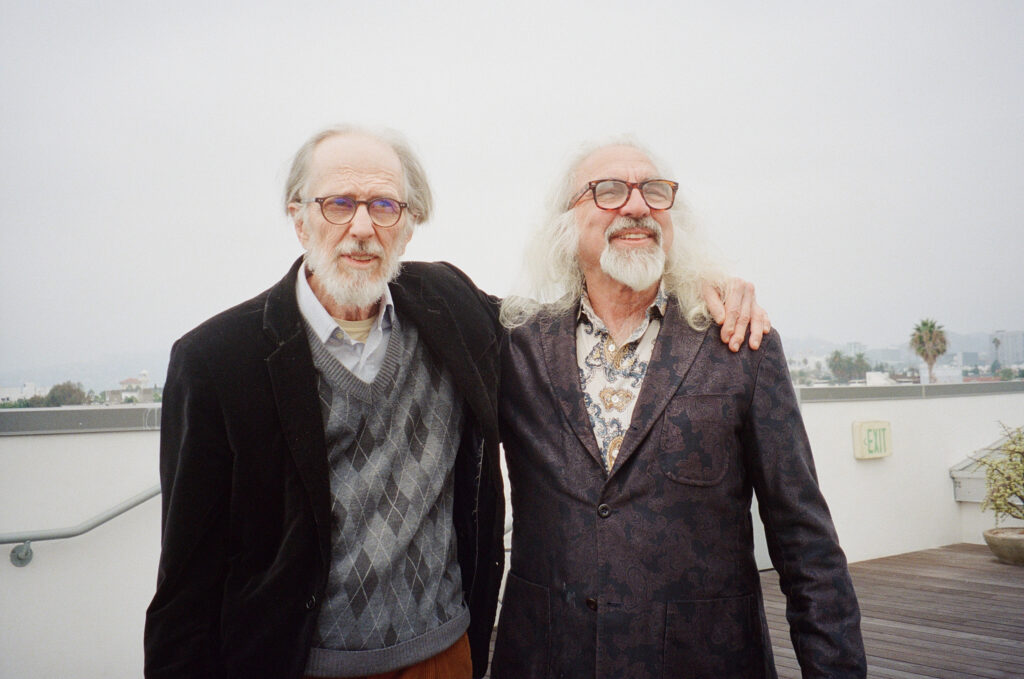
Robert Crumb and George DiCaprio, two figures from the 1970s underground comics scene, reunite for a conversation moderated by cartoonist Sammy Harkham on the rooftop of David Zwirner in Los Angeles. The discussion, published in Cultured, traces their serendipitous meeting in New York—DiCaprio offered his illegal loft to Crumb's band—and DiCaprio's subsequent move to Los Angeles after Crumb recommended him for an animation job on Ralph Bakshi's film *Heavy Traffic*. The interview coincides with the release of Crumb's first solo comic in 23 years, *Tales of Paranoia* (2025), published by Fantagraphics, and an exhibition of his new drawings and prints at David Zwirner, on view through January 10. Topics range from conspiracy theories and the economics of comics to DiCaprio's collection of underground art, including a letter from cartoonist Vaughn Bode to his unborn son Leonardo DiCaprio.

design fashion black bourgeois aesthetic rob franklin

The article is a personal essay by a writer reflecting on the play "Purpose" and its depiction of a Black political family's home, which triggers memories of his own childhood in the Morehouse College president's residence. He observes a recent surge in popular culture's portrayal of Black bourgeois aesthetics, citing examples like the Met Gala exhibition "Superfine: Tailoring Black Style," Ralph Lauren's Oak Bluffs collection, and the HBO series "And Just Like That…" with its focus on the Todd Wexley family's art-filled apartment.

art burning man dustin yellin

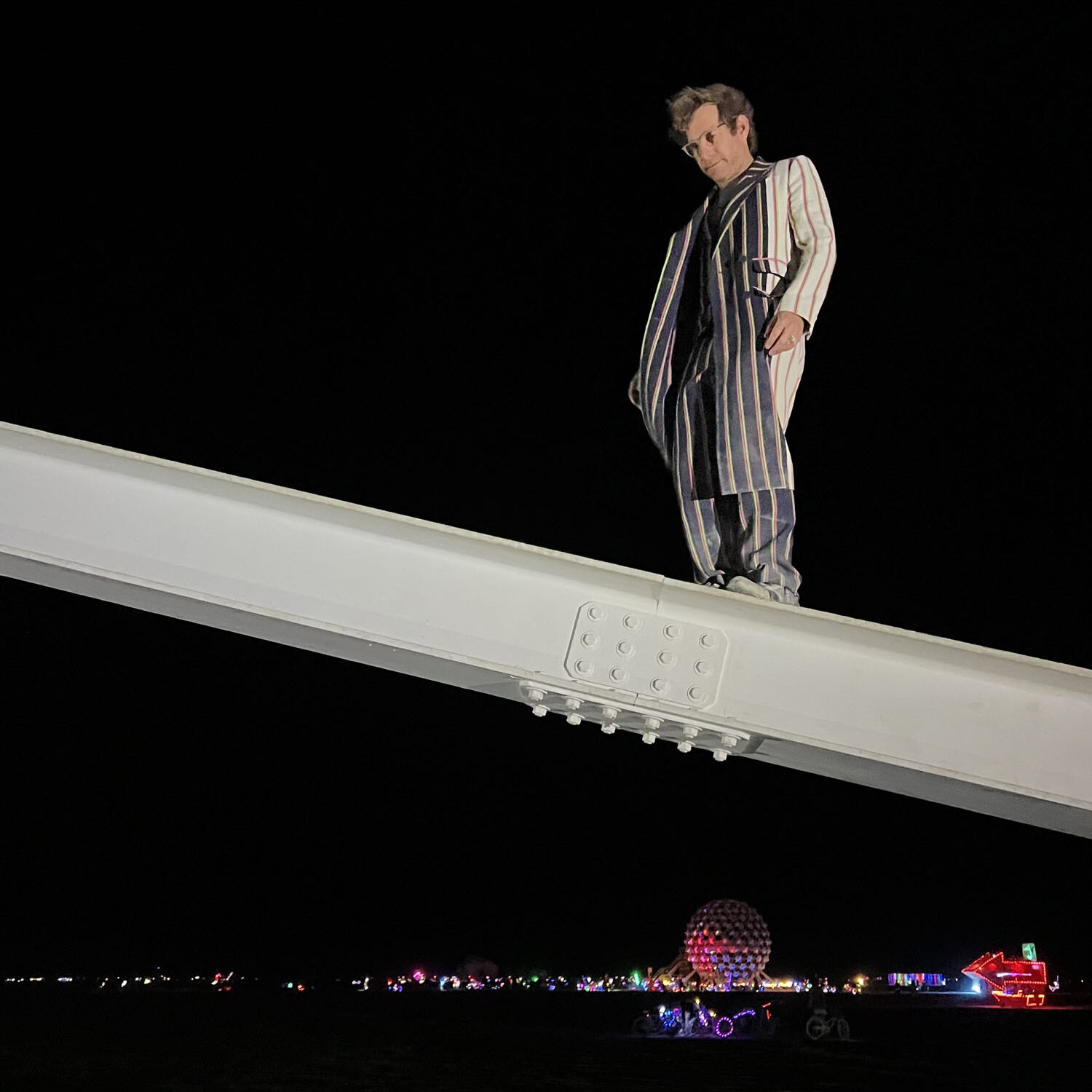
Artist and Pioneer Works founder Dustin Yellin discusses his annual tradition of attending Burning Man in the Nevada desert with journalist Sophia Cohen. Yellin, who first attended the festival in 2012 despite initial skepticism, describes the transformative experience of biking through the Playa with its lights and large-scale artworks. After this year's Burning Man, he will return to New York to complete *The Politics of Eternity*, a 10,000-pound sculpture debuting at the Armory Show.

LATIN AMERICA AT THE VENICE BIENNALE: A VISUAL TOUR OF THE CENTRAL EXHIBITION

LATINOAMÉRICA EN LA BIENAL DE VENECIA: UN RECORRIDO VISUAL POR LA MUESTRA CENTRAL

The 61st Venice Biennale, titled "In Minor Keys," opened its preview days on May 8, 2025, curated by the late Koyo Kouoh (1967–2025). The central exhibition, realized by a team she selected before her death, features 110 participants from around the world, with a strong Latin American presence of 15 artists, collectives, and organizations. The show explores themes of colonial history, plantation economies, geological memory, and environmental crisis through works that emphasize shared materials, politics, and poetics across geographies from Dakar to San Juan.

Manifesto for a Radical Femininity for An Other Cinema

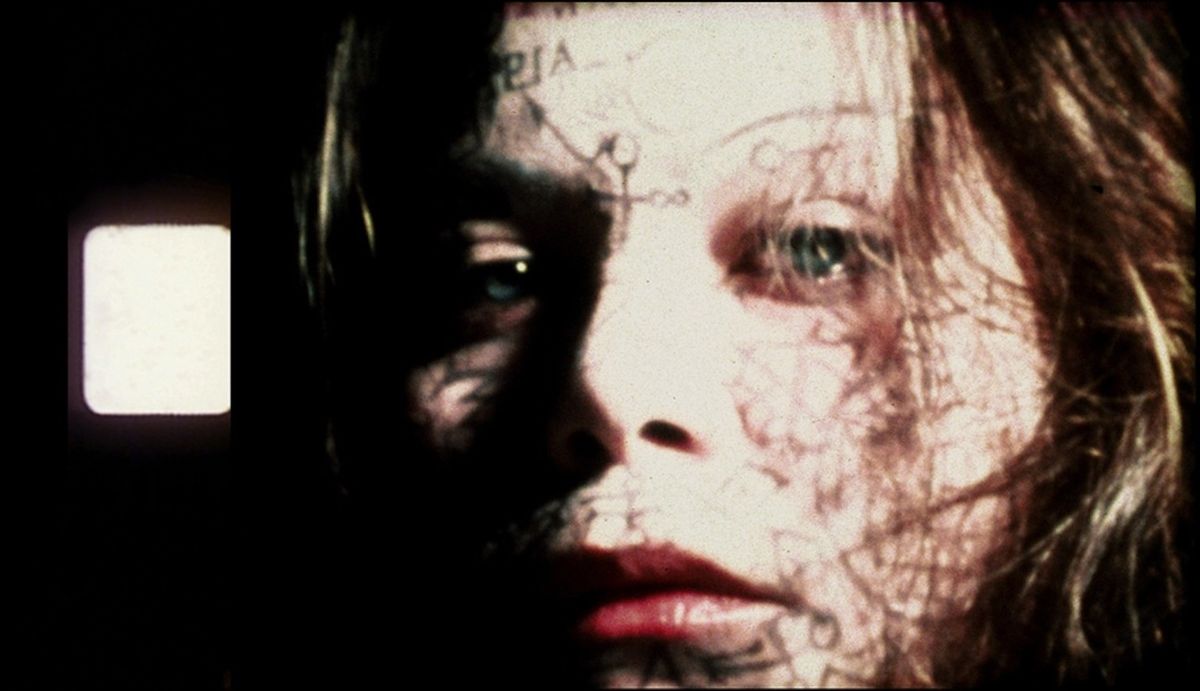
The article presents the 1977 "Manifesto for a Radical Femininity for an Other Cinema" by artists Maria Klonaris and Katerina Thomadaki. The manifesto, published in connection with a rare screening of their films at e-flux Screening Room, calls for a feminist rupture with dominant cinematic language and images, advocating for a "cinema of the body" that challenges patriarchal hierarchies in both sexuality and authorship.

Robert Mnuchin, the blue-chip gallerist who loved the drama of the auction saleroom, has died aged 92

Robert Mnuchin, the prominent New York gallerist who transitioned from a 33-year career on Wall Street to become a major force in the art world, has died at age 92. After heading the trading desk at Goldman Sachs, he co-founded C&M Arts in 1992 with James Corcoran, later establishing L&M Arts with Dominique Lévy in 2005, which was renamed Mnuchin Gallery in 2013. Known for his aggressive bidding at auction, Mnuchin made headlines with high-profile purchases including Roy Lichtenstein's *Sinking Sun* (1964) for $15.6 million in 2006 and Jeff Koons's *Rabbit* (1986) for $91.1 million in 2019, the latter a record for a living artist at the time.

Venice in Crisis Mode

Venedig im Krisenmodus

The 61st Venice Biennale has opened under extraordinary circumstances, marked by political protests, a jury resignation, and canceled awards. The Biennale's jury resigned en masse after announcing they would exclude Israeli and Russian contributions from their decisions, leading to the cancellation of the Golden Lion awards and a crisis over the international competition's legitimacy. A newly introduced audience prize also faced boycotts from artists in solidarity. Protests, closed pavilions, and pro-Palestinian actions dominated the preview days, with artists pasting protest posters directly onto their works, reflecting heightened tensions.

What Has the American Inquisition Done to Art?

An exhibition titled "American Inquisition" opened in mid-March at No Place Gallery, an artist-run space in Columbus, Ohio. Featuring paintings by Shiva Addanki and Nikholis Planck, the show draws its name from a statement by the Popular Front for the Liberation of Palestine supporting detained activist Mahmoud Khalil, and its critical framework from Mike Davis's book "Buda's Wagon." Addanki's works depict scenes of US imperial violence, including downed drones and counterinsurgents at detention centers, while Planck's paintings map extractive infrastructure, subverting traditional landscape painting with industrial detritus and petroleum tankers.

European Commission Tells Venice Biennale to Ditch Russian Pavilion

The European Commission has formally accused the Venice Biennale of violating EU sanctions against Russia by planning to reopen the Russian Pavilion for the 2026 edition. In a letter to the Biennale's president, the Commission argues that hosting a government-funded national pavilion constitutes accepting indirect support from the Russian state during its ongoing war in Ukraine. The organization has threatened to withhold a $2.3 million grant intended for the 2028 edition unless the Biennale addresses these concerns by May 11.

Enter the unsettled space of Asian American abstraction

The Milton Resnick and Pat Passlof Foundation in New York is hosting the exhibition "How Asian Is It?", featuring 12 pioneering East Asian American abstractionists born between 1928 and 1955. Curated by Lilly Wei, the show includes works by Barbara Takenaga, Emily Cheng, Charles Yuen, and David Diao, among others. These artists navigated an art world where downplaying their Asian identities often felt necessary for survival, especially after the 1965 Immigration and Nationality Act reshaped US immigration policy. The exhibition explores how their abstraction—marked by attention to interval, pause, and what remains unsaid—reflects a disciplined negotiation with space rather than a shared style or manifesto.

Venice Biennale’s Russian Pavilion and Pussy Riot Spar Over Usage of Protest Footage

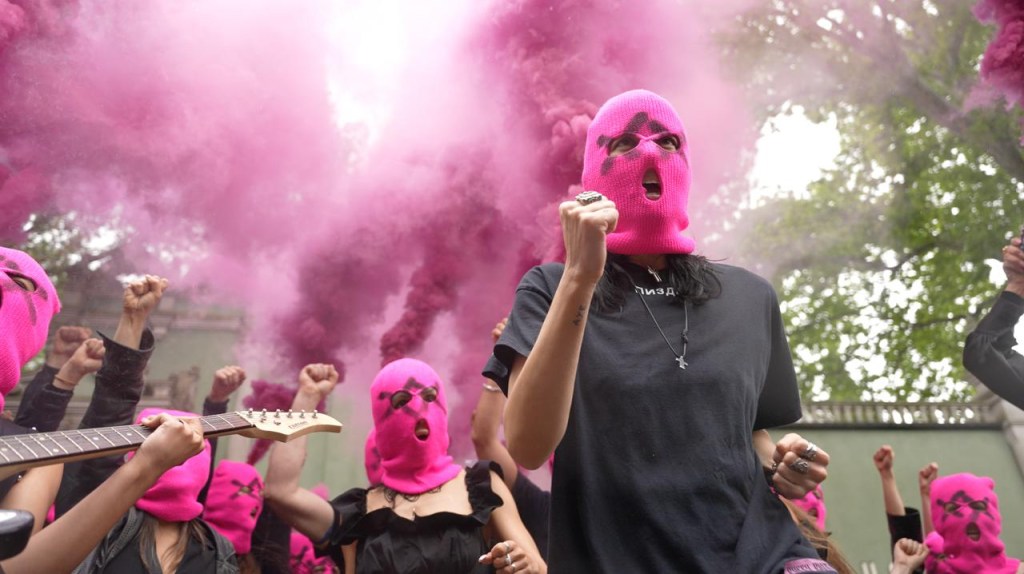
The Russian Pavilion at the 2026 Venice Biennale has become embroiled in a new controversy after accusing the anti-Putin art collective Pussy Riot of censorship. The pavilion posted on Instagram that Pussy Riot demanded the removal of footage featuring them from a documentary film about the pavilion's project, labeling the request as self-censorship. Pussy Riot responded sarcastically, questioning the pavilion's use of Instagram given Russia's 2022 ban of the platform. The dispute follows earlier protests at the pavilion's opening, led by Pussy Riot and FEMEN, against Russia's participation in the Biennale amid its ongoing invasion of Ukraine.

Basquiat’s Former Dealer on the Making of an Art World Icon

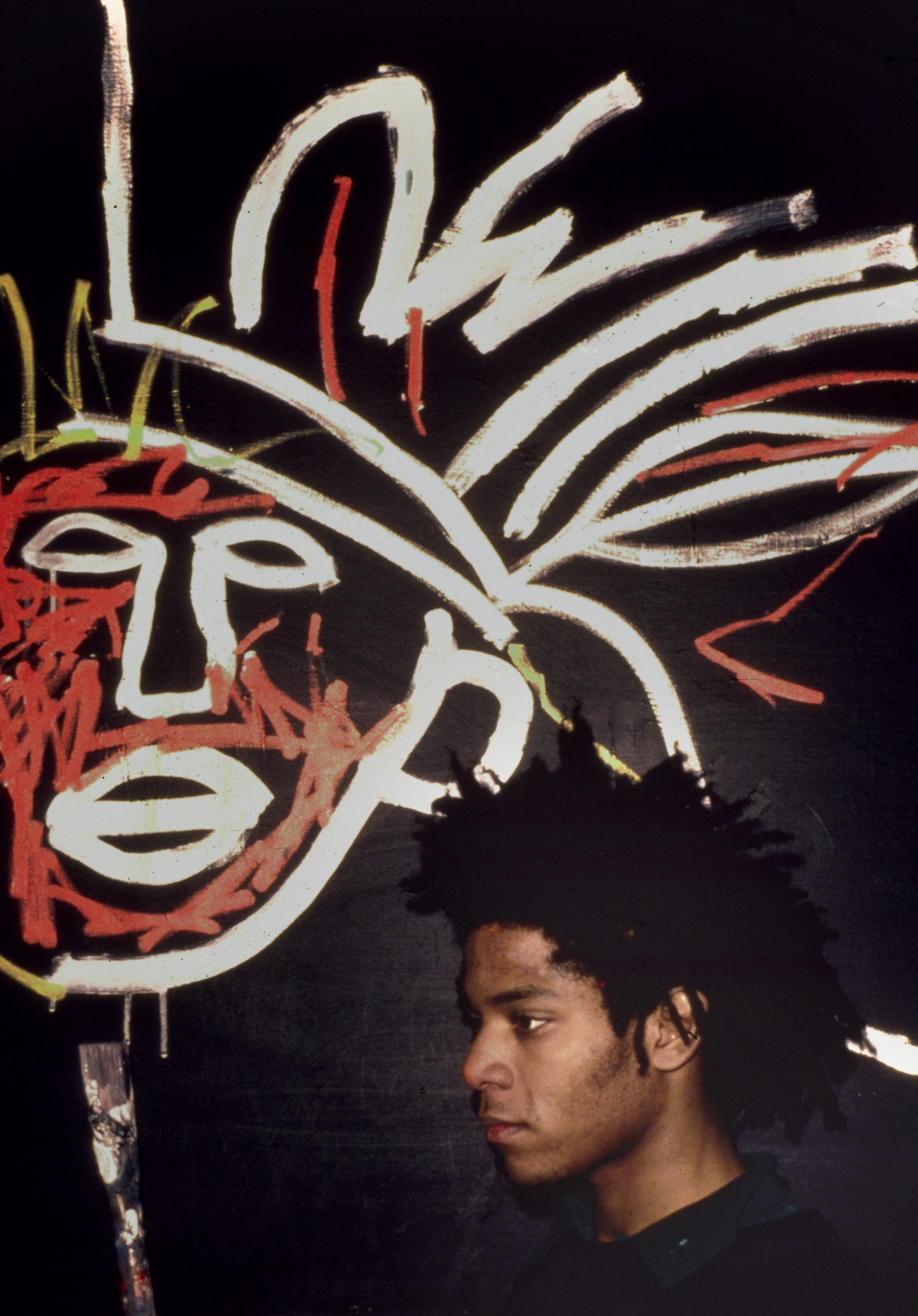
Bruno Bischofberger, who served as Jean-Michel Basquiat's exclusive worldwide dealer from 1982 until the artist's death in 1988, reflects on Basquiat's life and legacy in an excerpt from the forthcoming book *Basquiat: The World of Jean-Michel*, published by Assouline. Bischofberger contrasts Basquiat's raw, politically charged approach with Andy Warhol's detached, commercial style, and recounts personal memories of Basquiat's visits to Switzerland, where he absorbed everything from visual art to folk art and design.

Putin ‘Won’ the Venice Biennale, Quips Italian Culture Minister

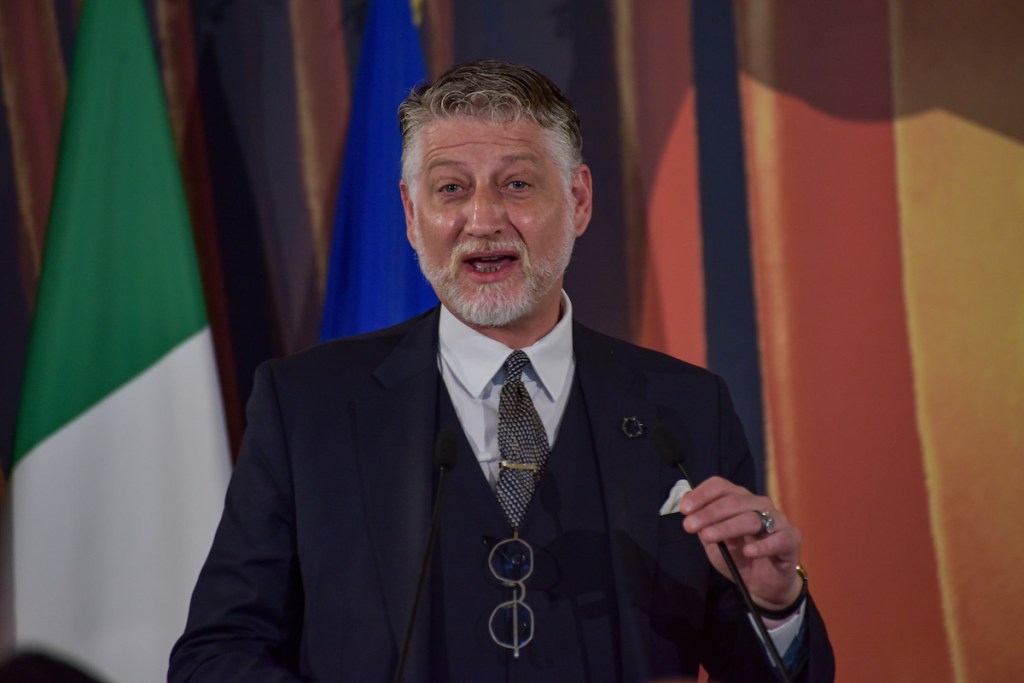
Italian Culture Minister Alessandro Giuli stated that Russian President Vladimir Putin "won" the 2024 Venice Biennale, criticizing Russia's controversial return to the event. Giuli, who repeatedly denounced Russia's presence, told Corriere della Sera that Russian artists in the pavilion cannot express dissent against their regime. The Biennale faced widespread calls to remove Russia, with the EU threatening to withhold a €2 million grant, but organizers argued they lacked legal authority to exclude the country. Protests by Pussy Riot and FEMEN marked the pavilion's opening, while the Biennale's jury resigned en masse after announcing that nations charged with crimes against humanity would be ineligible for Golden Lions.

The Biennale Isn’t a Court. Tell That to the Protesters.

Pietrangelo Buttafuoco, president of the Venice Biennale, defended the decision to allow Russia to reopen its pavilion for the first time since its 2022 invasion of Ukraine, stating that the Biennale is "not a court; it is a garden of peace." The move has sparked widespread backlash, including threats to pull €2.3 million in EU funding. Protests have erupted on the ground, with Pussy Riot and FEMEN staging a theatrical demonstration outside the Russian Pavilion, setting off smoke flares and chanting slogans. Separately, around 60 artists performed a "Solidarity Drone Chorus" to protest Israel's participation, and the Art Not Genocide Alliance has called for a 24-hour strike and rallies across Venice. The Russian Pavilion will be open only during press preview days due to EU sanctions, with video projections visible from outside for the rest of the Biennale's run.

Dark clouds, protests and resignations dampen start of 61st Venice Biennale

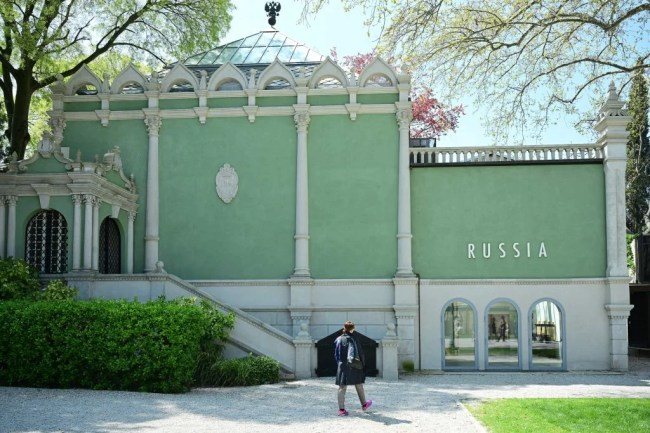
The 61st Venice Biennale opened under grey skies and rain, with political tensions overshadowing the art world's premier event. The Russian pavilion, absent for two editions due to the Ukraine war, reappeared with a party atmosphere, though the Italian ministry of culture confirmed it would not be open to the public. The Ukrainian culture minister called Russia's symbolic presence powerful. The Iranian pavilion withdrew without explanation, and a protest by 60 artists from the In Minor Keys show marched through the Giardini humming in solidarity against Israel's participation. Over 200 artists, including Lubaina Himid and Alfredo Jaar, signed an open letter demanding the Israeli pavilion's cancellation. The event also proceeded without its curator, Koyo Kouoh, who died in May 2025; her curatorial team delivered the exhibition following her plans.

Venice Diary Day 1: At the Giardini, Artists Refuse to Make Fascism Cozy

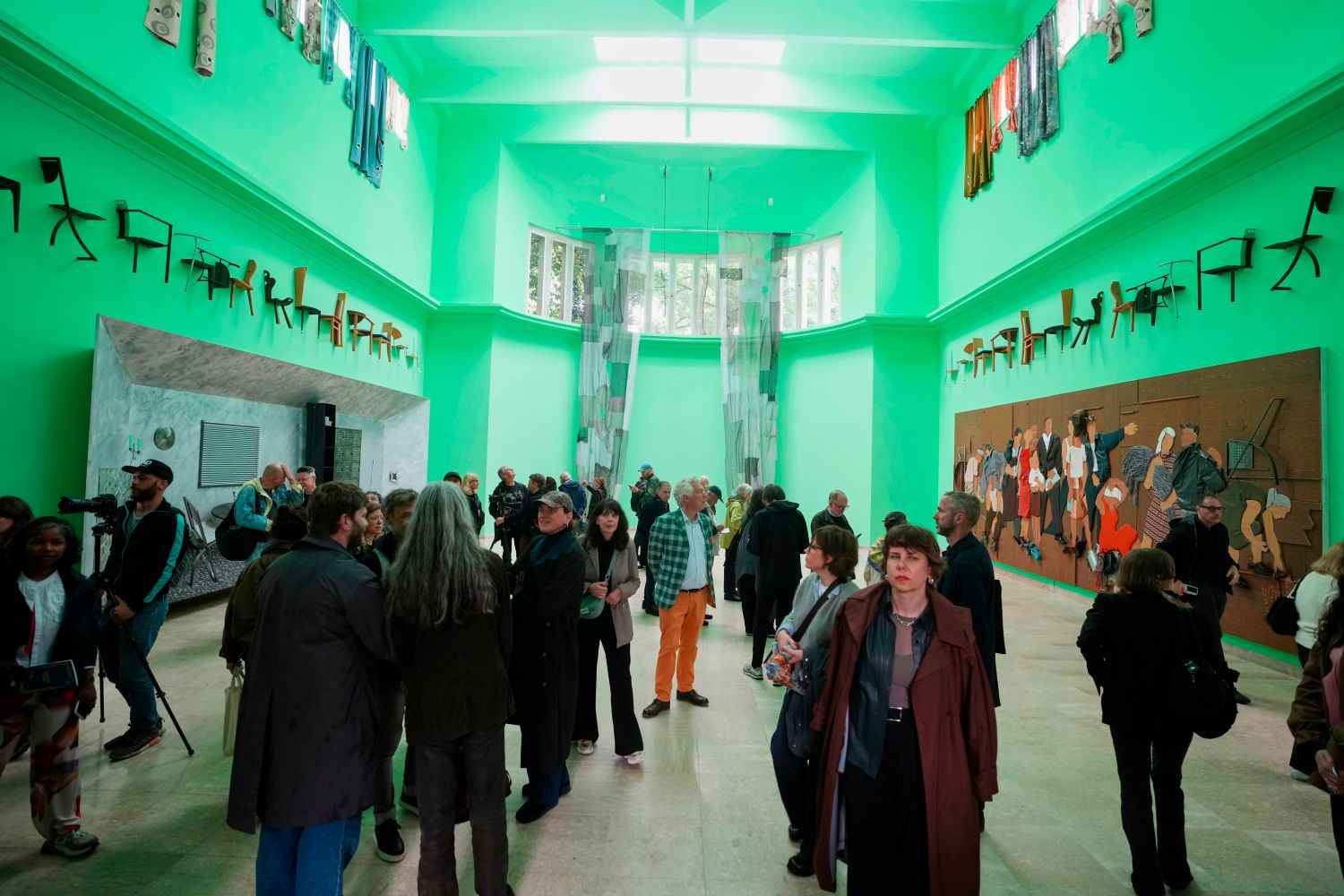
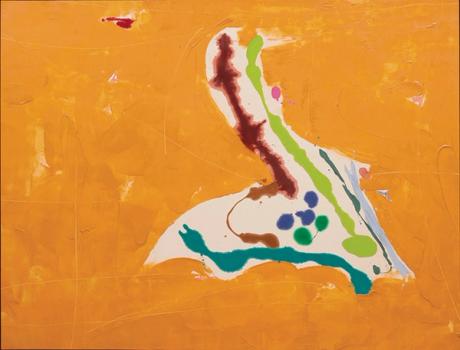
Henrike Naumann's posthumous installation at the German Pavilion, which retains its 1938 Nazi-era fascist architecture, refuses to make the space 'cozy' by adorning windows with violently ripped domestic fabrics. The 2026 Venice Biennale is the first under president Pietrangelo Buttafuoco, associated with neo-fascist politics, and is overshadowed by controversy over his 'neutrality' policy allowing all countries to participate despite human rights concerns. The exhibition jury initially announced it would not consider pavilions from countries whose leaders are charged with crimes against humanity, then abruptly quit, leaving the situation unresolved. The US Pavilion features unimpressive blobs by Alma Allen, while the Russian Pavilion offers cut flowers and free vodka, and Andreas Angelidakis responds to fascist aesthetics at the Greek Pavilion.

Pleasure, parody and propaganda: rethinking the art of illustration in a new history of the genre

D.B. Dowd's new book "Reading Pictures" offers a sweeping 400-page history of illustration, tracing the genre from the Diamond Sutra frontispiece in Tang China (AD868) to Molly Crabapple's Gaza reports in 2015. The book examines key works such as Jules Chéret's 1891 poster for the Alcazar d'Été Club, Stuart Davis's caustic covers for The Masses, and Duong Ngoc Canh's Vietnamese propaganda poster, arguing that illustrations are meant to be "read" rather than admired like museum paintings.

Anish Kapoor says US’s ‘politics of hate’ should exclude it from Venice Biennale

Anish Kapoor has called for the United States to be excluded from the Venice Biennale, citing the country's "abhorrent politics of hate" and "incessant warmongering." His comments follow the resignation of the five-member international jury, who stepped down in protest over the inclusion of Israel and Russia. Kapoor praised the jury's decision as "courageous" but argued they should have also targeted the US. The US pavilion, featuring artist Alma Allen and his exhibition "Call Me the Breeze," has faced scrutiny over perceived Trump administration interference and a delayed selection process. Meanwhile, the Israeli and Russian pavilions remain flashpoints, with over 200 participants signing a letter demanding the cancellation of the Israeli pavilion, and the Russian pavilion closed to the public but viewable through windows.

Newsmakers: Nalini Malani Lets the Walls Speak with a New Installation in Venice

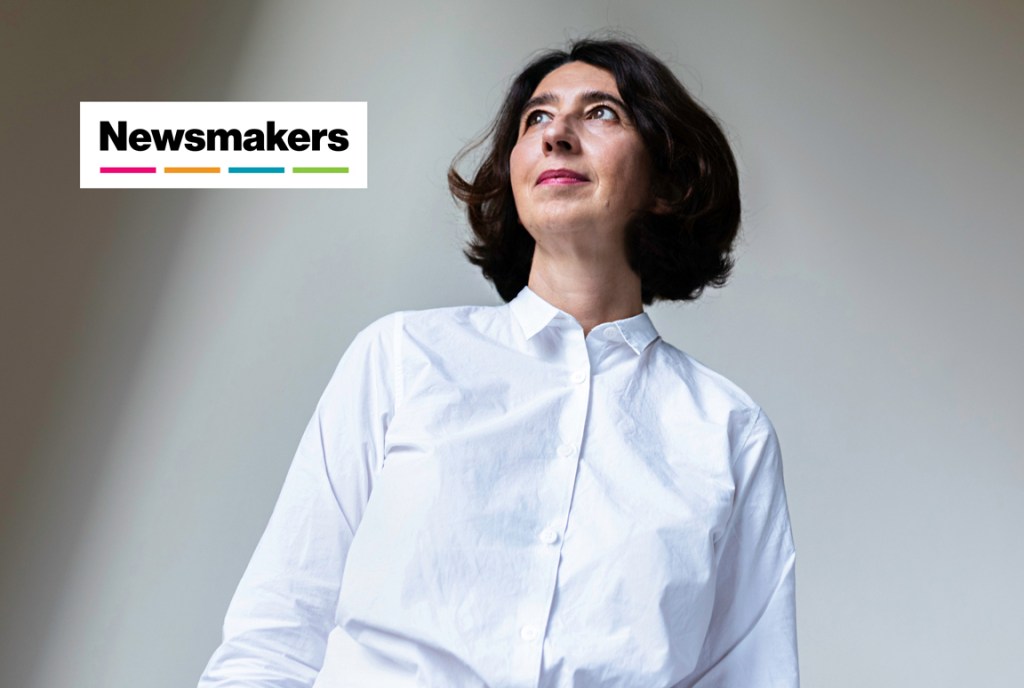
Nalini Malani's latest installation, *Of Woman Born*, opens at the Magazzini del Sale in Venice during the Venice Biennale. Commissioned by the Kiran Nadar Museum of Art, the work projects hand-drawn animations onto the crumbling brick walls of a 15th-century salt warehouse, creating a cave-like environment where images flicker like ancient cave paintings. The installation draws on tens of thousands of drawings and incorporates mythology, literature, and sound, with a central focus on the myth of Orestes to explore themes of violence, displacement, and gender politics. Malani has also extended her recurring 'Skipping Girl' figure across Venice via posters and public signage to guide viewers to the exhibition.

The Tabloids Are Fouling Mayor Mamdani Over His Knicks Art. Here’s the Story

Artist Tom Sanford loaned his hand-painted wooden "Knicks Cutout" portraits of legendary New York Knicks players to New York City Hall at the invitation of Mayor Zohran Mamdani, intended to celebrate the team's playoff run. Tabloid media, including the New York Post and New York Times, framed the gesture as a "curse" on the team, suggesting fans blamed the mayor for the Knicks' losses. Sanford defends the artwork as a sincere, community-driven tribute rooted in New York street-corner cutout traditions, not a cheap stunt.

What You Need to Know About the Venice Biennale’s Russian Pavilion Controversy

The Russian pavilion is set to return to the Venice Biennale for the first time since the 2022 invasion of Ukraine, presenting an exhibition titled 'The tree is rooted in the sky.' This has sparked significant controversy, with artists, curators, and politicians from Ukraine and several European nations calling for the pavilion's exclusion, citing the ongoing war and sanctions. The Biennale organizers have refused to remove Russia, stating they lack the authority to exclude a state recognized by Italy and emphasizing the event's role as a neutral space for cultural dialogue.

Alma Allen’s US Pavilion Heads to Venice Amid Questions Over Selection Process

The selection of Alma Allen to represent the United States at the 2026 Venice Biennale has ignited controversy over the process. The U.S. State Department abandoned its traditional selection model, which involved a panel of experts convened by the National Endowment for the Arts, and instead handed control to a new nonprofit, the American Arts Conservancy, led by individuals with little museum experience. This shift has drawn criticism from prominent figures in the art world, with some artists declining to participate due to concerns over the political context and unfamiliar leadership.

Frank Bowling: Seeking the Sublime review – shipwrecked Ophelia points the path to freedom

A new exhibition of Frank Bowling's work traces the artist's early struggle to find his voice within the rigid artistic categories of the 1960s. The show features paintings from his student days in London, where he grappled with expectations to be either a political 'Black artist' or a formalist 'artist' free from identity constraints, resulting in works that felt derivative of figures like Francis Bacon.