filter_list Showing 9 results for "Émile Zola" close Clear
search
dashboard All 9 article culture 4article news 3museum exhibitions 2
date_range Range Today This Week This Month All
Subscribe

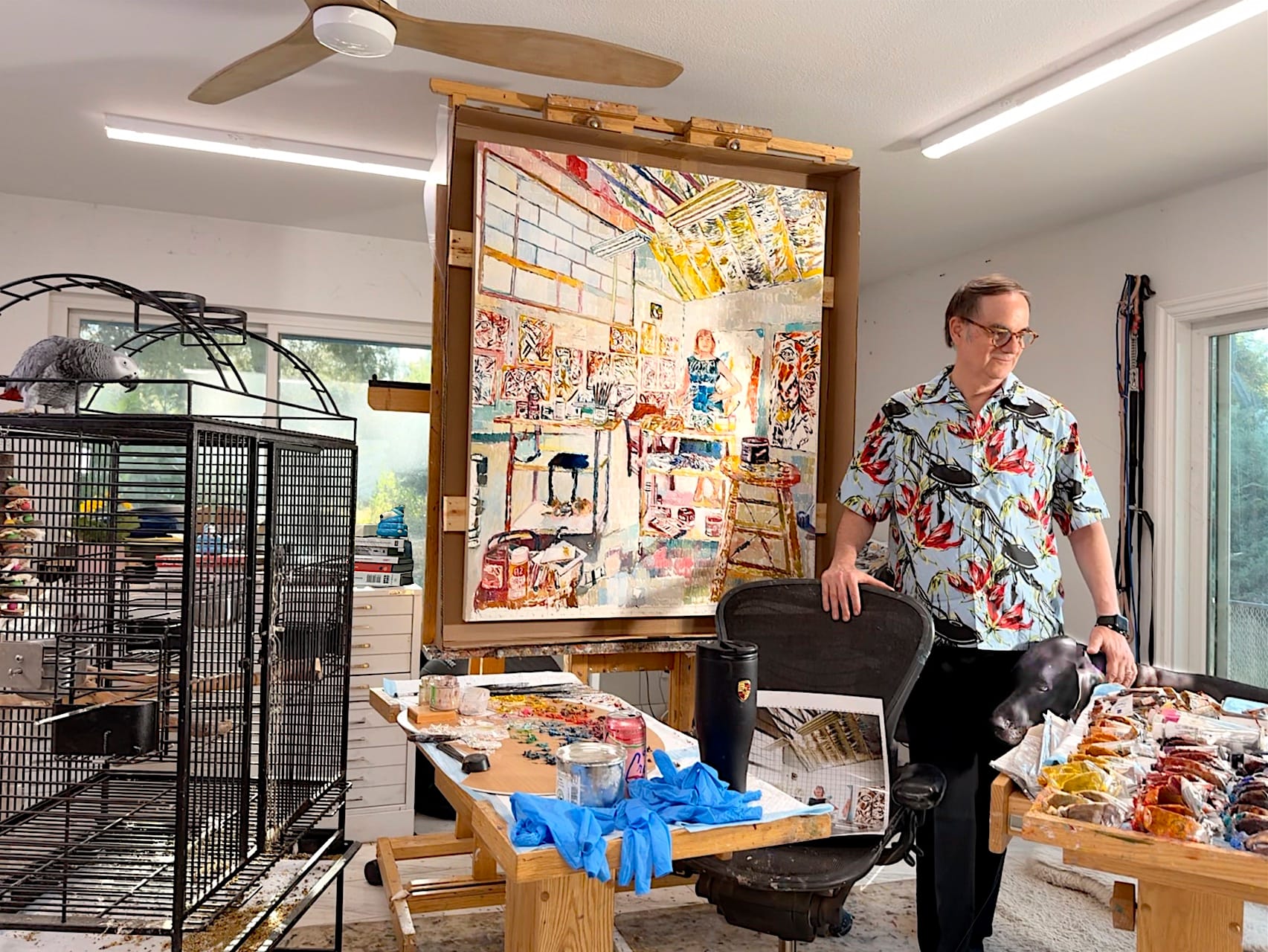
Beer With a Painter: Keith Mayerson

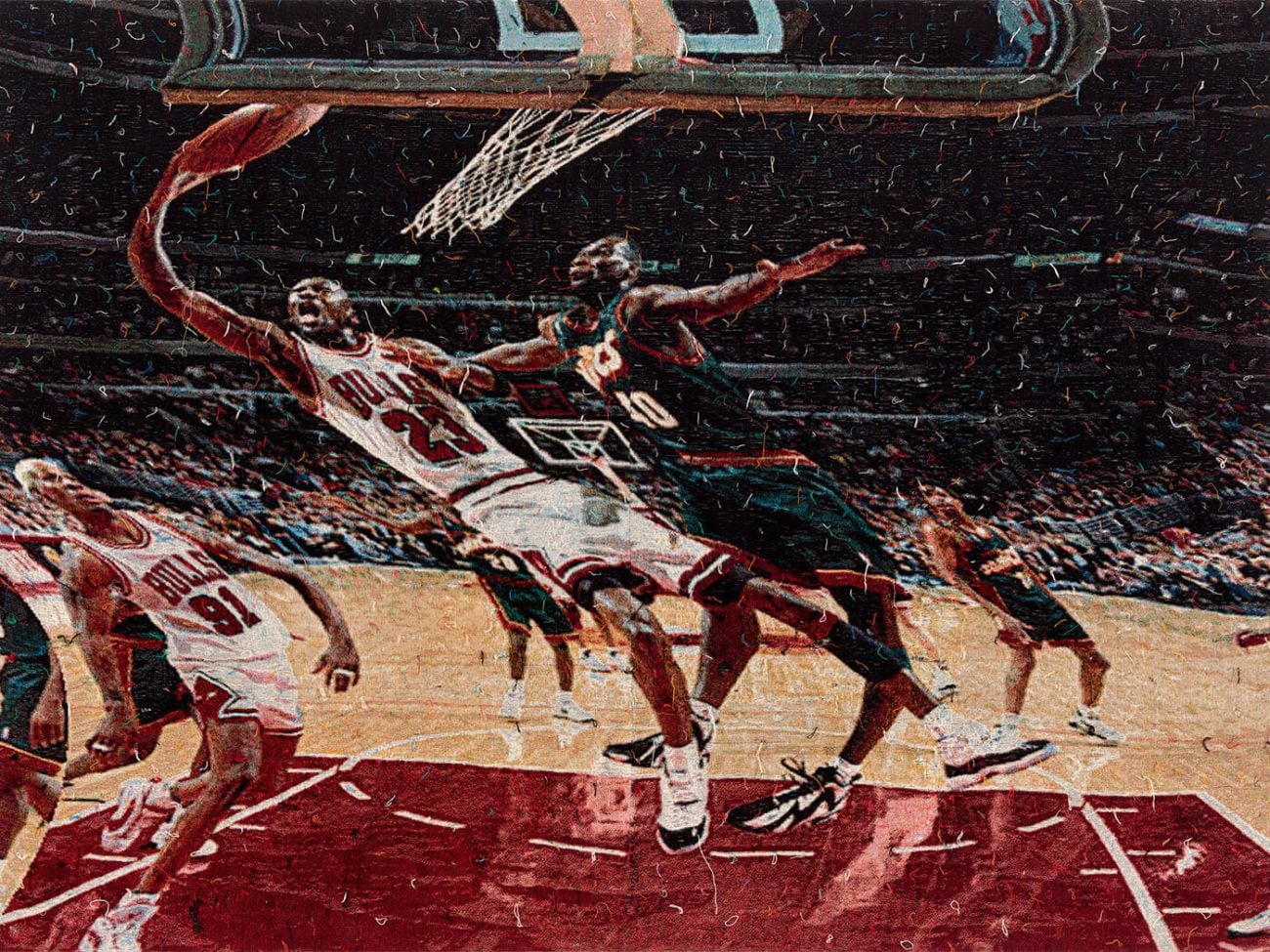
Hyperallergic interviews Los Angeles-based painter Keith Mayerson, who discusses his ongoing 'My American Dream' series—a cosmology of paintings blending American identity, activism, and popular culture. The conversation covers his early influences from comics, the Muppets, and Hunter S. Thompson, his transition from cartooning to painting, and his vibratory, swirling brushwork. Mayerson's work has been featured in the 2014 Whitney Biennial and is currently on view at the Aspen Art Museum and the Pollock-Krasner House.
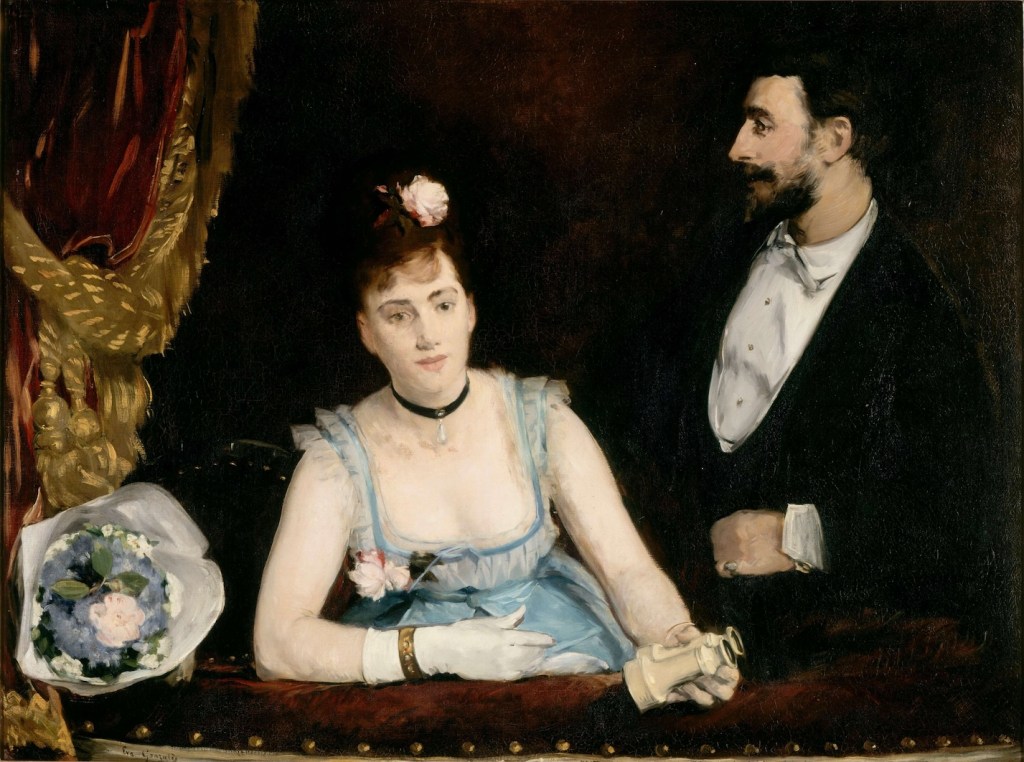
‘Woman Impressionist’ No More: A New Catalogue Raisonné Restores Eva Gonzalès’s Legacy

The Wildenstein Plattner Institute (WPI) has released a new digital catalogue raisonné for French painter Eva Gonzalès, correcting long-standing misattributions and omissions from the 1990 printed edition. The project reattributes works like *Apples in Basket* (previously assigned to Belgian painter Isidore Verheyden) and adds newly discovered pieces, including a portrait of Madame Georges Haquette and Gonzalès’s sketchbooks now held by the National Gallery of Art in Washington, D.C. WPI executive director Elizabeth Gorayeb emphasizes that the digital format allows for iterative updates and brings overlooked figures in Gonzalès’s orbit to light.

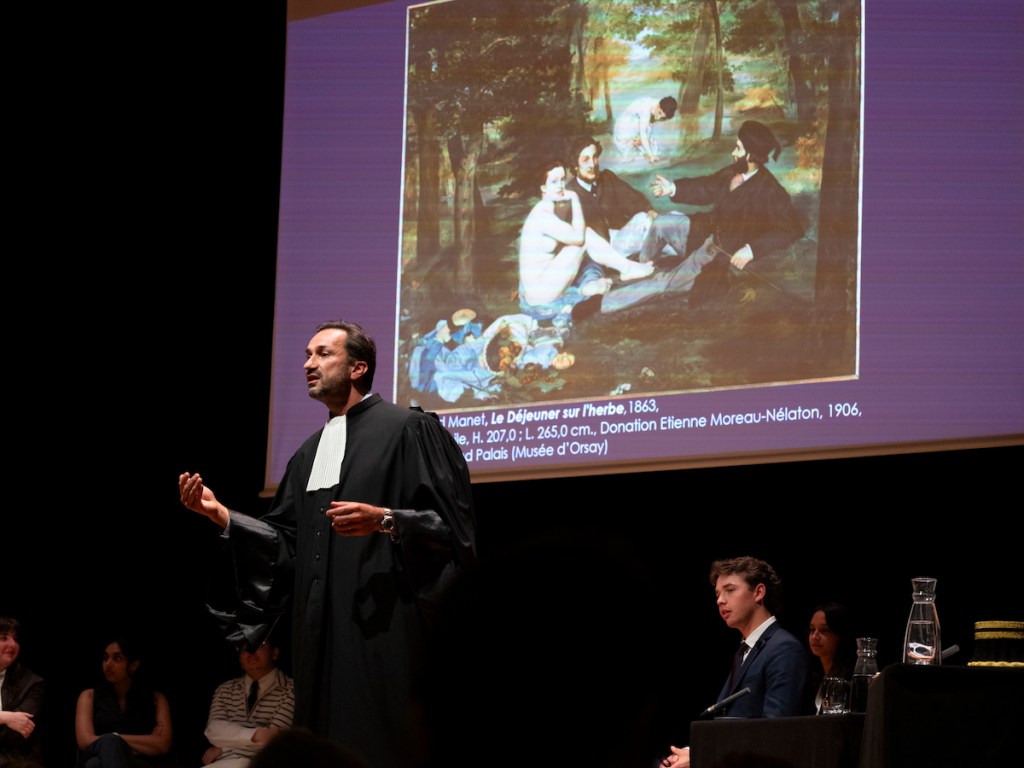
musee dorsay manet mock trial dejeuner sur lherbe

The Musée d'Orsay in Paris staged a mock trial of Édouard Manet and his model Victorine Meurent for his 1863 painting *Déjeuner sur l'herbe*, which caused scandal at the Salon des Refusés for its nude female figure. The event, part of the museum's Orsay Live program for 18-to-25-year-olds, featured real lawyers, a sitting judge, and students from the Fédération française de Débat et d'Éloquence, with speeches reviewed by Manet specialist Isolde Pludermacher. The trial aimed to explore historical debates about morality, indecency, and artistic freedom in a courtroom format.

10 chefs-d’œuvre de l’impressionnisme décryptés par Beaux Arts

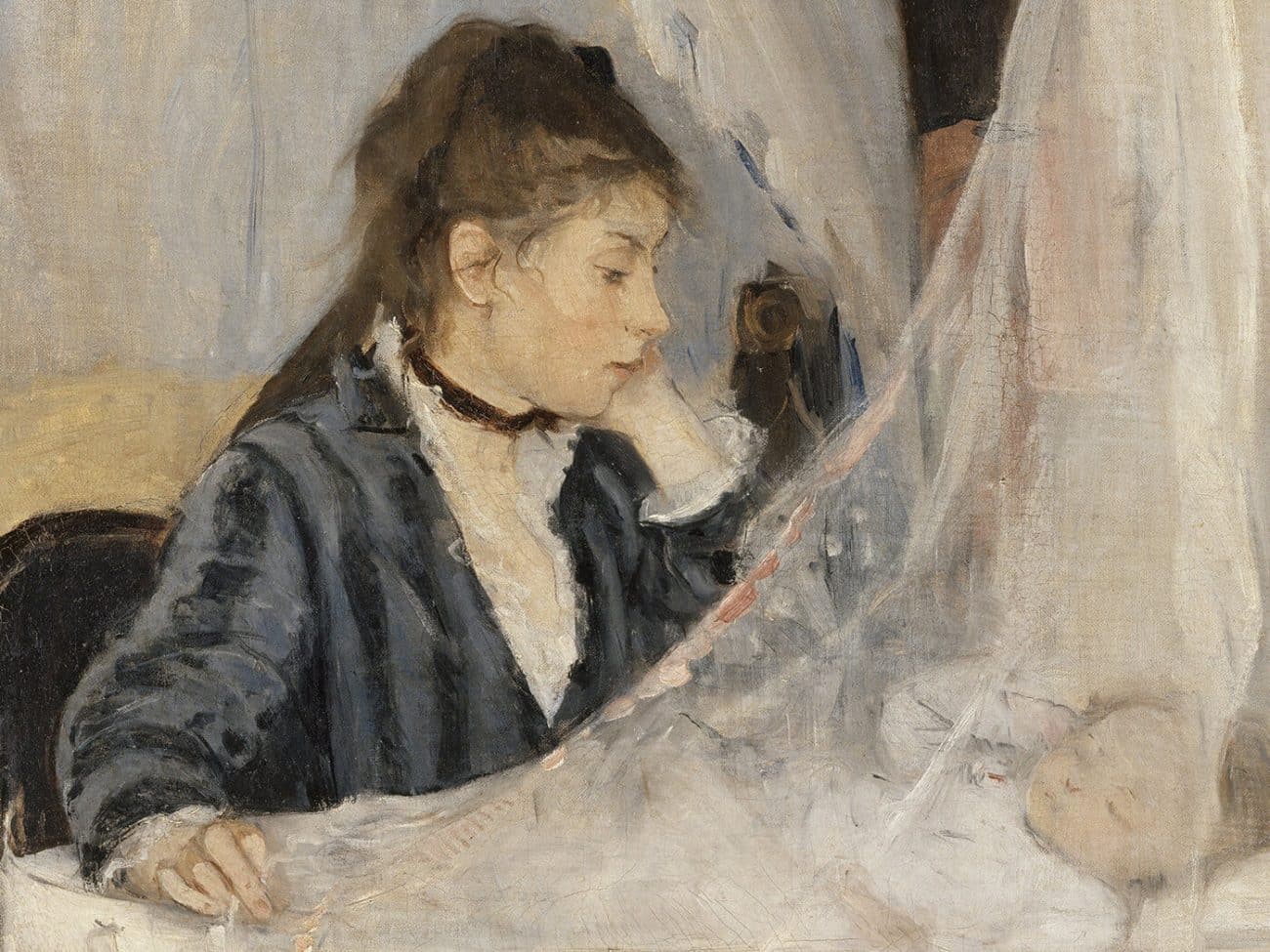
Beaux Arts Magazine presents a detailed dossier analyzing ten iconic masterpieces of Impressionism, including works by Edgar Degas, Édouard Manet, Berthe Morisot, Auguste Renoir, Gustave Caillebotte, Claude Monet, and Mary Cassatt. The article explores the technical innovations, modern subjects, and revolutionary spirit of the movement, which began in 1874 and was initially rejected by critics. Each featured painting—such as *Le Déjeuner sur l’herbe*, *Impression, soleil levant*, and *Le Bal du moulin de la Galette*—is examined by art historians and journalists to reveal its composition, historical context, and lasting impact.

Imitations of a Mediocre Teenager on Tranquilizers

"Nachahmungen eines mittelmäßigen Teenagers auf Tranquilizern"

The Victoria & Albert Museum has reportedly censored exhibition catalogs following pressure from Chinese printing firms, removing images and maps related to sensitive topics like Tibet and Tiananmen Square. This editorial roundup also highlights artist Molly Crabapple’s sharp critique of generative AI as a massive intellectual property theft and a profile of Rirkrit Tiravanija’s communal home in Thailand, which functions as a social sculpture.

On Arte, 'The Stolen Painting' dives into auction houses through the rediscovery of an Egon Schiele looted by the Nazis

Sur Arte, « Le Tableau volé » plonge dans les salles de ventes aux enchères à travers la redécouverte d’un Egon Schiele spolié par les nazis

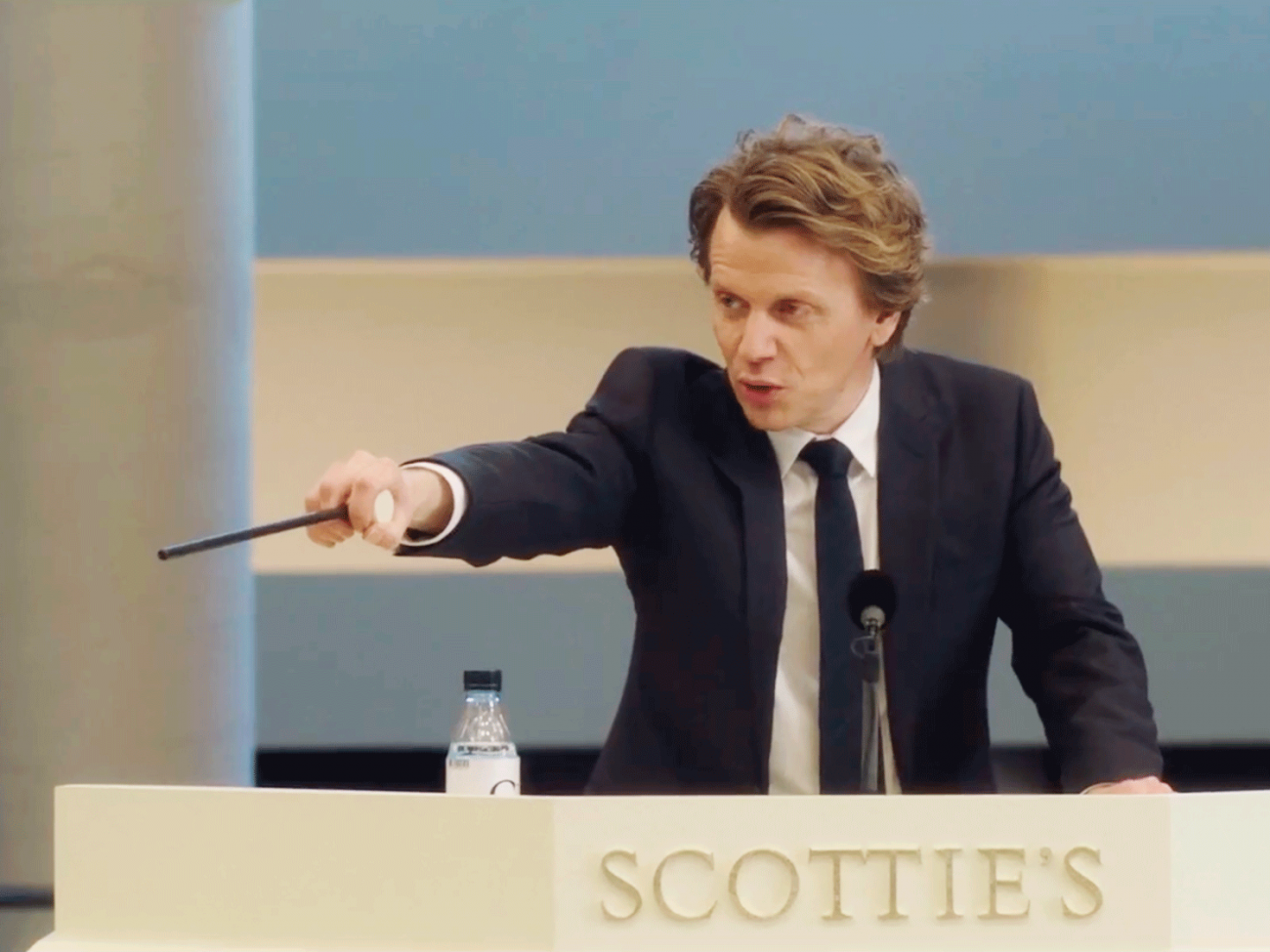
Director Pascal Bonitzer’s film 'Le Tableau volé' (The Stolen Painting) dramatizes the real-life 2005 discovery of a lost Egon Schiele masterpiece, 'Autumn Sun,' in the modest home of a factory worker in Mulhouse. The narrative follows a cynical auctioneer, played by Alex Lutz, as he navigates the authentication and eventual sale of the work, which was looted by the Nazis from Jewish collector Karl Grünwald during World War II.

Auguste Renoir in 2 Minutes

Auguste Renoir en 2 minutes

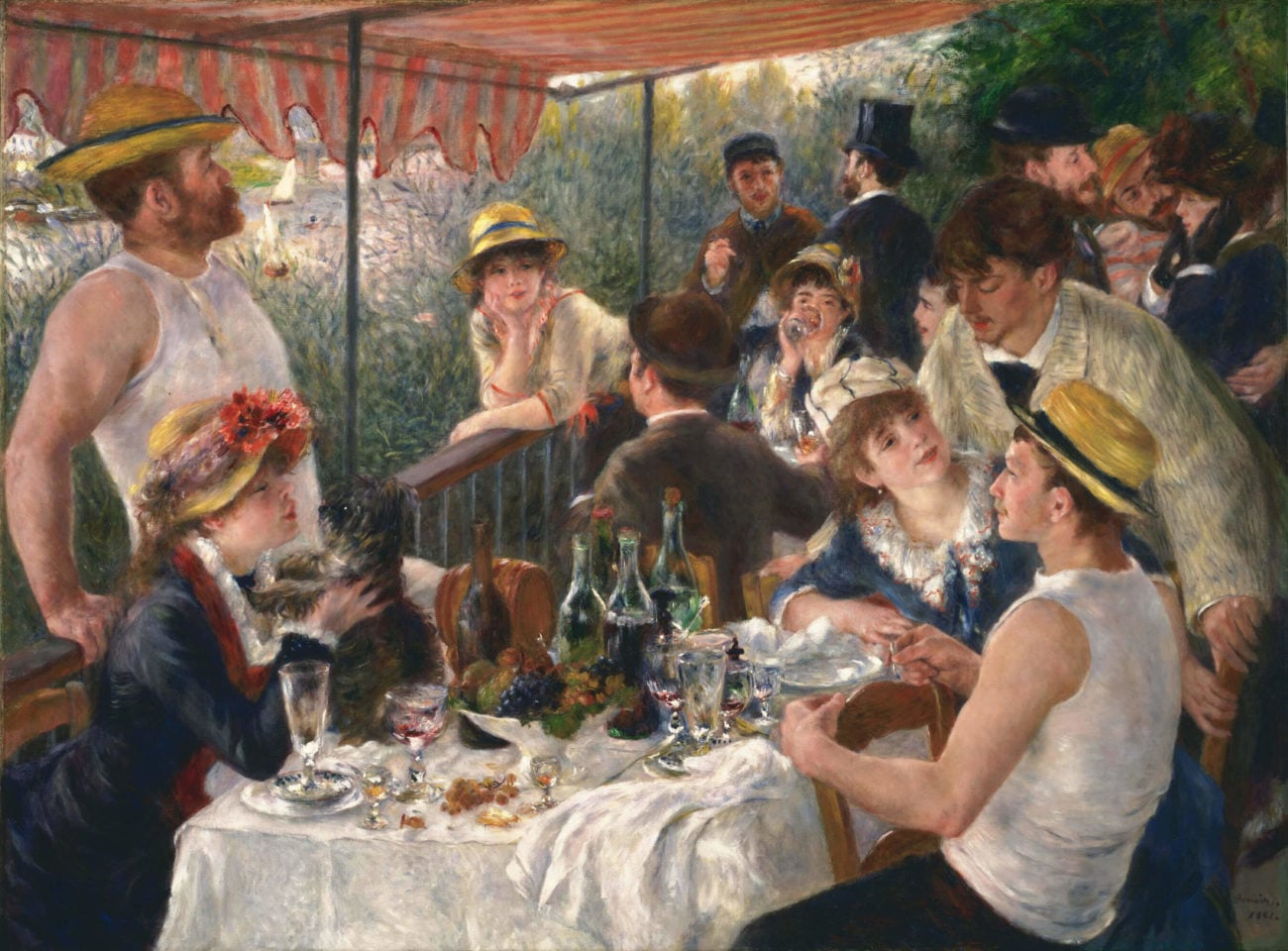
Pierre-Auguste Renoir remains a cornerstone of Impressionism, celebrated for his transition from porcelain painting to becoming a master of figure and light. While he initially pioneered plein air techniques alongside Claude Monet, Renoir eventually pivoted toward a more classical study of 18th-century masters, focusing on portraits, domestic scenes, and nudes. His career was marked by iconic works like 'Bal du moulin de la Galette' and a persistent drive to paint even as severe rheumatism physically debilitated him in his final years at Cagnes-sur-Mer.

Do you remember the last negative review you read?

« Vous souvenez-vous de la dernière critique négative que vous avez lue ? »

The traditional art of negative criticism is vanishing from mainstream media, replaced by a culture of polite consensus or violent but unprincipled social media attacks. Historically, critics like Baudelaire, Zola, and Huysmans used sharp, subjective arguments to defend avant-garde movements and challenge academicism, viewing the attack on certain artists as a necessary byproduct of championing others. Today, limited editorial space and a desire to support the arts have led French journalists to focus almost exclusively on praise, resulting in a loss of discernment and comparative analysis.

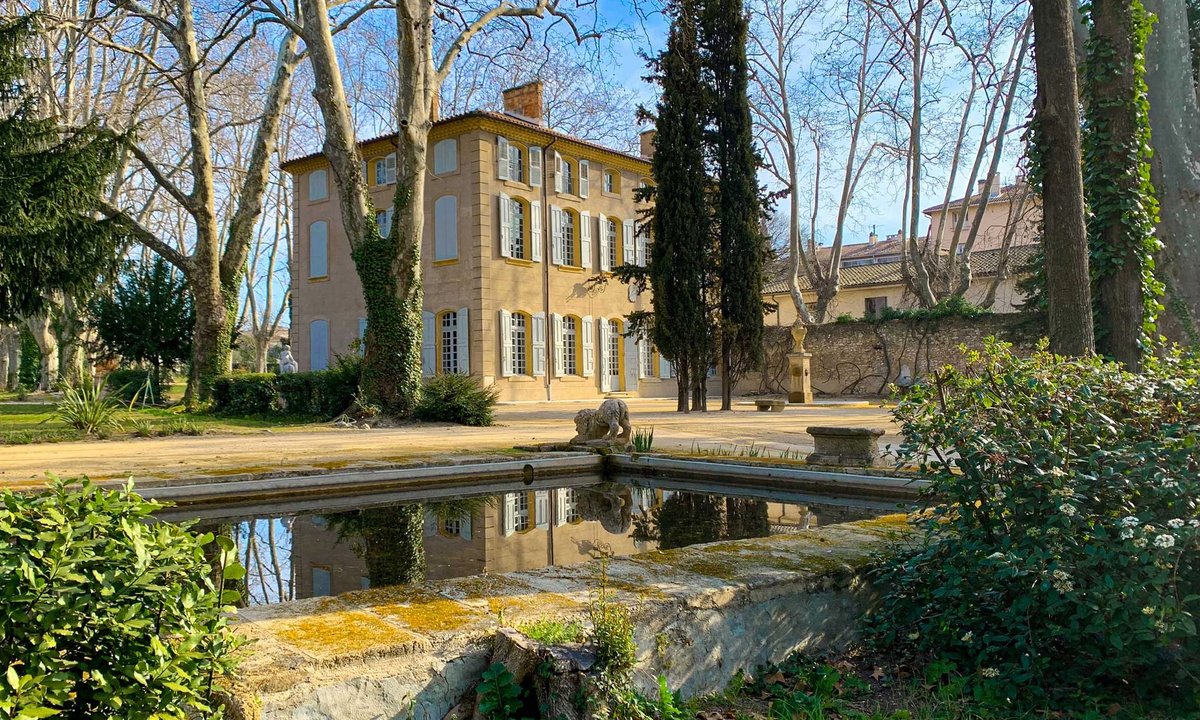
Cezanne family home opens to the public as Aix-en-Provence fetes its famous former resident

The French city of Aix-en-Provence is launching Cezanne 2025, a year-long program of events and exhibitions celebrating its most famous resident, Paul Cézanne. The season begins with two major openings: the Bastide du Jas de Bouffan, Cézanne's family home, now open to the public after extensive renovations, and a major exhibition at the Musée Granet titled "Cezanne au Jas de Bouffan" (28 June to 12 October), which explores the painter's work during his 40 years at the estate. A highlight of the exhibition is the reconstruction of the Grand Salon, featuring a recently discovered mural fragment, *Entrée du port* (1864), and loans from institutions including the National Gallery in London and the Petit Palais in Paris.