filter_list Showing 8 results for "1954 Hague Convention" close Clear
dashboard All 8 article news 4article policy 4
date_range Range Today This Week This Month All
Subscribe

More than 200 cultural figures sign statement criticising international response to destruction of Iran’s heritage

More than 200 international scholars and cultural heritage professionals have signed a joint statement condemning the United States and Israel for inflicting "irreversible damage" on Iran’s cultural heritage. The group, which includes academics from leading global institutions, alleges that recent military strikes have damaged over 130 UNESCO-registered monuments and museums, including the Senate Palace in Tehran and sites in Isfahan. They argue these actions violate the 1954 Hague Convention and criticize international bodies like UNESCO for failing to issue a sufficiently forceful response.
Blue Shields Placed at 34 Archaeological Sites Across Lebanon, Signaling Enhanced Protections

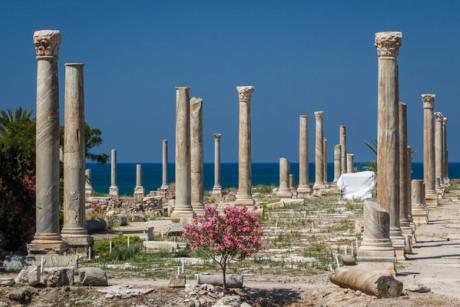
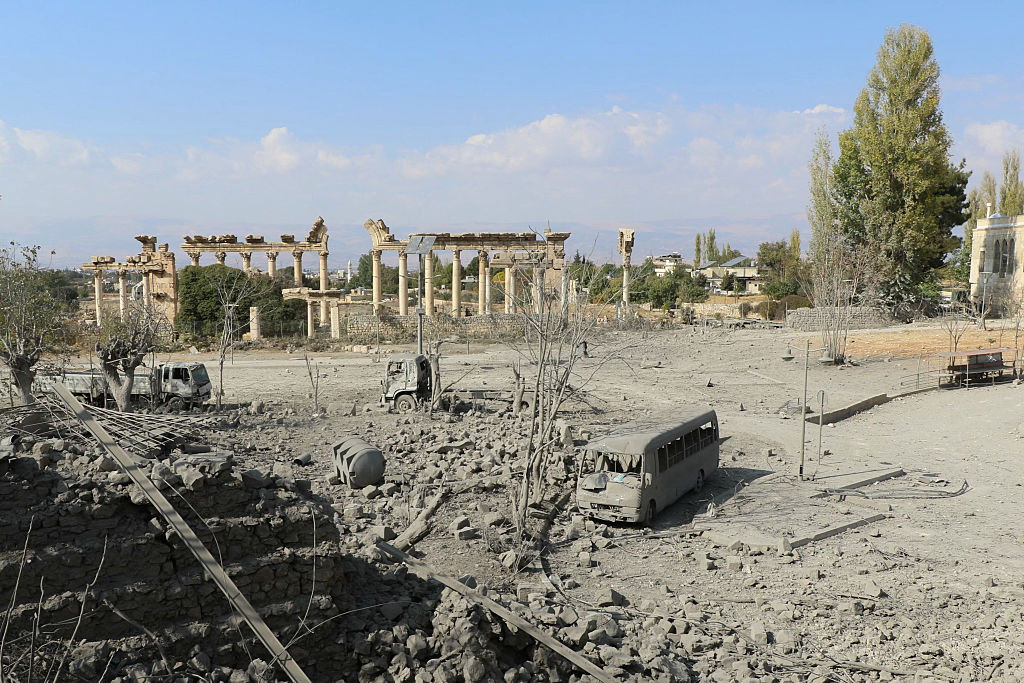
The Lebanese Culture Ministry has placed distinctive blue shields at 34 archaeological sites across the country. This action formally designates the sites as protected cultural property under the 1954 Hague Convention, aiming to shield them from destruction during the ongoing armed conflict involving Israel and Hezbollah.

US-Israel Strikes Damage 17th-Century Chehel Sotoun Palace In Isfahan, Iran

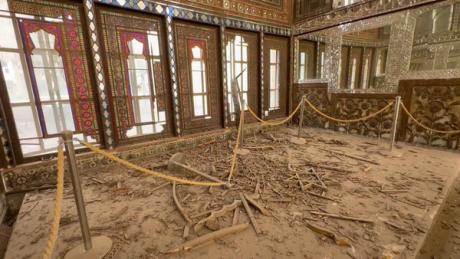
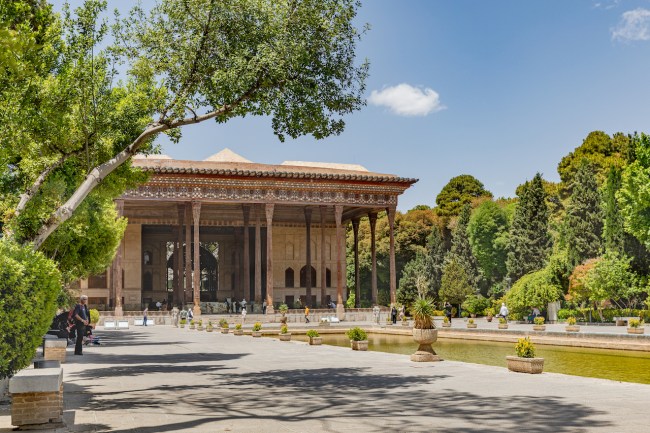
Airstrikes conducted by the United States and Israel on Isfahan, Iran, have caused significant damage to the 17th-century Chehel Sotoun Palace and several other nearby cultural landmarks. The palace, a UNESCO World Heritage Site, suffered shattered windows, damaged vaulted ceilings, and cracked historic murals, likely due to shock waves from strikes on a nearby government building.

Lebanon appeals to Unesco to intervene amid fears protected citadel has been destroyed

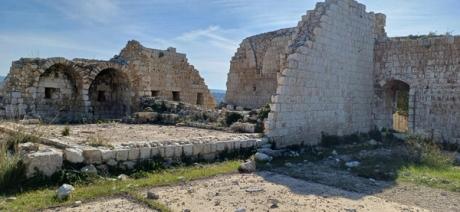
Lebanon’s Ministry of Culture has filed an urgent complaint with Unesco following reports that Israeli military forces destroyed the 12th-century Chama’ Citadel in southern Lebanon. The site, a Crusader-era fortress, had recently been granted "enhanced protection" status under the 1954 Hague Convention, a designation intended to shield it from military targeting. Lebanese authorities are currently unable to access the site due to ongoing military occupation and have requested that Unesco utilize satellite imagery to verify the extent of the demolition.

Unesco grants enhanced protection to 39 Lebanese heritage sites as war escalates

UNESCO has granted enhanced protection to 39 cultural heritage sites in Lebanon during an extraordinary session of its Committee for the Protection of Cultural Property. This designation, which prohibits targeting or military use of the sites, also unlocks over $100,000 in emergency funding for on-the-ground operations. The protected sites include the ancient Bekka Temple, the Lebanese National Library, and Barsbay Tower.

Unesco sites in Iranian city of Isfahan damaged by US-Israel strikes

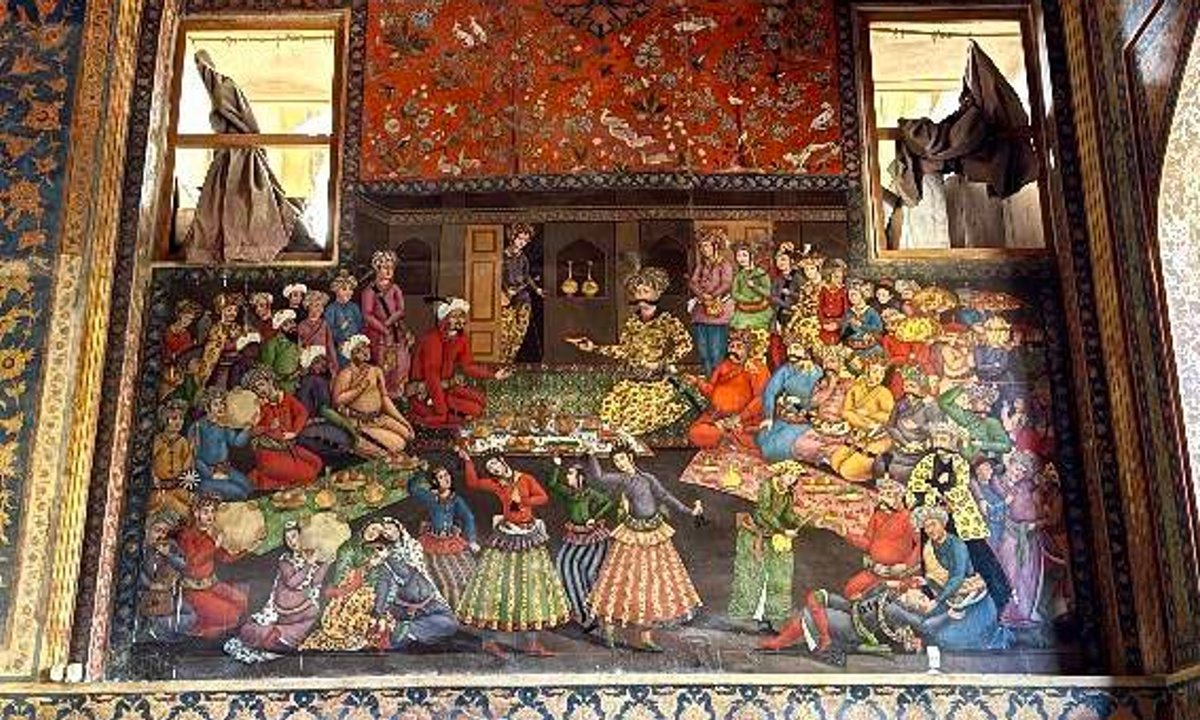
Recent US-Israeli strikes in the Iranian city of Isfahan have caused significant damage to several UNESCO World Heritage sites and historic landmarks. Reports indicate that the 17th-century Chehel Sotoun Palace suffered shattered windows, broken doors, and a large crack in a major fresco depicting Shah Tahmasp and the Mughal Emperor Humayun. Nearby, in the historic Naqsh-e-Jahan Square, the Ali Qapu Palace and the Jame Abbasi Mosque also sustained damage, including the destruction of iconic turquoise tiles and intricate fretwork.

lebanese ministry of culture urges unesco to grant enhanced protections to cultural property 1234776038

Lebanon’s Ministry of Culture has formally petitioned UNESCO to secure enhanced protections for the nation’s cultural heritage sites as regional conflict intensifies. Culture Minister Ghassan Salamé urged the UN agency to intervene with belligerent parties to ensure the safety of irreplaceable landmarks, including the National Museum of Beirut and the Roman ruins of Baalbek. UNESCO confirmed it has shared the coordinates of these World Heritage sites with all involved parties to prevent accidental or intentional targeting during military operations.

Strikes Damage UNESCO Sites in Israel and Iran; Cologne Cathedral to Charge Tourists Entry

strikes damage unesco sites in israel and iran cologne cathedral to charge tourists entry morning links for march 6 2026 1234775987

Escalating conflict in the Middle East has resulted in significant damage to UNESCO World Heritage sites in both Israel and Iran. In Tel Aviv, Iranian missile strikes damaged Bauhaus-style buildings in the White City district and the Habima National Theater, while Israeli and US bombings reportedly struck Tehran’s historic Golestan Palace. Meanwhile, the Cologne Cathedral announced it will begin charging tourists an entry fee in July to address a financial crisis, following a trend of European landmarks seeking new revenue streams for monument upkeep.