filter_list Showing 19 results for "61st venice biennale" close Clear
search
dashboard All 19 museum exhibitions 17article culture 2
date_range Range Today This Week This Month All
Subscribe

Five Whirlwind Days in Venice, at (and Beyond) the Biennale

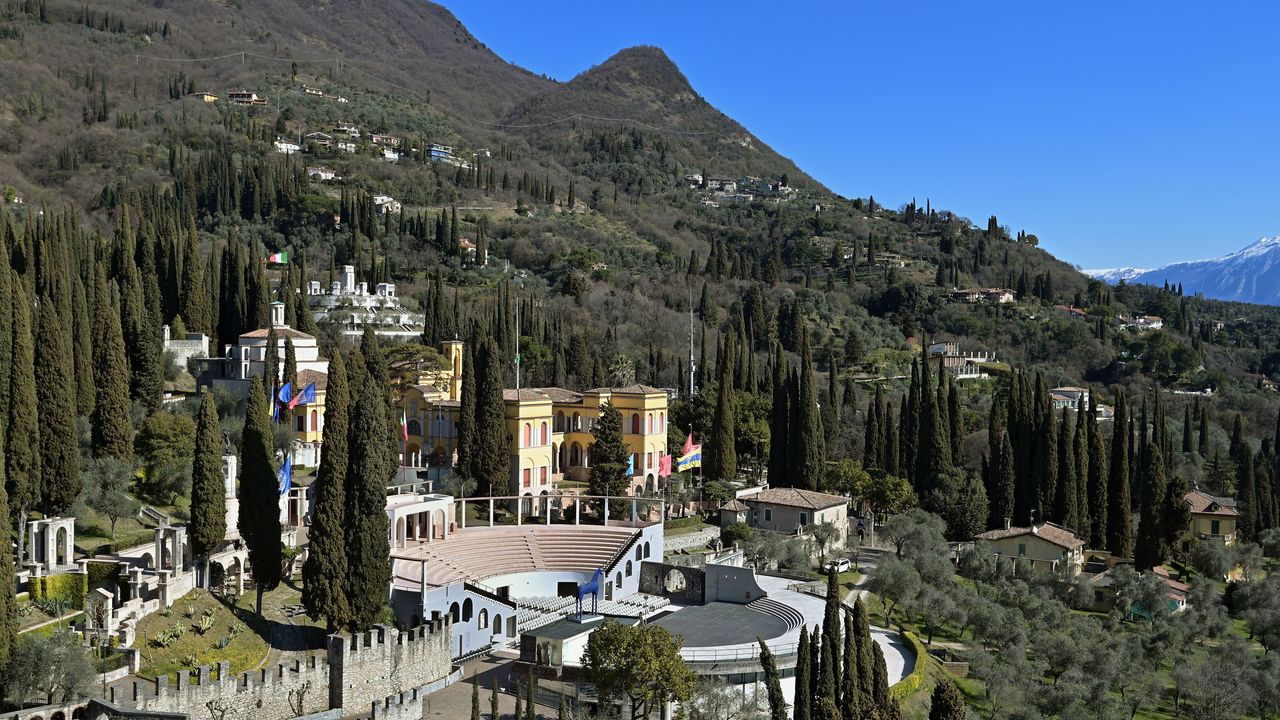
The article recounts a whirlwind three-day visit to the 61st Venice Biennale, focusing on the main exhibition at the Giardini della Biennale curated by the late Koyo Kouoh, titled "In Minor Keys." The author highlights textile works by artists such as Thania Petersen, Billie Zangewa, and Annalee Davis, as well as Beverly Buchanan's "Spirit Jars" and Maria Magdalena Campos-Pons's portrait of Kouoh and Toni Morrison. The trip also includes visits to collateral events, a performance at Jordan Roth's palazzo, and a side trip to Gabriele D'Annunzio's estate on Lake Garda.
Global Art Biennials: Renovation, Revelation—or Repetition?

The article examines the current state of global art biennials, arguing that recent controversies—such as the 2022 documenta antisemitism crisis and geopolitical tensions at the 61st Venice Biennale—reveal these exhibitions as deeply politicized platforms rather than neutral cultural events. It highlights how juries and curators have introduced geopolitical criteria, and cites ongoing debates in Artforum (April 2026) featuring voices like Daniel Birnbaum, Michelle Grabner, and Adam Szymczyk, who diagnose visible tensions but overlook deeper structural conditions.

Hong Kong Artists Bring Quiet Reflection to Venice

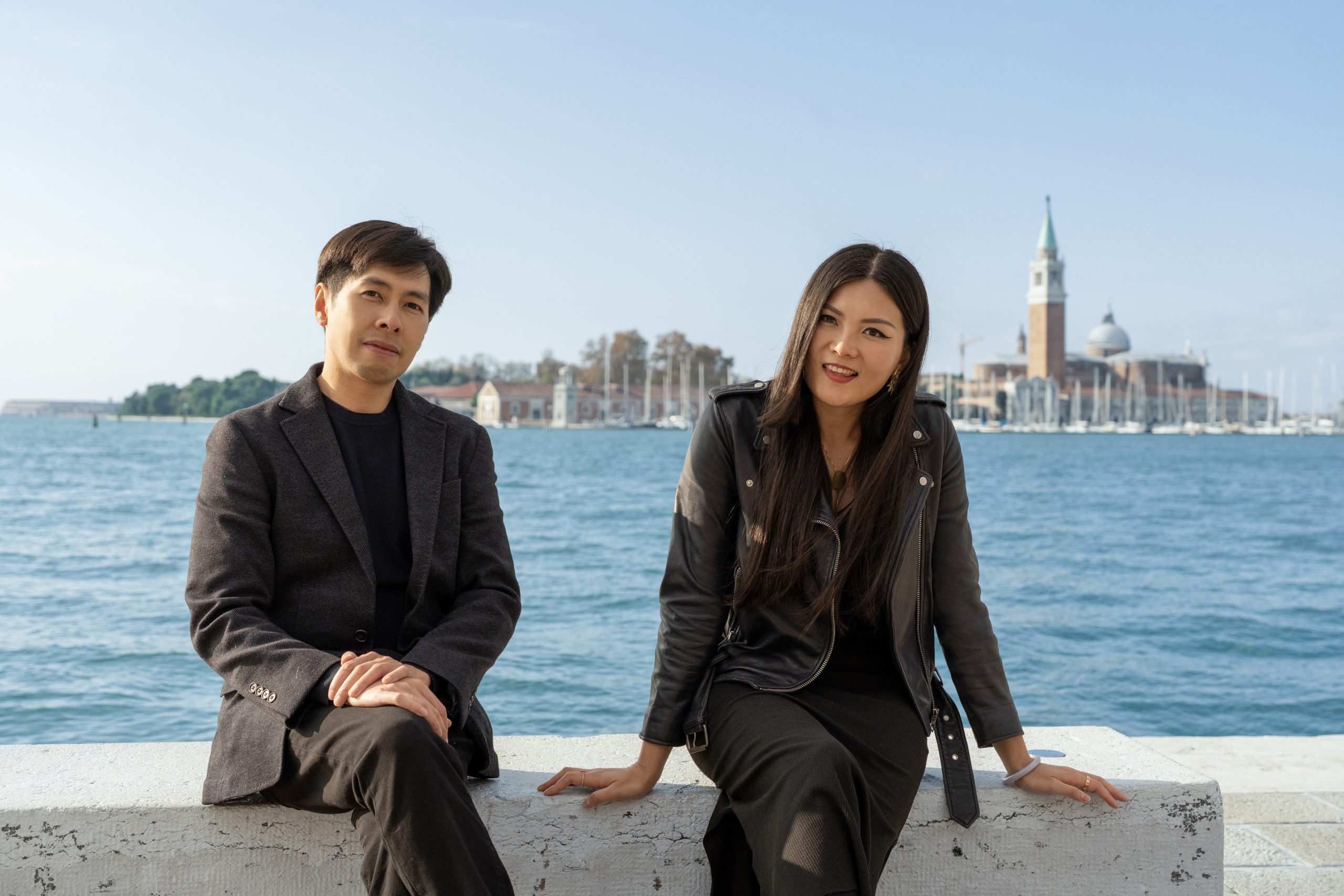
The 61st Venice Biennale, themed “In Minor Keys” by late curator Koyo Kouoh, emphasizes quiet reflection over spectacle. A collateral exhibition titled “Fermata: Hong Kong in Venice,” curated by the Hong Kong Museum of Art (HKMoA), runs through November 22, 2026, and features two Hong Kong-born artists: Kingsley Ng and Angel Hui. Ng’s installation *Laundry Nocturne* (2026) uses projections and sound to connect the shared laundry-drying traditions of Venice and Hong Kong, while Hui’s *I Would Like to Open a Window for You* (2026) incorporates wrought-iron window frames crafted with local metalsmiths. Both artists explore everyday experiences, memory, and quiet emotions, aligning with the Biennale’s call for a slower, more reflective engagement with art.

Boats and trains, not planes: reflections on a greener—but sometimes greenwashed—Venice Biennale

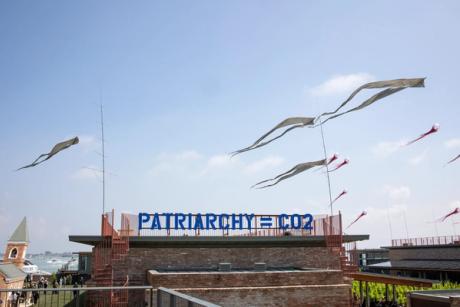
The article recounts the author's train journey from London to Venice for the 61st Venice Biennale, highlighting the environmental benefits and pleasant experience of traveling by rail versus flying, despite higher costs and longer duration. It then focuses on the Biennale's central exhibition "In Minor Keys" curated by the late Koyo Kouoh, which foregrounds environmental themes through works that engage with earth, nature, and ecological stakes, featuring artists like Otobong Nkanga, Célia Vasquez Yui, Theo Eshetu, Linda Goode Bryant, and Annalee Davis.

Alma Allen on Representing the US at the 61st Venice Biennale

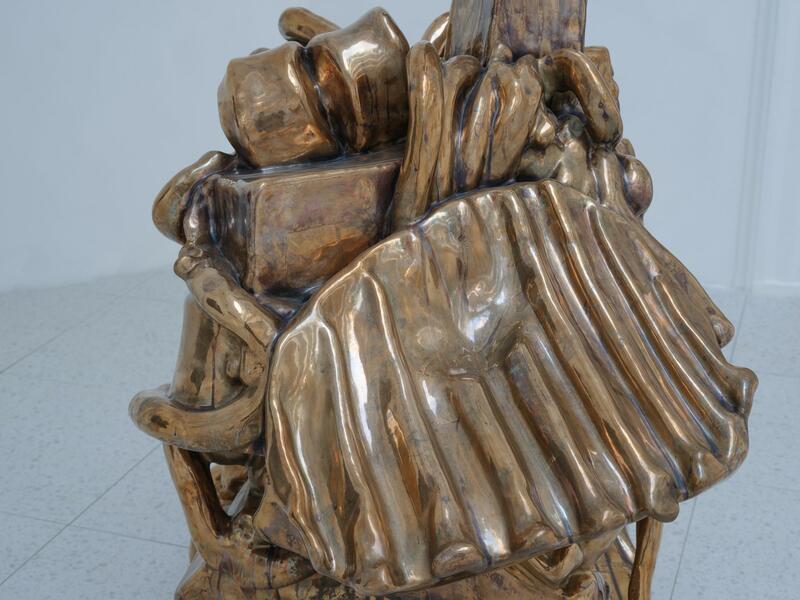
ArtReview published a questionnaire sent to artists and curators participating in the 61st Venice Biennale (2026), featuring responses from Alma Allen, who is representing the United States at the Giardini pavilion. Allen gave cryptic, philosophical answers, declined to answer several questions, and criticized the art world establishment, calling outsider artists the most important and refusing to provide a framework for interpreting her work. The article includes details about her bronze sculpture "Not Yet Titled" (2023) and her reflections on US identity, violence, and bureaucracy.

Matías Duville on Representing Argentina at the 61st Venice Biennale

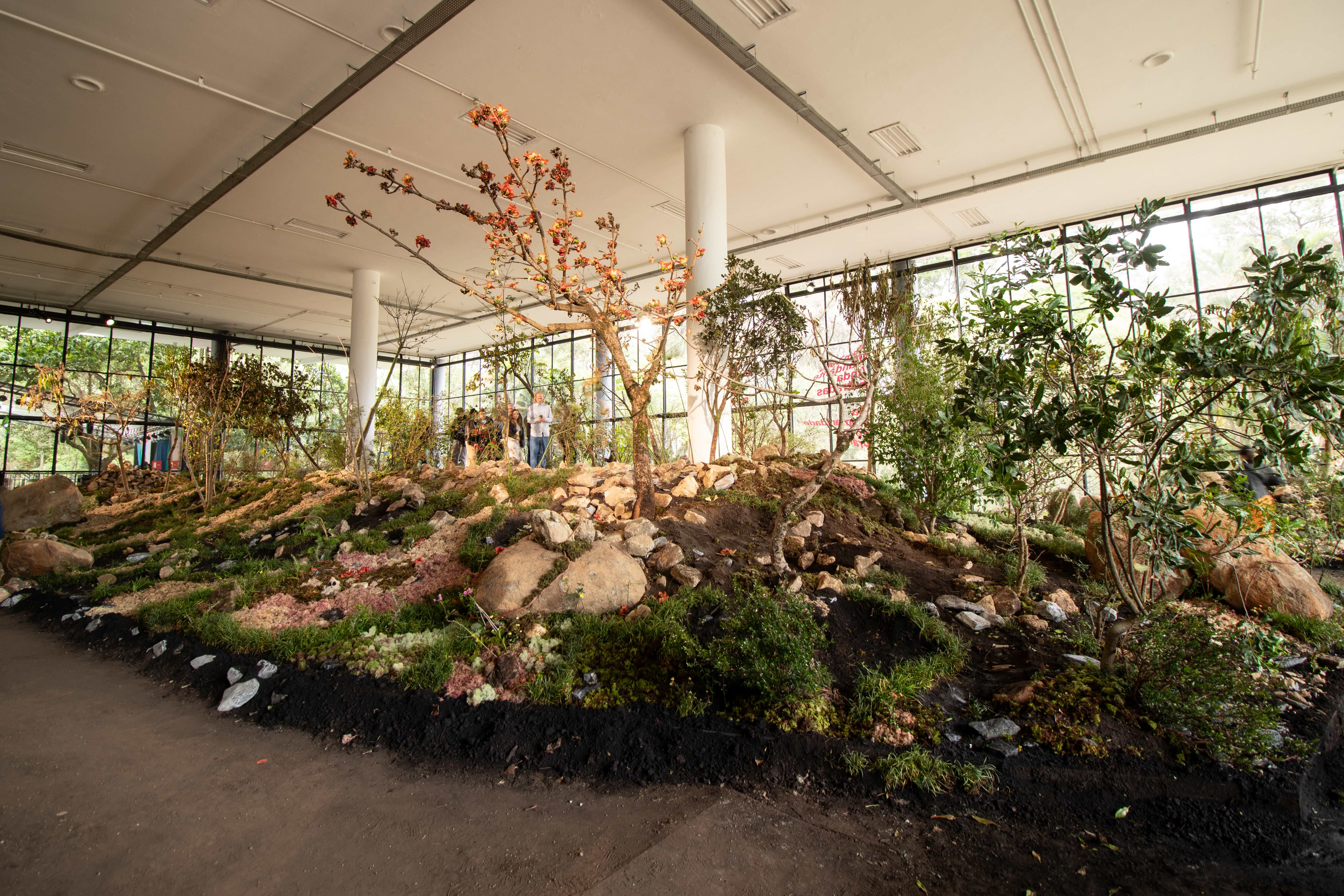
Matías Duville will represent Argentina at the 61st Venice Biennale in 2026 with a site-specific installation titled *Monitor Yin Yang*, transforming the Argentina Pavilion into a walkable landscape made of salt and charcoal. The work expands drawing into a spatial, sonic, and time-based experience, inspired by the natural environments of Mar del Plata and Patagonia. Duville discusses his approach in an interview with ArtReview, noting how early encounters with vast territories and geological time continue to shape his practice, and how the project relates to the Biennale's theme, *In Minor Keys*, by focusing on subtle intensities and open-ended evolution.

Amoako Boafo Drew on Venice’s Rich Creative Heritage for His First Solo Show in Italy

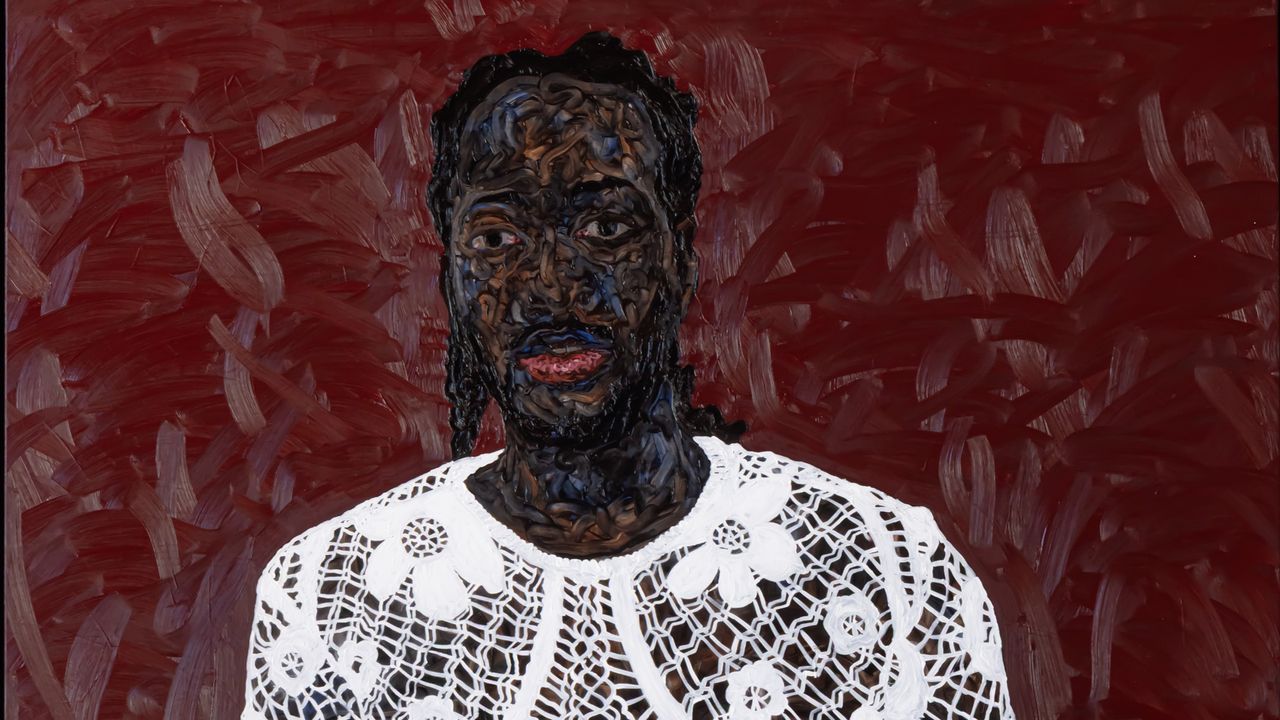
Amoako Boafo, the Ghanaian artist known for his finger-painted portraits of stylish Black sitters, opened his first solo show in Italy at the Museo di Palazzo Grimani in Venice during the 61st Venice Biennale. Titled "It doesn’t have to always make sense" and produced by Gagosian, the exhibition runs through November 22 and features Boafo's paintings alongside works by friends and collaborators, including poems by Raphael Worlasi Langani and a sculpture made with Stephen Allotey. The show also includes a video documenting Boafo's life and a "heroine wall" of portraits honoring women he admires, such as curator Koyo Kouoh.

Venice Biennale 2026 Roundup

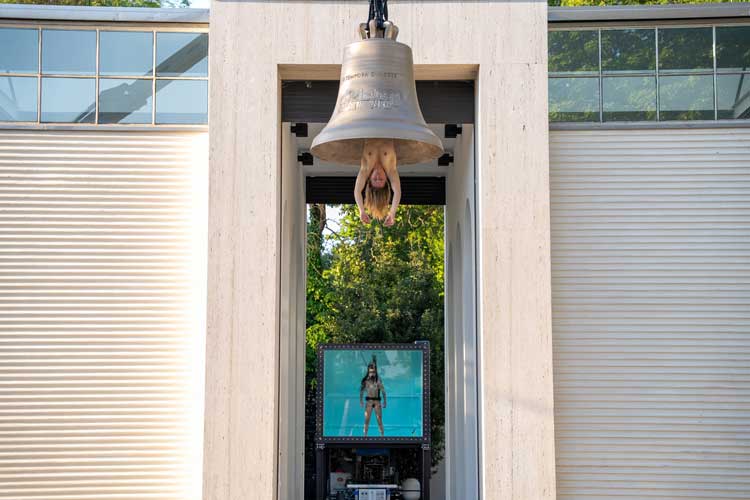
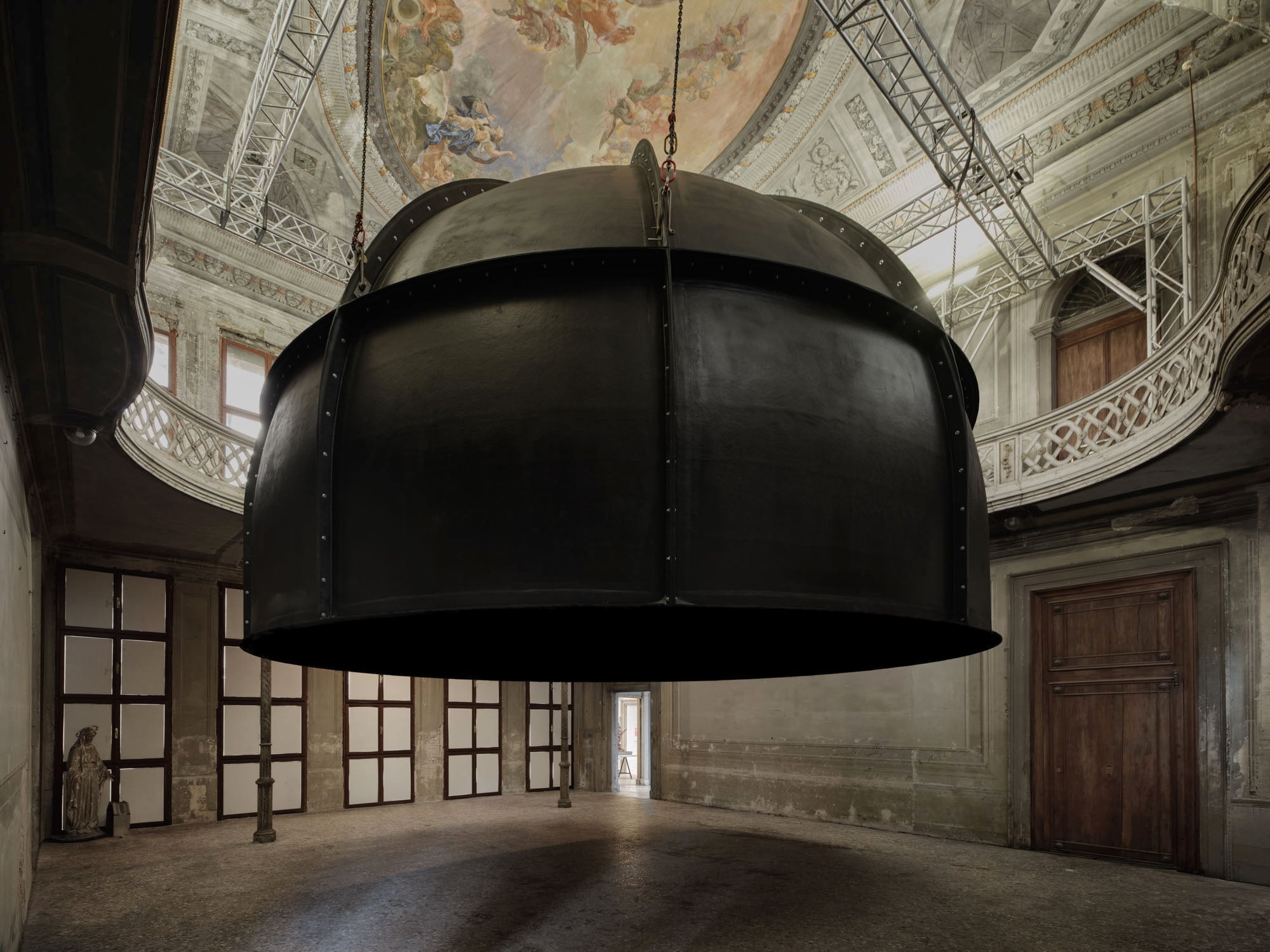
The 61st Venice Biennale, titled "In Minor Keys" and curated by the late Koyo Kouoh, opened in May 2026 amid significant turmoil. The Austrian Pavilion features Florentina Holzinger's performance piece "Seaworld Venice," centered on a giant bell that chimes hourly. The biennale has been marked by the death of its curator, the resignation of the international jury over the inclusion of Russia and Israel, protests by Pussy Riot and the Art Not Genocide Alliance, and the cancellation of the South African Pavilion over Gabrielle Goliath's "Elegy," which honors murdered women including a Palestinian poet. The US Pavilion's state-sponsored offerings have also drawn criticism.

In Minor Keys A Cacophony At 61st Venice Biennale – Miranda Carroll

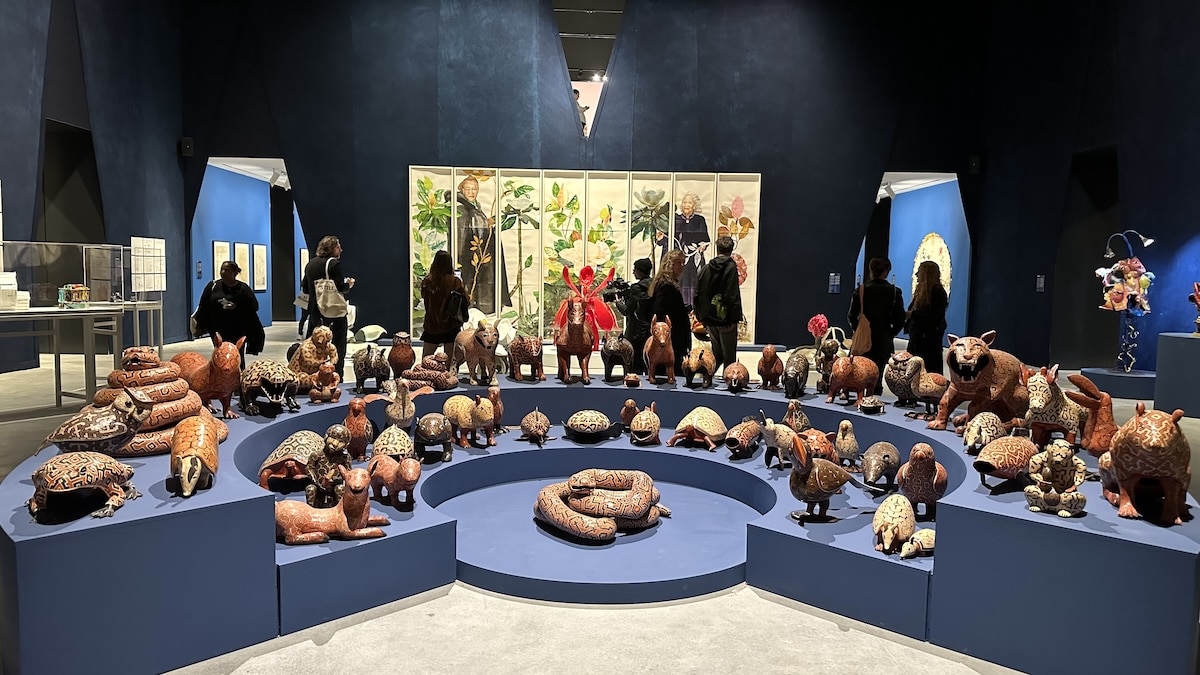
The 61st Venice Biennale, titled 'In Minor Keys,' opened with a central exhibition curated by the late Koyo Kouoh, who died in 2025. The show features 110 artists and collectives, realized by a team of five curators known as 'la squadra di Koyo.' The exhibition spans the Giardini and Arsenale venues, with works including Otobong Nkanga's living facade installation, Theo Eshetu's dying olive tree, and Nick Cave's vibrant sculptures. Poems and quotes by Refaat al-Areer, Etel Adnan, Toni Morrison, and Ben Okri punctuate the spaces, encouraging visitors to pause and reflect.

Hans Ulrich Obrist on the Vatican Pavilion

Hans Ulrich Obrist über den Vatikan-Pavillon

Hans Ulrich Obrist, the renowned curator, has dedicated the Vatican Pavilion at the 61st Venice Biennale to the medieval mystic Hildegard von Bingen. The exhibition, titled "The Ear Is the Eye of the Soul," features a walkable sound garden created with the Soundwalk Collective, designed as a space for listening, meditation, and inner reflection. In a Monopol podcast interview, Obrist discusses the project's origins, Hildegard's holistic thinking, and contributions from artists including Patti Smith, Jim Jarmusch, Brian Eno, Meredith Monk, FKA twigs, and Blood Orange. The episode also covers the final work of the recently deceased Alexander Kluge, shown in a former monastery complex in Venice.

US SCULPTURES AMID CONTROVERSY AT THE VENICE BIENNALE

The United States Pavilion at the 61st Venice Biennale features sculptor Alma Allen's exhibition "Call Me the Breeze," which opened with no clear funding just ten days prior. Unlike previous pavilions supported by major foundations like Ford and Mellon, Allen's show relies on a $375,000 US government contribution and public donations via the American Arts Conservancy. The selection process was unconventional: the State Department, which took over after Trump's NEA budget cuts, imposed restrictions on DEI policies and required proposals promoting "American exceptionalism." Curator Jeffrey Uslip directly approached Allen without a formal proposal, leading the artist's two galleries—Olney Gleason and Mendes Wood DM—to drop him when he accepted the commission.

BETWEEN DOG AND WOLF CANADA BRINGS TWILIGHT TO THE VENICE BIENNALE

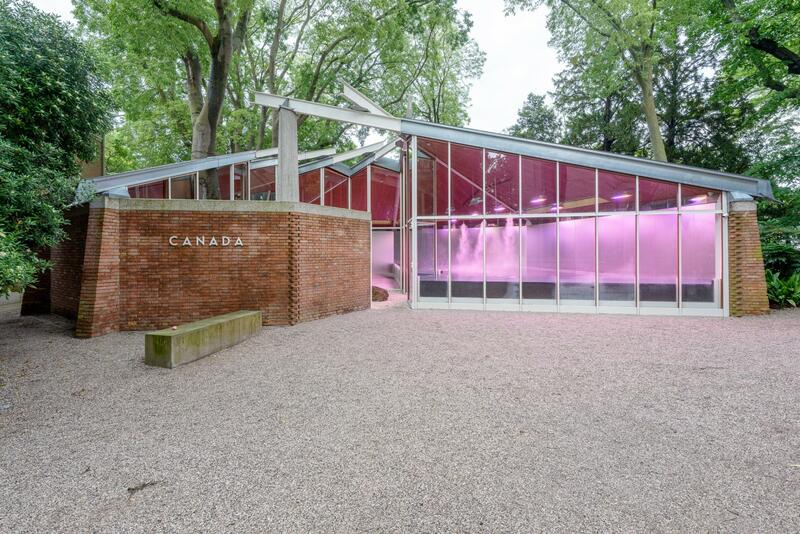
Abbas Akhavan, born in Tehran in 1977, represents Canada at the 61st Venice Biennale with an exhibition titled "Entre chien et loup" (Between Dog and Wolf). Commissioned by the National Gallery of Canada and curated by Kim Nguyen, the installation transforms the Canada Pavilion into a monumental Wardian case—a 19th-century plant transport device—converted into a greenhouse for Victoria water lilies. The lilies, native to South America and germinated at the Orto Botanico di Padova from seeds provided by the Royal Botanic Gardens, Kew, reference their prominent display in the Crystal Palace during the 1851 Great Exhibition. The exhibition runs until November 22, 2026.

ENTRE PERRO Y LOBO CANADA LLEVA EL CREPUSCULO A LA BIENAL DE VENECIA

Abbas Akhavan, born in Tehran in 1977, will represent Canada at the 61st Venice Biennale in 2026 with an exhibition titled "Entre chien et loup" (Between Dog and Wolf). Commissioned by the National Gallery of Canada and curated by Kim Nguyen, the Canada Pavilion is transformed into a monumental Wardian case—a 19th-century plant transport device—serving as a greenhouse for Victoria water lilies. The seeds were germinated at the Orto Botanico di Padova in collaboration with the Royal Botanic Gardens, Kew, and the installation will be on view until November 22, 2026.

The great Portuguese artist who reconstructs a Via Crucis for his exhibition in Venice

Il grande artista portoghese che per la sua mostra a Venezia ricostruisce una Via Crucis

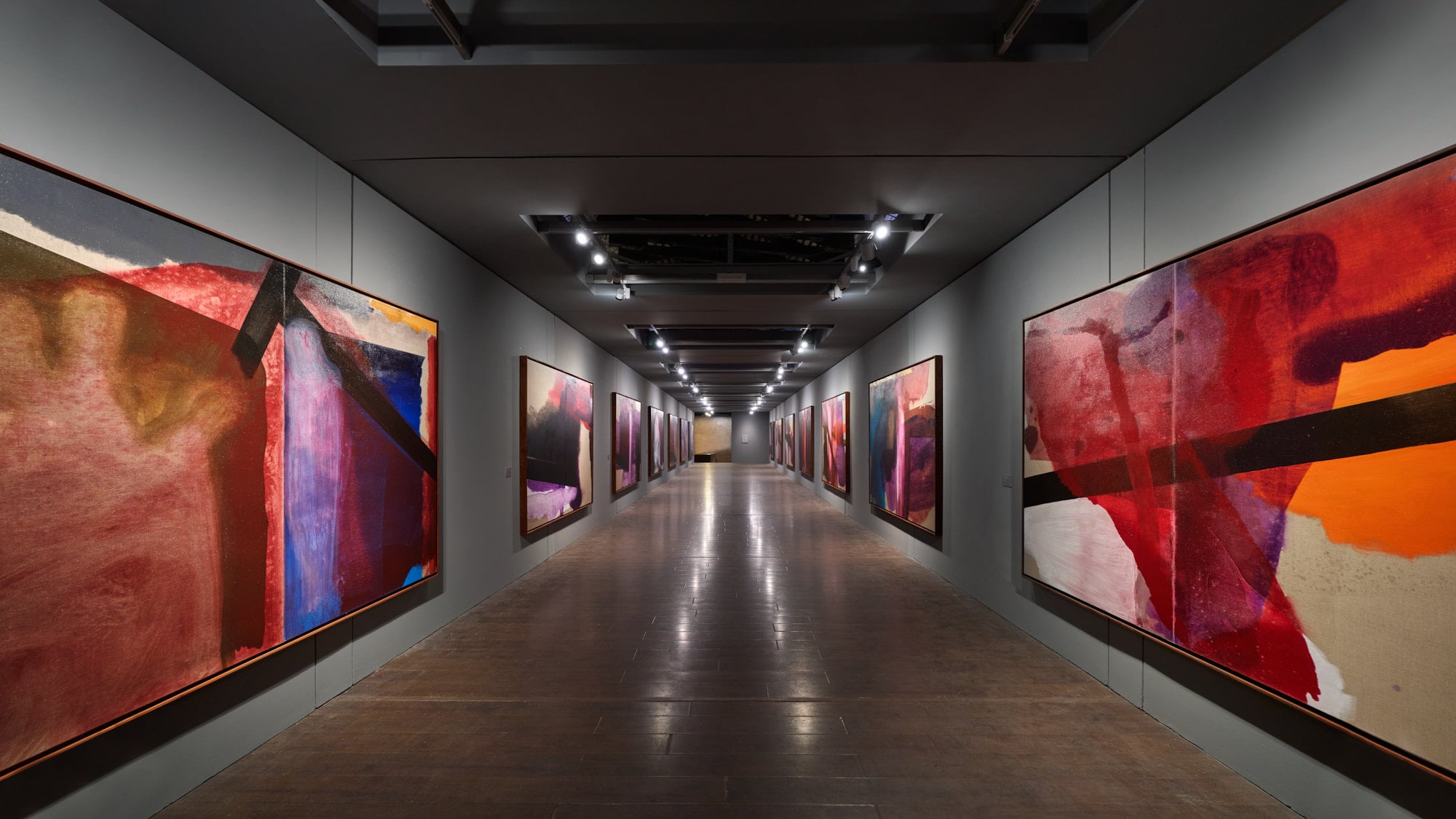
Portuguese artist Pedro Cabrita Reis presents "XIV Steps" at the Magazzino del Sale 3 – Accademia di Belle Arti di Venezia during the 61st Venice Biennale. The exhibition features a new cycle of fourteen diptychs inspired by the structure of the Via Crucis (Stations of the Cross), arranged in a linear, processional path that emphasizes rhythm, distance, and repetition. Developed with Luca Berta and Michael Short, the works blend painting, materiality, and spatial construction, using dense layers of violet, dark red, black, and orange punctuated by large black diagonals that evoke architectural elements and tension.

Sculpture as a Form of Architecture: Happening at the Foundation of Super Artist Anish Kapoor in Venice

La scultura come forma di architettura. Succede alla Fondazione del super artista Anish Kapoor a Venezia

Anish Kapoor has opened a major solo exhibition at Palazzo Manfrin in Venice, a 16th-century building he purchased in 2018, now home to his foundation. The show, running until August 8 during the 61st Venice Biennale, spans over fifty years of his practice, featuring models, studies, and installations that blur the line between sculpture and architecture. Works include the Monte Sant'Angelo metro station in Naples, the ArcelorMittal Orbit tower for the 2012 London Olympics, the inflatable concert hall Ark Nova, and the environmental installation Temenos. The palazzo itself remains under restoration, with exposed construction elements and workspaces visible, reinforcing the exhibition's theme of continuous transformation.

À la Biennale de Venise, le pavillon de l’Ouzbékistan fait revivre la mer d’Aral

The Uzbekistan Pavilion at the 61st Venice Biennale, curated around the figure of author Allayar Darmenov, brings together artists including Vyacheslav Akhunov, Zi Kakhramonova, A. A. Murakami, Zulfiya Spowart, and Nguyen Phuong Linh to explore the ecological disaster of the Aral Sea. Once the world's fourth-largest lake, it was drained by Soviet irrigation projects for cotton farming; the pavilion's installations—such as Kakhramonova's participatory salt-fish molding piece and Spowart's cradle-like sculpture—imaginatively revive the vanished sea and its endemic species.

Resonating with the past: 3 Macau artists on ‘Jacone’s Polyphony’ at Venice Biennale

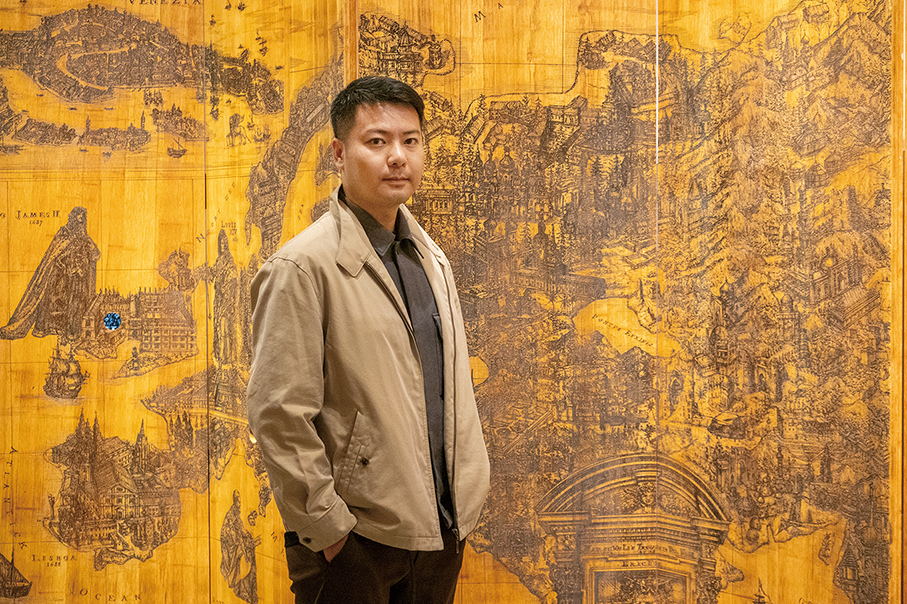
Three Macau artists—Fok Hoi Seng, O Chi Wai, and Lei Fung Ieng—are presenting works in the exhibition “Jacone’s Polyphony” at the 61st Venice Biennale. The show, curated by Feng Yan and Ng Sio Ieng, draws inspiration from the 17th-century Jesuit painter Wu Li (known in Portuguese as Jacone), whose unfulfilled journey to Rome mirrors Macau’s complex cultural identity. Fok contributes a large-scale screen tracing Wu Li’s intended route; O offers a multimedia installation linking past and present spiritual seeking; and Lei creates a sculpture exploring migration and emotional texture.

Spain: Oriol Vilanova and the Abolition of the Museum and the Archive

ESPANA ORIOL VILANOVA Y LA ABOLICION DEL MUSEO Y EL ARCHIVO

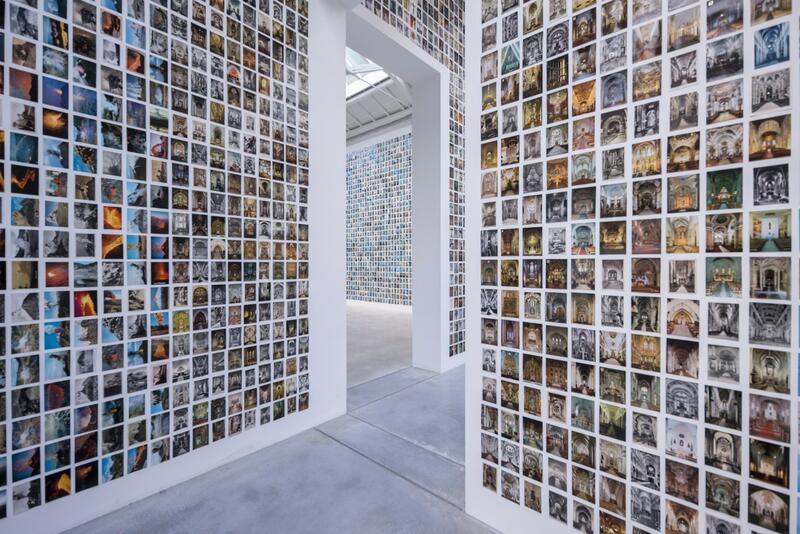
The Spanish Pavilion at the 61st Venice Biennale presents "Los restos," a project by Catalan artist Oriol Vilanova, curated by Carles Guerra. The installation transforms the pavilion into an anti-museum or pseudo-museum, featuring over twenty years of postcards collected from flea markets, arranged in a wall-based accumulation that challenges linear narrative and archival hierarchy. The project also includes a publication and a performative action titled "El fantasma de la libertad" (2026), inspired by Luis Buñuel, which will take place across the Giardini and Arsenale through unannounced encounters.

SPAIN ORIOL VILANOVA AND THE ABOLITION OF THE MUSEUM AND THE ARCHIVE

The Spanish Pavilion at the 61st Venice Biennale presents "Los restos," a project by Catalan artist Oriol Vilanova, curated by Carles Guerra. The installation transforms the pavilion into an anti-museum or pseudo-museum, featuring Vilanova's collection of postcards sourced from flea markets over more than twenty years. The work critiques traditional archival systems through accumulation, repetition, and fragmentation, and includes a publication and a performative action titled "El fantasma de la libertad" (2026), inspired by Luis Buñuel, which will take place across the Giardini and Arsenale.