

filter_list Showing 3 results for "Allayar Darmenov" close Clear
search
dashboard All 3 museum exhibitions 3
date_range Range Today This Week This Month All
Subscribe

Must-See National Pavilions at the 61st Venice Biennale

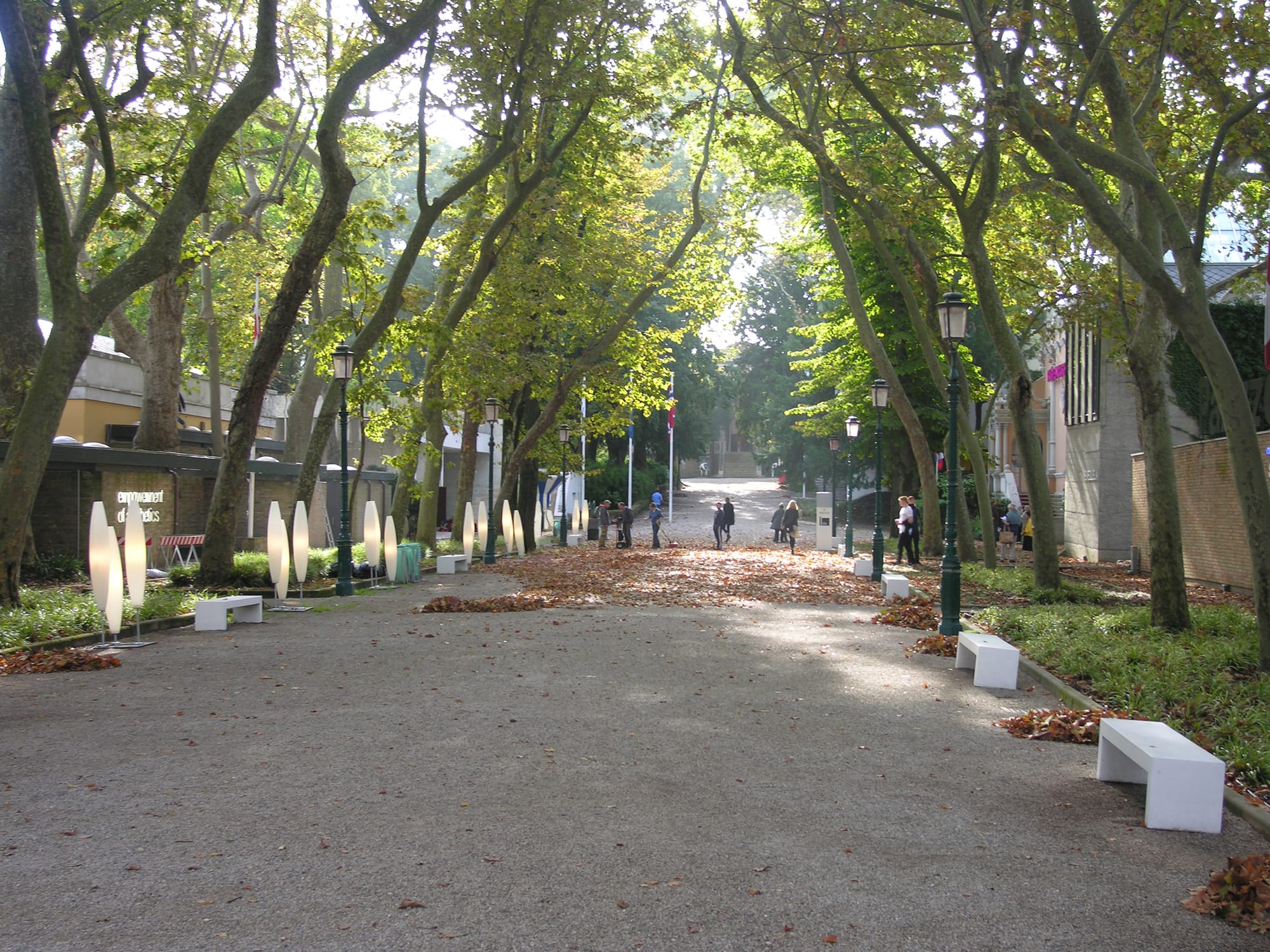
The 61st Venice Biennale features standout national pavilions from Japan, the Philippines, Timor-Leste, Singapore, and India. Japan presents Ei Arakawa-Nash's 'Grass Babies, Moon Babies,' an interactive exhibition with hand-sewn baby dolls and sound pieces exploring queer parenthood and collective care. The Philippines showcases Jon Cuyson's 'Sea of Love / Dagat ng Pag-ibig,' a solo show using 'mussel thinking' to highlight Filipino seafarers. Timor-Leste's 'Across Words' brings together three artists addressing ethnolinguistic diversity and cultural memory, while Singapore presents Amanda Heng's 'A Pause,' a feminist performance on vulnerability and resilience. India's pavilion features Ranjani Shettar's work, supported by Talwar Gallery.
Previews: 61st Venice Biennale: In Minor Keys

The 61st Venice Biennale, titled "In Minor Keys" and curated by the late Koyo Kouoh, opens amid global turmoil and internal controversy. Kouoh, who passed away in May 2025, conceived the exhibition around the metaphor of a "creole garden," emphasizing deep affinities between 111 artists from diverse locations such as Dakar, Beirut, and Salvador. The Biennale is overshadowed by recent geopolitical events, including US-Israeli airstrikes on Iran, and faces protests: over 70 participating artists signed an open letter opposing the participation of Israel, Russia, and the US, while the Australian pavilion saw the reinstatement of Khaled Sabsabi after being dropped, and South Africa withdrew its official pavilion over Gabrielle Goliath's femicide project, which she will still present independently.

Drained, Drowning, and Decay: The Best National Pavilions at the Venice Biennale

The 2026 Venice Biennale is defined by themes of ruin and decay, with standout national pavilions exploring bodily, infrastructural, and archaeological collapse. The Slovenian Pavilion features the Nonument Group repurposing materials from past Biennales into a ruin of a mosque for Bosnian Muslim soldiers from World War I. Syria presents its first national pavilion since the Civil War, with Sara Shamma invoking Palmyra, destroyed by ISIS. Germany's pavilion, titled "Ruin," features works by Henrike Naumann (who died in February) and Sung Tieu, questioning the pavilion's fascist architecture and nationalist residue. The Austrian Pavilion, curated by Florentina Holzinger, offers a visceral performance titled "Sea World." The Biennale is also marked by the abrupt resignation of its five-member jury, who refused to consider nations charged with crimes against humanity, leading to awards being chosen by public vote. Additionally, the main exhibition "In Minor Keys" was affected by the death of its curator, Koyo Kouoh.