
filter_list Showing 3 results for "Amichai Eliyahu" close Clear
search
dashboard All 3 article policy 2article local 1
date_range Range Today This Week This Month All
Subscribe

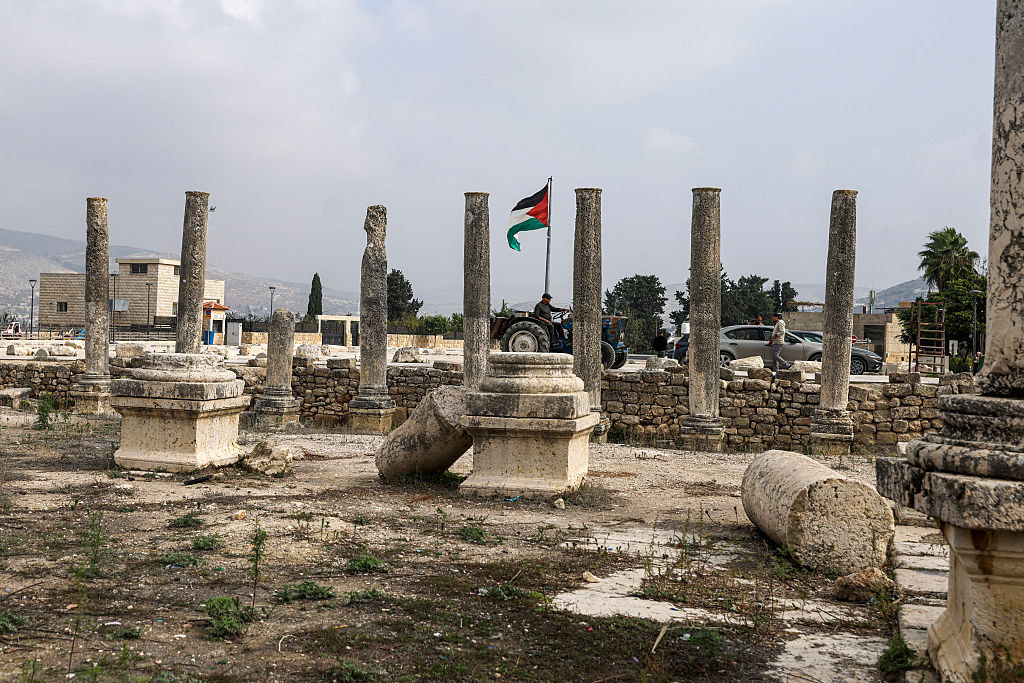
Israeli Authorities Plan to Seize Major Archaeological Site in West Bank, Sparking Outrage

sebastia west bank archaeological site israel palestinians

Israeli authorities have announced plans to seize a 182-hectare archaeological site in the West Bank town of Sebastia, the largest such land seizure for an archaeological project since 1967. The plan includes building a visitor center, parking lot, and a fence that would separate the site from the Palestinian town, cutting off local access to both the ruins and surrounding olive groves. The move has been denounced by Palestinian residents and officials as an aggression that threatens livelihoods and erases Palestinian identity.
Israel Advances Bill Granting Sweeping Civilian Authority over West Bank Archaeological Sites

Israel advanced a bill on Tuesday that would grant sweeping civilian authority over antiquities and archaeology in the occupied West Bank, replacing the current military-run system. The Likud-backed legislation would create a "Judea and Samaria Heritage Authority" under the Israeli heritage minister, empowered to purchase and expropriate land, oversee excavations, and manage heritage sites across Areas B and C of the West Bank. The bill passed its first of three votes (23-14) and would be led by Amichai Eliyahu, a far-right politician who advocates for annexation. Human rights groups and the Israeli NGO Emek Shaveh warned the move amounts to de facto annexation and a violation of Palestinian rights.

1600 year old beer shema mosaic publicly accessible israel

A 1,600-year-old mosaic known as the Be'er Shema Mosaic has been opened to the public for the first time at the Merhavim Regional Council complex in northwestern Negev, Israel. Originally unearthed in 1990 near Kibbutz Urim, the mosaic features 55 medallions depicting hunting scenes, exotic animals, mythological figures, fruit, and daily life, and was created by a master craftsman using small stones, varied colors, glass, and pottery. It was rediscovered, conserved, and relocated from its original site to the council compound as part of the "Antiquities Near Home" project co-organized by the Ministry of Heritage and the Israel Antiquities Authority.