
filter_list Showing 3 results for "Anton Weber" close Clear
search
dashboard All 3 museum exhibitions 3
date_range Range Today This Week This Month All
Subscribe

10 Ausstellungen, die Sie zum Gallery Weekend nicht verpassen sollten

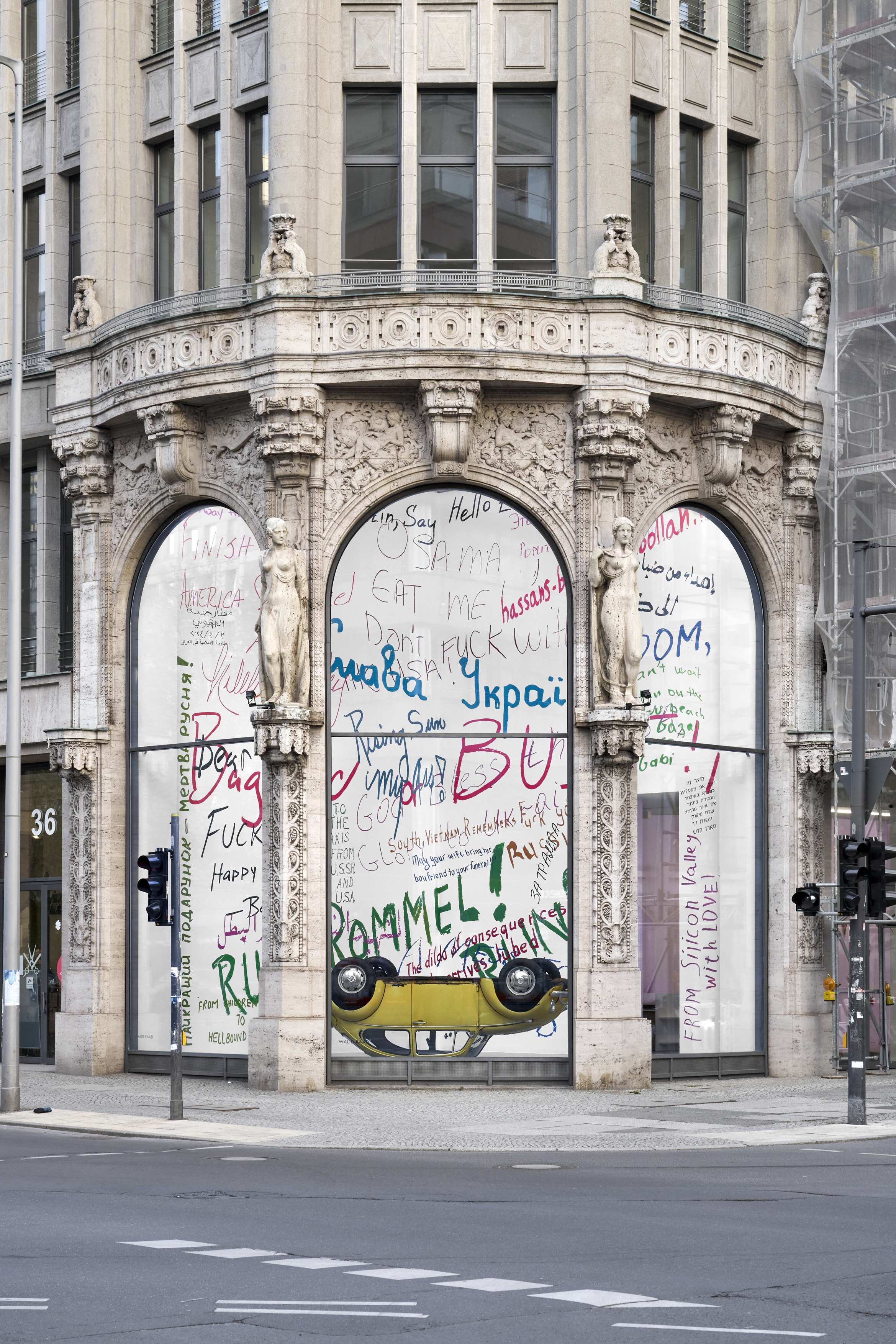
The article highlights ten must-see exhibitions during Berlin's Gallery Weekend, curated by the editorial team of Monopol magazine. Featured shows include Jiyoon Chung's installation "Dead End" at Anton Janizewski, which explores perception and anxiety through subtle triggers; Giorgio Griffa's retrospective at Walter Storms Galerie, showcasing his poetic abstract paintings on un-stretched linen; Walid Raad's "Like a Rubber Rung on a Ladder" at Galerie Thomas Schulte, referencing the Lebanese Civil War with a crashed VW Beetle and graffiti; and Thomas Demand's exhibition at Sprüth Magers, where his photographs printed on copper plates reflect on current events like the Gaza war and climate change.

10 exhibitions you can still see after Berlin's Gallery Weekend

10 Ausstellungen, die Sie auch nach dem Gallery Weekend in Berlin sehen können

The Monopol editorial team highlights ten standout exhibitions from Berlin's Gallery Weekend, including Jiyoon Chung's installation "Dead End" at Anton Janizewski, which uses subtle triggers to explore perception and anxiety; Giorgio Griffa's retrospective at Walter Storms Galerie, featuring his poetic abstract paintings on raw linen; Walid Raad's narrative-driven show at Galerie Thomas Schulte, referencing the Lebanese civil war with a crashed VW Beetle and bomb graffiti; and Thomas Demand's new works at Sprüth Magers, printed on copper plates to create a shimmering aura. The article provides a curated tour of these shows, many of which remain open after the weekend.

Au musée Marmottan Monet, la peinture de Giovanni Segantini hisse la modernité au sommet des Alpes

The Musée Marmottan Monet in Paris is hosting the first retrospective in France of Giovanni Segantini (1858–1899), a major but little-known figure of Symbolism. The exhibition traces his career through the lens of his geographical ascent into the Alps, from his early success with "Ave Maria à la traversée" (1886–1888) to his final triptych "La Vie, La Nature, La Mort," which he was working on when he died at age 41. Segantini's divisionist technique, which Vassily Kandinsky considered a precursor to abstraction, is highlighted as a means of expressing a dematerialized vision of the world.