filter_list Showing 6 results for "Arpita Singh" close Clear
search
dashboard All 6 trending_up market 5person people 1
date_range Range Today This Week This Month All
Subscribe

collectors reveal key advice part ii

Artnet News published part two of a two-part series featuring advice from 11 experienced collectors. Among them are comedian Cheech Marin, who began collecting Chicano art in the 1980s and opened the Cheech Marin Center for Chicano Art and Culture in Riverside, California in 2022, and Kiran Nadar, founder of the Kiran Nadar Museum of Art in India, who with her husband has amassed over 15,000 works. Marin emphasizes trusting instincts, building relationships with artists, seeing art in person, and warns about storage space becoming an addiction. Nadar advises staying open and curious, and not hesitating to explore the unfamiliar.
Charge of the Indian art brigade

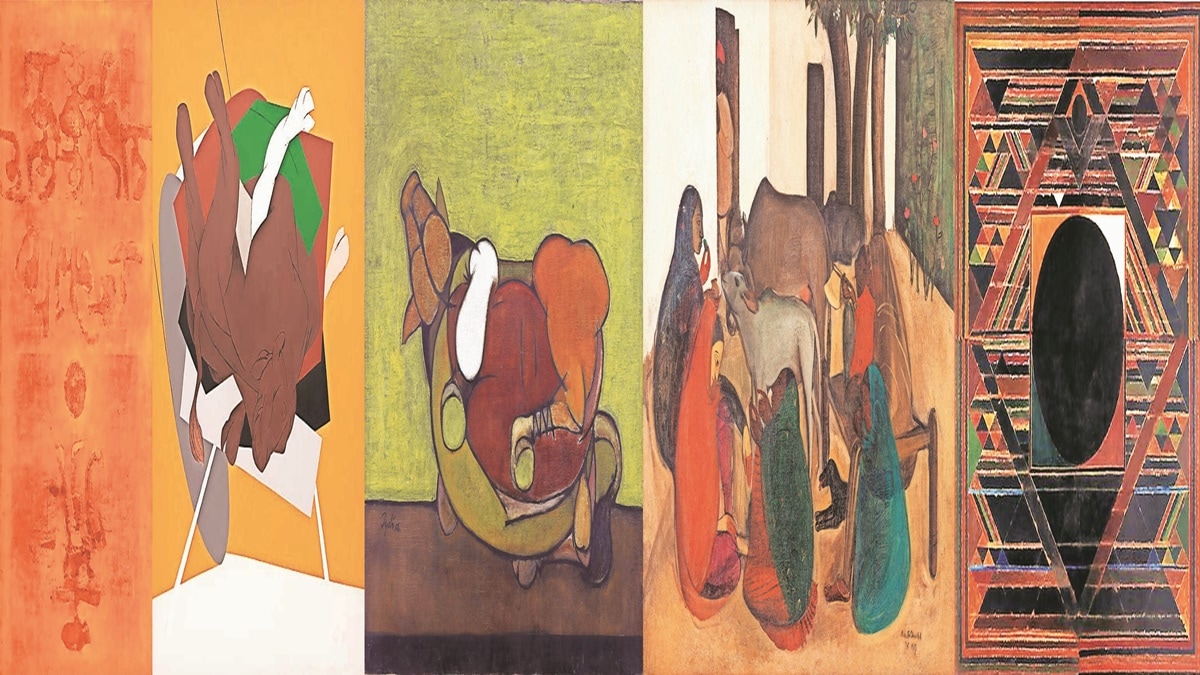
At a Christie’s auction in New York’s Rockefeller Center, an untitled work (Gram Yatra) by MF Husain sold for over Rs 118.7 crore ($13.8 million), becoming the most expensive modern Indian painting ever sold. The buyer is reportedly collector and philanthropist Kiran Nadar. Other record-tying sales include Amrita Sher-Gil’s The Story Teller and Tyeb Mehta’s Trussed Bull, each fetching Rs 61.8 crore at SaffronArt auctions, while a Jagdish Swaminathan painting exceeded estimates at Sotheby’s. These results come amid a 19% rise in the top 50 Indian artists’ sales to $36.2 million, per the 2024 Hurun India Art List.

The Great Indian Art Mafia

The Indian art market has undergone a dramatic transformation, shifting from a selective market with works priced between Rs 5-25 crore to a high-stakes arena where record-breaking sales are now common. Between 2023 and 2025, multiple works crossed the Rs 50-100 crore threshold, with M.F. Husain's 'Gram Yatra' (1954) achieving the highest price to date at approximately Rs 118 crore, acquired by the Kiran Nadar Museum of Art. The market has expanded to over Rs 3,000 crore, with projections of Rs 10,000 crore by 2030.

Big prices, bigger confidence: Inside Indian art’s breakout era

The Indian art market is experiencing a significant boom, characterized by record-breaking auction prices for established masters like SH Raza and MF Husain, and growing international visibility for contemporary artists at biennales and fairs. A new generation of high-net-worth collectors is driving this growth, building collections with greater intent, knowledge, and personal connection rather than pure speculation.

Bollywood Star Sonam Kapoor on the Women Who Shaped Her Eye for South Asian Art

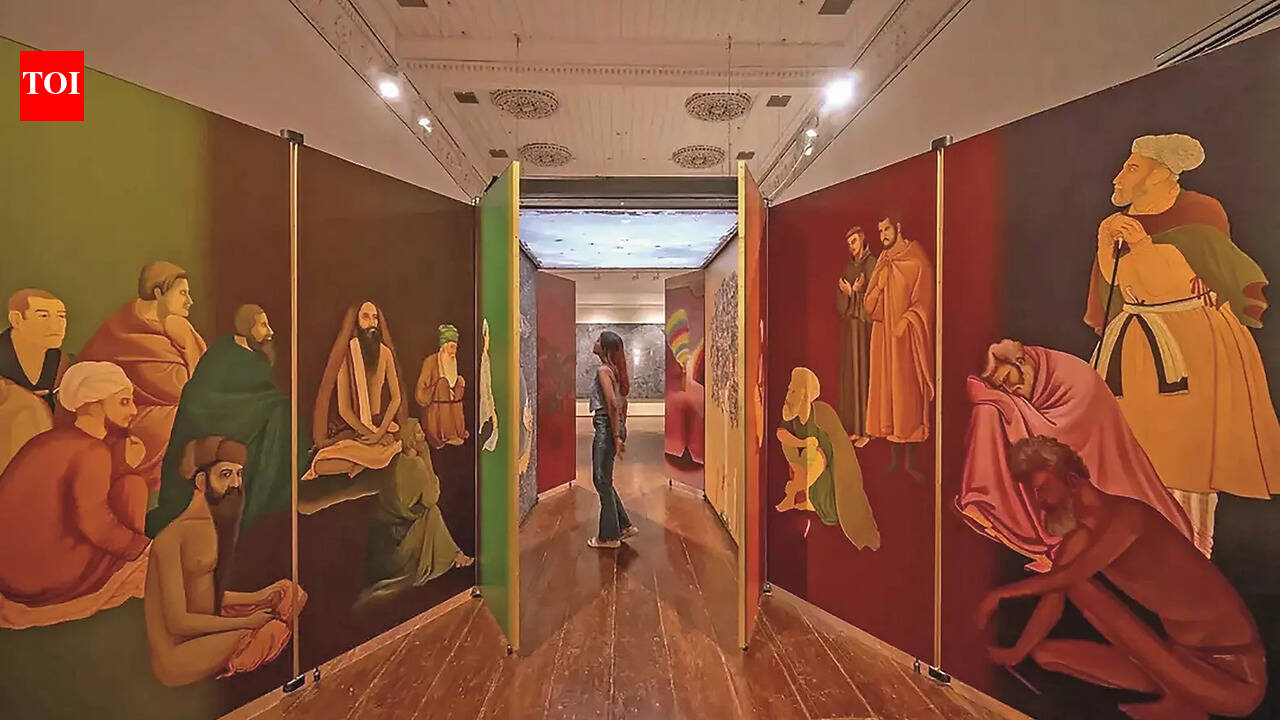
Bollywood star Sonam Kapoor discusses her evolution as an art collector, shaped by the women in her family—her mother Sunita Kapoor and aunt Kavita Singh, a Mumbai-based interior designer and art curator. Kapoor began collecting instinctively, drawn to South Asian modernists like Amrita Sher-Gil and Manjit Bawa, but has recently shifted toward contemporary works and underrepresented artists, especially women and those outside major art hubs. She sources art from galleries such as Jhaveri Contemporary, Chemould Prescott, and Nature Morte, as well as auction houses including Christie’s, Sotheby’s, and Saffronart. Kapoor was on the host committee for the Serpentine Summer Party in London, where she admired Arpita Singh’s first institutional solo show outside India.

Christie’s sale confirms it: Indian art has arrived on the world stage

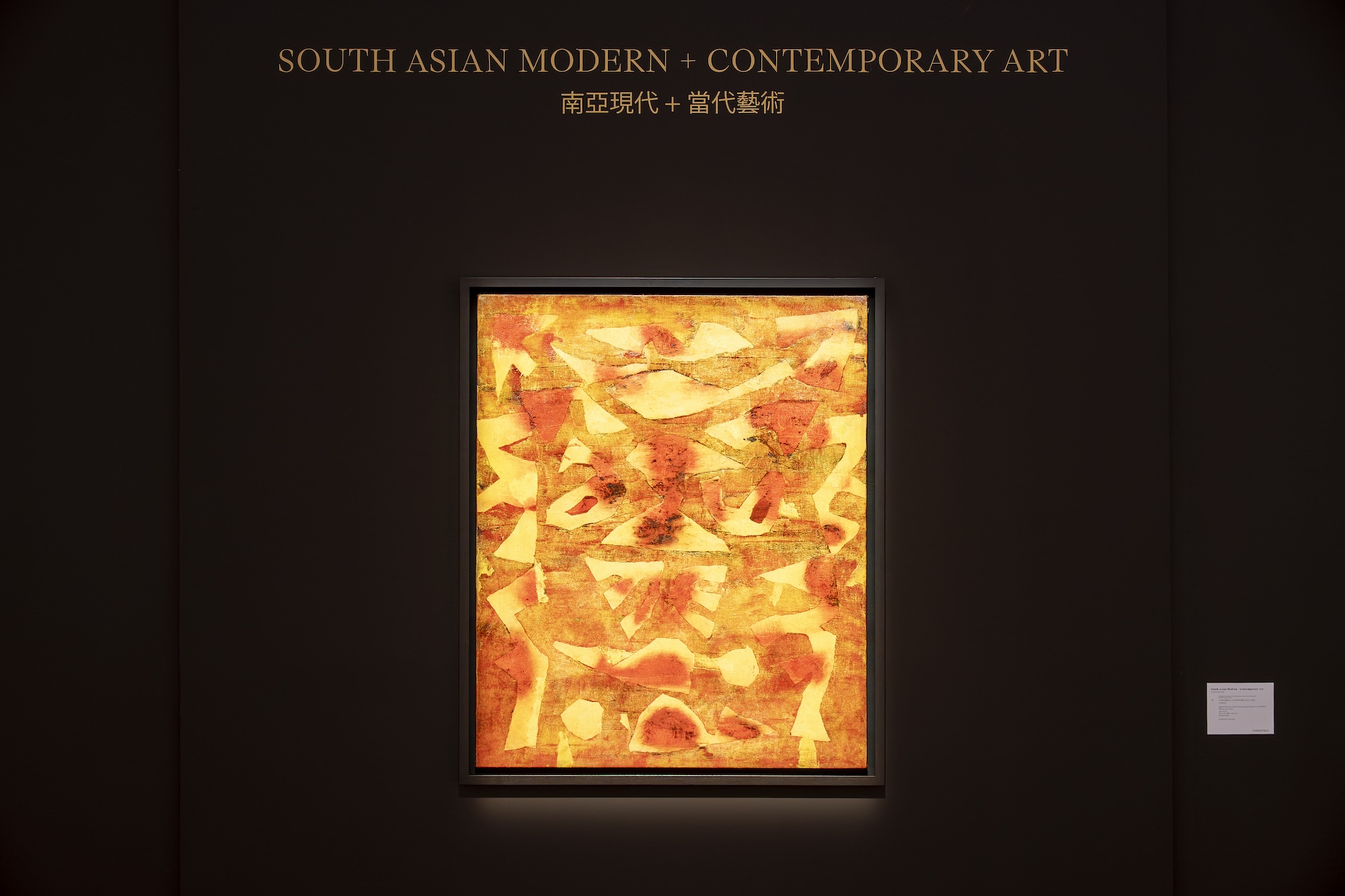
Christie's achieved a rare 'white-glove' sale in its Modern and Contemporary South Asian Art auction, selling all 84 lots for $12.38 million—150% above the low estimate. The sale was led by Vasudeo Gaitonde's *Untitled (1984)* at $2.4 million, with strong bidding from India, the US, the UK, the UAE, and Singapore. New artist records were set for Sheikh Mohammed Sultan and Ivan Peries, while works by Rashid Choudhury and Biren De also drew intense interest. The auction, overseen by Nishad Avari, head of Christie's Indian art department, signals a broadening of the market beyond established modernists like M.F. Husain and S.H. Raza.