filter_list Showing 6 results for "Art and Culture Development Foundation" close Clear
search
dashboard All 6 museum exhibitions 6
date_range Range Today This Week This Month All
Subscribe

Venice Biennale 2026 Highlights: Arsenale & Giardini

ArtReview editors highlight the must-see national pavilions at the 61st Venice Biennale, running from 9 May to 22 November 2026. Notable presentations include Austria's Florentina Holzinger turning her pavilion into a toilet and sewage-treatment plant with naked performers, and Germany's pavilion featuring works by Sung Tieu and the late Henrike Naumann, who died in February 2026, exploring East German memory and conceptual minimalism.

Collateral Events Not to Miss at 61st Venice Biennale

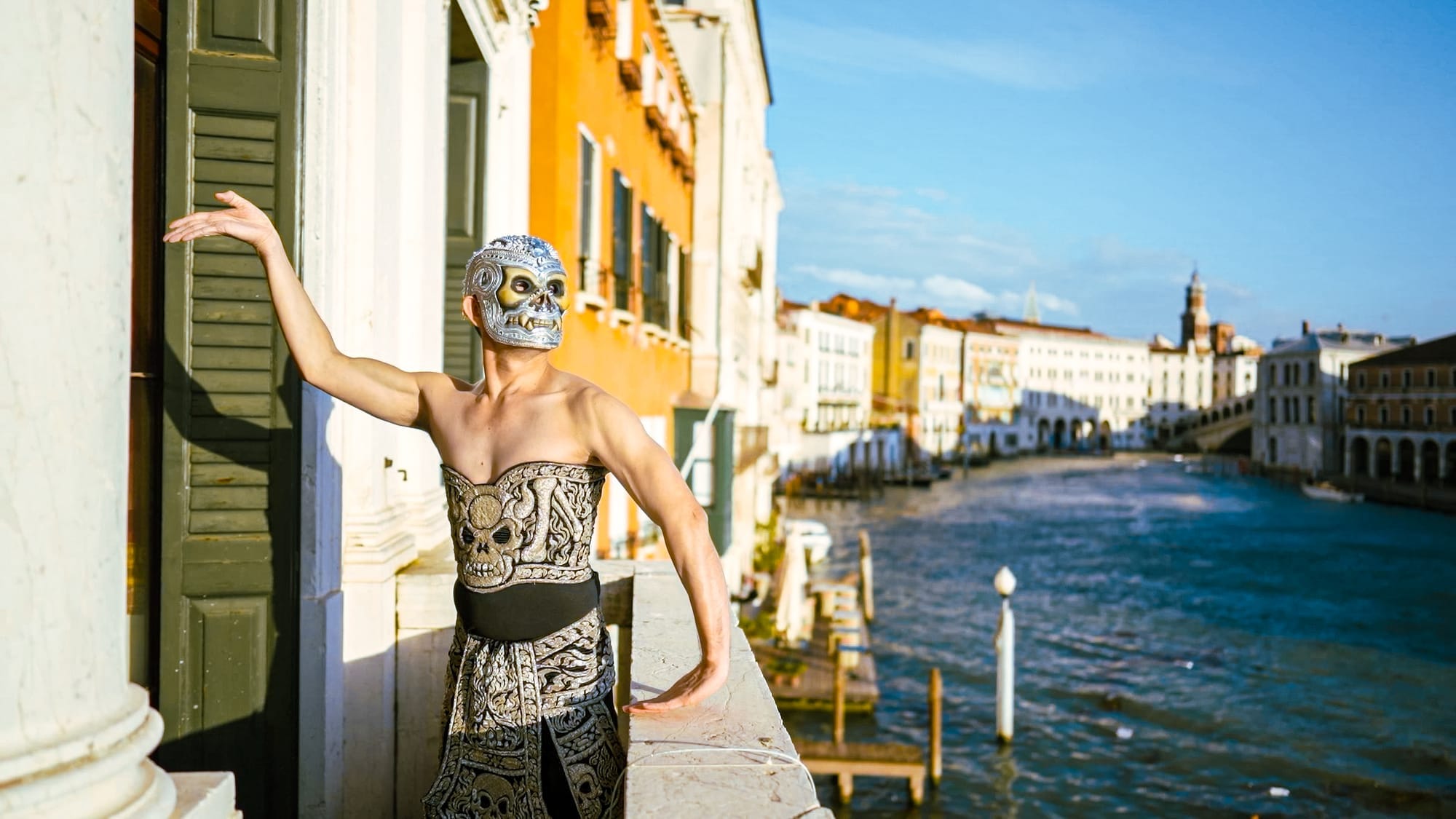
The article highlights several collateral events not to miss at the 61st Venice Biennale, including "The Spirits of Maritime Crossing 2026" at Palazzo Rocca Contarini Corfù, featuring 20 artists from Southeast Asia, Ireland, and Serbia, anchored by Marina Abramović's performance piece "Sea Punishing" (2006). Other notable exhibitions include a seven-decade survey of Korean artist Lee Ufan at San Marco Art Centre, "TURANDOT: To the Daughters of the East" at ACP Palazzo Franchetti featuring 11 female artists from Central Asia, Li Yi-Fan's "Screen Melancholy" at Palazzo delle Prigioni, and Nalini Malani's "Of Woman Born" at Magazzini del Sale.

We visited the 2026 Venice Art Biennale: the exhibitions and pavilions you shouldn’t miss

The 2026 Venice Art Biennale has opened across the Giardini, Arsenale, and venues throughout the city, with geopolitics, climate collapse, and national identities dominating the exhibitions. Notable pavilions include Austria's "Seaworld Venice" by Florentina Holzinger, the Czech and Slovak Pavilion's "Il Silenzio della Talpa" by Jakub Jansa and Selmeci Kocka Jusko, India's "Geographies of Distance: remembering home" featuring multiple artists, and the Taiwan Pavilion's "Screen Melancholy" by Li Yi-Fan. The Russian Pavilion has become a focal point of controversy, with guards and empty beer bottles outside, and the Pussy Riot collective staging a protest nearby.

The best and worst of Milan Design Week 2026: the hits and flops of this edition

Il meglio e il peggio della Milano Design Week 2026: i top e i flop di questa edizione

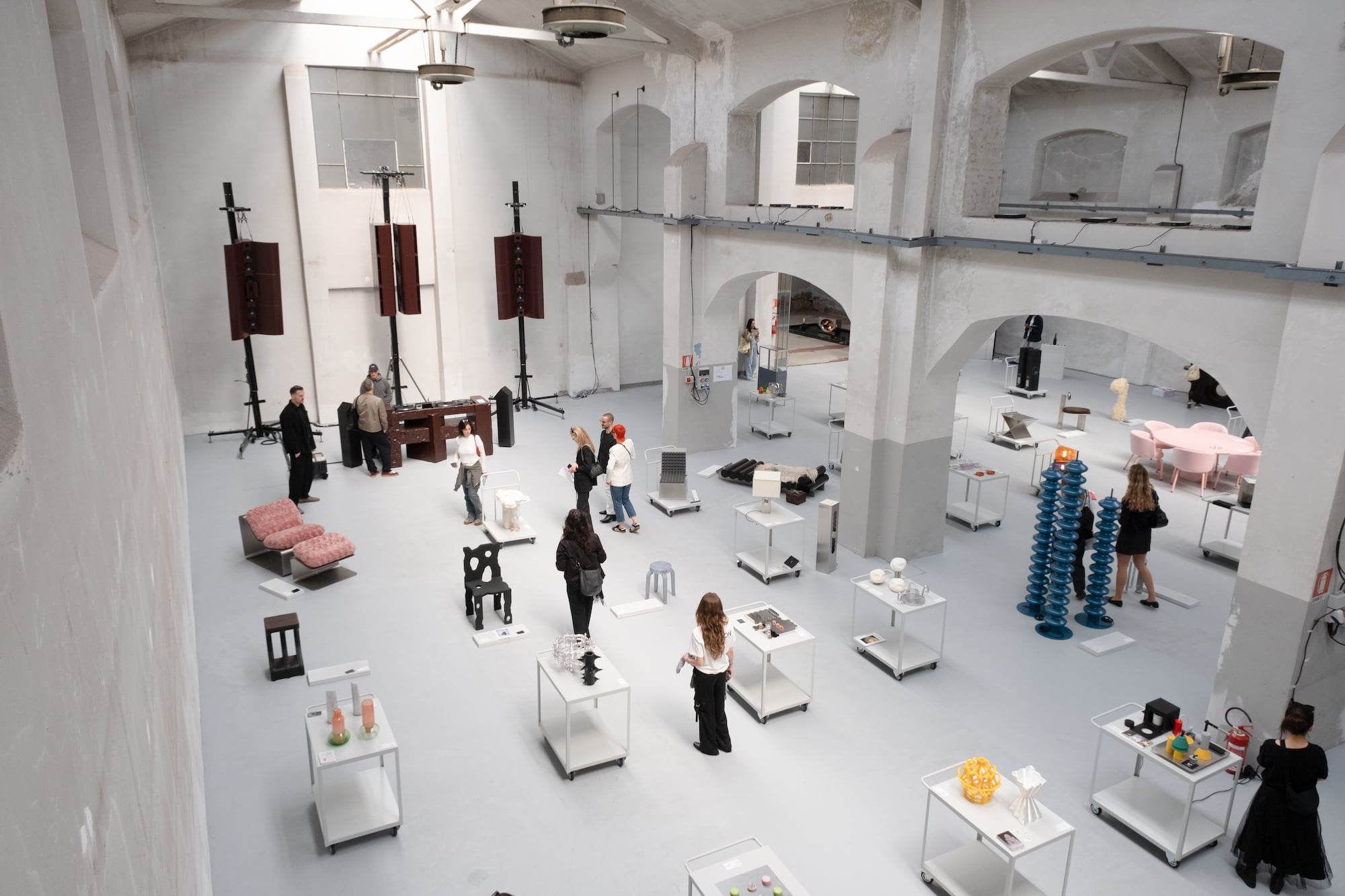
Artribune's design team presents its annual roundup of the best and worst of Milan Design Week 2026, highlighting standout experiences and recurring flaws. The top picks include open apartments like Interno Italiano by Interni Venosta in a home designed by Osvaldo Borsani, L’Appartamento by Artemest at Palazzo Donizetti, and Casaornella by Maria Vittoria Paggini. Also praised are Casa NM3 by Delfino Sisto Legnani, Nicolò Ornaghi, and Francesco Zorzi, two projects by Studiopepe, and the five-floor Convey. Museum programming at Triennale Milano and ADI Design Museum is celebrated, with exhibitions such as The Eames Houses, Continuous Present on Andrea Branzi, Alphabet on Barber Osgerby, and Haruka Misawa's bit by bit.

Drained, Drowning, and Decay: The Best National Pavilions at the Venice Biennale

The 2026 Venice Biennale is defined by themes of ruin and decay, with standout national pavilions exploring bodily, infrastructural, and archaeological collapse. The Slovenian Pavilion features the Nonument Group repurposing materials from past Biennales into a ruin of a mosque for Bosnian Muslim soldiers from World War I. Syria presents its first national pavilion since the Civil War, with Sara Shamma invoking Palmyra, destroyed by ISIS. Germany's pavilion, titled "Ruin," features works by Henrike Naumann (who died in February) and Sung Tieu, questioning the pavilion's fascist architecture and nationalist residue. The Austrian Pavilion, curated by Florentina Holzinger, offers a visceral performance titled "Sea World." The Biennale is also marked by the abrupt resignation of its five-member jury, who refused to consider nations charged with crimes against humanity, leading to awards being chosen by public vote. Additionally, the main exhibition "In Minor Keys" was affected by the death of its curator, Koyo Kouoh.

À la Biennale de Venise, le pavillon de l’Ouzbékistan fait revivre la mer d’Aral

The Uzbekistan Pavilion at the 61st Venice Biennale, curated around the figure of author Allayar Darmenov, brings together artists including Vyacheslav Akhunov, Zi Kakhramonova, A. A. Murakami, Zulfiya Spowart, and Nguyen Phuong Linh to explore the ecological disaster of the Aral Sea. Once the world's fourth-largest lake, it was drained by Soviet irrigation projects for cotton farming; the pavilion's installations—such as Kakhramonova's participatory salt-fish molding piece and Spowart's cradle-like sculpture—imaginatively revive the vanished sea and its endemic species.