
filter_list Showing 6 results for "Augustus John" close Clear
dashboard All 6 museum exhibitions 4article culture 2
date_range Range Today This Week This Month All
Subscribe

wuthering heights art history 2743664

The article explores how Emily Brontë's novel *Wuthering Heights* has inspired visual artists across different eras. It details specific works by English artist Edna Clarke Hall, who created hundreds of sketches and watercolors reflecting her personal connection to the story's themes of isolation and turmoil, and by Polish-French modernist Balthus, who produced a series of ink illustrations focusing on the childhood trauma of the protagonists.
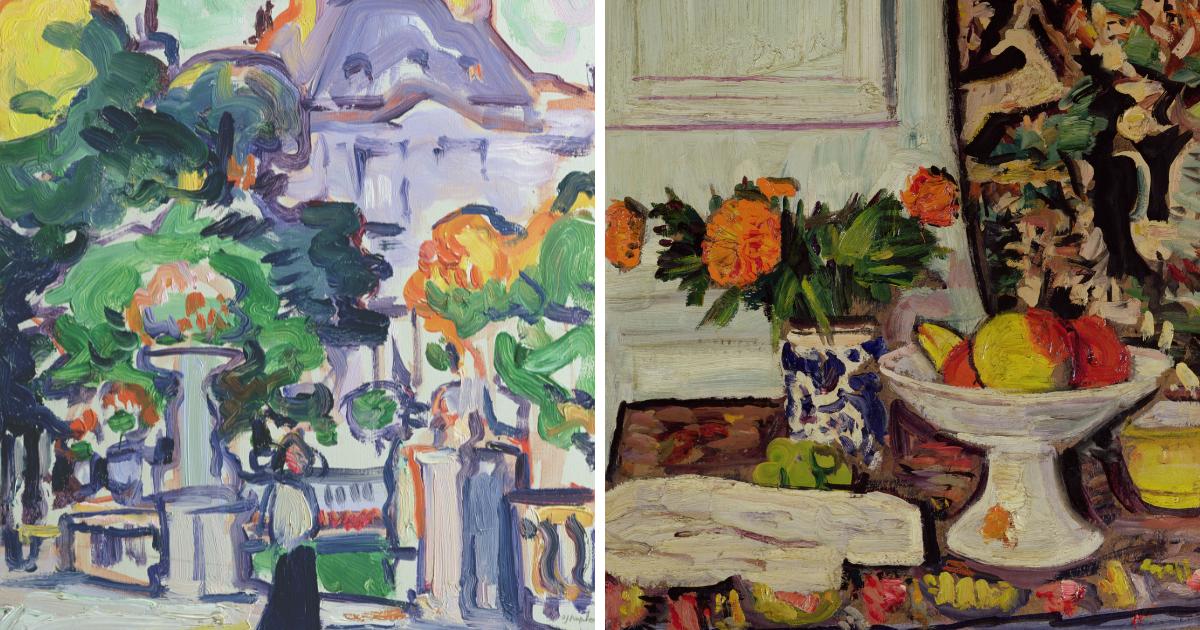
Exhibition explores revolutionary artists the Scottish Colourists in a new light

A major exhibition opening at The Arc Gallery in Winchester places the Scottish Colourists—SJ Peploe, JD Fergusson, GL Hunter, and FCB Cadell—in dialogue with their European and UK contemporaries for the first time. Running until September, the show features 70 artworks including André Derain's *The Pool of London* (1906) on loan from the Tate, alongside works by Vanessa Bell, Duncan Grant, Walter Sickert, Augustus John, and Roderic O'Connor. The exhibition is presented by Hampshire Cultural Trust in partnership with the Fleming Collection and explores the international "colour revolution" from 1905 to 1914, examining influences of Cubism and Vorticism.

Gwen John: The 'reclusive spinster' artist who shunned conformity

A major retrospective of Gwen John, one of Britain's greatest 20th-century artists, is opening at National Museum Cardiff on the 150th anniversary of her birth. The exhibition, titled 'Gwen John: Strange Beauties,' brings together works from across the UK and the USA for the first time, including a significant collection acquired from her nephew Edwin in 1976 that has never been extensively researched or exhibited. John, born in 1876 in Haverfordwest, Pembrokeshire, was long overshadowed by her younger brother, the artist Augustus John, and was often dismissed as a 'reclusive spinster.' However, curators and biographers now challenge that myth, revealing her as a socially engaged, determined artist who pursued her own path despite Victorian-era constraints on women.

Gwen John—the quiet ‘seer of strange beauties’—gets major show in Wales

The National Museum Cardiff is mounting a major survey exhibition of Gwen John (1876-1939), one of the most famous artists in its collection, titled "Gwen John: Strange Beauties." The show marks the 150th anniversary of John's birth in Wales and will be the most comprehensive exhibition of her work in decades, featuring major loans from institutions such as Tate and the Museum of Modern Art in New York. It will travel to Scotland and the US, emphasizing John's interest in form, materials, and color theory, including late watercolours she never sold or exhibited. The exhibition draws on the museum's extensive archive of over 900 drawings, letters, and photographs acquired in 1976, and aims to shift focus from John's biographical narrative—her relationship with Auguste Rodin and reputation as a recluse—to her artistic dedication and technical innovations.

Gwen John: Strange Beauties

The article announces 'Gwen John: Strange Beauties,' a major exhibition running from July 30 to November 28, 2027, that brings together the artist's celebrated oil paintings with rarely seen drawings and watercolors. Spanning her early student days to her immersion in French modernism, the show is the most comprehensive survey dedicated to Gwen John in over 40 years, organized by Amgueddfa Cymru in partnership with National Galleries of Scotland, the Yale Center for British Art, and the National Museum of Women in the Arts.

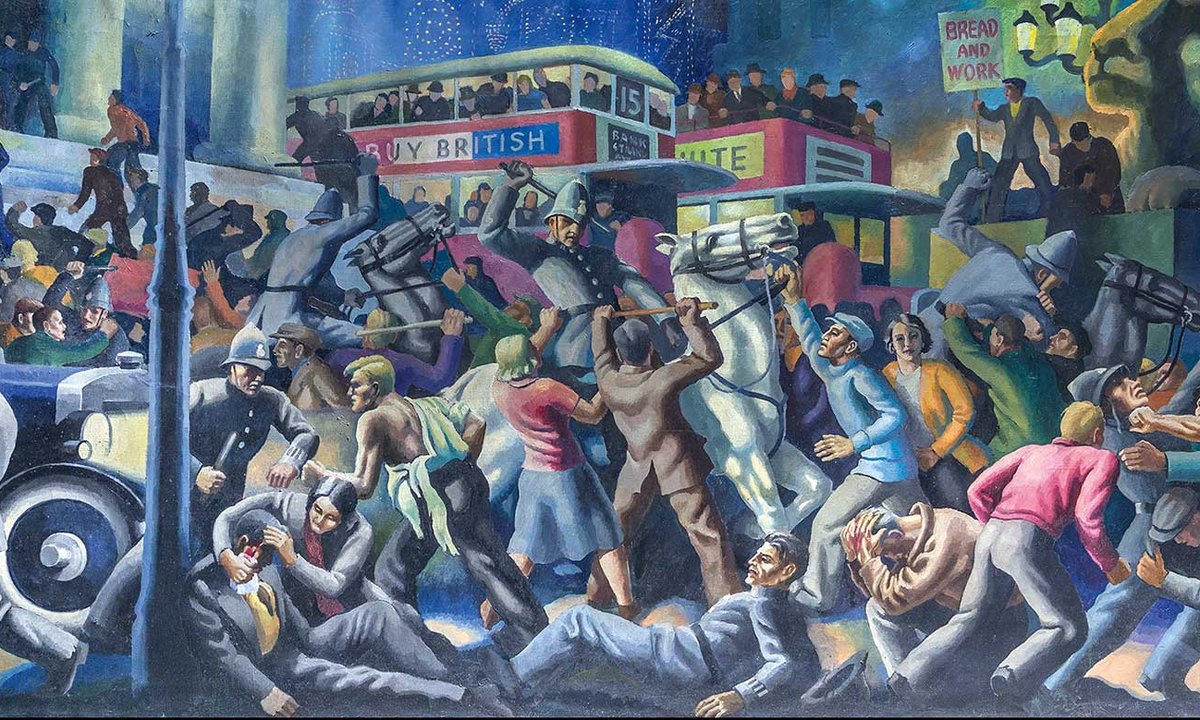
Comrades in art: meet the artists who fought against fascism

Andy Friend's book "Comrades in Art" chronicles the founding and first decade of the Artists International Association (AIA), a radical union of artists established in London in the 1930s. The AIA, born from a belief in art's power to revolutionize society, grew from a small group of mostly underemployed communist-affiliated commercial artists into a popular front against fascism and war, eventually including over 1,000 members such as Henry Moore and Paul Nash. The book focuses on lesser-known figures like Felicia Browne, the first British female combatant killed in the Spanish Civil War.