
filter_list Showing 3 results for "Bibliothèque Nationale" close Clear
search
dashboard All 3 museum exhibitions 2article local 1
date_range Range Today This Week This Month All
Subscribe

Which exhibitions and museums to visit in the evening this May in Paris?

Quels expos et musées voir en nocturne en ce mois de mai à Paris ?

Paris museums and galleries are extending their hours for evening visits in May, with many offering late-night openings on specific weekdays. The Palais de Tokyo is open until 10pm daily except Tuesday, the Musée du Luxembourg stays open until 10pm on Mondays, and the BnF Richelieu site is open until 8pm on Tuesdays. The Fondation Cartier pour l'art contemporain, newly relocated near the Louvre, welcomes visitors until 10pm on Tuesdays, while the Jeu de Paume stays open until 9pm on Tuesdays. On Wednesdays, the Musée du Louvre extends its hours until 9pm, alongside other museums. Current exhibitions include shows dedicated to Leonora Carrington, Martin Parr, and Nan Goldin, among others.
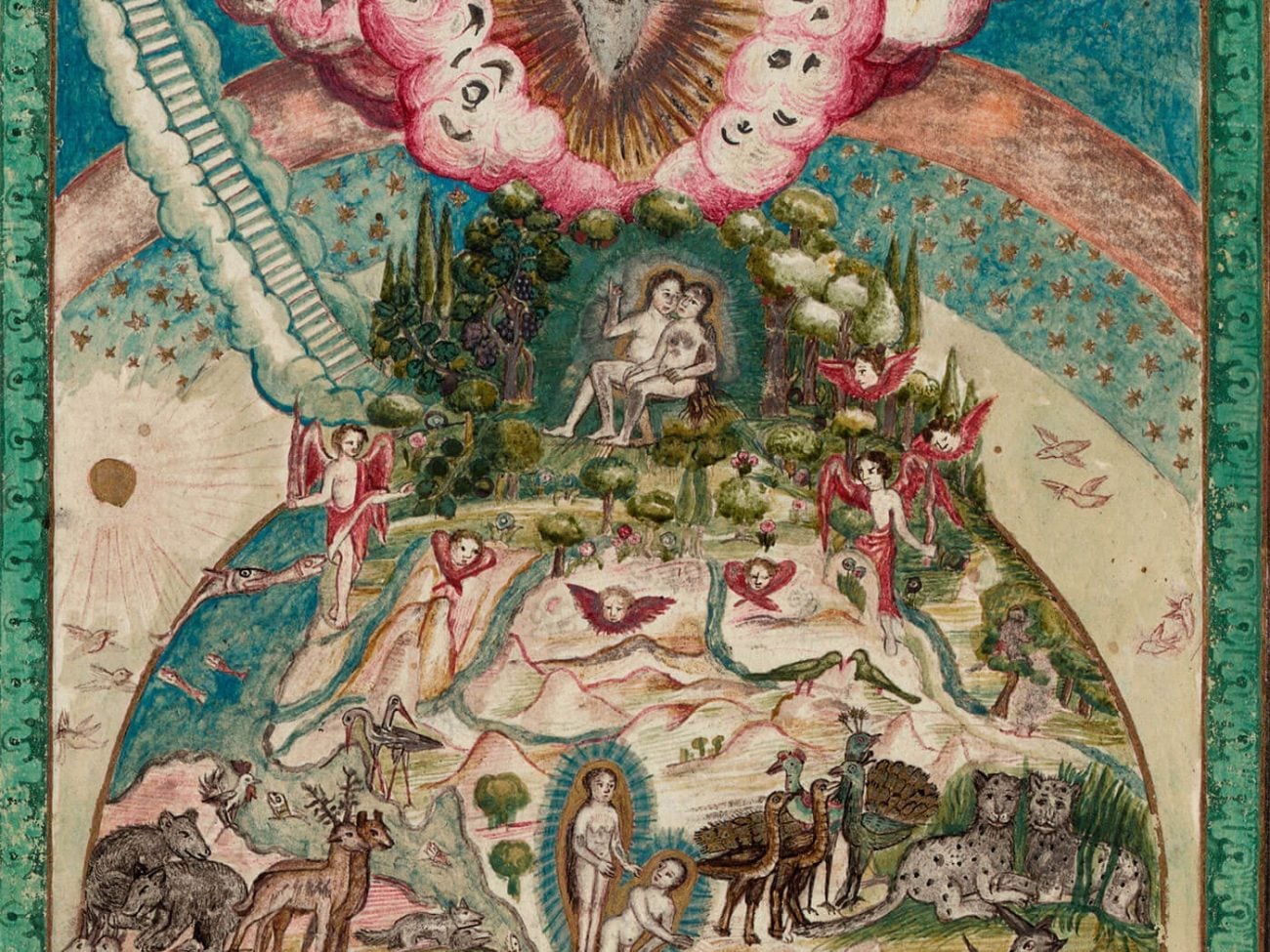
At the BnF, wonderful maps to imagine new worlds

À la BnF, des merveilles de cartes pour imaginer des mondes nouveaux

The Bibliothèque nationale de France (BnF) is presenting an exhibition of extraordinary maps that blend imagination with cartography, tracing the evolution of maps from ancient tools of navigation to fantastical creations that fueled exploration and myth. The show features rare works including Renaissance sea monsters, cosmological paintings, and literary maps from Tolkien's Middle-earth and George R.R. Martin's Westeros, alongside contemporary artists like Alighiero Boetti, Sergio Aquindo, and Michael Druks who use maps to express personal and political visions.

Sorcières !

The article previews an upcoming exhibition titled "Sorcières !" at the Château des ducs de Bretagne – Musée d'histoire de Nantes, running from February 7 to June 28, 2026. It traces the historical debate around witchcraft in 16th-century Europe, focusing on key figures such as Heinrich Kramer, author of the *Malleus maleficarum* (1486), who argued that witchcraft was a female-specific evil requiring extermination, and Jean Bodin, who supported this view. In contrast, Johann Weyer and Michel de Montaigne challenged the persecution, suggesting accused women were mentally ill or elderly and deserved humane treatment rather than execution.