filter_list Showing 10 results for "Biennale d’Arte di Venezia 2026" close Clear
search
dashboard All 10 museum exhibitions 7article news 2person people 1
date_range Range Today This Week This Month All
Subscribe

The best and worst we saw at the Venice Art Biennale 2026. Artribune's hits and flops

Il meglio e il peggio che abbiamo visto alla Biennale d’Arte di Venezia 2026. Top e flop di Artribune

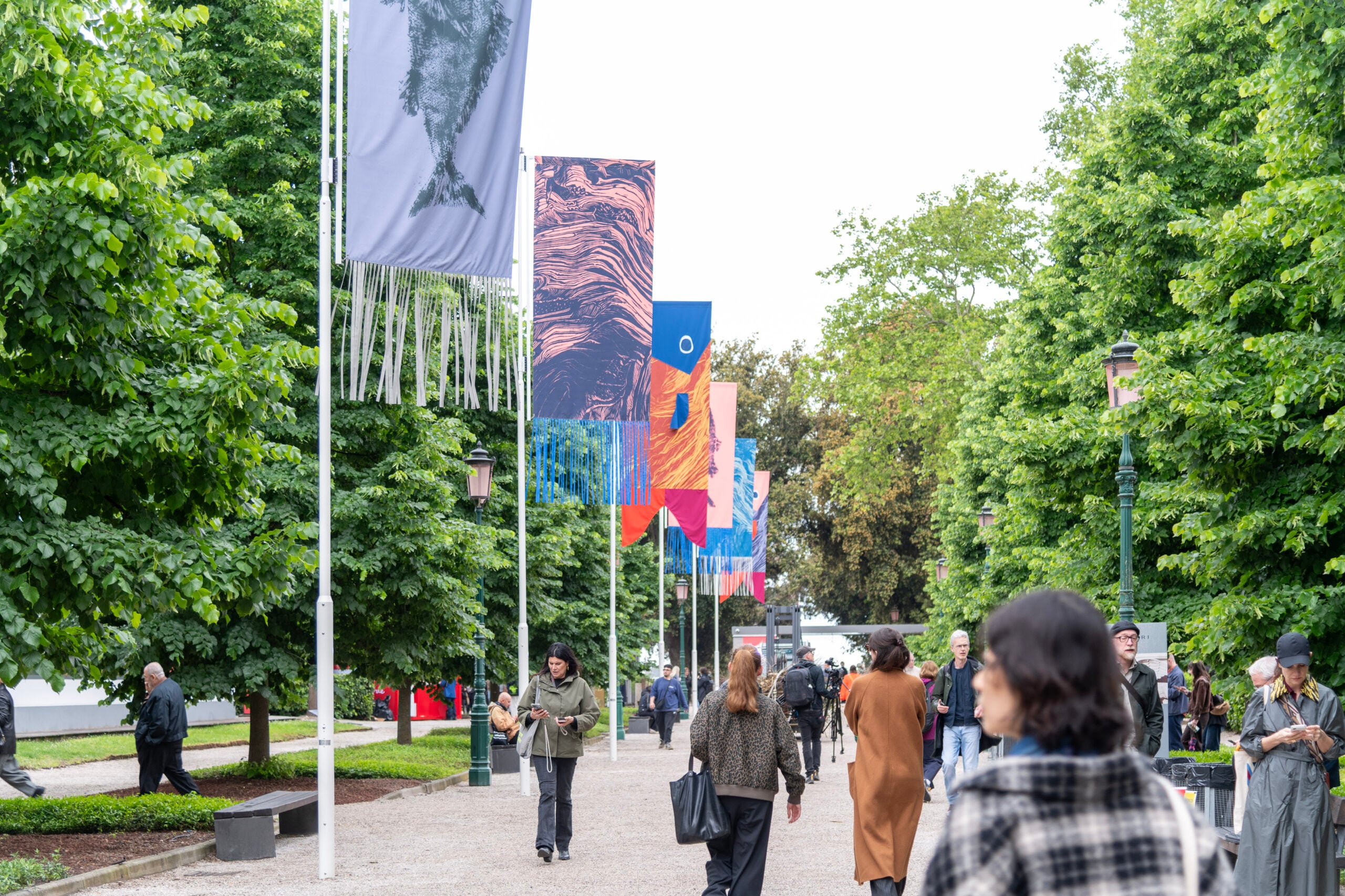
The 61st Venice Biennale, titled "In Minor Keys" and directed by Koyo Kouoh, opened amid significant turmoil: the death of a newly appointed curator, diplomatic tensions over the presence of Russia and Israel, political protests, and the unprecedented collective resignation of the jury, which led to the Golden Lions being awarded by public vote for the first time. Despite this chaotic backdrop, the exhibition—featuring a record 100 national pavilions—has been widely praised for avoiding moralistic pedagogy and instead embracing visual seduction, formal quality, and sensory joy while addressing themes of identity, memory, colonialism, ecological crisis, and violence. The article highlights top and flop moments from the opening week, including strong showings by Biennale president Pietrangelo Buttafuoco and a standout exhibition at Fondazione Prada.
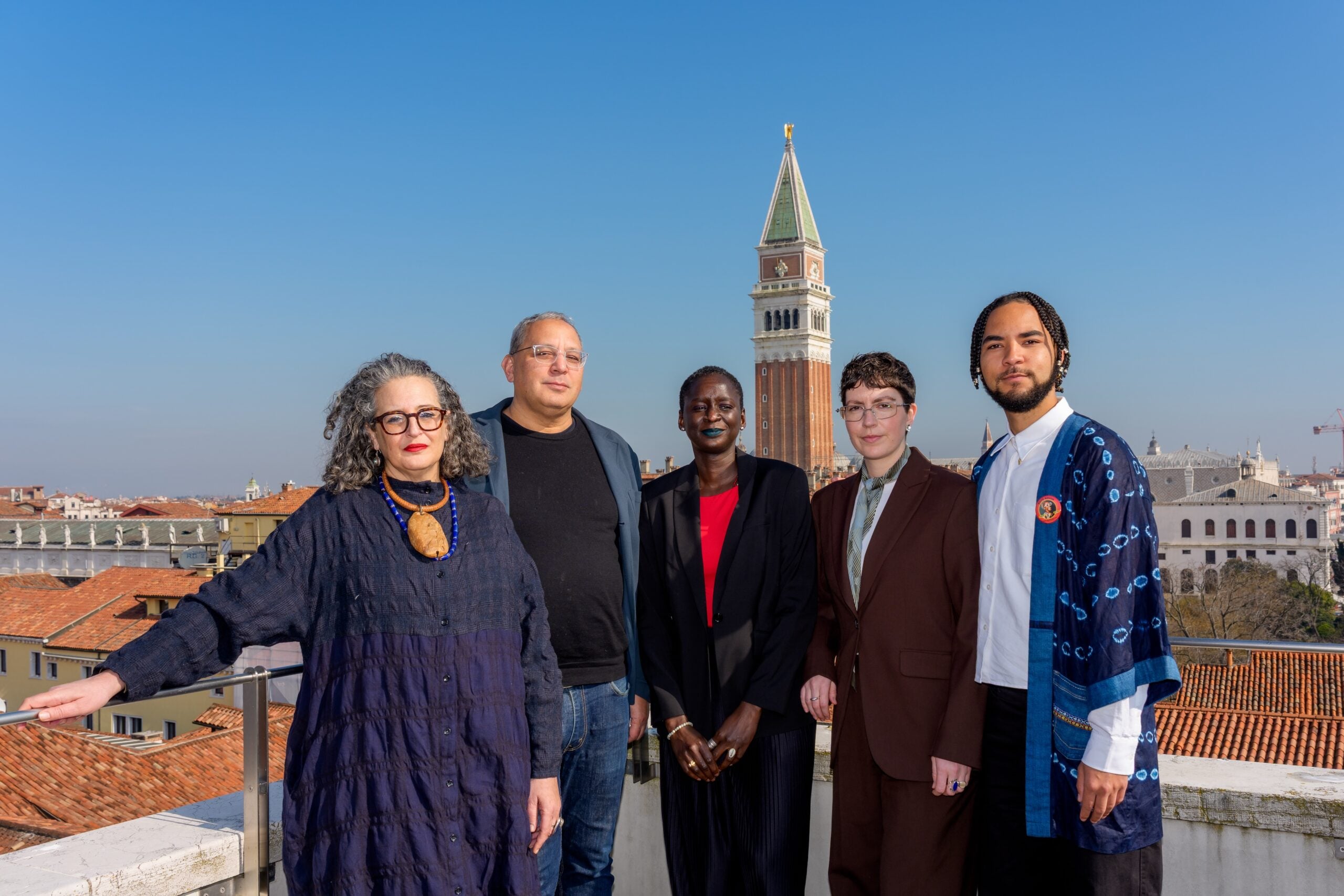
Here is the first and for now only interview with the curators of the 2026 Venice Art Biennale

Ecco la prima e per ora unica intervista ai curatori della Biennale d’Arte di Venezia 2026

The team of the late curator Koyo Kouoh has completed the 61st International Art Exhibition of the Venice Biennale, titled "In Minor Keys," which opens to the public on May 9, 2026. In an exclusive interview, curators Gabe Beckhurst Feijoo, Marie Helene Pereira, Rasha Salti, Siddhartha Mitter, and Rory Tsapayia discuss the challenges of realizing Kouoh's vision after her death, including fundraising, installation design by Wolff Architects of Cape Town, and the use of cardboard as a non-invasive material to create thresholds between spaces.

The Jury of the 2026 Venice Art Biennale Will Be Completely Composed of Women

La giuria della Biennale d’Arte di Venezia 2026 sarà tutta composta da donne

The organizing body of the Venice Biennale has announced the international jury for its 61st International Art Exhibition, titled 'In Minor Keys.' For the first time, the five-member jury is composed entirely of women: Solange Oliveira Farkas (president), Zoe Butt, Elvira Dyangani Ose, Marta Kuzma, and Giovanna Zapperi. They will award the prestigious Golden Lions and special mentions during the awards ceremony on May 9.

The 10 best pavilions to see at the 2026 Venice Art Biennale. Artribune's top ten

I 10 migliori padiglioni da vedere alla Biennale d’Arte di Venezia 2026. La top ten di Artribune

Artribune presents its top ten must-see national pavilions at the 2026 Venice Biennale, which features a record 100 participating countries. The article highlights standout projects including Greece's escape room by Andreas Angelidakis critiquing nationalist populism, Belgium's participatory dance installation by Miet Warloop, and Canada's greenhouse-like pavilion by Abbas Akhavan exploring colonial botany. The Biennale, curated by Koyo Kouoh under the theme "In Minor Keys," is marked by last-minute jury resignations leading to public voting for the Golden Lions, as well as protests over the participation of Russia and Israel.

There is an absent pavilion at the 2026 Venice Art Biennale that no one has talked about: Venezuela

C’è un padiglione assente alla Biennale d’Arte di Venezia 2026 di cui nessuno ha parlato: il Venezuela

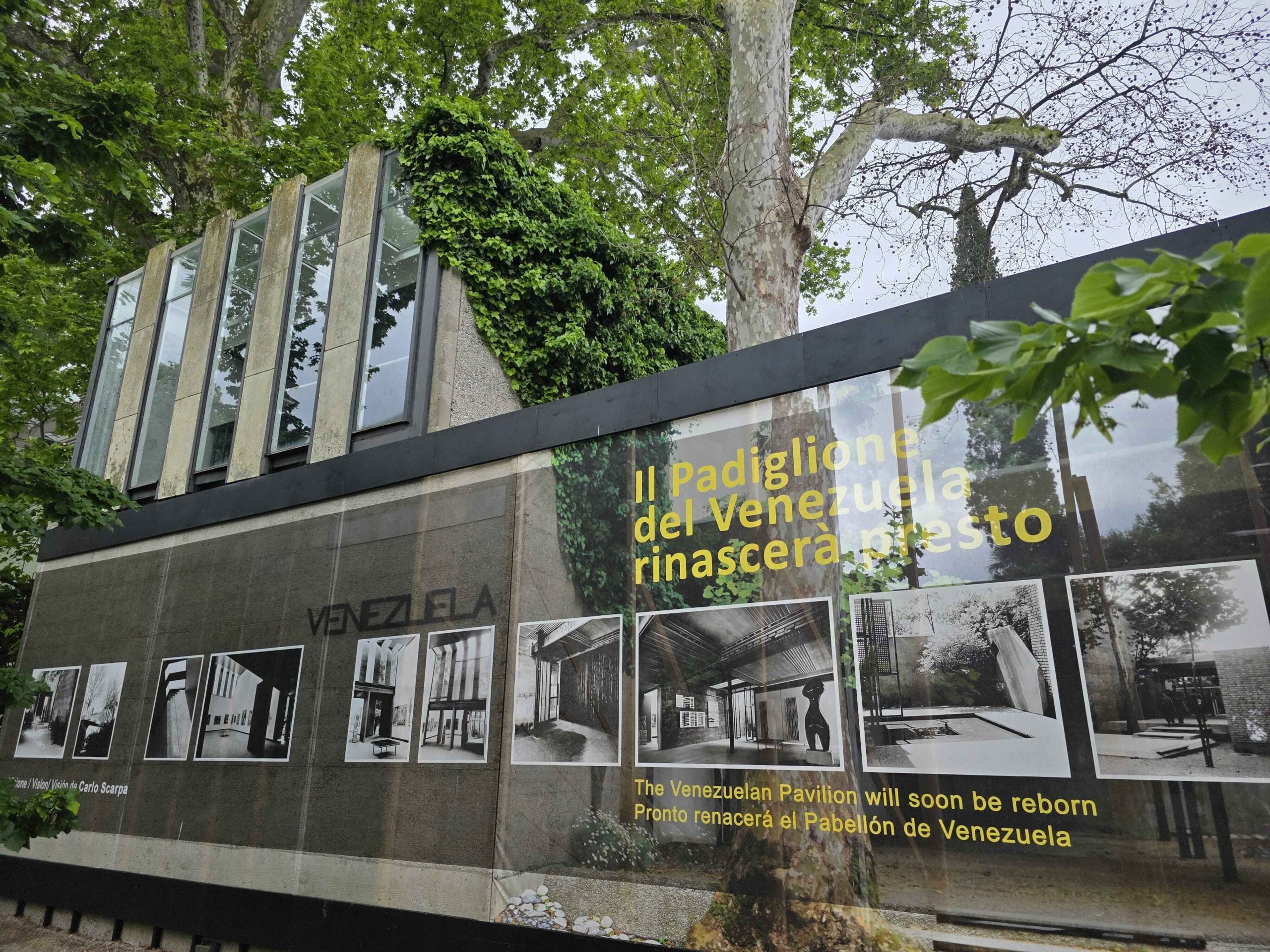
The Venezuelan pavilion at the 2026 Venice Art Biennale remains closed, an absence that has gone largely unnoticed amid other controversies surrounding the Russian, Israeli, South African, and Iranian pavilions. Designed by architect Carlo Scarpa and built between 1953 and 1956, the pavilion now displays a trilingual sign stating it will "rise again soon," reflecting the country's collapse after the kidnapping and imprisonment of President Nicolás Maduro by the United States and the installation of a fragile pro-American interim government.

Pussy Riot and FEMEN protest at the Russian Pavilion at the Venice Biennale. "Blood is the true language of Russia"

Le Pussy Riot e le FEMEN in protesta al Padiglione russo alla Biennale di Venezia. “Il sangue è il vero linguaggio della Russia”

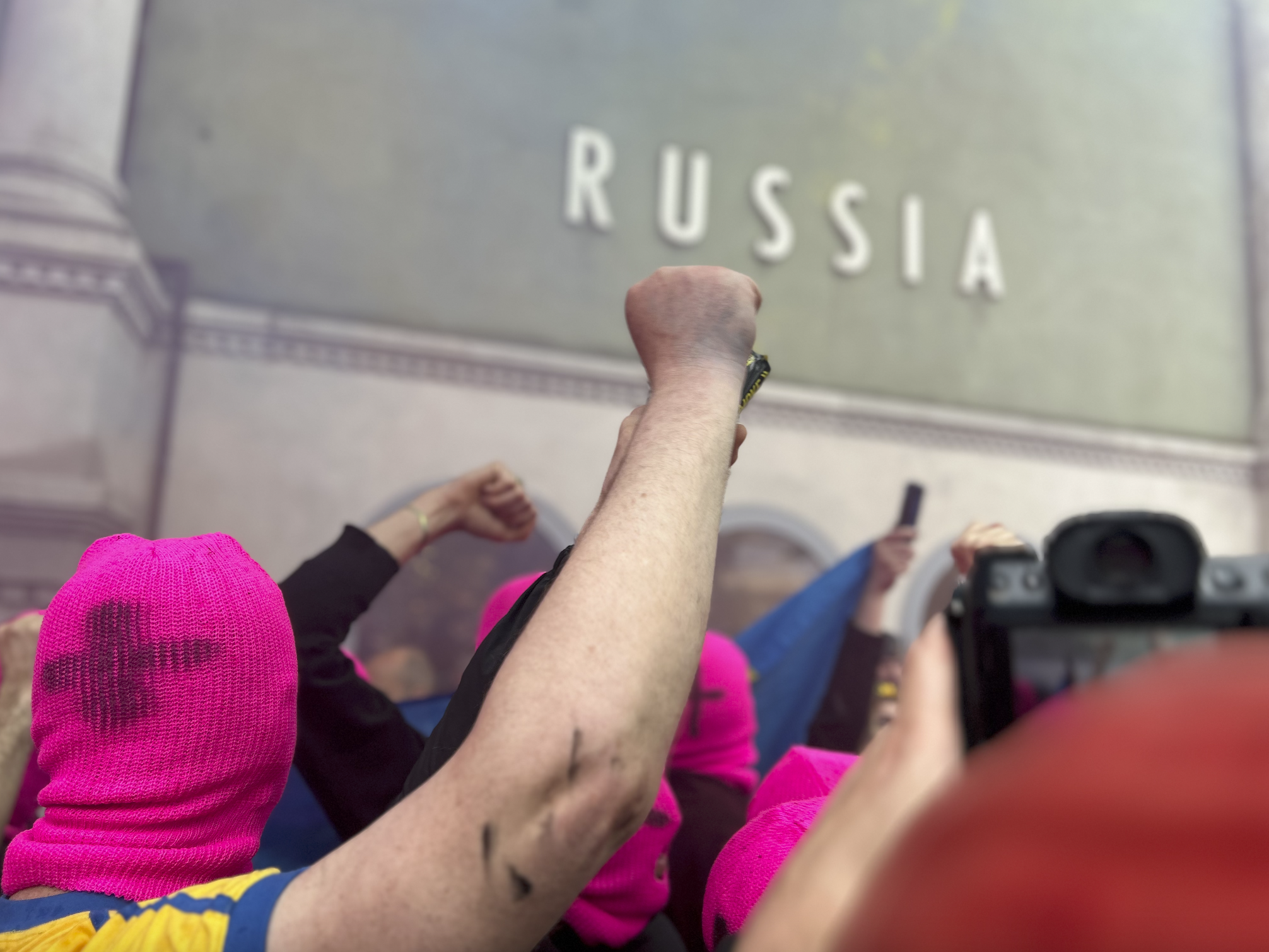
On May 6, 2026, during the preview days of the 61st Venice Biennale, Pussy Riot and FEMEN staged a joint protest outside the Russian Pavilion. Led by Nadya Tolokonnikova, the activists denounced Russia's participation in the Biennale as a form of political normalization while the war in Ukraine continues. The action included chants and slogans such as "Russia kills, Biennale exhibits. Blood is Russia's art," and targeted the Russian ambassador present inside the pavilion. The protest was unannounced and caught Biennale security off guard, drawing a crowd of journalists, visitors, and art professionals.

The Biomorphic Sculptures of Alma Allen in the U.S. Pavilion at the 2026 Venice Art Biennale (Amid Controversy)

Le sculture biomorfiche di Alma Allen nel Padiglione USA alla Biennale d’Arte di Venezia 2026 (tra le polemiche)

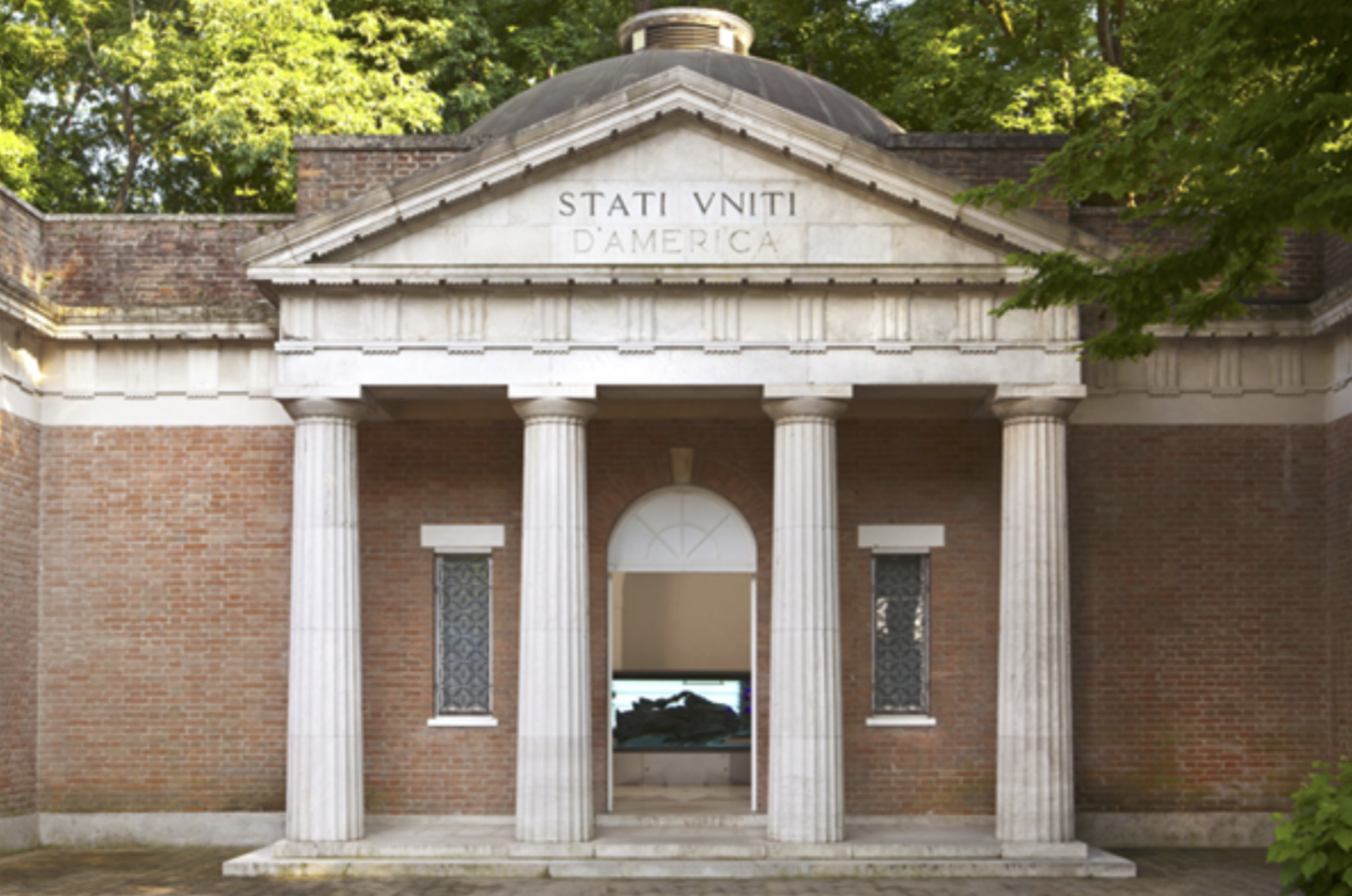
Alma Allen, a self-taught American sculptor, has been selected to represent the United States at the 61st Venice Biennale in 2026 with the exhibition "Call Me the Breeze." The pavilion, curated by Jeffrey Uslip, will feature site-specific biomorphic sculptures that explore the concept of "elevation" through a hybrid creative process combining pre-industrial carving and hand-modeling with advanced robotic sculpting. Works will incorporate local American materials such as walnut burl, Cantera green volcanic rock, and Yule marble from Colorado, and the pavilion is tied to America250, the celebration of the 250th anniversary of the U.S. Declaration of Independence.

France reopens its historic pavilion at the 2026 Venice Art Biennale after restorations with artist Yto Barrada

La Francia riapre il suo storico padiglione alla Biennale Arte 2026 dopo i restauri con l’artista Yto Barrada

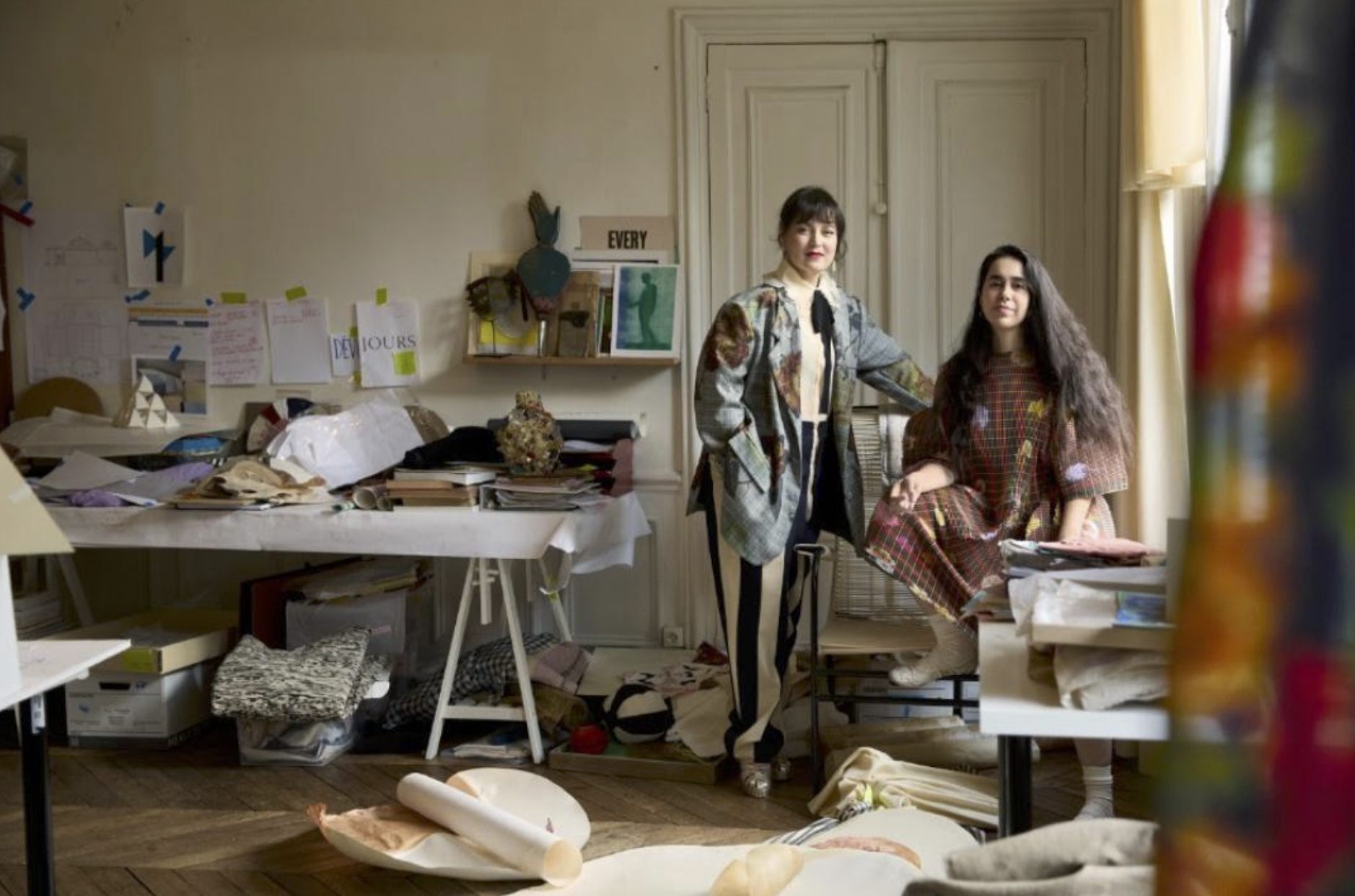
France will reopen its historic pavilion at the 61st Venice Biennale (May 9–November 22, 2026) after restoration, with Franco-Moroccan artist Yto Barrada (b. 1971) presenting the immersive textile-based project "Comme Saturne," curated by Myriam Ben Salah. The exhibition uses the "dévoré" technique—acid selectively corrodes fabric—as a metaphor for destruction and creation, featuring a goat-skin kite, a Room of Folds with wool drapery that fades in natural light, a Laboratory inspired by Saturnalia, and a Study Room linked to Barrada's garden of dye plants in Tangier, culminating in the Room of the Devoured where chemically attacked material fragments into an aesthetic of wear and formlessness.

Il Padiglione della Gran Bretagna alla Biennale d’Arte di Venezia 2026 spiega cos’è l’appartenenza

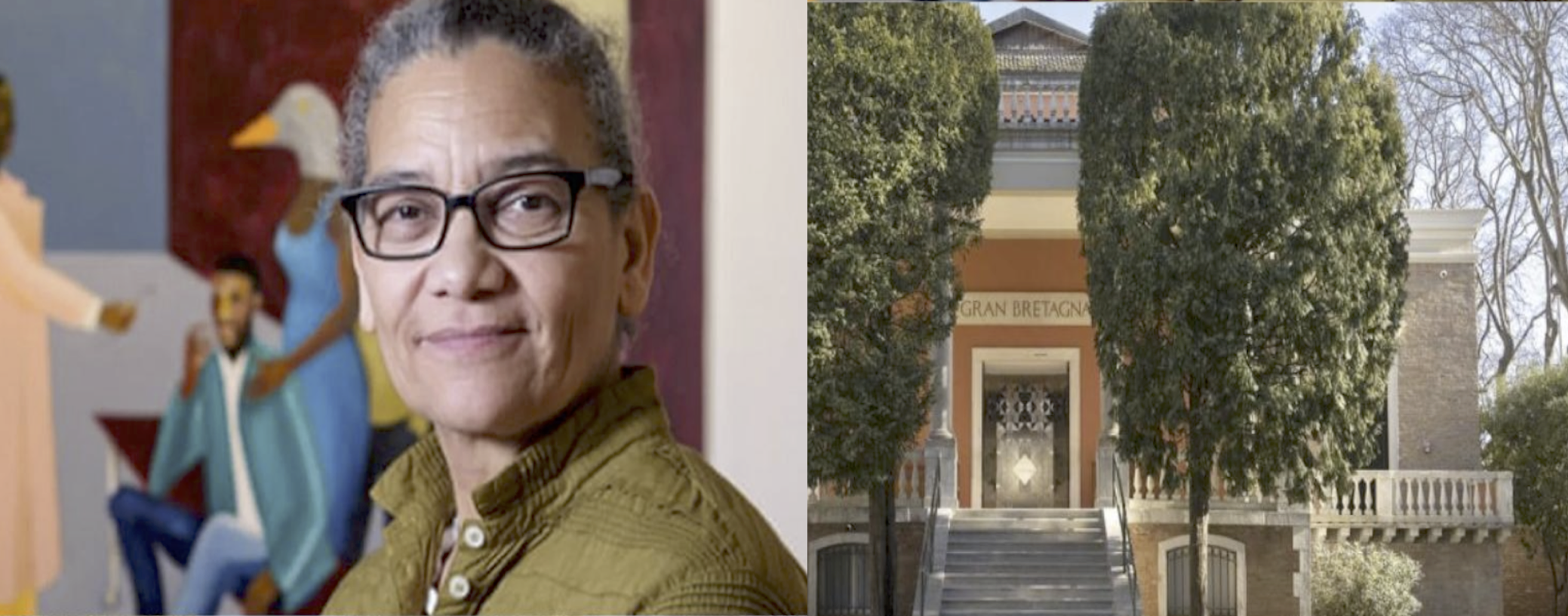
The British Council has selected artist Lubaina Himid to represent Great Britain at the 2026 Venice Biennale. Her exhibition, titled "Predicting History: Testing Translation," will transform the British Pavilion into a large-scale installation exploring belonging, displacement, and the recreation of home in new contexts. Created in collaboration with artist Magda Stawarska, the show features multi-panel paintings and a surreal soundscape that engages with the neoclassical architecture of the pavilion. Himid, a Turner Prize winner and pioneer of the Black British Art Movement, focuses on cultural memory and identity, challenging Eurocentric narratives and highlighting overlooked Black figures in Western history.

The Austrian Pavilion at the Biennale brings performances and installations around the Venice Lagoon

Il Padiglione Austria in Biennale porta performance e installazioni in giro per la Laguna di Venezia

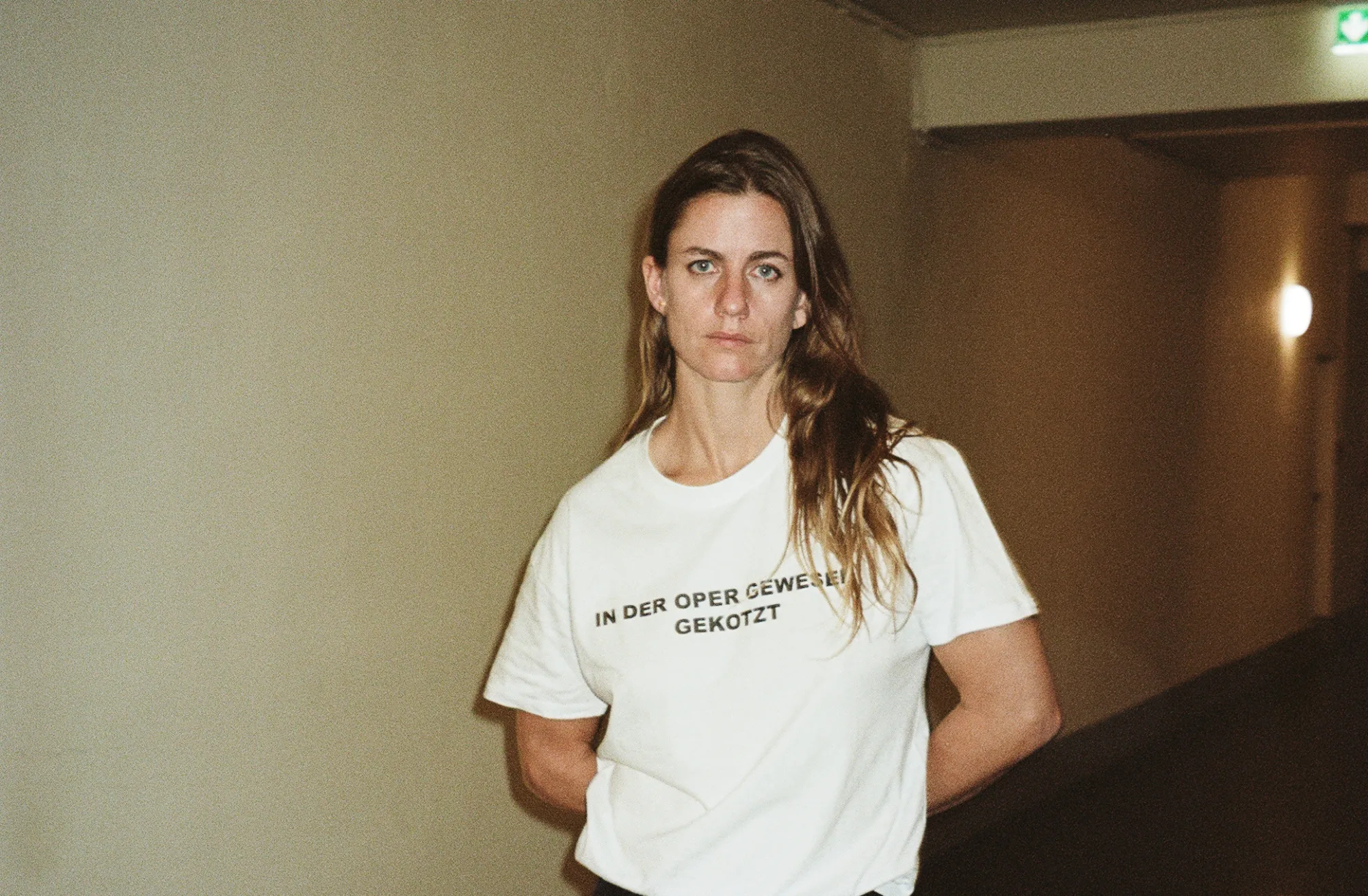
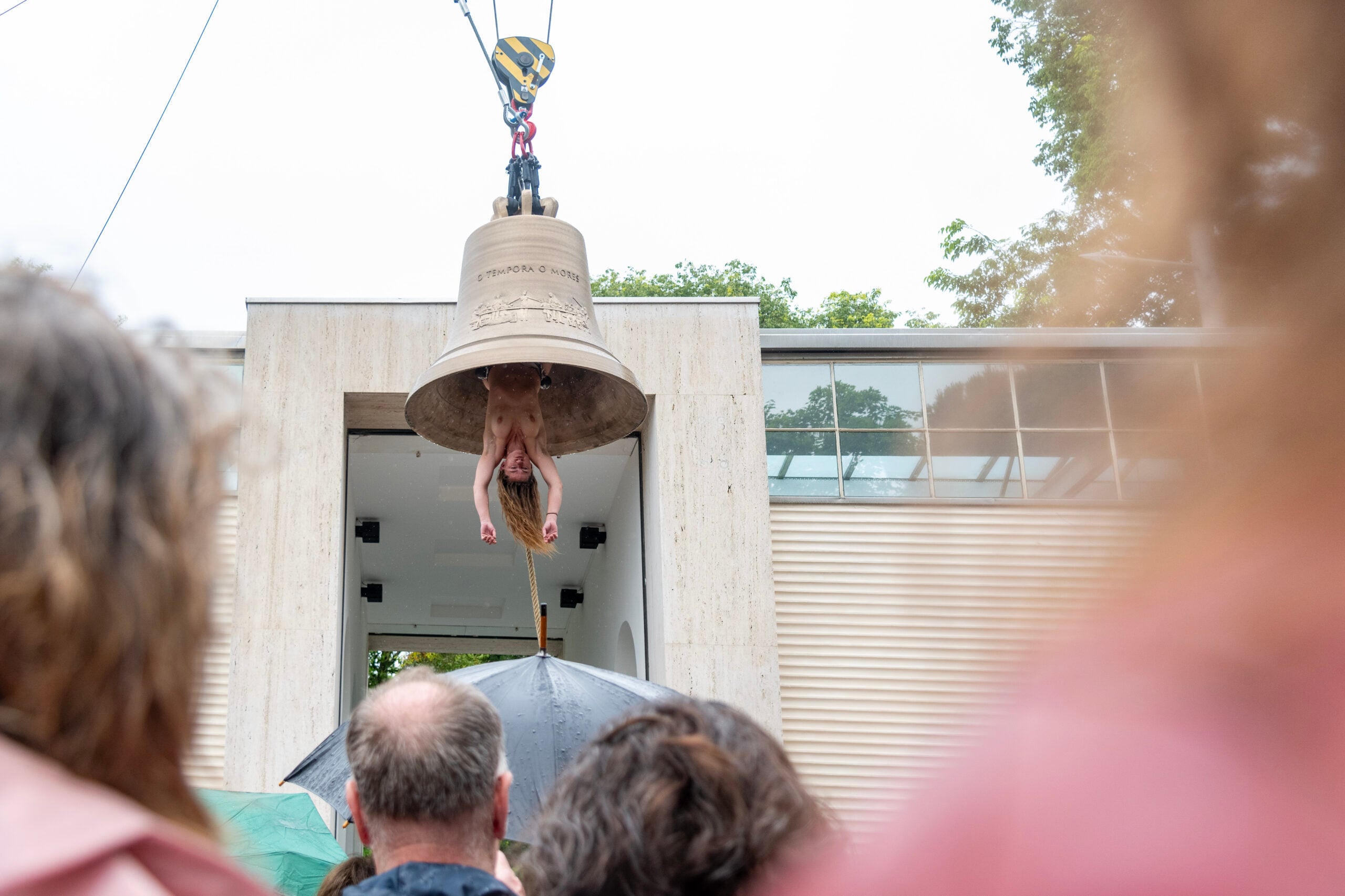
Austrian artist and choreographer Florentina Holzinger (Vienna, 1986) will represent Austria at the 61st International Art Exhibition of the Venice Biennale with a project titled "SeaWorld Venice." Curated by Nora-Swantje Almes, the interdisciplinary initiative combines a permanent installation at the Austrian Pavilion with a series of site-specific performances and actions spread across Venice and its lagoon. The project explores the body, water, and the tensions between nature and technology, drawing on mythological and classical imagery populated by aquatic creatures. It includes "Études," performative formats developed by Holzinger since 2020, which activate urban spaces through participatory and immersive experiences, engaging both spectators and citizens.