
filter_list Showing 3 results for "Carl Brandon Strehlke" close Clear
search
dashboard All 3 museum exhibitions 1article news 1rate_review review 1
date_range Range Today This Week This Month All
Subscribe

Museums and ethics, Fra Angelico in Florence, Cornelia Parker’s PsychoBarn—podcast

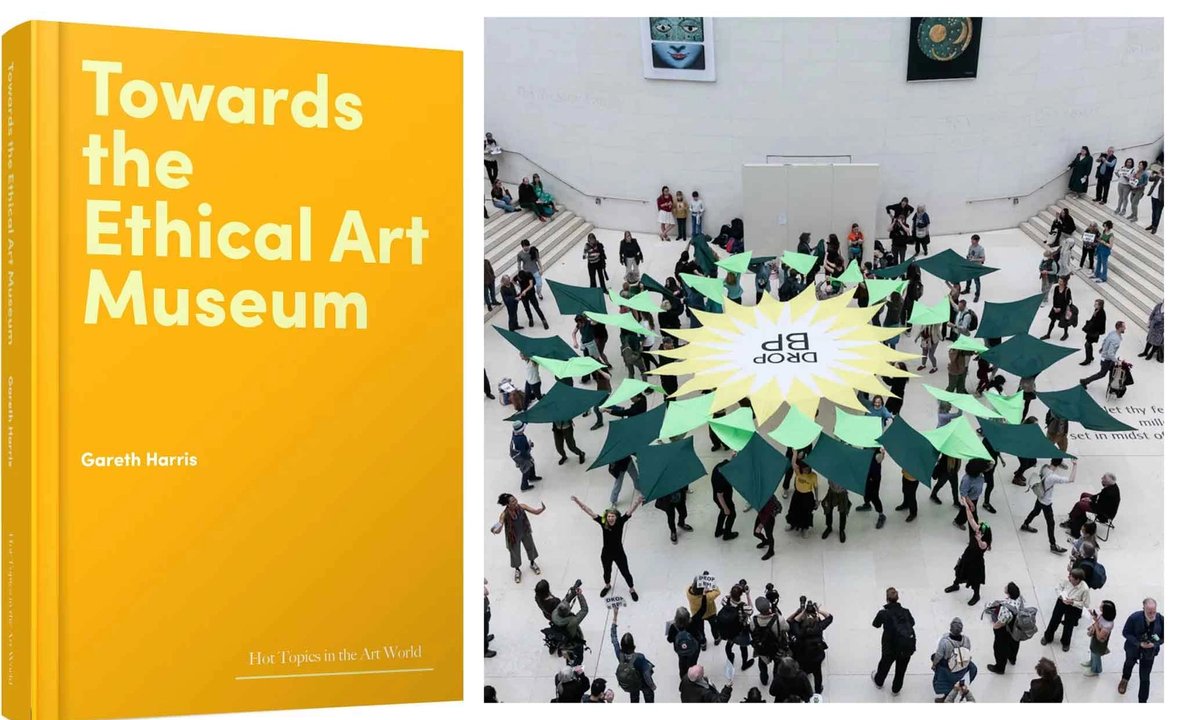
This episode of The Art Newspaper's podcast 'The Week in Art' features three segments. Chief contributing editor Gareth Harris discusses his new book 'Towards the Ethical Art Museum,' which examines contemporary challenges for museums including provenance, restitution, funding, governance, and community responsibilities. Digital editor Alexander Morrison speaks with curator Carl Brandon Strehlke about the major Fra Angelico exhibition jointly presented by Fondazione Palazzo Strozzi and Museo di San Marco in Florence. Finally, the Work of the Week segment focuses on Cornelia Parker's installation 'PsychoBarn (Cut-Up)' at the Kunstmuseum Basel's group exhibition 'Ghosts: Visualising the Supernatural,' with commentary from curator Eva Reifert.
The Big Review | Fra Angelico at Palazzo Strozzi and Museo di San Marco, Florence ★★★★★

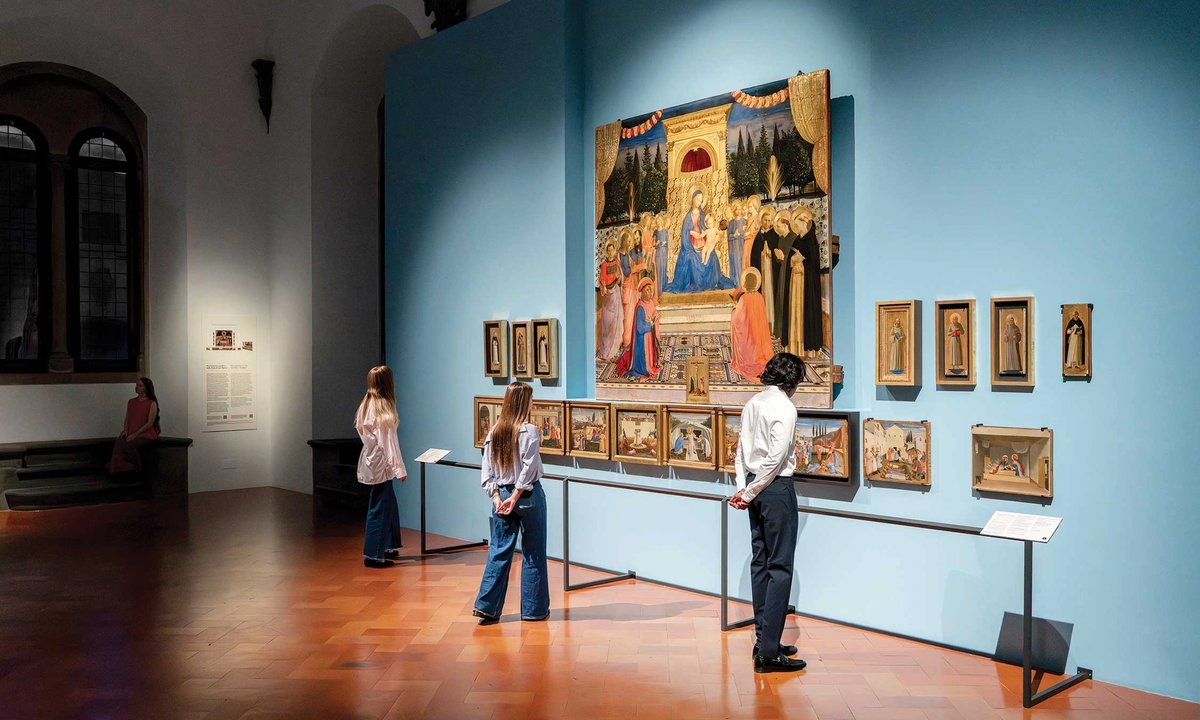
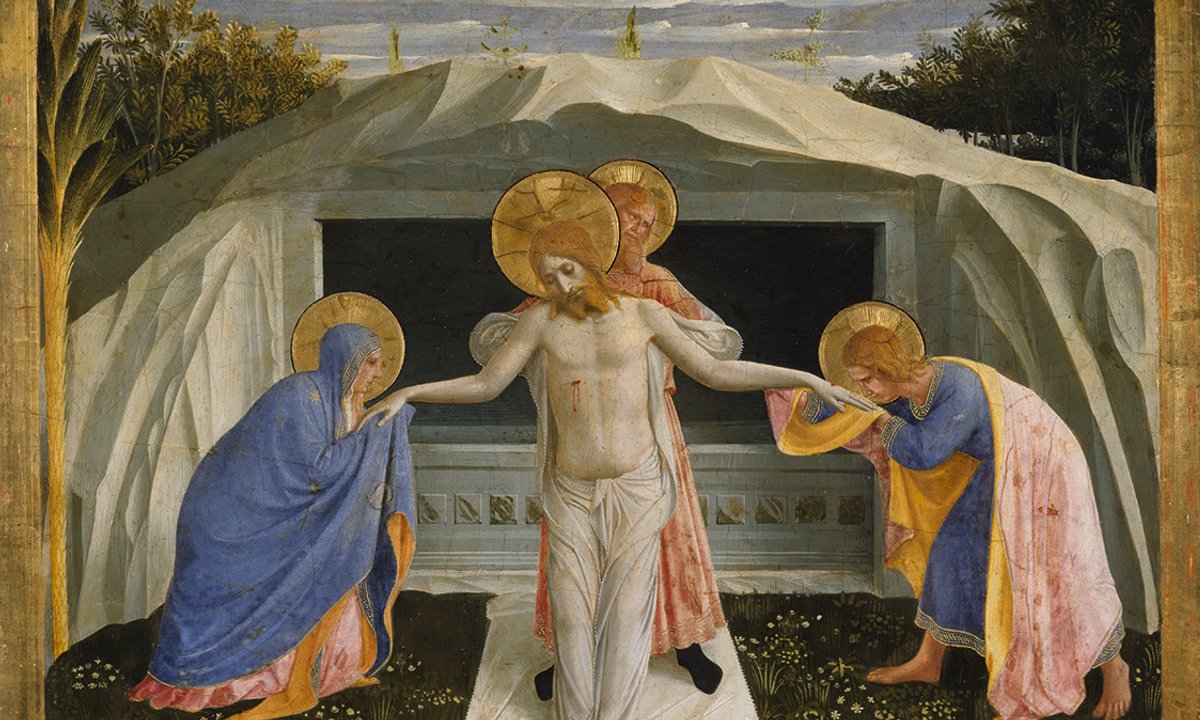
A major two-venue exhibition dedicated to early Renaissance master Fra Angelico (c. 1395-1455) has opened at Palazzo Strozzi and Museo di San Marco in Florence. The show, four years in the making, features unprecedented loans from over 70 museums and 28 newly conserved works, including the Fiesole Altarpiece (c. 1420-23) and the San Marco Altarpiece (1438-43). It reunites dispersed predella panels and decorative components looted during the Napoleonic era, presenting the most complete picture of Fra Angelico to date while challenging the notion that his work was archaic.

Fra Angelico masterworks reunited for two-venue Florence exhibition

Florence is opening a comprehensive double-venue exhibition of over 140 works by Fra Angelico, the early Renaissance master. The show, titled simply "Fra Angelico," runs at the Museo di San Marco and the Palazzo Strozzi, reuniting dispersed altarpieces and panels for the first time in over two centuries. It traces his evolution from late Gothic to early Renaissance, featuring reconstructed altarpieces with panels gathered from major European and American museums, alongside works by his influences like Masaccio, Lorenzo Ghiberti, and Lorenzo Monaco.