
filter_list Showing 3 results for "Carlo Carrà" close Clear
search
dashboard All 3 museum exhibitions 2trending_up market 1
date_range Range Today This Week This Month All
Subscribe

The best art exhibitions in Europe in 2026

A major exhibition tracing the evolution of the European art market from Greco-Roman antiquity to the 19th century is on view, featuring loans from institutions such as the Rubenshuis and the Princely Collections of Liechtenstein, including works by Titian, Rembrandt, Klimt, and Monet. Additionally, a show by Portuguese artist Joana Vasconcelos at PM23 presents her monumental, participatory fabric sculpture *Valkyrie Venus*, created with over 200 contributors from Lisbon and Rome. A dedicated Cézanne exhibition at Fondation Beyeler in Switzerland highlights the artist's posthumous reputation, with early collectors like Rudolf Staechelin and Oskar Reinhart. Other notable exhibitions across Europe include Brancusi in Berlin, Brassaï in Stockholm, Canaletto and Bellotto in Vienna, and Hammershøi in Madrid.
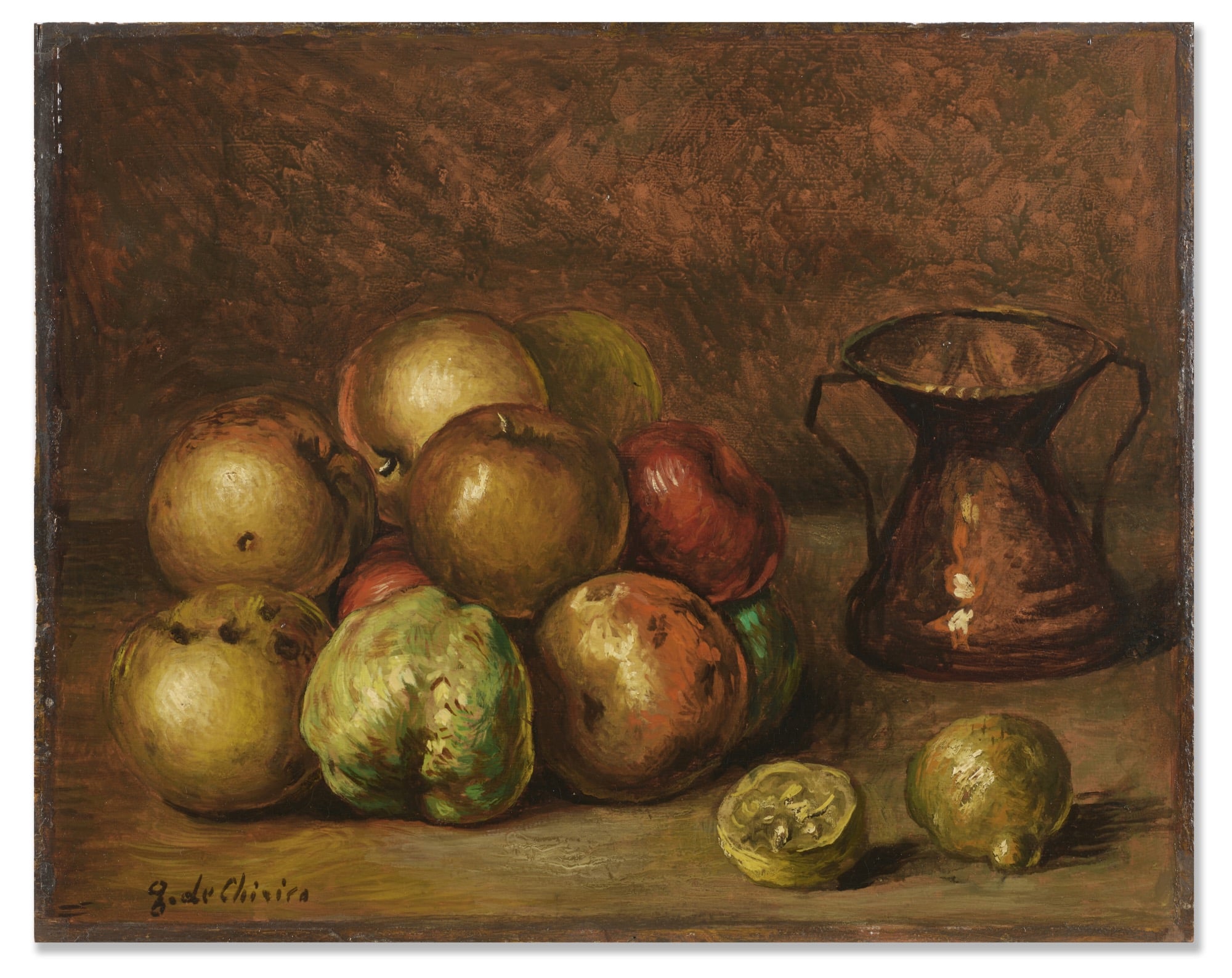
Da Medardo Rosso a Josef Albers: il Novecento va in asta da Il Ponte a Milano

Il Ponte auction house in Milan will hold sales of Modern and Contemporary Art on May 26-27, 2026, followed by Prints and Multiples, with previews from May 22-24 at Palazzo Crivelli. Highlights include Josef Albers' *Study for Homage to the Square: Full Tenor* (1959, estimate €200,000-300,000), Medardo Rosso's wax sculpture *Enfant juif* (€70,000-80,000), and works by Giorgio Morandi, Bruno Munari, Felice Casorati, Giorgio de Chirico, and others spanning the 20th and 21st centuries.

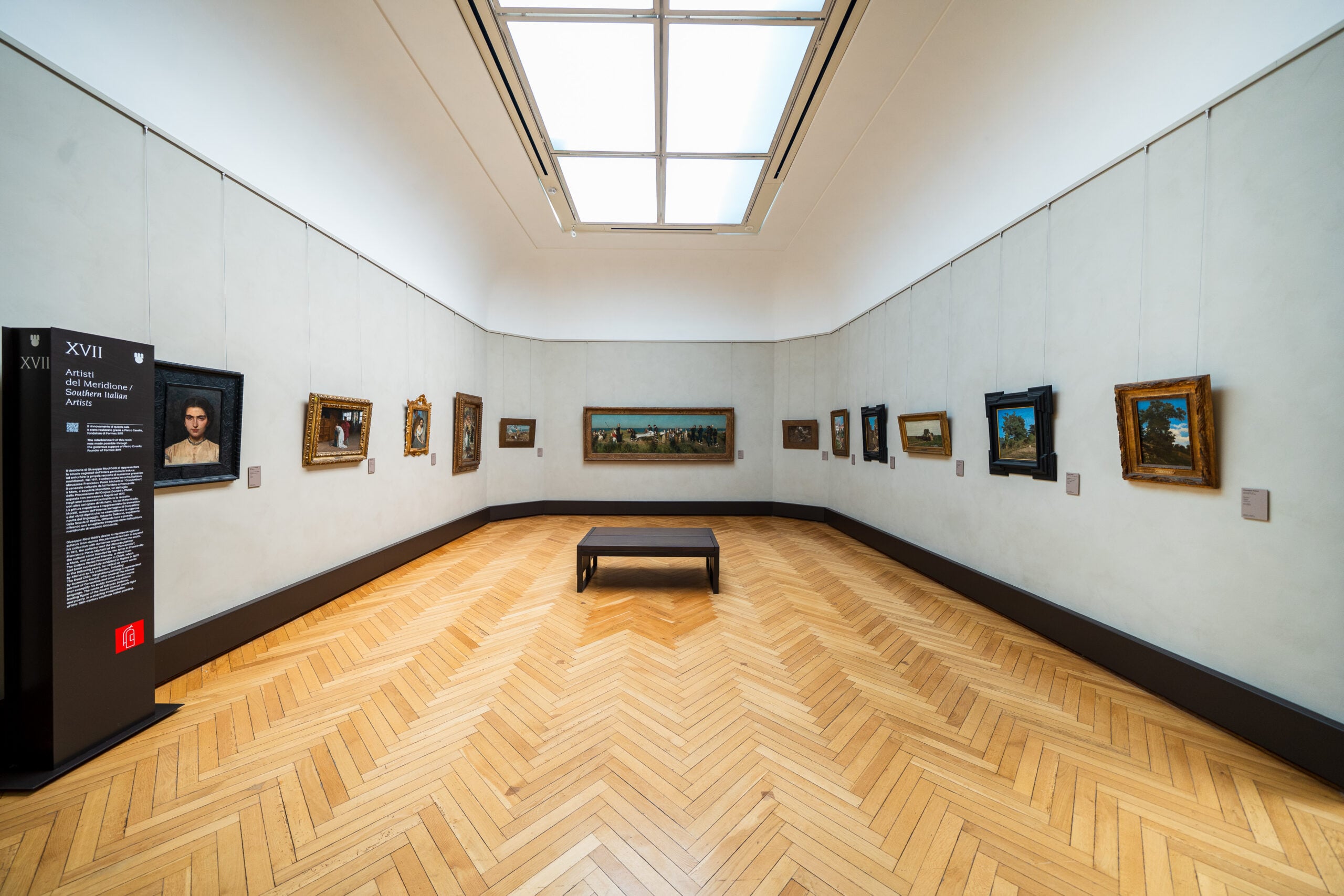
The Ricci Oddi Gallery in Piacenza has been renovated. Here's how it changed after the work (funded by citizens)

La Galleria Ricci Oddi di Piacenza è stata rinnovata. Ecco com’è cambiata dopo i lavori (finanziati dai cittadini)

La Galleria d'Arte Moderna Ricci Oddi in Piacenza, Italy, has completed a year-long renovation and reinstallation project, reopening to the public on April 28. The work, designed pro bono by Milanese studio Lissoni & Partners and funded by citizens, restored the original architecture by Giulio Ulisse Arata, emphasizing a central panopticon and natural zenithal light. The museum remained partially open during construction, which refreshed all 22 rooms and over 1,000 square meters of space, aiming to reconnect the collection with its purpose-built building.