
filter_list Showing 3 results for "Charles E. Innis" close Clear
search
dashboard All 3 museum exhibitions 2person people 1
date_range Range Today This Week This Month All
Subscribe

Harlem’s Studio Museum reopening was a fitting reflection of its history and work

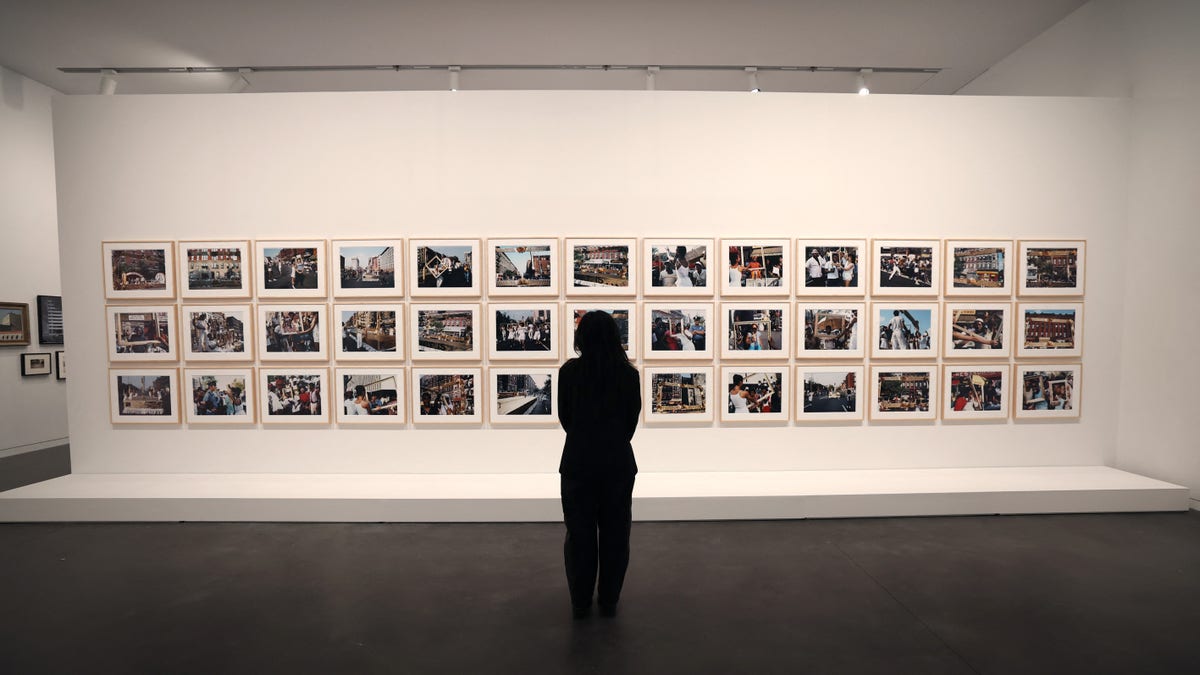
The Studio Museum in Harlem reopened in November 2025 after a seven-year reconstruction, unveiling a new building designed by Adjaye Associates and Cooper Robertson that incorporates architectural elements of Harlem, such as masonry-framed windows and a staircase evoking brownstone stoops. The reopening featured a major exhibition highlighting alumni from its renowned artist-in-residence program, which began in 1968 with Tom Lloyd as the first recipient. Founded by Charles E. Innis and a coalition of artists, activists, and philanthropists, the museum has long served as a nexus for artists of African descent, expanding the canon of Black art during the civil rights and Black Power movements.

How the Studio Museum in Harlem Reshaped the Art World

The Studio Museum in Harlem, founded in 1968 in a rented loft above a liquor store, will open its first purpose-built 82,000-square-foot building on West 125th Street this fall, following a landmark $300 million capital campaign led by director and chief curator Thelma Golden. Designed by Adjaye Associates with Cooper Robertson, the new facility doubles the exhibition and studio space and includes dedicated areas for performance, education, and public programs. The museum, which has operated without a permanent space since 2018, has been a pioneering platform for artists of African descent, launching the careers of figures like David Hammons, Kerry James Marshall, Glenn Ligon, and Simone Leigh through its groundbreaking exhibitions and artist-in-residence program.

The Interview: Thelma Golden

Thelma Golden, director and chief curator of the Studio Museum in Harlem, is interviewed ahead of the museum's reopening in a new Adjaye Associates-designed building following a $300 million capital campaign. Golden reflects on her career, including curating the politically charged 1993 Whitney Biennial and the landmark exhibition "Black Male: Representations of Masculinity in Contemporary American Art" (1994–95), as well as her influential 2001 show "Freestyle," which introduced the concept of "post-Black" art. The article also highlights the museum's first exhibition in the new building, focusing on artist Tom Lloyd, whose work was featured in the museum's inaugural show in 1968.