filter_list Showing 4 results for "Chehel Sotoun" close Clear
dashboard All 4 article news 3gavel restitution 1
date_range Range Today This Week This Month All
Subscribe

The Week in Art: Iran's Heritage, Art Market Recovery, Sydney Biennale

Art communities and heritage in Iran, moderate recovery in the art market, Sydney Biennale—podcast

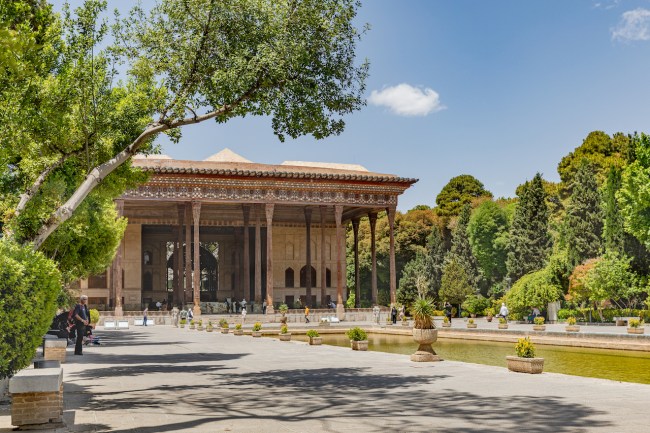
The latest episode of The Week in Art podcast covers three main topics. First, it discusses the impact of the ongoing Middle East conflict on cultural communities and heritage sites in Iran and Lebanon, including damage to the Chehel Sotoun palace in Isfahan. Second, it analyzes the new Art Basel and UBS Global Art Market Report, which indicates a market recovery but reveals a complex picture. Third, it features a new installation by Indigenous American artist Cannupa Hanska Luger at the Sydney Biennale, consisting of ceramic dingo skulls, which has gained relevance following a recent tragedy in Australia.
In a month of war, Iran’s cultural heritage has suffered huge damage

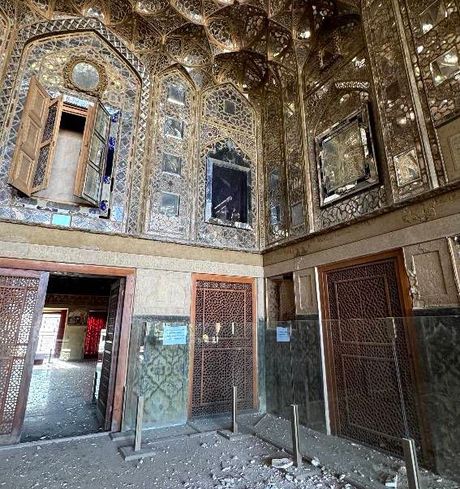
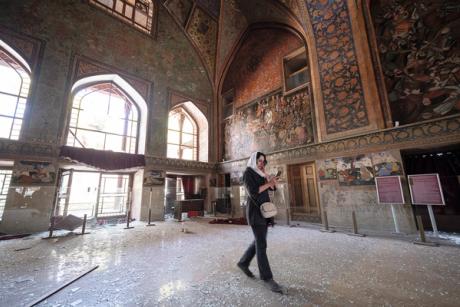
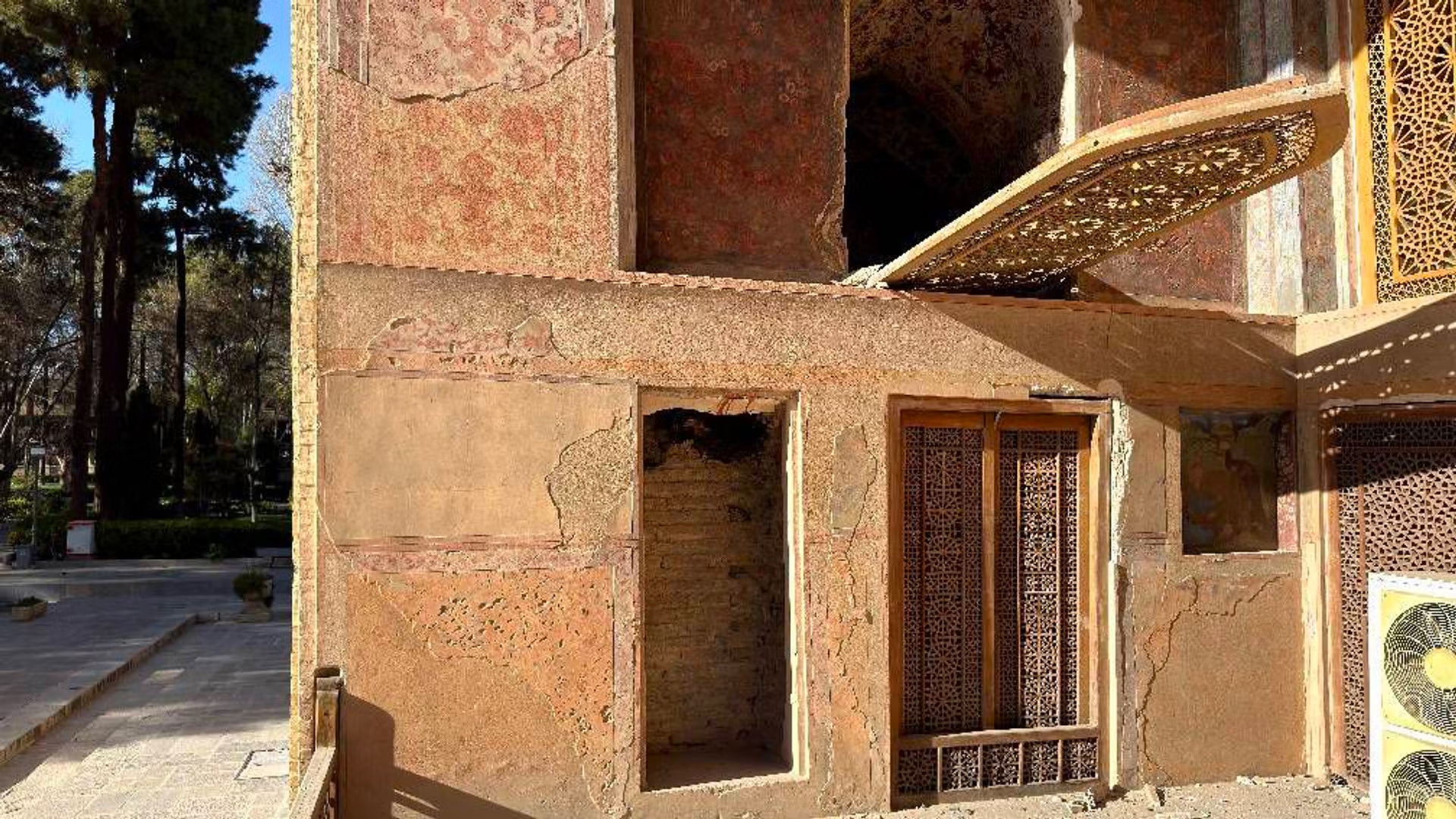
Iran's cultural heritage sites, including several historic palaces, have sustained severe damage during the recent conflict. The Golestan Palace in Tehran, specifically the Hall of the Marble Throne, and the Chehel Sotoun and Ali Qapu Palaces in Isfahan have suffered extensive destruction to their intricate mirror-mosaic decorations, painted ceilings, and structural elements.

More UNESCO-Listed Sites Damaged by Airstrikes in Iran

Multiple UNESCO World Heritage sites in Iran, including the 17th-century Chehel Sotoun palace in Isfahan, have sustained significant damage from recent US-Israeli airstrikes. The attacks shattered historic windows, doors, and decorative tiles at several monuments in Isfahan's historic center, and also damaged the third-century Falak-ol-Aflak Citadel, despite the display of protective Blue Shield emblems.

US-Israel Strikes Damage 17th-Century Chehel Sotoun Palace In Isfahan, Iran

Airstrikes conducted by the United States and Israel on Isfahan, Iran, have caused significant damage to the 17th-century Chehel Sotoun Palace and several other nearby cultural landmarks. The palace, a UNESCO World Heritage Site, suffered shattered windows, damaged vaulted ceilings, and cracked historic murals, likely due to shock waves from strikes on a nearby government building.