
filter_list Showing 3 results for "Comme Saturne" close Clear
dashboard All 3 museum exhibitions 3
date_range Range Today This Week This Month All
Subscribe

Our pick of the best pavilions at the 61st Venice Biennale

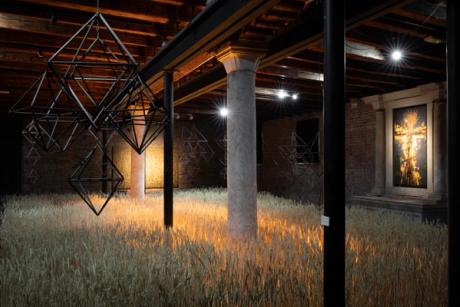
The article highlights standout national pavilions at the 61st Venice Biennale. The Belarus Pavilion features a powerful installation by the Belarus Free Theatre, including a wheat field built by former political prisoners, straw spiders made from prison bars, and a confession booth that runs facial recognition. The Brazil Pavilion presents a joint exhibition by Rosana Paulino and Adriana Varejão, focusing on colonial wounds and trauma through works like Paulino's 'Aracnes' and Varejão's 'Still Life amid Ruin'. The Bosnian Pavilion by Mladen Bundalo invites tactile engagement with themes of diaspora and migration, while the Austrian Pavilion by Florentina Holzinger draws attention with nude performers in water-filled pools.
The 2026 Venice Biennale is light and conscious

Quella del 2026 è una Biennale di Venezia leggera e consapevole

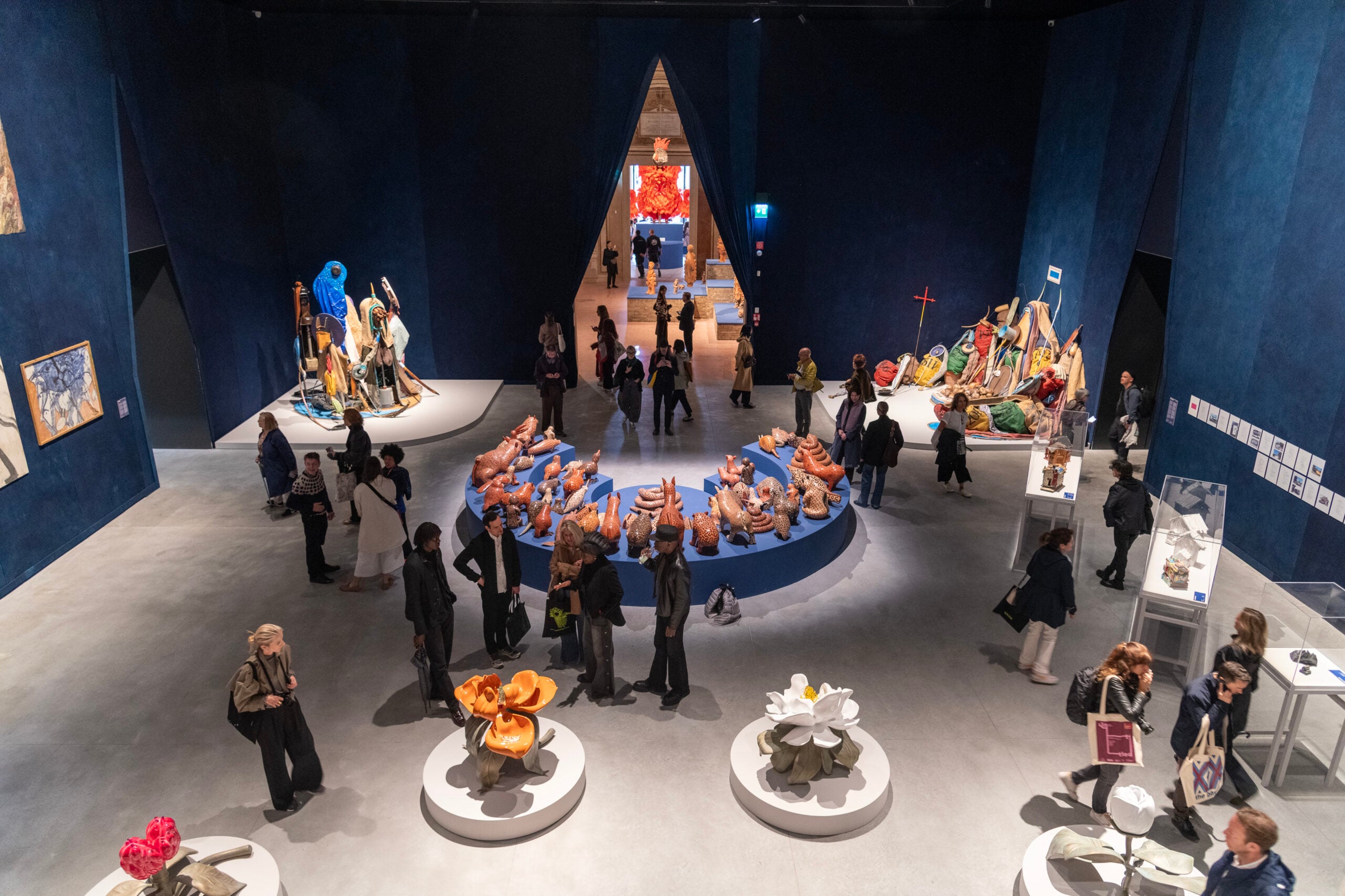
The 2026 Venice Biennale, titled "In Minor Keys" and curated by the late Koyo Kouoh, has opened with a focus on ecology and humanity's relationship with nature. The central pavilion at the Giardini presents a festive, craft-heavy exhibition that emphasizes connections with plants and animals, while the Arsenale offers a more spacious, symphonic experience featuring standout works such as Alfredo Jaar's "End of the World" (2023-2024) and Kader Attia's "Whisper of Traces" (2026). National pavilions, including those of Austria, Denmark, France, Germany, and Spain, explore themes of the body, memory, and ruin with notable installations.

France reopens its historic pavilion at the 2026 Venice Art Biennale after restorations with artist Yto Barrada

La Francia riapre il suo storico padiglione alla Biennale Arte 2026 dopo i restauri con l’artista Yto Barrada

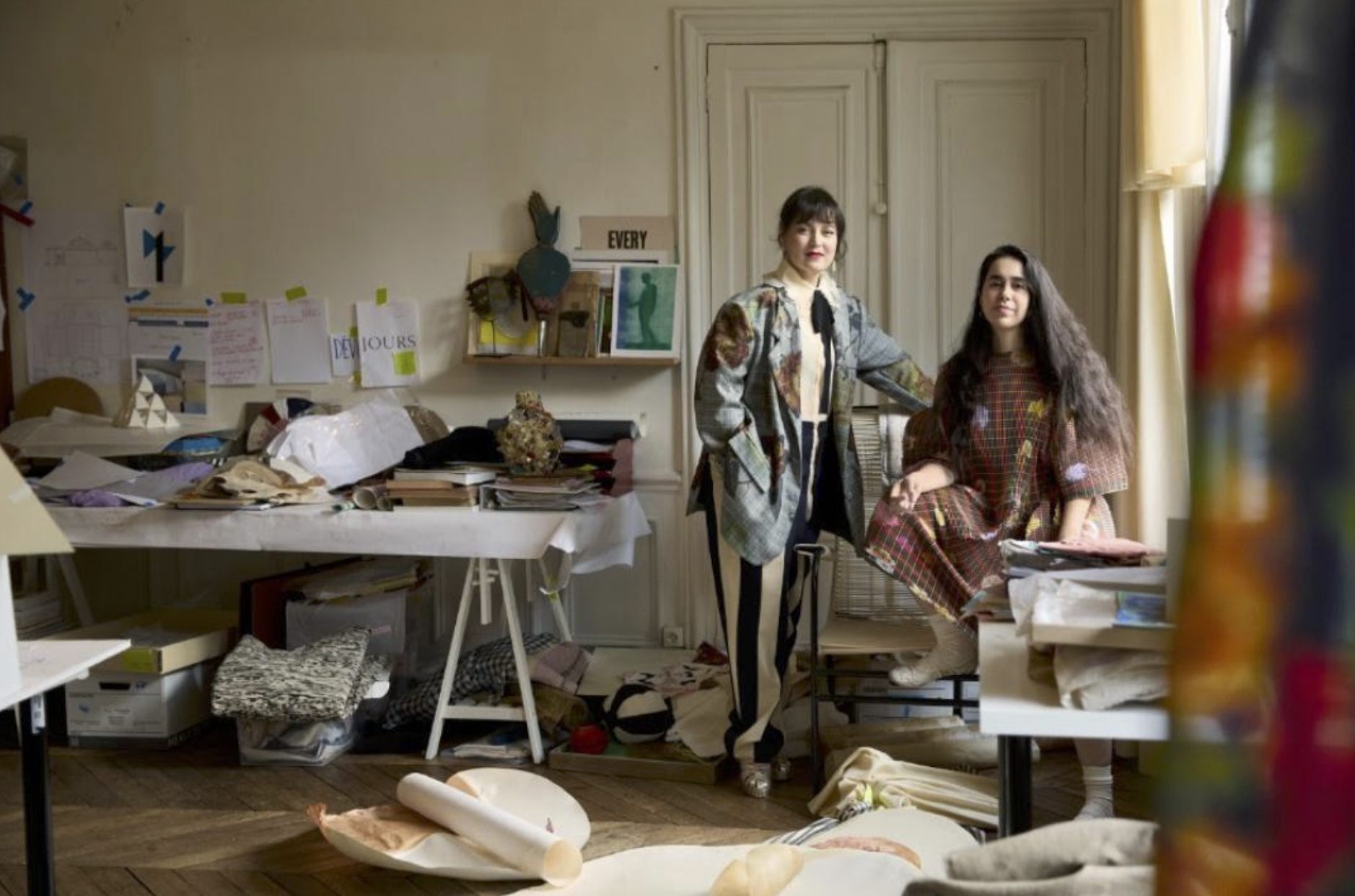
France will reopen its historic pavilion at the 61st Venice Biennale (May 9–November 22, 2026) after restoration, with Franco-Moroccan artist Yto Barrada (b. 1971) presenting the immersive textile-based project "Comme Saturne," curated by Myriam Ben Salah. The exhibition uses the "dévoré" technique—acid selectively corrodes fabric—as a metaphor for destruction and creation, featuring a goat-skin kite, a Room of Folds with wool drapery that fades in natural light, a Laboratory inspired by Saturnalia, and a Study Room linked to Barrada's garden of dye plants in Tangier, culminating in the Room of the Devoured where chemically attacked material fragments into an aesthetic of wear and formlessness.