filter_list Showing 6 results for "Conseil d'État" close Clear
search
dashboard All 6 article policy 3gavel restitution 2article news 1
date_range Range Today This Week This Month All
Subscribe

No, the courts have not cleared the way for contemporary stained-glass windows at Notre-Dame

Non, la justice n'a pas laissé la voie libre aux vitraux contemporains de Notre-Dame

The article clarifies that legal challenges against installing contemporary stained-glass windows in Notre-Dame Cathedral are still ongoing, contrary to misleading headlines. Two judicial procedures remain active: an appeal by the heritage association Sites & Monuments after losing a first-instance ruling on procedural grounds, and a separate case contesting the legitimacy of the works themselves. Although an emergency injunction was denied because the judge found no urgency, the core legal arguments—that replacing Viollet-le-Duc's windows is not conservation or restoration—remain strong. The author warns that if the windows are installed before the appeals are resolved, they may later have to be removed at great expense.


Exhibition catalogs printed in China

Les catalogues d’expositions imprimés en Chine

Le Journal des Arts reports on several developments in the art world: the return of American Rousseau works to Paris, the growing trend of outsourcing museum reception services, the New Museum's expansion, challenges facing the Musée des tissus, and Art Brussels adapting to contemporary trends. These stories cover a range of topics from exhibition logistics to institutional change.

Outsourcing Museum Reception: A Booming Model

Externaliser l’accueil dans les musées, un modèle en plein essor

French museums are increasingly outsourcing front-of-house services, including ticketing, reception, and crowd management, to specialized private firms. This trend, which gained momentum with the opening of the Musée du quai Branly in 2006, allows public institutions to focus internal resources on core missions like conservation and curation while utilizing flexible, external labor for high-traffic operations. The market for these cultural services in France is projected to reach approximately €50 million by 2025.

French government adopts bill for restitution of colonial-era objects

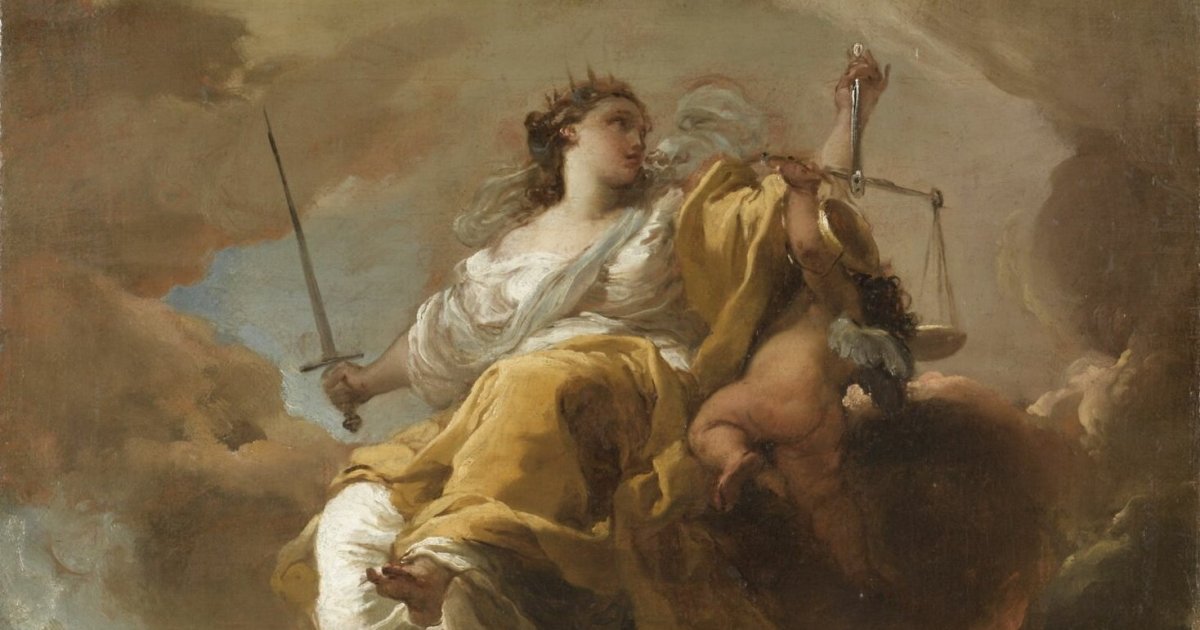
The French government has adopted a bill that facilitates the restitution of cultural objects plundered from former colonies, eight years after President Emmanuel Macron pledged to return African heritage. Presented by Culture Minister Rachida Dati, the bill maintains that French public collections are inalienable but creates an exemption for items taken by force between 1815 and 1972. Restitution requests must come from foreign states, be for public preservation and display, and involve items allegedly stolen, looted, or sold under duress. A bilateral scientific committee will examine each case, with final approval from the Conseil d'État. The bill aims to replace the current slow, case-by-case legislative process that has resulted in only 30 objects returned since 2017.

La loi sur les restitutions des biens culturels pillés pendant la colonisation définitivement adoptée

The French Parliament has definitively adopted a permanent law on the restitution of cultural property looted during colonization, replacing the previous case-by-case legislative approach. The Senate unanimously approved the final text on May 7, 2026, following agreement in a joint committee on April 30, and the National Assembly had approved it the day before. The law creates a general derogation from the principle of inalienability of public collections, establishing a bilateral scientific committee to examine provenance, with final decisions made by decree of the Council of State. Key amendments from the National Assembly—including binding parliamentary votes on restitution and conditions on conservation and public access—were removed by the joint committee to avoid perceptions of neocolonial tutelage.

Bayeux Tapestry: A Blank Voyage That Tests Nothing

Tapisserie de Bayeux : un voyage à blanc qui ne teste rien

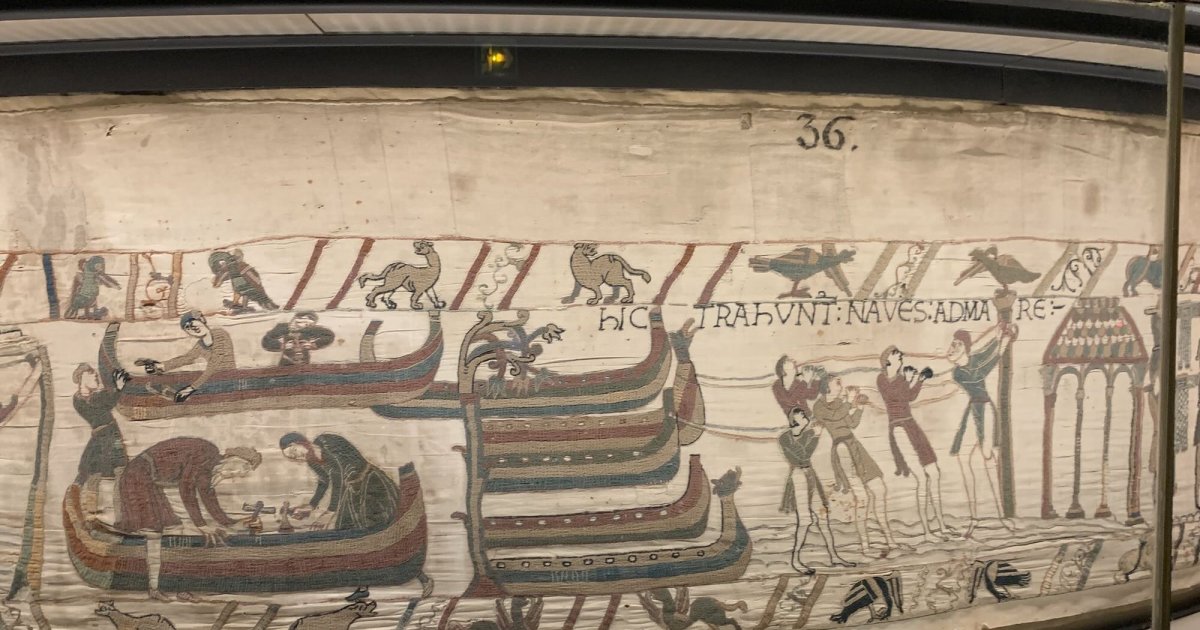
A confidential interim report obtained by La Tribune de l'Art reveals that the "blank voyage" test transport of the Bayeux Tapestry from Bayeux to London in February 2026 failed to measure actual risks to the artwork. The report admits that the vibration threshold used (2 mm/s) is arbitrary and based on paintings, not on a textile of this size and fragility. Because the tapestry has been stored and inaccessible since September 2025, no mechanical tests could be conducted beforehand to determine safe vibration levels, rendering the test meaningless. A second test took place on April 15, 2026, but its report has not yet been finalized; the actual loan is planned for July 2026, with transport via Eurostar.