filter_list Showing 11 results for "Edgar Degas" close Clear
dashboard All 11 museum exhibitions 4article culture 3gavel restitution 2article local 1article news 1
date_range Range Today This Week This Month All
Subscribe

Tracing the Arc of British Sculpture From Modernism to Today

A new exhibition titled “Modern British: Modern & Contemporary British Sculpture” has opened at Bowman Sculpture in London, tracing the evolution of British sculpture from Modernism to the present day. The show features iconic figures such as Henry Moore, Eduardo Paolozzi, and Lynn Chadwick alongside emerging talents like Rufus Martin and Joanna Allen, creating cross-generational dialogues. Highlights include Moore’s *Small Seated Figure* (ca. 1936) and Paolozzi’s *Richard Rogers as Newton* (1990). The exhibition runs through May 29, 2026, and reflects the gallery’s shift from focusing on Modern masters to embracing contemporary voices.

Artists made their mark at 2026 Met Gala

The 2026 Met Gala, held on May 4 at the Metropolitan Museum of Art, raised a record $42 million for the Costume Institute, surpassing last year's $31 million. Honorary chairs Jeff Bezos and Lauren Sanchez Bezos contributed at least $10 million, but their involvement sparked protests outside the event, with demonstrators holding signs like "Tax the Rich" and a group called Everyone Hates Elon leaving fake urine bottles labeled with Bezos's face. Inside, artists made a strong impression: Amy Sherald wore a Thom Browne look based on her painting; Jordan Roth donned a Robert Wun outfit inspired by a Met collection work; and Tschabalala Self collaborated with Brandon Blackwood on a gown evoking Degas's ballerina sculpture. The gala's dress code was "fashion is art," and the accompanying exhibition, "Costume Art" (May 10–January 10, 2027), debuts the Met's new 12,000-square-foot Condé M. Nast Galleries.

10 chefs-d’œuvre de l’impressionnisme décryptés par Beaux Arts

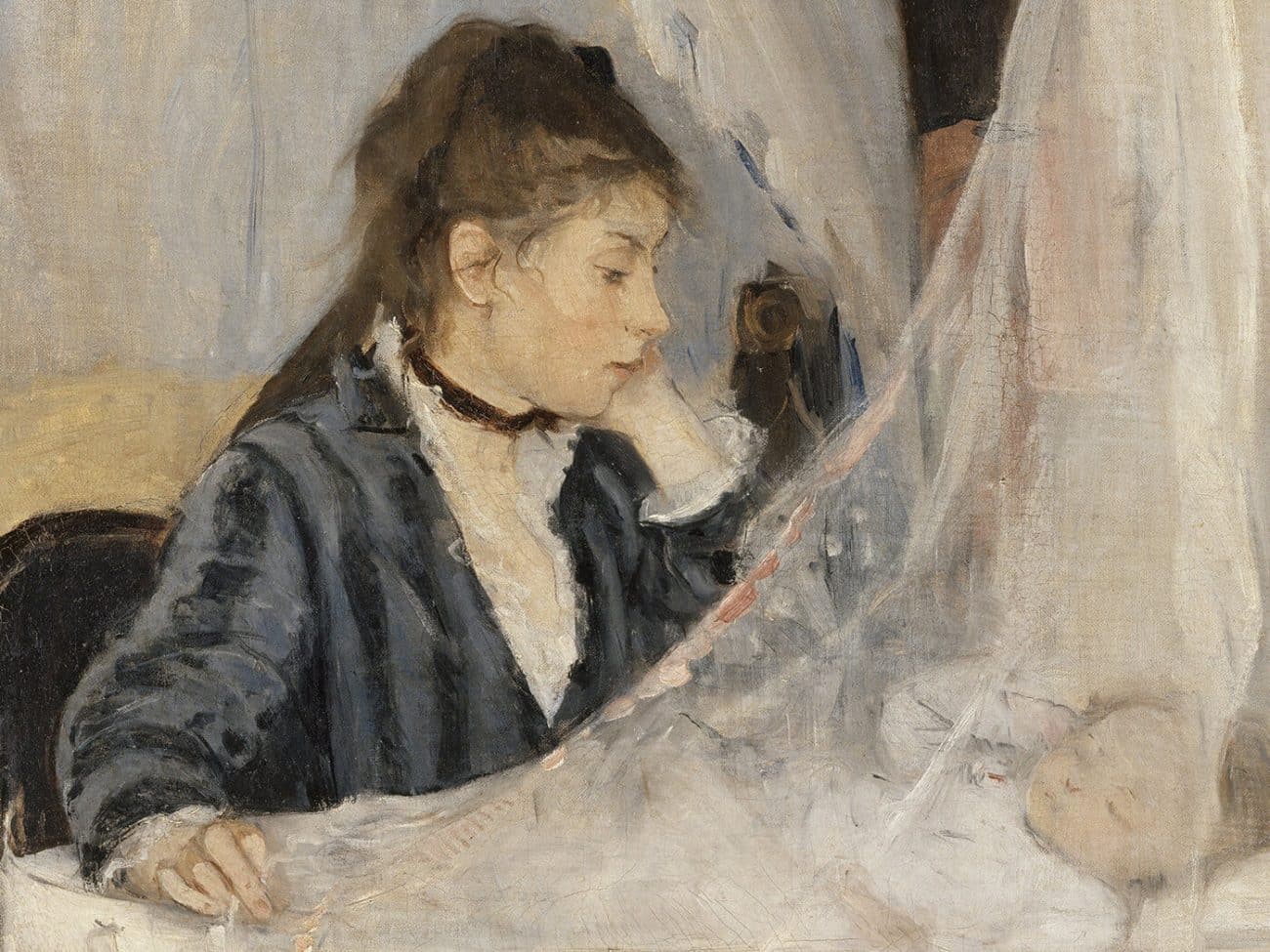
Beaux Arts Magazine presents a detailed dossier analyzing ten iconic masterpieces of Impressionism, including works by Edgar Degas, Édouard Manet, Berthe Morisot, Auguste Renoir, Gustave Caillebotte, Claude Monet, and Mary Cassatt. The article explores the technical innovations, modern subjects, and revolutionary spirit of the movement, which began in 1874 and was initially rejected by critics. Each featured painting—such as *Le Déjeuner sur l’herbe*, *Impression, soleil levant*, and *Le Bal du moulin de la Galette*—is examined by art historians and journalists to reveal its composition, historical context, and lasting impact.

Why the New Orleans Museum of Art Is One of the City’s Must-visit Cultural Gems

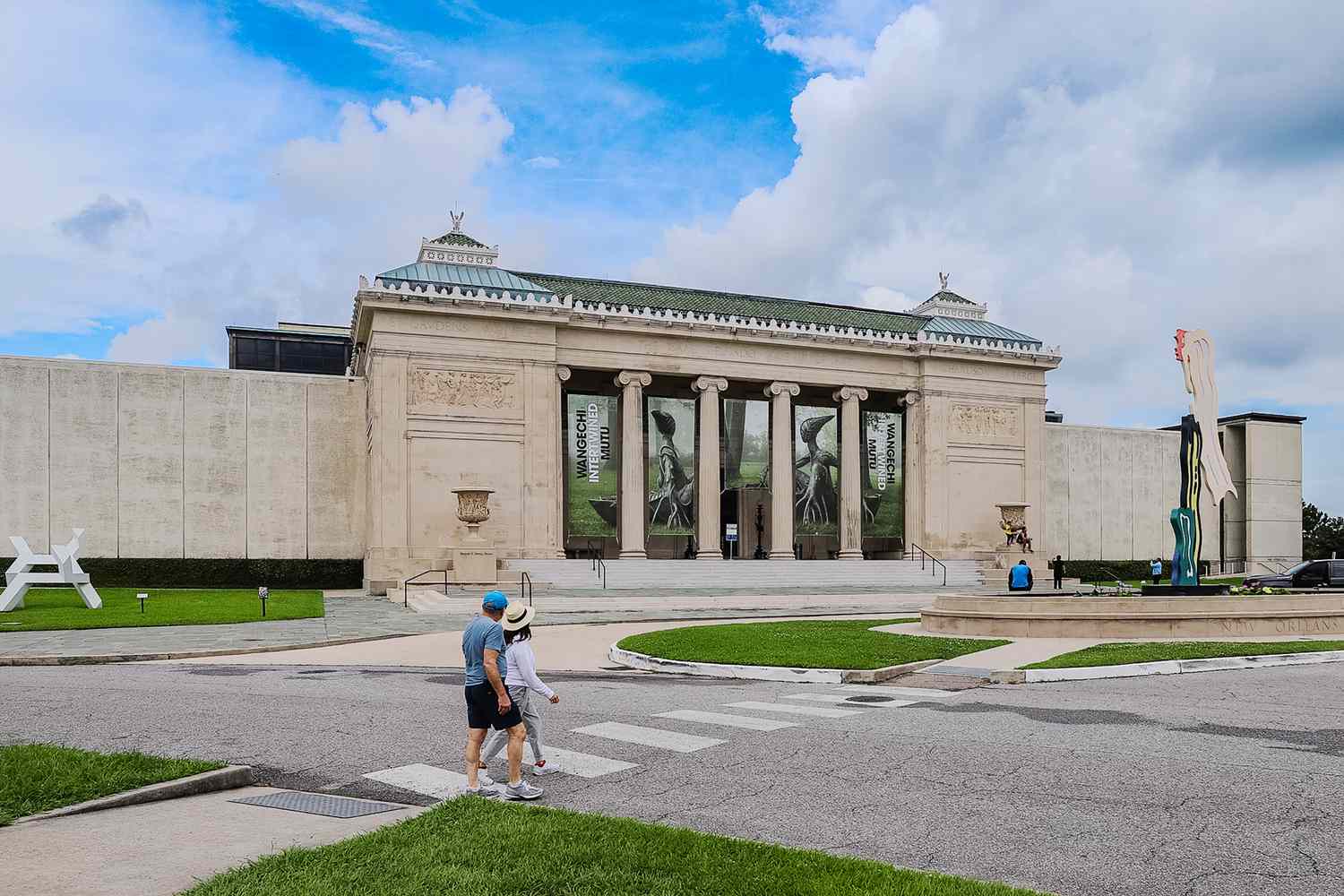
The New Orleans Museum of Art (NOMA), housed in a Beaux-Arts building within City Park, is profiled as a cultural cornerstone of the city. Founded in 1911 as the Isaac Delgado Museum of Art, it now holds over 50,000 works spanning global artifacts, Japanese ceramics, Egyptian relics, and modern pieces by artists such as Pablo Picasso, Edgar Degas, and Wangechi Mutu. The museum also features the Sydney and Walda Besthoff Sculpture Garden, a 12-acre free-admission outdoor space with works by Rodin, Moore, and Oldenburg. Upcoming 2026 programming includes Japan Fest, an Edo-period Rinpa exhibition, and a long-term show of French porcelain from the Thomas B. Lemann collection.

Rollicking Protest Against Bezos's Met Gala Erupts in Manhattan

On May 4, 2026, a small but spirited protest organized by the advocacy group Rise and Resist erupted near the Metropolitan Museum of Art during the Met Gala. Dozens of costumed demonstrators gathered on a makeshift "Resistance Runway" to denounce billionaire Jeff Bezos, who co-chaired the event with his wife Lauren Sánchez Bezos. Participants held signs addressing trans rights, fascism, and wealth inequality, and danced to ABBA's "Money, Money, Money." The protest highlighted Bezos's role as co-chair, with activists criticizing his company Amazon's profits from immigration crackdowns and layoffs at the Washington Post. Bezos reportedly did not attend the gala, while his wife walked the red carpet alone.

« À qui appartiennent ces œuvres ? » : le destin des biens culturels spoliés par les nazis au cœur d’un nouvel espace au musée d’Orsay

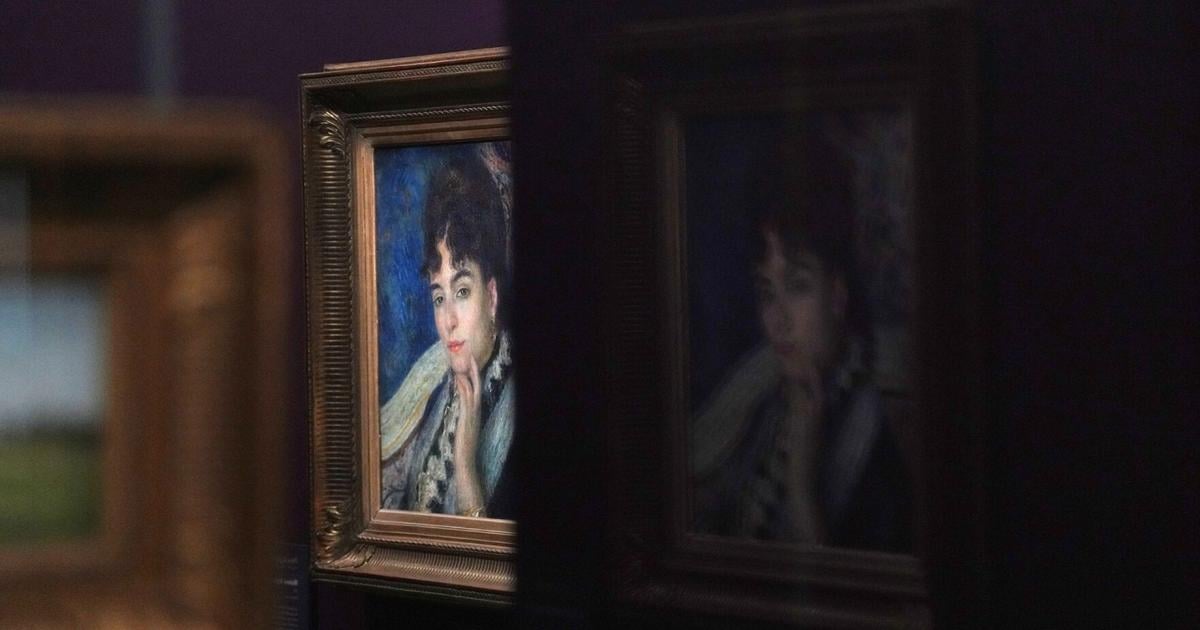
On May 5, the Musée d'Orsay in Paris inaugurated a new dedicated space in the Pavillon Amont for artworks looted during World War II that remain unclaimed by their owners or heirs. The room, titled "À qui appartiennent ces œuvres ?" ("Who owns these works?"), features thirteen pieces including sculptures by Auguste Rodin and paintings by Auguste Renoir, Edgar Degas, and Eugène Boudin. These represent a fraction of the museum's 225 MNR (Musées nationaux récupération) holdings, part of a national legacy of approximately 2,000 looted works still held in French museums.

France reckons with Nazi-looted art in a new Paris museum gallery

France has opened a new permanent gallery at the Musée d'Orsay in Paris dedicated to displaying Nazi-looted artworks that remain unclaimed. The gallery features 13 works from the MNR (Musées Nationaux Récupération) collection, including a painting by Alfred Stevens originally destined for Hitler's planned museum in Linz. The display is the first in the museum's history to show the backs of paintings, revealing stamps, labels, and inventory marks that trace how each piece moved from private Jewish homes into Nazi hands. The museum also launched its first research unit to trace rightful heirs, led by Ines Rotermund-Reynard.

Musée d’Orsay opens gallery dedicated to still-unclaimed works stolen by Nazis in WWII

The Musée d'Orsay in Paris has opened a permanent gallery dedicated to artworks believed to have been looted by the Nazis from Jewish owners during World War II, but whose rightful owners have not been identified. The exhibition, titled "Who owns these works?", features a rotating selection of 225 such pieces held by the museum, with twelve paintings and one sculpture currently on display. Works by Renoir, Degas, Rodin, and Alfred Stevens are included, alongside provenance research detailing their murky histories—such as a Degas ballroom scene acquired by a Jewish collector later murdered at Auschwitz.

At the 2026 Met Gala, Black stars and socialites turned the human form into art

The 2026 Met Gala, held at the Metropolitan Museum of Art under the theme 'Costume Art,' featured Black celebrities and socialites interpreting the human form as art on the red carpet. Notable attendees included Beyoncé in a skeletal silver gown by Olivier Rousteing, Colman Domingo inspired by Jean-Michel Basquiat, Rihanna in a custom Maison Margiela 'living sculpture' by Glenn Martens, and Venus Williams co-chairing the event while wearing a look referencing her own portrait by Robert Pruitt. Others like SZA, Tschabalala Self, and Cardi B offered surreal or literal nods to art history and body imagery.

Black Artists Featured in Monet to Matisse Exhibition at Birmingham Museum of Art

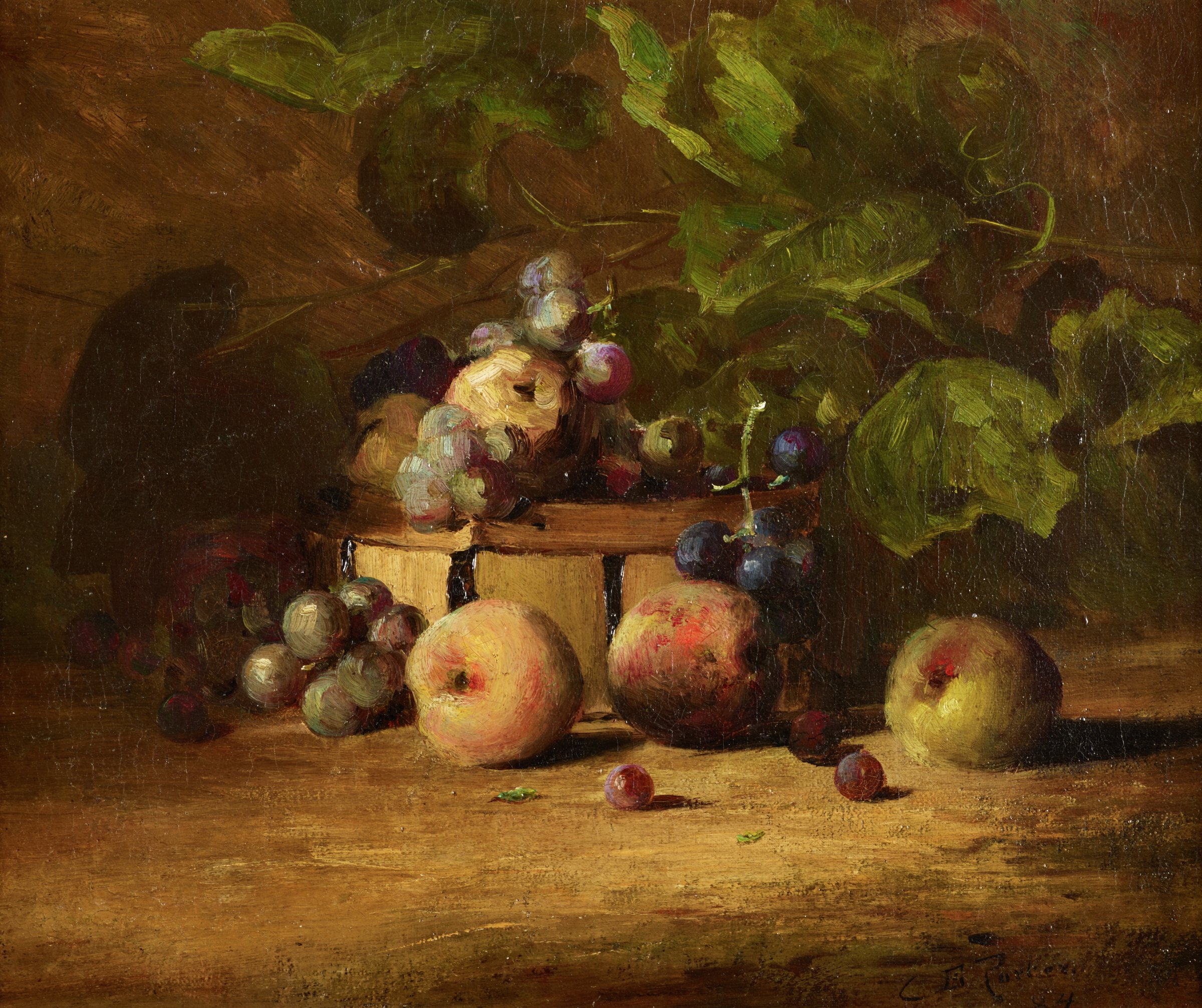
The Birmingham Museum of Art (BMA) has opened its presentation of the traveling exhibition "Monet to Matisse: French Moderns, 1850–1950," which features over 100 masterworks from the Brooklyn Museum. Uniquely, the BMA version includes more than 40 additional works from its own collection, among them paintings by two Black American artists—Henry Ossawa Tanner and Charles Ethan Porter—who lived and worked in France during the period. Curator Dr. Maggie Crosland emphasized the importance of including these artists to highlight the contributions of Black Americans to French modernism, especially given the political climate that drove many to Paris between 1850 and 1950.

Musée d’Orsay displays Renoir and Degas works looted by Nazis

The Musée d’Orsay in Paris has opened a new gallery dedicated exclusively to artworks suspected of being looted or forcibly sold during the Nazi occupation of France. Among the 13 works on display is Edgar Degas's *Dinner at the Ball* (1919), originally owned by Jewish collector Fernand Ochsé, who was deported to Auschwitz with his wife in 1941. The painting passed through multiple hands before being identified as one of over 100,000 artworks plundered by the Nazis. The museum has assembled a team of six provenance researchers to spend three years tracing the original owners of these works, which are part of the "MNR" (Musées nationaux récupération) collection—some 2,200 pieces deemed too important to sell but whose owners remain unknown.