filter_list Showing 9 results for "Egyptian Ministry of Tourism and Antiquities" close Clear
search
dashboard All 9 article news 8gavel restitution 1
date_range Range Today This Week This Month All
Subscribe

Ruins of ‘unique’, circular water temple discovered in Egypt

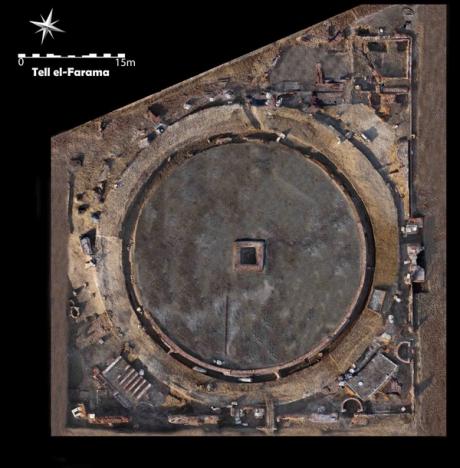
Archaeologists in northern Sinai have unearthed the ruins of a unique circular water temple at the site of ancient Pelusium, dating back to the second century. Initially mistaken for a political senate building, the structure features a 35-meter wide basin and brick walls characteristic of Roman construction, suggesting it was used for religious rituals linked to the local fertility god Pelusius.

inside grand egyptian museum

The Grand Egyptian Museum (GEM) in Cairo has delayed its official opening again, now expected in the fourth quarter of 2025, due to regional conflicts including the Israel-Iran war. Originally proposed in 1992 and under construction since 2002, the $1 billion museum has faced repeated setbacks from the Arab Spring, the pandemic, and wars in Gaza and Sudan. When it opens, it will showcase over 100,000 artifacts, making it the largest archaeological museum in the world, with the Tutankhamun galleries as its centerpiece featuring over 5,398 objects from the pharaoh's tomb.

qubbet al hawa egypt tombs pottery discovered

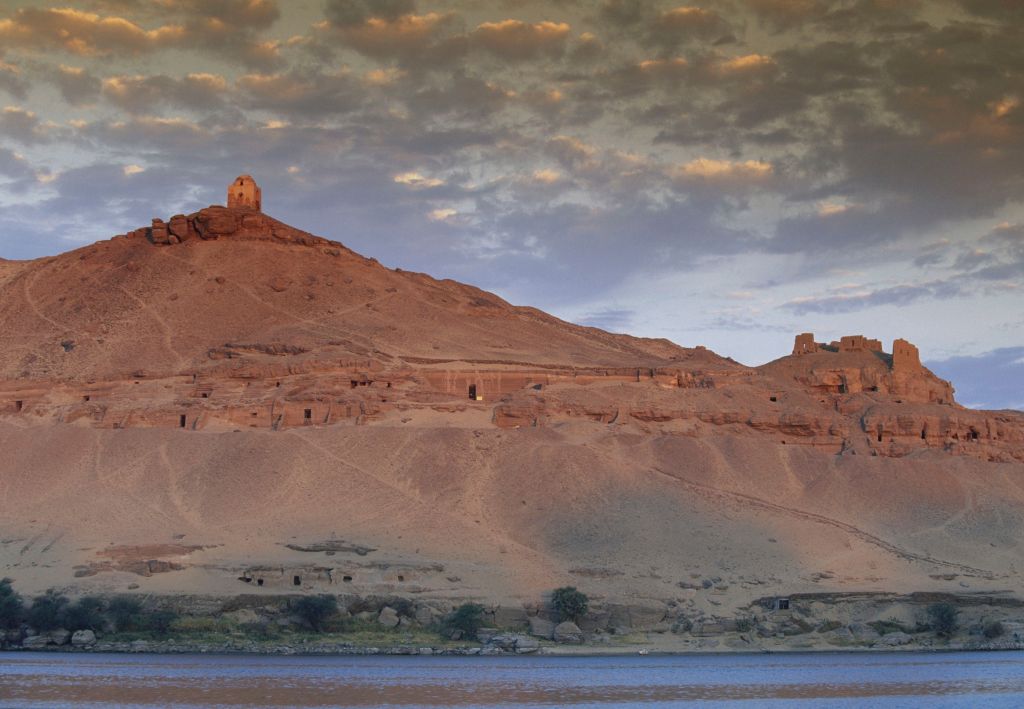
A research team from Egypt’s Supreme Council of Antiquities has unearthed a significant cache of artifacts at the Qubbet Al-Hawa necropolis near Aswan. The discovery includes two chambers containing 160 well-preserved pottery vessels, many inscribed with text, alongside a courtyard filled with Middle Kingdom jewelry, bronze mirrors, and kohl containers. These finds were located within rock-cut burial shafts that served as resting places for ancient Egyptian elite.

belgian authorities return gilded sacrophagus to egypt

Egypt has recovered two ancient artifacts from Belgium after a decade-long effort, announced on December 2 by the Egyptian Ministry of Tourism and Antiquities. The objects—a painted and gilded Ptolemaic sarcophagus (305–30 B.C.E.) and a wooden beard from a Middle Kingdom statue—were seized by Belgian authorities in 2015 following an Interpol alert, as they were displayed in a Brussels antiques gallery without legal documentation. After a drawn-out diplomatic and legal process, the artifacts were returned in a ceremony at the Royal Museums of Art and History in July, attended by senior Egyptian culture ministers.

Seven-Foot-Tall Monument to Ramses II Discovered in Eastern Nile Delta Region

Archaeologists in Egypt have discovered the upper half of a 7-foot-tall statue of Ramses II at the site of Tell El-Faraoun in the eastern Nile Delta. Weighing over 5 tons, the fragment is believed to have originally been carved for a temple in the ancient capital of Per-Ramesses and was later relocated. The find was announced by the Egyptian Ministry of Tourism and Antiquities, with Hisham El-Leithy of the Supreme Council of Antiquities noting its importance for understanding how statues were moved and reused during the New Kingdom.

Massive Cache of 42,000 Pottery Shards Reveals Daily Life in Ancient Egypt

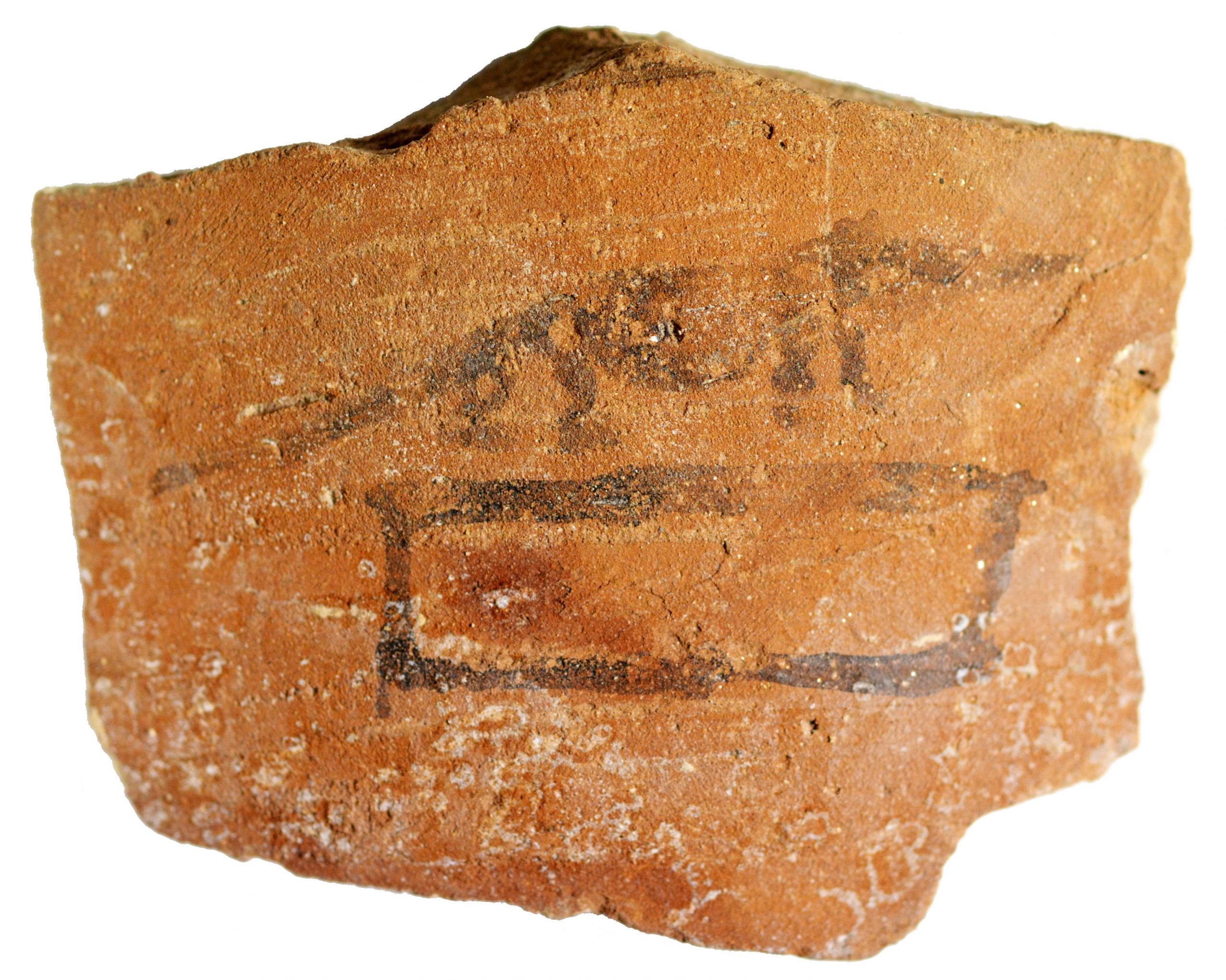
Archaeologists from the University of Tübingen and the Egyptian Ministry of Tourism and Antiquities have unearthed a massive collection of over 42,000 inscribed pottery shards, known as ostraca, at the ancient site of Athribis. The shards, dating from the 3rd century B.C.E. to the 11th century C.E., contain tax receipts, religious texts, school exercises, and personal notes written in Demotic, Greek, Hieratic, Coptic, and Arabic scripts, offering an unprecedented window into the daily lives of ordinary people.

22 stone blocks alexandria ancient lighthouse seafloor

A team from the French National Center for Scientific Research has lifted 22 massive stone blocks from the Lighthouse of Alexandria from the seafloor, 30 years after the remains were first discovered in Egypt. The blocks include monumental door lintels, jambs weighing 70 to 80 tons, a threshold, large base slabs, and parts of a previously unknown pylon with an Egyptian-style door from the Hellenistic period. Each block will be scanned and studied to add to a digital collection of over 100 blocks already digitized, aiming to construct a virtual model of the lighthouse. The excavation was supervised by archaeologist Isabelle Hairy and conducted under the Egyptian Ministry of Tourism and Antiquities, with support from La Fondation Dassault Systèmes and French documentary company GEDEON Programmes, which filmed the work for a 90-minute documentary.

More than 160 Tutankhamun treasures have arrived at the Grand Egyptian Museum

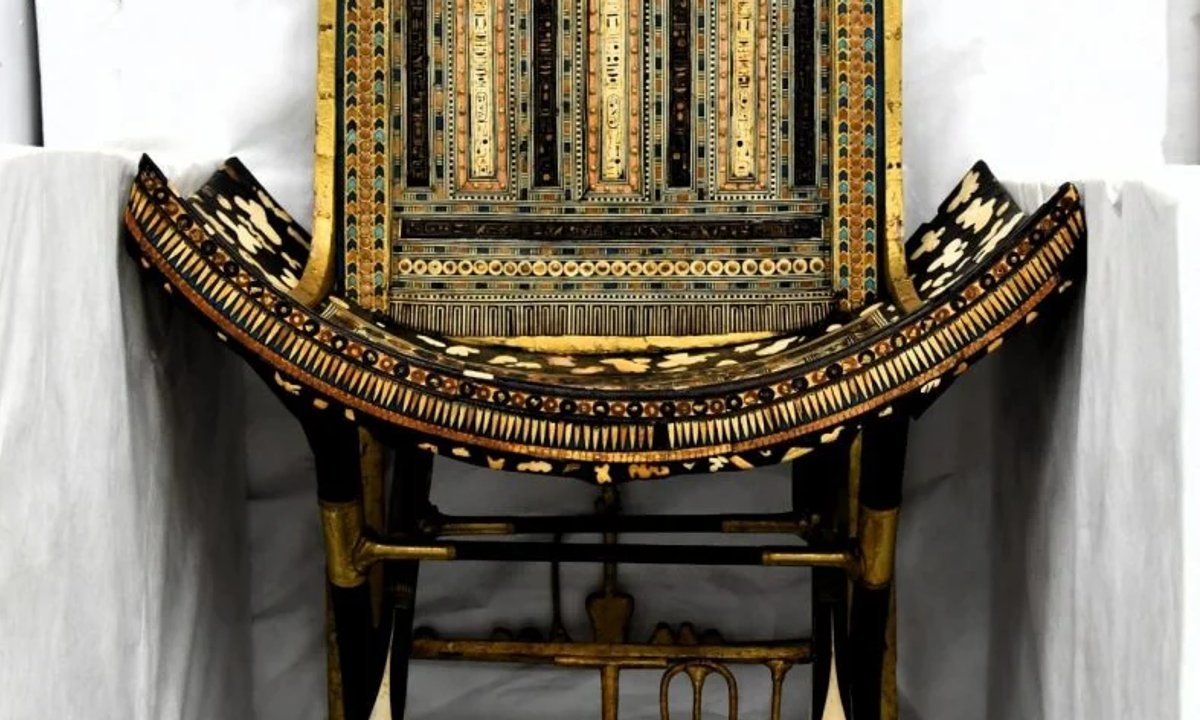
More than 160 treasures from the tomb of King Tutankhamun have been transferred from the Egyptian Museum in Cairo to the Grand Egyptian Museum in Giza, ahead of its long-awaited opening on 3 July. The items include a ceremonial chair inlaid with ivory and gold and an accompanying footstool decorated with gilded motifs. The Egyptian Ministry of Tourism and Antiquities states the move is part of a plan to display the entire Tutankhamun collection together for the first time. The famous golden mask and golden coffins remain at the Cairo museum for now and will be the last items moved.

Ancient artefacts from sunken city lifted out of Mediterranean near Alexandria

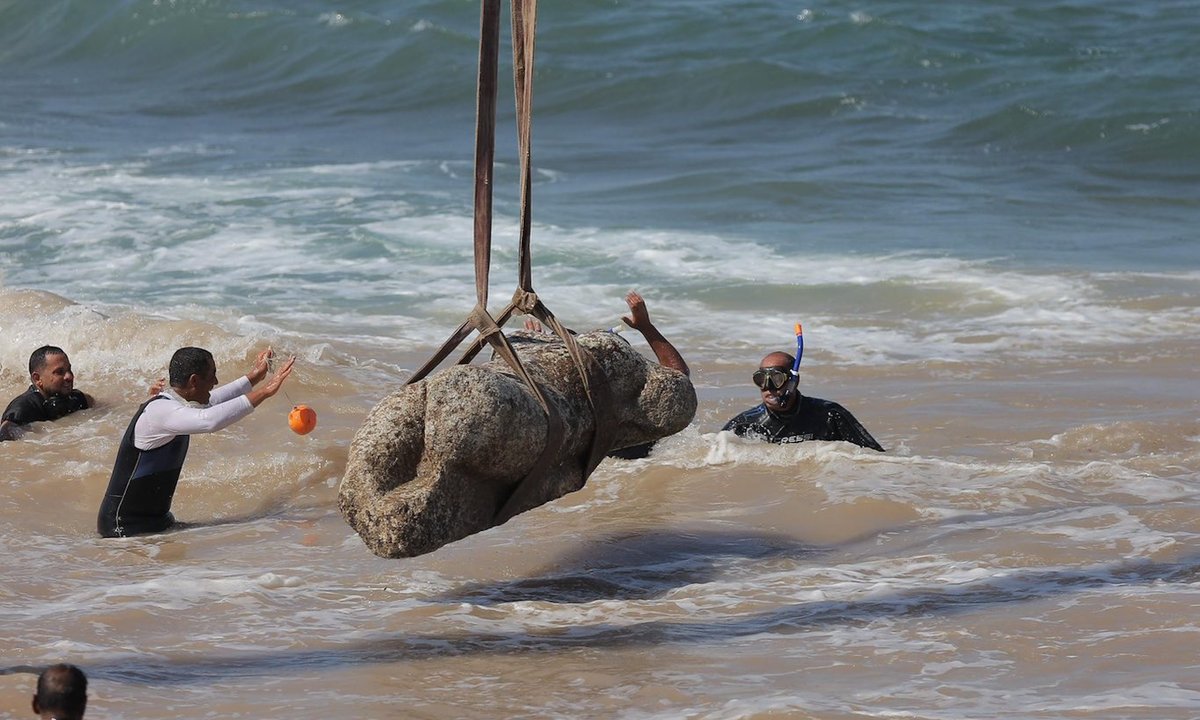
Ancient artefacts from the sunken city of Canopus, submerged off the coast of Alexandria, have been recovered for the first time in 25 years. During a three-day underwater heritage event (19-21 August), archaeologists lifted limestone structures, a quartz sphinx bearing cartouches of Ramses II, and a white marble statue of a Roman nobleman from the Mediterranean. The operation was led by the European Institute for Underwater Archaeology (IEASM) in cooperation with the Egyptian Ministry of Tourism and Antiquities, with French underwater archaeologist Franck Goddio playing a key role. The finds are now on display in the exhibition 'Secrets of the Sunken City' at the Alexandria National Museum.