
filter_list Showing 3 results for "Elizabeth Englander" close Clear
dashboard All 3 article culture 3
date_range Range Today This Week This Month All
Subscribe

design artist housing hell real estate

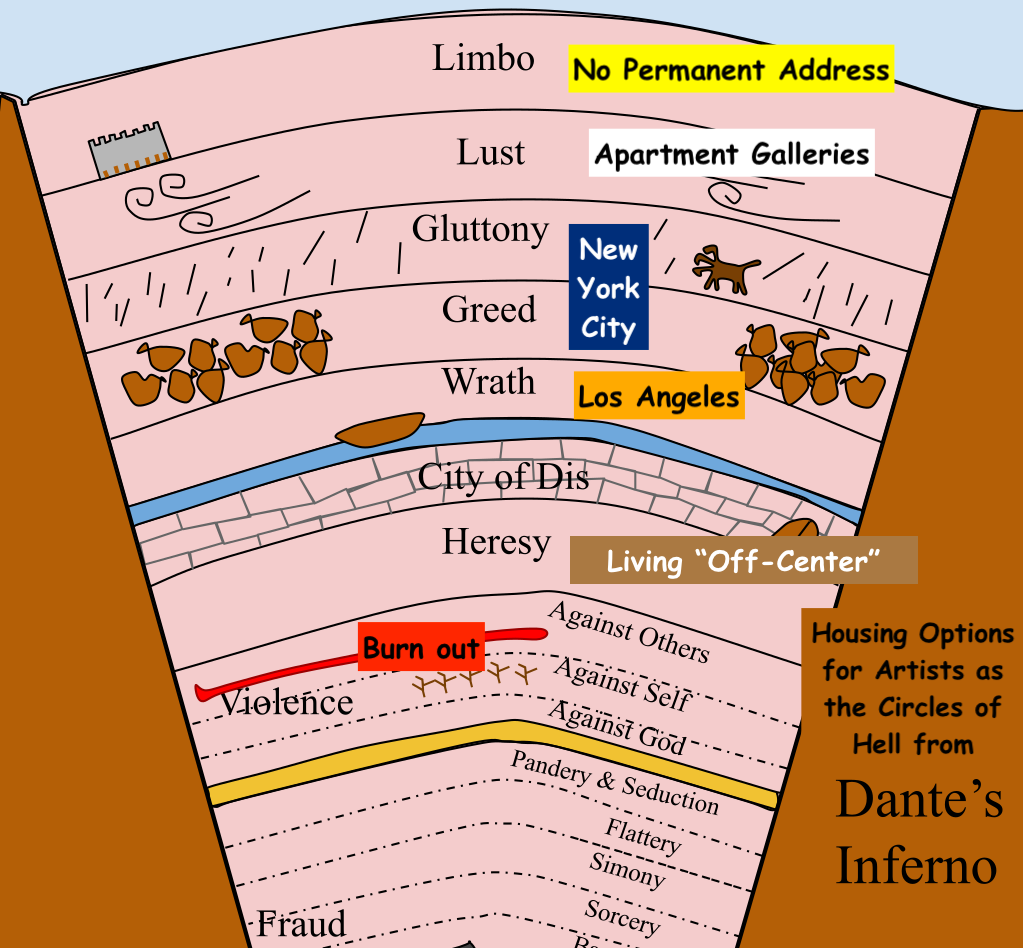
The article examines the severe affordable housing crisis facing artists in major art capitals like New York, Berlin, London, Los Angeles, Paris, and Hong Kong. It draws parallels between the satirical portrayals of housing struggles in Tama Janowitz's *Slaves of New York* (1986) and Jane DeLynn's *Real Estate* (1988) and the contemporary reality, where median rents have tripled since the 1970s while artists' median earnings remain critically low. The author maps artists' precarious housing situations onto Dante's nine circles of Hell, illustrating the creative but often desperate workarounds artists employ, such as subletting, living in storage units, or having no permanent address.
parties ruba katrib lawrence kumpf hosting

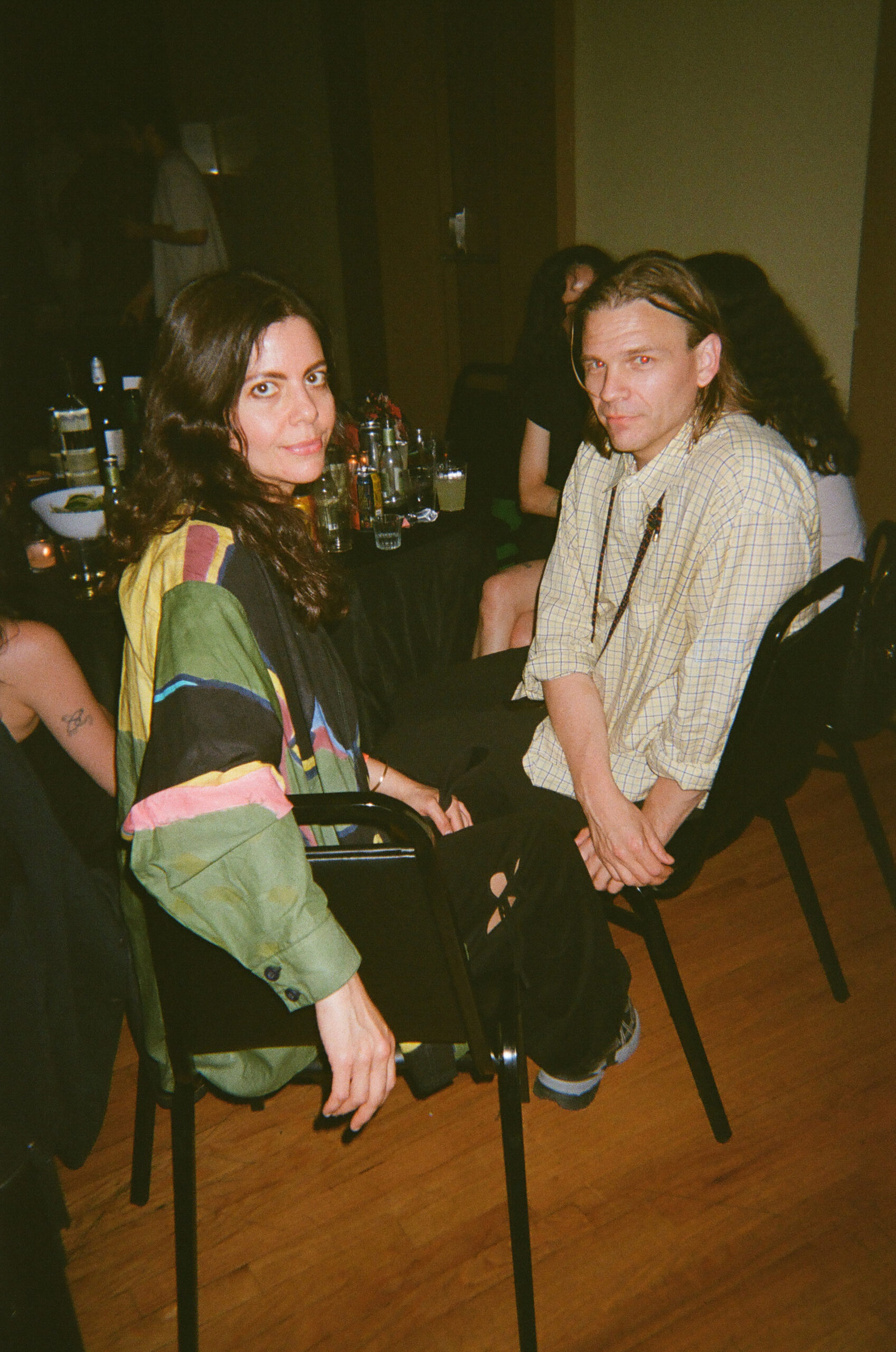
Blank Forms celebrated its ninth anniversary with performances by Dez Andrés, Douglas Sherman, and 7038634357 at the Ukrainian National Home in the East Village. The article, written by Ruba Katrib and Lawrence Kumpf, offers a personal glimpse into their New York apartment, filled with books, records, art from friends, and a curated sound system, alongside recipes and anecdotes about hosting artists, musicians, and curators for dinners and listening sessions.

Karmic Modernism. In Conversation with Elizabeth Englander by Nick Irvin

Elizabeth Englander, an artist working primarily in assemblage with materials like children's furniture, nutcrackers, and old clothing, discusses her recent exhibitions and spiritual approach to art in an interview with Nick Irvin for Flash Art. The conversation covers her show "The Elizabethan Lumber Room" (2026) at a. SQUIRE in London, the modular barrister's bookcase inherited from her mother, and her "Parinirvana" series (2025) that explores themes of death and sacred art through papier-mâché, paint, and mylar. Englander also references influences such as Constantin Brâncuși, her graduate advisor Tom Weaver, and Erwin Panofsky's writings on tomb sculpture.