filter_list Showing 5 results for "Frieze New Writers" close Clear
search
dashboard All 5 rate_review review 3museum exhibitions 2
date_range Range Today This Week This Month All
Subscribe

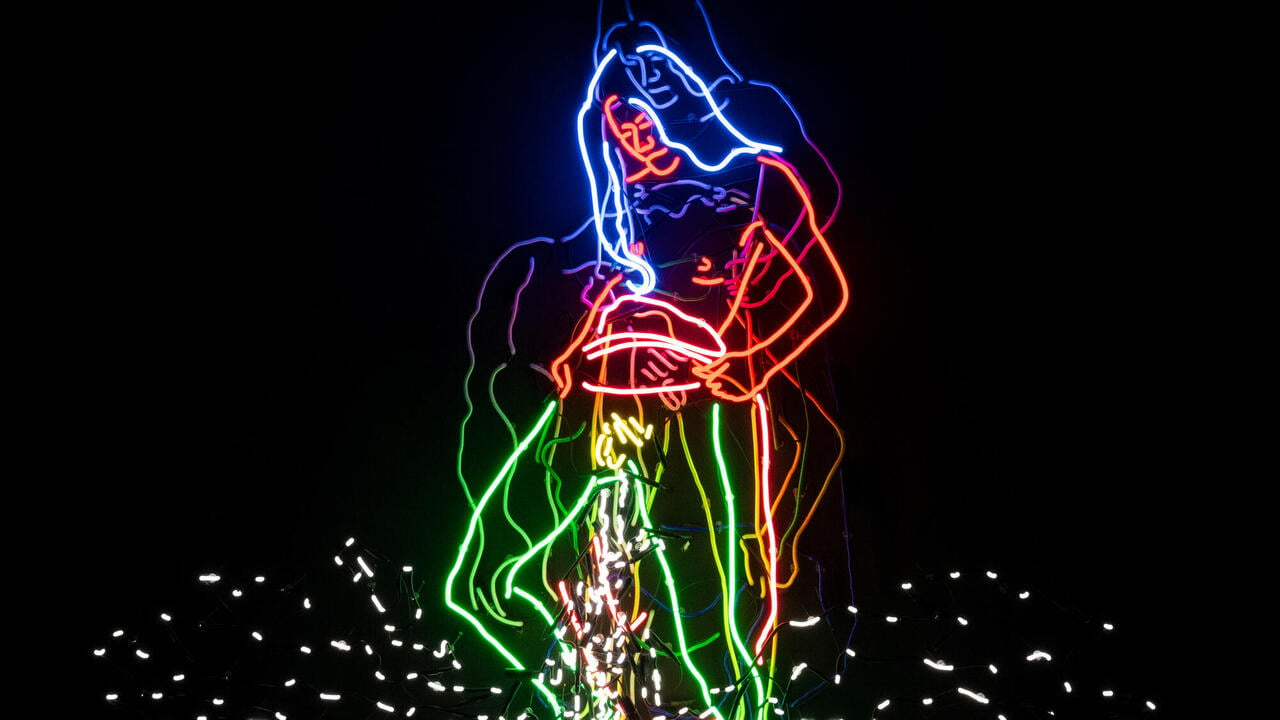
Scrappy, Political and Paranoid: ‘Greater New York 2026’

The article previews 'Greater New York 2026', an exhibition at MoMA PS1, characterizing it as 'scrappy, political and paranoid'. It is presented as a critic's guide, highlighting key shows during Art Brussels, including Richard Tuttle's assemblages at Galerie Greta Meert and an expansive exhibition of Lutz Bacher at WIELS. The piece is written by Emile Rubino and published by Frieze.
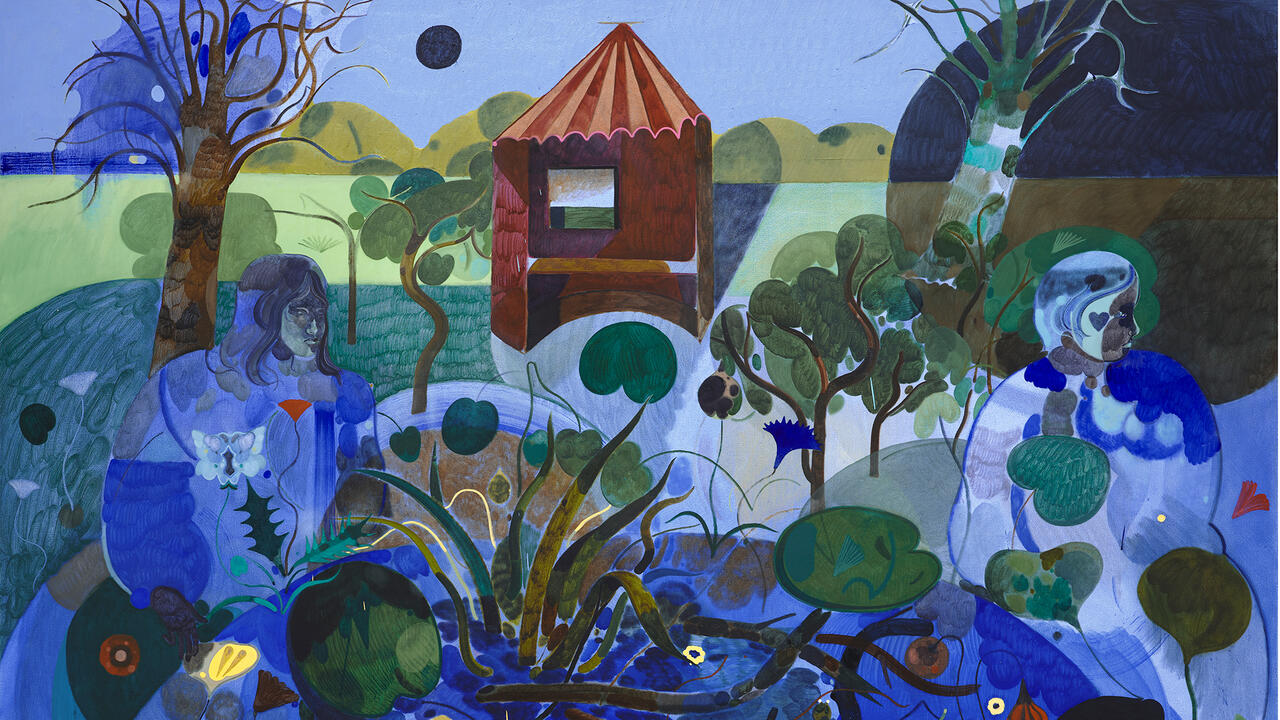
Frieze New Writers Select the Best Art Shows in the UK and Ireland

Frieze has announced the winners of its New Writers program, who have selected the best art shows currently on view across the UK and Ireland. The initiative highlights emerging critical voices by commissioning them to review standout exhibitions, including Richard Tuttle's assemblages at Galerie Greta Meert and an expansive presentation of Lutz Bacher's work at WIELS in Brussels.

Arsenale Review: Where Voices Resist Erasure

At the 2026 Venice Biennale's Arsenale, critic Andrew Durbin reviews national pavilions, finding the US presentation vacuous and lacking meaning, while praising the British and German pavilions for their incisive and moving installations that resist erasure. The review highlights a stark contrast in curatorial ambition and political engagement among the participating nations.

National Pavilions Review: Who’s Afraid of Meaning?

Andrew Durbin reviews national pavilions at a major biennial, contrasting a vacuous US presentation with incisive and moving installations from Britain and Germany. The review critiques the lack of meaningful content in the US pavilion while praising the depth and emotional resonance of the British and German contributions.

Frieze New Writers Pick Vienna’s Must-See Exhibitions

Andrew Durbin reviews national pavilions at a major art event, contrasting a vacuous US presentation with incisive and moving installations from Britain and Germany. The piece is part of Frieze's 'Critic's Guides' series, offering a pointed critique of the US pavilion's lack of meaning against the strength of its European counterparts.