
filter_list Showing 3 results for "Geometric Abstraction" close Clear
dashboard All 3 museum exhibitions 2trending_up market 1
date_range Range Today This Week This Month All
Subscribe

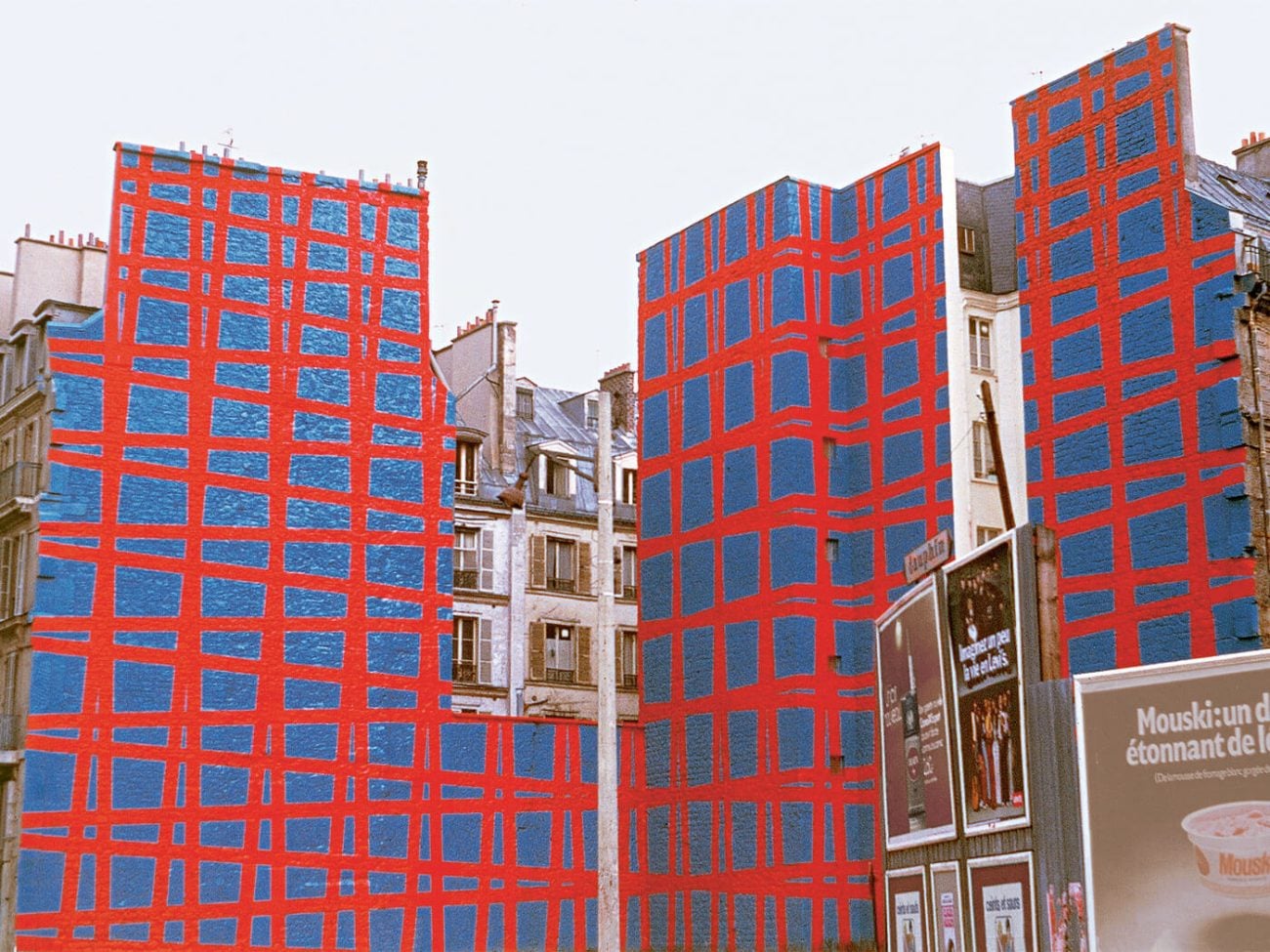
At the Centre Pompidou-Metz, 100 Works to Understand the Double Face of François Morellet

Au Centre Pompidou-Metz, 100 œuvres pour comprendre le double visage de François Morellet

The Centre Pompidou-Metz presents a centenary retrospective of French artist François Morellet (1926–2016), featuring 100 works that explore the dual nature of his practice. Curator Michel Gauthier has divided the exhibition into two mirrored halves—one dedicated to reason and geometric rigor ("the Mondrian side"), the other to disorder and irrationality ("the Picabia side")—reflecting Morellet's own description of himself as the "monstrous son of Mondrian and Picabia." The show traces his evolution from early figurative works and self-taught experiments to his embrace of concrete art, Islamic decorative systems, and systematic absurdity.
Contemporary Icons and Modern Masters Headline This Major May Sale

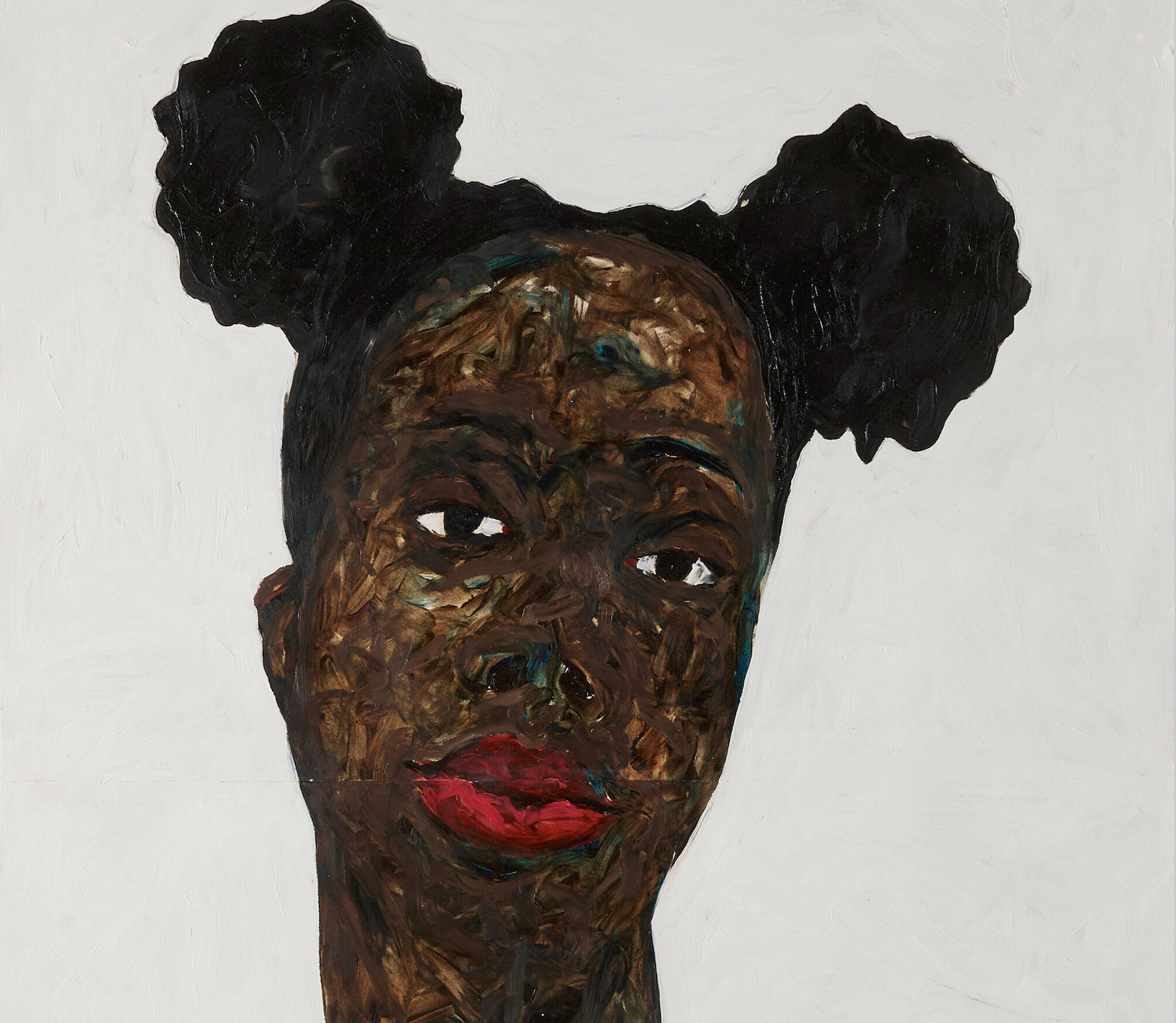
Rago/Wright is hosting two major spring sales on May 14, 2026: 'Pure Edge: American Geometric Abstraction, Selected Works from the Museo de Arte Contemporáneo de Buenos Aires' and a Post War and Contemporary Art sale. The first features 19 works from the museum's premier collection of American geometric abstraction, while the second spans 20th- and 21st-century art. Highlighted lots include Sam Gilliam's 'Sun Woman' (1970, est. $300,000–$500,000), Annie Morris's 'Stack 7 (Ultramarine Blue)' (2015, est. $150,000–$200,000), Miyoko Ito's 'Adam and Eve' (1957, est. $200,000–$300,000), and Maria Martins's 'Impossible' (1946, est. $150,000–$200,000).

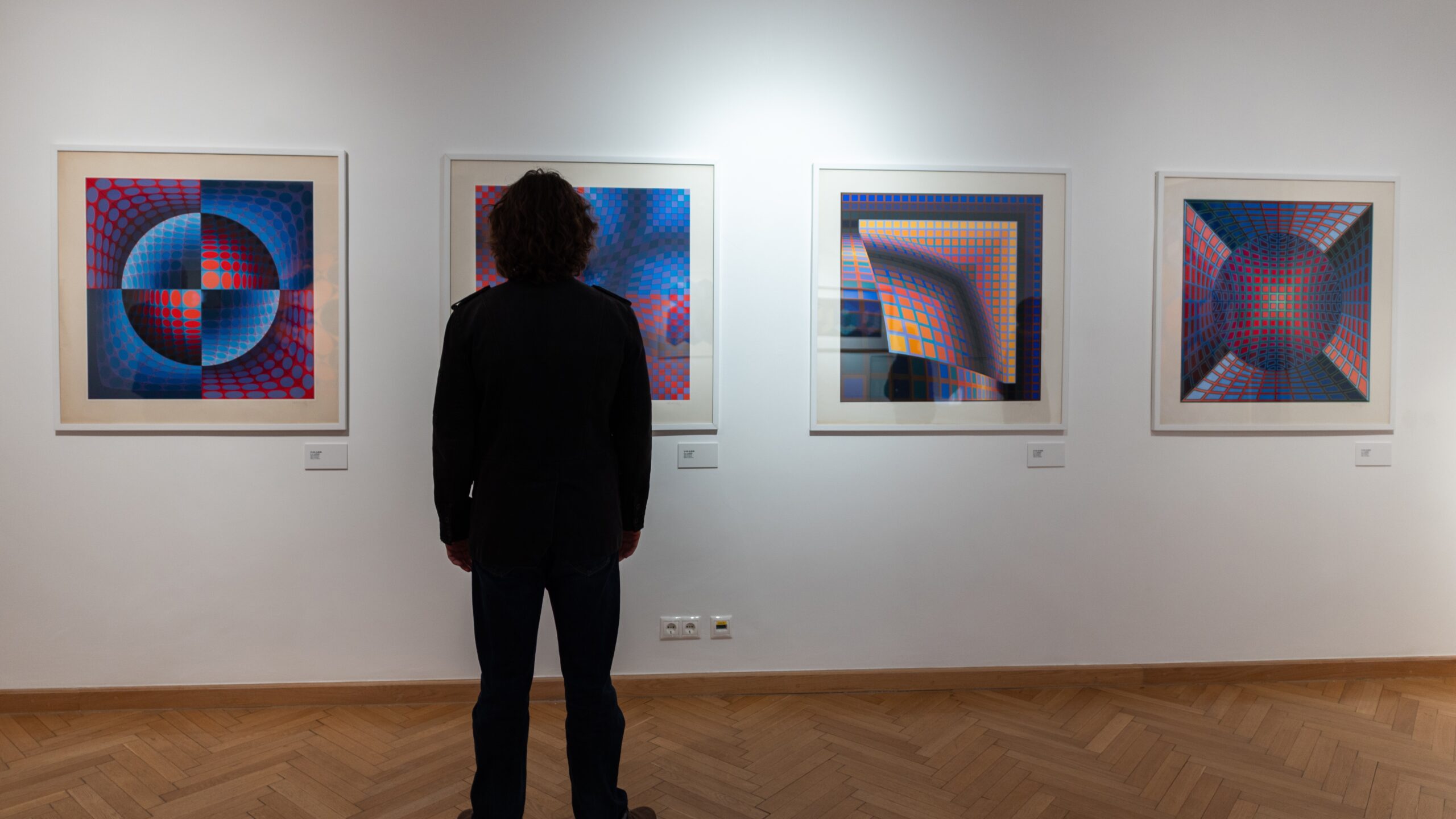
New Exhibition Explores Victor Vasarely’s Influence on Hungarian Neo-Avant-Garde Art

A major exhibition titled "Vasarely Don't Go Home!" opens at NEO Contemporary Art Space in Budapest, marking the 120th anniversary of Victor Vasarely's birth. Curated by Zsolt Petrányi, the show runs until 19 September and examines Vasarely's influence on Hungarian experimental and neo-avant-garde art of the 1960s and 1970s. Featuring over 60 works, the exhibition is organized around three themes—construction, grid structures, and illusion—and connects to parallel Vasarely shows at the Museum of Fine Arts and the Hungarian National Gallery. The title references a 1969 protest where artist János Major carried a sign reading 'Vasarely go home!' during Vasarely's exhibition at Műcsarnok.