
filter_list Showing 3 results for "Gerard Basquiat" close Clear
dashboard All 3 trending_up market 2article culture 1
date_range Range Today This Week This Month All
Subscribe

basquiat christies baby boom 2633677

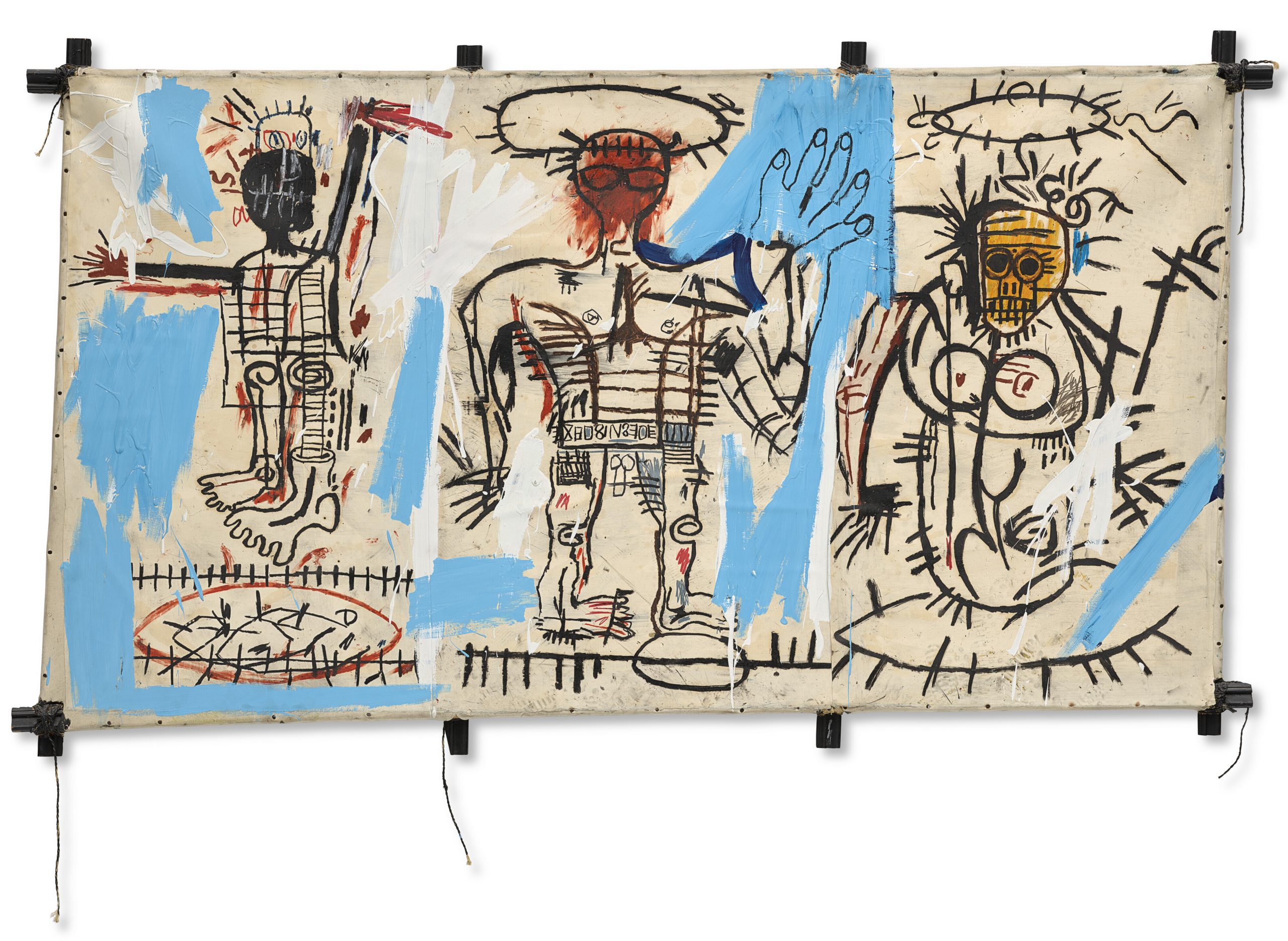
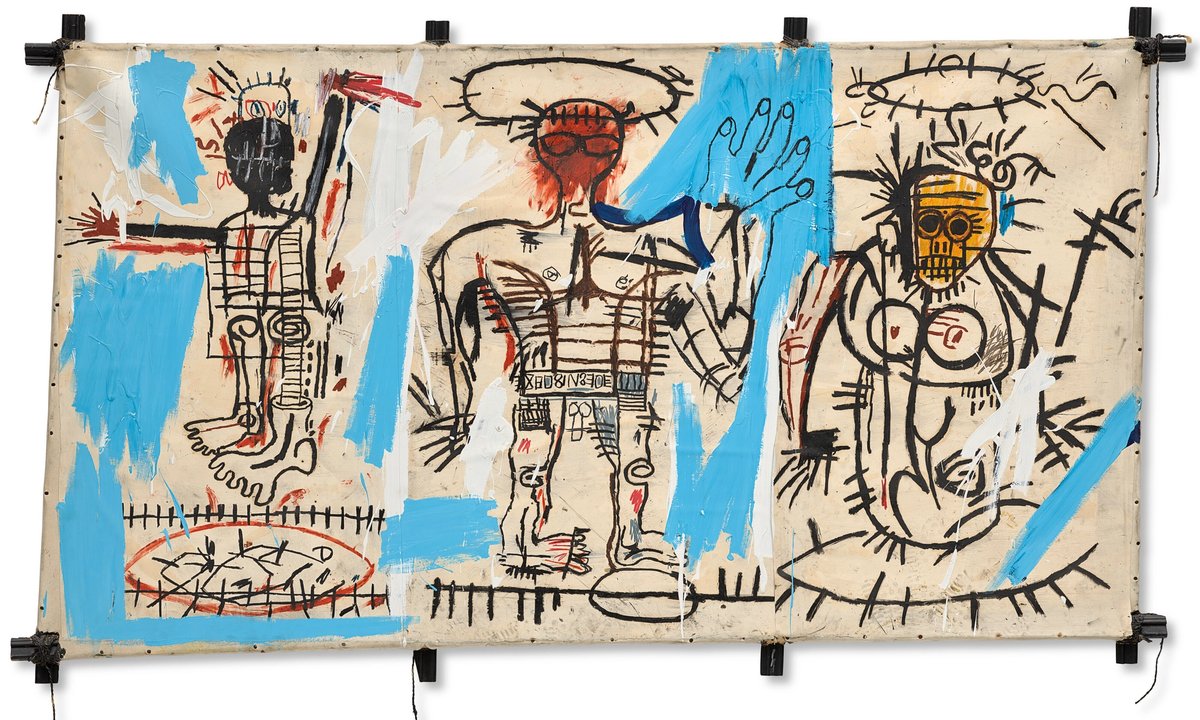
A 1982 Jean-Michel Basquiat painting, "Baby Boom," is returning to auction at Christie's 21st-century evening sale on May 14 in New York, with an estimate of $20 million to $30 million. The work, a triple portrait believed to depict the artist and his parents, has been in private hands for nearly 25 years and is being sold by major Basquiat collector Peter M. Brant. It was previously offered for $35 million in 2017 but did not sell.
Basquiat's family portrait painting could bring $30m at Christie's auction

Christie's will offer Jean-Michel Basquiat's 1982 painting *Baby Boom* as a highlight of its 21st century evening sale this May, with an estimate of $20–30 million. The work, a stylized family portrait believed to depict Basquiat with his parents, was first shown at his landmark Fun Gallery solo exhibition in 1982 and has been featured in major retrospectives at the Brooklyn Museum, Fondation Beyeler, and Fondation Louis Vuitton. Previously owned by collector Peter Brant—who bought it for $1 million in 2001—the painting was later offered at Levy Gorvy's Art Basel stand in 2017 for $30 million.

The story of Jean-Michel Basquiat’s brief but dazzling life, as told by an art-world insider

Doug Woodham, former president of Christie's Americas and current managing partner of Art Fiduciary Advisors, has authored a new biography titled "Jean-Michel Basquiat: The Making of an Icon." The book is divided into two halves: the first offers a straightforward biography of Basquiat's life from his gifted childhood in Brooklyn to his rise as a star artist, his friendship with Andy Warhol, and his tragic death from a heroin overdose at age 27. The second half analyzes how Basquiat achieved such early success, examining the influence of his father Gerard, the legal battle with dealer Vrej Baghoomian over the artist's estate, and the roles of collectors like Peter Brant and José Mugrabi. Notably, the Basquiat estate refused permission to include images of his artwork because the book openly addresses sensitive issues about his character and life.