
filter_list Showing 3 results for "Gerardo Chávez" close Clear
search
dashboard All 3 museum exhibitions 3
date_range Range Today This Week This Month All
Subscribe

FROM SÃO PAULO TO NEW YORK: THE MUSEUM OF ERRANCY OF ÉDOUARD GLISSANT

DE SÃO PAULO A NUEVA YORK: EL MUSEO DE LA ERRANCIA DE ÉDOUARD GLISSANT

The exhibition "La tierra, el fuego, el agua y los vientos: Por un Museo de la Errancia con Édouard Glissant" has traveled from the Instituto Tomie Ohtake in São Paulo to the Center for Art, Research and Alliances (CARA) in New York, marking its first U.S. presentation. Curated by Manuela Moscoso with Marian Chudnovsky, and building on prior work by Ana Roman and Paulo Miyada, the show engages with the philosophy of Martinican poet and philosopher Édouard Glissant, particularly his concepts of errantry, Relation, opacity, and the Tout-Monde. It centers on Glissant's unrealized idea of a museum as a fluid, porous space that resists colonial frameworks and fixed origins, featuring works by artists such as Melvin Edwards, Gerardo Chávez, and Eduardo Zamora.
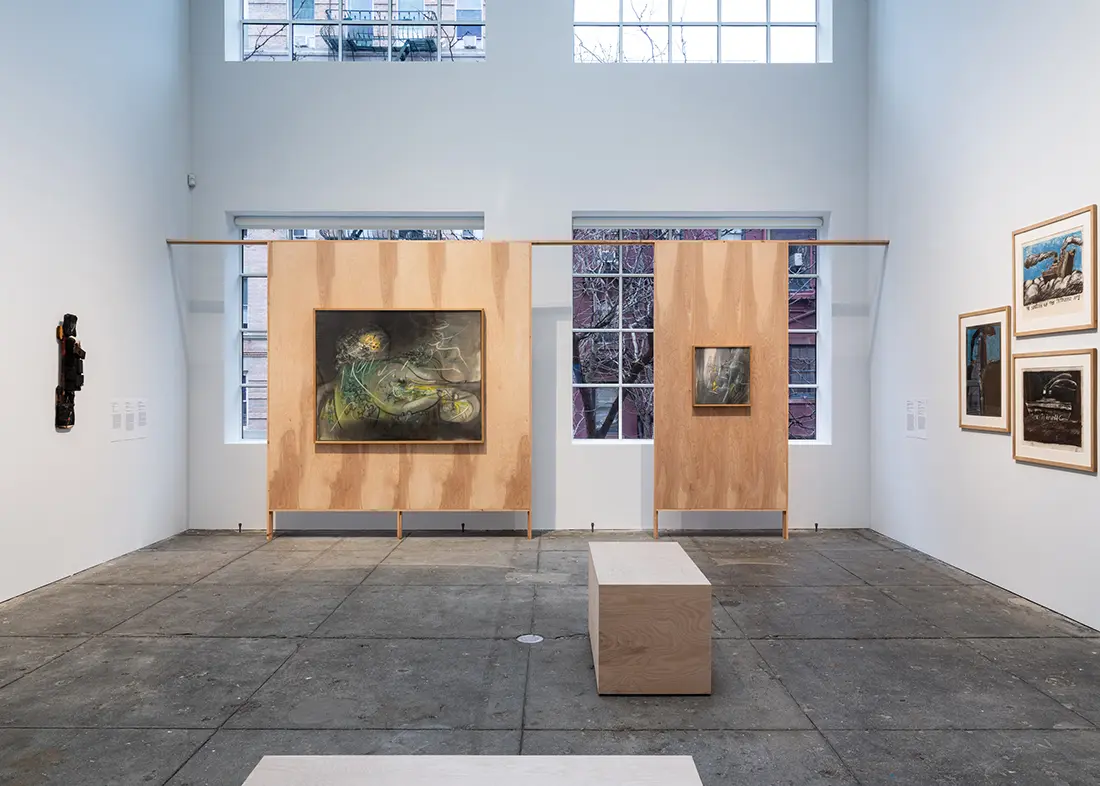
The Earth, the Fire, the Water, and the Winds: For a Museum of Errantry with Édouard Glissant

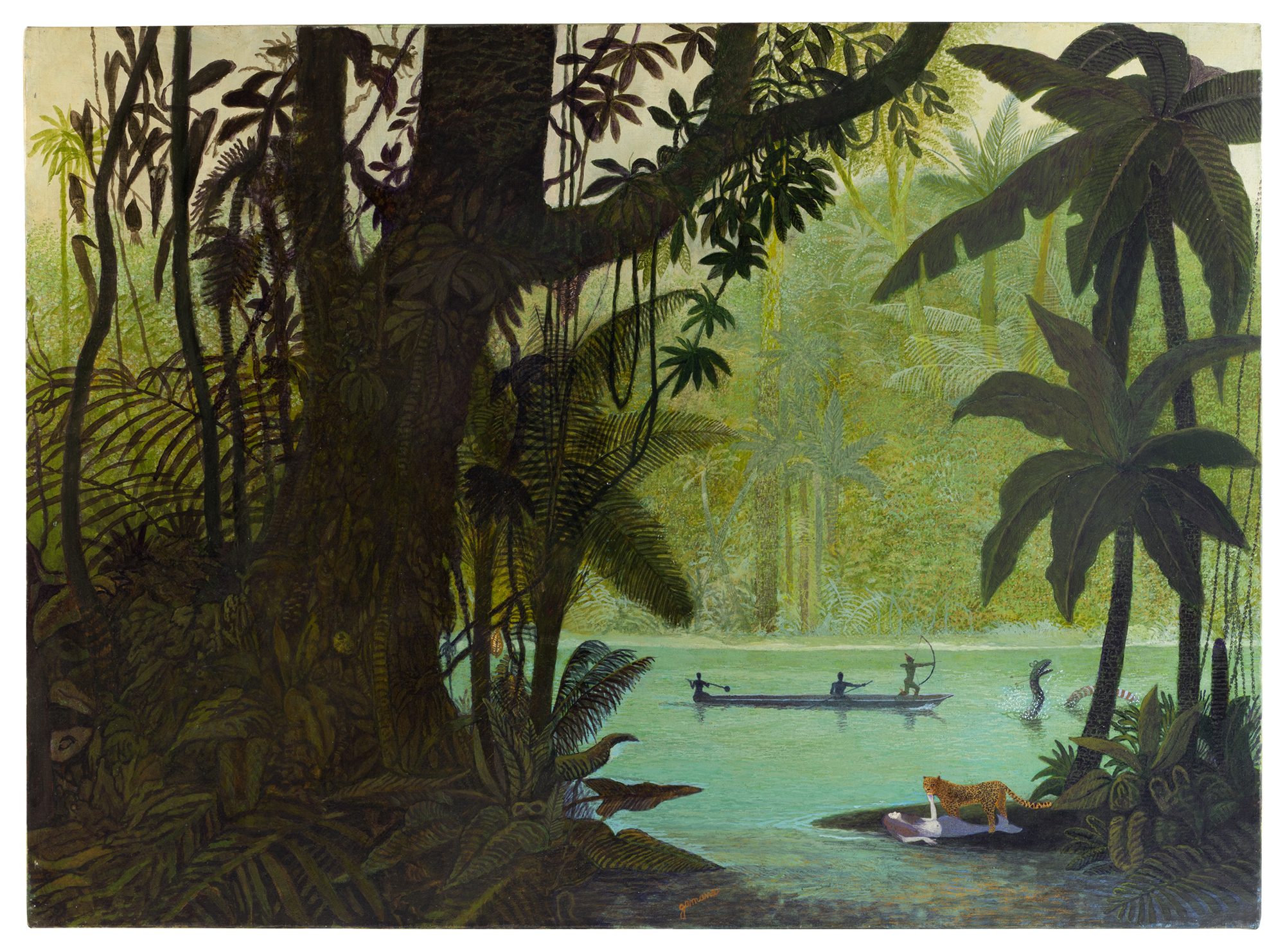
The Center for Art, Research and Alliances in New York presents "The Earth, the Fire, the Water, and the Winds: For a Museum of Errantry with Édouard Glissant," running from February 28 to May 10, 2026. The exhibition focuses on the Martinican poet and philosopher Édouard Glissant's personal art collection, tracing how his key concepts—opacity, relation, and creolization—emerged through his engagement with artworks and artists. It features works by artists such as Agustín Cárdenas, Victor Anicet, Eduardo Zamora, Gerardo Chávez, José Gamarra, and M. Emile, and travels from Instituto Tomie Ohtake in São Paulo.

Mondialisation and Mondialité: For a Museum of Errantry with Édouard Glissant

The Center for Art, Research and Alliances (CARA) in New York is hosting "The Earth, the Fire, the Water, and the Winds: For a Museum of Errantry with Édouard Glissant," an exhibition traveling from the Instituto Tomie Ohtake in São Paulo. The show eschews traditional curatorial hierarchies, instead utilizing the theories of Martinican philosopher Édouard Glissant to present works by artists such as Gerardo Chávez and Eduardo Zamora. Rather than providing didactic labels, the installation encourages "errantry" and "relationality," allowing visitors to discover visual resonances and meanings through their own active engagement with the landscape of the gallery.