
filter_list Showing 2 results for "German Lost Art Foundation" close Clear
search
dashboard All 2 article policy 2
date_range Range Today This Week This Month All
Subscribe

How the State Supports Provenance Research

Comment l’État soutient la recherche de provenance

The French Ministry of Culture has created two specialized missions to assist museums in researching the provenance of their collections, addressing looted artworks, human remains, colonial acquisitions, and illicit trafficking. The Mission for Research and Restitution of Looted Cultural Property (M2RS), established in 2019, focuses on Nazi-era spoliations (1933-1945) with a budget of €220,000 annually, while the newer Mission "Provenance," launched in 2024 under curator Catherine Chevillot, covers human remains, colonial-era objects, and illicit goods with a €450,000 budget. These missions provide expertise, funding, and coordination with institutions like the Commission for the Restitution of Property and Compensation of Victims of Anti-Semitic Spoliation (CIVS), though most museums still only initiate provenance checks during acquisitions or donations.
germany colonial restitution conduct

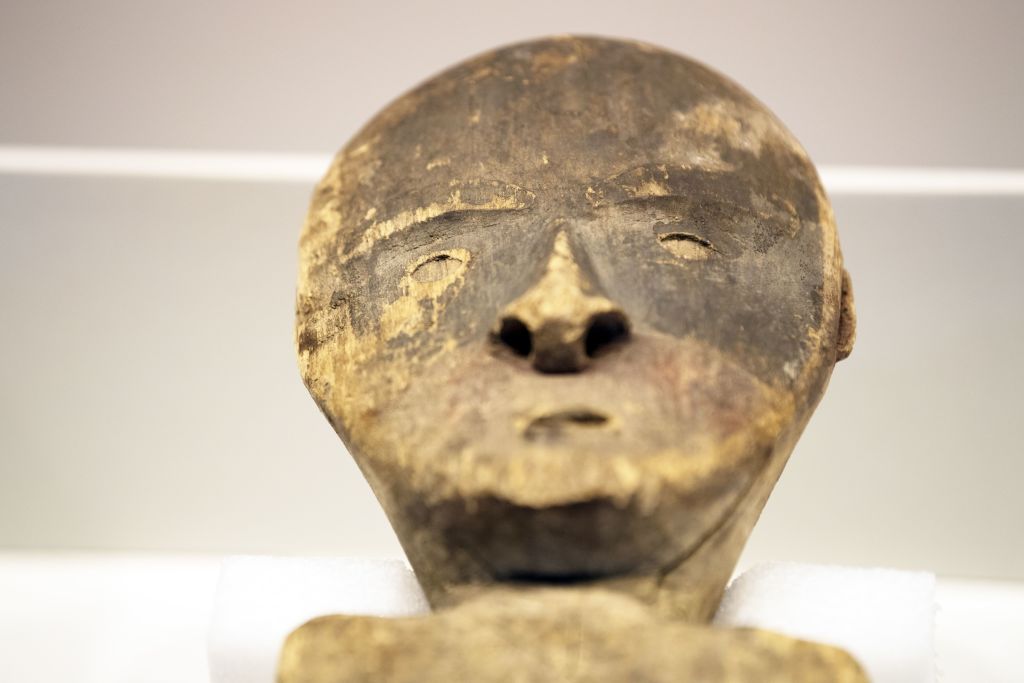
Germany's culture minister Monika Grütters has released a 130-page code of conduct for museums, titled "Guide to Dealing With Collection Goods From Colonial Contexts," which outlines methods for identifying and confronting colonial-era artifacts in German collections. The guidelines, published by the German Association of Museums, include best practices for provenance research, a list of former and current colonies, and alternatives to full restitution such as long-term loans and joint custody agreements. The release coincides with the Prussian Cultural Heritage Foundation's official ceremony returning nine artifacts to Indigenous Alaskan communities, and follows increased pressure from public outcry over the Humboldt Forum and similar restitution efforts by French president Emmanuel Macron.