filter_list Showing 41 results for "Giorgia Meloni" close Clear
search
dashboard All 41 article news 25article policy 8gavel restitution 2trending_up market 2rate_review review 1candle obituary 1person people 1museum exhibitions 1
date_range Range Today This Week This Month All
Subscribe

is dawn arriving for milans art scene

Thaddaeus Ropac, a major European blue-chip gallery, opened its seventh location in Milan in January 2025, occupying a prime palazzo previously home to Massimo de Carlo and Peres Projects. The inaugural exhibition pairs Georg Baselitz and Lucio Fontana in a show titled "L’aurore viene." The move has reignited debate about whether Milan is finally poised to become a contemporary art capital, despite past false starts and the city's stronger identity as a fashion and design hub.

Middle East, Ultra-Contemporary Old Masters, and the Meloni Fresco

middle east ultra contemporary old masters fresco

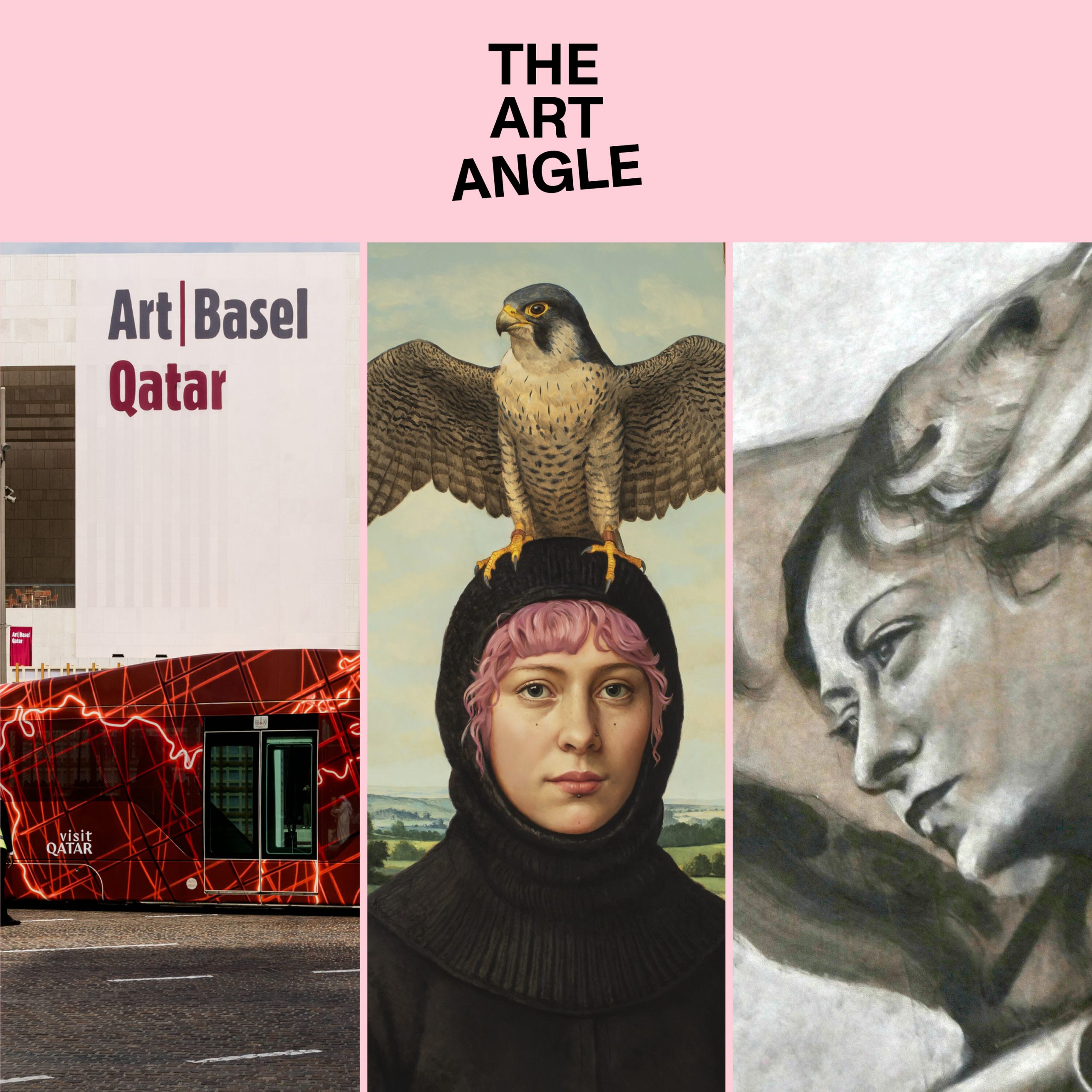
The art world is navigating a significant shift in regional power and aesthetic trends, highlighted by the inaugural Art Basel Qatar. This expansion into the Middle East signals a potential recalibration of global cultural influence, while simultaneously, the 'Ultra-Contemporary' market is pivoting toward 'Old Master' aesthetics and historical estates as a response to mounting economic pressures.

venice biennale russia pavilion eu funding

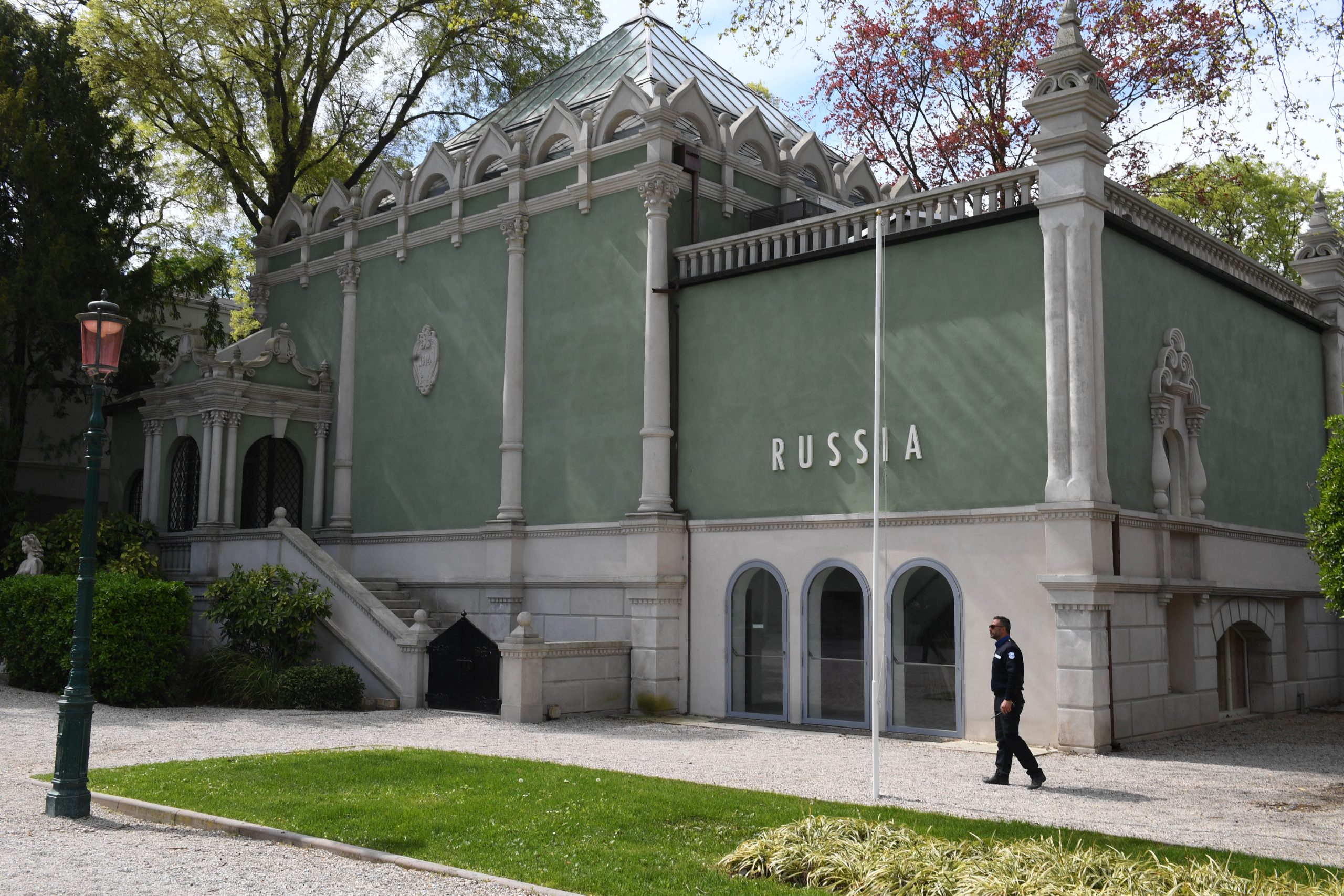
The European Union has threatened to withdraw a €2 million grant from the Venice Biennale following Russia's decision to return to the international exhibition for its 61st edition. The EU Commission warned that providing a platform for a Russian national pavilion risks legitimizing figures connected to the Kremlin and violating sanctions, while Biennale organizers have defended the move as a commitment to artistic freedom and a rejection of censorship.

The Politics of Russia’s Return to the Venice Biennale

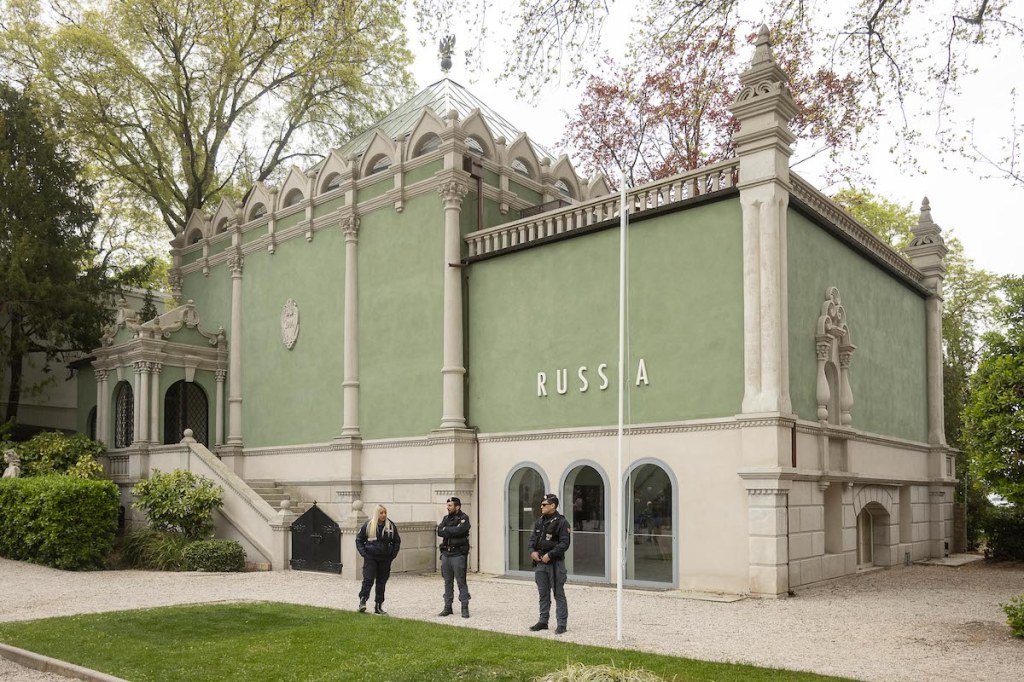
Russia has announced its intention to return to the Venice Biennale in 2026, marking its first participation since the full-scale invasion of Ukraine in 2022. The proposed pavilion, titled "The Tree is Rooted in the Sky," plans to feature 38 participants from Russia and several Global South nations. The announcement has sparked intense backlash from the European Commission and culture ministers across 22 countries, who argue that Russia’s presence undermines democratic values and serves as a tool for "dark cultural diplomacy."

No Need to Shed a Tear for the Jury

"Man muss der Jury keine Träne nachweinen"

The entire jury of the Venice Biennale resigned shortly before the opening, prompting criticism of Biennale President Pietrangelo Buttafuoco. Italian Culture Minister Alessandro Giuli accused Buttafuoco of pursuing a misguided "pacificist fantasy" by readmitting Russia to the six-month exhibition, calling it failed "side foreign policy." Commentators in German media, including Niklas Maak (FAZ) and Marcus Woeller (Die Welt), see the resignation as a symptom of a crisis in the art world, with the jury having acted as a "political tribunal" by pre-judging artists based on nationality, particularly regarding Israel. The Biennale leadership defended inclusion, but the standoff has caused significant "image damage." Separately, Dirk Knipphals (wochentaz) delivers a scathing review of Wolfram Weimer's first year as cultural policy commissioner, accusing him of empty rhetoric and failing to counter right-wing cultural politics. Juliane von Mittelstaedt (Der Spiegel) reports on Saudi Arabia's use of a spectacular new art museum in Riyadh as a stability narrative amid regional conflict.

‘The government understands what is at stake’: Italian art world weighs in on tax cut at Artissima

The Italian parliament reduced VAT on art sales from 22% to 5%, the lowest rate in Europe, a move announced by Prime Minister Giorgia Meloni's government. The tax cut was celebrated at the 30th anniversary dinner of the Fondazione Sandretto Re Rebaudengo in Turin, where politician Federico Mollicone noted it had been over 30 years in the making. The contemporary art fair Artissima, holding its 32nd edition in Turin, became the first Italian fair to test the new tax policy. Italian dealers reported positive effects, including easier deal closures and increased sales to both Italian and European collectors, with some galleries experiencing their best opening day ever.

The art of politics: how global conflicts are playing out in this year's Venice Biennale

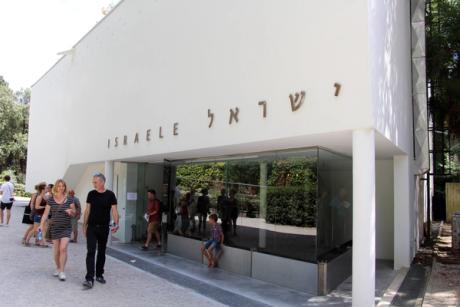
Israel is making a controversial return to the 2025 Venice Art Biennale after its pavilion was locked in 2024 with a note demanding a ceasefire in Gaza. The artist representing Israel, Belu-Simion Fainaru, will present his project "Rose of Nothingness" in the Arsenale, while Russia also returns to the Biennale after its Giardini pavilion was reassigned to Bolivia in 2024. The Art Not Genocide Alliance (ANGA) has renewed calls for a boycott and is organizing strike action to disrupt the event, accusing Israel of genocide.

At the Venice Biennale I saw anger at Russia and Israel – and its leadership pretending everything was fine | Charlotte Higgins

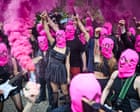
At the 2024 Venice Biennale, the Russian pavilion returned with festive performances and prosecco deliveries, drawing sharp criticism from observers who saw it as a propaganda effort to distract from Russia's war in Ukraine. Meanwhile, Ukraine's Kramatorsk was bombed, and protests erupted, including a Pussy Riot intervention. Biennale president Pietrangelo Buttafuoco defended Russia's and Israel's participation, rejecting preemptive bans despite open letters and appeals. European Commission investigated potential sanctions breaches, and culture ministers from Ukraine, Poland, Estonia, and Baltic states boycotted or condemned the biennale's stance, accusing it of yielding to the aggressor.

Art and politics clash at Venice Biennale, as world conflicts upstage exhibition's opening

The 61st Venice Biennale, the world's most prestigious art exhibition, opens under unprecedented turmoil. For the first time, its vision was shaped by the late Cameroonian curator Koyo Kouoh, who centered artists from Africa and its diaspora. However, political conflicts over Russia and Israel have overshadowed the art. All five jurors resigned after the Italian culture minister investigated their decision to withhold prizes from Russia and Israel over alleged crimes against humanity. Protests erupted at the Russian pavilion, with Pussy Riot activists denouncing Russia's participation, while the Israeli pavilion artist threatened legal action over the jury's snub. The Biennale will proceed without a jury, with visitors voting for two awards, and the fate of the Golden Lion remains uncertain.

Israel’s foreign ministry accuses Venice Biennale's jury of ‘politicising’ exhibition

Israel’s foreign ministry has accused the Venice Biennale's jury of politicizing the exhibition after jurors announced they would not consider for prizes countries whose leaders face International Criminal Court charges for crimes against humanity. The jury’s statement, which did not name specific nations, is broadly understood to apply to Israel and Russia, both returning to the Biennale for the first time since the Gaza war and the Ukraine invasion, respectively. The Israeli ministry posted on X that the jury had decided to 'boycott' Israeli sculptor Belu-Simion Fainaru, calling it 'a contamination of the art world.' The Biennale distanced itself from the jury’s announcement, stating the jury acts autonomously, while the Russian pavilion is reportedly set to open only for a limited pre-opening period due to budget constraints amid sanctions.

vatican orders removal meloni fresco

The Vatican ordered the removal of an angel's face resembling Italian Prime Minister Giorgia Meloni from a fresco at the Basilica of San Lorenzo in Lucina in Rome. The fresco, painted by artist Bruno Valentinetti in 2000 and restored in 2023, features two angels praying over Italy's last king, Umberto II. After Italian media noted the likeness, Valentinetti initially denied it but later admitted the angel bore Meloni's features. On Tuesday, he painted over the face, citing Vatican orders. The Diocese of Rome confirmed the original face will be restored, and an investigation has been launched.

Putin ‘Won’ the Venice Biennale, Quips Italian Culture Minister

Italian Culture Minister Alessandro Giuli stated that Russian President Vladimir Putin "won" the 2024 Venice Biennale, criticizing Russia's controversial return to the event. Giuli, who repeatedly denounced Russia's presence, told Corriere della Sera that Russian artists in the pavilion cannot express dissent against their regime. The Biennale faced widespread calls to remove Russia, with the EU threatening to withhold a €2 million grant, but organizers argued they lacked legal authority to exclude the country. Protests by Pussy Riot and FEMEN marked the pavilion's opening, while the Biennale's jury resigned en masse after announcing that nations charged with crimes against humanity would be ineligible for Golden Lions.

‘Exclusion can only satisfy the ego’: Venice Biennale president hits out at critics amid Russia and Israel controversy

Venice Biennale president Pietrangelo Buttafuoco defended the institution against critics at a conference on May 6, three days before the public opening, amid controversy over Russia's return to the event for the first time since its 2022 invasion of Ukraine and ongoing disputes over Israel's participation. He accused critics of “narcissism” and “censorship,” while Italian culture minister Alessandro Giuli sent inspectors to investigate whether Russia's involvement breached sanctions; a report was submitted to Prime Minister Giorgia Meloni's office. Meanwhile, the Biennale faces legal threats from the artist representing Israel over alleged discrimination, and protests have erupted, including a demonstration by Art Not Genocide Alliance and a Pussy Riot action at the Russia pavilion.

Venice Bound? Here’s All the News You Need to Know About This Year’s Biennale

The 61st Venice Biennale is embroiled in geopolitical controversy over Russia's return to the event in 2026, which has sparked widespread backlash. Nearly 10,000 artists and cultural leaders signed an open letter opposing Russia's participation, and the European Union withdrew €2 million in funding for the 2028 edition. Leaked emails reveal Biennale officials worked with Russian pavilion commissioner Anastasia Karneeva to circumvent EU sanctions, while Italy's culture minister Alessandro Giuli plans to boycott the opening week. Meanwhile, activists continue to push for Israel's removal from the Biennale, though Israel will be accommodated in the Arsenale this year.

italy cuts art vat to 5 percent

Italy has announced a reduction in its VAT on art sales from 22 percent to 5 percent, the lowest rate in the European Union. The move, approved in a cabinet meeting and set to take effect within days, follows sustained pressure from Italian galleries, artists, auction houses, and art market players. The new rate must be approved by parliament within 60 days to become permanent. The change aligns with an EU directive allowing member states to lower taxes on art sales to at least 5 percent, and comes after the government initially resisted calls for reform.

Venice Biennale’s jury resigns

The entire jury of the 61st Venice Biennale, presided by Brazilian curator Solange Farkas and comprising four other curators, resigned just nine days before the exhibition's scheduled opening on 9 May 2026. The jury had announced it would not award prizes to countries whose leaders are charged with crimes against humanity by the International Criminal Court, a move widely understood to target Israel and Russia. In response, the Biennale's organisers cancelled the prize-giving ceremony and will instead award Golden Lions via a popular vote among ticketholders. The row escalated further when the Israeli representative, sculptor Belu-Simion Fainaru, accused the jury of discrimination and threatened legal action, prompting intervention from Italy's culture ministry.

Influencer, politician, museum director: what Eike Schmidt did next

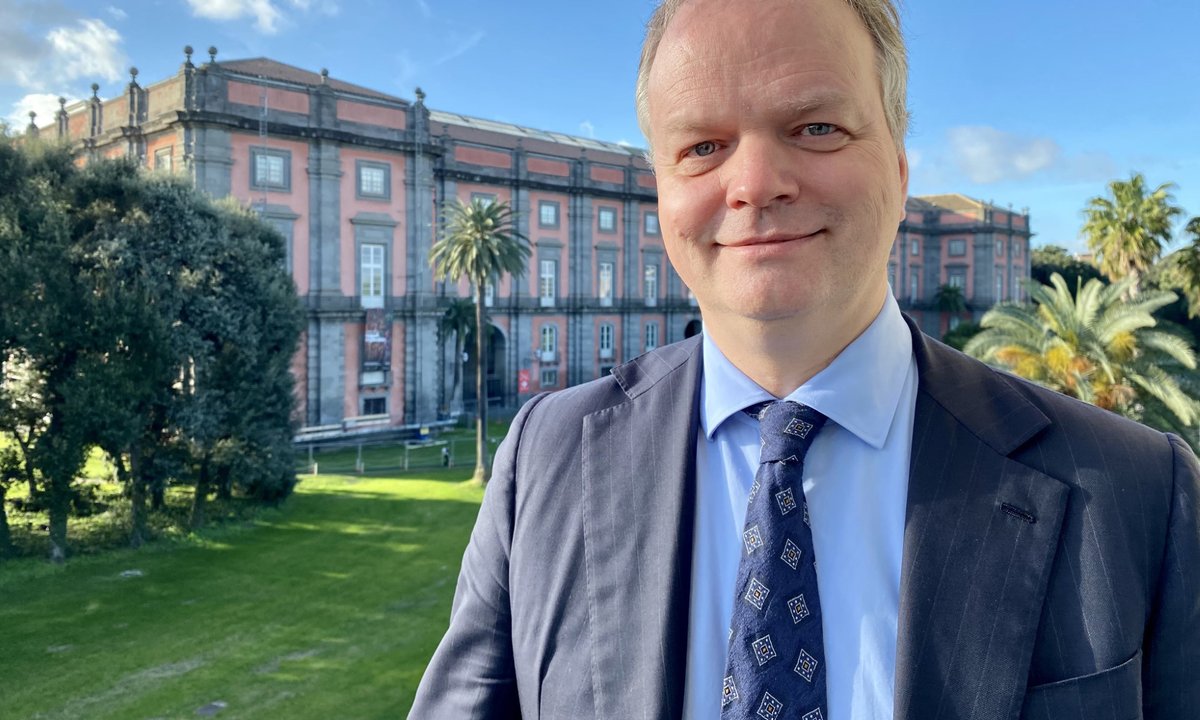
Eike Schmidt, the German-born museum director who led Florence's Uffizi Galleries from 2015, has taken on a series of high-profile and controversial roles. After restructuring the Uffizi and nearly leaving for Vienna's Kunsthistorisches Museum in 2019, he stayed on, then moved to Naples' Museo di Capodimonte in 2024. Months later, he ran for mayor of Florence as a centre-right independent backed by far-right parties, losing in a run-off. Now settled at Capodimonte, he reflects on his unpredictable career with no regrets.

Meloni takes control of Italian museums

Meloni reprend en main les musées italiens

Italy’s culture ministry under Prime Minister Giorgia Meloni has appointed 14 new directors for so-called “second-tier” museums, reinforcing a shift away from the international “super-director” model introduced by the 2014 Franceschini reform. All appointees are Italian except for French director Axel Hémery, who was reappointed at the Pinacoteca di Siena due to his strong performance. The move follows the earlier ousting of foreign directors at top-tier museums, with only two foreign-born directors—Eike Schmidt and Gabriel Zuchtriegel—remaining, both of whom hold Italian citizenship.

Seen in Venice, Bought in Venice

"In Venedig gesehen, in Venedig gekauft"

The article reports on multiple developments surrounding the Venice Biennale. Iran has withdrawn from the Biennale, citing political and economic crises, with logistical challenges such as no flights or postal service making participation nearly impossible. Artist Anish Kapoor has called for the exclusion of the United States from the Biennale, criticizing its "abhorrent policy of hate" and "ongoing warmongering." A memorial installation by Derrick Adams for the late curator Koyo Kouoh, who was set to lead the main exhibition, will be displayed near the Arsenale. Additionally, the Biennale faces a funding cut from the EU due to Russia's continued participation despite the Ukraine war, leading to the resignation of the jury and the culture minister's withdrawal.

italian politicians protest return of altarpiece slovenia

A 16th-century altarpiece by Vittore Carpaccio, *Madonna and Child Enthroned with Six Saints* (1518), has been returned to the Slovenian town of Piran, where it was originally commissioned for the Church of St. Francis of Assisi. The painting was removed in 1940 and placed in Padua for safekeeping during World War II, remaining in the Basilica of Sant’Antonio for decades. Following pressure from Franciscan friars in Padua, the work was quietly transferred back to Piran on September 4, days before Italian President Sergio Mattarella’s state visit to Slovenia. Slovenian Culture Minister Asta Vrečko hailed the return as the result of long-standing efforts.

The Left Side of History: On Haile Gerima’s Black Lions—Roman Wolves

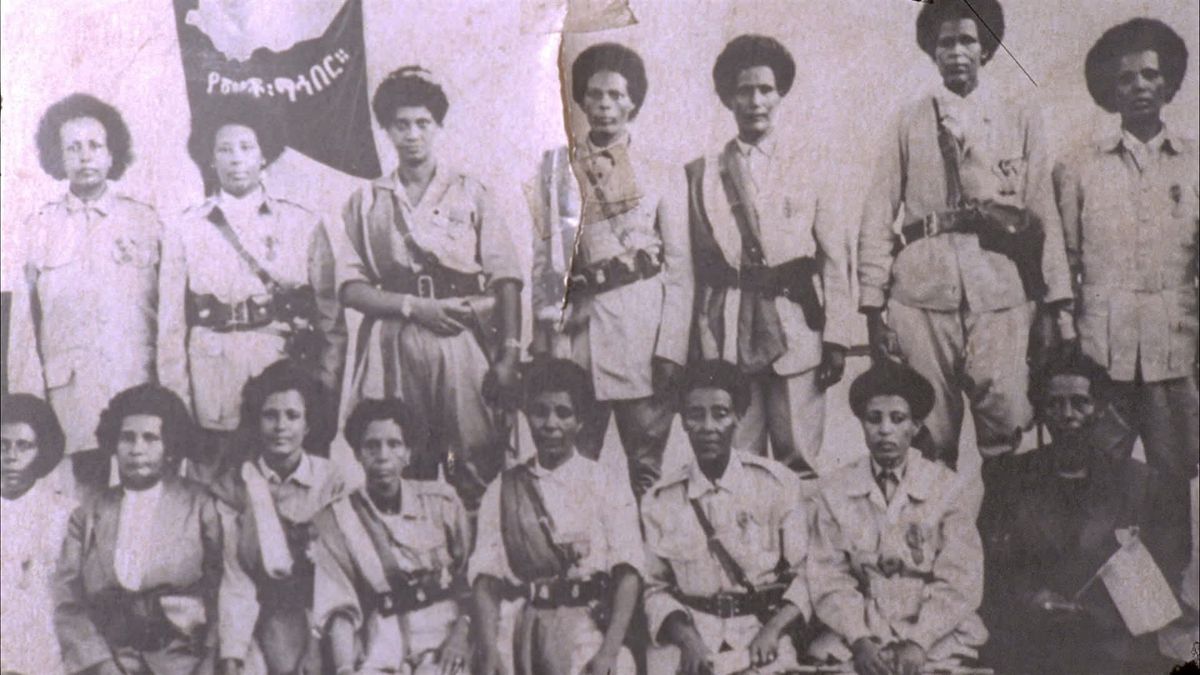
The article is a critical essay analyzing Haile Gerima's 2026 film 'Black Lions—Roman Wolves: The Children of Adwa,' focusing on its exploration of Italy's colonial occupation of Ethiopia and the repression of this history. The author uses a scene from Gerima's earlier film 'Teza'—featuring children playing near a decaying fascist monument in Ethiopia—as a starting point to discuss how colonial memory and trauma are cinematically excavated.

‘Momentous’: Italy to slash art VAT to 5%, the lowest rate in the EU

Italian lawmakers have approved a reduction of VAT on art sales from 22% to 5%, the lowest rate in the European Union. The decision, announced by culture minister Alessandro Giuli after a cabinet meeting on June 20, is expected to take effect this week. The reform follows intense lobbying by art market groups and a letter signed by 500 art world figures, including artists Maurizio Cattelan and Michelangelo Pistoletto, who warned the high rate was turning Italy into a "cultural desert." The tax cut must be passed by parliament within 60 days to remain in force, and may also apply to import VAT, potentially making Italy the most competitive art market in Europe from a tax standpoint.

The Craziest Venice Biennale Ever: One Week Before Opening, the Jury Resigns (The Public Will Decide the Lions!)

La Biennale di Venezia più pazza di sempre: a una settimana dall’apertura si dimette la giuria (I Leoni li deciderà il pubblico!)

The entire international jury of the 61st Venice Biennale has resigned en masse just one week before the opening. The jury, chaired by Solange Oliveira Farkas and including Zoe Butt, Elvira Dyangani Ose, Marta Kuzma, and Giovanna Zapperi, had publicly announced they would not consider countries whose leaders are accused of crimes against humanity by the International Criminal Court—effectively excluding Russia and Israel from the Golden Lion competition. This decision came amid ongoing tensions between Italian Culture Minister Alessandro Giuli and Biennale President Pietrangelo Buttafuoco over Russia's participation, as well as controversy surrounding Israel's presence. After a meeting with Buttafuoco, the jury resigned, leaving the Biennale without a key body to award its top prizes.

European Commission Tells Venice Biennale to ‘Clear Its Name’ Regarding Russian Pavilion or Risk Losing $2.3 M. Grant for 2028

The European Commission has issued a 30-day ultimatum to the Venice Biennale, threatening to withdraw a €2 million ($2.3 million) grant for the 2028 edition unless the organization addresses concerns regarding the Russian Pavilion's inclusion in 2026. The Commission alleges that hosting a government-funded delegation violates EU sanctions and provides a cultural platform for Russian state interests amidst the ongoing war in Ukraine. The Biennale's president, Pietrangelo Buttafuoco, must respond by May 11, just two days after the exhibition's public opening.

A missing wolf and a Sydney sunset: photos of the day – Thursday

The Guardian’s picture editors have curated a selection of global photographs capturing significant moments from Thursday, April 9, 2026. The collection spans a wide range of subjects, including a dramatic sunset at Milk Beach in Sydney, environmental concerns over a widening faultline in the Swiss Alps, and political activities involving leaders in Scotland and Italy. It also documents somber events, such as the funeral of Al Jazeera correspondent Mohammed Wishah in Gaza.

italian prime ministers face erased from rome fresco after complaints from the vatican

The face of an angel in a fresco at Rome's Basilica of St. Lawrence in Lucina, which bore a resemblance to Italian Prime Minister Giorgia Meloni, has been erased. Artist Bruno Valentinetti, who restored his own 2000 fresco, removed the image last week following an inquiry by Italy's culture ministry and the diocese of Rome, stating he acted at the Vatican's request.

Volunteer Restorer Accused of Painting PM Giorgia Meloni's Face into Angel on Church Fresco

church fresco giorgia meloni

A volunteer restorer in Rome, Bruno Valentinetti, has been accused of altering a church fresco to make an angel bear the likeness of Italy's Prime Minister Giorgia Meloni. The fresco, in the Basilica of San Lorenzo in Lucina, was restored after water damage, and the angel holding a map of Italy now appears to resemble the political leader. Valentinetti denies the likeness, claiming he faithfully followed the original design.

Jury for Venice Biennale's art prize resigns after refusing to recognise Israeli, Russian artists

The international jury of the 61st Venice Biennale art exhibition resigned just over a week before the May 9 prize ceremony, after announcing they would not consider artists from countries whose leaders face International Criminal Court charges—an apparent reference to Russia and Israel. The jury included president Solange Farkas, Zoe Butt, Elvira Dyangani Ose, Marta Kuzma, and Giovanna Zapperi. In response, the Biennale established two Visitors’ Lions to be awarded by ticket-holder vote, postponed the awards to November 22, and reaffirmed that all national participations remain eligible, effectively reinstating Russian and Israeli artists.

Venice Biennale in crisis: The controversies explained

The Venice Art Biennale's official awards ceremony, scheduled for May 9, has been canceled after the entire five-member jury resigned days before the event. The jury had previously announced they would not consider countries whose leaders face International Criminal Court charges, directly impacting Russia and Israel. Instead of jury-selected prizes, visitors will vote throughout the Biennale's run, with "Visitor Lions" awarded on November 22. The event, running from May 9 to November 22, features 100 national participations, including seven first-time countries, and a posthumous main exhibition titled "In Minor Keys" curated by the late Koyo Kouoh, the first African woman to lead the show. Iran withdrew on May 4 amid Middle East tensions, while Russia's return to the Biennale in 2026 has sparked EU threats to cut funding.

Brussels, Russia and the Venice Biennale

The jury of the 61st Venice Biennale Art Exhibition has resigned en masse to protest the decision to allow Russian participation for the first time since the 2022 invasion of Ukraine. The jury stated it would refuse to consider artists from countries whose leaders face International Criminal Court warrants, specifically Israel and Russia, citing a commitment to human rights. The Biennale organizers defended the re-admission as consistent with openness and dialogue, while Ukrainian Foreign Minister Andriy Sybiha and EU foreign policy chief Kaja Kallas condemned the move, with the EU threatening to cut funding. The Italian government distanced itself, calling the Biennale autonomous.