filter_list Showing 5 results for "Great Depression" close Clear
dashboard All 5 museum exhibitions 3article culture 1rate_review review 1
date_range Range Today This Week This Month All
Subscribe

How the New Deal Treated Art as Essential to Democracy

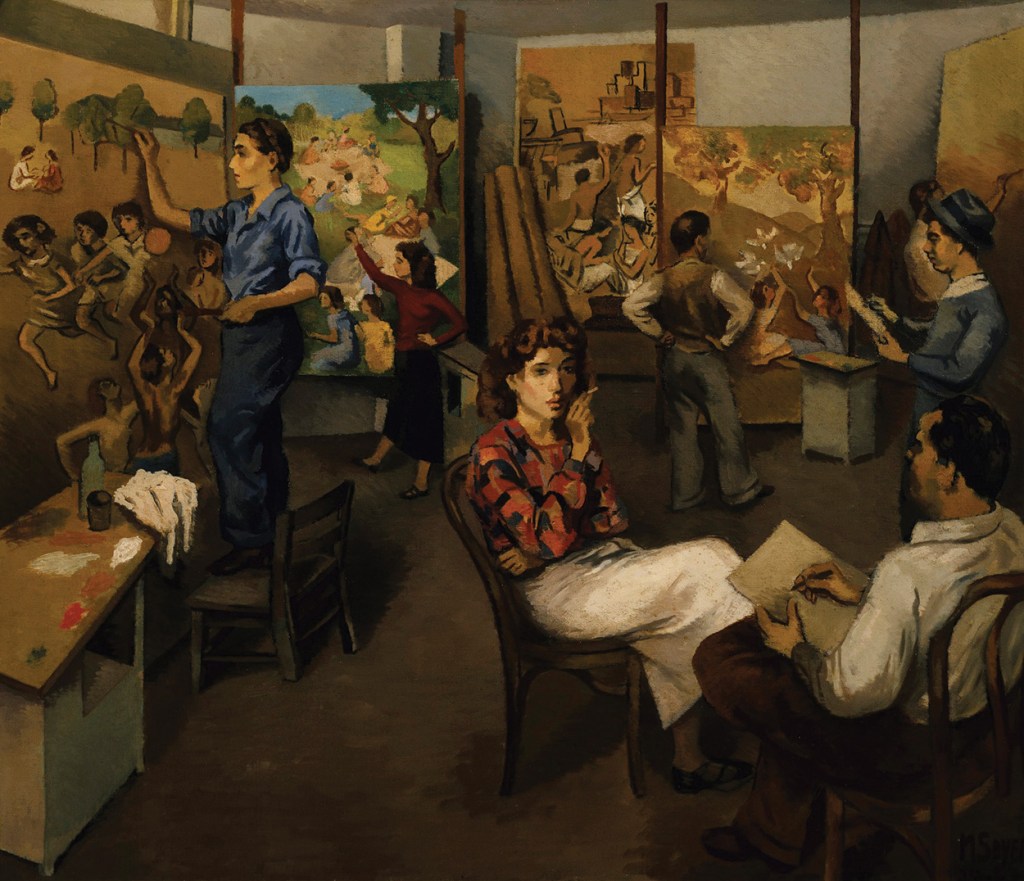
The United States government transformed the role of the artist during the Great Depression by treating art as a vital public resource rather than a private luxury. Between 1933 and 1943, New Deal programs like the Public Works of Art Project (PWAP) commissioned hundreds of thousands of works for schools, libraries, and hospitals, providing 'plumbers' wages' to struggling creators. This federal patronage supported a generation of then-unknown figures, including Jackson Pollock, Mark Rothko, and Alice Neel, while focusing on the 'American scene' to make culture accessible to the general public.
dorothy waugh national park posters 2734817

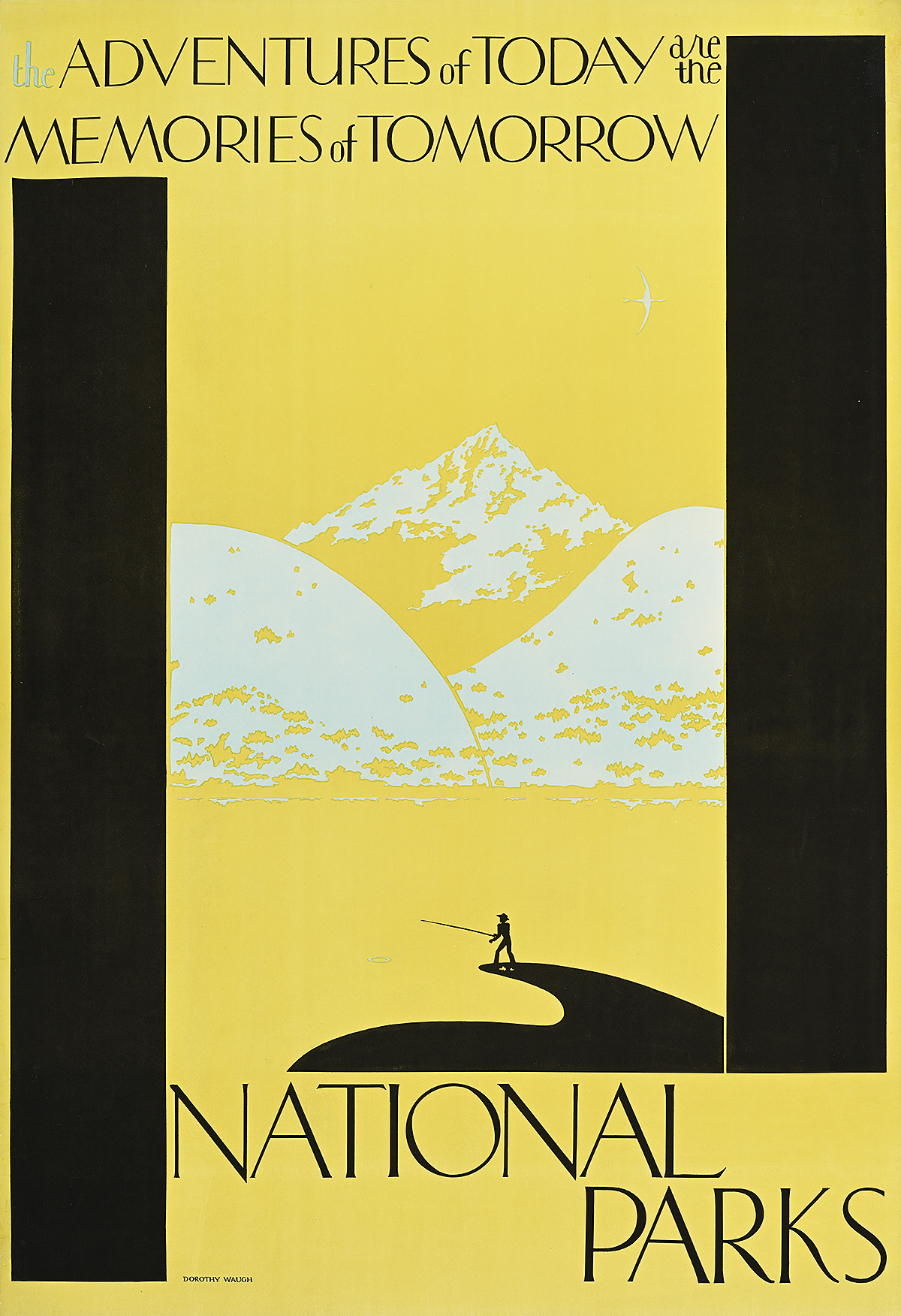
Dorothy Waugh, a pioneering Modernist designer who created the U.S. government's first in-house National Parks poster campaign during the Great Depression, is the subject of her first-ever solo exhibition at New York's Poster House. Titled "Blazing a Trail: Dorothy Waugh's National Parks Posters," the show reunites all 17 posters Waugh designed for the National Park Service between 1934 and 1936, bold experimental works that helped define a new visual language for federal design. Guest curator Mark Resnick spent three decades tracking down Waugh's story, locating documents across the National Archives, the Library of Congress, the School of the Art Institute of Chicago, and the Jones Library in Amherst, Massachusetts.

artists resisted fascism comrades in art andy friend 1234752655

A group of British artists, frustrated by the Great Depression and inspired by socialist ideologies, founded the Artists International Association (AIA) in the early 1930s. Initially a Communist-inflected agit-prop group, it rebranded in 1935 to broaden its anti-fascist coalition, a move that sparked internal debates about ideological purity. The article, reviewing Andy Friend's book *Comrades in Art: Artists Against Fascism, 1933–1943*, highlights key episodes such as the AIA's 1940 exhibition 'The Face of Britain,' which opened amid the Blitz after bombs damaged the gallery.

BUAM exhibition explores artists’ interaction with historical movements

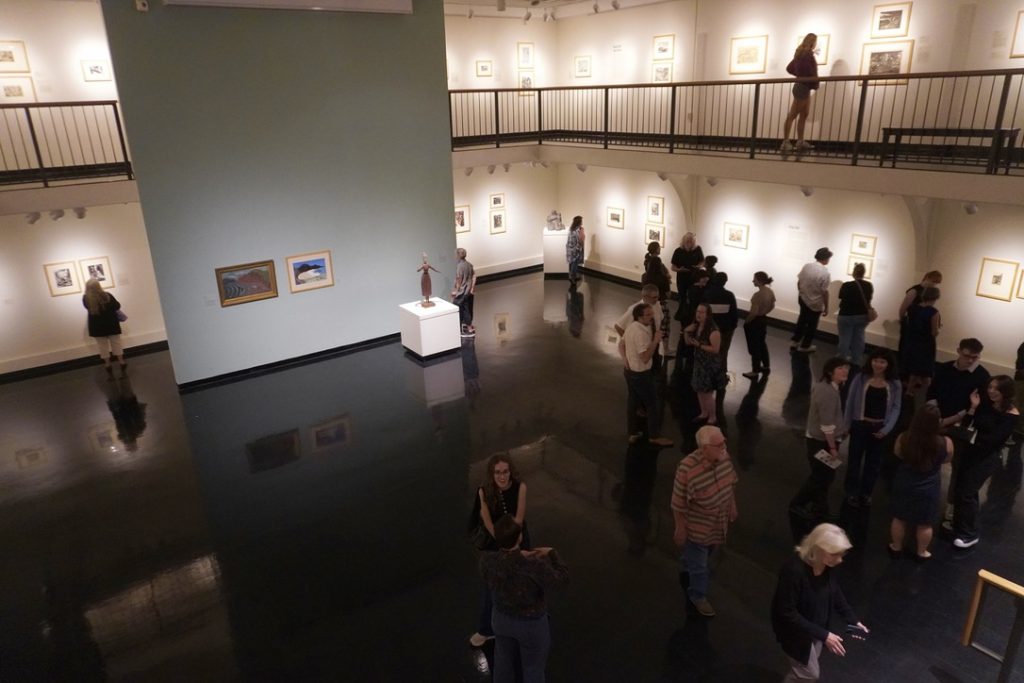
The Binghamton University Art Museum (BUAM) has opened its fall semester exhibition, “In the American Grain: Exploring America through Art, 1919-1946,” curated by art history professor Tom McDonough. The show spans the interwar period through World War II, featuring works from BUAM’s collection—many donated by local collectors Gil and Deborah Williams—alongside loans from the BU libraries, the Roberson Museum and Science Center, and the Art Bridges Collection. Originally conceived with Chelsea Gibson of the Binghamton Codes! Program, the exhibition grew from a pandemic-era digital project and includes thematic categories such as Americans Abroad, City Life, Picturing Black Lives, and War Time, with works by artists like Jane Peterson, Chiura Obata, James Lesesne Wells, and Helen Torr.

A century of Art Deco celebrated at Sarasota Art Museum

Sarasota Art Museum will present "Art Deco: The Golden Age of Illustration" from August 31, 2025, through March 29, 2026, celebrating the 100th anniversary of the style's debut at the 1925 Exposition Internationale des Arts Décoratifs et Industriels Modernes in Paris. The exhibition features 100 rare posters from the 1920s and 1930s drawn from the William W. Crouse Collection, one of the world's most important private collections of Art Deco posters, with works by artists including A. M. Cassandre, Leonetto Cappiello, and Paul Colin. Alongside the posters, the show includes sculptural pieces, vintage cocktail shakers, and furniture from The Wolfsonian-Florida International University, highlighting the luxurious materials and modern design of the Machine Age.